By Michael Shannon
My grandmother Eileen gave birth to four children, only one in a hospital and even that was in the middle of an earthquake in 1933. She could pack up a house, take the kids out of school and be on the road to a new town in hours. She could take care of her kids, clean the house, make her husbands lunch and spend the day fighting a war to the finish against millions of ravenous mice. (Bakersfield 1926) She washed her husbands work clothes in kerosene; BARE HANDED! She never ever fought with her husband. She wore her hair down past her fanny, 100 brush strokes every night, wove it into a single braid, wrapped it around her head and got on with the day. They were so poor during the depression they lived with relatives. In Santa Barbara, Grandma went to the relief office for help but was told they would have to sell the car to qualify. Grandpa needed that car go to work so they muddled through. They lived in 78 houses in 44 years. Tough
My grandpa Bruce was an oilman and they moved with the work. It took one to three months to drill an average well and if the company needed you on another lease site, you had to go. My mother never attended any school for an entire year until she was 17 and was able to stay at Santa Barbara High School while grandpa drilled at the Rincon and Elwood leases in Santa Barbara County. She had to make a place for herself two or three times a year in new schools. She married young and was sorry for it. He beat her. She was a good girl though and got my dad on the second try. She raised three boys in an old farm house, where screech owls drowned in the water on the tank house and came through the pipes and into the kitchen sink. We had one electric heater for the whole house and a single tub in the bath. She shared this with four of us men and yet could still go on a date with my dad and be so beautiful it made your heart hurt. She would say, “Kiss your mother goodbye and don’t smear the lipstick,” so we would kiss her on the cheek before she left. She once wrote in a letter to her mother that “she hoped George makes some money this year because I’m tired of hamburger.” She hated the hard Arroyo Grande valley water that turned our clothes yellow. It even turned the side of the house yellow when the sprinklers hit it. She worried about my dad getting hurt on the ranch but never told him so and when the awful cancer that took her life was killing her she kept her mouth shut and did her suffering in silence. Tough.
My aunt Mariel married a cowboy and they lived on a ranch in the Watts Valley near Tollhouse California. It was rough living by modern standing, Hot as hades in the summer, cold as a well diggers knee in the winter. An old wood stove heated the kitchen but in the back, well just add another blanket in the winter. In the summer a fifty pound block of ice covered with burlap and set in front of a fan did the job. They drank their milk unpastuerized, warm from the cow and their whiskey straight. Mixes dilute the liquor so they didn’t pour them that way. Those old houses couldn’t be kept clean. Dust leaked in everywhere. If you’ve ever lived in a house built in the nineteenth century you know what I mean. I never heard her complain, she loved her husband and her boys to pieces. She was a great person. Tough.
My aunt Pat married young too, right after high school and had four children pretty quickly. The marriage soured and in a few years she was left alone with four kids, no education and no place to go. She moved to Arroyo Grande, got a job in the newspaper business, brought up her children to be good citizens and made a new life for herself. An unmarried woman in the sixties had a hard road to hoe. She never made as much as a man in the same job and had to work twice as hard too. She persisted though. Tough
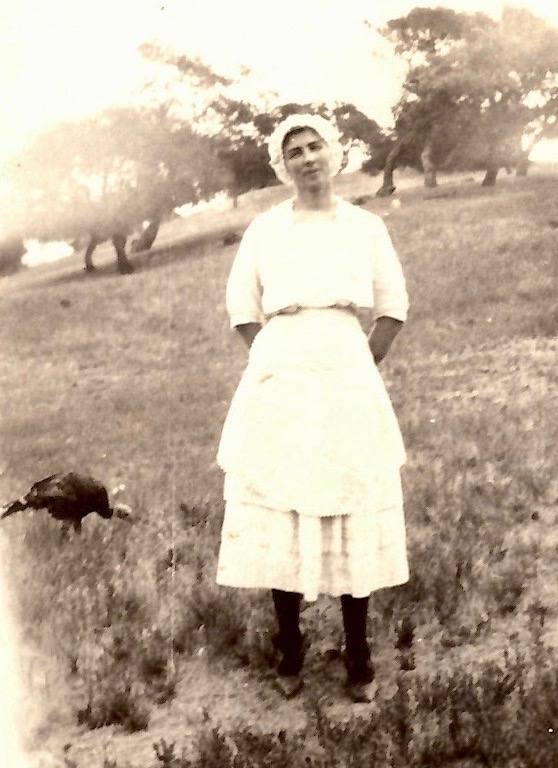
My grandmother Annie came from a rich family and never wanted for anything. She was a university graduate in a day when not many women did that. She had all the advantages. The families said to her, “Don’t do it,” but she married the boy anyway. They moved to a three hundred acre farm in 1918. They had to kick the chinaman out of the the house that was old even then. The house had three rooms a board floor and was a typical 18th century farmhouse of single wall construction. She had a wood stove, no well, no electricity, two little boys and a husband that worked like the devil 7 days a week. No more finery for her. She hauled her wood, cooked the meals, sewed their clothes on a White treadle sewing machine. She could darn a stock, sew on a button and milk a cow. She put up with hogs, cattle, dogs, cats, squirrels, weasels and raccoons in cages but she couldn’t abide goats. They were for the “shanty” Irish. She never complained because, you see, she loved the boy. Tough
Great-grandma Shannon was Canadian by Ireland. She was a widow with four children living in upstate New York when she married my ex-con great-grandfather. He had just finished two years for robbing boxcars. He was a younger man and a bit of a hellion. His family had lived in America for two and a half centuries and done a bit of everything. They were inn-keeper in western Pennsylvania, read saloon there. The couple drifted west, farmed a little in Indiana and ended up running a boarding house in Reno where my grandfather was born. They arrived in Arroyo Grande, California in 1890 and bought a little farm where they raised chickens and grew apricots. Grandma Shannon had a bit of the heavy hand and my grandfather Jack bolted for freedom several times before he was 18. Each time the sheriff drug him back. Grandma Shannon fairly earned the sobriquet, “The meanest woman in the world,” but she was tough.
My other great-grandmother stepped aboard the States Liner SS State of Alabama on a fine Belfast morning with her brand new husband Samuel Gray, waved to her family who she would never see again and sailed for Ameriky. The newlyweds stepped ashore at Castle Gardens, Manhattan. traveled to Indiana where Sam worked as a farm laborer. Just a few years later they arrived in Oso Flaco, California in Santa Barbara County. For the next fifteen years she popped out a baby every eighteen months. All born at home, some with no dotor present. My grandmother Annie was the second. They worked hard, bought a small ranch in Graciosa just outside Orcutt and “lo and behold, there was oil in them thar hills.” They bought a bigger ranch in Santa Maria. She raised all those kids, my great aunts and uncles, brought them up to be decent people, every one. Jenny was a tough Cookie.
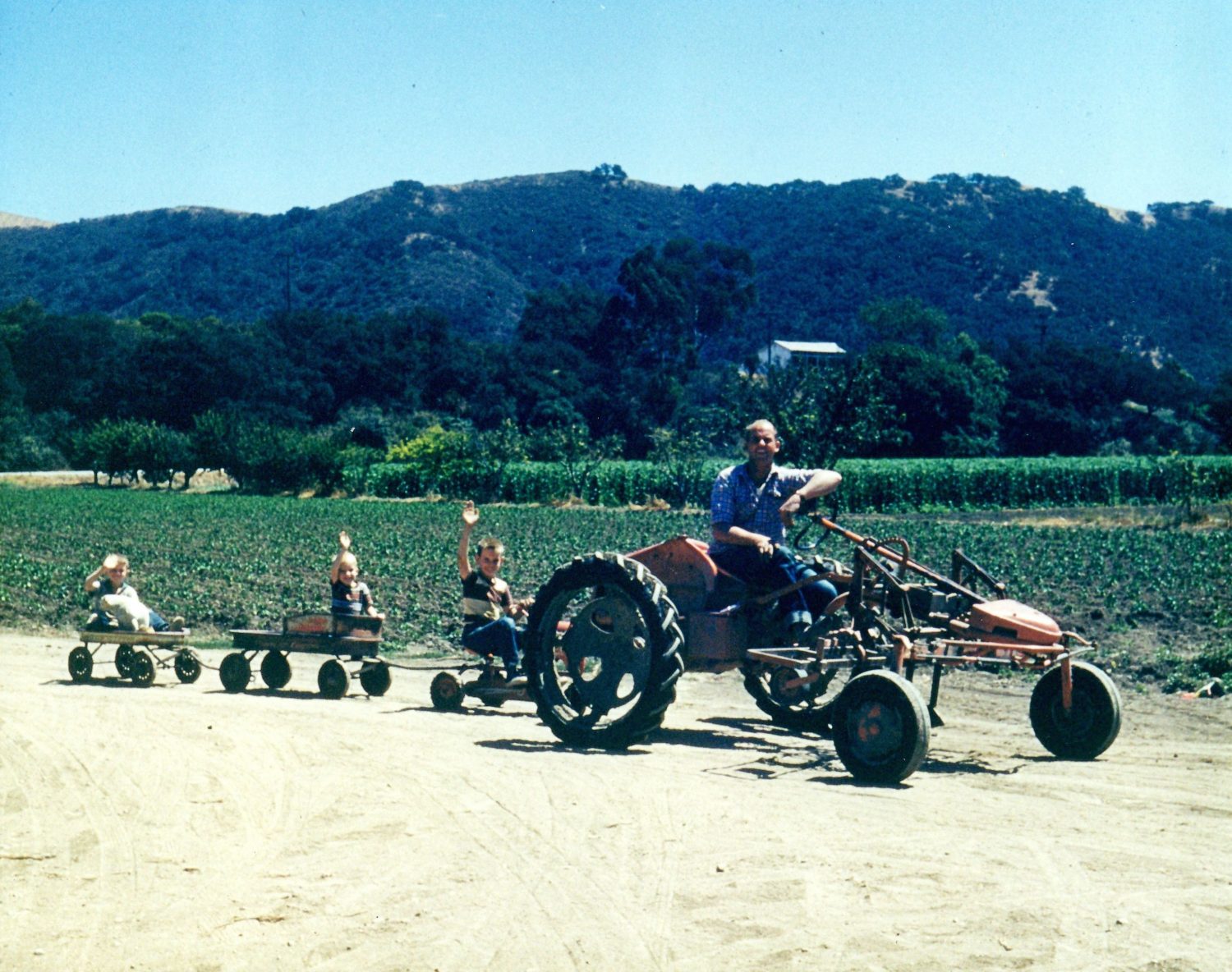
Clockwise from top left. Catherine Craig Shannon, Annie Gray Shannon, Jenny Gray, Barbara Hall Shannon, Eileen Cayce Hall, Mariel Hall Long, and Patricia Hall Dilbeck
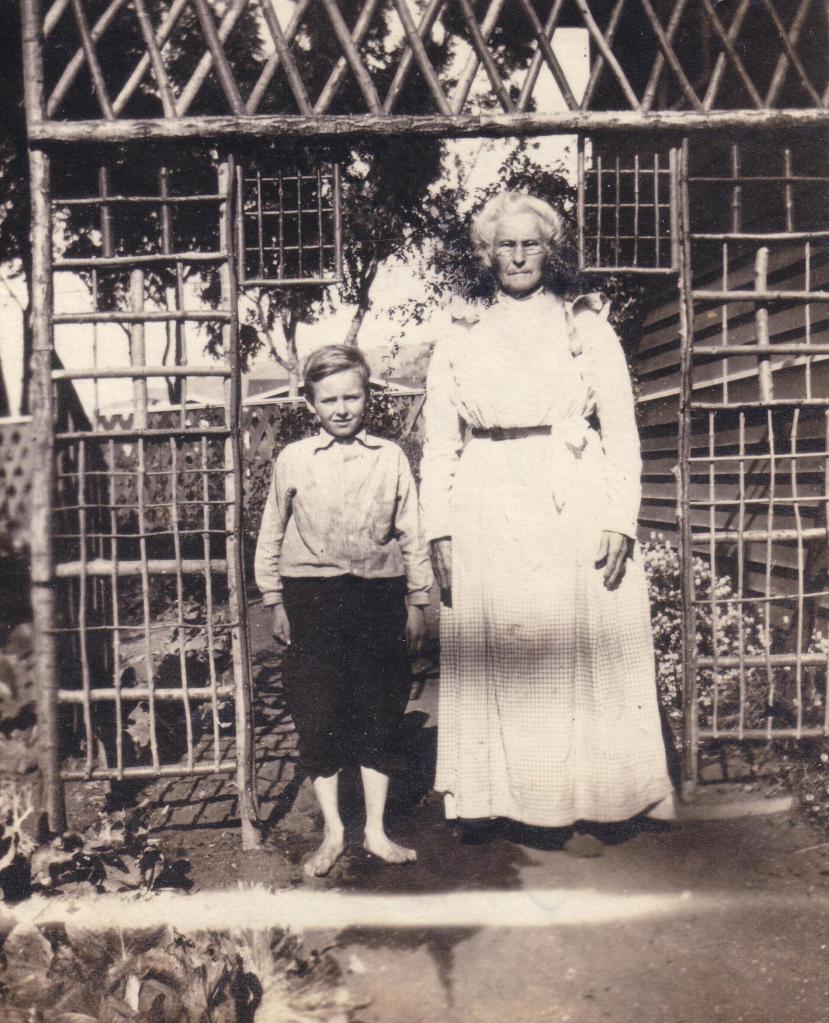
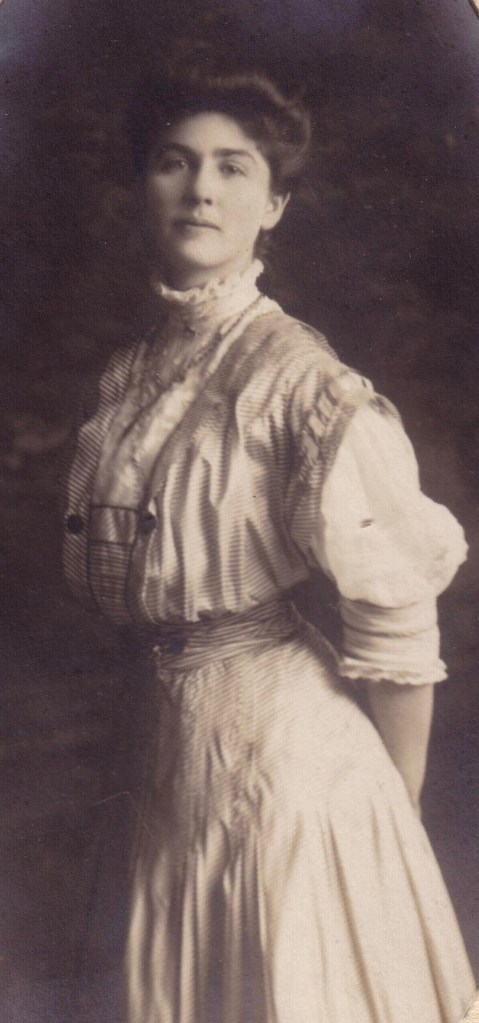
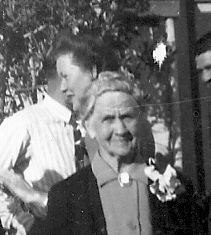
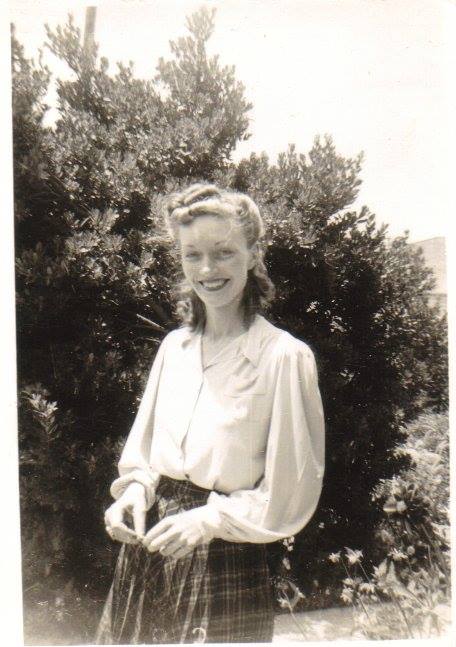
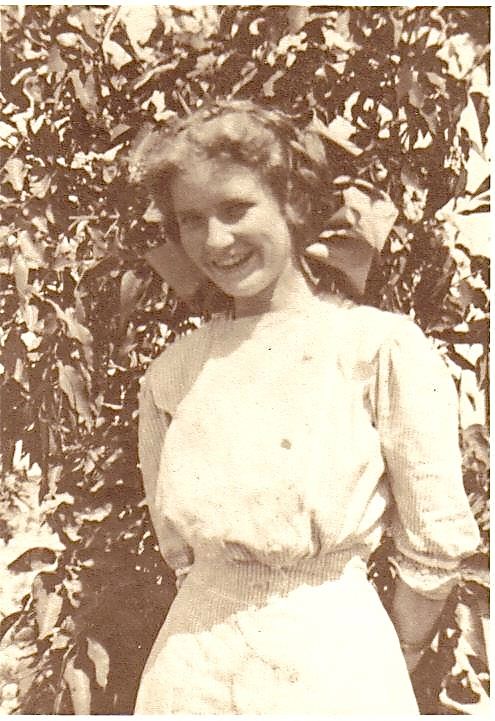

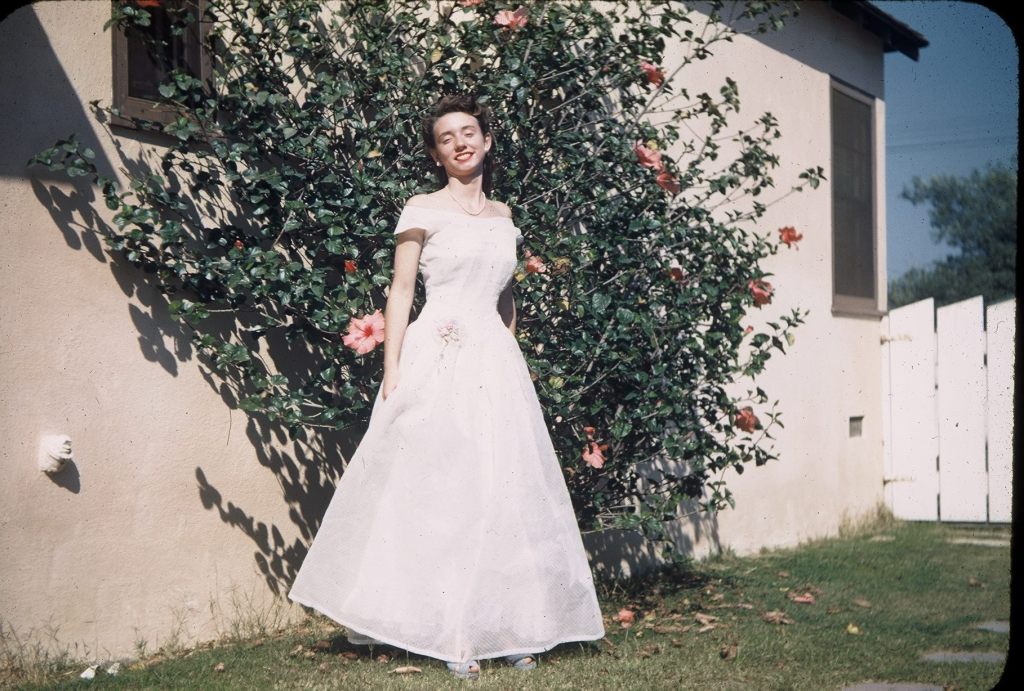
1st row: From the left: Catherine Craig Shannon, Annie Gray Shannon, Jenny Gray.
2nd Row: Barbara Hall Shannon, Eileen Cayce Hall, Mariel Hall Long
Last Row: Patricia Hall
Cover photo: Annie Gray Shannon with a turkey on the ranch in 1920.
Michael Shannon is Californian, writer and citizen of the world. He write so his children will know who they are.
 atthetable2015
The men were tough. The women were resilient. ❤️
LikeLike