During WWII, ships of the US Navy were named according to their type. There was no fixed and fast rule but aircraft carriers typically had the names of famous Navy ships of the past or battles. Names like Cowpens (CVL-25), Lexington (CV-2), Yorktown (CV-5) and Saratoga (CV-3) came from the Revolutionary war. Other carriers such as the Wasp (CV-7, Hornet (CV-8), and the Ranger (CV-4) were early ships of the first US Navy.
Battleships were named for state, Arizona and West Virginia are examples. Heavy cruisers were named for state capitols like the Baltimore (CA-68) and light cruisers for principle cities like USS Brooklyn (CL-40).
Submarines were named for fish like the USS Wahoo (SS-238) and oil tankers for rivers such as the USS Kaskaskia (AO-27) which had the name of that river in Illinois. The USS Markab (AD-21), a destroyer tender was named for the third brightest star in the constellation Pegasus.
By the end of the war the US Navy manned and operated over 6,000 ships, a monumental feat of organization.
The Secretary of the Navy named Destroyers and Destroyer Escorts in honor of distinguished leaders and heroes from each of the services. By 1942, the convention had been modified several times to read: “Deceased American Naval, Marine Corps and Coast Guard Officers and enlisted personnel who have rendered distinguished service to their country above and beyond the call of duty; former Secretaries and Assistant Secretaries of the Navy; members of Congress who have been closely identified with Naval affairs; and inventors.”
An example of this process was the naming of the USS Harmon (DE-678). Leonard Roy Harmon (January 21, 1917 – November 13, 1942) was an American sailor who died in action during World War II and was posthumously awarded the Navy Cross for his valor. He is the first African-American man to have a US warship named after him. He was a mess attendant on the USS San Francisco (CA-38) His citation reads in part; With persistent disregard for his own personal safety, Mess Attendant First Class Harmon rendered invaluable assistance in caring for the wounded and assisting them to a dressing station. In addition to displaying unusual loyalty in behalf of the injured Executive Officer, he deliberately exposed himself to hostile gunfire in order to protect a shipmate and, as a result of this courageous deed, was killed in action. His heroic spirit of self-sacrifice, maintained above and beyond the call of duty, was in keeping with the highest traditions of the United States Naval Service. He gallantly gave his life for his country.
USS Spence (DD-512) The ship was named for Robert T. Spence, superintendent of construction of USS Ontario (1813), and captain of USS Cyane (1815).
USS Aaron Ward (DD-483) Aaron Ward was sponsored by Miss Hilda Ward, the daughter of the late Admiral Ward. The ship was commissioned on 4 March 1942.
USS Charles Ausburne (DD-570), a Fletcher-class destroyer, was the second ship of the United States Navy to be named for Charles L. Ausburne, a sailor in World War I who was posthumously awarded the Navy Cross.
USS Abner Read (DD-526) was named after Lieutenant Commander Abner Read (1821 – 1863), who fought in the American Civil War. The Abner Read was sunk by a Kamikaze on 1 Nov, 1944 with the loss of 22 young men.
USS Balch (DD-363) was a Porter-class destroyer in the United States Navy. She is named for Admiral George Beall Balch.
USS Cassin Young (DD-793) is a Fletcher-class destroyer of the U.S. Navy named for Captain Cassin Young (1894–1942), who was awarded the Medal of Honor for his heroism at the Japanese attack on Pearl Harbor and killed in the Naval Battle of Guadalcanal in the fall of 1942.
USS Converse (DD-509), a Fletcher-class destroyer, was the second ship of the United States Navy to be named for George A. Converse (1844–1909).
USS Dyson (DD-572) was a Fletcher-class destroyer of the United States Navy. She was named for Rear Admiral Charles W. Dyson (1861–1930).
USS Foote (DD-511), a Fletcher-class destroyer, was the third ship of the United States Navy to be named for Rear Admiral Andrew Hull Foote (1806–1863), who served during the Civil War.
USS Isherwood (DD-520), a Fletcher-class destroyer, was the second ship of the United States Navy to be named for Rear Admiral Benjamin F. Isherwood (1822–1915).
USS J. Fred Talbott (DD-156), named for Joshua Frederick Cockey Talbott (1843–1918), Representative from Maryland Second District from 1879 to 1885, from 1893 to 1895 and again from 1903 to 1918, was a Wickes-class destroyer.
USS Johnston (DD-557) was a Fletcher-class destroyer built for the United States Navy during World War II. She was named after Lieutenant John V. Johnston, an officer of the US Navy during the American Civil War. Sunk in the battle of Samar 25 October, 1944
USS Kidd (DD-661), a Fletcher-class destroyer, was the first ship of the United States Navy to be named after Rear Admiral Isaac C. Kidd, who died on the bridge of his flagship USS Arizona during the 1941 Japanese attack on Pearl Harbor. Admiral Kidd was the first US flag officer to die during World War II and the first American admiral ever to be killed in action. A National Historic Landmark, she is now a museum ship, berthed on the Mississippi River in Baton Rouge, Louisiana, and is the only surviving US destroyer still in her World War II configuration.
USS La Vallette (DD-448) was a World War II-era Fletcher-class destroyer in the service of the United States Navy. She was the second Navy ship named after Rear Admiral Elie A. F. La Vallette.
USS Reuben James (DD-245) was a four-funnel Clemson-class destroyer made after World War I that was the first US Navy ship to be named for Boatswain’s Mate Reuben James (circa 1776–1838), who had distinguished himself fighting in the First Barbary War, and was the first to be sunk by hostile action in the European Theater of World War II. Woody Guthrie wrote a song about the death of this ship.
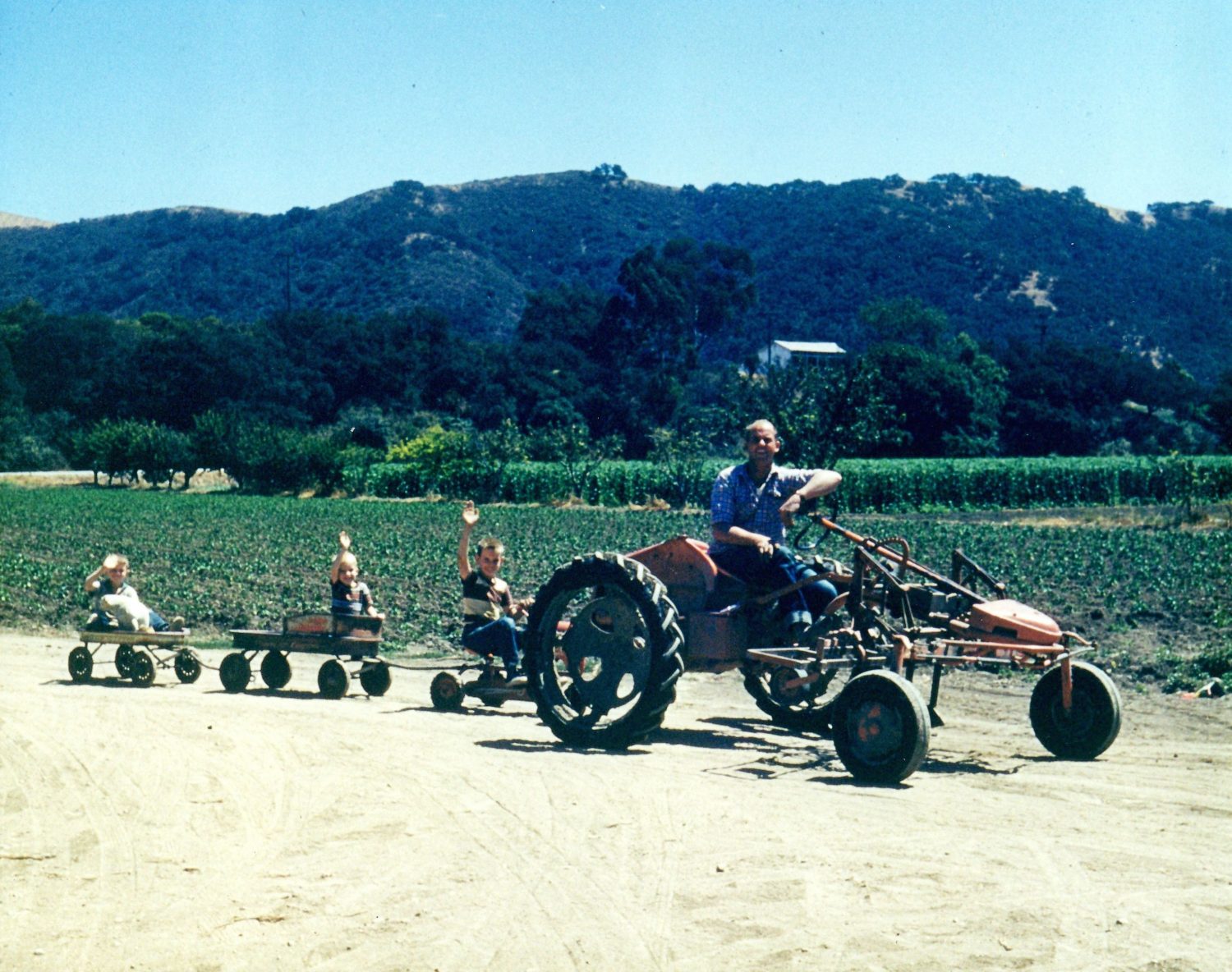
USS Runels (DE-793) Named for Donald Steven Runels who was born on 8 July 1904 at Santa Maria, California. He enlisted in the United States Navy on 19 March 1926; was appointed machinist on 14 September 1938; warranted machinist (to rank from 10 September 1938) on 25 November 1939; and commissioned Ensign on 23 June 1942. He was killed when his ship, the USS Northampton (CA-21) was torpedoed and sunk during the Battle of Tassafaronga on 30 November 1942. His family still lives and farms in Arroyo Grande, California. The author went to school with his nephew John.
USS Thatcher (DD-514), a Fletcher-class destroyer, was the second ship of the United States Navy to be named for Rear Admiral Henry K. Thatcher (1806–1880).
A final note. As Facebook becomes less relevant and inclusive the average readership of this blog has dropped by a great deal. Personal politics have caused it to be dropped from some pages as irrelevant or some other opinion of a particular administrator. If you are a confirmed reader beware that you could lose access if any particular FB page js closed or restricted. To guarantee access click on the follow button on this page and each post will be delivered directly to your E-Mail. For search engines, type in atthetable2015.com and the page will come up. Thanks for your consideration, Michael Shannon
Michael Shannon is a World Citizen, Surfer, Sailor, Teacher, Builder and Story Teller. He lives in Arroyo Grande, California, USA. He writes for his children.
E-Mail: chinaplate@charter.net
 atthetable2015