Michael Shannon
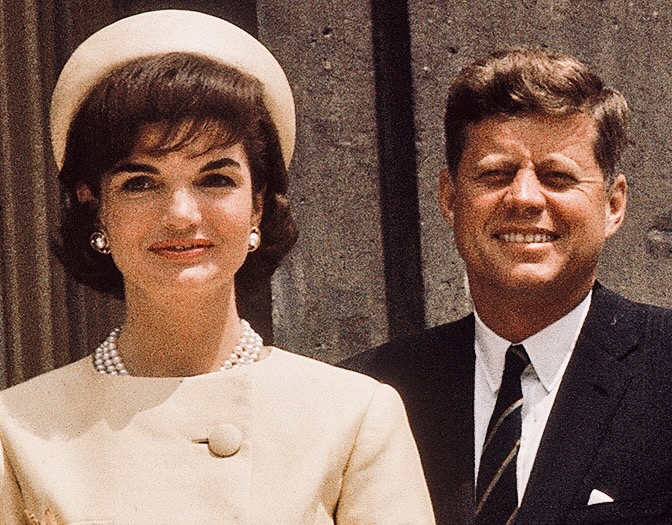
It’s inauguration day January 20th 1961. There is eight inches of new snow on the ground. It is freezing yet over a million people had gathered on the mall as witnesses. Two vastly important things happened on the marble steps of the Capitol building in Washington DC. Neither one was the swearing in of a new president. In a photograph of Supreme Court Justice Earl Warren reading the oath of office to the new chief executive who is not wearing a hat, his wife Jaqueline stands behind Warren absolutely rocking her Halston designed pillbox hat. The hew President John F. Kennedy was set to become the first US leader born in the 20th century, the first Catholic commander-in-chief and the first president whose inaugural speech was beamed across crackly television screens in color.
Everything that happened on January 20, 1961, was stage-managed to tell America that a new age was dawning. “Ask not what your country can do for you – ask what you can do for your country,” he implored a nation in need of reassurance and leadership at the height of the Cold War.
Perhaps the saddest thing about this day of hope was that it was the death knell of hats. Kennedy didn’t like hats and wouldn’t wear one unless he had to. He had great hair which is essential in the political game. Why cover it up?
In one fell swoop two centuries of hats were swept away. After 1961 there were still great hats to be seen but only on rare and special occasions. In the movies, at fashion shows and at the Kentucky Derby where they aped the far more famous and, dare I say more stylish British.

Audrey Hepburn, “My Fair Lady.”
We all know the iconic mega-feathered hats of the Edwardian era. The Edwardians were particularly enamored with plumage, but unlike their be-feathered predecessors, the Victorians and the Georgians, many a fine species of bird was taken to the brink of extinction by the incredible demand for ladies be-feathered hats.
Throughout history, hats have played a big role in indicating one’s status. For the Edwardians, they took this to a new level, and often added entire birds to their heads, and sometimes these birds were fantastical creations cobbled together from several varying bird parts!
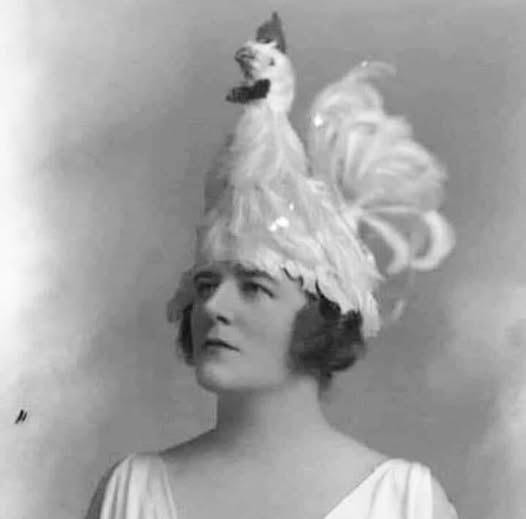
Popular plumage for hats extended beyond ostrich, to include heron, peacock, egret, osprey, bird of paradise, pheasant…even vulture. The more “common” feathers for adornment were garden fowl, pigeon, turkey, goose, and rooster. These feathers were made into plumes, pompoms, aigrettes, wings, pads, bands, breasts, and quills, and not by marchandes, milliners, and craftsmen in quaint little shops, oh no, by massive factories employing thousands of women and children, and dealing in hundreds of thousands of feathers per day. In 1900, in North America, the millinery industry employed 83,000 people!
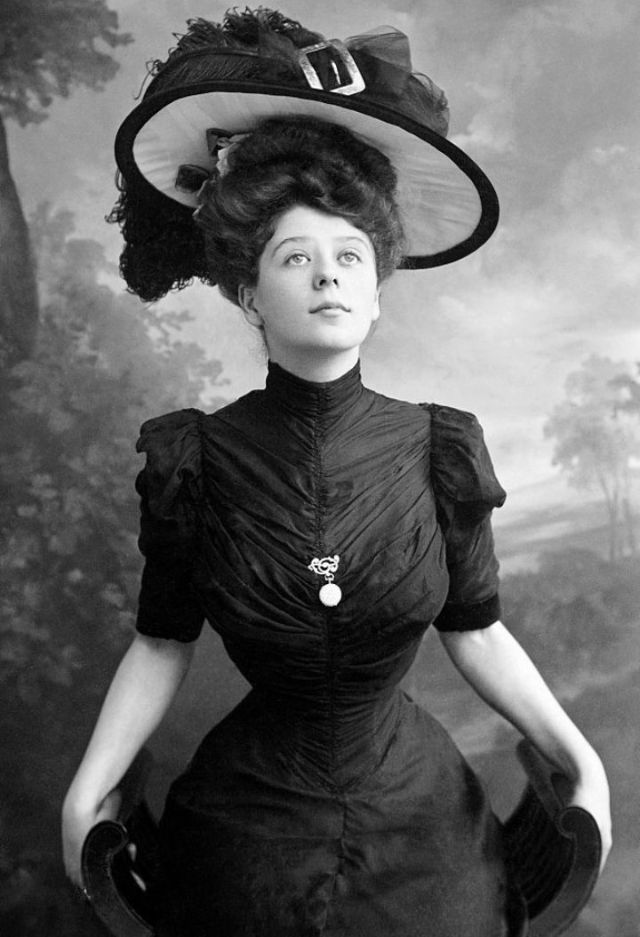
Camille Clifford American actress
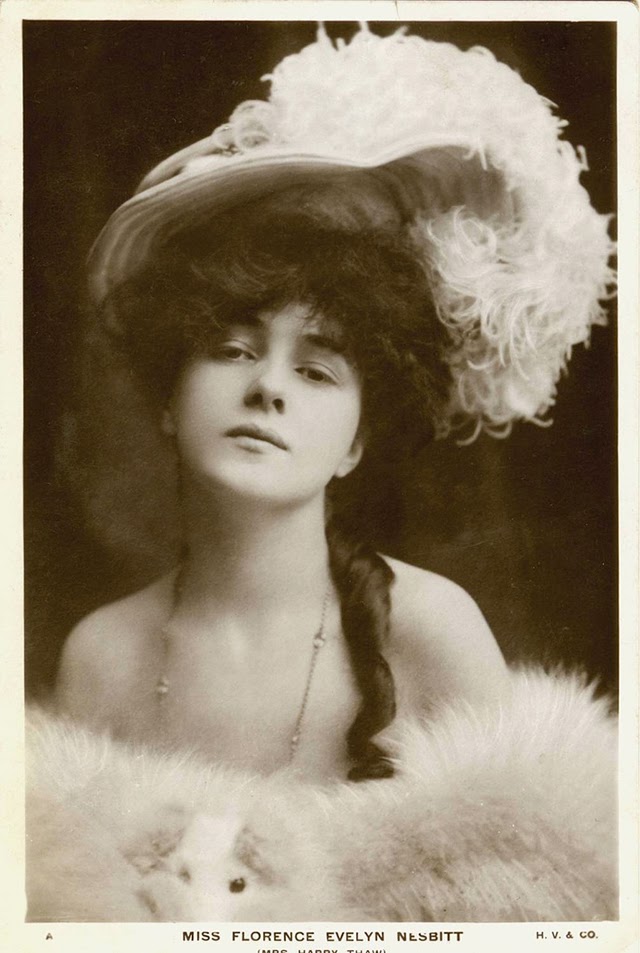
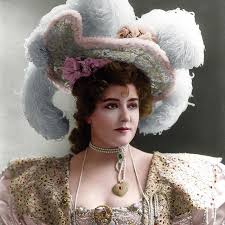

Evelyn Nesbit, the Girl in the Velvet Swing. Lillian Russell the Jersey Lily. Lily Elsie in the Merry Widow
In a world of sweat stained baseball caps and shapeless, floppy hiking hats sold at every seaside gift shop and those faux cowboy hats made for the bar and ATV wrangling, only Jazz musicians have kept the banner of the chapeau flying. No one could rock a Pork Pie like Lester Young, the greatest tenor sax player who ever lived if I do say so myself.
L to R Thelonius Monk and Lester Williams “The Prez,” nicknamed by Billie Holiday herself.

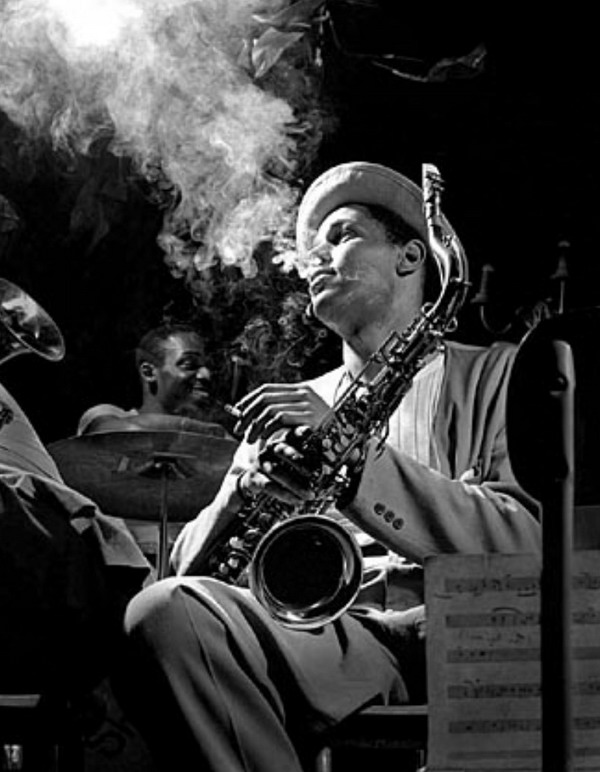
Rockers too have had their iconic hats. Some such as Leon Russels “Mad Hatter” lid was so famous that just the sight of it identified the person. Tom Petty’s John Bull Topper and Stevie Ray Vaughns Texas style Plateau hat could be spotted a mile away. All three somehow lent a special air to the legendary musicians.
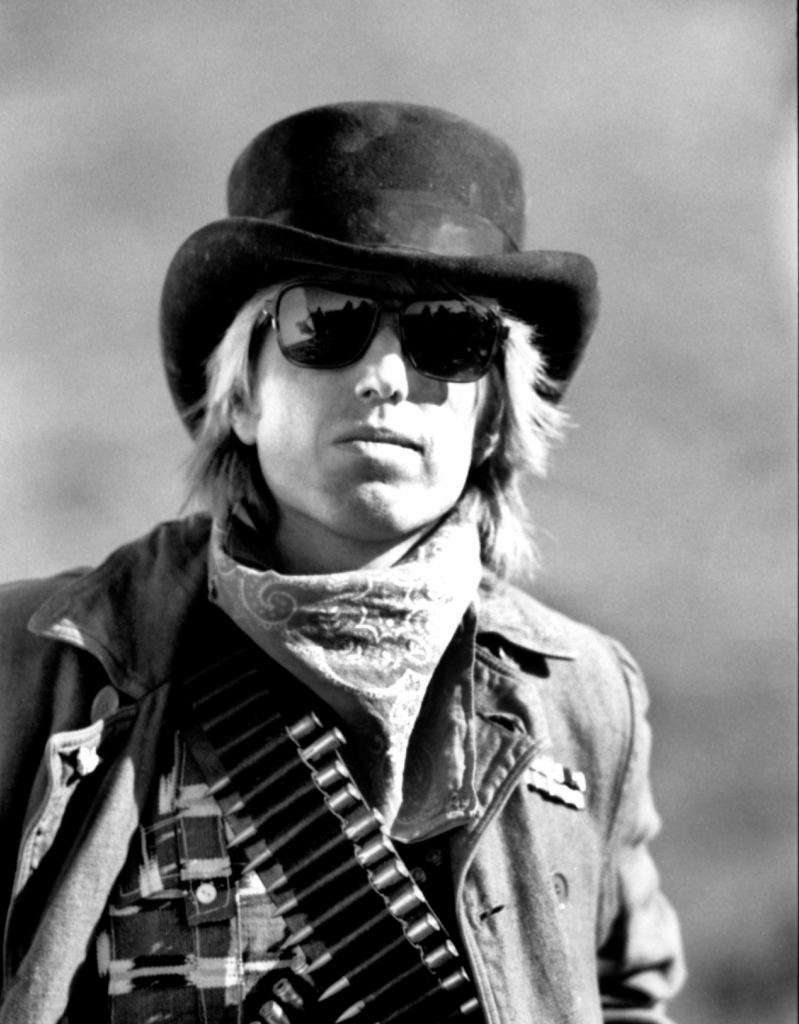
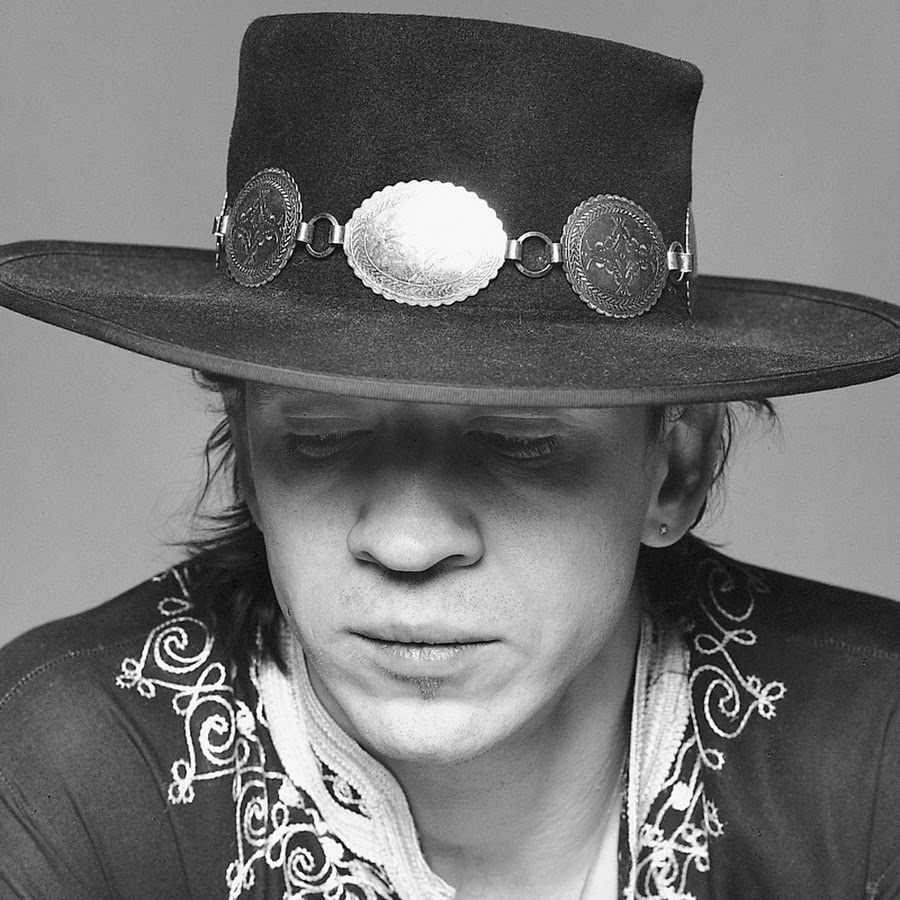

Cowboys are well known for their hats. Every area of the country seems to have a dedicated style today but in the beginning it was just something to cover the head. Bowlers, broken down military hats the cheap felt hats that came out of the civil war especially from the Confederates. Since big time ranching essentially started in Texas-New Mexico those boys set the style. They were dirt poor, likely almost no education but they could fork a horse and they showed off a certain style that somehow puts modern cowboys riding their ATV’s and wearing custom shirts with patches that make them look like they came out of nascar to shame.
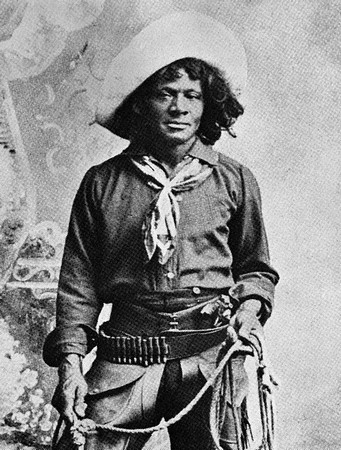
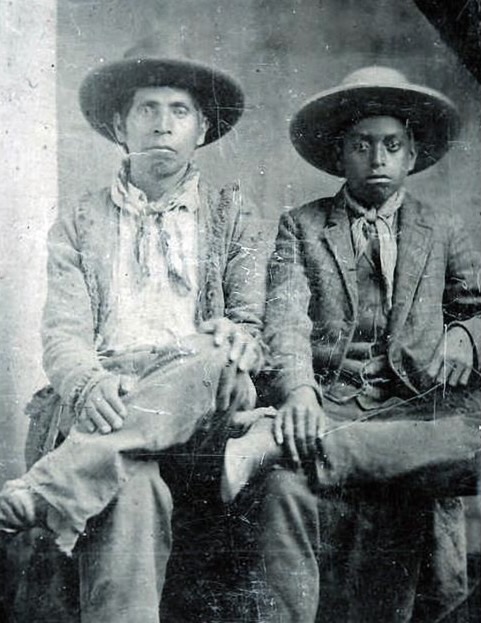
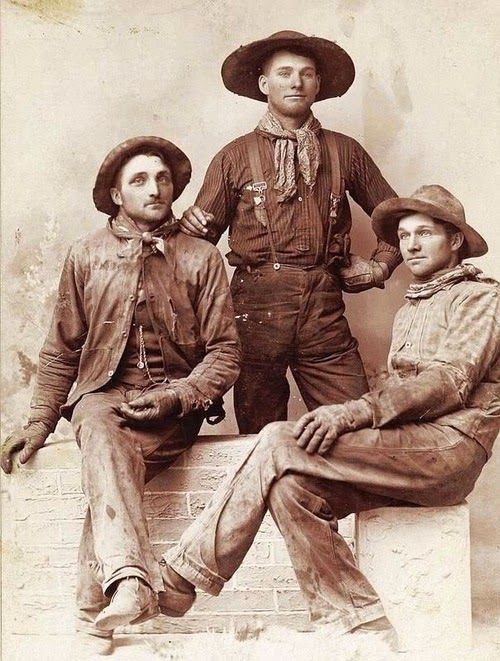

Cowboys from the old original days. Black, Brown and white as it used to be. 1870 to 1900. PD
The women too wore hats, just like the men though with perhaps a little more style.

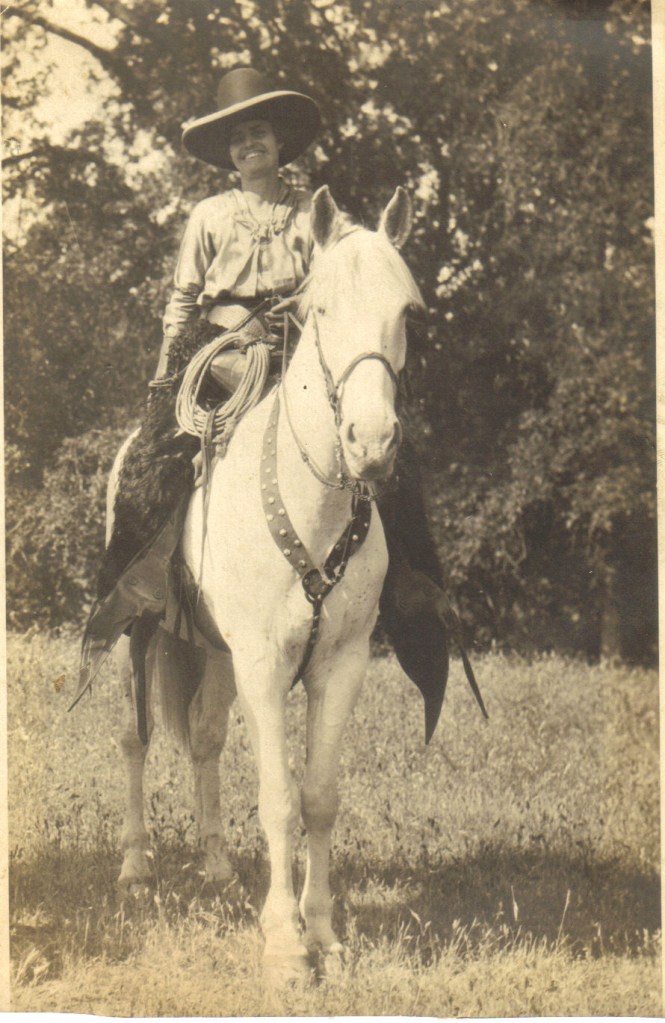
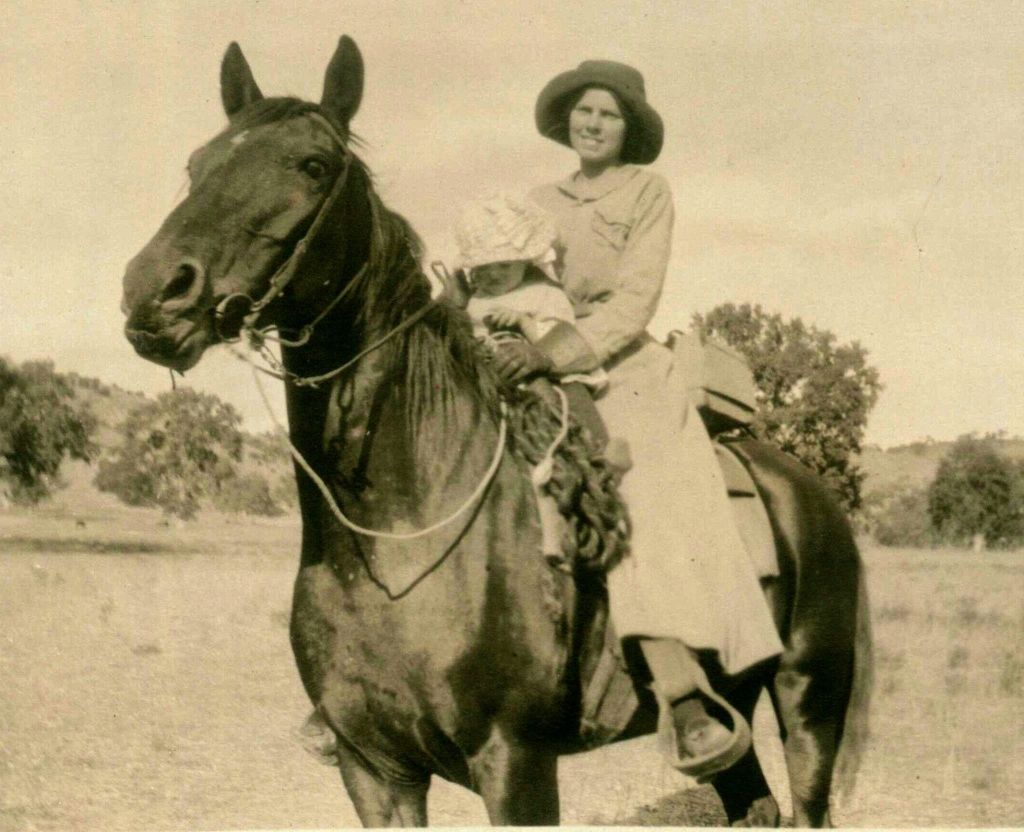

Clockwise from upper left: The Sweetheart of the rodeo, my great-grandmother Marianna Cayce, a Mexican Charraria from Jalisco, Mexico and one of the girls from the old Huasna rancho, California. Look up the Charrarias, they ride horse handling events and do it all sidesaddle. My grandmother was the first woman to ride astride in the Santa Barbara Fiest parade in 1925. She loved the scandal.
I have to say that some of the movie cowpokes sported great hats too though theirs were chosen by set dressers to match their features, like an artist might paint them but the good ones are worth remembering.
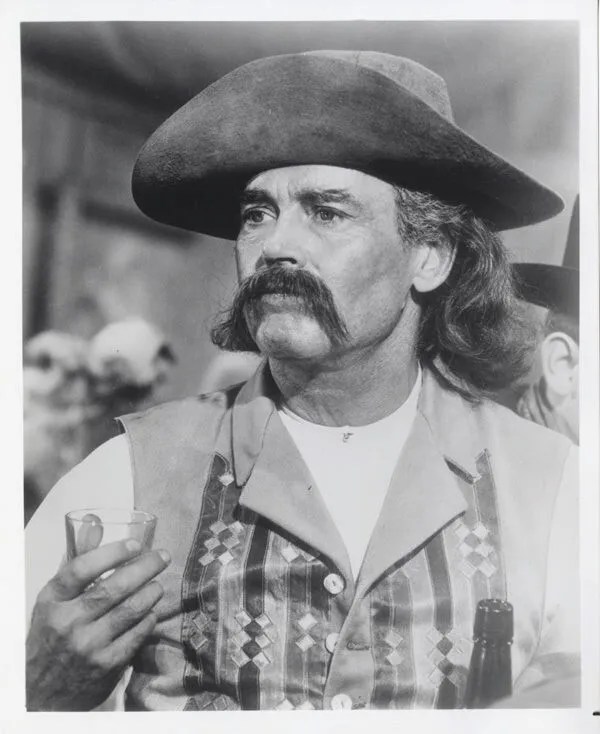
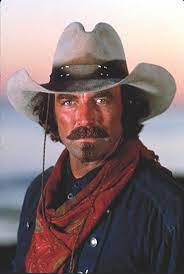

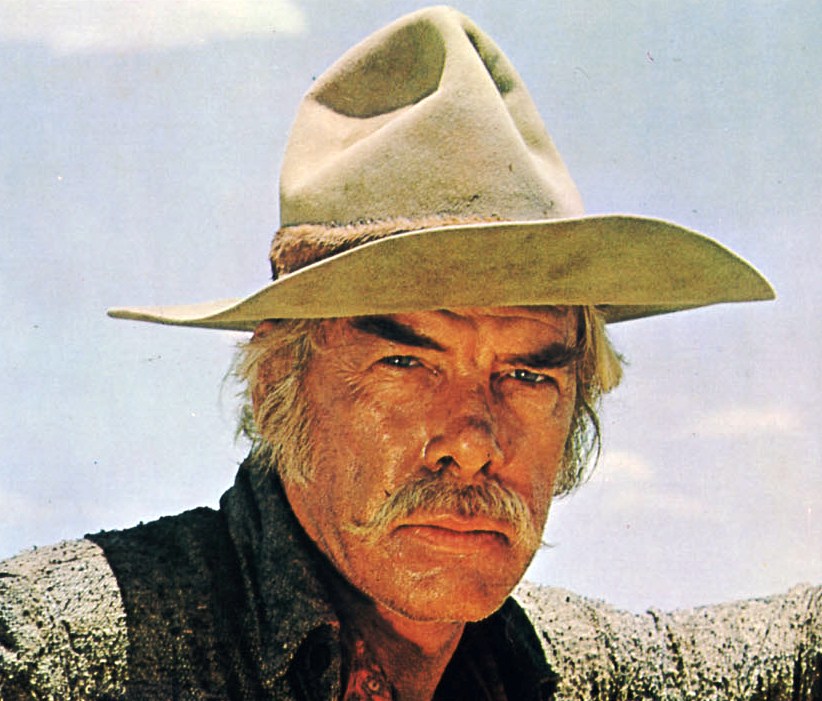
From upper left clockwise: Henry Fonda, Tom Selleck, Jeff Bridges with Hailey Stanfield and from the greatest western ever made, “Monte Walsh.” Lee Marvin.
Every good gangster must wear an iconic hat. Fedoras, snap brims, skimmers, newsboys, they wore ’em all doncha see? Before gangsters dressed in tracksuits and gold chains by the dozen, revealing their status as potential killers there was a day when the point was to look like an honest businessman. In suits and fedoras they strolled the Big Apple in neighborhoods such as “Hell’s Kitchen, “Alphabet City” and the Bowery. Gangsters of every stripe roamed the lower east side, Little Italy and The Five Points, The Tenderloin and Harlem. The Dead Rabbits, The Forty Thieves, The Whyos, The Purple Gang and Murder Inc. roamed their districts with evil intent. With a Snap Brim or Straw Boater, Chewing on a ‘seegar’ they dressed to the Nines to send a message.
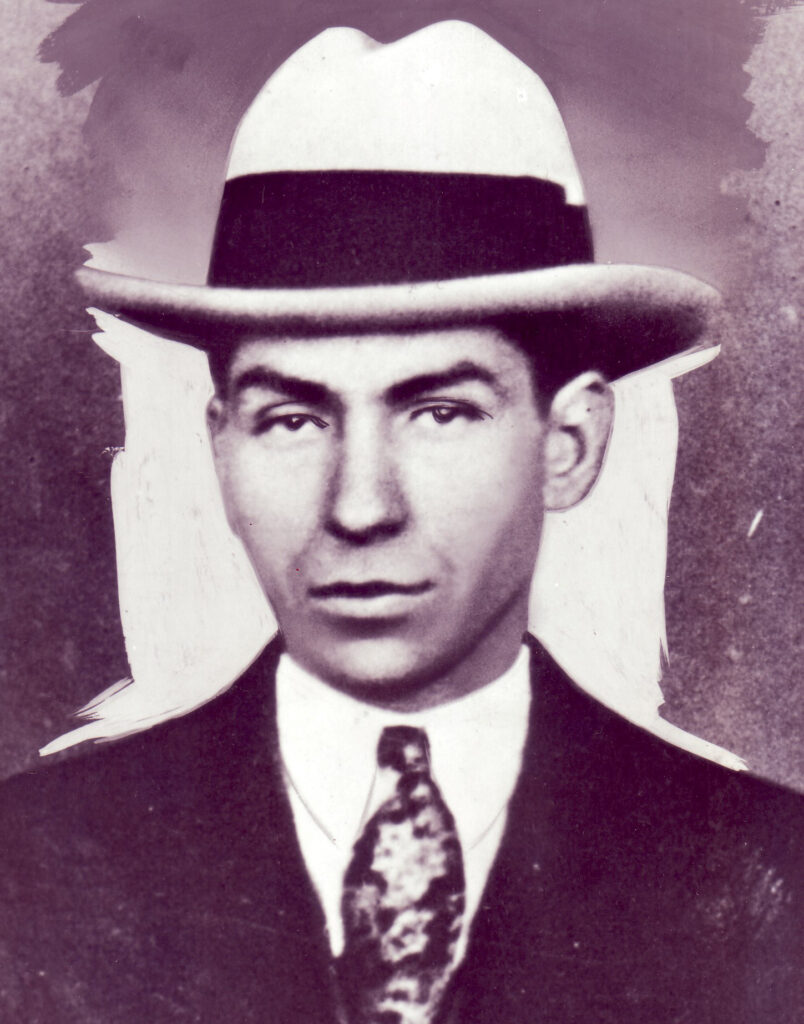

“Lucky” Luciano and “Bugs Moran” Cold dead eyes.
Moviemakers have a fascination with gangsters. Their portrayal is designed to send shivers up and down the spines of viewers who will watch them and ogle their antics on the big screen in a state of vicarious joy.
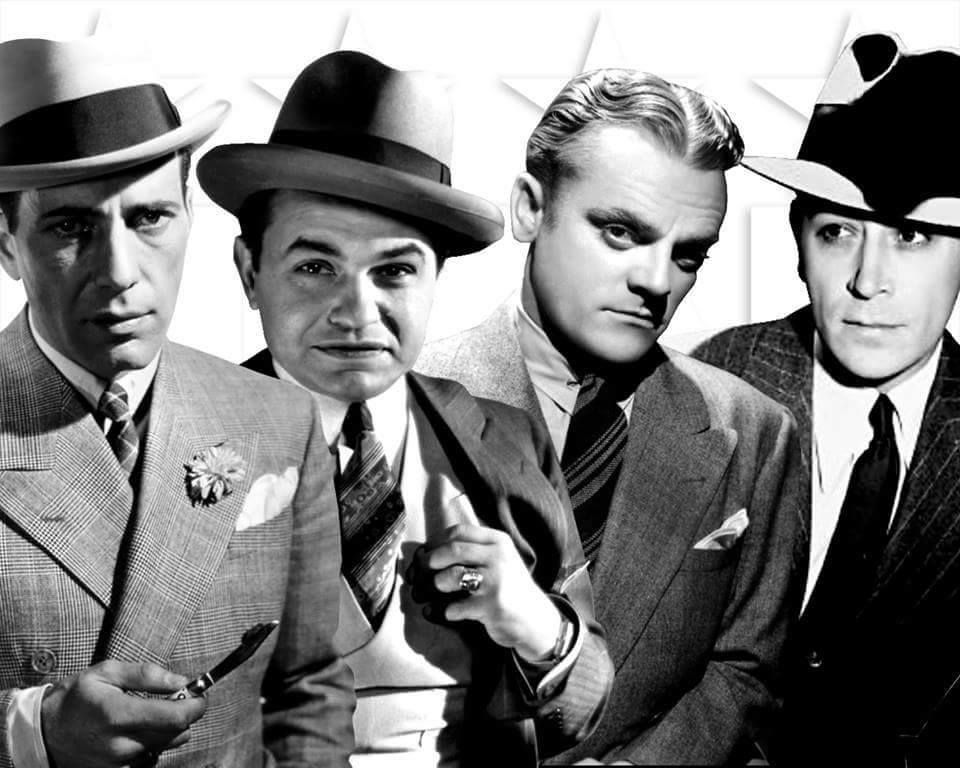
The Godfather, Little Caesar, Public Enemy and Scarface.
The workingman typically sported a cap unlike the “Swells” and their Homburgs and hardboiled Derbys winding down through the financial district and sporting a rolled umbrella as a mark of their status. Known by various names in the western world, Flat Caps, Newsboys, Scally Cap and Baker Boy Cap they were once worn by tradesmen of every kind. Recently they have seen a modest rebirth with the hipster Scally Cap and the Baker Boy Paddy Cap from Ireland.
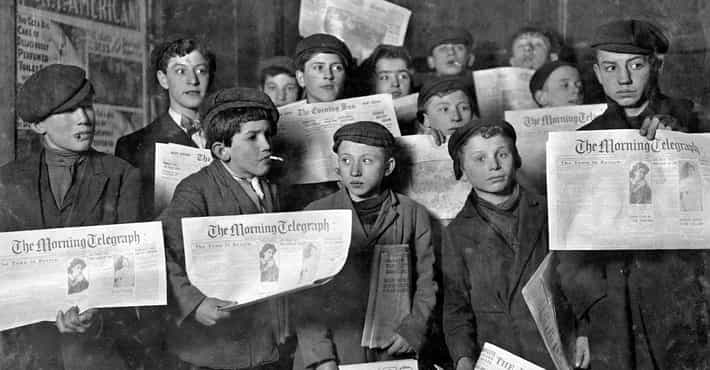
The Morning Telegraph was a New York City broadsheet newspaper owned by Moe Annenberg’s Cecelia Corporation. Bat Masterson frontier marshall was its sportswriter. It ceased publication in 1972. Newsboys photo circa 1897.
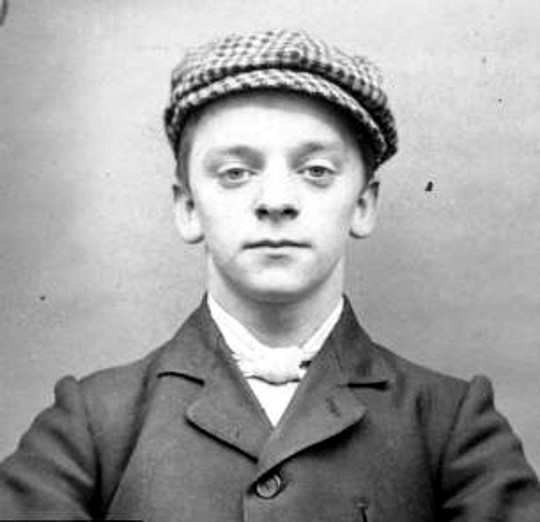

This a comparison of the Baker Boy Cap, the real on the left and the movie on the right. Henry Fowler real, Cillian Murphy not real.
Gang members frequently wore tailored clothing, which was not uncommon for gangs of the time. Bosses wore silk scarves and starched collars with metal tie buttons. Their distinctive dress was easily recognizable by city inhabitants, police, and rival gang members. The wives, girlfriends, and mistresses of the gang members were known for wearing lavish clothing. Pearls, silks, and colorful scarves were commonplace on their women. The gang in England, operated from the 1880s until the 1920s. The group consisted largely of young criminals from lower- to working-class backgrounds. They engaged in murder, robbery, violence, racketeering, illegal bookmaking, and control of gambling. Members wore signature outfits that typically included tailored jackets, lapelled overcoats, buttoned waistcoats, silk scarves, bell-bottom trousers, leather boots, and flat caps. The so-called Peaky Blinders, which contrary to what you might see on television did not have razor blades sewn into their caps because Gillette didn’t begin making the old single edge razor blade until 1908. They instead gained their name from the way they wore them with the cap tilted so that the peak covered one eye.

The real deal. Peaky Blinders criminal records about 1904. Birmingham, England.
The armed forces in America have little choice in what they wear. Officers and enlisted men have gone to great lengths to build in some individual style when they can. In WWII Army Air Corps officer pilots wore their field grade visor hats in the cockpit. Because they wore head phones to communicate the strap on the phones bent down the crown stiffener so that the normally flat top was “crushed” on the sides. The hat became so cool that all officers not just fliers sported them. Flyers looked down on these posers with a degree of disdain as they should.
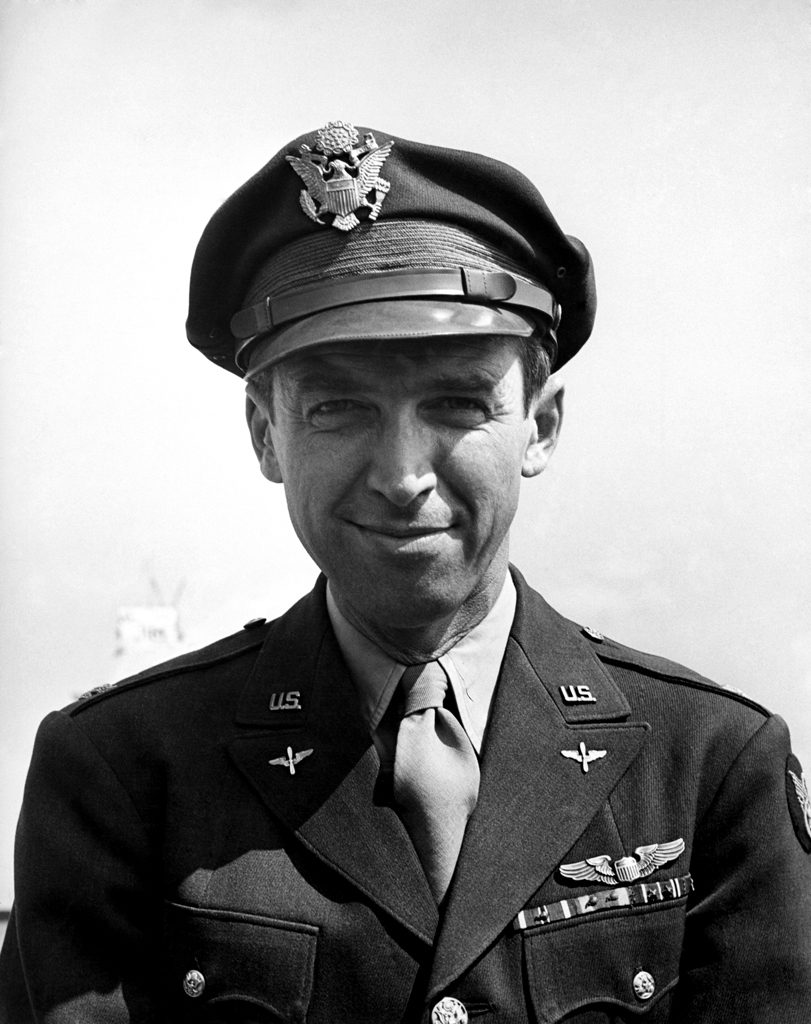
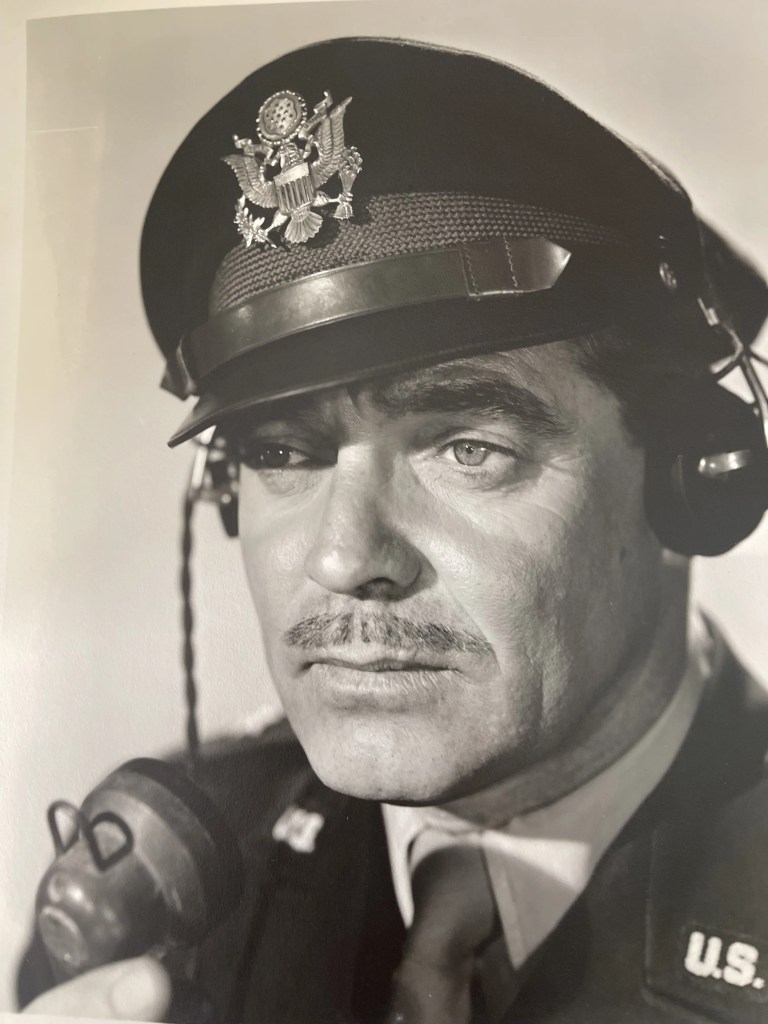
The real deal. B-17 pilot Colonel Jimmy Stewart and Major Clark Gable, air gunner. Both flew multiple missions over Germany.
Enlisted sailors and soldiers, though they didn’t wear gold braid, nevertheless found ways to twist, fold and crimp their headgear too. If you have complained about those darn kids wearing their ball caps all crazy, have at look at your great-grandfathers style.

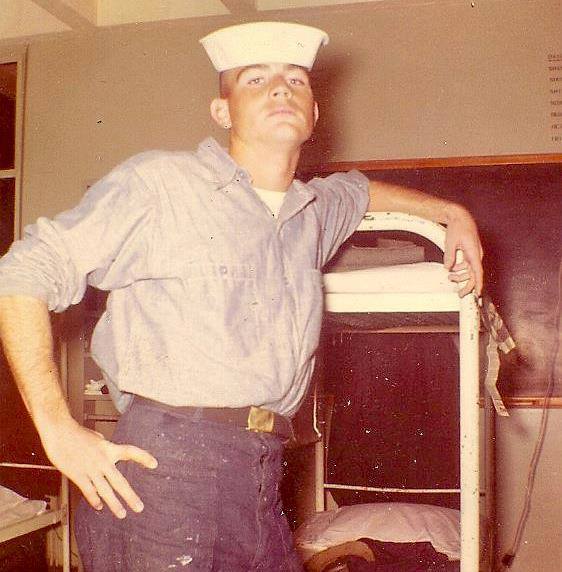
Tuskegee 332nd fighter group ground crew in Italy WWII. Bobby Hall stylin’ his Dixie, US Navy
In Great Britain they run the Epsom Derby, pronounced Darby, is run in June of each year. The Stakes, more commonly known as the Derby and sometimes referred to as the Epsom Derby, is a Group 1 flat horse race in England open to three-year-old colts and fillies. It’s a major event in on British sporting calendar. The queens and kings have been running their horses in this race since 1661 and annually since 1740. Like other elite horse races, the Epsom Derby has grown into a multiday festival, featuring musical acts and events in addition to the race itself. The Oaks is also run during the Derby festival, held on the Friday before the Saturday running of the Derby. Derby Day is more formal than most contemporary sporting events: Epsom Downs maintains a dress code for male spectators in certain sections of the stands, and women often attend the event wearing extravagant hats. Hats are literally the most important reason for showing up for some. Troops of photographers flit to and fro capturing images of important people and their hats.
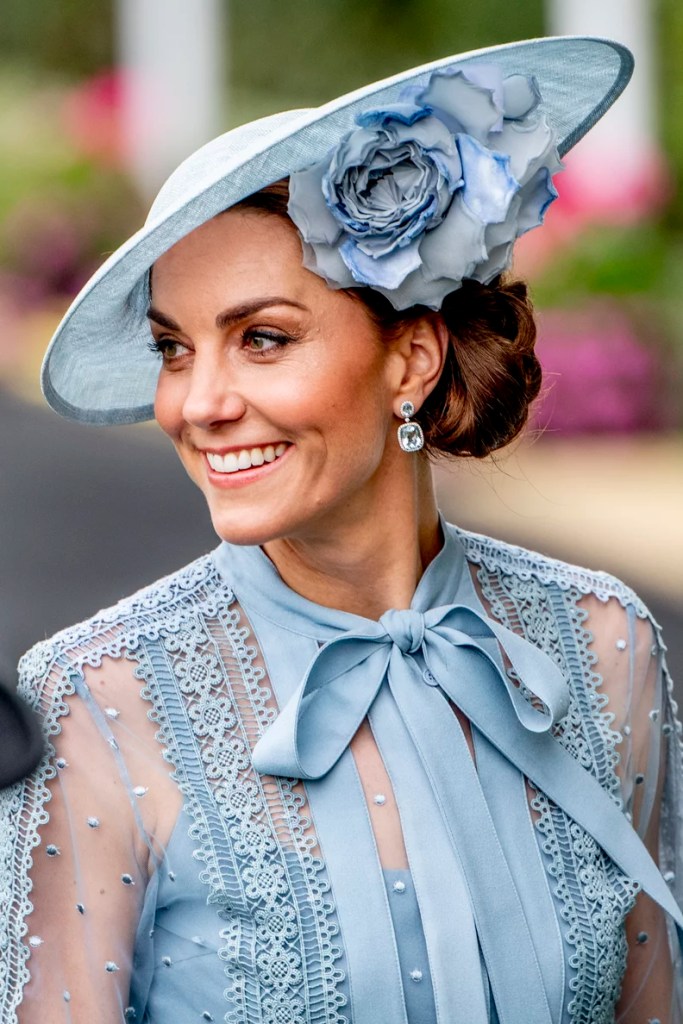
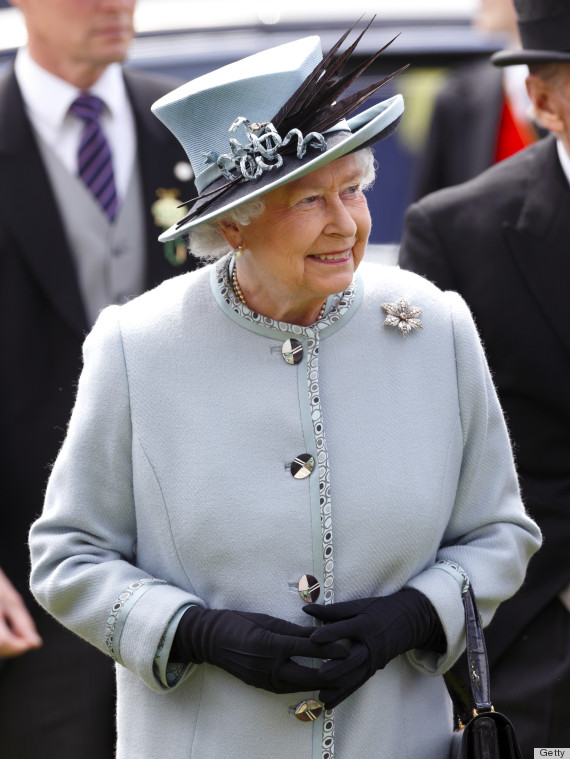

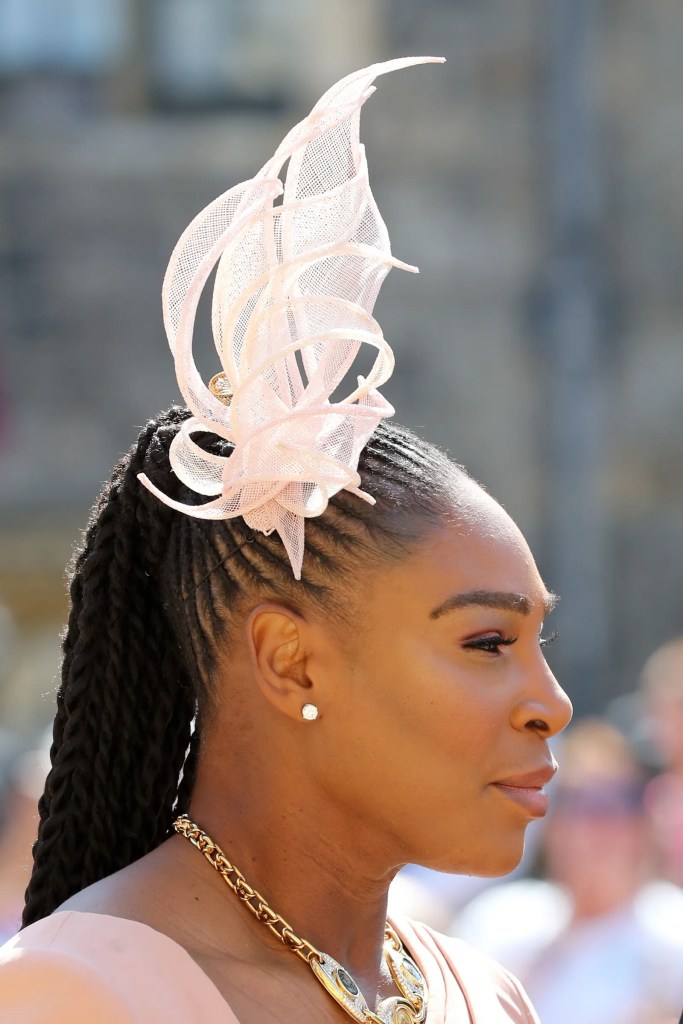
Queen to be, The real Queen, a Duchess and an the American Queen.
We’ve all seen the distintive Cloche hat which was popular in the 20’s and 30’s I always thought the were strange looking things. aort of beanie-like, blah and bland. When I was looking for examples I ran across a colorized video of a Parisian woman sitting outside a bistro wearing one and it completely changed my perception. The color and movement explained it all.
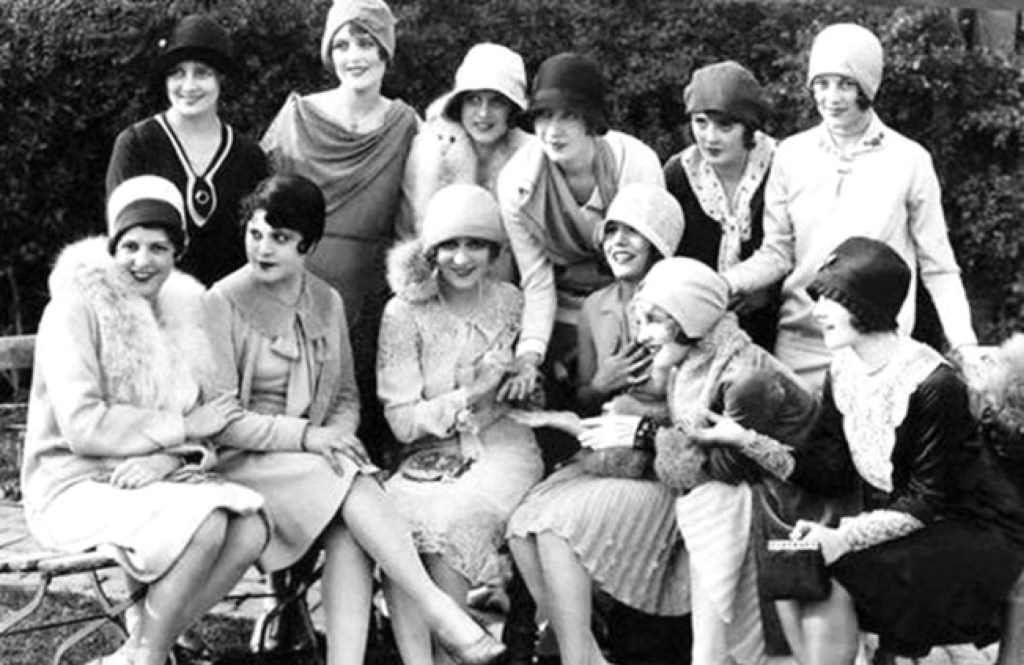
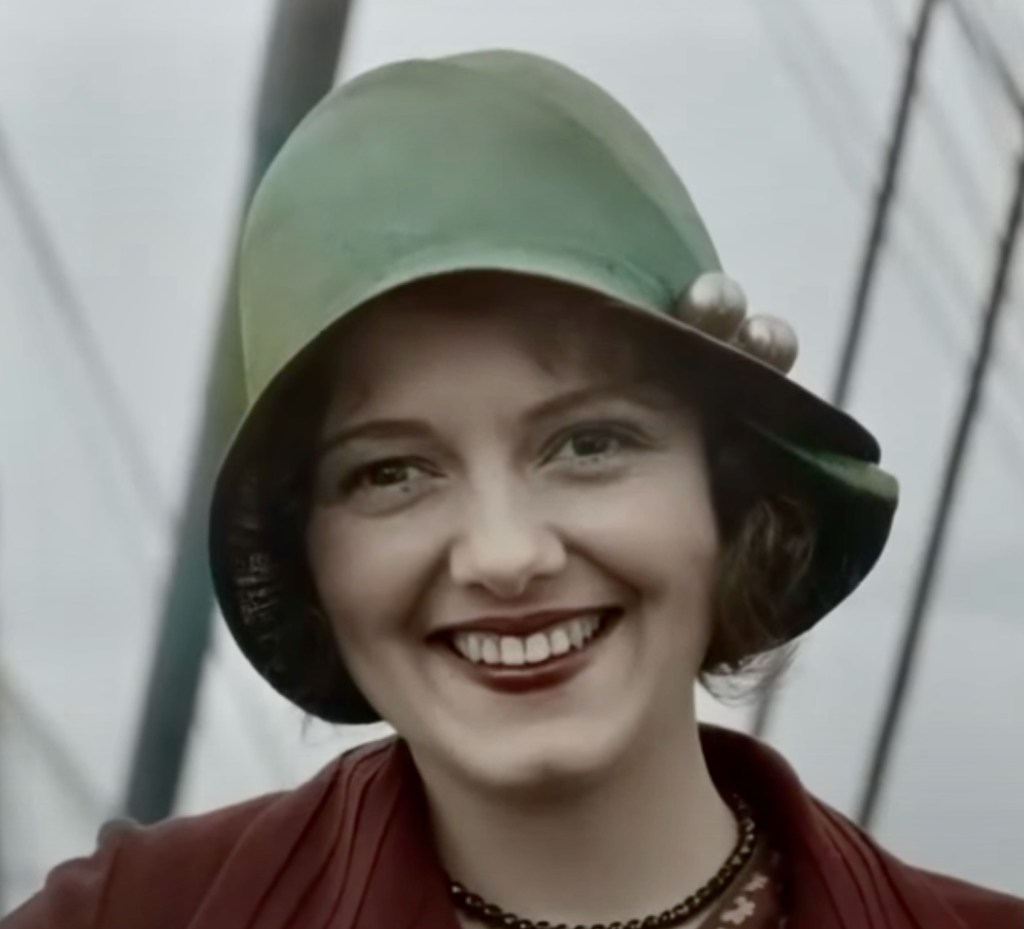

Janet Gaynor, American actress traveling to New York on the Queen Mary in 1929 and a sophisticated Parisienne taking tea on the banks of the Seine in 1927. Some people can make anything look good.
I’m sad to see the end of the Pork Pie, the Topper, the Skimmer, the derby, the merry widow and the little straw bonnet worn by Natty Bumpo’s sweetheart Cora Munro in the Last of the Mohicans,
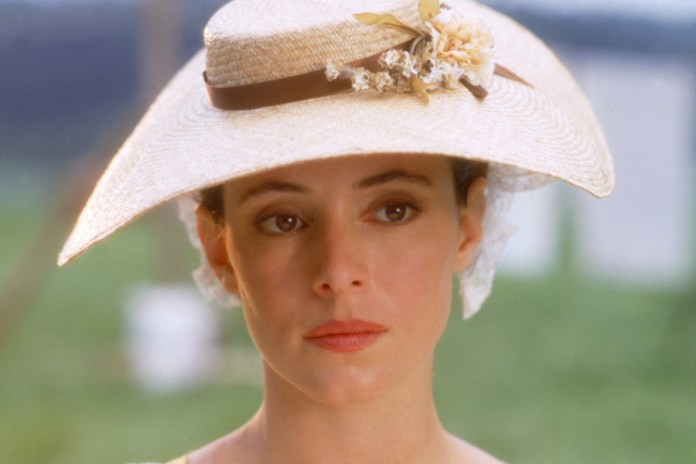
Misstress Cora Munro.
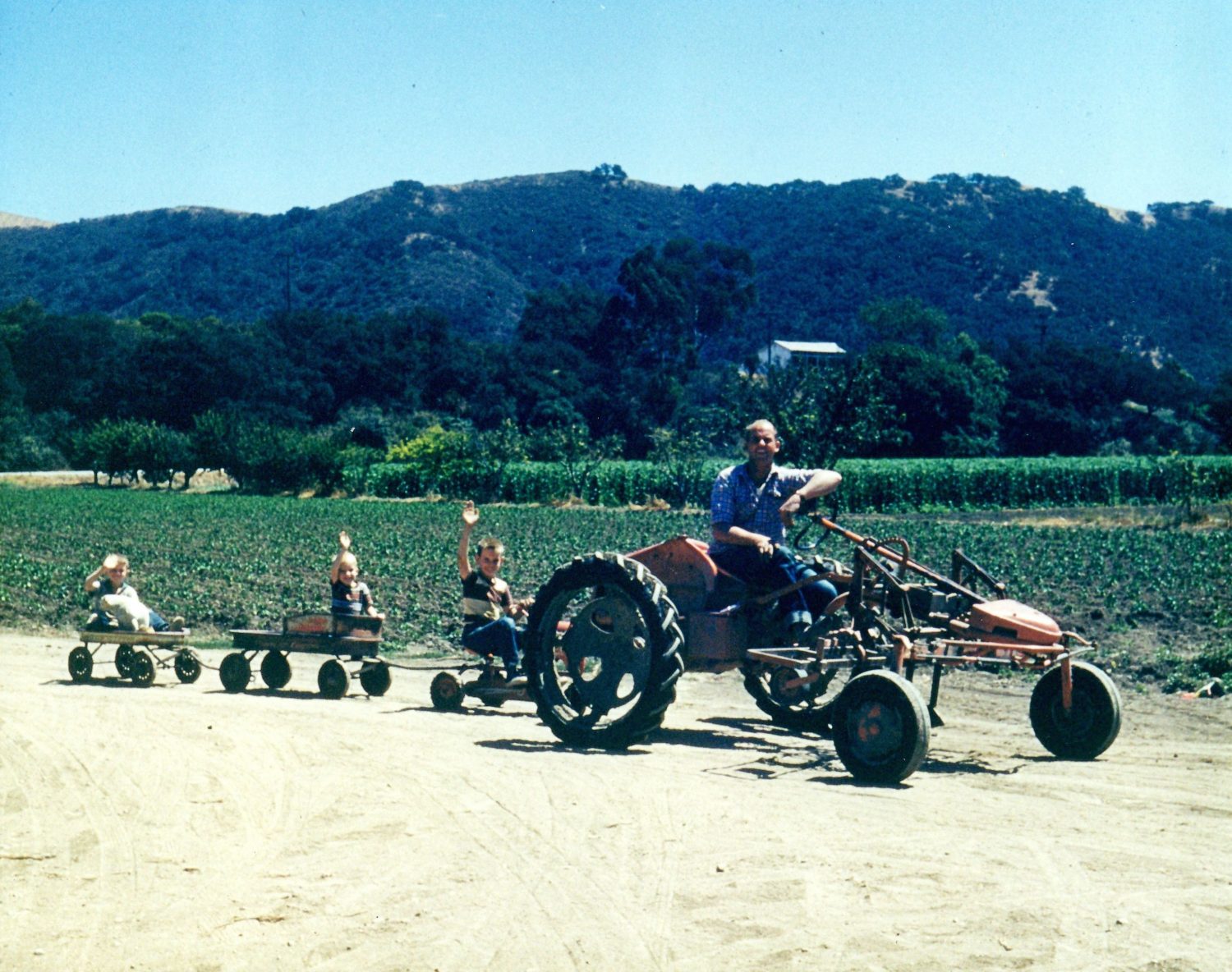
My brothers and I though, are making an attempt to jump start the fine old art of hat wearing. Maybe it will work.
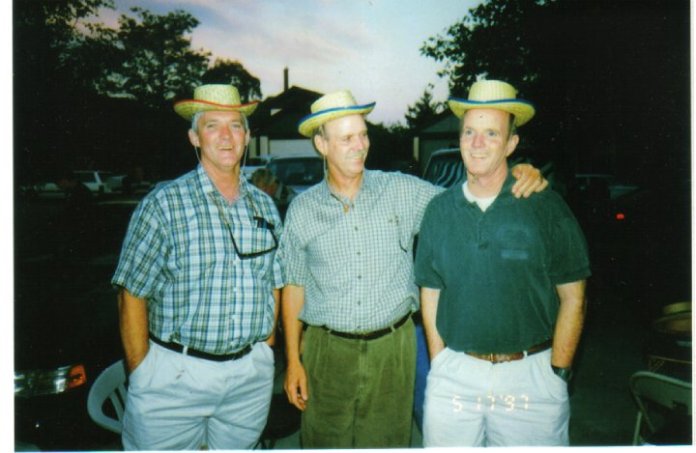
Good luck to us I say.
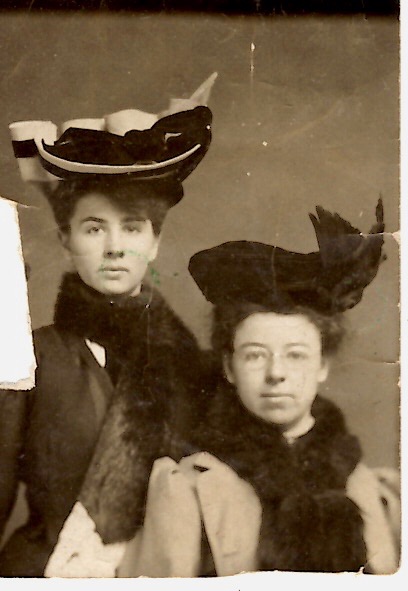
Cover Photo: My grandmother Annie Gray Shannon and Hattie Tyler, 1900
Michael Shannon is a writer and sure to take some abuse from his brothers for this.
 atthetable2015