There was a funny thing about old Arroyo Grande, it had two barber shops. Strangely enough they were almost right beside each other. George had one and Buzz and old man Kelly the other. Used to be men had their hair cut every two weeks and if you were sartorially serious, once a week. Nobody seemed to mind waiting, there were lots of chairs and the gossip and story telling did everything to supplement the local paper, the Herald Recorder. Men could and did flesh out stories they read with pertinent details from personal experience or just from a desire to add some spice to small town life.
We went to Buzz’s place, the one with the old lighted barber pole slowly spinning its red, white and blue. As a youngster the narrow little space had an exotic appeal. Both of the long walls sported large mirrors set so that when you were up in the chair you had an infinite view of yourself, reflected again and again into the forever. Above the mirrors were a legion of stuffed birds and small animals, surely a taxidermists paradise from the days when all wild things were fair game. In the back was a doorway that led to Buzz’s wifes beauty parlor. A pink plasticized curtain shielded the women inside from prying eyes. The whole place was redolent of pomades, Butch Wax, Wild Root Hair Tonic and the pleasant oily smell of the different kinds of electric clippers in use.
There was a sort of hierarchy to the place if you were a kid. Toddlers sat in the chair that was shaped like a pony, when they grew some they graduated to the big chair with its handles a foot peddles where a box was added for your fanny. Grow a little more and you finally sat in the man’s chair. All of it a rite of passage.
The two barbers were as different as night and day too. With Buzz it was quick, zip, zip, a brush on the back of the neck and “Next.” Buzz was a family nickname one he’d had since childhood but couldn’t have been more perfect.
The other barber, Kelly was the artist, much preferred by teenage boys. With Kelly the process was king. The drape placed just so, carefully tucked in around the paper collar to keep clippings from going down the neck. Electric clippers next, carefully applied to avoid nicks and cuts, a flourish of scissors delicately applied, the scalp massage, fingertips relaxing the neck and then application of the pomade or hair oil as required. The perfect Ducktail, a glimmering spectacle in the fluorescent light. Paper collar tossed in the trash bucket, the drape whisked away with a flourish and the neck lightly dusted with talc and brushed. A choreographed little drama played out to the glances and murmurs of the men waiting.
Those boys who wore them, Johnny Hopkins, Larry Hill, David Askins, Sean St Denis and Charley Silva, champions of the Ducktail. Don Pace with the Ducktail and the carefully coifed Jelly Roll on top or Charley Pino wearing the last vestiges of the Pompadour. They were much admired by blond boys with fine hair like me whose cowlick could never be tamed and whose hair, no matter how greased with Butch Wax would never stand up.
Men went to the same barber all of their lives. It was as if once you chose you were stuck for life and it couldn’t change. That happened to my dad. He pulled to the curb in his pickup, jumped out and looked into buzz’s where every chair in the place was filled and because he was in a hurry he went next door to George’s place. When he came out to get in the truck, The door to Buzz’s place opened and Buzz himself came out and buttonholed my father and said, “George you’ve been getting your hair cut in my place for thirty years, What are you doing?” Dad said he felt like he’d committed a crime.
Boys mostly sat and listened to the men talk while they waited. You didn’t hear any real profanity. Guys in those days were more circumspect than they are now even though it was completely a mans world. There was lots of story telling though.
Many writers through history have begun their careers in barber shops. Great stories and a lot to learn if you listened carefully. A story told would be polished and refined by the barbers until it was a masterwork of oral presentation.
I was in there once and Kelly asked the guy next to me, “Hey McGoo, I tell you what I heard yesterday?” McGoo said he didn’t so Kelly started in.
“So, you know that Gal that lives out by the Finks, I believe her name is Linda. Well she supposed to be some kind of topnotch animal tracker, world famous is what I hear.” Kelly went on, “She just came back from a trip up north working for some government commission studying Grizzly bears, trackin’ ‘em around, trying to learn where they go and such. According to what I heard she went up to Alaska on an emergency mission to find some guys who were lost in the Tongass Forest. Thats the place where Buzz got that moose head he has mounted down there by Vereen’s Beauty parlor, see, its right up there.”
Kelly used his comb to point it out as if there was any doubt there was a moose head on the wall, like it’s hard to miss with the mirrors reflecting the image everywhere
He went on, “It seems a couple of animal experts from eastern Europe, a guy from Russia and another from Czechoslovakia wanted to study bear habits. The thinking was that they might reintroduce bears back into that part of the world. They wanted to study them, you see, like in the wild.”
Kelly went on, gettin’ his teeth into the story so to speak. He says, ”They helicoptered them in, faster’n the roads, thats real rough country you know, nobody out there for hundreds of miles. The idea was they’d find some likely bears and follow them around, studyin’ their habits like. Check in by radio at regular times so’s the park service’d know where they was. So, looks like they’d been up there about a week and every things fine, radioed in right on time, all good until their radio went dead. Couldn’t raise them at all.”
Kelly finished up his customer, took the cash and rang up the sale on the old brass register and said “Next.” He did his little dance with the collar and drape and continued. “I talked to old man Sullivan and he said that girl Linda told him that she got a call to fly up to Vancouver because the forest service was a little concerned about the two guys, said the were a couple days overdue at the pickup point and the Mounties and the Forest Service Rangers were putting together a search party to go in and get them out.” They flew Linda up to Juneau and then took one of them puddle jumper planes to the Windfall Lake trailhead.
The whole party loaded up and took off down a road that had seen much better days. The trees were so close that they banged their branches again the cab and the grass in the ruts was tall enough to make a hissing sound as they passed above it. I took roughly three hours to get where they were going but finally after miles of bucking and bouncing they pulled to a stop. An old and badly battered Ford pickup was parked off next to the wall of trees that circled the clearing. The truck could have once been green but that would be just a guess. One front fender was completely gone and the other was mostly rust. If you looked closely you could tell that it had been yellow too. Still hitched was an old wooden, obviously homemade horse trailer with four horses waiting patiently inside. Sitting on the tailgate was a man dressed in western clothes and when he stood and walked over it was pretty clear that he was an Indian. He walked with the particular sliding gait that Indian people used, slipping his boot along the ground, not walking heel first as white men do. He was a little pigeon toed, wore blue jeans and an old Pendleton shirt with a large silk bandana looped around his neck. His high crown no-droop brim Stetson shaded his face but as he approached the roman nose and obsidian eyes, creased from being out in the sun hinted at his ancestor’s. He put out his hand for Linda to shake, that soft almost feminine grip almost always used by Native Americans meant to show acceptance and respect. With the soft touch of the hand still fresh he introduced himself, saying, “Inae Zuzeca,” but you can call me snake.” His sibilant speech marked him as one who spoke one of the Siouxan languages. “Means snake who makes safe.”* he translated.
“Trail is very hard to see,” he said, “Two weeks with a lot of rain will make it hard to follow.” Snake and Linda walked to the break in the tree line where the Scientists had gone and spoke a few words to each other and then returned to the two rangers. “I will saddle the horses,” Snake said, “You pack up what you need and we’ll get on the trail.”
“Early in the afternoon the headed out and that gal and Snake, why they just followed their trail like it was nothin’. Darned if she couldn’t see the tiniest trace they left. Must be some Indian in her too, you know?”
Any way after a couple days they come upon the base camp the Europeans made. They saw it was all torn up, tents ripped to pieces, gear scattered everywhere and no one in sight. The Indian guide with them pointed out a blood trail goin’ off into the trees. Somethin’ bad had happened, it was easy to tell. They all got together and made a little plan about what they were gonna do and then checked all their gear and especially checked their rifles, made sure they were loaded full. With the indian and the gal in the lead they moved off into the trees, steppin’ as soft as Dan’l Boone in Kentucky cause they didn’t know what was up ahead. “She said they walked a couple hours through the trees and brush, followin’ the trail until, finally they come to a edge of a little clearing. They could hear some noise, some rustling and snorts out there. Something big was scuffling around. So they all very quietly checked their loads while Snake and Linda slithered forward, moving real quiet like. After a minute she motioned for the rangers to come up and get a look. They raised their heads to see what she saw. Sure enough there was a big female Griz feeding on the carcass of a man and just over by the other side of the clearing a monster male was sharpening his claws on a Fraser pine.
The Rangers very quietly consulted by just a look and the whispered to Linda and Snake, “We have to take them, they’ve killed a man.” With a nod Snake carefully sighted on the female and, quick as a wink he put four big 44-40 slugs in her. She softly grunted, looked up in their direction and then slowly laid down on the dead man. She gave a little chuff and died.
Across the clearing the male stood up, looked for the placed the shots came from, spotted the woman and the Indian, glared at them and then, shaking his enormous head, he bolted into the trees. Linda and the Indian crept carefully out of hiding, listening to the male racing off through the forest, the crackle of broken branches and his enraged roars at the fate of his female fading into the distance.
Across the clearing the male stood up, looked for the place the shots came from, spotted the woman and the Indian, glared at them and then, shaking his enormous head, he bolted into the trees. Linda and the Indian crept carefully out of hiding, listening to the male racing off through the forest, the crackle of broken branches and his enraged roars at the fate of his female fading into the distance.
They carefully approached the dead sow, knelt down and looked for signs of life in the scientist but there were none. Neither of them knew him but a quick search turned up his wallet. The Indian opened it and pulled out the deadman’s identification. “Him name of Nikita Oleg Bulganin,” He said, “Is Russian.”
Linda stood up and looked all around the clearing. “There’s no sign of the other guy and we didn’t see him coming in, I wonder where he is?”
The Indian guide thought a second and replied, “Czechs in the male.”
Linda Jo
Note: No bears were actually harmed in writing this story.
*Linda and her lover always traveled with a snake totem in the truck. Their “safety snake.”
Penny Ameracauna Shannon passed away Sunday, August 29th 2021
Born at Dare to Dream Farms, Lompoc in 2013 Penny came to Arroyo Grande in the spring of 2014 with her two sisters and took up residence on Sage St. They lived in a custom built home built just for them. She and her sisters, little Girl and Topsy were joined by friends Big Red and Salt n Pepa. They quickly made themselves at home and began doing their duties. The snacked on the wild and elusive snails, snacked on Manduca quinquemaculata, the five-spotted hawkmoth or Tomato caterpillar and turned over the soil like so many cultivator tractors. A crop of Aphids stood no chance against Penny’s razor beak.She loved the tasty leaves of the milkweed plant and would fight with her sisters over them. The Heirloom Scented Geraniums had to be protected by wire cages from this wily beast.
The chicken coop and run are quite large but it wasn’t big enough for Penny. She was the only bird who concentrated on escape. If you didn’t free her to roam in the morning she would tunnel under fence or figure out a way to fly over the walls. She liked to hide behind something and then rush the gate when it was opened. It became a great game for her.
She roamed our yard. She would follow Nancy into her studio and sit in an old wooden crate just to keep her company. She used the dog door in the garage and would sit quietly near me when I was working. She was never freaked out by the sound of table and band saws. Of all the girls she was the only one who seemed to prefer our company to her own kind.
We gave her meal worms, scratch, oyster shell and fresh lettuce and corn on the cob. She gave us, each day, a delicate sky blue egg with a pure golden yolk.
Chickens are not very long lived, perhaps seven or so years if cared for and Penny just made the limit.
The Garden seems less friendly without her and for the first time, this year the Tomato worms ravaged the plants.
She was a Christmas present from my oldest son and I have to say, the best ever.
Semper Desiderari:
Michael Shannon is a writer from Arroyo Grande, California. He likes chickens.
My father with cousin Bruce Long. Shannon Family photo.
Farm boys weren’t in Little League, we didn’t hit tennis balls against garage doors, our sports were rock throwing, at each other of course, we could shoot baskets against the old tank house but we couldn’t dribble in the dirt so we were handicapped compared to town kids. Thats what we called them. Town kids. In return they called us farmers and you can be sure it wasn’t any kind of compliment either.
We knew them of course. Our parents were friends and we picnicked at the Tar Springs picnic grounds where an older boy might work me over just for fun. I sat with them in Sunday school class, Harry Hart, John Lindstrom, John Marshall and Billy Perry. We were in Boy Scouts too. We didn’t know smoking, didn’t kiss girls and we didn’t run around in packs. We lived too far apart for that. On the other hand, we knew poison oak and Horse Nettles. We didn’t burn poison oak in campfires like Blair Sheldon, Skipper White and Hardy Estes did, who were Oceano Boy Scouts. It made their Camporee pretty short. We knew where vegetables came from and could identify them by sight and smell. We knew how to get dirty and muddy and we really knew about tractors.
Before we were old enough to drive them we found other uses for them. My brother and I would take old gunny sacks and saddle up the big rubber tires of the wheel tractors, take a bit of rope for reins and ride with the cavalry. We climbed up to the seats of the tracklayers, pulled the steering levers and yanked the throttle lever as we rode with General Patton’s “Hell on Wheels” tank battalions across France. You could take a broken piece of an old bean pole and chip away the caked mud on the bogie wheels like you were sculpting Mount Rushmore. We inhaled the sweet smell of diesel in the tanks and tried to smear the grease from the lube guns on each other. We were the bane of my mothers attempt at keeping us clean.
The tractors on our farm were as common as cars and trucks on a city street. When I was about eight my dad took me in his pickup down to Santa Maria to see his old friend Ralph Hanson. Ralph grew up just down the road from my great-grandparents farm on the Guadalupe road. He and dad were in the same class at Santa Maria Junior College. After they returned from University Ralph started a tractor business on the corner of West Main and Blosser road. By the 1950’s he had expanded it to a large operation where he sold International Harvester tractors and repaired any kind of farm equipment no matter who built it. For a little boy no place could have been more fascinating. We went into Ralph’s office and as they talked about stuff an eight year old wasn’t interested in, an adult conversation can be pretty safely ignored when you’re that age. I walked out to the showroom where the brand new machinery was displayed. International painted their machines bright red and just like an auto showroom the were polished until they gleamed.
After a bit, since no one was paying any attention I wandered out to the shops where the real action was. The repair bays were all occupied. There were machines up on hydraulic lifts and others parked over grease pits. The men working were dressed in greasy overhauls, wrenches and screwdrivers poking from their pockets so that they clanked faintly as they moved about. Down at the end a welder was working on a disc and when I walked up he said, “Hey kid, don’t look at the flame you’ll go blind.” I already knew that so I peeked through my fingers like my dad had showed me. No one seemed to think there was anything odd about a boy wandering around unattended, farm kids knew to stay out of the way and were expected to do so without prompting. One of the mechanics looked up and saw me watching him and said, “Hey kid, wanna stick a gum?” He took out a pack of Beeman’s Black Jack and thumbed out a stick. “Thank you,” I said, “My Uncle Jack likes this kind.” My dad was a Juicy Fruit man but Uncle Jackie liked the licorice flavor of the style. The first chewing gum distributed in sticks, Black Jack has an unmistakable black licorice flavor, rounded out by anise and ginger. Black Jack gum got its start from Mexican chicle brought over to the states by El Presidente Antonio Lopez de Santa Anna. Knew about him ‘cause he killed Davy Crockett on TV.
When I wandered back to the office the two men were still jawing away, don’t think they even knew I was gone. Eventually they stubbed out their cigarettes, shook hands and Ralph walked us out to the pickup. They said good bye again and we drove down the Guadalupe Road to my great-grandparents house to see my uncle John Gray. “What did you do there dad?” And he replied, “Why, I bought a tractor, a brand new one too.”
Brand new Model C
I clearly remember when the truck from Hanson’s delivered the first one we had ever had that was brand spanking new. It was an International Harvester Farmall model C cultivator. A shiny bright red with cultivator bars painted royal blue and all the implement clamps a rich ebony black. A farm boy could identify make and model by color, the same way townies identified cars. International, red, John Deere, green and yellow, Caterpillar, yellow, Fords were grey and Allis-Chalmers were bright orange. Olivers were Green. Of course they only sported these gleaming colors for a few days, for they were made for hard use and no one was in the least concerned with keeping them shiny. They were made for work and work they did.
…A few months later.
It seems the all cousins and family who came to visit wanted a tractor ride and my dad was happy to oblige. We have photos of them sitting on machines which were evidently a big thrill for them as none of them lived where they could ride or drive them. Our reality was different though. Six days a week, sometimes seven you could see and hear them in use on our farms and all ones ones around
Yours truly with Nancy Brown, 1949. Shannon Family photo
To farm kids they just were. You grew up watching your father George or Lester Haas who worked for my dad, Uncle Jackie, Lester Sullivan, Oliver Talley’s men or Kaz Ikeda’s on the farm next door over even, as we got a little older, “Tookie “Cechetti would drive his dad George’s Farmall to Branch school once in a while. Driving them through the fields or down the roads from one farm to another was just the ordinary thing, not special, just a fact of life. When we were very small small we rode on my dads lap, when we grew tall enough we rode on the the cultivator bars, standing up on them and holding on to the drivers seat. Dangerous? Of course it was but as with all things, if one kid did it they all did. Dad knew the worst that could happen was you could fall off the back into the dirt. I looked more dangerous than it was. He would never let you do something like that if he was pulling something behind, ever.
When I was eleven, dad tried having me drive the tractor that pulled the broccoli cart through the fields when harvesting. This was a large two wheeled cart used to collect the cuttings before packing. The laborers hand cut the broccoli heads with a knife and then tossed them into the back of the carts. The tractor dragging the cart moved at walking speed between the rows of the crop while this was done. By having me drive the tractor my dad would save money not having to pay someone else to do the job. At eleven, my legs weren’t long enough to reach the brake and clutch pedals so they were rigged to operate by pulling the levers that operated the hydraulics that raised and lowered the cultivator bars. Left one for the clutch, right for the brake.
Broccoli is a spring crop. Planted in the winter it is harvested in early spring. It likes the cool weather. Rain in the spring also makes this a typically wet and muddy job and holding the single front tire in the furrow takes more strength than I had. I’d go along fine for a bit then the wheel would suddenly turn sideways and begin plowing a wide swath through the broccoli plants. This ended my driving career pretty quickly which was ok for me as I had to do it before school when it was cold and wet. I did like being with my dad and the men in the fields though.
It’s legal for kids as young as ten.
We had many kinds of tractors over the years. There were several kinds of wheel tractors, John Deeres, Farmalls, and the Allis Chalmers. Caterpillars or Cats were properly called crawlers because of the revolving tracks that provided grip, we called them all “Cats” even though they may not have been built by the Caterpillar corporation. Dad had a big International Harvester track layer. It was red, which was the international color and it served many uses. It could pull a 14 foot disc followed by a drag harrow and a ring roller when it was used to prep a field for planting. One winter dad and Lester Haas welded a frame on the back of the tractor, bought a large two blade propeller at the Oceano airport, mounted that on the top of the frame, hooked it to the Power Take-off and used it as a wind machine to move air across the tomato fields on nights when a hard freeze was expected. Those acres were right outside my bedroom window and I soon became very familiar with the sound of a big Diesel engine’s roar as it spun that blade all night. A couple years later during a very wet winter the same tractor had three foot long 4 X 4′ bolted to each track plate to increase the width of its feet so it could pull the celery carts through the mud-sloppy fields when it was harvesting time. Dad said he made more money renting out the big Cat to other farmers than he did on his own celery crop.
1930 John Deere Model A. The “Johnny Popper” which replaced the horse. WWW photo
We had two old John Deeres, both built in1930. One was a Model A and the other, a Model B. They were both a quarter century old when I learned to operate them. They were early twentieth century technology at it’s finest. Neither had an electric starter or even a crank. They were started with a big flywheel mounted on the side. A very heavy chunk of cast steel that weighed at least a hundred pounds. That flywheel weighed more than I did. They started when you opened the settling bowl to drain any collected water in the gas line, then opened the petcock to let gasoline back into the line. Next you closed the choke and retarded the spark, turned the flywheel over a couple times to draw gas down into the cylinders then advanced the spark, threw the flywheel as hard as you could and hopefully the danged thing would fire. On a cold morning, a little seriously applied swearing helped. The spark was supplied by a magneto because those old girls didn’t have batteries. Magnetos are something you can look up if you want, I’ll just say that the spark they supply is seriously nasty. Ever touch a spark plug or uninsulated magneto wire and it will shake you like a dog passing peach pits. You will surely have to change your underwear if you do. Very simple machine and they will run forever. You can fix them with a Crescent wrench and a screwdriver. At least one of those old Johnny Poppers still lives and runs up in Creston and is closing in on a hundred years old. Why the Johnny Popper? Listen to one run sometime, you’ll know why they call them that.
Cultivators were hard on the man who drove them. The steering wheels were offset slightly to the left so the operator could hunch over to the right and see the implements as they ran by the plantings, sometimes on both sides at once and usually just an inch or so away. One slip of the wheel and the blades could take out several feet of crop. It takes a lot of concentration and it’s darn hard work. No romance in it at all. There are thousands of plants in a farm field an each and everyone is worth money. Each is vitally important to the grower.
By the time I was 13 or so I drove every kind we had. Weekends and days after school and in the summer before I was old enough to drive a real car and had a license. There was nothing quite so cool as driving the big D-4
Cat pulling a 12 foot offset disc. Tulare County Museum photo.
Cat pulling a disc, harrow and roller back and forth across the fields doing figure eights , trying to figure out how to make the turns come out just right. I seems silly now, but we drove without a mask to fight the dust. You might wear a bandanna if you had one but they were of limited use. We didn’t have mufflers, either, on the big diesels. Your ears rang after hours of powering up and down the fields you’d park the rig and wobble to the house, still vibrating from the shaking tractor, ears buzzing, covered with a thick coat of dust and blowing muddy boogers to clear your nose. When you’re thirteen it’s all pretty manly.
Running the steep side hills planting my uncles hay crop we would stand on the uphill axles of the tractors , hoping that if she went over you might have a chance to jump clear. Once in a while the tires would lurch sideways in the loose dirt and your heart would stop every time. No one in the family ever tipped one over during sixty years of working but we all had the “jumping out of our skins” experience at one time or another.
Jack Shannon plowing the hills with his 1917 Fordson.. Shannon Family photo
I used to drive one of the John Deeres for my uncle jack. Pulling the mower to cut hay or the side delivery rake to drag it into windrows ready for the baler and of course the most fragrant job of all, the manure spreader. We would load the wagon full of manure from the corrals and then pull it through the plowed fields all the while the spinning auger at the rear throwing manure high in the air where the breeze blew it all over. At the end of the day you had a very nice coating of sweet, semi-digested feed from head to toe. The funny thing is, no one who actually did the job seemed to mind. It didn’t help much to pull down the hat and turn up the collar; the breeze brought a shower of stuff that would make Mom’s laundry even more challenging.
I don’t know what it is about big machines but hardly any boy I know doesn’t remember them fondly. Those machines were simply built and easily repaired. Today you must have an education in order to work on farm machinery. The cabs of tractors are now enclosed, with air conditioning, dust filters, GPS and computer screens that provide the driver with all kinds of information about moisture content and nutrients in the soil. You can’t buy a used John Deere for a $100 dollars anymore. Lots has been gained but lots has been lost too. It’s not farming, it’s agribusiness now. That might have been helpful in the back of the bus in 1959. Instead of “You stupid Farmer” it would now be “You stupid agribusiness man.” I doesn’t have quite the same ring, does it?
Dad and his little drivers in training, 1953. Shannon Family photo.
My dad, George was a singular person. I don’t mean his personality, his intelligence or his heart, though he had all of those. No, I mean his name.
His full Name was George Gray Shannon. The Gray, I think a wonderful and singular name was his mothers maiden name. She was Annie Gray, no middle name or NMN as they say in the Navy.
She came from a long line of Irish as did my grandfather Jack. His name was John William Shannon and they called him Jack or Big Jack since my uncle, John Patrick was little Jack or Jackie. I’m John Michael and my eldest is John William, Will. You have to go to the backup names when there are too many Johns alive at the same time. The curiosity is, where did the George come from? Now we had some Georges around Arroyo Grande, George Kitchel, George Oliver, George Arita and George Carnes the barber, but they were all younger than my dad so it wasn’t any of them. My grandmothers brothers, John, Thomas, Robert and David didn’t fit the bill either. On my dad’s side, beside his father and brother their was a Lester, a Bill and Tom; no Georges.
George is not a popular name in Ireland. They had some Kings named George, pretty famous if you’re from great Britian but not guys that are revered in Irish history. Matter of fact, they are seriously hated. The first one, actually named George the first if you can believe that, remained unpopular in England all of his life, partly because he couldn’t be bothered to learn or speak English. He was really a German, sort of a fill in King because no one in Britain wanted the job except a Scot. That guy was a Catholic and therefore was basically persona non grata, You know, two hundred years of war between Catholics and Protestants. It was so wild, a couple of Kings lost their heads over it, not to mention the scrumptious Anne Boleyn whose “little” neck was separated from her head by a French axeman. Anyways, the Brits thought George was greedy and so were his mistresses. He also showed his wife some “Rude” treatment, meaning he knocked her around a bit. My grandparents wouldn’t have liked that sort of thing so it couldn’t have been him. That English George died on 11 June 1727.
Ones kid, George II (1683-1760) was king of Great Britain and Ireland and elector of Hanover from 1727 to 1760. During his long reign the system of governing Britain through an oligarchy of powerful political parlamentarians took the reins and marginalized the king. No more power for him. Again the George just couldn’t do the job. He also had mistress trouble, the wife didn’t like them at all. The thing with a mistsress is that they are way expensive politically and financially, even for Kings.
So king Two kicked the bucket in 1760 and his kid, number Three, who was pretty smart in the beginning, he actually did some pretty spectacular math concerning the movement of the planets but he ruined it all by doing two other things. He tried to put down a rebellion in America on land he thought was his; he was wrong of course. Two generations of Shannons, who lived in western Pennsylvania at the time, took their Kentucky rifles and joined up with General Washington and then proceeded to pot a few Lobster-backs for which their country paid them a itsy-bitsy pension and they also got a nice handshake from General Lafayette.
The second thing about Three was that he went crazy and had to be put out to pasture in 1811. His son George four was next but he didn’t like the job too much either and made the mistake of marrying a Catholic girl, Mrs Fitzheber which irritated his people no end. He tried to make up for it by taking a protestant mistress or two, kind of balance things out so to speak but he basically failed at his job and the British decided they’d had enough Georges for the time being and traded them in for Alexandrina Victoria, who took over and ruled for 63 years.
These guys were certainly not candidates for my dads naming. I though maybe Georges Suerat the painter or George F Handel the composer or even Lord George Byron of poetic fame or finally as a last resort George Eliot, who was really a women. I guess that would be a little too kinky for parents raised in the Victorian era though.
So dad was the only George, which is something. From 1735 onward the most common given name in my family has been John with quite a few Williams thrown in, a couple Davids and at least one Edward I’m the only Michael. Two Patricks, three Leachlainn’s (Lock-len) which is an ancient Irish name meaning “devotee of Saint Seachnall.” Seachnall is believed to have been a nephew of St. Patrick, arriving in Ireland from France in the fifth century. I can’t imagine my father being given that one.
It all seemed a dead end until one of my brothers said that dad told him that the name came from someone whom my grandfather worked with when they lived in Berkeley in the early 1900’s. He didn’t know anything other than that.
Curiosity will linger though and years after my father and uncles deaths while going through a box of old, old photographs I came upon one in which my young grandfather was posed before a storefront. The photo was printed as a postcard which was not an uncommon thing a century ago. The cards were handed to customers and friends as a form of advertising. We have a small collection sent to the old dairy my grandparents owned, some from salesmen hoping to sell things like Fly Bane or feed supplements or even just chicken feed. They always feature a photo on one side. This one features four men and a boy in a casual pose outside a storefront with the word Exchanges in large letters above a retracted street awning with a display window and doorway below. Jack is 28 and a real estate salesman. He’s even listed in the Alameda county directory as Shannon John W, real est, r 1927 Dwight Way, Berkeley. That happens to be the house my father was born in and I do mean in. My grandmother was attended by a doctor but my father was delivered in the family bed just like most people in 1912.
The two standing side by side are Jack Shannon and George John Lawson, owner of the business. They are the same age, 28, though you might not guess it. In the way of the early twentieth century they are already a little paunchy and dressed in three piece suits, button shoes with knobby toe caps and small heels, all shined to a mirror finish. They have all the appearance of successful business men which is what they need you to think. It’s the real estate business after all and looking successful is as important as always. The other two look like the kind of men who give real estate a bad name or they might be building contractors which is kind of the same thing.
My grandparents weren’t too flush, the house they lived in was rented as you can tell by the R in his directory listing. My grandmother received a small income from her fathers oil company stocks which helped but eventually, just a few years after this, they packed up the family goods and motored back to Arroyo Grande where they lived for the rest of their lives.
The Spanish Influenza hurried them along. Cities around the bay area were hard hit in 1918 and 1919 by the Flu, and newly coined word then. Thousands died in San Francisco, Oakland and Berkeley. Just like today, people pooh poohed masks, refused to isolate and called the whole thing a foreign hoax. Even then doctors knew the flu had originated at Fort Riley Kansas and was carried to Europe by the American Doughboys who went to fight the Kaiser in WWI France. Fifty million deaths worldwide was no hoax. My grandparents, with two little boys fled to their ranch in Arroyo Grande They commemorated the event by naming a hog “Flu.” Old Flu, according to my father served two purposes. One was providing transportation for the baby goat who liked to hop on his back and go for a ride and later on providing the family with some nice pork chops.
George J Lawson. Glover Family photo
As the story goes, George Lawson offered my grandfather fifty dollars if he would name his second son George. Try to imagine the conversation they might have had around the kitchen table at the Dwight Way house. My grandmother listening to her salesman husband of three years explain why he thought George would be a good name for the little boy who would come in February 1912. Why they thought it would be a boy nobody knows. All the old “saws” about a woman carrying high or low or having, or not a protruding belly buttons were likely bandied about but, of course they couldn’t have really known. Just the same, she agreed.
The fifty dollars would have amounted to a months pay for Jack and surely the money was needed. So on February 1st 1912 my father came into this world and was dually christened George Gray Shannon and quickly baptized as such. In 1912 the “Infant Mortality Rate” for Oakland hovered around 18% so for devout mothers like my grandmother insuring the survival of the soul was as important as the child’s welfare. Pneumonia and influenza, tuberculosis, and enteritis with diarrhea were the four leading causes of death in the United States, and children under five accounted for 40 percent of all deaths. Scarlet fever, measles, diphtheria, mumps, and childhood diseases now practically unknown caused mothers and fathers to fear for their children. Dad was lucky. He was born at a time when a wide range of improvements begin the drive the infant mortality rate down. Central heating meant that infants were no longer exposed to icy drafts for hours. Clean drinking water eliminated a common path of infection. More food meant healthier infants and mothers. Better hygiene eliminated another path of infection. Cheaper clothing meant better clothing on infants. More babies were born in hospitals, which were suddenly being cleaned up as the infectious nature of dirt became clear.
Annie and little George, Dwight Way, Berkeley, 1912. Shannon Family photo
When my dad was six years old Jack and Annie decided to chuck the up and down life of a salesman and moved back to their hometown Arroyo Grande. She owned a Ranch given to her by her Uncle Pat and they determined to try their hand at farming. Thats where my uncle Jack and my father really grew up. Starting as little boys and growing to men, they both took up the land, my uncle Jackie became a cattleman and my father a vegetable farmer. They both stuck with it to the end of their lives.
We all think we know much about life and its ups and downs, the reasons behind things, but there are always little surprises just around the bend. For after all, everyone’s life seems to follow a curve and around that bend you cannot see.
So it was on 1 February 1912 that my father arrived. According to my grandmother he was a good baby, quiet, self-contained and observant, qualities that he maintained his entire life.
George is a boys name which comes from the ancient Greek name Georgos or Georgios. The name roughly translates as farmer. “Ge” for “earth” and “Ergon” meaning work. My dad was all of that. He always wanted to farm. He always took pride in his work and a farmer he was. We would ride around our valley in his pickup and he would critique other farmers techniques. He observed that so and so couldn’t plow a straight furrow or ran his excess irrigation water onto his neighbors fields. He wasn’t showing any kind of mean streak, he wanted his boys to appreciate the importance of doing their work well. Taking pride in what you produce was his mantra. He never put second rate produce on the bottom of the box. Top and bottom was his way, a thorough job was its own reward.. He also taught that the greatest value in that was to oneself.
Oh, and the fifty dollars, George John Lawson never paid up. He welched on the deal.
Dad on the tractor, 1982. Shannon Family photo
Michael Shannon grew up a California farm boy. He writes so his children will know the kind of people they come from.
“It’s a beautiful day for a ballgame, Let’s play two”…..Ernie Banks, Chicago Cubs.
Sometimes, in little towns like ours threads will cross each other and create a narrative and human fabric from disparate and yet similar experience. This skein is nearly unbreakable and so involved that any one person cannot be addressed without causing ripples.
Vard Loomis was as tied to the sport of baseball as any man who ever lived here. He played with my uncle Jackie and future major leaguer Thornton Lee at little Arroyo Grande high school. Like Thornton he went on to university. His university was Stanford. Known during his time as the “Cardinal,” not for the bird but for the color of its uniforms. Vard was no slouch either, he captained the team in his senior year. It was not a particularly good year for the Stanford nine, but Vard, at least had a winning season and was their ace pitcher.
Stanford Baseball
When Vard came home from Stanford and entered the family business baseball was in full swing. From the turn of the century until the mid-fifties and the rise of television, amateur and semi-professional teams toured the country and town-ball teams were everywhere. It wasn’t unusual for a little town to have more than one team. Some would be sponsored, other were school ball teams. Our Arroyo Grande high school played Cal Poly and Santa Maria Junior College. Pick-up teams played on weekends and after work in the summer.
My father told me of going down to the high school field to see barnstorming teams play. They played on the old diamond at what is now Paulding Junior High. Kids could earn a nickel for fetching balls hit into the creek or even across it onto the fields of Garden Street.
The famous House of David came through every year or so, playing town teams along the railroads where they could play two or three games a day against teams from different small towns. They could play Paso Robles, Atascadero and Arroyo Grande on the same day.
The House of David teams fielded one of the most popular baseball teams in the country at the time. Famous professional players occasionally donned fake beards and joined the team for exhibition games. Grover Cleveland Alexander, Satchel Paige, and even Babe Ruth. (They considered signing the Sultan of Swat in 1934, but decided his outrageous lifestyle would be a poor fit for the ascetic, Jewish orthodox team.) The hirsute athletes also popularized the art of the “pepper game,” a collection of Harlem Globetrotters-esque antics where they juggled and tossed balls, bats and gloves, made them vanish only to pull them out of their beards. They even played innings while mounted on donkeys. Playing as far afield as Hawaii and Mexico, the House of David continued to draw crowds into the 1950s, when television and the rise of Major League Baseball led to a decline in popularity of touring professional teams.
1927 Tour of Japan. Zenichi Kinimura between Gehrig and Ruth. National Archives
They weren’t bush league teams either. They often played against teams of major leaguers or Negro League teams who were picking up extra money in the off season. Babe Ruth and his “Bustin’ Babes toured with Lou Gehrigs “Larruping Lou’s for many years and both took on not only the House of David but also toured Japan 1934.
That Japanese tour was organized by Kenichi Zenimura, a Japanese-American baseball player, manager, and promoter from Fresno. He had a long career with semi-professional Japanese-American baseball leagues on the west coast and Hawaii. These leagues were very active and extremely popular from about 1900 to 1941. He is also noted for the successful barnstorming tours he organized that brought famed players such as the Babe and the Iron Horse, Gehrig to the west coast and to Japan for exhibition games in the 1920s and 1930s. Zenimura brought his teams to our area during the depression and played at the high school and at the old ball field in Pismo Beach which used to be about where the sewer plant is today. There’s a series of old photographs kicking around taken during one of those games. The all Japanese-American teams dressed in their heavy woolen uniforms playing on a Sunday afternoon, the ranks of automobiles down the foul lines parked facing the field, the fans sitting on the grass, picnic baskets open, adults watching the game and kids running around playing games of their own, all of this surrounded by the artichokes which used to be grown there. Just off to the east the Southern Pacific railroad, where at four o’clock the SP Daylight Limited would thunder past, pulling its even dozen Pullman cars, their bright Red, Black and Orange livery flashing in the afternoon sun. The game pauses, players watching the train, the pitcher, his head down hands on hips, pauses in his work. Kaz Ikeda, the catcher, squats patiently in behind the dish, his brother Seirin stands at short using the toe of his shoe to smooth the infield dirt in front of him.
Arroyo Grande Growers, Vard Loomis center. SLOCHS photo.
Coached by Vard Loomis the Arroyo Grande Growers were playing the Kenichi Zenimura’s Fresno Athletic Club or FAC as it was known.
Prior to the war, Juzo Ikeda the father of Kazuo and Seirin asked Loomis, to coach a Japanese-American baseball team.
“There were between 40 and 50 farmers in this area at the time and many had big families, so there were a bunch of boys around here who needed some type of recreation after school. “Vard coached from 1932 to 1942 until the Japanese were forced to had to evacuate to the internment camps.”….Kaz Ikeda
Kaz and his brother were both lettermen at Arroyo Grande High School and attended Cal Poly, a small agricultural and engineering college in San Luis Obispo where they both played ball. Seirin was a crackerjack shortstop and Kaz caught though he was always careful to say he rode the pine most of the time.
He started playing on a Japanese American team from San Luis when he was just thirteen and was the first player Vard chose when the Arroyo Grande “Growers” were formed in ‘32. They played Japanese teams all over the coast from Salinas to as far south as Santa Barbara.
Sent to Gila River, Kaz and his brother continued to play. Kenichi Zenimura had quickly organized nearly 32 ball teams there. Some were for kids, some for teens and some for adults. “Zenny” even built the ball fields in the rocky soil around the barracks in which they all lived. He and the other ballplayers painstakingly removed rocks and pebbles and did their best to make the rough fields playable. There was no grass on those fields. They had to make the bases from scrap lumber left over from the building of the camp, they even put together a grandstand for the primary field.
Gila River Field Home Plate. National Baseball Hall of Fame photo
For the three years the 10 camps existed baseball was played year round weather permitting. Snow storms at Tule Lake California delayed games as did howling dust storms at Manzanar. Torrential rains at the Rohwer and Jerome camps in Arkansas washed out the fields and games could be cancelled over intense heat or clouds of mosquitos and biting flies. And yet they still played.
Gila River Baseball on the home made field. Tets Furukawa, 3rd from right rear from Guadalupe. With only one suitcase allowed, he carefully packed his uniform from home. Densho Archive photo 1944
Survivors of the camps have stated that the games did much to foster a sense of community and give the internees something around which they could rally.
After the war Kaz and his brothers Seirin And Saburo and their extended families were amongst the first organizers of The Arroyo Grande Boys League. Returning veterans of the military, men who had played at Guadalcanal, Saipan, in the fields England, France and Germany began to have families and the league filled up rapidly with boys eager to play.
They were the last decades of baseballs dominance. Here at home, boys lay awake at night dreaming of the World Series. There was no superbowl and the NBA could still characterized as a minor sport. The biggest thing in basketball was the seemingly utter dominance of UCLA and its annual trek to the college championships, regular as clockwork. It was still baseball and in the fifties it was still a radio sport with no teams west of St. Louis. Didn’t matter though, kids were wild for the Brooklyn Dodgers, Saint Louis Cardinals and the Giants of New York.
Not yet did the leagues simply use the names of Major League teams. Local adult and kids leagues used their sponsors names or simply called themselves the Gators or the Growers and Merchants.
Pismo Beach Merchants at the old Pismo field, 1939
In the photo above, made up of players from Santa Maria, Arroyo Grande, Pismo and San Luis are many familiar names including Floyd Hoover and “Mutt” Anderson, owner of the Greyhound Cafe in Arroyo Grande. Butch Simas and Carl Barbettini were big supporters of the Santa Maria Indians. These guys were the fathers of the kids in my generation.
It all changed in 1958 when Walter O’Malleys Dodgers stepped of the plane in Los Angeles. They were to dominate the west coast television market and quickly relegated the Los Angeles Rams, which had been one of only two NFL teams in California to the status of also rans at the box office.
The All-Star played in the 1959 season was also the first All-Star Game played west of St. Louis. The American League defeated the National League 5-3. Hall of Fame All-Star starters included Dodger pitcher Don Drysdale, Ted Williams, Mickey Mantle, Yogi Berra, Hank Aaron, Ernie Banks, Stan Musial and Willie Mays. For kids out here is was unbelievable that these players were actually in reach and not at the end of a three thousand mile radio signal.
That same year the Dodgers beat the White Sox in the World Series at the old LA Coliseum and it’s strangely configured ball field behind the great relief pitcher Norm Sherry who saved two and won two.
During the 1959 World Series against the Chicago White Sox, attendance at all three Dodgers home games exceeded 90,000. Game 5 drew 92,706 fans, a World Series record that will likely remain unbroken. The Dodgers won the series 4-2, capturing their first World Championship on the West Coast.
The sad thing was that it began the erosion of the old town ball teams. It was too easy to watch baseball on TV now instead of heading out to see the locals play. Other than a few high school college summer league teams they have slipped back into the shadows of history.
The San Luis Blues still play every summer but the old Santa Maria Indians with their bright red uniforms and “Scoop” Nunez running the show are probably gone forever. It took a dedicated group of men to operate a team, most of them former players themselves and it seems there are few willing or able to serve anymore.
In the picture above is our own Jimy Williams. Jimy is from a pioneering ranching family and holds the distinction of being the only native ofArroyo Grande who owns two World Series rings as both a coach and manager. The best memory Jimy though is of Coach Eugene “Pee Wee” Fraser hitting endless ground balls at him, over and over until it was too dark to see. Thats the real game behind the game.
Gene “Pee Wee Fraser. AGHS photo
Youth leagues are now it if you want to see a game. Little, Pony, Senior, American Legion and Babe Ruth leagues are how kids learn to play today and its always fun to walk on down to Soto field to see them. Those fields are likely a last testament to Arroyo Grande’s athletic past. Designed and built strictly by community volunteers you can see in the names, Porter, Campbell, Ikeda, Santos, Pilg, Volunteer and Don Roberts fields and if you know where to look the autographs of “Bub” Robertson and Tony Janowicz inscribed in concrete.
Literally thousands of Arroyo Grandeans have supported baseball since it’s earliest beginnings almost a century and a half ago. Though things have changed in many ways there is one thing to remember, kids play for fun and it’s not uncommon to see boys and girls down at the fields playing home run derby or three flys up and having a whale of a time. My boys and their friends would come by our house which is just a long block from Soto, pick up a bucket of balls and some bats from my coaches bag and walk down to Santos or Porter field and play until dark. Its best to leave the folks at home. Thats the real game.
Chad Smithback, The Real Deal, Mike Shannon photo
Just a little note at the end. Years ago when I was a coach at Arroyo Grande High School, one of the ball players, a big, supremely talented seventeen year old took me aside and said, “Coach, lets take a walk.”
We ambled side by side out to a spot just behind second base where the outfield grass offered us a whiff of the perfume that only comes from a fresh mowed field. The boy laid down on his back and I sat beside him for a moment just taking it all in, a warm spring afternoon on a ball-field. The crack of Fungo bats lofting balls to the outfielders, the slap of leather as pitchers threw their long toss warm ups and coaches sitting in the dugouts penning their lineups before the game. Sean turned to me and said, “Isn’t this the best Mike? I could die right here today and be happy.”
L-R, Steven DeRose, Tony Martinez, Tim Davis, Tommy Sugushita, Colin Shannon, Joe Wighton, Eli Panos, Sean Mosley, Ben Hodges, Anthony Luis and Cameron Walton.
Just a note. In the photo above, players on the 1997 14 year old Babe Ruth All-Star team, about to play at Sinsheimer Stadium in San Luis Obispo features two players who were coached by Tom Woods, who as a boy played for Kaz Ikeda, who played for Vard Loomis, who played with my uncle Jackie coached by my grandfather. Thats how connections work in a small town.
Father and Sons, Nipomo Baseball, 1898.
Father and Sons, Arroyo Grande Baseball 1993.
Michael Shannon is a writer and a fan. He lives in Arroyo Grande California.
Hanging in pride of place in my grandmothers office was an aged poster print. It was a once popular poster that hung in fraternity houses and university boarding houses across the country. It shows a group of insouciant college boys playing poker. Though it was my grandmother Annies, I somehow imagined it to be a depiction of my dad’s fraternity house days at Cal Berkeley. I thought he must have whiled away those idle hours passing the old pasteboards across a baize cloth covered table like the young men in the painting, killing time in the way young men do when the horizon is just at hand but not yet touchable. It seemed vaguely romantic when I was ten.
In the days before television people played cards. My grandparents played Canasta with Clayton and Cornelia Conrow every Wednesday night for decades. She had a little round table in her front room as they called it, stocked with decks of cards, pencils and tally slips always at the ready. The folding card tables even had a special deep closet in the entry hall where they lived between games.
My grandmothers bridge club motored along for over fifty years. I knew most of them, I used to drive her to Mrs Brisco’s or Mrs Jatta’s house after she could no longer drive herself. As those old girls dropped away and the group got smaller, they still kept it up until they could no longer fill a table. Listening to them talk was a better way to get the news than the local paper.
My mother belonged to a bridge club too. Mrs Loomis, Mrs Taylor, Mrs Wood, Mrs Waller, Mrs Rust, Mrs Sonbonmatsu, and Mrs Talley formed a rotating group of Bridge players who stuck with it for fifty years. In those days the women would dress in their best, hair done, makeup on, the good heels and when I was little, she still wore gloves to go out. . Putting her purse under her arm, mom would offer her cheek for the good bye kiss, saying. “Careful honey, don’t mess up my lipstick.” She would be off for an afternoon of card playing and serious gossip. It had to be the gossip because my dad always said she never won a trick in fifty years. She was an artist not a mathematician. They played for fun but were very serious about friendship. When my mother was dying of cancer, they all came to see her and say goodbye. Every, single, one.
When my parents first met, what do you think my mother was doing? She was playing solitaire of course, something she did almost every day for the rest of her life. When you visited in the morning, dad would be in the fields and mom would be sitting at the enamel kitchen table ensconced at her end, drinking coffee, smoking the first cigarette of the day and playing solitaire.
In our family, card playing was a serious business, especially Poker. Not your namby-pamby wild card games or community poker games like Texas hold-em but guts-ball games of stud, draw and high-low. Fancy-schmancy games that made it easier for a novice to win were not only discouraged but at the family table, forbidden. No lightweight parlor games allowed.
They started us early. After Thanksgiving and Christmas dinner the big kitchen table would be carried into my grandmothers office and chairs gathered from all over the house. The file drawer opened, the top drawer mind you, business files were relegated to the lowers. The the baize table cloth was taken out and very carefully spread across the table. The walnut carousel with it’s genuine ivory chips was placed in the very center. Each chair got a coaster to protect the fabric, a bowl of hard candies in the center, there was no eating during a game.
My grandfather Jack sat at one end and my father George at the other. My grandfather had a view of the wild horse hatrack and my dad looked over the “Burning of the midnight oil.” They were the Stud Ducks at the table. Most of the others were also rans. My uncle Jack, a big bluffer, My grandmother Annie, serious but without deceit, my mother; well we already know what kind of a player she was. My great uncles Bob and John and their wives Marion and Eva played most years too. Uncle John with his big deep voice and hearty manner was a journeyman player, so was uncle Bob. Marian was very sweet, not an advantage at a poker table. My great aunt Eva was sort of fluffy and cackled a lot. As a poker player she was no-account, sorry aunty.
All three of us kids had a place too, even when we were very young. Cayce the youngest sat next to my mother. He was pretty little then and since he has not a mean bone in his body his refusal to use the “Skip and Draw Two” cards in the Uno deck tells you everything you need to know about how he played poker. My brother Jerry sat across from Uncle Jackie and being the oldest, I had the place of honor next to my grandfather. Being at the table with the adults was a real treat for us but as youngsters we were not very good players and our elders would have to slip us chips under the table when we were doing badly.
The best games of all were when my dad’s poker club came to the house. They were another kettle of fish entirely. Many of them were college grads. Schools like Stanford, that was Vard Loomis and Berkeley, which was my dad and Oliver Talley. As fraternity boys they had learned to play for keeps. In my dad’s case, poker helped pay for his tuition. He said his fraternity brothers and the firemen in the house where he cooked and bussed tables were not that good and with the five dollars a month his parents sent him from his home in Arroyo Grande he got along pretty well with the skills he had learned at the family table. He also had a head for numbers which didn’t hurt either.
In the afternoon we would help my father move the kitchen table and chairs, slide in the leaf and spread the tablecloth setting it all up in the living room. Those guys didn’t eat while playing, just a plate or two of mixed nuts, sometimes right out of the cans. They did drink though. When they came in the house they brought bottles of their favorite, fifths of scotch, bourbon or whiskey right off the shelves of Kirks Liquor on Branch street. They sniffed at cognac, too upper class, wrinkled their noses at gin, too British and drank their whiskey straight in a Low Ball or Old Fashioned glass, no ice if you please. There was a sort of hierarchy to it all. None of those guys put on airs, they were dirt farmers or worked in businesses which served the farm and ranch community. Putting on airs was frowned on. If you had dared to show up with beer you might well have been sent home. That marked you as less than serious, a lightweight. Wine was; well I can’t repeat what they said about that! Even Scotch was given a little fish eye, un-American to say the least.
As a youngster I had little opportunity to see these men, my fathers friends, fathers to my friends, in their natural habitat. On most social occasions kids were to be seen and not heard. They didn’t talk out of school around children. They were kind of just there you know, like trees or buildings. They inhabited a world we weren’t privy to just yet.
But the poker club offered a rare opportunity, like going to a zoo where yo could see a wild animal in the flesh. There were no bars or fences to look through but there was a keyhole.
Our little farm house was built by Thomas Records before the turn of the 20th century. Originally just three rooms, kitchen, living room and a single bedroom, it had been modernized off and on over the years and when we were growing up had an indoor bathroom and a second bedroom for the kids. My parents bedroom was right next to the living room and in those old houses the doors had old fashioned mortise locks with beautiful glass door knobs, each one with a large keyhole under the knob.
My mother would make herself scarce on those nights, fleeing the house and no doubt meeting the wives for some socializing of their own. Us kids would be trotted out to practice our social skills, saying hello and shaking hands with Ed Taylor, Oliver, or Don Rowe and all the others, but soon we were shuffled off to bed. Or so they thought.
We used that keyhole the way a scientist uses a microscope. They were right there, just feet away. They all talked at the same time, there were jibes, cross talk and comebacks, barks of laughter, they grimaced, they frowned and muttered under their breath when they lost a hand. They joked and took a slug of whiskey. Oliver lit his cigar, Dad a cigarette, Milt Nelson chewing on his pipe as always, all of it creating a shimmering cloud moving hazily around the room. Raise you five, pass, hit me, gimme two, call. The language of poker running just beneath the surface like a lazy stream. The jokes, nothing we were ever going to hear in polite company and oh my goodness the teasing. They knew each other so well that gentle commentary about noses, bald heads, skinny legs seemed to pass almost without notice.
The flick of a wrist, a red chips clicking onto the pot, “I call,” the chips raked in and then without any visible signal the game stopped. The players sat back and dad an Ed or Oliver stood and went to the kitchen. A loaf of Webers bread in its blue and white livery, Mayonnaise and mustard from the fridge and a stack of baloney and they went to work. Sandwiches were made, though they were farmers they used no lettuce or tomatoes, onions; vegetables were for market not eating. For a while it was calm and quiet as they refueled but soon enough the chairs slid across the floor and the action picked up again.
We didn’t know when they quit, for we had nodded off in our parents bed. Waking in our own beds in the morning, everything in the house was back to normal. My dad stayed up very late, washing dishes and putting things away, not wanting my mother to have to do it. As we slipped into our chairs for breakfast, my dad already gone to the fields, it seemed as if perhaps it was a dream or maybe just a sudden glimpse of what was behind the curtain of adulthood.
Michael Shannon is a writer, World Citizen and once upon a time, a pretty fair poker player.
This flag represents three sons, Frank, Burns, and James Arikawa. On July 29, 1944, the Manzanar Free Press reported that Mr. and Mrs. Takeyoshi Arikawa, residents of Block 31, Building 3, Apartment 4, had been notified three days earlier of the death their son, Private First Class Frank Nobuo Arikawa, Company F, 2nd Battalion, 442nd Regimental Combat Team. He had been killed in action near Castellina, Italy, on July 6. Frank, who was awarded the purple heart and the combat infantry badge, was the brother of Burns T. Arikawa who had also volunteered for the RCT from Manzanar and was on active duty in Italy. Another brother, James, was on duty at Camp Shelby, Mississippi. Both “Frank and James” had been “in the services prior to evacuation.”
PART FIVE
The Price they paid.
On Wednesday afternoon the boy found Mrs Takeyoshi Arikawa, sitting on the steps of her barracks Block 31, Building 3, Apartment 4 in the Manzanar California concentration camp. He walked slowly up to her, removed his cap, bowed and handed her the envelope. He knew what was inside. She did too.
It read,
Washington D.C. 1017 pm, 26th of July, 1944.
Mr and Mrs Takeyoshi Arikawa, Manzanar California.
The Secretary of War desires me to express his deep regret that your son, Private First Class Frank Nobuo Arikawa, Company F, 2nd Battalion, 442nd Regimental Combat Team has been killed in action near Castellina, Italy on 6, July. Letter follows.
J.A. Ulio
The Adjutant General
So there it was. Frank was the first.
Arikawa, Frank N; Private 1st Class; 442nd Company F; volunteered prior evacuation to Manzanar, CA internment camp, killed in action 06 July 1944.
American families would have recognized the name James A. Ulio from one of nearly 900,000 telegrams he signed—all of which began with the words: “…regret to inform you…” 800 Japanese families would suffer the same devastating hammer blow as the Arikawas. Nearly every Japanese-American family in the Western United States received that telegram behind barbed wire.
The depth of understanding required to see how and why a family would sacrifice a son for a country who herded them behind barbed wire and guard towers, who denied them rights available to every resident and citizen of the United States; A country which denied them the rights guaranteed them under the Constitution is almost beyond belief. And the boys and girls who served? Why did they do it?
Because they were Americans and they knew it. If it meant sacrifice, they would make it. Like parents of soldiers in every war ever fought, the Arikawas held their breath for, and prayed for their sons to return. American families would have recognized General Ulio’s name from one of nearly 900,000 telegrams he signed—all of which began with the words: “…regret to inform you…” My family received one too in December, 1944.
As a result of the registration program in February-March 1943, approximately 100 Nisei at Manzanar volunteered for the 442nd Regimental Combat Team. Every single drafted man responded and reported for a physical examination.
This was not the case in all the camps. Many young men and their families were furious that a government which herded them behind barbed wire and forced them to live under wretched circumstances could be so cruel and yet expect them to sacrifice their sons for a country that distrusted them, jailed them, starved them and was openly hostile to an entire population.
Haruo Hayashi, Arroyo Grande.
Some families forbid their children to go, others tried to reason with boys who were brimming with eagerness to prove to the American people that they were worthy citizens. “We aren’t Japs, I was born here and so was my father, we’re American citizens and we hate the Japanese as much as they do. Why I’ve never been to Japan and I don’t even speak the language.” ——Shigueru “Shig” Tomoka
Much of it was the sense of duty to your family and your country instilled by parents who had emigrated from a country where such values were held with great reverence. “Do nothing to embarrass your family,.” were words spoken by many fathers to sons who were enlisting.
The whole thing was a mess. At the beginning of the war there were thousands of Japanese Americans in the Army. There were college students who served in the ROTC, Territorial Guard from Hawaii and National Guard troops all over the country. They were eager to fight for their country and at first didn’t realize they were an embarrassment to the Army which did it’s best to hide them. Nisei soldiers were actually moved around the country on trains with blinds drawn, not allowed to detrain when there was a stop. Almost all were sent to Camp Shelby near Hattiesburg, Mississippi where they discovered they were considered “White” and were allowed all the privileges claimed by white Americans except for the one prohibiting dating white girls. Just another confusing experience with their status. The boys of the 100th from Hawaii were the most perplexed, being from a place where ethnicity was not a major factor in society.
About 5,000 Japanese Americans were serving in the U.S. Army when Japan attacked Pearl Harbor in December 1941. The U.S. military soon called for another 5,000 volunteers from the mainland and Hawaii. In Hawaii alone more than ten thousand showed up. In January 1942, however, The Selective Service quickly classified all eligible Japanese American men as 4-C. 4-C being “Enemy Alien,” and not qualified to serve even though they were all American Citizens. Draft age boys showed up at recruiting centers all over the country only to be summarily showed the door. “We don’t want you,” they said, ”You can’t be trusted.”
Harry Sakamoto, Arroyo Grande
Emotions were intense during 1942 as the United States entered the war and Japanese Americans on the west coast were moved to the concentration camps. “I was in 3rd grade at Orchard school in Arroyo Grande when this happened. I remember going to school that morning and lots of the kids were gone. Teachers tried to explain where they were. I really didn’t understand as I had moved so much it was no big deal to move. But lots of the kids were crying. When I got home my Mom explained to me that they had to move because of the war and some of their Grandfathers out on the farms had shortwave radios and were telling the Japanese submarines where they could shoot at us and harm us.* I really didn’t understand if their Grandfather’s were wrong why were my friends punished. It still puzzles me to this day. My family tried to calm me but they really didn’t have an answer. Sad times.” —–Patsy Hall, the authors aunt.
Various protests and disturbances occurred at some centers over political differences, wages, and rumors of informers and black marketing. Staff workers at Manzanar stole food meant for inmates and sold it on the black market in Independence, Lone Pine and Bishop.
The camp staff were fed conspicuously better food, their office were heated and air conditioned. The inmates were treated as if they had committed some crime, housed in barracks little better than shacks, provided poor food and paid as little as two dollars a week if the were fortunate enough to have a job. In the beginning, during the worst period of incarceration there was a great deal of resentment especially among the young. During a peaceful protest over living conditions some one threw a rock at the soldiers threatening the Japanese-Americans. They opened fire. Two young men were killed and 10 were wounded by military police during the so called “Manzanar Riot” in December 1942. Those of the prisoners who could be identified were immediately sent off to the punishment camp at Tule Lake. It’s ludicrous to think that those being punished in one concentration camp had to be sent to another “worse” concentration camp.
Tensions intensified in 1943 when the government required internees to answer a “loyalty questionnaire.” They were asked if they would serve in combat and if they would swear unqualified allegiance to the United States. Some older internees answered “no” because they were not allowed to become U.S. citizens and could not serve under any circumstances. Others refused to serve while their families were behind barbed wire. Those who answered “yes” were considered “loyal” and became eligible for military service outside the West Coast military area. Those who answered “no,” who were referred to as the “No-No” boys were quickly transferred to the punishment camp at Tule Lake, Calif.
In January 1944 the draft was reinstated for the Nisei Americans. Most of those who were drafted or volunteered joined the 442nd Regimental Combat Team. Combined with the 100th Infantry Battalion of the Hawaiian Territorial Guard, the 442nd fought with distinction in North Africa, France, and Italy. With 9,846 casualties, the 100th/442nd had the highest casualty rate and was the most highly decorated Army unit for its size and length of service. Nearly 26,000 Japanese Americans served in the U.S. military during World War II. As has always been the case, hard fighting units were used as assault troops in the most difficult campaigns. The fight up the Italian Peninsula was one of the most brutal series of battles in modern warfare, a grinding, foot by foot slog against top German Wermacht and elite Waffen SS troops that took from July 10th 1943 until the Germans surrendered in Italy on May 8th 1945.
Hilo Fuchiwaki, Arroyo Grande
For those familiar with WWII history, Monte Cassino, the Rapido River, the landings at Anzio on Italy’s west coast once home to the Roman Emperor Nero, and the the final campaign from the Arno river up the northern spine of the country had the 100th/442 in it every step of the way. Nearly constant combat for almost two years. A daily meat grinder from which death or wounds was the only possible escape. Few grown men will do it, thats why the military like to take boys from hardscrabble backgrounds or those with something to prove. Boys from city ghettos, rural farms, recent immigrants children, those with chips on their shoulders, like the Nisei. The 100th/442 saw the most combat of any infantry regiment in the war. In 1944/45 the unit saw combat for 225 consecutive days. They were hands down the best infantry regiment in World War Two. Something to prove.
100th/442 RCT in Italy, National Archives photo
This was not a picture book campaign. Central Italy is dominated by a north to south mountain range, the Cisalpine Alps. With a succession of rivers running from its summit, both to the east and to the west, a more difficult place to attack a veteran army dug into the heights of those mountains can scarcely be imagined. Yet it had to be done. From the heights the germans could see the Adriatic sea to the east and the Tyrrhrenian to the west, there was no place to go but up. The valleys were dominated by German artillery, the rivers they had to cross, the Rapido, Volturno, and the Liri were fast flowing with no bridges left intact by the retreating Werhmacht. The mountains were very steep. Trucks and jeeps could not be used. The 100th, like all the infantry battalions used mules to pack in ammunition, food and supplies for the rifleman fighting towards the top. The last 1000 feet was too steep even for mules so it was packed the last few hundred yards by soldiers. They climbed hand over hand up and an over the rocks and boulders, able to carry only a single Jerry can of water or a case of mortar rounds. They even packed in the mail, though often much of it was passed back down. The recipient either evacuated wounded or dead. Add the cold, the freezing cold and the mud and the fact that it was all done in the dark. It was too dangerous in daylight. German snipers saw to that. You are just as dead from a ricochet stone chip off a granite boulder as you are from a copper jacketed slug. Their artillery targeted anything where a soldier might hide. Olive trees, pockets of boulders or any sign of loose dirt from a fox hole could bring a shell.
Human packers, regular soldiers from the infantry and service corps where just astonishing. In one ten day period, soldier packers carried nearly one hundred thousand pounds of supplies up the mountains for their battalion. Thats just one outfit. The same thing was happening in dozens of places at the same time. Most of these trails, if they can be called that were out in the open, across bare rock and exposed to artillery and small arms fire. The top of some trails were so steep that rope was strung along so that the men could pull themselves up.
The Nisei kids at times fought like primitive cavemen, so close to the Germans that they threw rocks at each other or used them in close, hand to hand combat. Grenades, more grenades were used in the mountains of Italy than in any other place in the war.
In the mountain war, rocks played a major part. Soldiers hid behind them, threw them, slept in their crevices, and were killed by them. In a single Nisei company, fifteen percent of the wounded and dead were from flying rocks.
There are no words to describe what combat does to a boy. For him its too horrible to contemplate and very quickly a sense of futility sets in, there is no hope, then, perhaps its acceptance and this allows him to go and do his job. It’s a sort of mental wreckage, boys who must break under the strain of combat. In the 100th they had every reason to break but the surprising thing is that so few did. The mystery being that anyone at all, no matter how strong, can keep his spirit from breaking in the middle of battle.
Consider Sergeant, later Lieutenant, Daniel Inouye from Hawaii. He stands a prime example of who the Nisei were. After he enlisted in Honolulu, he later said, “My father just looked straight ahead, and I looked straight ahead, and then he cleared his throat and said, ‘America has been good to us. It has given me two jobs. It has given you and your sisters and brothers education. We all love this country. Whatever you do, do not dishonor your country. Remember – never dishonor your family. And if you must give your life, do so with dignity and honor.”
Inouye Fought in Sicily, in the Italian campaign and in France. In France he also picked up what would be a consistent streak of luck when he was shot in the chest by a bullet only to be saved by a pair of silver dollars he kept in his pocket. These lucky charms would remain with him until he lost them. Just weeks before the end of World War II, Inouye found his unit fighting near San Terenzo in Tuscany, Italy during April of 1945. Despite having realized that he had lost his lucky silver dollars, he led an attack, pressing the attack as if he had a guardian angel riding his shoulder the entire time.
They were attacking one of the last German strongholds in Italy against a backed-up yet determined German Army where Inouye would lead an assault on the heavily defended town, Colle Musatello.
As the attack pressed on against heavy machine gun fire, Inouye stood up and was struck in the stomach by a bullet. While such a wound would send most men back to the medics, Inouye was no such man.
Pressing on as if it never happened, he continued to rake the German gun positions with his Thompson submachine gun, throwing grenades as he led his men against the German positions. Such action might be enough for one day but Inouye did not quit. Why anyone would do this is unknown. There is no explanation.
Approaching another machine gun position, Inouye stood to throw a grenade when he was struck in the elbow by a German grenade launcher. Despite the fact that the grenade nearly severed his entire right arm, he looked down at his then useless arm, pried the live grenade out of his immobile hand, and threw it at the German position wiping out the crew.
Then, almost beyond belief, he picked up the Thompson with his left hand and continued the assault. It was only when he was struck again in the leg and lost consciousness from the loss of blood that his body finally relented. He fell back into some bushes and lay there until an aid man pulled him out.
Despite his nine horrific wounds, Daniel Inouye survived. His right arm would be amputated without anesthesia, and for his actions he would be awarded just the Distinguished Service Cross. Only one medal of Honor was awarded to a Japanese-American soldier during the war. Apparently his actions weren’t good enough.
Future United States Senators Daniel K. Inouye and Robert “Bob” Dole, Percy Jones Army Hospital, Battle Creek, Michigan. 1946. Photo Courtesy of Bob Dole
Perhaps their best known action was the relief of the “Lost Battalion.” The first battalion of the 141st Infantry of the Texas 36th division which was surrounded by German SS troops in the Vosges mountains of France in October of 1944. The Texas battalion was encircled in the freezing cold and snow, trapped in a ravine with no escape.
Major General John Dahlquist, commander of the 36th Infantry Division, was pushing the unit forward in an effort to liberate more French territory from the retreating Germans, but the 1-141 advanced at too fast a pace, General Dahlquist failing to provide advance reconnaissance, the 141st advanced with no flank support enabling the German forces to surround them. The men in the Battalion would soon succumb to the combination of cold weather, low rations, almost no munitions and German firepower as they took cover in a narrow valley surrounded by high mountains and German troops on all four sides. Dahlquist then threw more Texans into the fight attempting to break the line but the Texans advanced very little distance taking terrible casualties in the process. Dahlquist, knowing the reputation of the 442nd which he had on loan from General Mark Clark in Italy, yes, that Mark Clark, who defended the American kids as loyal and ready to serve their country in 1942 and who had jumped at the chance to command them when they were sent to Italy, decided to sent them into the fight in a last ditch attempt to rescue the Texans. After five days of combat from October 26 to October 30, the 442nd’s relief effort broke through the German defenses and were able to rescue 211 of the 275 Soldiers that had originally been trapped. In the process, however, the 442nd suffered more than 800 casualties.
Sadami Fujita, Arroyo Grande
Dahlquist had violated one of the most important tactical challenges there is. He had sent those boys into an assault against an enemy who enjoyed superior firepower along a sharply narrow trail, a very narrow and constrained corridor in which they laid down their lives by the dozens. Through freezing rain and dense fog, the men trudged up nine miles of thickly wooded ridges on heavily mined, serpentine paths as Germans fired artillery and machine guns from fortified positions above them. German tanks firing their 88’s into the trees at point blank range, dozens of machine gun pits on three sides and the slopes both above and ahead of them with mortars on all sides. It was quite literally a suicide run. In five days of battle the 442nd broke through German defenses and rescued 211 men. The 442nd suffered over 800 casualties. I Company went in with 185 men; 8 came out unhurt. K Company engaged the enemy with 186 men; 169 were wounded or killed. Additionally, a patrol of 55 men were sent to find a way to attack a German road block by the rear and try to liberate the remainder of the trapped men. Only five returned. Dahlquist harangued his commanders to “Keep them going and don’t let them stop.” Dahlquist even ventured near the lines himself and with his aide, the son of Author Upton Sinclair, was verbally pushing the Colonel commanding on the ground, a German sniper killed Sinclair with a shot to the back of the head. Splattered with the boys blood, the General quickly retreated to his much safer headquarters.
General Dahlquist called for a parade after the battle, proud of his command efforts. He intended to hand out a few medals and have newsreel film taken while doing it. When the remainder of the 442 assembled on the parade ground, only a few hundred of the more than 4,000 men and officers stood in line. When Gen. Dahlquist angrily reiterated that he had ordered all the soldiers to assemble, Lt. Col. Virgil Miller responded simply and with tears rolling down his cheeks, “This is all that’s left, Sir.”
Instead of allowing the Battalions to rest, Dahlquist sent them back up the line three days later. The Nisei hated the man.
Front row center, Isaac Akinaka, S/Sergeant; 100th Battalion Headquarter Company; Medic, Purple Heart, Distinguished Unit Badge, Oak Leaf Cluster, Combat Infantry Badge. Father of my good friend Vance Akinaka. As tough bunch of brothers as you will ever meet. They called themselves “The Purple Heart battalion. Italy 1944. photo, Stanley Hamamura, used by permission.
During the Battle of the Lost Battalion, Lt. Col. Alfred Pursall, commander of the Nisei 3rd Battalion, contradicted the general, “Those are my boys you’re trying to kill…I won’t let you kill my boys…” One war correspondent observed that General Dahlquist “used the Nisei more ruthlessly than his own Texas troops, pushing them into death traps, day after day, to reach the Lost Battalion of his 36th Division.” At a 1982 military ceremony, then Col. Gordon Singles, the 100th’s commander, refused to publicly shake the hand of Gen. Dahlquist. The officers and men never forgave the man who built his military reputation on the backs of those young American Nisei boys.
Moving up the line, France 1944. Nearly 80% of the men pictured here would become casualties in the Vosges Forest. US Army Signal Corps photo
Lest we forget how this impacted our little town of Arroyo Grande, PFC Sadami Fujita of the 100th Battalion, company B was killed by intense German small-arms fire in the Vosges Mountains on October 28th, 1944. Sadami had volunteered to run back through the curtain of German fire bring up more ammunition for his rifle company. He was awarded a Bronze Star for valor and the Purple Heart, both posthumous. Before he volunteered he had worked for Juzuo Ikeda, Kaz’s father. Kaz remembered him well as an outgoing and friendly young man from Hawai’i.
HarrySakamoto was a staff Sergeant with the 100th, company C, he was wounded in the heel in the Vosges mountains. He had farmed with his father and brother in the upper Arroyo Grande valley before the war.
The Arroyo Grande Herald-Recorder newspaper listed among it “Boys in the Service” column in August 1943;
Fuchiwaki, Hiroaki Hilo; Military Intelligence Service; volunteered from Gila River, AZ internment camp,
Fujita, Sadami; Private 1st Class; 100th Battalion Company B; Purple Heart, Bronze Star, Combat Infantry Badge; killed in action 28 Oct 1944 in France. Volunteer.
PFC Sadami Fujita, national archives photo
Kamitsuka, Joseph H; 1st Sergeant; Military Intelligence Service; assigned to Company E, 100th infantry regiment,
Maruyama, Takuo; Military Intelligence Service; Allied Translator & Interpreter Section General MacArthur’s Headquarters-Tokyo,
Nakamura, George Itsuo; Military Intelligence Service; volunteered from Gila River, AZ internment camp, “Dixie Mission”-Mao Tse-tung’s headquarters, Yenan, India, China, Order of Battle information;
Nakayama, Shoji; Private 1st Class; 442nd Company F; volunteered from Poston, AZ internment camp,
Otani, Tadashi; Private 1st Class; volunteered from Poston, AZ internment camp,
Sakamoto, Harry; Staff Sergeant; 100th Battalion Company C; Purple Heart, Distinguished Unit Badge, Combat Infantryman’s Badge.
Tsutsumi, Harry M; Military Intelligence Service.
All of these young men had volunteered before the military closed enlistments for the Nisei and listed them as 4-C, enemy aliens in 1942. By the time the High School classes of 1943 and 1944 rolled around they were glad to get as many Nisei as they could. By that time most of the volunteers and draftees were held in the camps but still served though they had many reasons not to. They were Americans and they knew it.
Combined with the 100th Infantry Battalion of the Hawaiian Territorial Guard, the 442nd fought with distinction in North Africa, France, and Italy. With 9,846 casualties, the 100th/442nd had the highest casualty rate and was the most highly decorated Army unit for its size and length of service. Nearly 30,000 Japanese Americans served in the U.S. military during World War II. More than 800 gave their lives for a country that didn’t want them. In combat arms, those that actually saw action the death rate was nearly one in three. Consider Marine deaths on Saipan where just four percent. Forgive the comparison but casualties in the Nisei regiments were just horrific.
Reading the list, Minidoka Concentration Camp, Hunt Idaho. National Archives photo
The combat arm of the 100th/442 RCT was awarded 21 Congressional Medals of Honor,* 588 silver stars, 5.200 Bronze Stars, and over 9,486 purple hearts plus numerous Soldiers Medals, Legions of merit, Unit Commendations, Division Commendations and one Presidential Unit Commendation.
.At Manzanar, before the camp was closed, there were nearly three hundred blue and gold stars hung in the windows of the barrack homes. People were intensely proud of their children, both boys and girls who were serving in the military. No different than other families in America no matter the race or religion or place of origin.
Kay Fukuda, US Army Nurse Corps, Manzanar. National Archives photo
Only one Congressional Medal of Honor was awarded a Japanese-American soldier during the war. The recommendations from field officers who served with the Nisei were routinely downgraded by senior staff. Only many years after the war did the Army begin reviewing the awards given. To this date, 30 medals have been upgraded and awarded, half posthumously.
The 100th/442 RCT’s motto was “Go For Broke,” the unit motto, was actually adopted by the Regiment from a Hawaiian pidgin phrase used by gamblers to mean staking everything on a single roll of the dice in a game of craps.
When Hawai’i Statehood was finally achieved in 1959, it was in spite of considerable conservative Republican opposition in Congress. Some of the credit for passing the bill went to the Texas Congressional Delegation including Congressman Jim Wright and the House Speaker, Sam Rayburn and fellow Texan Senator Lyndon Johnson in the Senate; all acknowledged the 442nd’s rescue of the Texas “Lost Battalion” in France during WWII as having greatly influencing their decision. Nine former Confederate state senators voted no. That number included both Democrats and Republicans. The only southern state to Texas fully supported statehood. Senator James Eastland D-Miss. famously said, “Admission of Hawaii would mean two votes for socialized medicines, two votes for government ownership of industry, two votes against all racial segregation and two votes against the South on all social matters.”“Perhaps we should become the United States of the Pacific and finally should become the United States of the Orient,” said Sen. George Smathers, D-Fla. The Florida lawmaker went on to claim that Hawaii statehood threatened “our high standard of living” and “the purity,” he meant white men, “of our democracy.” Segregationists also worried that Hawaii statehood would mean an end to Jim Crow, the systematic, legal enshrinement of racist policies in the South. Texas Rep. W.R. Poage suggested that the proposal for Hawaii statehood might result in “two more votes in the Senate” for civil rights.
In 1962, Texas Governor John Connolly made each of the members of the 100th Infantry/442RCT honorary Texans.
The Navy, Air Corps, Coast Guard and Marines never allowed Japanese-American citizens to serve in any capacity whatsoever.
Three people were convicted of spying for the Japanese. One was a Japanese embassy employee in Hawaii, another a German national and the third a white woman, an American. As for sabotage, a farmer, enraged at the forced evacuation of his family, plowed under his strawberry crop because he could not bring it in before leaving with his family for Poston AZ. He was charged in absentia by a local magistrates court, and convicted of sabotaging the war effort.
Not a single rumor of sabotage by Issei or Nisei was ever proved, and their were no convictions of note.
The only firearms confiscated were a few hunting rifles mostly from two hardware stores in the Salinas valley.
There was not a conviction of a single Japanese-American in any serious case of espionage or sabotage after Pearl Harbor. People who are convinced that our neighbors were communicating, via radio, with Japanese submarines or selling them oil while lying offshore San Pedro or those in Hawaii, who allegedly carved arrows in cane-fields pointing to the anchorage at Pearl Harbor—are simply uninformed and repeating a third generation of ignorant lies propagated by newspaper, radio and syndicated columnists looking for profit at any expense, monetary or political.
Former California governor Earl Warren, and later Chief Justice of the Supreme Court wrote his memoirs he stated that the faces of the children separated from their homes and friends bore down on him; he could not die without at least confessing his error to them. The Japanese relocation program was a vivid example of the use of arbitrary governmental power at the expense of the rights of a virtually helpless minority. He had come to the realization that the Japanese evacuation, even in wartime, was offensive to America’s libertarian and egalitarian traditions and conspicuously racist.
442/100th Infantry. Prayer for the lost. Italy 1944. US Army signal corps photo
MANZANAR SIX
Homecoming
And then when it was nearly over they went home. Many of the internees, particularly those from California knew by late 1944 that homecoming might not be such a welcoming thing. Properties they owned or leased were in most instances gone. Fishing boats, houses, farmland, businesses of all kinds, money left in banks or other investments were confiscated by the government as Alien property and considered forfeit or simply stolen by neighbors and other opportunists. For many years there was an individual in my hometown who drove a Japanese Farmers truck he had taken after the man was transported to Gila River. My father said he never showed any embarrassment and in fact was known to have said, “Served them right.”………
What they did was to build a brand new society where none had existed. Vacuumed up by the military authorities were literally every profession from fisherman, farmers, business owners, college professors, housewives and even Eagle Scouts. If you made a list of the people who were imprisoned you would be hard put to find a gap in lifestyle, profession, age or education.
Photo, National Archives
Somehow the powers that be had not considered education and the first prisoners to arrive at Manzanar found no school facilities available for the nearly two thousand school aged children that arrived in the early summer of 1942. The camp administrators were ill prepared to offer any kind of organizational help to the inmates beyond very basic shelter. The first buildings only had doors in the ends so that families had to walk through their neighbors to get in and out. A building in every block was finally designated for a school but there was no insulation, no carpet or linoleum on the floor. There were no textbooks, pencils or paper and not even a chair to sit on. Whatever they needed would have to be provided by the prisoners themselves.
Outdoor School 1942, National Archive photo
“The teenagers had nothing to do and the little children ran around like wild animals. On very hot days they would play underneath the barracks to stay out of the sun. The older boys kept getting in trouble so we decided we had to have schools to keep them busy.”——Momo Nagano
Each block elected a committee and a block manager which petitioned the camp administration to be able to form schools. Once permission was obtained Japanese American teachers were found inside the camp and informal schools put together. School supples were not initially available from the WRA so people donated paper, pencils and what money they could spare so school supplies could be bought at nearby Independence and Lone Pine. Books to form a small library were requested from the Los Angeles Public Library. The National Library Association also came through. None of this was easy. Getting a government agency to move is a very difficult thing but by October of 1942 Formal schools had been approved, block buildings selected and on the 19th all the school age kids went to school for the first time since early spring.
“In the first months at the Owens Valley camp there were no schools. Instead, college-educated evacuees taught makeshift classes in bare rooms or on shady patches of ground outside. There were few texts, so teachers read to their classes from a single book or led discussions on topics such as the U.S. Constitution.” Some Irony there. ——“Chickie” Hiraoka
It’s back to school days for Manzanar children today as hundreds of youngsters returned to their elementary school classes. Still handicapped by lack of insulation, floor covering and furniture the school doors were re-opened nevertheless, on a recommendation by the Manzanar Educational Council. Headed by Marshall Miler, principal, the faculty of the elementary school consists of the following teachers; Genevieve Baird, Eve Beekman, Janice Dales, Miriam Emus, Lois Ferguson, Libby Gratch, Florine Harding, Lois Hosford, Eleanor Jones, Martha Job, Lucille Lewis, Ellen McFarland, Bernice Miller and Marcia Price. ——Manzanar Free Press
Japanese-American teachers were now to be used only as classroom aides not withstanding their sometimes superior education and experience. It was thought the white teachers would be better at teaching an “American” curriculum. When Ellen McFarland was asked years later why she would go out to the desert to teach “Japs,” she said. “I didn’t think it was right, what they did. Some of my UCLA classmates were in the camp.” She laughed and also said, “The pay was double what I could make in Los Angeles and that didn’t hurt. The children were wonderful though and I never regretted it.”
Ellen McFarland, UCLA 1941
Very quickly organizing committees formed and an atttempt was made to corral the kids that were wandering everywhere around camp. Teenagers would leave the barracks for breakfast and not return until dark, a practice that was mystifying to their more conservative parents. In a way the camps provided a level of personal freedom they had not had at home. Organizing schools and sports for them was seen as a way to re-establish a little control. Elementary school was the first with junior high and high school to follow.
Organizers had little money to spend as no jobs program had been instituted in camp for the internees. That was still to come. Block committees began to scrounge for what they could find in the way of things as simple as pencil and paper. School books were simply not available. A former high school student said one of his teachers in chemistry class actually said, “Pretend this is a Bunsen burner,” which made them all laugh, but that was the state of things at the beginning.
Furniture was hacked together from whatever scrap wood was lying about the camp. There are photos showing small piles of lumber shoved under barracks for future use by the families that lived there. The War Relocation Authority (WRA) provided almost nothing for schools. All furniture had to be made or purchased by the prisoners. In a stark contrast, the administrative staff, known as the, ‘White staff’, lived on site in staff housing that was painted, air conditioned, and had indoor plumbing, refrigerators and whose buildings were fully furnished. Their children were initially bussed into nearby Independence for school but after the camp schools were opened they attended school with the children of the prisoners.
Scrounging became the order of the day, nothing was wasted and if an opportunity to add to the stockpile of usable material appeared it was taken advantage of. This was not without some peril though, a soldier shot Hiyoki Takeuchi in the chest for stealing wood from a scrap pile. He said, “He was warned to put it down and then ran, so I shot him.” The boy who survived his chest wound said he asked and received permission before he was summarily shot. The soldier was later reported to have said “I got my Jap.” Admin ruled the shooting justified and no punishment was ever applied to the soldier.
Many of the communities from which the Japanese Americans came sent inquiries to the camp administration about sending school books, materials and other supplies for the kids that had been in their schools. In this way the various grade levels began to acquire curriculum materials. Public libraries through out the western states also sent books to staff libraries. By the fall of 1942 schools had been organized for every level of student, white teachers hired and imported and most all of the functions of normal school life existed. Their were music programs, dances for the older kids, and a complete set of athletic programs. At its peak, Manzanar could field a hundred baseball teams from grade school to adult leagues. There were cheerleaders, majorettes with their own handmade uniforms topped off with high crowned hats with feathers made of paper. All of this from almost nothing.
School organization was a major endeavor led by the adult leaders at Manzanar and by 1943 all grade levels were functioning smoothly and a new Junior College was opened that fall. Transfer students to Eastern universities was allowed by government and many students began to take advantage of it and it was deemed necessary to initiate a JC to facilitate transfer.
Throughout the time in camp, parents and kids worked hard to foster a sense of normalcy, albeit it behind barbed wire and guarded by soldiers with guns loaded. By the end of camp, schools were fully functional and were sending graduates to prestigious schools for further high level education such as Yale, or Harvard. Japanese-American kids were allowed to go to east coast schools but not the west. Some very famous schools refused admittance such as the all girls school Smith College, though they denied it after the war. Attending an eastern university was a way to escape from camp and many older students took full advantage of it. The number of prestigious school attended by children of the internees is astounding considering the number of college age kids eligable who left for higher education over the roughly three year period the concentration camps existed.
You see, children of any so-called racial group are really the same. The contents of the suitcase they each carried is fascinating. They carried books like The Hardy Boys, Nancy Drew and The Secret Garden. They packed their clarinets and trumpets, some took their high school baseball uniforms. They took as much of their normal life as they could. For comfort and security are important to children.
Fortunately adults took things like the Sears and Montgomery Ward catalogs. Since they couldn’t leave the camps the catalogs became a way buy things that weren’t available inside. People had very little money so the sent away for things they considered necessities. Whatever limited money we had we spent it on purchasing things to make the camp life a little more comfortable. And one of the most popular things that people purchased, and the stores kept running out of, were chamber pots. Maybe you don’t know what a chamber pot is. They’re little ceramic pots, with a lid and that’s what you used to defecate and to urinate in. Because our toilets and bathrooms were way far away and in the middle of the night, people didn’t want to go in the freezing cold to go to the bathrooms. And so they’d use those. All modesty was gone they hid behind a curtain, hoping nobody could hear all this tinkle, tinkle and whatever. It was a new way of life.
My mother packed one entire suitcase with Kotex.—-Grace Nishi.
I took my Guadalupe YMBA baseball uniform.—-Tetsuo “Tom” Fukunaga.
My father took the Pasadena telephone book.—-“Mits” Kaminaka.
Mother packed onlysummer clothes, we lived in Glendale and didn’t know winter.—-Nami Dohi.
“My little brother “Teddy” packed his little suitcase with comic books. My mother was upset but it made him very popular with other kids.“—-Yoshi Akinaka
The administration allowed Ansel Adams and Dorthea Lange to come in and document life at Manzanar though they imposed restrictions on what they could portray and then censored all of their work. The intent was to whitewash as best they could the life there. The prints from the National Archives used here all have censors comments on the reverse as to whether they could be released for publication. A subtext of the camp story was that many in government were opposed to relocation and the powers that be were careful not to give them any ammunition that could be used by any critics of official policies.
The prisoners themselves had little subversive groups among them, particularly amongst younger adults who were absolutely and completely Americanized. The educated knew the constitution and their rights as American citizens and worked to document the real life in camp not the homogenized version released to Life Magazine where the “Volunteer” internees were happy and smiling in their new life. The camps “Were just a MINOR CONVENIENCE and the Japs were happy with their little farms and gardens, safe and protected by the United States Government.”
Toyo Miyatake was one. A professional photographer from the Little Tokyo section of Los Angeles, he was removed to Manzanar with his wife and children in 1942. As radios, firearms and cameras were forbidden Japanese-Americans, Toyo took geat pains to very carefully smuggle two camera lenses into camp with his luggage. He found a woodworker friend who made him a little wooden lunchbox which was really a secret camera and he then went about photographing true camp life. The photograph of the three small boys at the barbed wire fence is his, a photo that would not have been permitted under any circumstances but which trumps anything taken by Adams or Lange.
Toya Miyataki’s box camera, Manzanar museum
Toyo worked with a man he had befriended years before in Los Angeles who made a business call at Manzanar once a month and smuggled in photo supplies. If the items were small he would leave them in his jacket pocket, tell Toyo, “The jacket is hanging on the coat tree in the Admin office” and Toyo would get a camp policemen to go and retrieve it. If the items were too large for the pocket he would leave the trunk to his car slightly open and again a policeman would fetch them.
There was a surreal twist to this method of retrieval because the uniformed camp police officers, excepting the chief were prisoners themselves. In a strange twist of fate the government had made those who were prisoners the guarantors of their own imprisonment.
Manzanae Police Force, Toyo Miyataki photo.
Miyatake took wedding photographs and family photographs, He took graduation photos and did engagements. He did sports too. He also continued to document camp life with all its warts and then smuggling the film out of camp to be printed by a white friend in Los Angeles. His courage and superb eye for detail has left us a true image of camp life the government went to great pains to conceal. Eventually he was able to strike a deal with the camp administrator to become the “Official” camp photographer because he argued that people in camp wanted photographs to commemorate their time there. On the surface this seems strange but there were so many requests that he had to set up a rigorous schedule, allowing only two photos per family in order to keep up. If he had been caught with his clandestine photos he would have been immediately transported to the punishment camp at Tule Lake California.
On April 11, 1942, the first issue of the camp’s Manzanar Free Press was published. The first newspaper to be published in a U.S. internment camp, this independent record of the internees’ lives at Manzanar was distributed in the camp until shortly before Manzanar closed on November 21, 1945.
The entire staff were internees and worked without pay.
The hypocrisy of the papers name didn’t go un-noticed by administration, but in the interest of harmony it was allowed to stand. Still each issue was submitted for review by officials before publication was allowed.
Aside from the enjoyment of the work and the relatively liberal minded staff, “The human element did not appear in the printed pages. There were no personal views from any writer. We could and did not write about what was happening to us, the poor food, the poor medical care, the lack of privacy, having to take showers together, overflowing toilets, being behind barbed wire, never free. We knew if we wrote about a certain thing, it wouldn’t get in the paper. The complaints of the internees was not ever voiced in the Free Press.” ——Sue Embrey, Editor
There was also some degree of irony because General DeWitt dropped by for a little visit and to look over his handiwork. A small article on page one of the newspaper was addressed to DeWitt, complimenting him on his understanding and humane operation of the mechanics of the evacuation. According to John D. Stevens, an associate professor of journalism at the University of Michigan who researched assembly and relocation center newspapers, these were the “first and only kind words which ever appeared in an evacuee publication about the man most” evacuees “blamed for their removal.” A week later DeWitt, perhaps influenced by the article in the Manzanar Free Press, gave official blessings to issuance of newspapers in all centers. Few are immune to flattery, even a Major General.
Interestingly, the Manzanar Free Press combined a national outlook with a newsletter feel. One can find articles on such topics as mess hall rules, school graduations, and results of games in the camp’s eight-team adult baseball league, alongside articles touting the contributions of Japanese-Americans citizens and soldiers to the national war effort. Like all American newspapers of the time it even ran an “Our boys in the Service” column.
Camp newspapers kept residents informed, relaying administrative announcements, orders, events, vital statistics, news from other camps, and other tidbits concerning daily camp life. They published not only straight news, but also editorials, opinions, human-interest stories, and entertainment pieces such as sports news, literary works, and comic strips. They recorded the daily activities of residents for whom, even in detention, life continued.
Camp cartoonist Iwao Takamoto went on to work for Disney Studios after Manzanar and then Hanna Barbera and was one of their chief designers responsible for, among others, Scooby-Doo and the Jetson’s dog Astro. Another cartoonist, Chris Ishii who was snatched out of the Disney studio wrote Lil Neebo. A “Little Nisei” boy who had all kinds of camp adventures.
Editorially, the Manzanar Free Press was devoted to the expression of American patriotism and mindful of the synthetic distinction of ethnicity made to limit Japanese-American participation in the war. In a January 1, 1944 editorial addressed to the “People of America,” the paper eloquently captured the resolve of these loyal, yet nonetheless demonized people:
In three months, we will have spent two years in these centers. We have had time to rationalize our own predicament. The tragic experience of evacuation, the untold volume of business losses of the evacuees, the unwarranted hatreds engendered toward us by some people because of our hereditary kinships with the Asiatic foe—these we write off our ledger.
Alan Miyatake, grandson of “Manzanar Relocation Center” photographer Toyo Miyatake, shows photographs depicting the Japanese internment during WWII at the Toyo Miyatake Studio in San Gabriel, Calif. Feb. 17 2017. Alan tracked down the three boys shown in his grandfather’s well-known photograph and was able to again picture the trio at Manzanar’s barbed wire enclosure near Lone Pine, Calif. (Photo by Leo Jarzomb, SGV Tribune/ SCNG)
Roy, Honey and Akira Toda, Manzanar, Calisphere collection.
She looks exactly like any teenage girl. This photo, taken by her friend Wilda Johnson who drove up from Glendale to visit her in the camp shows a trendy young girl right on the edge of womanhood. White tennis shoes and socks, gray skirt and a blouse with a Peter Pan collar fastened at the neck by a small brooch. She has her hair up in Victory Rolls, the fashion of the time and is flashing a bright and genuine smile. Her brothers Roy and Akira have the shy, reserved look of teenage boys, not quite sure what they are expected to do. No such thing for Honey though. Wouldn’t you like to know her?
We know about her today because her letters from camp were saved. She wrote in a beautiful copperplate hand with long graceful serifs. The letters are genuine. She tells of Christmas parties where everyone from her block attended, “Little tiny babies and the Grandpapas.” Santa Claus in his beard and red suit chuckled as he handed out presents to the little ones. She is captivated by the first snow on the Sierras, something she had never seen in Glendale. She talks about the freezing weather, both inside and out. She talks about the constantly swirling and dusty dirty wind and the affects of war rationing. “Only tiny babies get milk,” she says. In a bit of wonder, she never really complains about anything. She mentions the requirement that all visitors must apply for permits. Honey also mentions the prospect of being in Manzanar for a long, long time. She also says that camp life will not stop them from having fun, such as a picnics and teen dances with live music. She mentions “weiner bakes” along with hot, dusty conditions. She also notes that her free friends work on swing shifts and urges them not to let the work get them down, but rather to “do your part for the U.S.A. – ‘Keep them flying!'”
The sense of wonder and everlasting optimism of teenagers is hard to kill.
Song in Exile
Printed in the Manzanar Free Press, August 17, 1942
Song in exile The other night we sat enchanted in the deepening dusk before a drab recreation hall listening to the ageless strains of a Brahms symphony. Around us was the oppressive monotony of black bar racks and dusty roads beyond, the jagged outlines of the towering peaks softened now to a blue shadow. As we sat there night slowly cast its black sorcery over the land and as the violin quivered on a tremolo note the first evening star appeared miraculously in the sky, shining in the gathering darkness like a symbol of the beauty that still flickers in a darkened world. We let the mystical exoticism of Debussy fill the night as each star came out to take its exact place in the wheeling universe, until the night was misty with a million stars. Man’s universal love of art and beauty is inextinguish able. “Wherever beats the human heart, in the lush jungles of Bataan, along the muddy banks of the Yangtze, in bomb scarred Sevastopol, and even in Manzanar, man yearns for ‘beauty.’ The democratic universality of art does not distinguish between nationality or race. Brahms was a German Debussy French. Tschaikowsky was a Russian. As we listen to the music of these great men let us breathe a prayer for the men who are today giving their lives that men may not only live again in peace and security but that art may again be unfettered and freed from the fascist censorship that would stifle it.
Manzanar Five
Closing the Circle….
On Wednesday afternoon July 28th, 1944, the boy found Mrs Takeyoshi Arikawa sitting on the steps of her barracks Block 31, Building 3, Apartment 4, in the Manzanar California concentration camp. He walked slowly up to her, removed his cap, bowed and handed her the envelope. He knew what was inside. She did too…..
Aiko Hamaguchi Born June 15 1924, Died 25 Sept 25, 2006 San Gabriel California.
Miss Hamaguchi wears the nursing pin of the Los Angeles County Medical Center School of Nursing. She is just twenty years old and one of the nurses working at the Manzanar “War Relocation Center” hospital in 1944 when this photo was taken.
Ansel Adams had received permission to photograph in the camp from the WRA which ran it. Aiko is the subject of several of his photos and it’s obvious why. Adams was only allowed to photograph inside the camp, all of his photos had to be approved by the camp commander and could not show guard towers, barbed wire or armed soldiers. He focused mostly on personalities though the famous photo of the gatehouse and flag pole is his.
When the internees initially arrived the few doctors and nurses treated patients in a single barracks without adequate supplies or much equipment. The government had stocked the type of medical supplies which were provided combat units which was wholly inadequate to their needs.
The dust howling through the floors and windows, the poor and inadequate food, and very crowded conditions of Manzanar’s early weeks heightened fears of serious illness and epidemic. Many of the older people were fearful of the governments attentions and had every right to be.
“There were only five doctors to serve ten thousand people. There were 90 year olds and babies, pregnant women and teens, every body had needs. Many were not vaccinated against the common diseases of the time.—-Dr. Masako Kusayanagi Miura.
“We started working as nurse’s aids for the Public Health Department, we were going from barrack to barrack in the howling dust storms, and around the still open ditches to urge residents to complete their typhoid shots. — Rose Bannai Kitahara
“Here people are all scared, worried, and . . . you can’t tell them not to worry because you’re in the same position . . . You don’t know what the outcome of the war is going to be. It’s just impossible to kind of counsel them. You have to console and comfort them.” —-Dr. Masako Kusayanagi Miura
Aiko Hamaguchi, Chiye Yamasaki, Catherine Yamaguchi and Kazoko Namahaga play bridge. Ansel Adams photo, National Archives
In July of 1942, patients, staff, and equipment finally moved into a new 250-bed hospital. Housed in sixteen connected buildings, the hospital housed operating rooms, laboratories, a pharmacy, dental and eye clinics, a morgue, and quarters for the staff.
Though there were more than 60 midwives in camp the administration would not allow them to practice and all babies were birthed without their assistance. A terrible waste of skill which added strain on the already overworked staff.
In February 1942, two months after the bombing of Pearl Harbor, the U.S. targeted the Japanese Americans living on Bainbridge Island, Washington. One of them was 31–year–old Fumiko Hayashida, a pregnant mother of two. Fumiko was one of 227 members of her community who, dressed in their best clothes, assembled at the Eagledale ferry landing on March 30th, 1942. As they waited to be taken off the Island by armed military escorts, Fumiko, holding her 13–month–old daughter Natalie Kayo, was photographed by a Seattle Post–Intelligencer photographer. She is obviously not a dirty Jap but an educated American Citizen just beginning the process of race shaming. Note the little fuzzy dog she carries for her little daughter. Everything about this photo speaks to a mothers care.
One of the first of the 541 babies born at Manzanar was Fumiko’s. The hospital clinic was not yet finished so she gave birth in her room lying in an army cot. A Japanese doctor, also interned, delivered the baby without anesthetic and with no access to blood plasma should she need it.
A 28 year old unwed mother had given birth to a stillborn just days before. She hemorrhaged and soon bled to death The doctors had nothing to give her and she bled out on the wooden kitchen table that was used for birthing. That stillborn baby, never identified is one of six graves left in the cemetery. There was no one to care for it and it lies there today all alone, never given a name and long forgotten. The baby was an American.
In 1990 the Smithsonian planned on using the photo of Fumiko in an exhibit and managed to track her down in Seattle where she lived at the time. During an interview she was asked if she angry “Well, no,” she said. “In a way, but you know you do your duty. If the President wants us to do it. …We didn’t like it but that’s okay. I think no use fighting the government.”
“I was known as ‘Mystery Girl.’ ‘Mystery Lady,’” she said in 2007. Her highest-profile appearance came in 2006, when she testified before a congressional committee considering legislation to build a memorial on Bainbridge Island to internees.
It was a role she assumed as a result of the photo, but not one she sought. Like so many Japanese Americans of her generation, she preferred to be quiet about the events of the war years.
“My first reaction was of disbelief and anger,” she told the congressional committee. ” … My disgust soon changed to fear, for I realized that I now had the face of the enemy. I was very scared of what people might want to do to us. Rumors began to fly. Will we be arrested? Will angry people come and vandalize our homes, ruin our farms, or do us bodily harm?”
“Nobody knew where we as were going, how long we would be gone or if we could ever come back,” Hayashida said. She packed only what she could carry, making sure to place as much cloth in her case that she could later cut up for diapers. “No disposable diapers then,” she reminded. “The train trip from Seattle to Manzanar was the worst time of my life. They kept the shades pulled and there were two armed guards in each car.” She was eight months pregnant and was holding a 10 month old baby.
Natalie Ong, the child in the photograph, finally asked about the camps when she was in the third grade. “One day,she came home from school … and she asked us, ‘Did we? Did you go into camp, you know?’ That was the first child in the family that asked because I have a lot of nieces and nephews who are older than her but they hadn’t heard about it. Somehow she was the first one. Then we told her because of the war we had to leave home and she said, ‘Mommy, Daddy, you are American citizens. How come? That’s against the law.She is still angry about it to this day.”
Natalie said of her mother, “She was nobody and yet, she was everybody.”
Fumiko Hayashida died at age 103 in 2003. At the time she was the oldest l,iving survivor of the camps. The baby boy born in Manzanar, a second generation Nissei served his country as a soldier in Vietnam and earned a purple heart. Loyalty is an ephemeral thing and must be constantly guarded.
Alan Nishio was born in captivity at Manzanar on August 9th, 1945 the day the United States dropped the second atomic bomb on Nagasaki. His grandfather lived there and was vaporized in the blast which killed an estimated 170,000 people. The story of his birth remained a closely-guarded family secret. It wasn’t until the 1960s,
while poring through the stacks of books at University of California, Berkeley library, that Nisho accidentally discovered the truth about his birthplace. He knew he had been born in a place known as Manzanar, but he had always assumed it was a farm labor camp in Northern California. The paper he found on campus identified Manzanar in quite a different way: as one of ten detention camps that held Japanese Americans during World War Two. He tried to discuss his birthplace with his family when he returned home for vacation, but was met only with silence. His parents would not speak of it.
Alan retired from CSU Long Beach after a career teaching in the Department of Asian and Asian American Studies and serving as Associate Vice President of Student Services. Within the community, Mr. Nishio was a founder and co-chair of the National Coalition of Redress/Reparations, an organization that played a significant role in the redress campaign for Japanese Americans incarcerated during World War II.
Dennis Bambauer, Senior Photo, Bishop HS. Used by permission
Manzanar had a section in the camp dedicated to orphans which was known as the “Children’s Village.” Before 1942, the majority of orphan children of Japanese ancestry either lived with distant family members or foster families. Some were placed in one of three orphanages in California specifically for children of Japanese ancestry: the Salvation Army Home in San Francisco, the Maryknoll Home in Los Angeles, and the Shonien in Los Angeles. One of the kids was Dennis. Of Japanese and French-Irish descent, his mother was Japanese American. He was born October 1, 1934, in Los Angeles, California. As a child he resided in the Children’s Home Society Orphanage in Los Angeles. During World War II, he was scooped up by the authorities along with all the Japanes staff and sent to Manzanar concentration camp’s “Children’s Village” for orphans.
“Well, I was an orphan, and my mother took me from her familyto an orphanage, and I remember well my days in the Children’s Home Society in Los Angeles as a small child. I was the only Japanese American in the orphanage, but I really didn’t know that I was different than the other children. It wasn’t until we got evacuated that I suddenly discovered that lo and behold, for some reason, I was different. I didn’t learn until later when we, as small kids, were faced with the American patriotism of the workers at the camp. It was about that time, shortly after arriving there, that I realized that I was there because I was part Japanese. My mother was full-blooded Japanese; my father was French-Irish. So 50 percent.” Dennis laughed at that. When asked how much Japanese blood was necessary in order to be sent to camp, he said, “ I recall something that the director of the relocation, his name I believe was Meredith, who said if you had a drop of blood, you got interned. So any kind of Japanese heritage, you were interned if you were living on the West Coast. Even if you’re only six years old. Just like me.
The Village held children from newborn to high school age and was for the most part completely segregated from the rest of the camp. If you were born to an unwed mother you were immediately removed from the mother and placed there. If your parent or parents died in camp you went to Children’s Village. They took you even if you had relatives nearby.
“The worst memories was that we were prisoners. Every night the searchlights would flash, circle around the camp and would come through the barracks so you would see the light out the windows, searching. The barbed wire fence held us in. When little kids were playing and a ball rolled under the fence the guards wouldn’t let you go get it. Sometimes they just kept them. The fact that we were prisoners, that’s the worst memory. And the soldiers had to do their job. But the soldiers were a little lenient, it seems, for us little kids. They didn’t try to be mean. We would walk by the towers, and they would chat with us. So that’s a better memory about the situation, but that was because of the individuals more than the system.”
Dennis was adopted out to the Bambauer family and went to live in Bishop when he was in third grade. He had to be fingerprinted before he left and the soldier who did the printing told him, “This is in case you do anything bad; we’ll be able to catch you.” That was a, that was a traumatic experience for me, and I’m sure that the soldier didn’t mean anything by that, but it really knocked me for a loop. It was really… I was really sad. It didn’t make me angry because at that age, six or seven, you don’t get angry. You get scared. So it just made me even more scared. I didn’t know what I was — I didn’t know where I was going. I didn’t know anything about the Bambauers except that they had come to the camp and they wanted to adopt a child and so they selected me. But other than seeing them, I didn’t know anything about the family so it was a traumatic experience leaving my friends and a comfortable place, and then to have that warning, I just have never ever been able to overcome that. Also I was known as the yellow Jap in Bishop. Those things never go away. ——Dennis Bambauer earned a degree at Occidental College and became a teacher and a philanthropist in Redding Ca. He died in 2017 at 84.
Lieutenant General John Lesesne DeWitt, Commander Western Defense Command.
John Lesesne DeWitt was a general officer in the United States Army, best known for leading the internment of Japanese-Americans during World War two. DeWitt believed that Japanese nationals and Japanese American citizens on the Pacific Coast were conspiring to sabotage the American war effort, and recommended they be removed from coastal areas. following the Roberts Commission report of January 25, 1942 accusing persons of Japanese ancestry of widespread espionage in Hawaii prior to Pearl Harbor, along with his perception of public opinion as anti-Japanese, he became a proponent of internment of all west coast Japanese. He felt that the lack of sabotage efforts only meant that it was being readied for a large-scale effort. “The fact that nothing has happened so far is more or less . . . ominous, in that I feel that in view of the fact that we have had no sporadic attempts at sabotage that there is a control being exercised and when we have it it will be on a mass basis.” DeWitt stated, “Let me warn the affected aliens and Japanese citizens that anything other than strict compliance with this proclamations provisions will bring immediate and severe punishment.” Numbers of studies into sabotage or any other spying both during and after the war revealed not one, not one single instance of sabotage by any Mainland Japanese or Japanese American, none. Zero.
DeWitt was never sanctioned by the military or government and went on to serve in many other military capacities including commandant of the War College. His grandchildren were completely unaware of his involvement in the transportation and imprisonment of Japanese Americans. DeWitt died at age 82 in 1962. It is common for children who did not grow up in the camps to be ignorant of their family history. The adults kept their knowledge to themselves. My friends whom I have known all my life has never spoken about Gila River or Poston where they were born.They left there as infant or very young children and their parents never spoke about their experience. Much of the original research has been done by those too young to remember or who were born after the war. Without them and their activism most of these peoples stories would have been lost.
MANZANAR
PART FOUR
WHAT THEY DID…
What they did was to build a brand new society where none had existed. Planners had not expected this.
.Ten thousand and forty six souls. 10,046 in counting numbers. In 1942 Manzanar was home to over ten thousand Japanese Americans. It was one of ten camps scattered around the United States. From Camp Rohwer in the dismal, mosquito infested swamps of southwestern Arkansas to remote Tule lake in California, they had one thing in common, they were all isolated, inhospitable and barely livable. For the people who were incarcerated there it was to be a long time before the would see their homes again, if ever. On March 25th the first buses from the temporary assembly centers in California rolled through the front gate. Surrounded by barbed wire fences with eight machine gun towers at regular intervals they belied the fact that west coast newspapers and politicians were advertising the voluntary evacuation of patriotic Japanese Americans. There was no doubt that they were in for a hard time. They would have precious little to volunteer for.
The first blocks of barracks were barely complete. The camp was organized like a military base with orderly rows of buildings designed to hold three or four families each. Buildings measured 120X20 feet and were divided into six one-room apartments, ranging in size form 320 to 480 square feet. Each block of 15 barracks shared bath, latrine, and mess buildings. Each family would be housed in a twenty by twenty foot “room.” The room itself was nothing but an undivided space in the barrack. There was no partition between families, no toilet or sink, no insulation or wallboard no ceiling nor carpet on the plank floors. Each of these building was provided with one oil heater to fight of the winters brutal cold and the only air conditioning was the gap between the floor boards which let in the
Family life in a room the size of your garage. National Archives photo
wind, the sand and the dust, for it was nearly always windy in the Owens Valley. The city of Los Angeles owned the land the camp was on and when the US government condemned it for wartime use they simply bulldozed the already barren square mile of all of its vegetation. There was literally not a blade of grass to be found within the compound in the beginning. Keeping the inside of the building clean was a hopeless task, made even more difficult because the people imprisoned there came from a population where cleanliness and order were very important staples of their culture. There was also little or no privacy in the barracks and not much outside either. The 200 to 400 people living in each block tried to achieve some privacy by hanging blanket or sheets on ropes between families but it did little to help. They were provided no furniture, no chairs, tables or dressers in which to store their meager belongings. Nearly everything that made life comfortable was simply denied them.
——We couldn’t cook in the barracks. They told us it was a fire hazard plus they had confiscated our hot plates at the assembly centers. We had to eat in the halls. We stood in line outside no matter the weather, winter and summer We had to eat whatever they had to serve. In the beginning the food was terrible. Once we had jello over rice. I guess they didn’t deport enough cooks.——Yori Kageyama
For the women in particular, the showers and restrooms were excruciating. There were no stalls or enclosures at all. In a culture where modesty is a virtue, having to shower naked in the open or use the toilet was almost more than some could bear. The earliest arrivals had only outhouses located between the barracks. The cess pits were soon overflowing exacerbating the concerns of a people whose entire culture was built around privacy and order.
——-My mother was so humiliated that she would get up at three in the morning with the hope that the shower room might be empty. It almost never was. She simply had to learn to live with it.——-Shigeru Ito
,Absolutely no thought had been given to cultural differences, religious needs or education. There were no schools, nurseries or churches. No playgrounds, no ball fields and only a rudimentary hospital which would be staffed by the prisoners themselves. There were no farm fields for growing crops, no orchards and no parks. Rooms had no furniture beyond an iron bed frame and a mattress which you had to stuff yourself. Nothing had been done to provide for family life in a room the size of your garage. The absolute bare minimum of shelter, period.
At Manzanar, many residents complained about a lack of food. The white camp employees were stealing their already limited supply of food. Sugar and other supplies that were rationed throughout the United States, and many Americans were willing to pay high prices for these goods. The employees cheated camp residents out of part of their food, took the surplus into nearby Lone Pine, Bishop and Independence and sold it at high prices on the local black market. Camp administrators simply turned a blind eye.
Henry Ueno who headed the kitchen workers carefully monitored the theft of sugar and other food items, trying to verify that the prisoners were suffering from this lack of food. He found the supply of sugar delivered to the mess halls to be 6,000 pounds short and went to the camp officials showed them the records and complained. He was quickly removed from his job, labeled as a subversive and troublemaker and promptly jailed in Lone Pine. The next morning he was returned to Manzanar and thrown into the camp jail. People in the camp formed a large protest outside the main administration building. The camps military police quickly formed and surrounded the protestors, armed with fixed bayonets and canisters of tear gas. Someone in the crowd threw a light bulb which popped when it hit the ground. Soldiers then threw tear gas at the crowd. Ueno recalled: “That stifling smoke quickly covered the whole area. People were gasping and coughing and trying to get away. The sergeant in charge was yelling, “Remember Pearl Harbor, hold your line.” Some one amongst the soldiers fired a shot and then they all started firing.” When the smoke cleared, one Japanese American boy, just seventeen lay dead in the dirt and eleven more were taken to the camp hospital where a twenty-one year old died from a terrible stomach wound. This became known as the Manzanar Massacre.
One of the results of this was the immediate removal to the Tule Lake punishment camp in northeastern California of all collaborators (Spies) who were working for special treatment and favors by the government officials who ran the camp. Things gradually settled down after this but the blackmarket thefts never stopped. The prisoners had no direct access to camp supplies in the warehouses and little was ever done by the camp director to stop the practice of theft.
One of the outcomes was that administrators came to realize that the prisoners were not just ignorant farmers or fisherman but were comprised of people from all walks of life. Highly educated people who represented every major profession. Lawyers, educators, business owners, bankers, college students, architects, engineers and union organizers were among those imprisoned.
Manzanar had 36 residential blocks each with 14 barracks all separated by streets and firebreaks. There were no streetlights and it was hazardous to move around at night. The streets were unpaved of course and there was no water in the buildings. In the winter the ground became a sea of mud, often covered by snow and in the summer it baked under the heat to a brick like consistency. At its height the camp held nearly eleven thousand people of all ages who lived, worked and played there.
The blocks held people from they same area which turned out to be a blessing. People from Arroyo Grande or Guadalupe for example were mostly in the same buildings or were close neighbors. This wasn’t done through any sense of sympathy for the deportees but simply because when you were checked off the train or bus from your hometown it was simply easier to keep the group together. For the initial internees it helped to build a small sense of community.
From the very beginning people tried to organize their lives. As thousands of people began to flood into the camps the authorities scrambled to organize and educate them in the rules and schedules of the camp. For people who had recently run their own lives it was a shock to be herded from place to place, stand in long lines and go through the humiliation of being treated as if you were just a number. Just like going to boot camp one said. Poked and prodded by doctors, issued numbers in lieu of your name, standing in line to be issued bedding, a thin mattress for your single iron bed and an two gray Navy issue wool blankets. In a nod to the temperature extremes each resident was also issued a Navy peacoat and in the old photos you can see small children wrapped up in these man sized jackets. Eligible citizens were even issued identification cards that would allow them to vote in the November election of 1942. Wrap your mind around that, imprisoned against your will, deprived of your property and livelihood, locked in a desert hell hole guarded by guard towers manned by soldiers with loaded machine guns and rifles but we are going to make sure you can exercise at least one of the rights given to American citizens by the constitution, the right to vote for the candidate of your choice. The elected officials who sent you here without any due process who said, “It’s for your own protection,” but who also made sure the five wire barbed wire fence was constantly patrolled and machine guns pointed, not outward but inward.
Amongst different age groups two stand out as the most affected. Adults who had managed their own lives and businesses could and did organize themselves, electing block committees, advocacy groups and attempting to build communities within the many, many restrictions set down by the authorities. As with all government agencies, especially those removed from the center of power as the administrators of the camps were, they were charged with imposing rules they did not agree with or had no hand in writing.
It was forbidden to speak, read or write Japanese, . For the oldest among the prisoners this was a major hardship as with many immigrants from foreign countries they had never learned rudimentary or perhaps no English. This was true of people of all countries who had come to the United States though it was only applied to the Japanese. Old folks who came with no family who could translate had real difficulties. Even the Buddhist churches were forbidden their own languages during services.
Then there were the young, the teenagers who had just left their home towns, and high schools where they had never given much thought to any differences in race or ethnicity. This was especially true in small towns like ours where there were differences between adults but not so much amongst kids. Elementary and Secondary schools are a world of their own.
It was April 1942. Arroyo Grande’s Japanese were ordered to report to the high school. They were allowed to carry only one bag with them. Everything a family thought they would need had to be stuffed into that bag. High school kids stood in small groups talking in low voices. Amongst the crowd were kids who were not going, friends who had shown up. Friends who saw no differences.
The busses ground their gears as they pulled up the steep hill and pulled into the parking lot behind the school. The doors hissed open and the WRA officials began checking people in as they boarded. A group of teenage girls were holding each other, some crying out loud some just stunned. Only some were going to The collection center in Tulare, some were not, they didn’t have to because they were white. Really the only difference, they were white. Twenty five of the 58 students in the class of 1942 were Nisei. In one hour the school was reduced by nearly half. Most would never return.
Lapel tag for No. 04220 bound for Poston Camp.
At Arroyo Grande high school, as the busses pulled away and the woman across the street cried, classmates and friends stood quietly, some girls quietly crying boys standing mostly silent, stoic in the way young men must be at times of stress and hurt, one or two reaching up to the window and shaking hands with other boys who they had known all their lives. Boys who they had played with as little children, boys they knew like brothers.
High school kids are for the most part united against the adult world and though they have their differences they can stand together against what they consider unjust behavior by adults. Don Gullickson, Gordon Bennett, Marylee Zeyen, Tommy Baxter and the irrepressible John Loomis would never, as long as they lived, forgive what was done. Teenagers hate injustice.
Clarence Burrell, the principal of Arroyo Grande HS took it upon himself to drive to the Tulare fairgrounds racetrack in June where his students were being held and personally deliver their diploma’s. The Arroyo Grande Women’s Club passed box lunches up through the windows of the busses to people many of whom had lived in this little valley for generations, my grandmother and her friends among them. Mrs Gladys Loomis, Miss Barbara Hall, Mrs Ole Gullickson, Mrs Chester Steele and Mrs J W Shannon, some but not all. Not everyone felt the same way.
The owners had left their keys in the ignitionAt literally the same time, doors were being kicked in, windows broken and the homes and businesses of the departed were being vandalized. Furniture, farm equipment and belongings that could not be taken were destroyed. Cars and trucks were stolen. The owners had simply left the keys in the ignition knowing they could not be saved and before the busses left many of the cars were simply driven away never to be seen again. The hateful had a field day. It was the same town of just over a thousand people. Two sides of the same coin. Many still not reconciled to this day. Uneasy lies the issue of race.
The country the Japanese Americans loved had kicked them to the curb and they felt isolated and alone. Camp administrators at Manzanar did little help overcome this belief. The only thing they could do was to rely on each other as they were all in the same boat. Having a tight community and close friends to rely on would help make the suffering a little bit easier Though locked up in the camps and taken away from their normal lives they organized and tried to bring a sense of normalcy into the camps. The brought tradition with them. They brought philosphy with them and they brought religion. They brought what they had learned in America. They needed to somehow outlast the tough times they saw coming and they did it by relying on things that could distract them form the hardships and atrocities all around them.
Part Three
What They Did…. Their Stories.
Aiko Hamaguchi RN, Manzanar, National Archives, Ansel Adams
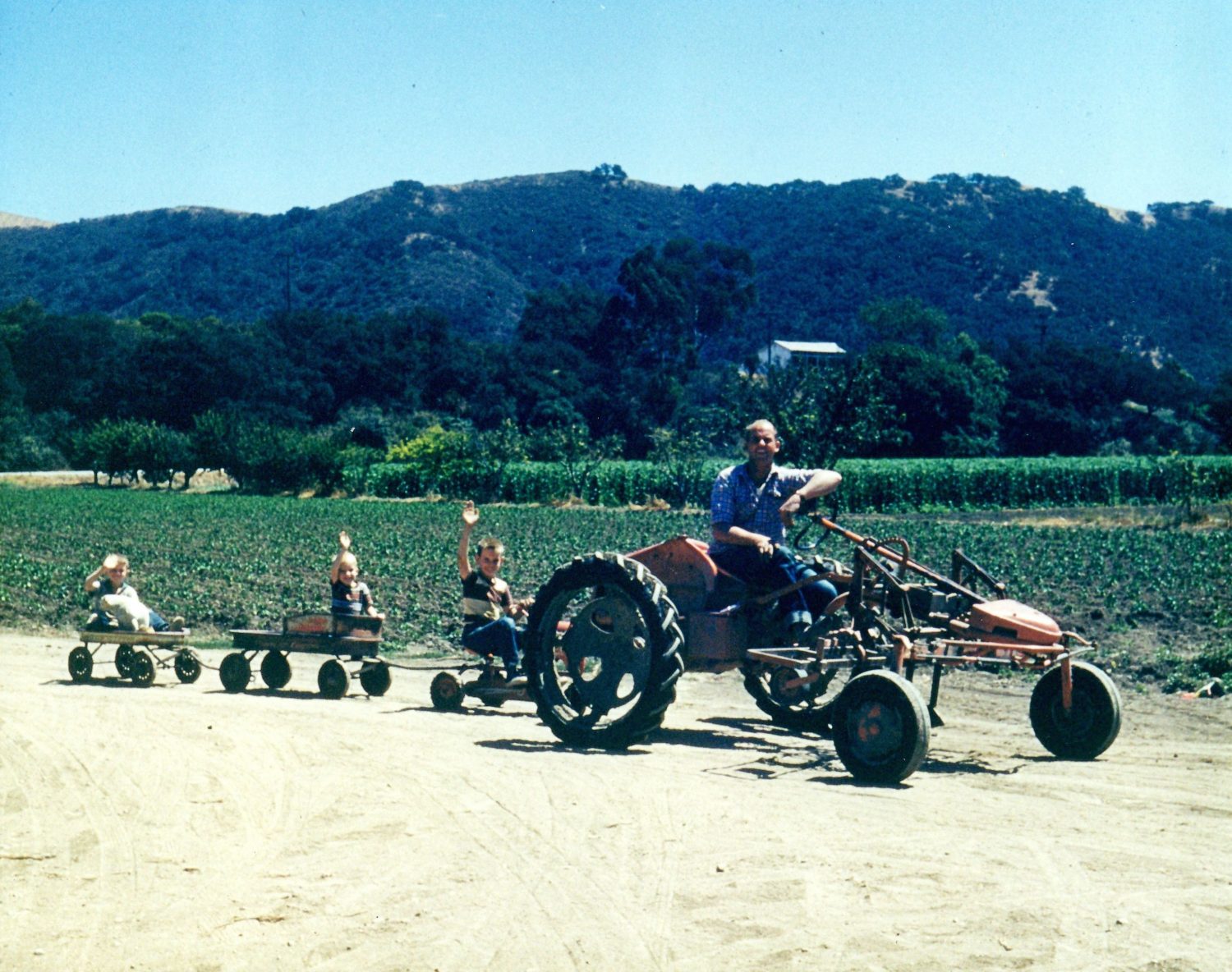

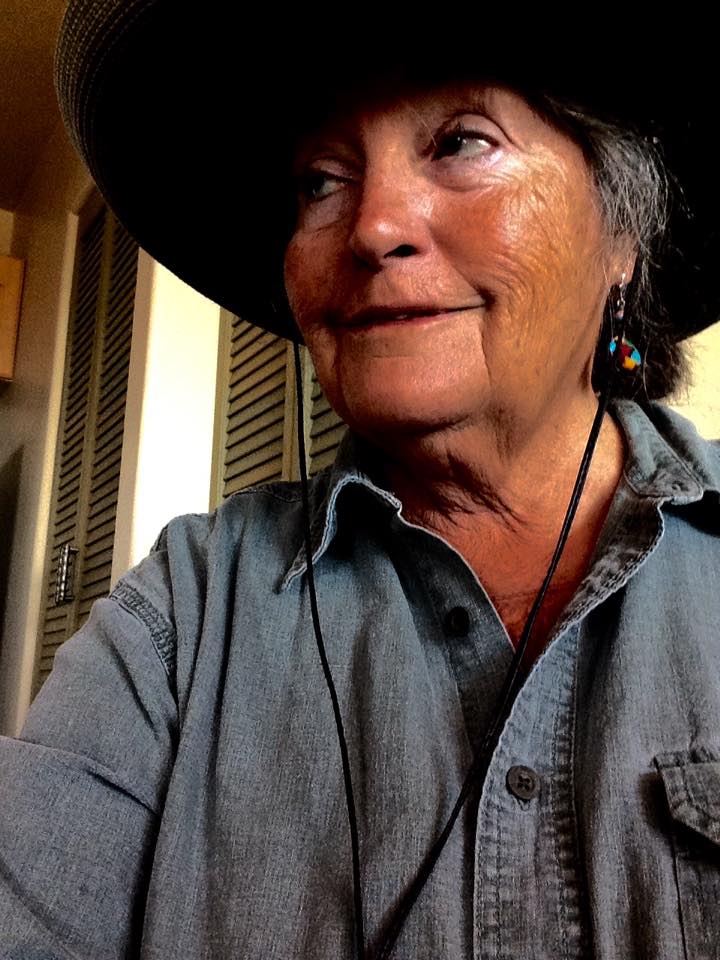

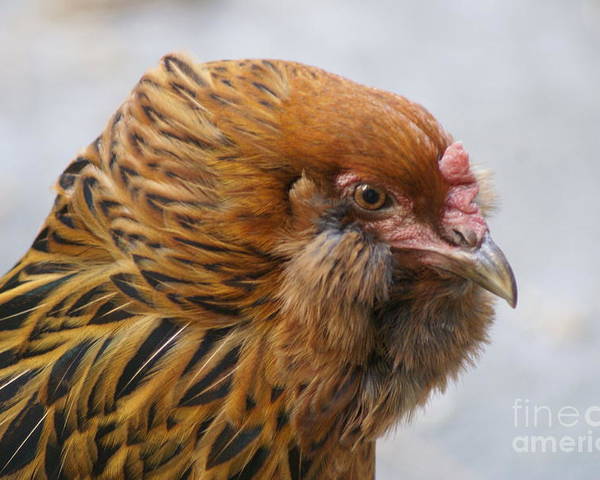


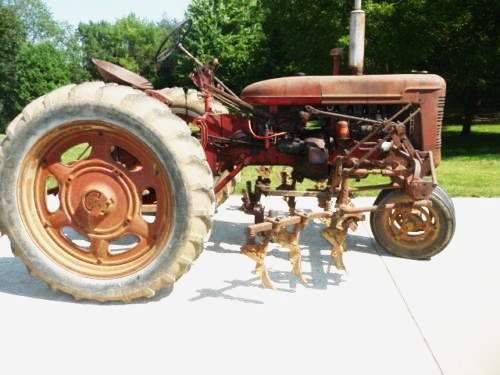
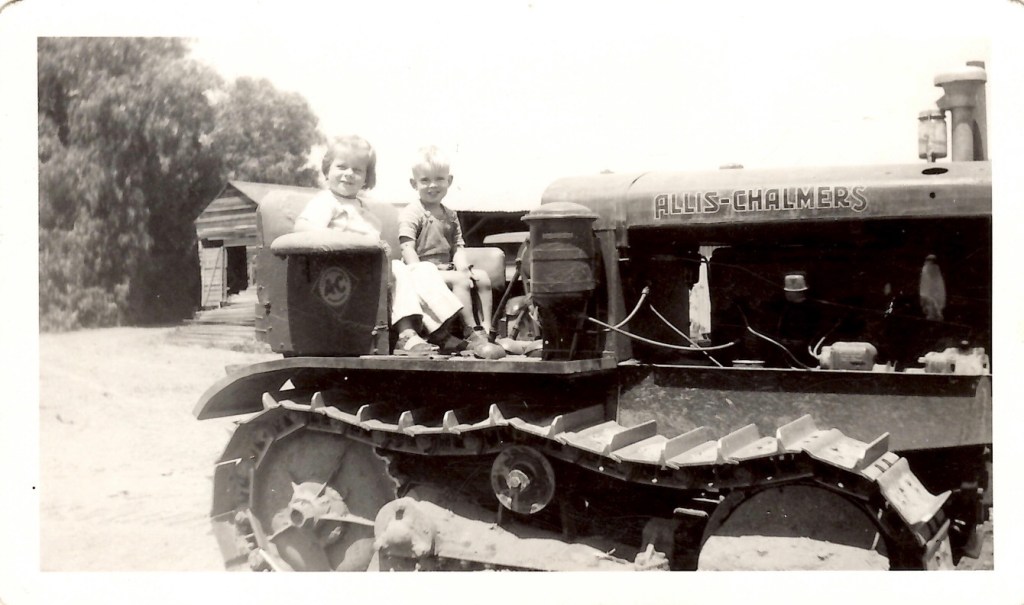


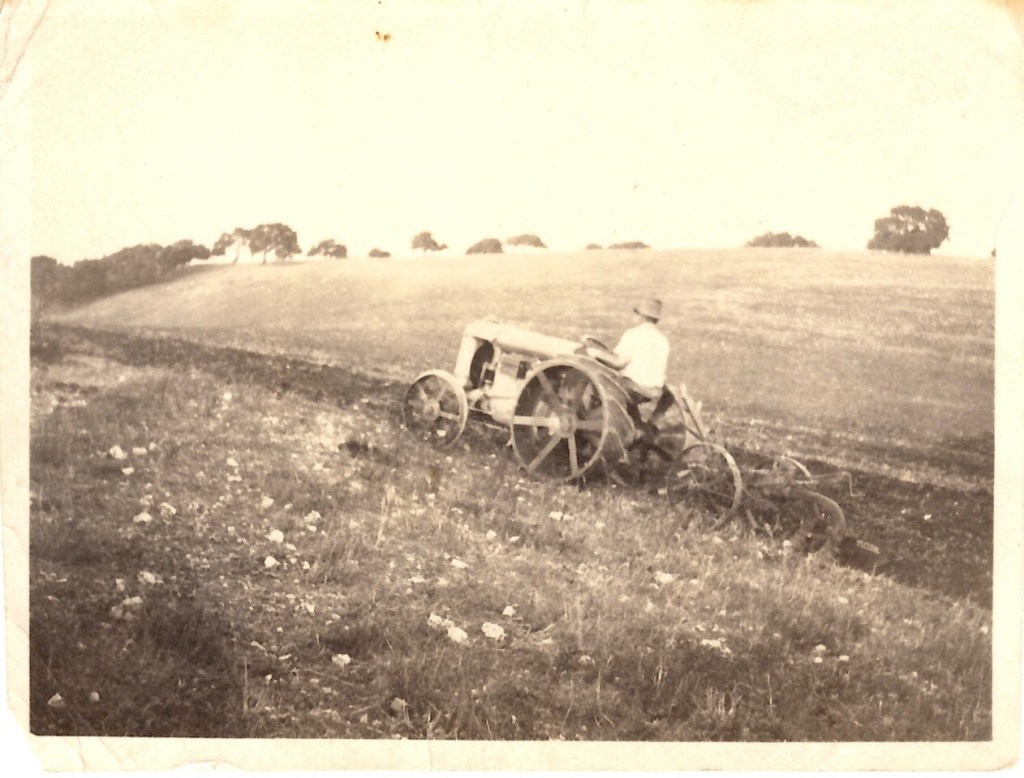
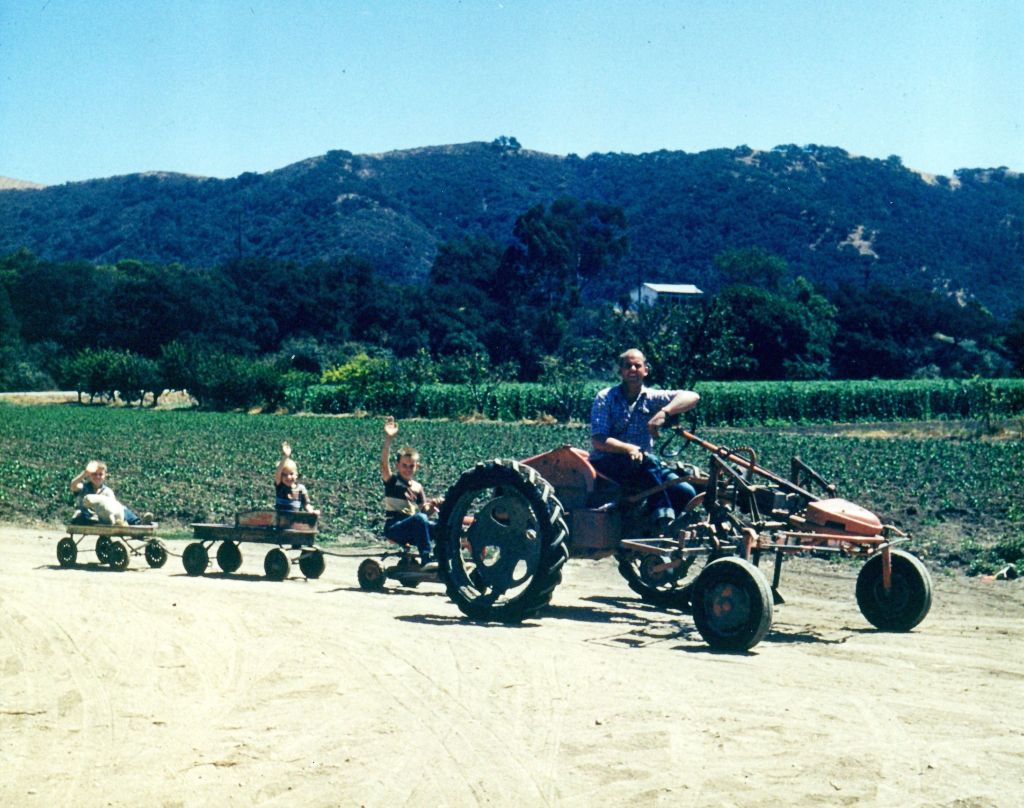

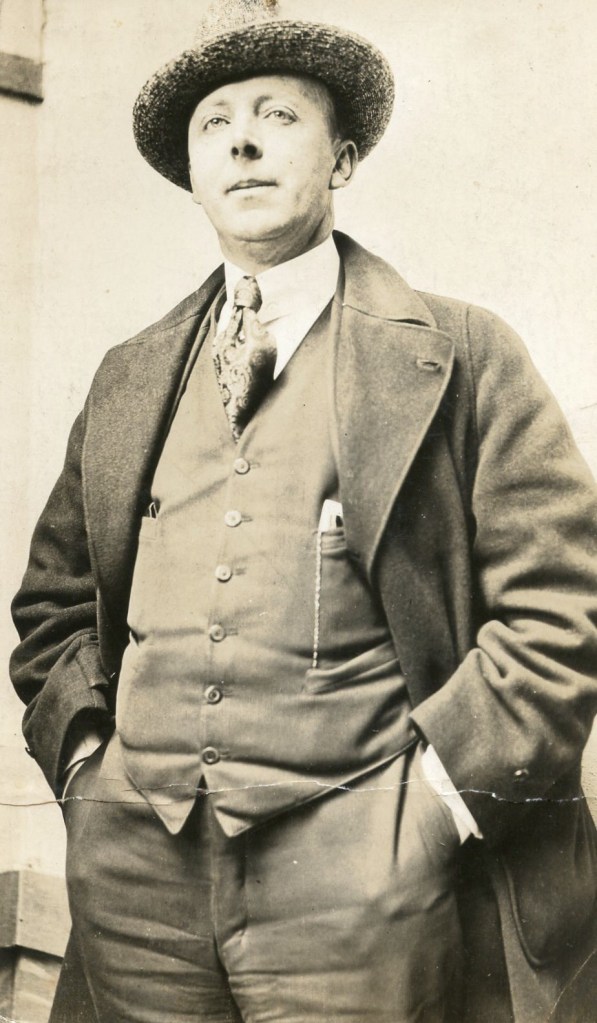
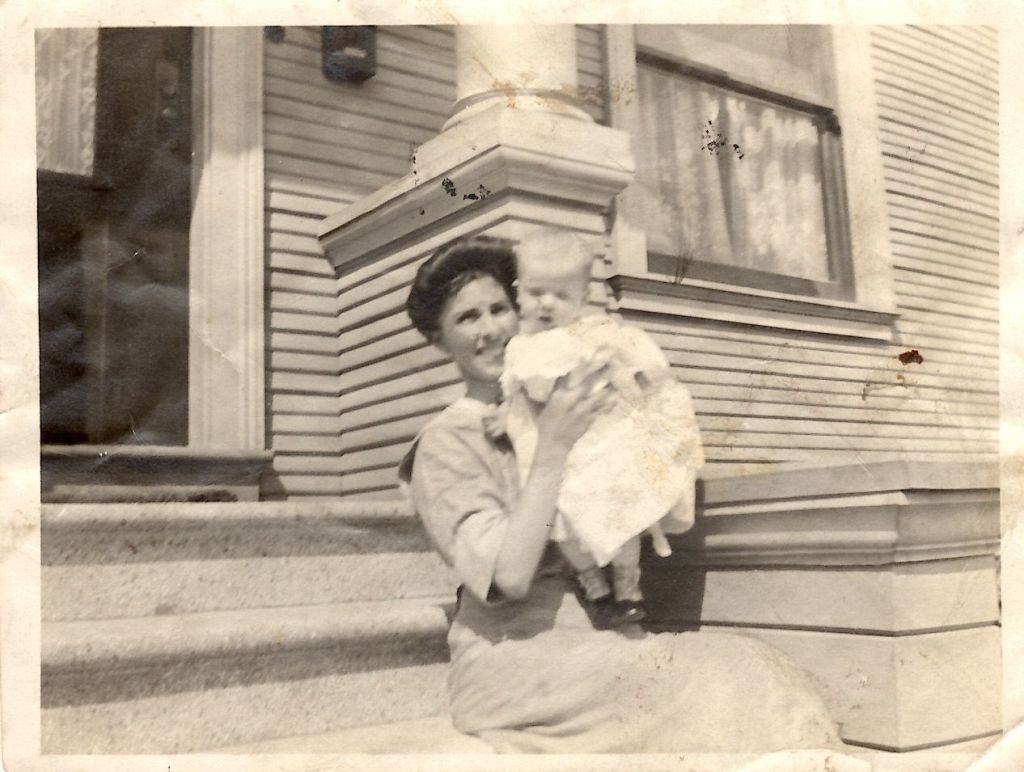
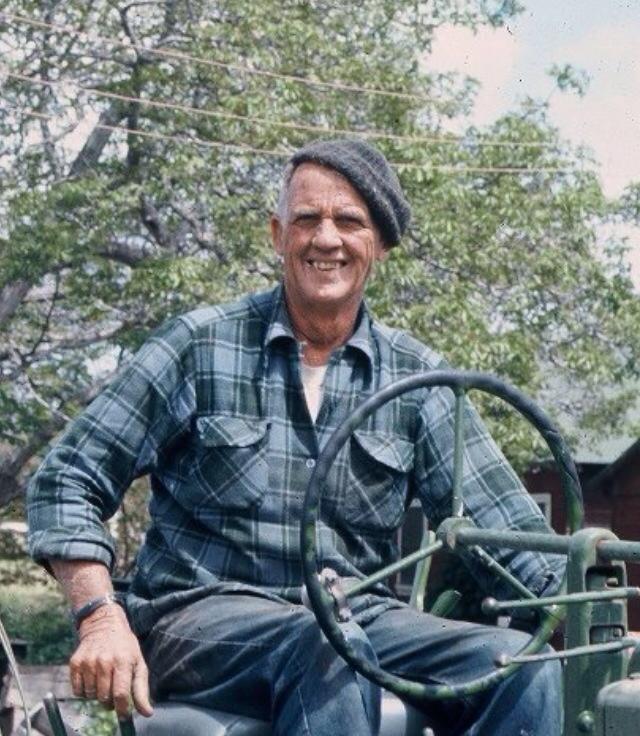
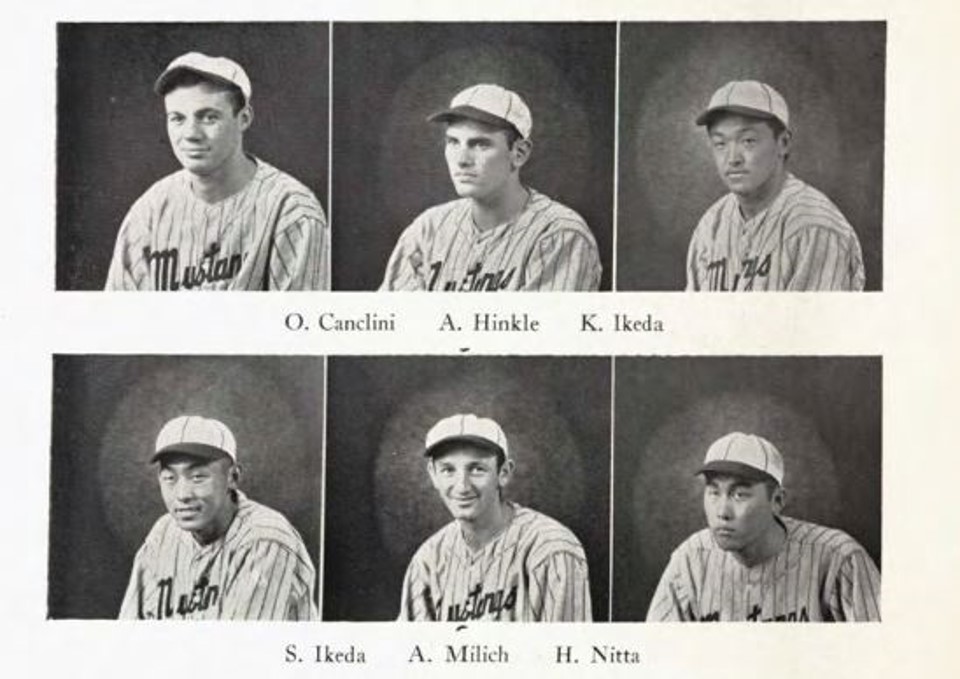
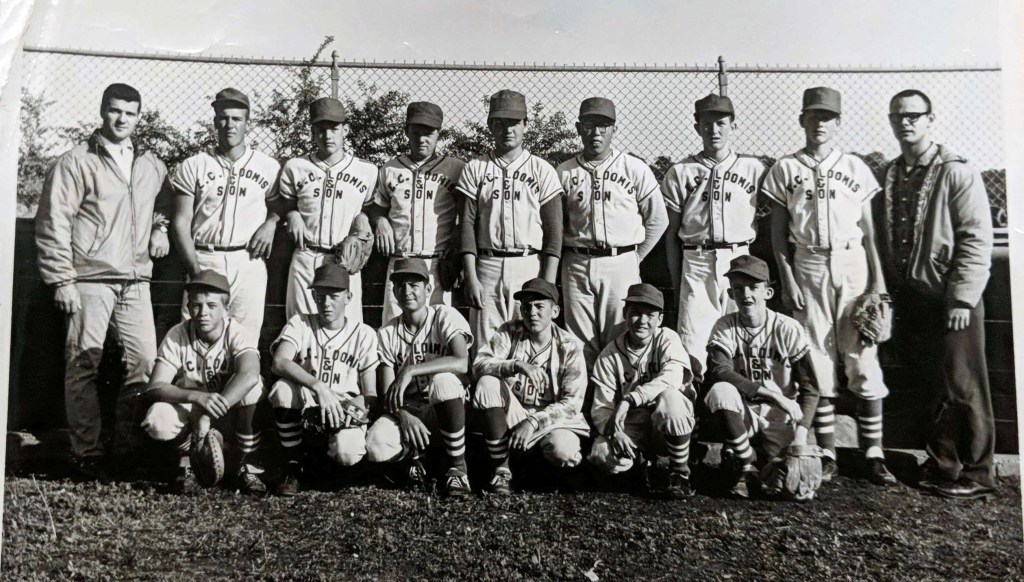

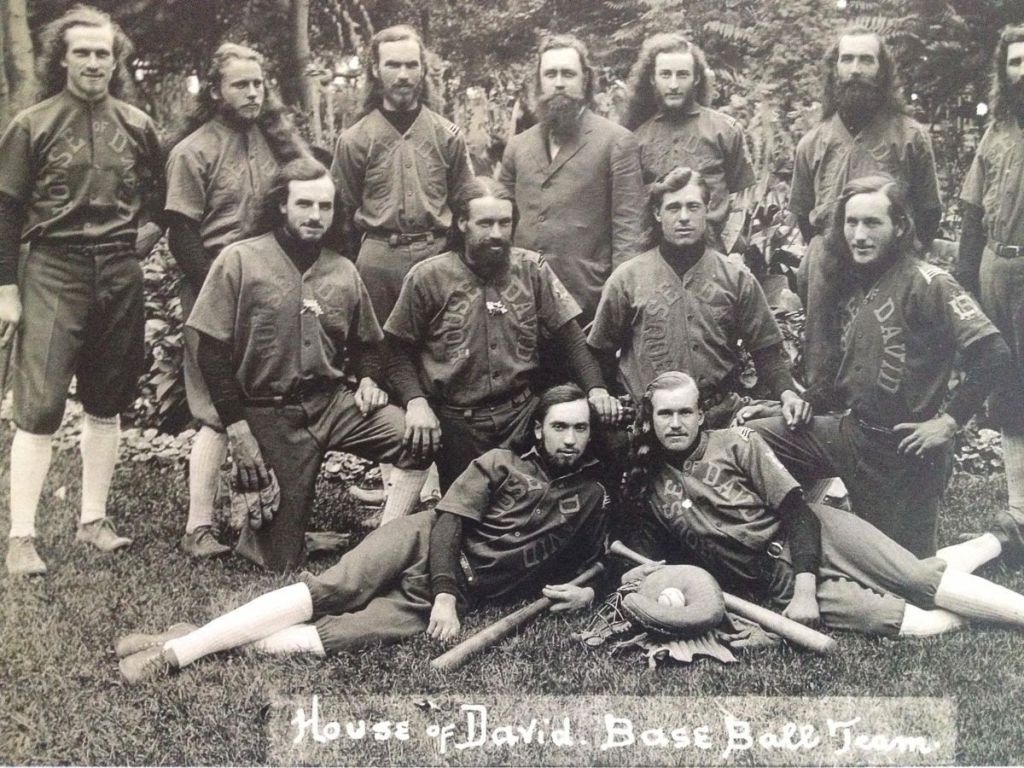
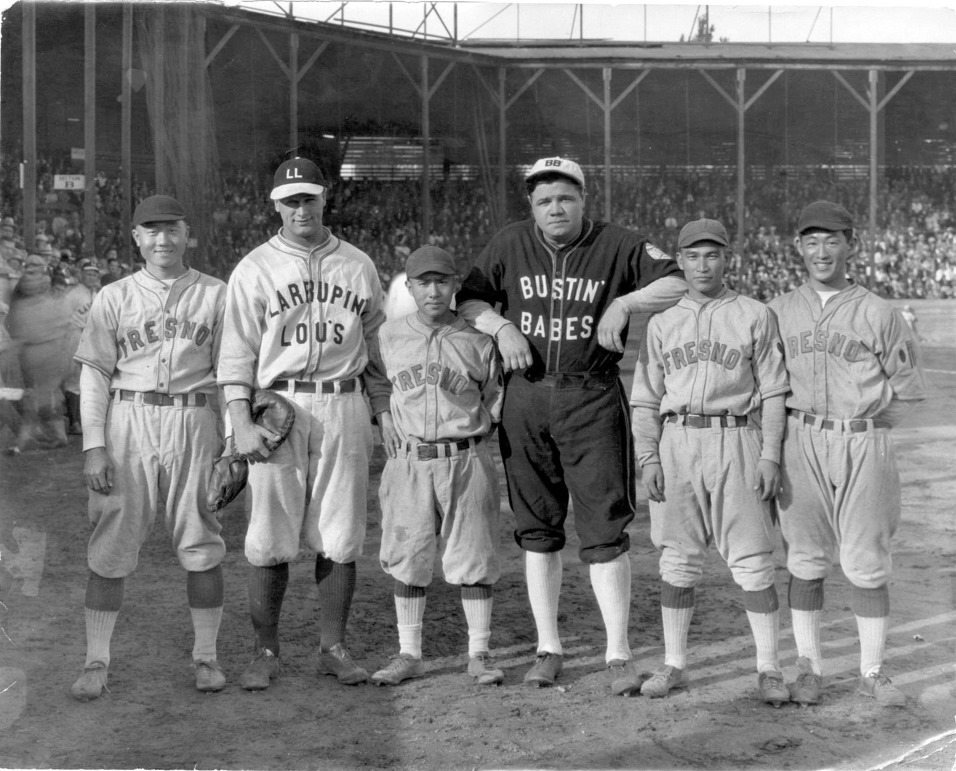


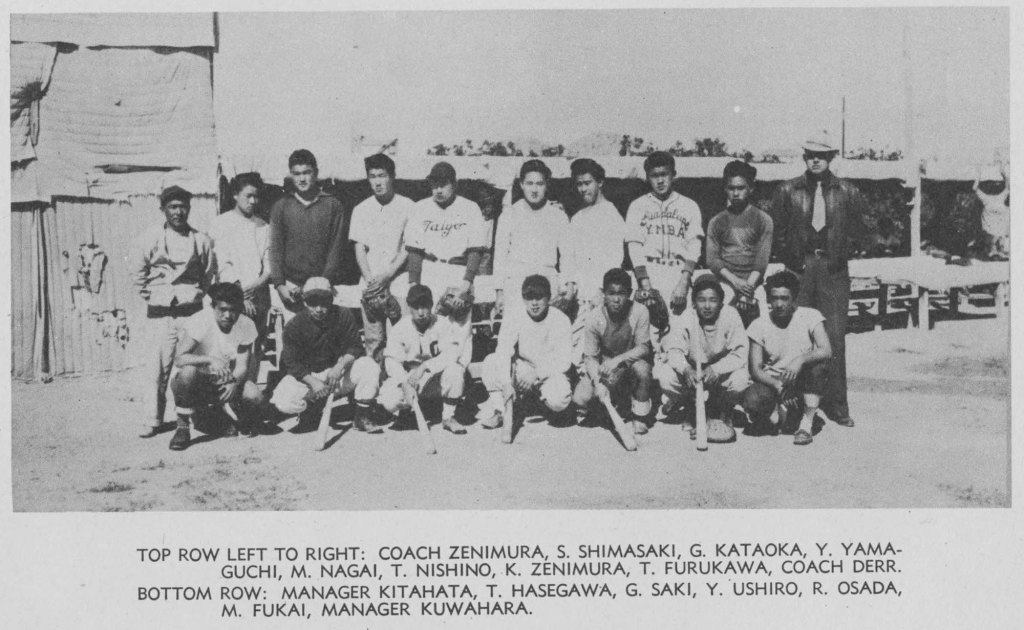
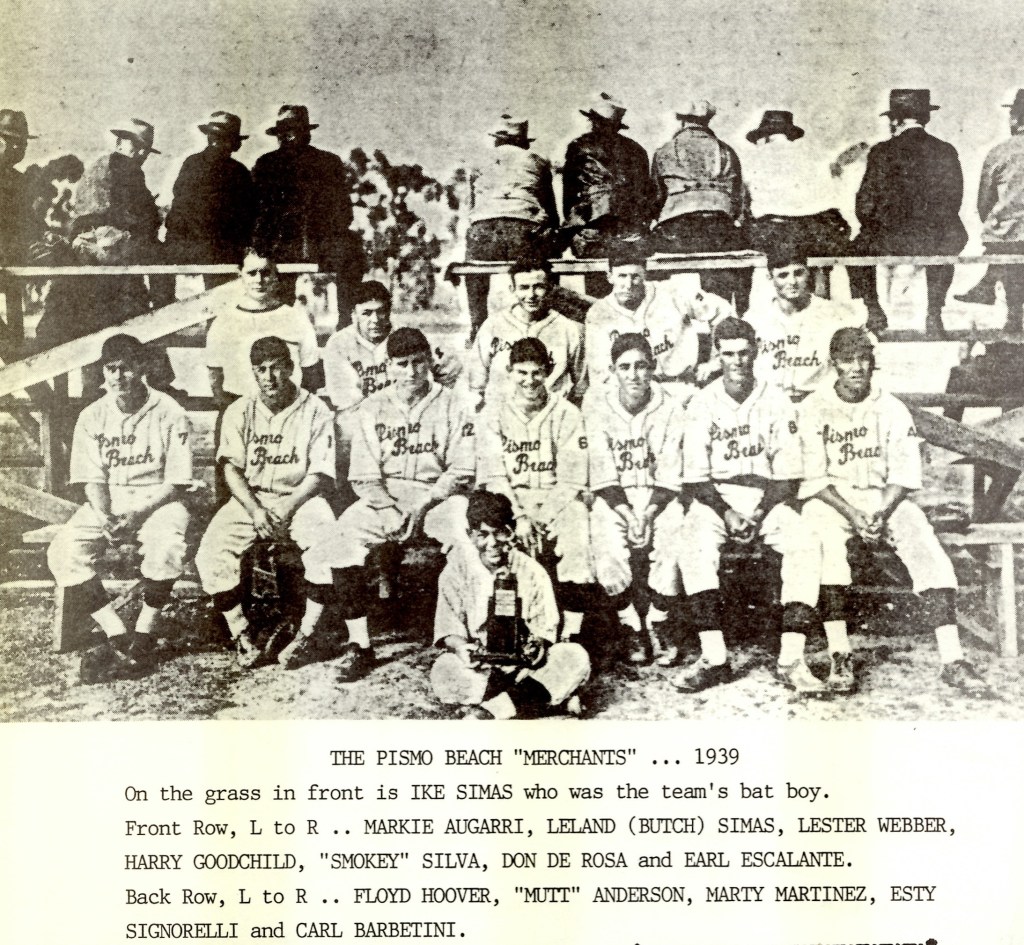


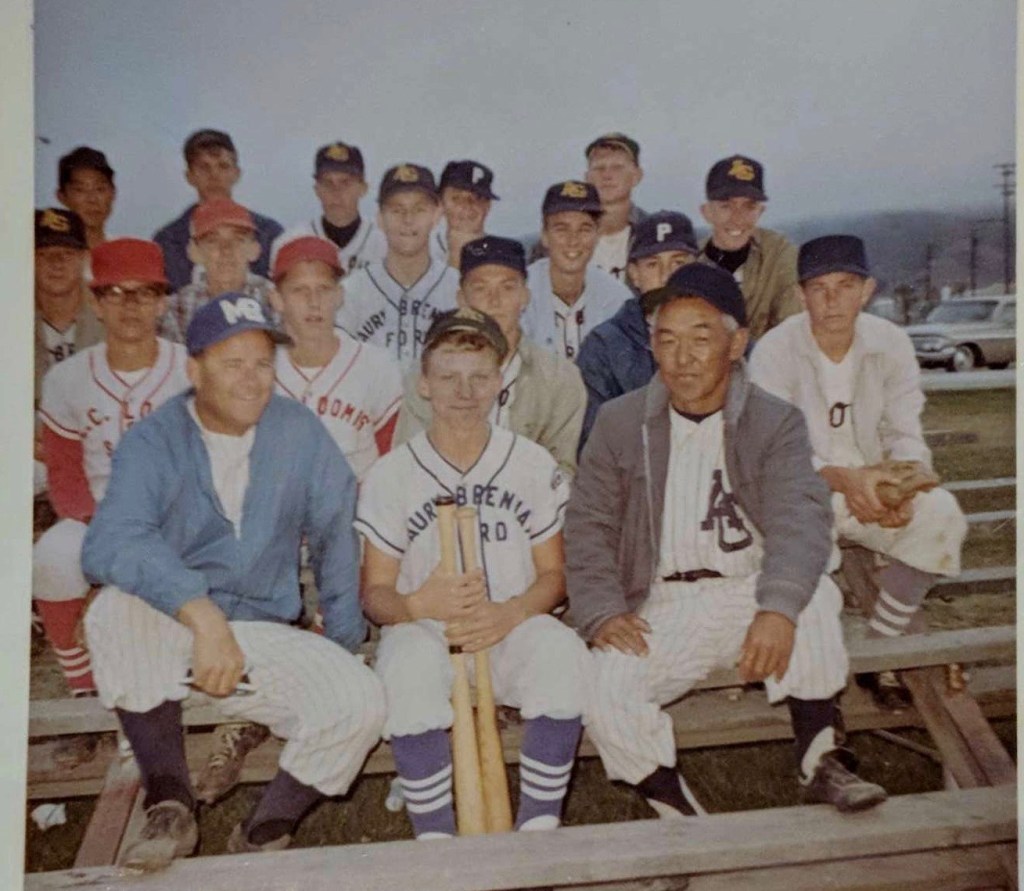


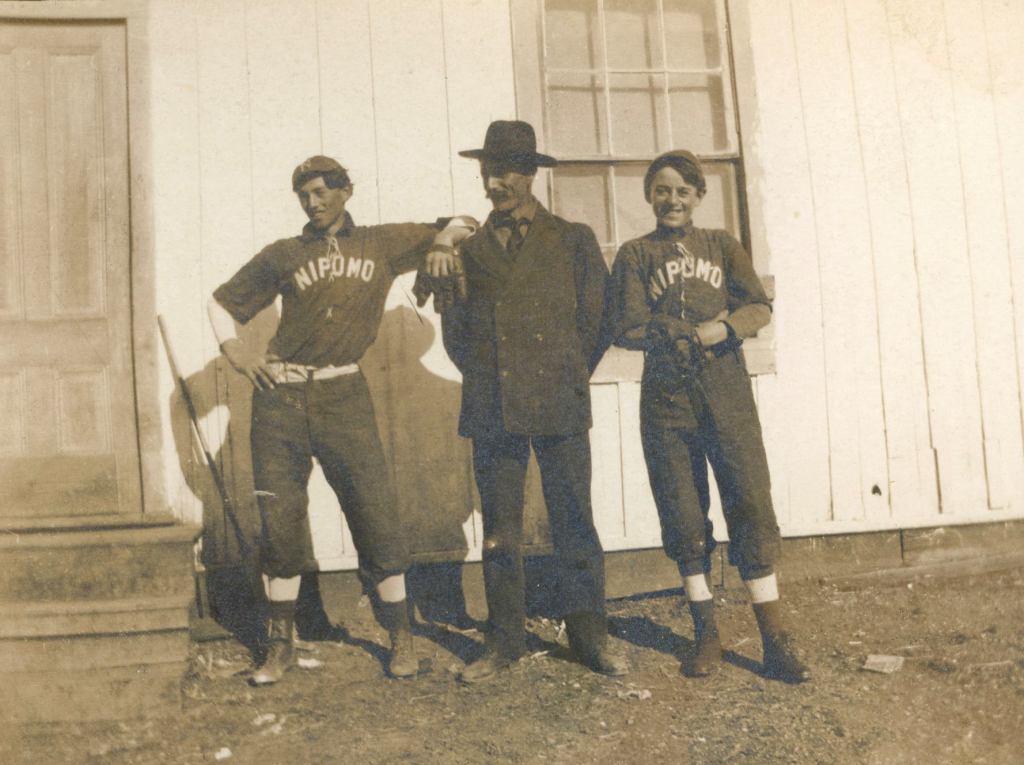
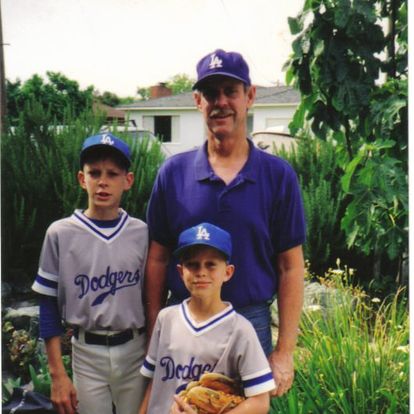
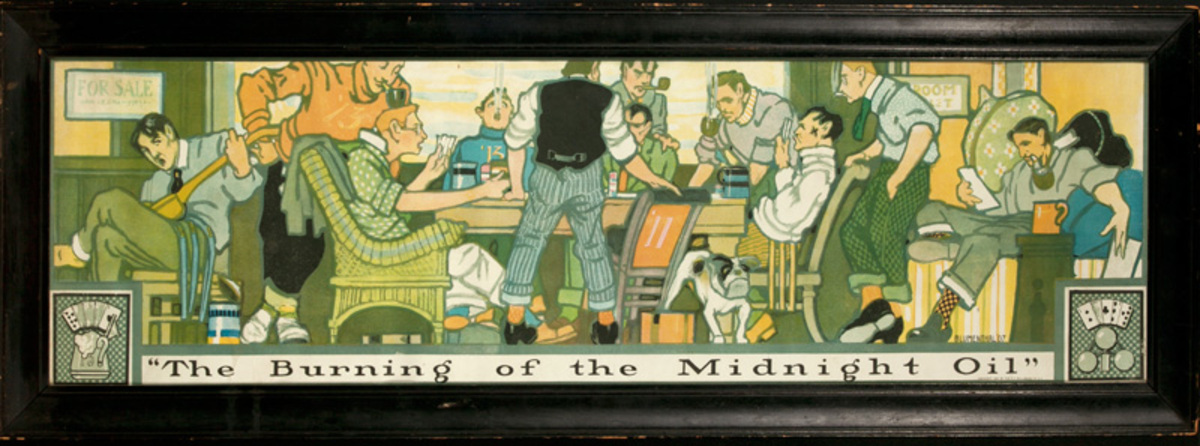
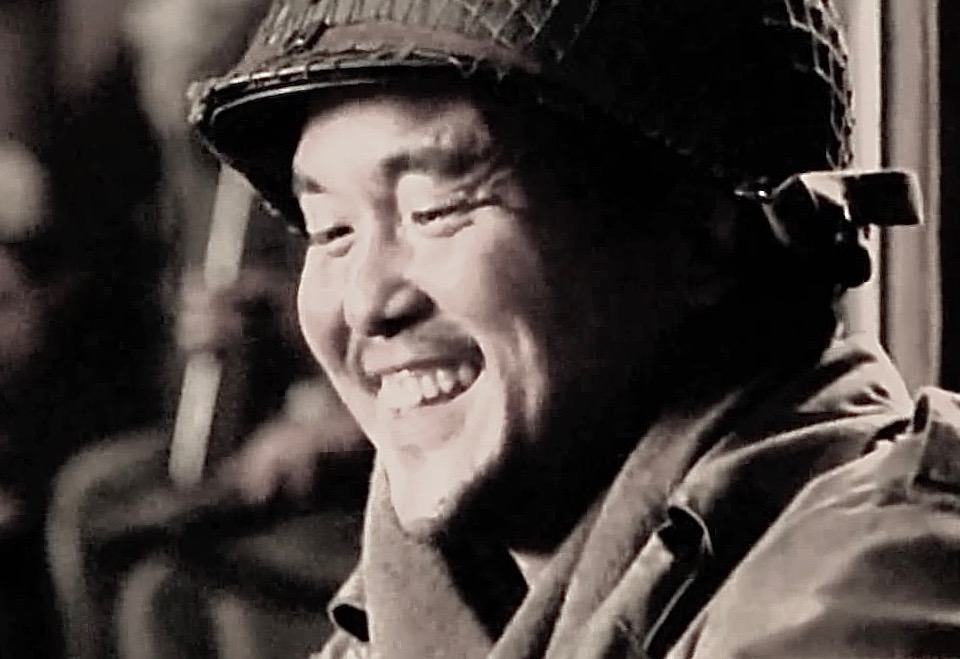
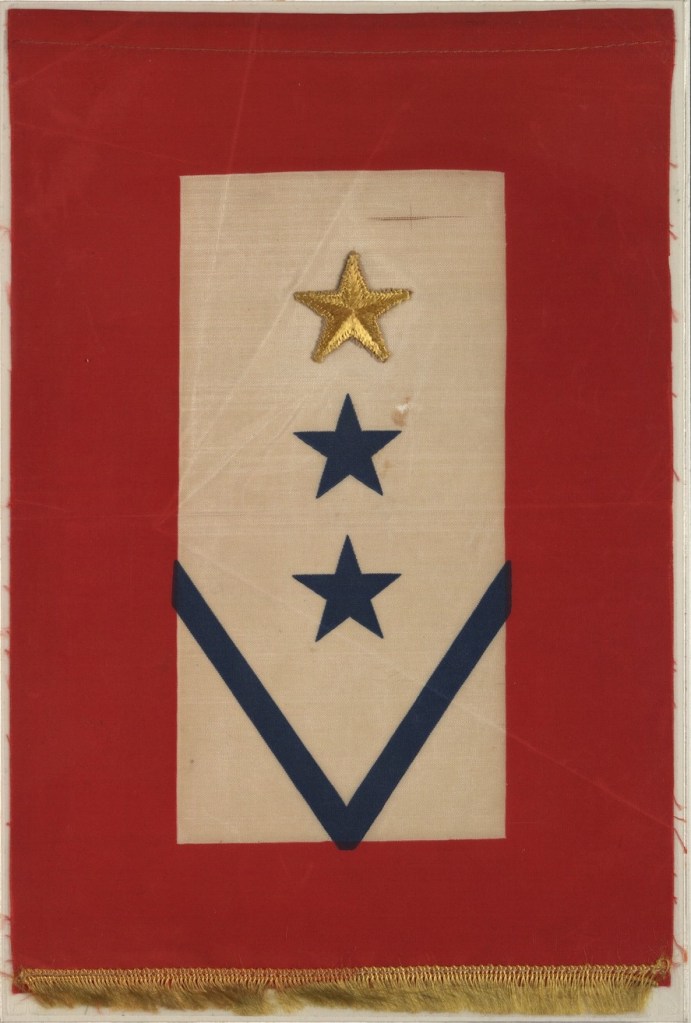
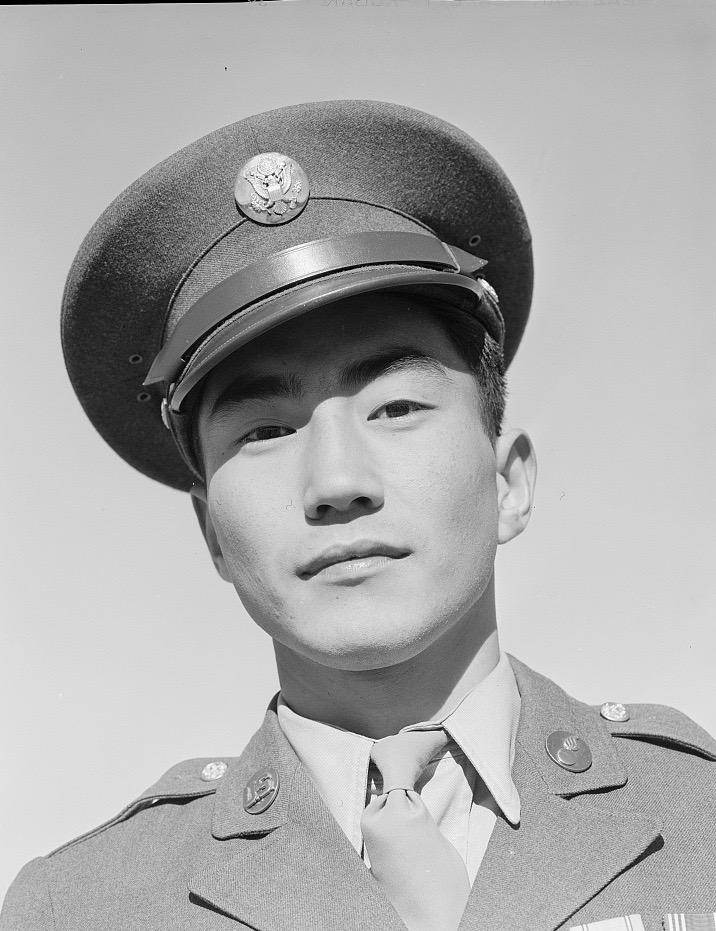
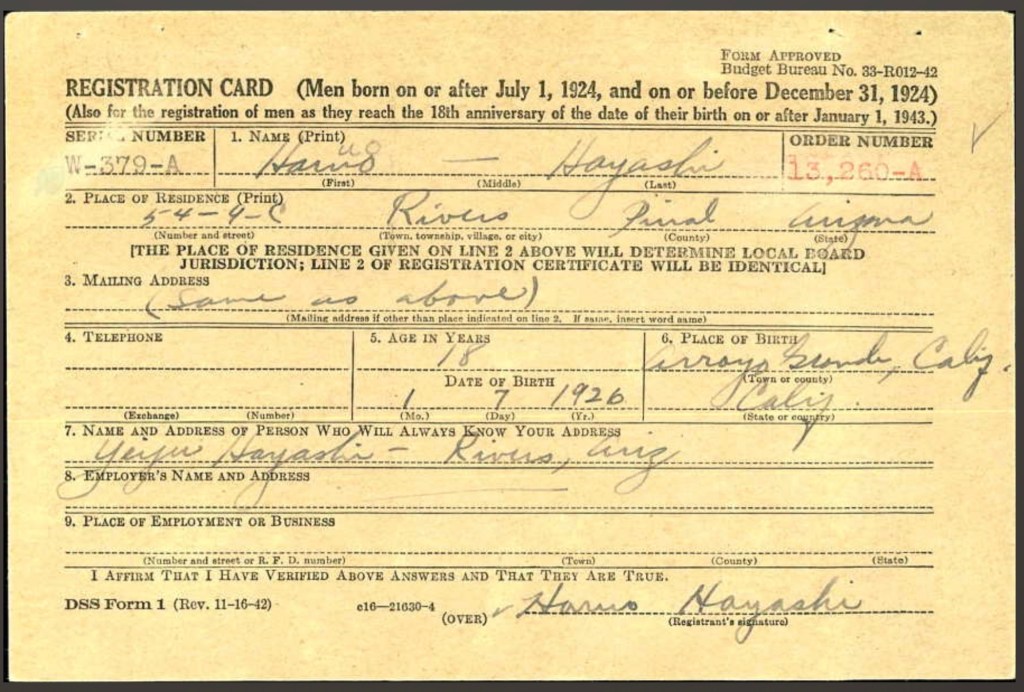
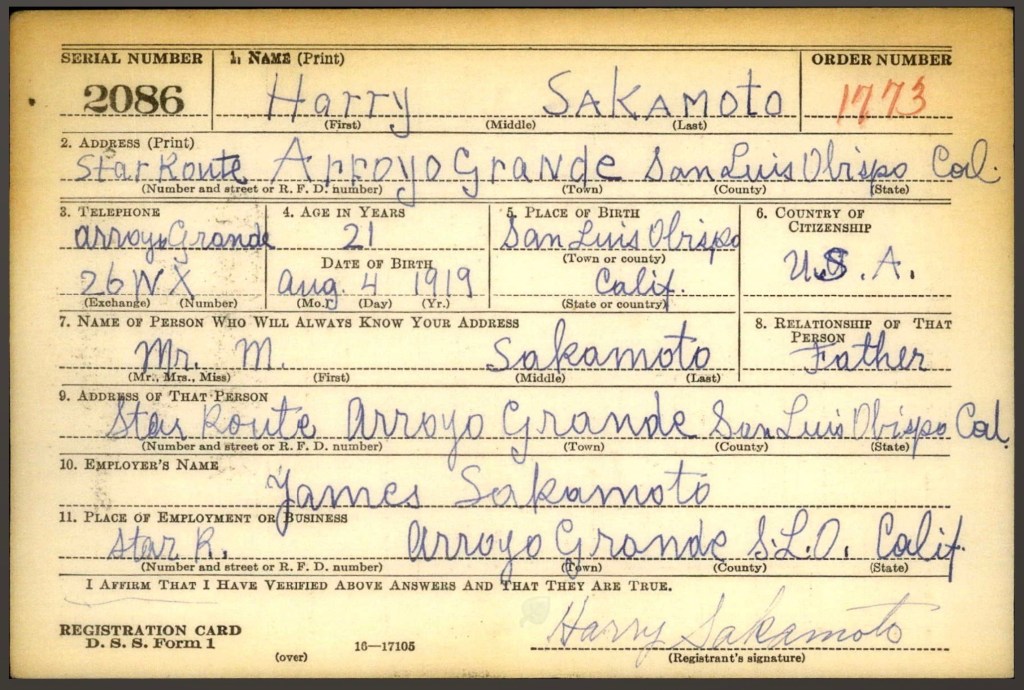
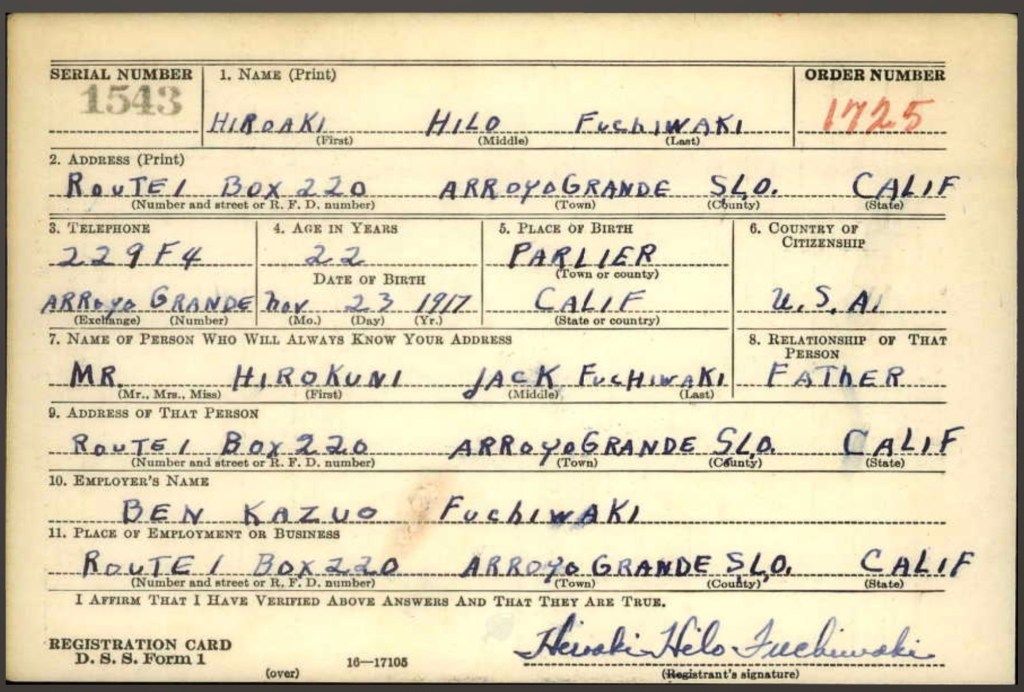

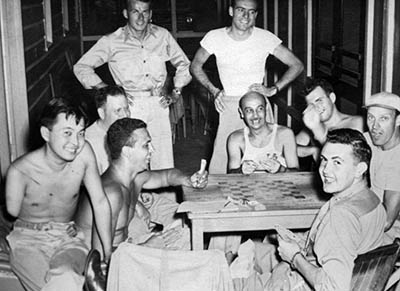
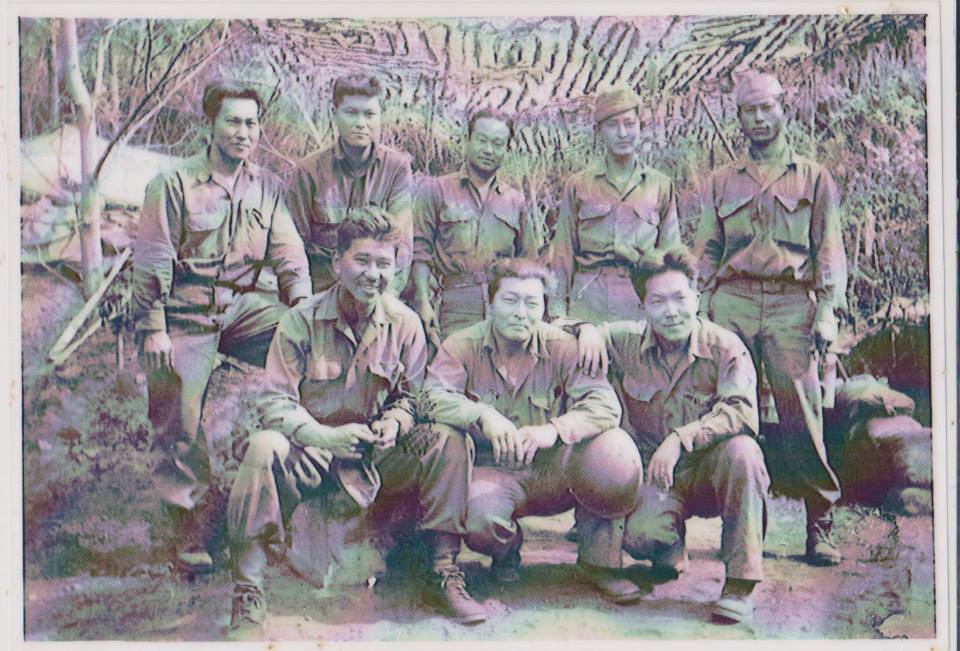


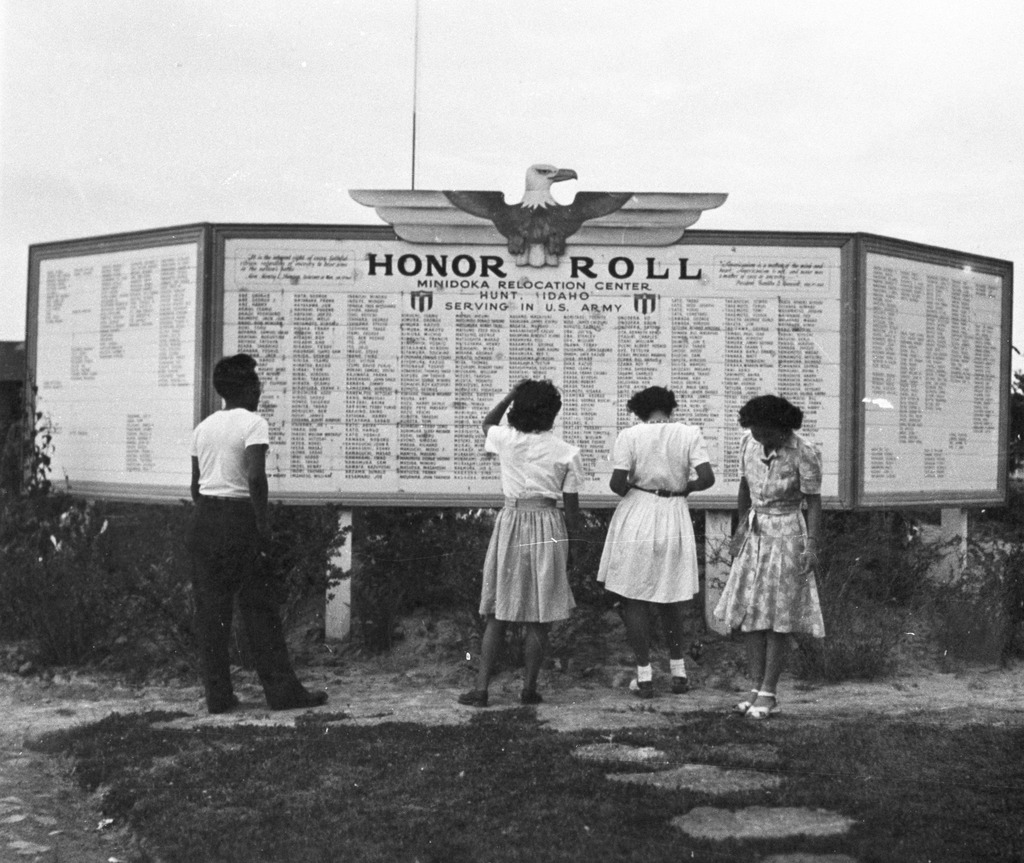

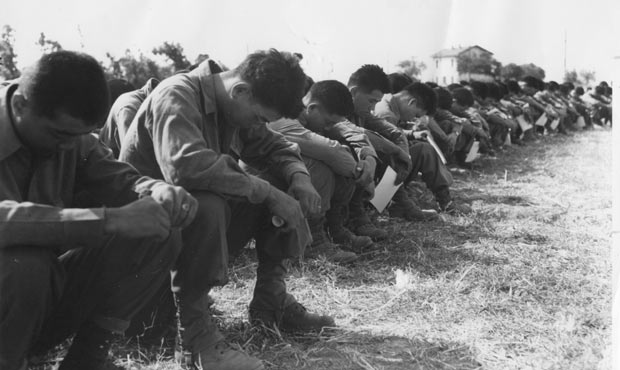
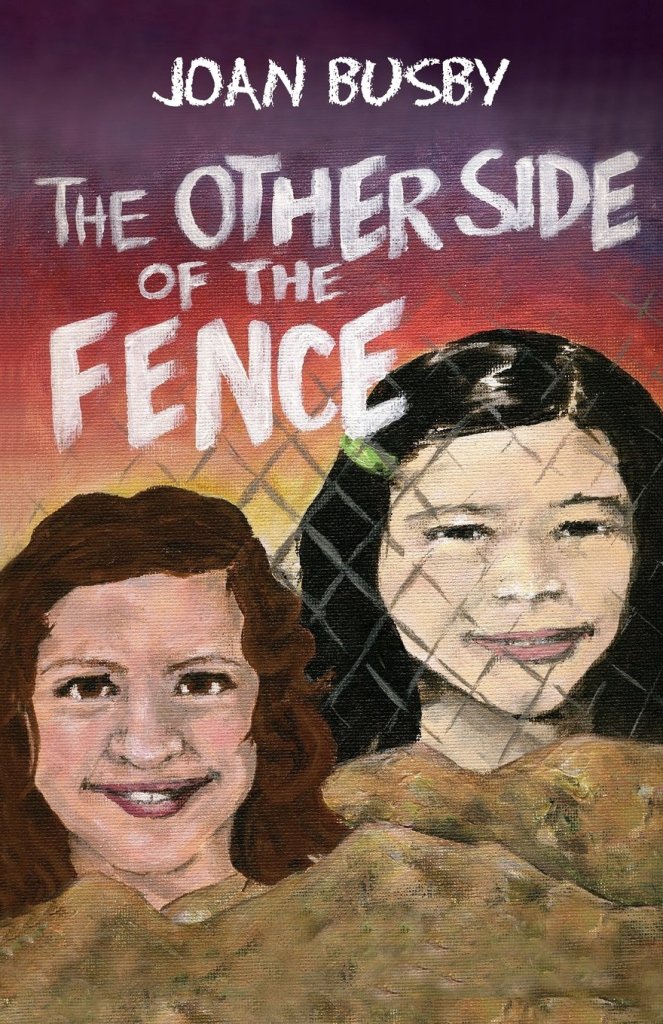
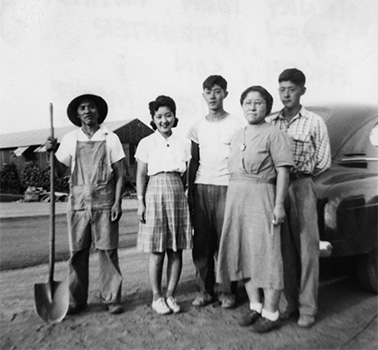

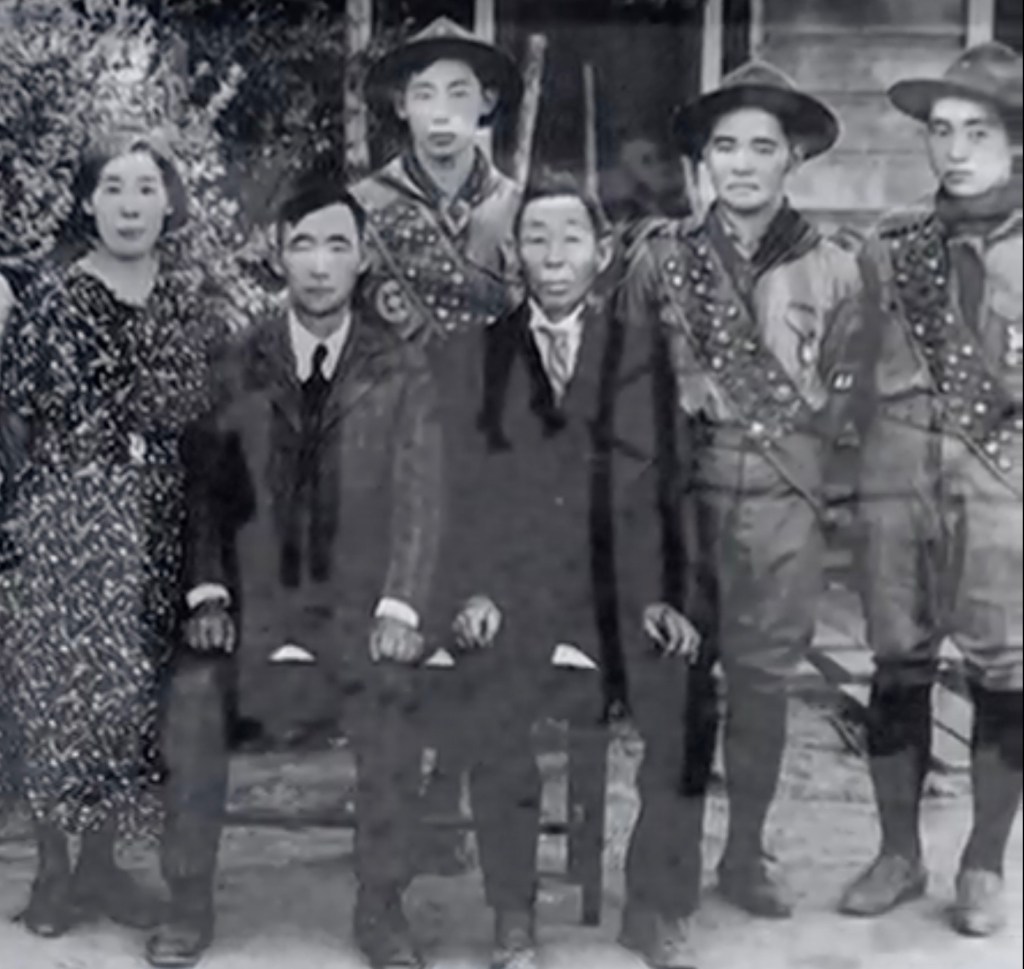


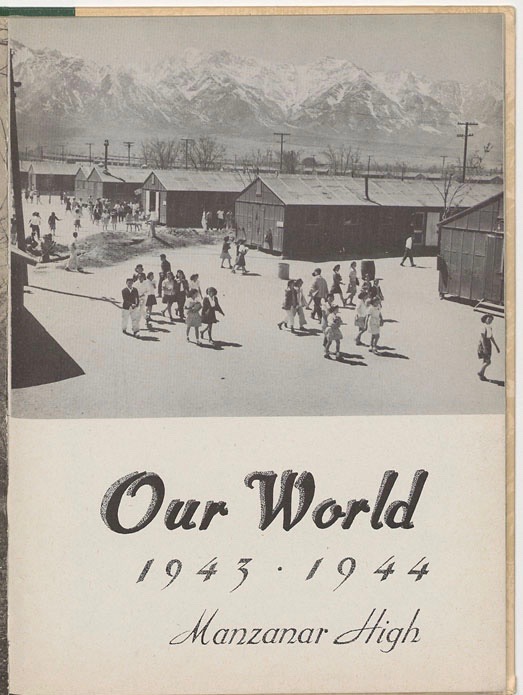
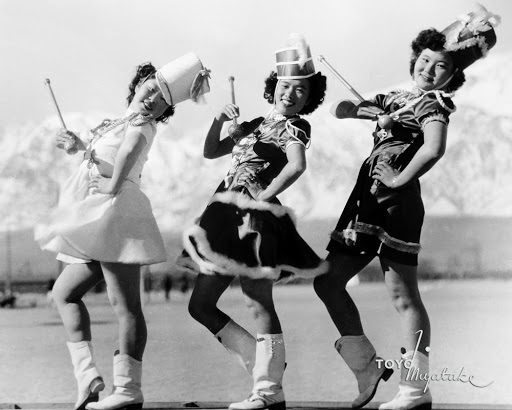
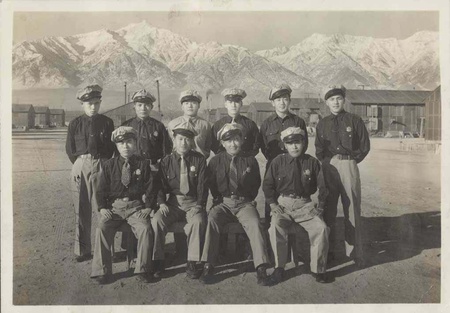
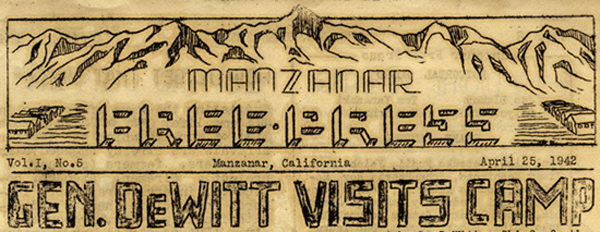
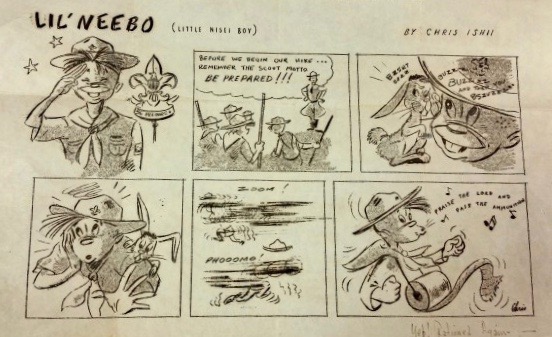
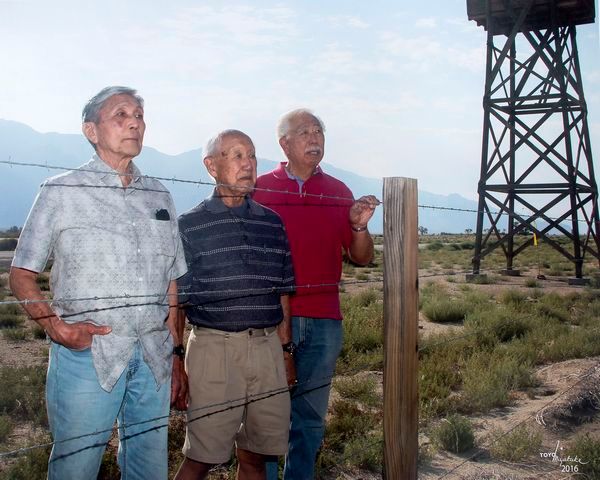
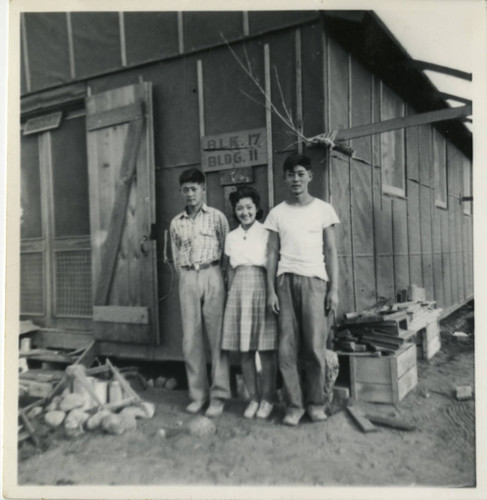
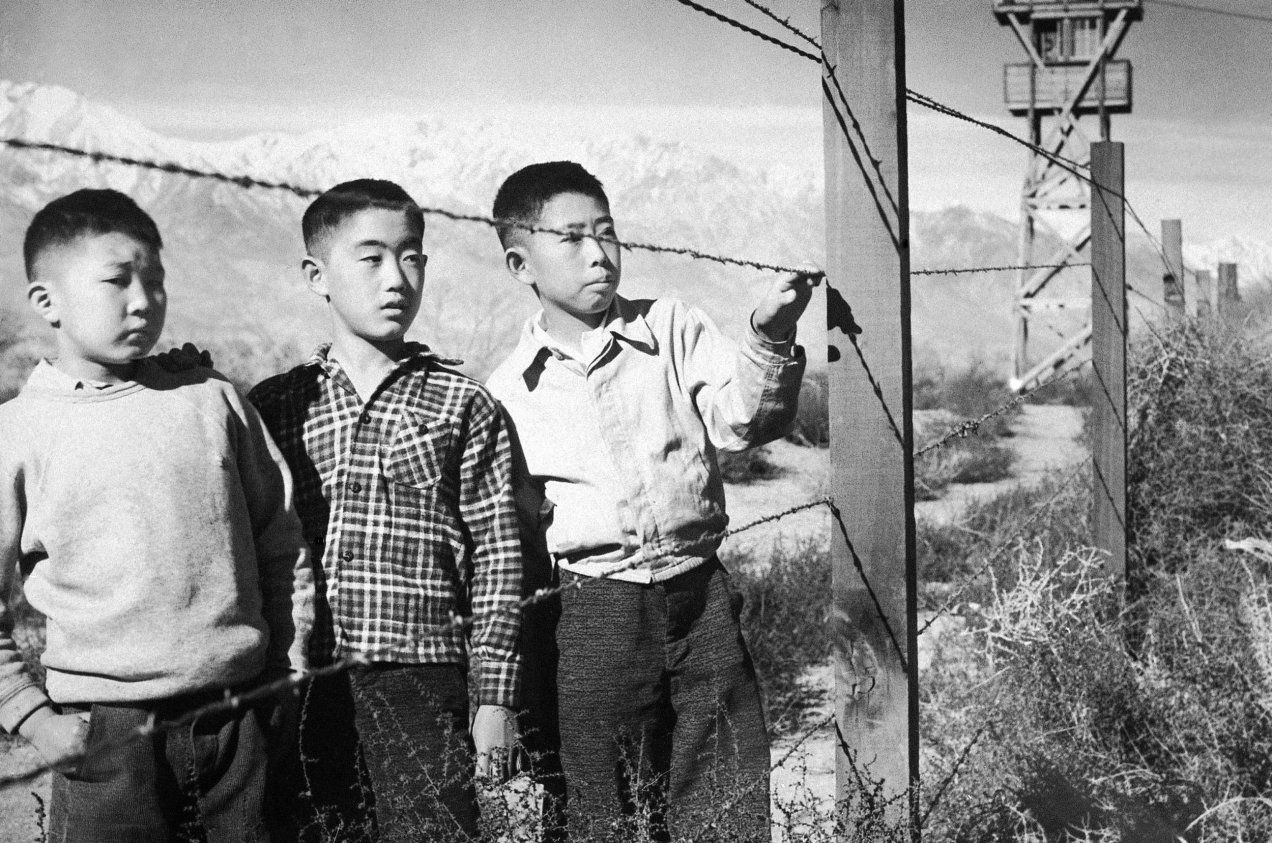
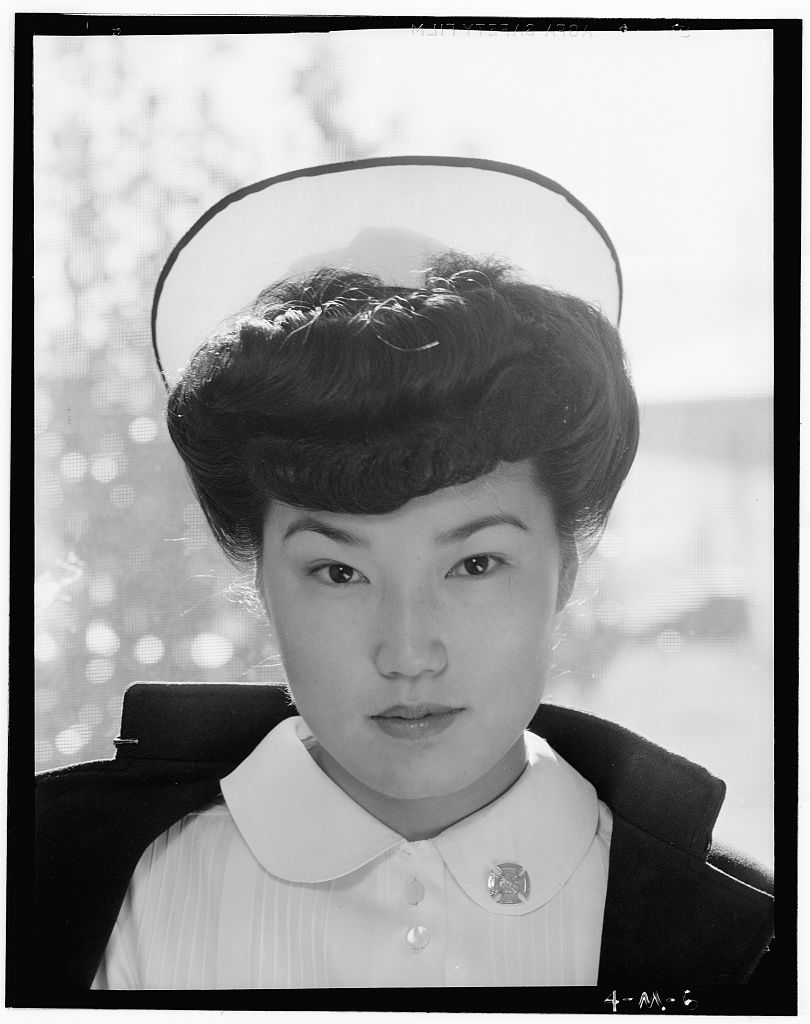
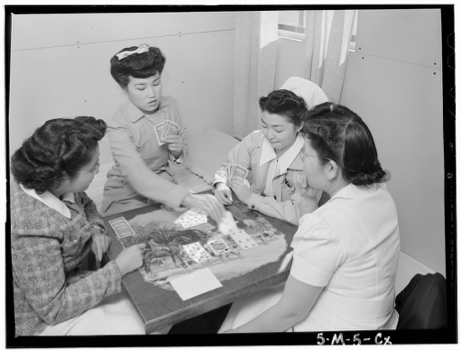

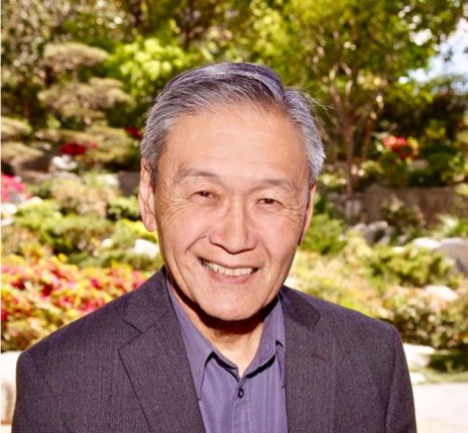


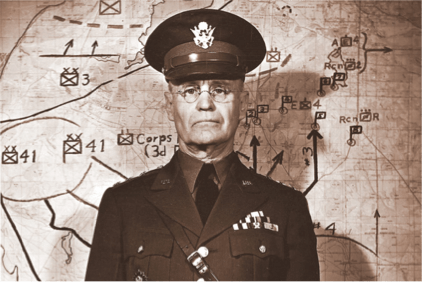
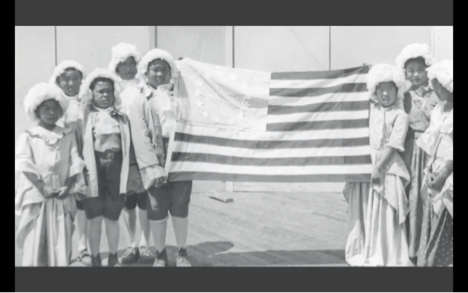
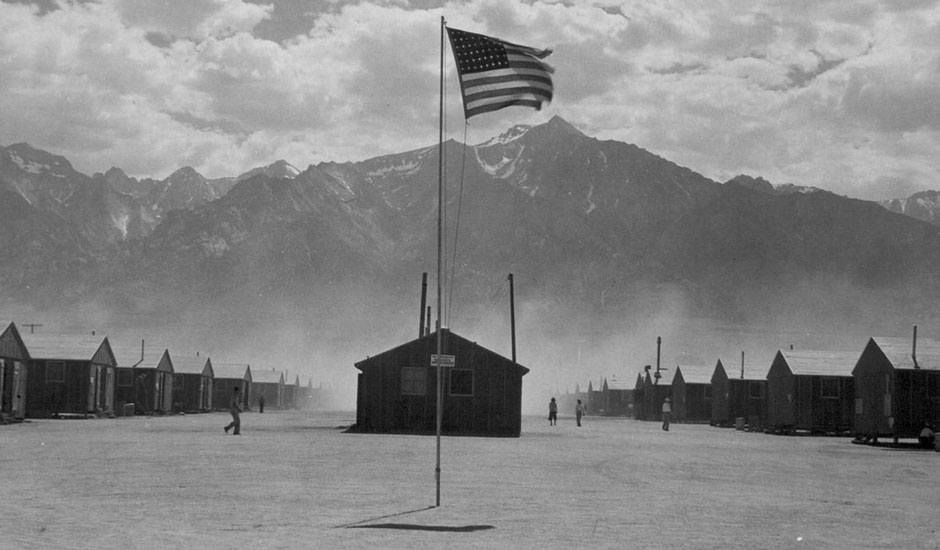
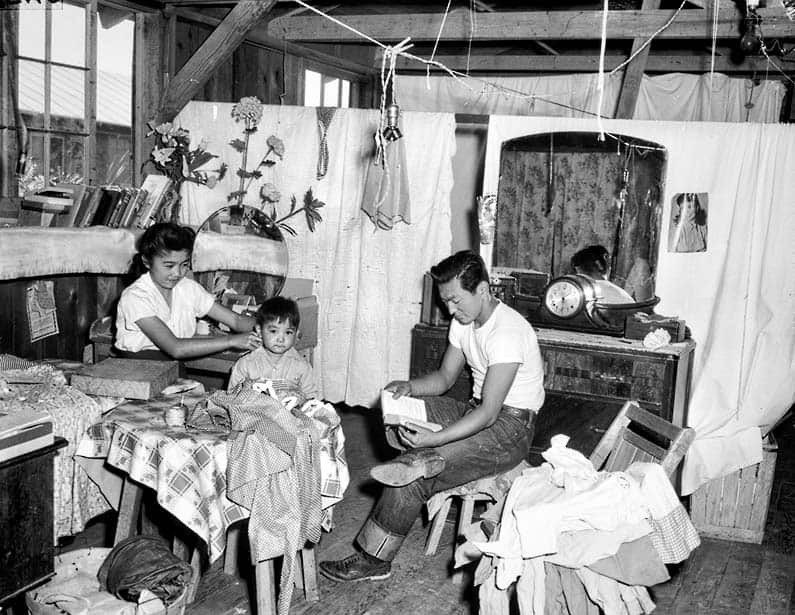

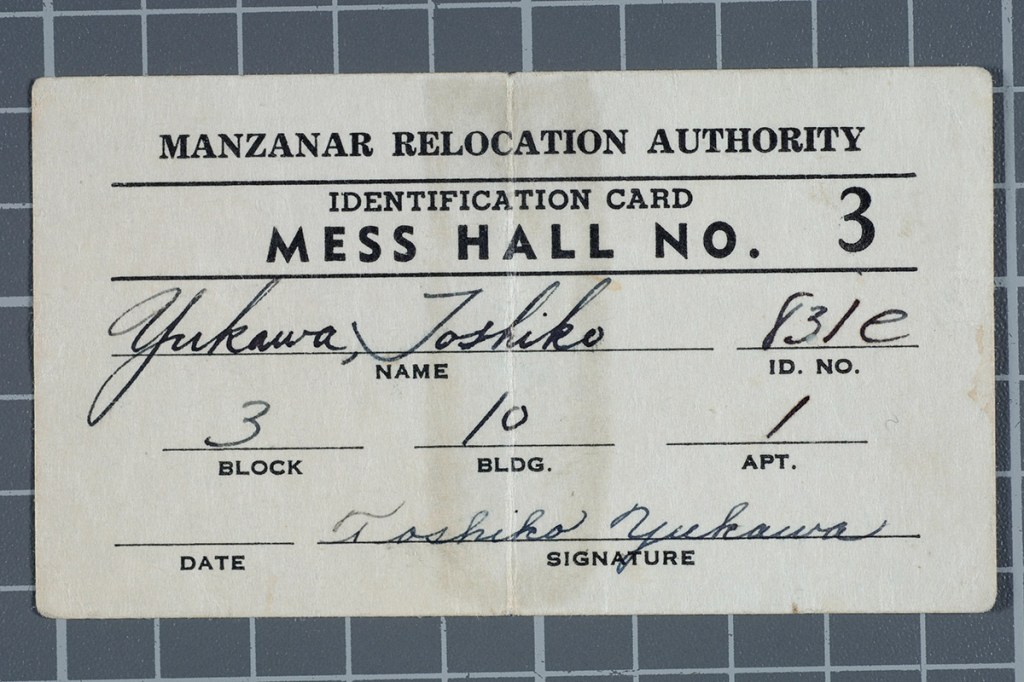

 atthetable2015