It’s been said that every journey begins with a single step. I believe that’s true. An idea; a thought that is nothing unless it’s put to use.
When my children were little I came across books written and illustrated by a man named Chris Van Allsburg. Mister Allsburg is world famous for his exquisite illustration techniques and clever story telling. Like many people who wrote, he never intended to be a writer, he studied sculpture in fact. Because of a little serendipity he became first an illustrator of books, one actually and then wrote and illustrated a book himself in 1981. It didn’t do badly though, it became a best seller and won the Caldecott Medal. The Randolph Caldecott Medal, shortened to just the Caldecott, annually recognizes the preceding year’s “most distinguished American picture book for children”. If you’re not familiar with his work I can explain to you in one word who he is. That word is Jumanji.
Allsburg is a terrific illustrator and children love his books though I believe since kids don’t actually buy books themselves that parents are transfixed by the beautifully crafted covers. His stories include the aforementioned “Jumanji” and “The Polar Express.” My personal favorites is the tale of the “Two Bad Ants.”
In any case this is just background. One of his lesser known books is The Mysteries of Harris Burdick. It’s a 1984 picture book and it consists of a series of images, supposedly created by Harris Burdick, a man who has mysteriously disappeared. Each image is accompanied by a title and some line of text, which encourage readers to create their own stories.
I’ve been captivated by that idea for some time so I’m going to give you a chance to exercise your own imagination by providing you with the first line of stories not yet written.. Have at it.
Martha Belle
Ben lowered his voice some and said to us, “You’ll see precisely what the Mattie Belle wishes you to see, and you’ll know just what she wants you to know.”
The Little Dog
Hopeful she is. She watches for the telltale signs, the putting on of shoes, the jingle of keys, any kind of stroll towards a door that leads outside. This is what my dog believes. This is her God.
Gone fer a Sojer
Ambrose Bierce was both a rifleman and officer in the 9th Indiana during the war between the states. He became one of the most respected writers in America, Stephen Crane and Hemingway considered him a great influence. He knew soldiering. At the age of 71, he died facedown in the dusty, dirty streets of Sierra Mojado, Coahuila Mexico. A shot to the back of the head. None knows his executioner save the Gods of the Mexican Revolution and Doroteo Arango, God rest his soul.
Surf Dog
January 27th, 1947: Tales of the South Pacific goes on sale
October, 1957: Gidget, the Little Girl with Big Ideas book is published.
April 10th 1959: The movie Gidget premieres.
August 21st, 1959: Hawai’i becomes the fiftieth state.
April 1st, 1960: First issue of Surfer magazine goes on sale.
March 25th, 1963: Beach Boys Surfing’ USA released.
My father sat back in his chair at our kitchen table and looked at me as I was about to go outside, jump in my little VW with the two surfboards tied to the roof racks and said, “You know Mike, you can’t just surf all your life.”
He wasn’t wrong about much when I was growing up but he was sure wrong about that.
Shirley Shannon
I climbed the stairs to the office. There were two mugs outside my door. One was sitting on his heels, head down, arms between his legs holding a hand rolled cigarette, the other standing, watching me come up. He was whip thin. He had a crushed and stained fedora pushed back on his head and a dirty lock of dark hair curled above one eyebrow. A half smoked Camel clung to one corner of his mouth the smoke lazily curling up, causing him to squint. Both were dressed in workman’s clothes, stained and with the particular odor of crude oil. As I topped the landing, the one standing looked me over and said, “You Shannon?”
Doin’ Dixie
Marvelous Marv was my foreign friend. He came from another country; Virginia.
Iron Jive and the Hemorrhoid
So heres the plan, pay a bribe to the boss so he will lay you off, move to Hawaii to surf and while you’re there have your hemorrhoids removed. Simple. Solve a problem, enjoy a vacation in the surf and get paid. What could be more perfect? Whay could possibly go wrong.
Pub Sign
No great story ever started with someone eating a salad. Ever.
Edgar
What is a life? Is it a story that no one remembers? When enough time passes does one cease to be even a memory, to anyone? To whom? Is it some or just one, somewhere. Are you the caretaker of that life? I am that. Let me introduce Corporal Edgar Green lately of Townsville, Queensland Australia, 2nd Australian Infantry just stepped ashore on the Gallipoli peninsula. It is July 1915.
Hommes Et Colere
The dreadful price that a man pays for his belief in the American Myth.
The Whale Shark
In our house we have a chair. It’s cushy. It is covered with the hide of a Whale Shark. Dark, dark grey and sporting white spots over its entire surface. The back is broad enough for the prince of cats, Wendell to bide of a cool day.
Heart of Saturday Night
All the great mysteries, wrapped in a satin cloak decorated with the constellations , infinitely distant, yet close enough to touch. The Wolfman, distant, yet speaking to you from the radio in the dashboard. XERB 1090, 50,000 watts of pure Soul Power, beamed north from Rosarito, Mexico
The Plug Hat
My grandfather had a plug hat. It was a silly looking thing, especially when he put it on his noggin. He didn’t mind though, he wasn’t the type of guy who fussed about his appearance or who cared much about what people thought of him. Something I learned about those particularities when I was a kid, was that because he didn’t care, no one else did either, in fact, people admired him for his lack of pretense.
Minor Swing
Ernie slid onto the little bentwood cafe chair, sitting under the dark green awning of the Deux Magots, he turned to the hovering waiter and asked for espresso, it being too early for a man who took great pride in the ability to put away drink. Maybe a little later, a gin and tonic with Angostura Bitters. As the day warmed, other dwellers of the Paris Demimonde began to stroll the Boulevard Saint-Germain, Studiously ignoring the big man at the wrought iron table in the way that the French so perfectly do, a little lift of the chin, a turn of the shoulder an inward look. A brilliantly dressed man, still in a tailored tuxedo, boiled shirt with an Arrow color, a perfectly tied bow tie, the white carnation still fresh after a long night, gave the slightest of nods to the man at the table and slid sinuously onto a chair and resting his chin on his manicured right hand, with a sly look and a twinkle in his large, liquid brown eyes, said, “Hemingway,
Laura Beth
He sat awhile. He had a blank look in the eye. He scarcely moved. After a bit he licked the end of his pencil and he carefully wrote, “To the only girl who ever mattered” He looked at the writing. Then he nodded.
The Southern Cross
The sun popped up. It did, ..in fact, POP up. It was flattened like a sideways yellow wafer in the dawning, drawing its bottom free of the horizon with an almost audible jerk. In less than a minute dark became day, night had utterly vanished, the deck was alive with the light glancing from the gently riffling sea; a single ray, reflected from the binnacle, darted through the scuttle to light the face of the off-watch. The sun rose within his mind, his face broadened to a smile and he rolled out of his bunk.
The Golden Girl
She smiled. It was direct, clear, hopeful. I died on the spot.
The Princess Pat’s
They marched to the murmuring guns.. Dreaming of valor, flowers in their buttonholes; caps aslant, singing Tipperary, they moved up. On the way back, eyes blank, exhausted, bloody; now they knew the truth of it.
The Farmer
It was like chewing on wasps.
Drifting
The brush drifted across the canvas like a sigh, not touching really, it’s colors lying like a veil over the surface. He stepped back. A cock of the head, a squint of the eye, a nod so slight it couldn’t be seen. “Sublime” he breathed.
The Writer
The old fountain pen slithered across the paper leaving a convoluted trail of translucent green ink, the only color he would use. He wrote; “To the red country and part of the gray country of Oklahoma, the last rains came gently, and they did not cut the scarred earth.”
The Californio
Don Francisco Branch had sent for his sister, asking her to come out to California to take in hand the teaching of his children and those of his employees sometime before 48′. She made the trip from Scipio, New York to California by sail from New York to Panama, crossed the isthmus by mule and sailed north to California arriving in San Francisco in late 1848. Escorted by a party of Rancheros returning to their homes in the Cow Counties, she arrived safely after a trip of around 7,000 miles. She spent three months on the trip. She survived Bandidos, yellow fever, malaria, bad food, sea sickness and a great deal of discomfort. The trip cost between three and four hundred dollars. Getting to the west coast cost roughly $ 11,000.00 in todays dollars. Francis Branch could afford it. Most travelers to California were wealthy enough to pay their own way. This meant that most immigrants had some education and a skill in order to pay their own way. The poor stayed home.
Incident on Branch Street
On Wednesday last a Japanese man and a white woman were seen driving on Branch Street. Chief Fred Norton stopped the car and issued a warning to the occupants. The woman was advised to exit the car and not to ride in any auto with a Japanese man again. The driver was allowed to continue with a caution.
Martha from Texas
Arms akimbo, legs crossed, one slipper on the walk the other toe down, she shimmered in the light from the ocean, the beams drawing designs on her wide legged satin trousers as she leaned next to the door of her beer bar. With a wink and a saucy smirk, she said “Let me treat ya’ to a beer, pardner.”
Michael Shannon is a writer, reader and world citizen. He writes for his children so they will know where they came from.
Friday, November 13, 1942 Herald Recorder Vol. 37 No. 30
On Wednesday last a Japanese man and a white woman were seen driving on Branch Street. Chief Fred Norton stopped the car and issued a warning to the occupants. The woman was advised to exit the car and not to ride in any auto with a Japanese man again. The driver was allowed to continue with a caution.
Just a little notice tucked into page three, upper right hand corner of the Bi-Weekly Newspaper. Stright reporting but with a pointed and unfriendly message.
At the time this happened the Japanese empire had attacked the United States just four months before. Feeling ran high amongst local folk. In those days before the 24 hour news cycle, information that had any credibility was very hard to come by. The big city dailies were in full hue and cry with their anti-Japanese campaigns. National columnists spewed hate, particularly Westbrook Pegler. He wrote an opinion column for the Chicago Tribune. His column was distributed nationally through the United Press.
In an article about him in 1938, the New York Times opined; “At theage of 44, Mr. Mister Pegler’s place as the great dissenter for the common man is unchallenged. Six days a week, for an estimated $65,000 a year, in 116 papers reaching nearly 6,000,000 readers, Mister Pegler is invariably irritated, inexhaustibly scornful. Unhampered by coordinated convictions of his own, Pegler applies himself to presidents and peanut vendors with equal zeal and skill. Dissension is his philosophy.Hate is his product.“
There was no one he wouldn’t attack. He reached his zenith in 1942 with his scurrilous attacks on the Japanese Americans living on the west cost. Without a shred of evidence he vilified them all.
The local paper had to survive by taking a middle road in its coverage of the war especially in the early days. Throughout WWII the Herald Recorder walked a fine line with the news it published about local businesses and personalities. Before the removal of the Japanese to concentration camps it took a rather even handed approach to the issue, after all, Japanese American businesses advertised, Japanese kids delivered papers and half the high school enrollees were of Japanese ancestry. In a small town, they made up an important part of the buying public.
Loading the busses, 1942. National Archives photo
There were discussions over pancakes at the Greyhound cafe and in the aisles of the Commercial Company. As always there were those who were haters, just looking for ways in which to rub someones face in it. Lets not forget that there were also those of good conscience who did what they could to help their neighbors in distress. Several local boys had already been killed in the Pacific and that drove their families hard. They had no forgiveness and as General John Dewitt, the army general commanding the west coast area had so publicly said, “A Jap is a Jap.” The Chandler family which owned the Los Angeles Times and the Hearst paper, the San Francisco Examiner ran bold headlines demanding the removal of all Japanese from the west Coast. Taking sides in the debate was fraught with peril. Abuse by the anti-Japanese crowd was heaped on those suspected of mollycoddling. Business owners that catered to their Japanese clientele were verbally assaulted; sometimes more than that, including rifle shots through walls and physical assault.
There were many on the other side who supported the Japanese families. As is usually the case, those who personally knew their Japanese neighbors tended to be supportive or at least neutral in their feelings. The bullies, who are not interested in changing their tunes were ascendant by virtue of their aggression. It was a complex issue which found little desire for understanding but rolled on a tide of hate. Under the right circumstance there could be frightening consequences.
By November of that year all but one of the local Japanese-Americans were gone, bussed off to the Tulare fairgrounds where they were housed in horse stables and drafty, cold, temporary barracks until they could be sent by train to the Poston, Arizona concentration camp.
The only Japanese left was Kazuo Ikeda a 23 year old farmers son and graduate of both Arroyo Grande High School and the Polytechnic Cal Poly College. He had received permission from the War Relocation Board to stay and care for his father Junzuo who had broken his back in an accident while driving a team and wagon. Kaz and his father would stay until hospital facilities were complete at Poston.
Kazuo “Kaz” Ikeda, 1942
He was staying with Vard and Gladys Loomis in the Fukuhara home on Halcyon Road. The Loomis family was occupying the home to protect it from vandals and thieves.
A young woman friend of Gladys had been visiting there and when it was time for her to leave for home, Gladys asked Kaz to take her home in the Loomis family car. A kindness that was to have an unexpected result. They knew each other, the woman worked at the Pruess Rexall, the only pharmacy in town and liked to know people. Though Kaz was a man of few words she could more than carry her end of the conversation. It wouldn’t be a long trip anyway a she lived right in the middle of town. On Short Street.
Both the young people were aware of tensions in the community of course. The county sheriff had searched the Loomis home for contraband when Kaz was staying there. Japanese-Americans were not allowed radios, cameras, rifles or knives. As in the receipt below, confiscated items were received and held by the local police chief for return at a later date. After Norton left office in late 1942, the new Chief, Clyde McKenzie handed all the items over to the US Marshalls office in southern California where they disappeared forever. Their bank accounts were frozen and later confiscated by the state never to be returned.
The Sheriff and the Police Chief had their eye on the voter and were consequently vigorous in hunting down the Japanese “Menace.” Trite slogans were as likely to get you elected then as they are now. The chief owed his job to those who supported him. Serving them was his primary job if he wished to keep that job.
When the car rolled to a stop, Kaz rolled down his window. He knew by now that nothing good was going to come from the Chief. Fred Norton was none too polite in inquiring what in the hell did he think he was doing driving a white woman. Kaz was very quiet and very still.
The girl leaned over and smiled. “Hi Fred, it’s Barbara Hall from the drugstore, you know me. Kaz is giving me a ride home so I don’t have to walk. It’s along ways to Short street from Halcyon in these shoes and he’s doing Gladys Loomis a favor.”
The Loomis family were the largest business in town and that carried weight. The drugstore owners, the meat market and several other downtown businesses were also sympathetic to the plight of their neighbors. The sitting Municipal Court judge was also sympathetic to the Japanese-American people who lived in his town. A wrong move here would have its consequences. Any abuse handed out by Chief Norton could come right back at him if he wasn’t careful.
She beamed at him. He blushed with embarrassment. He knew my mother well. He knew there was no hanky panky going on here. He walked around to the passenger door and pulled it open and told mom to get out. She would just have to walk the rest of the way, he huffed, trying to pretend he was in control.
“Fred,” she said, “You are going to owe me a new pair of shoes. She smiled, leaned into the car and thanked Kaz and walked off down Branch towards her parent’s home on Short Street.
Chief Norton told Kaz he needed to be careful, thats feeling in town were not good and not to do that ever again.
Just a week later Kaz and his father were gone. Junzuo would die there, in the camp.. Kaz would be released in the spring of 1945 and return to the farming business. He married Mitzi and they raised their kids in our valley, prospering and becoming valuable members of the community.
Chief Norton lost his re-election bid in November and was out of a job. My mother voted against him. Imagine that.
My mother married my father the next spring and they raised a family of three boys. They lived here the rest of their lives too.
The Ikeda’s lived just up the hill from us and farmed right next door. Their kids went to school with us and we have been friends for decades. Still are.
Kaz and my mother remained friends. In later years when I was grown and first heard the story I couldn’t understand why something like that could have ever happened in this quiet little place. After all those years they both thought it was pretty funny but I suspect at the time it was anything but.
“We were very frightened….the whole Arroyo Grande Valley was. We didn’t have any idea of what was going on. The military was very secretive about the war, we just didn’t know anything.” Eighty years later some people who still live here still insist that the terror they felt justified interning all the Japanese-Americans. People felt they were fighting for their very existence.
As my father said, “It’s impossible to completely understand unless you lived it,” and I suppose he was right. He usually was about things like that.
When I was a kid, I tried to imagine my life and how it would be. I saw it as a line, beginning with my birth then moving in a straight line until I started high school where it took a right turn and flowed along for a while before slowly meandering to the left for a while and when I was about 35, going arrow straight. These are push pins placed at intervals along that line.
When I was growing up in this little valley, My family knew everyone and everyone knew them. There wasn’t much television, the world outside our town was largely a mystery, most people didn’t travel much or go far. We lived a pretty parochial life.
We were three boys, separated by 5 years, which was against all odds. According to my mother, we were her miracle because Doctor Casey told her soon after she was married that she would never be able to have children. My mom and dad’s heartbreak at that must have been staggering because they both loved children and in my mother’s case, especially teenagers.
Father and Son, Easter Sunday. Shannon Family Photo.
When I was born I was the fourth generation of my family to live here. Considering how small the population was, my parents and grandparents knew practically everyone who lived Arroyo Grande. My grandparents owned a dairy which meant they had a business relationship with merchants and families from Shell Beach to Nipomo, wherever the milk trucks went. They were also of the generation born in the late 18th century which became what I like to think of as joiners. The belonged to the Odd Fellows and Rebekahs, My grandfather was a Rotarian and grandmother a charter member of the Arroyo Grande Women’s Club. My future mother moved here in 1940 and went to work downtown Arroyo Grande. Downtown consisted of just three blocks whose stores and businesses provided all the things you needed to live. She started at Morris Pruess’s Rexall Drug, Hilda Harkness’ store, Louise Ralph’s dress shop and nearly forty years later retired from Merilee Baxter’s Men and Boys store. Those little stores. There was E C Loomis, the feed store, housed in an old wooden warehouse at one end and by the Arden Dairy and two little churches, One Catholic and one Methodist at the other. In the country my family came from they were at each others throats but not here. Here they co-existed peacefully.
On the other side of Branch Street there was a gasoline station, a few little and very old houses then Don Madsen’s hardware store, a marvelous old wooden building crammed with everything a man could want, stored in dusty wooden bins and in the days before computerized inventory some of it must have been a century old, still waiting for my grandfather to come in looking for some obscure part for the steam boiler that fed the sterilizer where his milk bottles were cleaned for reuse. Like most boys of a certain age, dusty, dirty and dingy was a big attraction. The old building was nearly a century old, built before electric lights and was only dimly lit. Things weren’t easy to find in there and you had to rely on Mr Madsen to lead you to the spot. Like most of those old businesses in the days before credit cards, people ran accounts. Your purchase would be carefully entered in a little receipt book, I can still remember Don especially, pulling the stub of a pencil out of a pocket, giving it a lick with the tip of the tongue and writing down your item on the little page, pressing hard enough so the duplicate underneath was marked through the carbon paper. No one sent you a bill, they just ran the account until you dropped by once a month or so and paid it. It was mostly a cash economy then.
Continue walking up Branch and you passed Art Mesquites furniture store, then the former Bank of Italy, Carlock’s bakery, Kirk’s liquor, where you bought your fishing license, the barber shops, Buzz Langengenbeck’s first, the lawnmower man of barbers, then George Karn’s palace of sartorial excellence. Next was the old, and last of the many Saloons that used to dot the town, Bills place, a real old saloon was likely the oldest building in town. The last half block had a Recall Drug, meat market an old fashioned grocery store and a dress store. Slotted in were two doctors offices, one a GP and the other an Optometrist. Just opposite these were the five and dime, the Hub mens store, Western Auto, another grocery and a men and boys store. Back down to the south was the jewelry store and a dry cleaner. You can fill in the town with the Greyhound Cafe and bus stop and the old Mission theater, closed but still in use for special occasions like the Black outs and Hi-Jinks during Harvest Festival. We still had a blacksmith shop, a real one even in the fifties and a little fire station that held one Chevrolet pumper. In those days it was still all volunteer and when the bell rang the firemen would come running, leaving their shop aprons on the counters of their grocery stores. They were ready.
My dad, George, went to local schools and though he wasn’t the kind of man who joined, farmers are pretty busy all the time and the life doesn’t leave a lot of time to fill. First and foremost he took as his life’s work, raising us. What I remember most is that he was steady, a resolute man who considered things and acted accordingly. He didn’t give his kids much advice on living, instead he and my mother set the example and they expected you to follow them. Dad never gossiped. If he wanted you to know something he might use someone you knew as an example but that didn’t happen very often. He might say, “A man who lies would steal.” Pretty succinct but the message was clear. He never, and I mean never lied or cheated. When his vegetables were packed in boxes for shipping to the wholesale market his employees knew beyond doubt that the bottom layer should be just a good as the top. A buyer knew that when they opened a George Shannon box of Chinese Peas every single pea was of the best quality. Thats what he taught me. Believe me, I packed a lot of them myself and I never wanted to disappoint him. I learned to be meticulous, a skill that has been very useful my entire life.
As soon as your legs could reach the pedals. Calisphere Photo
We were driving somewhere when I was a teenager and as we passed the old Brisco building he slowed to a stop to let an older man cross the street. Dad said, “Know where he’s going?” I said I didn’t. “He’s going from Bill’s saloon down to Ralph and Porky’s. He goes into Bill’s when they open and when he is still able to walk he will shamble down to the other bar and drink until he passes out.” I looked again, his clothes were dirty his hair greasy under his battered old Fedora and as he walked his eyes were focused on the sidewalk, head down dimly concentrating on not falling, just making it the one block to his next destination. I looked over at dad leaning on the wheel with both arms as was his habit. He looked straight ahead and said, “Went to high school with him.” I looked at my dad then at the man walking and then back to my father again. My dad was 47. The man looked twice that. Thats how he delivered a message. Subtle because he wanted you to think about it.
Perhaps the worst thing I ever heard him say about someone was., “He’s a chiseler.” Not exactly a full throated roar of a denunciation but you understood he meant in the most serious way. It helps to explain the Peas in the box. I don’t remember him ever fighting back against the petty larcenies he encountered in business. He would just put a mental checkmark against the mans name and that was that.
He didn’t suffer fools either, he just wouldn’t have anything to do with them. If you messed with his kids you’d be sorry. When I was just sixteen my brother Jerry who was just fourteen and I took the flatbed truck loaded with Bell Peppers to the dock at Oceano Packing Company. On the way home I signaled a left turn from highway 1 onto Halcyon road and when I began my turn a pickup tried to shoot around me and the steel edge of the truck bed opened him up like a can opener. We stopped and got out and the guy started yelling and threatening to sue, “You damned kids shouldn’t be allowed to drive,” He shouted. Still swearing he took our phone number and said he was going to call my parents and we were in trouble for sure. When we got home, worrying all the way, both about my dad would say or do we went into the kitchen and sat down and told the story. While we were doing that the phone rang. Dad answered it and we could hear the man shouting through the receiver. Dad didn’t say anything until he finished and then very calmly he said, “My sons say you had liquor on your breath so the best thing you can do is to shut up. Don’t call again,” and he didn’t.
When I started high school dad took me aside and cautioned me about the boys he thought I should avoid as they were from rough families. For the most part he was right, though how he knew that I couldn’t say. I went to a two room schoolhouse which was still rooted in the late 19th and early 20th century. The books were hand me downs. Some had been printed 40 or more years before I started grade school. They had names written in them whose children I went to school with. Bill Quaresma’s name was in one. George Cechetti and Al Coehlo had sons my age. They had studied in the same classroom as we did with the same teacher, Miss Holland. High school was like being struck by lightning. We went from a school with perhaps sixty kids to one with almost a thousand. We were completely socially inept. We didn’t smoke, swear or neck and were so far behind that most of us never really caught up. That was a good thing too, for we were cautious which kept us out of any serious trouble. I never cut class or school, did what I was asked to and showed respect for my teachers, all lessons that helped when I went to work. Dad always said that a job was a contract. The employer promised to pay you and you promised to do the work, as simple as that.
L-R: Dickie Gularte, Jerry Shannon,”Tubby” Terra, George “Tukie” Cechetti. Patsy Cavanillas, Doreen Massio and “Renie” Samanaigo. Branch Grade School, 1956. Shannon Family Photo
In those days kids went to work early. You could legally work for wages at fifteen and a half and the majority did. Farm kids started earlier than that. We filled jobs at gas stations, packing sheds, worked in the fields bucking hay or picking string beans and tomato. Lots of kids worked the apricot orchards, picking, cutting and drying for Fred Greib and Coot Sevier down in the Halcyon. The introduction to the work world came early. Not a bad thing at all.
Bucking three wire bales of hay on the Sheehy Ranch which weighed almost as much as I did taught me something. The older guys were happy to let the kid do the heavy work because most of it was side hill and we loaded the flatbed truck by hand. You were being taught something about the world of men. If you proved out, you earned respect. With Dinny in the drivers seat of the old Chevrolet and Ralph on the bed stacking, it was left to me to roll the bales up and heft them onto the truck. Unloading in the barn I got the top job, stacking up in the rafters where is was over one hundred degrees in the summer. At the end of the day Dinny went down to Jocko’s and I went home covered in chaff, sliced by the straw bales but with a feeling that perhaps I had entered the world of grownups.
In the sixties my father suffered a catastrophic crop failure. An early and very hard frost killed literally every plant in his fields. The next day he hooked the disc to the Caterpillar and went to work plowing it all under. Months and months of investment, seeding, cultivating, weeding, irrigating and thousands of hours of hard labor was gone in an hour. Farmers bet on the “Come,” to use a gambling term, for that is what farming is; gambling. The crops were gone and the bills for growing them came due. With nothing to sell he couldn’t pay. What does a man like him do, men he had known his entire life, gone to school with, played poker with needed their money. There were letters sent, not exactly threatening, but stiff because they were equally frightened. Dad could have declared bankruptcy but he did not. A mans word was his bond and though it took years of hard work he paid them off, every one to the penny. He never gave up. He couldn’t.
I’m not saying that times were simpler then, they most certainly were not. I was born right at the end of the war and graduated high school just weeks before the first troops were sent to Vietnam. I was young when they killed the Kennedys and Reverend King. I got caught by the draft and didn’t see any reason why I shouldn’t do what I was asked, though in the end I saw the Devil at work in his playground. He made sure that we knew we were part of his business. A lesson never forgotten.
George Gray Shannon, Farmer. Shannon Family Photo
In the end, this small town life where every one knew your family was a comfort to me. It is clear that you can never give up the place where every kindness and all the love was given you.
Michael Shannon is proud to be a small town kid. He writes for his children so they will know who they are.
We live in a part of town know as Fair Oaks. The little subdivision was platted in the late fifties as GI’s with their little families began to move into our little town. They needed a place to live and local builders provided.
Built on sandy ground a couple miles from the Pacific, the area had been home to Jack Rabbits and Horny Toads for millennia. The indigenous people had buried their dead here and left evidence of their habitation in the many midden’s scattered about. Kids could find heaps of broken Pismo Clams shells scattered through the native trees, sage and wild oats.
Arroyo Grande had scant room to grow, being nearly surrounded by the rich farmland that was it’s original reason for being. Needs provided on the old Beckett ranch and soon the bulldozers were at work pushing over the trees and then naming the new streets after them, Beech, Walnut, Aspen, Poplar, Juniper and Cedar.
Our house was built by Leo Mallory in 1959. As was common in those days a builder would buy a lot then build almost the entire house himself. He dug trenches, poured concrete, framed her and did the plasterwork. Subfloors were built using the form lumber and cabinets were knocked together from the cheapest materials. It took far fewer men than it does today but the little houses were “State of the art for their day.”
In 1989 we got a call from Judy Tappan who worked for Jack Berryhill ‘s real estate office. Judy knew we might be looking for a house to buy, suggesting that we take a ride to Sage St to view a former rental that was about to go on the market.
“The front door is open and I’ll meet you there in a few minutes.” She said.
We hopped in the car, a nice Volvo which we drove at the time, a nice middle class car, buckled our two little boys in the back and off we went. I had no trouble finding it as I had friends who lived in the neighborhood. We cruised down the street until the middle of the block, seeing the right address we whipped into the driveway, got out and went right in. We thought we’d just take the tour on our own while we waited for Judy to arrive.
We hadn’t been inside for more than a few minutes when we spotted two looming shadows at the front door, it wasn’t Judy, it was the coppers.
They did there policeman thing, with one standing to the side of the entry door and the other farther away at the edge of the drive taking down the license plate number and keeping the fish eye on me. I had just come from work and was in work clothes, dusty and dirty, not the best outfit to impress the minions of the law. I was trying to explain why we “Broke” into the house when Judy arrived to save the day. She knew both of the men, luckily her office was right next to the police station and she explained what was up. The three of them laughed it off for it was one of those absurd little things that can happen in a town where almost everyone knows each other.
Move in day with Joe Rheitopher and Bruce Gourley, Shannon Family Photo
After the police were on their way a stout women, in her early sixties I think, came across the street, dusting her hands on her apron and came right in the house like it was her own. Turns out it was.
She was Phyllis Anderson and she was selling one of her rentals and this little house was it. She was very nice. She was, I expected, the one who called the cops though it took a year or so before she laughingly told us that.
So, a house is a house you know and there are all kinds of reasons to buy. Size, color that suits your fancy, price range, amenities and what have you are all part of the deal. The neighborhood counts for a lot, school district if you have kids, the kinds of people that live around you and perhaps a subtle sense of the place.
Is it safe? No doubt about that in our case was there? If the cops arrive before the key tuns in the lock, well that’s it. We bought, paid the full asking price and have never looked back.
Our little street is just one block long and when we moved in almost every house was occupied by the original owners, people who had raised their kids on the block. People who looked out for each other in the old fashioned way. They looked out for us too.
If my teenage son was home from school when he shouldn’t have been, Phyllis, Wanda Blakemore, Bea Collier or Eva Agueda would be at the front door or crooking a finger for me to come across the street so they could let me know. My son Will called them busybodies and Nosy Parkers. He was correct, but his view wasn’t mine.
The front windows of those houses were better than any ADT or Ring systems and better yet the there was no cost other than being a friendly neighbor.
Most of the oldtimers are gone now, after all that was thirty years ago and I miss shootin’ the breeze with Chet Collier and Jim Blakemore. Both were workingmen and we had a lot to share. Phyllis’ grew the worlds best Lemons and the Blakemore’s had Fig and Avocado trees and one old Royal Apricot that produced the best cots you ever ate. Miss Agueda was always a fine sight to see, driving that old pink T-Bird with her scarf trailing in the breeze and that great big smile plastered with bright red lipstick. My kids called her the Pink Lady which was entirely accurate.
Today it’s all changed and I suppose we’re the oldtimers. Our neighbors have come from Russia, Syria and Hawaii. There are Japanese-Americans a gay couple and three generations of a Mexican family. On a good day we can put thirteen kids on the street. They range from three to thirteen and they all play together watched over by those same front windows. Different folks for the most part but the neighborhood is the same and we’re glad of it.
You can still go out your door and walk to the middle of the street, stand there, and before long neighbors will just magically appear. The next thing you know there will be a confab going on, mostly all about nothing but that’s what neighbors do.
What better recommendation can you get than a neighbor that calls the police on you. If it happens to you, buy that house. We did.
Note: I don’t wish to patronize the reader but here is one of the possible explanations for the term Nosy Parker. The most often-heard suggestion is that the term is a reference to Matthew Parker, a 16th-century Archbishop of Canterbury who was known for poking his nose into the business and activities of his parishioners.
My aunt Mickey married a cowboy. Not a poser, not the drugstore type; no, a real one. He didn’t make no movies, he wasn’t pretty and my dad always said he was part Indian. Don’t know about that myself though. She lived with him up in the Watts Valley near Tollhouse in eastern California, they had a ranch right up against the rugged Sierra. They had two sons, Knothead and Jughead, you can conjure the why of the names yourself.
Uncle Ray and aunt Mickey Long, Shannon Family photo.
Now living on a ranch puts some strain on your olfactory receptors. There’s all kind of smells to get used to. There is the obvious cow flop and the horse apple, though it don’t stink much at all. There is the chicken poop which has a ripe sort of ammonia smell and the slurry stirred up by the hogs in their pens. The hundred year old house they lived in had the old house musty, dusty smell wafting through it with a sharp nip of cigarette smoke and the odor of half burnt wood from the stove. There was also the sweet odor of the pines around the house and the not too obnoxious smell of the dust drifting up from the road in. Hay smells good too though it’s pretty powdery and will make you sneeze. My uncle Ray smelled of hand rolled tabacca, sweat and horses. He could pluck the sack of Bull Durham out of his left front shirt pocket, pull out a paper, shake the tobacco out and then roll her up with one hand, wet the whole thing with his lips, spark a match with his thumbnall and do it all while forking a horse headed down the road. I can hardly remember him without one dangling from his lip, grinnin’ at one of us kids and throwin’ the tease.
All in all my aunt Mickey could take it and after thirty or so years of marriage it all smelled of home. She figured she was a pro at the sniffin’ game..
Now of course we weren’t any slouches either. We lived in the same kind of old house. We had dogs, the occasional cat, some mices under the stove and TV and adobe mud in the winter and dust a-blowin’ in the summer. You might pick up a sniff of hot oil from one of the tractors and in the growing season there was always sacks of fertilizer in the sheds and the sulphur we used to keep the pea vines safe from too much foggy dew. Warners old Stearman biplane would swoop down and lay clouds of DDT on the crops while we stood what we thought was just out of range.
Barefoot farm boys with aunt Patsy. Shannon Family photo
Daddy grew all kinds of vegetables. There was Celery, Lettuce, Cauliflower, Brocolli, Tomatos, Bell and Yellow Peppers, Squash and Chinese Peas. Each one of the plants had an odor. When they were growing they smelled like optimism and when they were dead and plowed under the could smell of heartbreak. When you walked our field, freshly plowed the pungent odor of decaying Cauliflower or sweet smelling Lettuce was all around. When Oliver next door brought in Meir Brothers trucks hauling chicken shit from Rosemary Farms in Santa Maria and the wind was right it could make your eyes water. The smell was to say the least, ripe.
When aunt Mickey was done visiting grandma Hall down in Los Alamitos she would drive up and stop with us for a while. It was a long trip from grandma’s to Watts Valley in those old days. There wasn’t much in the way of freeways on the trip and she was grateful for the rest. She was a big girl then and wrestling that old four door Buick could be a chore especially at the end of her trip home going up the old Tollhouse Road.
So, she was staying at our house for a day or two and one night after dinner the folks were sitting around the kitchen table drinking perked coffee and smoking as they used to do and somehow the subject came up about smells. Maybe we had fields around the house where vegetable crops were rotting away or Oliver had just spread manure on his fields, I don’t remember what exactly but aunt Mickey and my dad got to going on the relative pungency of the places we lived. Mickey saying that the smell up Watts Valley was much superior for its obnoxiousness than ours. Well, my dad was raised on a dairy farm and my mom in the oil patch so they were bonafide connoisseurs of odor too. There was some gentle push and shove between the grown ups, accompanied by laughter especially my aunt Mickeys classic deep throated cackle which once you heard it you‘d never forget. After a little while my dad said he’d show her what a real stink was. She laughed at him and said. “Oh George, it wouldn’t bother me none.”
The next morning we loaded up our gray ’55 Buick, mom and dad in the front with my little brother Cayce in the middle and usother two boys in the back with aunt mickey dead center, She was a big gal and sorta squished us against the doors where you would constantly check the door lok post to make sure it stayed down. Dad started her up and off we went.
It had been raining off and on that month and it was a cool day so the windows was rolled up and with the adults smoking away we headed south for Betteravia.
Betteravia was once the sight of a large sugar mill, built in the days when sugar beets were king in the Santa Maria valley and though the days of growing them were gone, the mill still brought train loads in from Idaho to be processed. Beets are processed for the sugar. The byproducts of sugar beet processing include the leftover pulp and molasses. Most of the molasses produced is processed further to remove the remaining sucrose. The pulp and most of the remaining molasses are mixed together, dried, and sold as livestock feed.
Sinton and Brown Feedlot Betteravia, 1950. WWW photo
Now, in Betteravia they had a nice setup. They had the railroad to bring in the beets and to take out the sugar and best of all, right across Betteravia road to the northwest they had a feed lot where they fed legions of cattle to fatten them up for slaughter. So think about that a little. You have the smell of molasses and pulp mixed with cow manure and clouds of methane cow farts, mixed up with slippery, slimy mud into a viscous slurry, and sprinkled with a nice bouquet of “Eu de Ammonia et Urine.” A “plat de resistance” stench that has all the delicacy of Custer’s Michigan cavalry meeting Jeb Stuart’s confederate boys at Brandy Station Virginia, both at the full gallop and head-on too. Might otta step aside so you don’t git kilt. Give just a little touch of green mist to the atmosphere.
After the drive down we pulled up to the corrals and my dad sprung the trap. First they sat for a moment and he asked aunt Mickey how she liked that smell. The car was full on cigarette smoke and the sisters perfume which provided a little camouflage for the outside air. Aunt Mickey took a little sniff.
She said, “Thats not so bad, George. Thats not as bad a Ray’s cow barn in the winter.”
He had her now, she had not a suspicion. He left her sittin’ there a minute, then, he opened the windows. I swear aunt Mariel’s eyes rolled back in her head and she gasped, then gasped again, tears rolling down her cheeks, shaking her head, she howled,
“Darn you George, that’s the worst thing I’ve ever smelled, get me the hell out of here.“
And he did. He grinned too. Back home she did a little grinning too. Lord how I loved my aunt Mickey.
Aunt Mariel Long, Watsonville 1934. She’s seventeen. Shannon Family Photo
Note: Cover photo, My aunt Mariel “Mickey” Long and my cousin Jimmy at the ranch in Watts Valley about 1952. Shannon Family photo.
So easy to say, but so hard to live with. The Ying and the Yang and the consequence of action and inaction. The heaviest burden is not that which you lift with your hands, its what is carried by the heart.
When Samuel Harrison Hall was born on September 30, 1869, in Bluefield, Virginia, his father, William, was 48 and his mother, Charlotte, was 40. He married Sarah Lavance “Vancey” Hooper and they had three children together. He died on March 2, 1948, in Arroyo Grande, California, at the age of 78. He is buried there.
Grandpa Sam was my mothers paternal grandfather. He was a steady, kindly man and in a family with its share of rogues was highly regarded, particularly by his grandchildren.
Samuel Harrison Hall with aunt Patsy, Arroyo Grande, 1937. Shannon Family photo
Sam married the daughter of a civil war widow woman whose husband had been killed at the battle of Malvern Hill in 1862 Virginia. Private Hooper of the 23rd North Carolina Infantry, left a pregnant wife whose daughter Sarah LaVance Hooper, Sam took as a wife in 1893 in Carter Tennessee. He had been a farmer and rancher for almost all of his life. He and his wife “Vancey” spent most of their lives moving around following the work.
My mom loved him especially. Off and on throughout her life Barbara lived with him or he lived with she and her parents. She said that growing up in the oilfields meant constant moving and it was nice to have someone in the family who mostly stayed put.
Grandpa Sam built the little house on Short street just down from Ben Shorts. Ben’s pioneer father Newt originally owned the farm there. He built the swinging bridge so he could go back and forth from town to his farm fields. Grandpa Sam also lived in Deer Canyon in the Verde district of Arroyo Grande where my aunt Mariel was born. The house is still there.
In 1948 my mother lived on our farm with my dad, me and my brother Jerry. Grandpa Sam was very sick with the cancer that would take his life and on the 1st of March mom stopped to visit with him. When she was ready to leave he asked her if she would bring him some apples. She promised to do that and stopped at the Commercial Company on the way out to the ranch and picked some up, but instead of turning back she went home figuring she would take them by next day. Grandpa Sam died that night. She never forgot that, she once said, “I broke my own heart.” When she told us kids about the dangers of procrastination she spoke with some authority.
When Barbara Ernestine Hall was born on September 3, 1917, in Madera, California, her father, Bruce, was 21, and her mother, Lilla, was 22. She had three sons with George Gray Shannon. She died on November 17, 1993, in Arroyo Grande, California, at the age of 76. She is buried there.
Barbara Shannon, Baxter’s Men and Boys store. 1965. Shannon Family photo
My mother was a beauty. Though we were never rich she always took the time to look as if she was. Regular perms and precisely cut clothes were some of the things she tended to. They made her feel good. She sat at our kitchen table surrounded by the farm and all that meant, muddy boots, wet clothes to be washed, mice under the couch and stove and water that turned everything yellow. Her kids were always well dressed and groomed, regular trips to the barber and because she worked in a men’s clothing store, she was always up on boys fashion. She had no particular pretensions, she was just well kept. She liked it that way. She would sit in her chair in the kitchen and carefully do her nails. A little clipping, some emery board and then the color applied smoothly. She would hold her hand up with her fingers curled inward, make a little moue and blow on them to dry the polish just a little faster.
It’s easy to forget your own mother was a girl once. I think looking good made her feel better all around. She dressed up to go to the grocery store. She remembered to us the days when women didn’t wear trousers in public, it was considered “Cheap,” a word she did not consider lightly. She remembered when Garbo began wearing them in public in open defiance of the rules, or her own grandmother wearing jodhpurs in order to ride astride for the Santa Barbara Fiesta Days parade. She had a little of that in her too. Just a little edge, but not too much.
I once overheard a conversation with her friend Hazel Talley where they reminisced about Leona Walton’s first time at a Women’s Club meeting. They weren’t being catty but were remembering the wonderful outfit she wore, her two-toned shoes and the fabulous little hat with a veil perched on the side of her head. It was like that.
In the early nineties she was diagnosed with liver cancer and had to undergo chemo. Chemotherapy attempts to kill the disease by poisoning it with chemicals. The chemicals used then were not particularly targeted but tended to destroy more than just the cancer. It was a brutal experience. Devastating.
She was tough as girls who grew up in the depression were but she knew from the beginning it was going to kill her. She was very quiet about that part though and she endured.
Finally she simply became too weak to function and ended up at the Sierra Vista hospital in San Luis Obispo. The doctor who was treating her looked me straight in the eye and said, “She will die here.” That was a very hard thing. He delivered bad news and did not do it well. He was wrong.
Her only surviving sister came down and stayed for a few days waiting for the end. We sat vigil at her bedside for three days and nights. While holding her hand one day I felt the tiniest imaginable pressure. A butterfly would be heavier but it was there. Slowly she resurfaced and came back to life.
We took her home and those wonderful Hospice people came daily to care for her needs.
Four days, thats what she got. A steady stream of friends and family came in to stand vigil at the bedside. Hazel, Nancy Depue, June Waller, Nami, Nancy Loomis, Florence Rust, Janie and Georgie, Billie Swigert and Beth Woods, people who knew her. I’ve often wondered at the kindness of people for those in extremis. They know that you don’t need some kind of friendly payback for your concern. It’s one of the absolutely pure things.
There was sadness all around. Perhaps the most devastated was my aunt who was now the sole surviving member of the Hall family. I will let aunt Patsy tell the story. It’s hers to tell….
“I was the baby, with 4 sets of parents. 2 sisters , brother and their spouses all raised me. I’m the last of our little family. My parents are all gone. I remember when Barbara was in the hospital with cancer. It was time for me to leave, I lived in Northern California then. Barbara held my hand and asked me if I could polish her nails? She always had beautiful long nails. I explained that I had a long drive home and couldn’t do her nails this time. I think of that moment often. Why did I not take a few minutes and do her nails? How shallow I was! I could have stayed and painted her nails, it would have only added a few minutes yet I was in my own world being practical..I loved her so much and I will never forgive myself for being a non thinking little sister. She was so gracious to me, saying OK. I’m sorry “Buddy”. I hope I can make it up to you when I get to see you again. Love you, Patsy.“
John William Shannon was born on November 3, 1882, in Reno, Nevada, his father, John, was 32 and his mother, Catherine, was 44. He had two sons with Annie Gray between 1910 and 1912. He died on November 28, 1976, in Arroyo Grande, California, at the age of 94, and was buried there.
John William “Jack” Shannon. Shannon Family photo
My father was daddy’s boy. He was very much like his father. When there was work to be done he did it. Whatever each of them did in their lives they treated it as if it were serious business. They were both the kind of men who did what had to be done. Dad loved his family and went out each day went to war with insects, birds and diseases that ruined plants. Blackheart in the celery, Rust on the Romaine leaves and Black Spot on the Chinese peas and too much, or not enough rain and the high winds that blew the poled plants down. Workers who drank or were late to work was part of his burden though he was too kind for his own good. and left much unsaid. Dad understood people who labor have terrible problems of their own. He wouldn’t borrow from anyone but he was a lender to a fault. He hassled with shippers who were slow to pay but who dictated the pace of harvest with an iron hand. He live by the sun, when it came up, when it went down. The rain gauge, the barometer, the Farm Bureau weather report, the Los Angeles and San Francisco crop reports were all harbingers of disaster or beacons of hope. Sometimes both. The three percenters who promised much if you consigned your produce to their wholesale house but often didn’t deliver. A farmer is always waiting for the next disaster. He is always absolutely optimistic too. How else would he survive.
Dad was practical. It’s how he grew up. He often said that being a dirt farmer was terrible hard work but it was easier than growing up on a dairy. Crops have days off, milk cows don’t. He never, and I mean never complained. He did what he had to do.
His father Jack Shannon lived to be 94 years old. The last year of his life was a succession of bumps and bruises. The ills that come with age were slowly wearing him out. He was nearly used up. In November of 1976 he was taken to the hospital with Renal failure for which my dad knew there was no return. He sat with his father on that final day, talking about things, not much really. What is there to be said after a long life together. My grandfather wasn’t coming back; he knew it and my dad knew it too.
My grandfather had been born in the nineteenth century. That was in Reno, Nevada, still a dusty little town barely six years after the transcontinental railroad was finished. There was no electricity or telephone, travel was still mostly by horse and no one imagined an automobile, a flying machine or things like radios and television. Here he was now in the bicentennial year, 1976. He had seen a man walk on the moon. He saw the development of vaccines that saved millions of lives, advances in medicine that staggered the imagination but nothing that could save him for one more day. He knew he was at the end. He knew he would die in that hospital bed.
As dad was to leave that night he kissed his father, took his hand and my grandfather said to his favorite little boy, “Please don’t leave me alone, I don’t want to die here, please take me home. Please son, don’t go.”
But leave he must, there was work to do and early.
His father died late that night and my dad carried that burden for the rest of his own life. He never said a word. Did it hurt? How could it not. Did he have to leave, could he have stayed? Only my father knew and he never spoke of it.
All of them were raised in and lived hard times. They persevered. They could do the difficult thing without complaint. They carried the burden of the thing not done and they did it quietly.
Dedicated to my aunt Pat without whom I would probably never have written. Thank you.
My grandmother Annie had a piano. Like many of her generation who learned to play, it was an essential part of education for most young women. She started young, at the age of four.
My grandmother Annie Grey on the left next to Clara Joslin, the hired girl. Mamie and Hattie Tyler on the upper left with Sarah Moore, 1889. Shannon Family photo.
We still have her piano. It was built in 1889 by the Knabe Piano Company of Baltimore, Maryland. There is nothing particularly special about the piano itself, thousands of its type were built. It’s a fairly typical upright in the late Victorian style. It has an open fretboard backed with fine purple velvet and a keyboard cover steam-bent into a gentle curve. The corners are embellished with delicate fluted columns and the keyboard with its authentic ivory keys is held up by curved supports reminiscent of a base clef. A drop pendant at the top of the clef completes the decoration. The entire piano is made of Brazilian Mahogany finished in multiple coats of brushed marine varnish. Polished to a soft gleam, you can see your face in. It is beautiful.
Considered one of the finest of its kind the Kanabe has been owned by the likes of Francis Scott Key and
My grandmother Annie had a piano. Like many of her generation who learned to play because it was an essential part of education for young women. She started young, at the age of four.
No one now living told us this, we found out because we still have her piano. It was built in 1889 by the Knabe Piano Company of Baltimore, Maryland. There is nothing particularly special about the piano itself, thousands of its type were built. It’s a fairly typical upright in the late Victorian style. It has an open fretboard backed with fine purple velvet and a keyboard cover steam-bent into a gentle curve. The corners are embellished with delicate fluted columns and the keyboard with its authentic ivory keys is held up by curved supports reminiscent of a base clef. A drop pendant at the top of the clef completes the decoration. The entire piano is made of Brazilian Mahogany finished in multiple coats of brushed marine varnish. Polished to a soft gleam, you can see your face in. It is beautiful.
The Knabe was considered one of the finest pianos of the age. Composer Francis Scott Key owned one as did Camille Camille Saint-Saëns and Ragtime composer Joseph Lamb. The Knabe was the official piano of the Metropolitan Opera. Tchaikovsky played his “Coronation March,” on a Knabe at the grand opening of Carnegie Hall in 1891. Nothing was too good for little Annie.
My grandmother was what is know in Hawaii as a hānai child. In the Hawaiian culture, childless families can informally adopt children to raise, as their own. Long before in-vitro fertilization and other high-tech methods of making babies, people had their own way to balance the vagaries of nature. Those who were blessed with infants gave them to be raised by those who were not. Hānai is, loosely speaking, the Hawaiian word for adoption, but its meaning is less rigid than its western equivalent. For one thing, hānai children know their biological families and usually keep close ties to them. In fact, in most cases, babies are placed in homes with blood relatives.
This was the case with my grandmother. Those involved in hānai never saw it as “giving away,” but rather as “sharing.” The family didn’t get smaller, it expanded. There was the common bond that strengthened the relationship between her birth mother and her aunt and uncle. The families kept in touch much more than they would have otherwise.
Annie went to live with her aunt and uncle, Patrick and Sarah Mckean Moore in 1889. She was just four.
Patrick and Sarah Moore were from Ireland. They had both emigrated fromIreland through Liverpool. They met in Sandusky Ohio and married, he was 45 and she was just 17. As is common with immigrants to American the extended Moore family stuck together. Patrick, his father and sisters slid west in the 1870’s and ended up farming in the lower Santa Maria valley around Oso Flaco lake. Oso Flaco, and Guadalupe town were heavily populated with Irish at the time. There were Donovans. McBanes, Maguires, Cooks, Newloves and the Grays, my grandmothers family. They were all farmers.
Pat Moore had listed himself as both a farmer and a capitalist on census forms. As it turned out he was very good at both. By 1889 when Annie went to live with them he had built the most imposing house in San Luis Obispo County. Located on a low hill just east of town it looked down on Bridge Street and what would one day become a California State Highway. In 1889 it was still a dirt road over which wagons, buggies and the stagecoach traveled. By every standard of the time Pat Moore was a rich man. He had invested in early oil discoveries in the Orcutt Hills and the Santa Maria Valley and was president of the Pinal Oil Company. He owned thousands of acres of farm and ranch land in the area but the one thing that escaped him was that he and Sarah were childless.
Grandview 1900. Shannon Family photo
In the late 80’s, my grandmothers parents were still living in the little red house on what is now Division Road in Oso Flaco. My great-grandmother Jenny, being the niece of Sarah Moore was somehow convinced that her first born should be sent to Arroyo Grande to be raised by the Moore’s. The Grays in 1889 had two more children, Annies younger sister Sadie and a little brother just born in October named David. There were to be four more births in the following years but it seems a monumental gift by todays standards.
The Little Red House where my grandmother was born. Shannon Family photo
Pat Moore being a capitalist and Annie father Sam Gray being of the same bent struck a deal. The Moores would raise little Annie, provide for all her needs and pay for her education which in time would result in her graduation from the University of California at Berkeley. Property was also part of the deal. Annie was to be given acreage upon her graduation or at Pat Moores death, whichever came first. Surprisingly perhaps, this was simply a handshake deal.
She was the apple of Pat and Sarahs eye. She was given everything her heart could desire. The big house, which had been christened “Grandview” for its panoramic view of our fertile little valley was always filled with local children, for just down the road were the homes of the pioneer Harloe and Phoenix families, whose sons and daughters quickly became Annies chums. The Whitely, Lierley and Dixons lived just a little farther on. Even Annies future husband lived just a short walk away. The Donovan girls lived up by Mount Picacho. Two other children were soon taken in. The Tyler girls were orphaned when both of their parents died in quick succession and they soon became permanent residents at “Grandview.” Hattie and Mamie were as close to Annie as sisters.
Hattie and Mamie Tyler, Shannon Family photo
Pat Moore was a generous man. When Annie came to live at the big house he arranged for her to take piano lessons. Music was considered an essential part of a girls education, and Annie needed a piano of her own.
In those long ago days a letter and a bank draft would have been dispatched to Baltimore in order to begin construction of the piano. Once complete it was boxed, loaded in a freight car of the Baltimore and Ohio RR. Leaving Baltimore the train proceeded west through Maryland, West Virginia, Kentucky to Saint Louis Missouri. The boxcar was then switched to the Missouri Pacific RR which went nowhere near the Pacific Ocean, the old roads in particular were not known for their lack of imagination when it came to names and possible destinations. The locomotive would have chuffed up to Kansas City and on to Council Bluffs, Iowa. Detached from its train the car was shuffled around the immense rail yard which was the original beginning of the fabled Union Pacific, which at that time didn’t go to the Pacific either. Eventually she rolled out of Council Bluffs west, crossing the great plains and the Rocky Mountains through South Pass. Running down the west slope of the Rockies to Ogden Utah the west coast bound box car was switched to a Southern Pacific freight which hauled it first to Roseville California and then down the partially completed Coast Line to Templeton. Off loaded to a horse drawn wagon it made its tortuous way down the winding Cuesta grade to San Luis Obispo’s Higuera Street and the depot of the little Pacific Coast narrow gauge railroad. Switched to the smaller cars, the box containing the piano was pulled south to Arroyo Grande by he little steam engine of the PC. Off-loaded to the dock at the AG depot next to the creek, someone from the dispatchers office would have sent a boy up to the big house to say it had arrived. Pat Moore then sent a wagon down where it was loaded and then the team pulled it across the RR bridge, over Arroyo Grande creek, the old bridge did triple duty as a pedestrian, wagon and train bridge in those days.
Hauled up to the house, a few hefty men muscled the box up the steps and into the parlor where it was finally unboxed. There it sat in all its glory, terribly out of tune of course, a piano is not likely to survive a cross country trip in a boxcar through all kinds of weather, across deserts, towering mountain ranges and a bumpy wagon trip and be ready to play. A tuner was sent for.
In days before radio and the phonographs pianos were once ubiquitous in American homes. Playing was considered a part of a young persons basic education. Music was played in churches and lodge meetings. Any music in the home was generated by the residents. There was no competition from other devices. This can scarcely be imagined today. The phonograph was only invented in 1878 and not commercialy produced until 1899 under the name Gramaphone. The first radios didn’t come along until November, 1920. By then my grandmother was 35.
Kids growing up in the latter part of the nineteenth century sang, accompanied by the piano. I imagine my grandmother in the parlor playing for friends and relatives the tunes of the day. After all she was a teenager and long before portable record players kids gathered around and sang the latest “hot” tunes just like they do today. “When you were sweet sixteen,” which she was in 1901 or “In the good old summertime” and “My Wild Irish Rose,” a song appropriate to a family from Ireland. Al Jolson sang it and sheet music was sold for piano so you could sing and play,
“Rosie, you are my Posie, You are, my hearts bouquet Come out, here in the moonlight There’s something sweet love. I’m gonna sing about my baby, Your honey, your boy I’m waiting Those rubies, those lips to greet Don’t be so captivating, My blushin rosie, My posie sweet.“
It ain’t the Supremes or Miranda Lambert but the sentiments the same.
That old music was almost all produced in New York City where songwriters and composers out of Tin Pan Alley is legendary. George Gershwin, Irving Berlin, Scott Joplin, Johnny Mercer, Cole Porter, Fats Waller, Dorothy Fields, Harold Arlen, and Hoagy Carmichael are just a small example of the talent that came through that small city block in its prime. Synonymous with the golden age of American song writing, when New York was the world’s epicenter of composing, lyric writing, and sheet music publishing Tin Pan Alley was an actual place, a small section of West 28th Street between Broadway and Sixth Avenue. Just a sample of the tunes my grandmother used to play, Irving Berlin “Alexander’s Ragtime Band,” Jack Norworth and Albert von Tilzer “Take Me Out to the Ball Game” (1908), Jack Norworth and Nora Bayes “Shine on, Harvest Moon” (1908), Shelton Brooks “Some of These Days” (1910), Milton Ager and Jack Yellen “Ain’t She Sweet?” (1927) and Leo Friedman and Beth Slater Whitson “Let Me Call You Sweetheart” (1910) or Shelton Brooks “Darktown Strutters’ Ball” (1917). Annie’s piano and my family, when I was just a kid was the center of sing alongs when all those old songs were sung. I can hear the melodies and the words in my head right now, still. My mom and dad and my grandfather Jack Shannon with his head thrown back and his big baritone voice belting out “In the Good Old Summertime,” first written in 1902. It never occurred to me that they were the songs that brought back their youth, my grandfather 20 years old my grandmother 17.
Sadly, Sarah Moore died in 1900, just forty years old. She had taken the train to SanFrancisco to be treated for stomach cancer. It was untreatable in 1900. Pat came home with her body and she was buried in the old Odd Fellows cemetery in Arroyo Grande.
….Sad news, Mrs Patrick Moore in San Francisco of stomach cancer. She was a good woman and will be missed.” San Luis Tribune, August 18, 1900.
Annie, Patrick and Sarah Moore, 1899. Shannon Family photo
My grandmother had just begun attending high school. Arroyo Grande HS was just re-opening after years of wrangling over the taxes to support it. It had been closed for four years. My grandfather never attended high school because there wasn’t one though most boys at the turn of the century didn’t anyway as it was considered by most as a waste of time for working class boys as they were able to work and earn a living at fourteen or fifteen. In any case the high school was not accredited for transfer to Cal but Santa Maria High School was. She took the first train down to Santa Maria on Monday and the last train up on Friday, staying in her parents house on west Guadalupe Road during the week.
On Sundays she played piano in church. She was a member of the old Cumberland Presbyterian church on Bridge Street. She was still going to the same little church when she was in her nineties.
Pat Moore was only a widower for two and one half years. In 1903 at the age of 70 he married local schoolteacher Mary “Mollie” O’Conner.
The San Luis Obispo Tribune, reprinted the following from the Salinas Index of July 15, 1903 ….needs no particular explanation to residents of SLO County except that perhaps some would like to know why the genial supervisor did not face the music at home instead of going away to Salinas to get married. “Today at 10 o’clock Judge J H Brown performed a marriage ceremony which united the hearts and lives of Patrick R Moore of Arroyo Grande and Mary O’Conner of Washington. The ceremony was performed in the parlors of the Abbott house and the host John Lavery and Mrs Lavery were witnesses to the ceremony.
The groom is a prominent resident and supervisor of SLO county’s “Bloody Fifth” district and the bride is a schoolteacher. Although Supervisor Moore is well advanced in years, and Miss O’Conner a near spinster at 28, the happy couple boarded yesterday’s southbound train with a happy smile and sprightly step of a couple who might have been just old enough to procure a license.
I would tell you about this but really, no one in the family knows the whys or wherefores of the attraction or designs of Mollie Moore. I never heard a whiff of nasty gossip from anyone in the family and she was always spoken of with affection by my fathers family. Perhaps uncle Pat was just used to having a wife around the house.
They were married just 23 months when the stomach cancer which had been growing for years surfaced on his face in the form of malignant lesions. He took the train to see a specialist in Los Angeles who removed them. Further tests indicated he was riddled with it and there was nothing to be done. He returned home and spent the next couple of months putting his affairs in order and in the last two weeks of his life he was removed to the Halcyon Health Sanitarium* so he could have the best of care. He died on July 28th, 1905. It was easy, Morphine.
He left a will disposing of his property which named as executors, John Donovan, Al Phillips and my great-grandfather, John E. Shannon. After the burial, the will was read and, of course there were immediate problems. The Piano was in play. Pat had written a note and placed it on the back of the piano, saying “The piano goes to Annie.” His signature was on it but he did not date it and the judge ruled against her taking it. My great-grandparents had brought a wagon from the Guadalupe district to pick it up but Mollie “O” refused to let them have it and they went home empty handed. There was a great deal of wrangling over the will. Mollie reported to the local Herald Recorder that her husband had died without a will though she must have know there was one. Dying without a will is said by the law to be dying intestate Under this statute the surviving spouse and minor children generally are entitled to the bulk of the estate. Pat Moore and his first wife Sarah had no children of their own, just my grandmother Annie who they raised and never adopted as her parents wouldn’t go that far with their daughter.
Mollie “O” apparently wanted it all and sued everyone who had debts forgiven or received property and bequests. Uncle Pat’s estate appraised at about $150,000.00 and would be worth roughly five million today. The schoolteacher wasn’t about to give it all up without a fight.
My grandmothers ranch, The Williams ranch, the Donovans and several other who had received bequests were hauled into court. Pat Moores nieces, nephews and their parents, the McBanes, McGuires, Shipman’s and Rodriguez family all had to go to court to defend themselves. Several young women, friends of my grandmother were being educated at Pat Moore’s expense, including Margaret Phoenix (Harloe) and Mamie Tyler would have had to leave school without the money for tuition. As it was neither ever did finish college but both had long careers as teachers. Maggie” Margaret Eliza Phoenix Harloe taught in the local elementary school and at the end of her career had a new grade school dedicated in her name. Mamie Tyler taught in the upper Olympic peninsula of Washington near Port Angeles. Her school was as rural as ever could be.
Margaret Eliza Phoenix Harloe. Shannon Family photo
The will was defended by the executors and in every case won out. The wishes of a generous man won out and the estate was divided. In the end Mollie O’Conner Moore received Farview, what was left of the home ranch which had run from what is now Cherry Lane to Berros Canyon, Much of the oil stock in the Pinal and Brookshire companies. She didn’t do too badly. She was not a universally popular woman in the small closed community of Arroyo Grande and soon determined to move away. She did. The properties were sold, the big house, Grandview, went on the block and even Annies piano had a price tag placed on it.
Mollie “O” soon “dusted her broom” never to return.
The Piano? The beautiful old upright was sold alright, Annie’s mother bought it, had it loaded on a truck and moved down to the Grey home on Guadalupe road west of Santa Maria.
The Grey Ranch, West Guadalupe road, Santa Maria, CA, 1930’s. Shannon Family photo
The story doesn’t end there though. Jenny Grey, Annies mother kept the piano. She never returned it to daughter as long as she lived. It sat in her parlor for 36 years until she died in 1947.
The piano gifted to her by her uncle in 1889 and which she left when she went to university in 1904 finally came back to her after 45 years when she was 62 years old.
Jenny Grey in 1947. Shannon Family photo
When I was a kid, in those days before television, she would play at family gatherings or just for her own pleasure. Sometimes my grandfather sang with her adding his baritone voice to the lilting notes as she “tickled the ivories.” Their were times when my mom and dad joined them, belting out the tunes written more than a half-century before. The old sheet music on the music stand, faded and cracked around the edges guiding grandma as she played.
She was very good too. For many years se played at church. After the Social Security act of 1935 she got a card and actually got paid for playing at the Rebekahs and Odd Fellows. Upstairs in the old building where women were rarely allowed she played for the lodge members those rollicking tunes favored men who were born in the nineteenth century.
I still have the sheet music. “After the Ball is Over,” and “The Band Played On.” If you went to my little brothers wedding, they first danced to that song, one he had learned before he could reach a keyboard himself.
“Cayce would dance with the strawberry blonde and the band played on, He would whirl cross the floor with the girl he adored….” He still does adore her too.
There was “Barney Google with the big, big Googly eyes,” and “West side, East Side, All Around the Town….The Sidewalks of New York.” My grandfather Jack lived in New York as a young man and the song was a special favorite of his.
I don’t think many remember them now. They are more than a century old. They are from the days before Victorolas and radios, long before television, I-Pods and Cell phones. Some remember them though, like me and maybe you.
So, when you go to visit my brother Jerry and walk downstairs, it’s right there under the stairwell. It still gets played, my brothers hands sliding across the polished ivory keys just like his mother and grandmother did. If you ask, he will play some of those old tunes for you, and if you listen with your eyes closed you might see those generations of Shannons harmonizing in song, my grandfather, his back straight and his head tilted back, thumbs in his green and yellow suspenders as he sings, my dad with his arm around my mother and Annie, sitting on the little upholstered stool, adding her soft Soprano. A picture, perhaps a Norman Rockwell painting or so it seems to me. Music is the Soul of mankind isn’t it? It’s the glue that holds us together.
*The Halcyon Sanitarium was located in the old Coffee-Rice house in what is now the town of Oceano. It still stands as a private residence.
Jack and Annie Shannon’s Dairy, Arroyo Grande California.
She was the queen of cows in December, 1931. Every other milk cow envied her. Minerva, Sister, Maude and Violet, even Vanilla, the cow with the least personality who never offended anyone. She was a celebrity and better know around San Luis Obispo’s dairies than England’s Queen Elizabeth the first. Her name was Bessie. She was a Holstein. She was also a producer.
My grandfather had a great sense of humor. He liked to name his cattle after people he knew, especially the cows. He considered it a great honor to bestow the names of family members and friends of my grandmother on his herd. In little towns like ours, long before television and when radios were still fairly uncommon people socialized much more than they do today. The Odd Fellows, Rebekahs, Rotarians, the newly chartered Arroyo Grande Woman’s Club and churches provided opportunities for a wide range of activities. My grandmother was a long time member of the Minerva Club in Santa Maria. They belonged to the Santa Maria Club, todays famous Santa Maria Elks. With so many social activities, Jack had plenty of name fodder to choose from.
Bessie was most likely named for Jack’s wife Annie’s Uncle, Pat Moore’s sister. Eliza Moore “Bessie” Shipman, was born in Ireland in 1848 the year before the California gold rush. She came to the United States in in 1859 when she was just eleven. She joined her father, brother and sisters in Cuyahoga, Ohio. The entire family moved to California in 1871 finally settling in the area around Oso Flaco and Guadalupe. She was a favorite of my grandmother. When she died in 1923 at 75 she lived in San Luis Obispo and was surrounded by her remaining family, many nieces and nephews including my grandmother. She was a pioneer woman who stood on her own two feet and it’s easy to see why my grandfather used her name.
Milk cows are pretty docile creatures. They used to spend their lives out mowing the grass. Nipping off the pasture, ruminating and making milk and fertilizer. When you drive by on the highway they look peaceful standing out in the field. Their day is spent eating. They lift the head occasionally, looking around at the scenery, tossing off the odd moo and switching the tail to offend the flies that light on their fannies. It’s not a bad life being domesticated. Fresh tasty pasture in the spring and summer and sweet hay brought from the barn and delivered to the fields from the back of a pickup truck. There are big white and red blocks of salt and minerals to lick, the big pink tongue rasping across the surface and always a nice trough filled with fresh water direct from the well. Clean and pure.
Twice a day, sometimes three they meander down from the pasture and right into the barn. Putting their heads through the open stanchions and beginning to munch on the oats spread in the mangers. They don’t seem to mind the feel of the of the rubber lined stainless steel cups as they slip over their teats.
While you can certainly find instances of a farmer milking by hand here and there, dairy farmers haven’t milked by hand in a long while, a very long while, actually. Milking machines were developed more than 100 years ago for a few good reasons. First, they allow a cow to be milked the same way every time, which is more comfortable for them. Plus, it’s more efficient than milking by hand. The first milking machine was patented in 1907, and it’s how most of the world now milks its cows.
The Afternoon milking. Shannon Family photo.
Before Bessie or any of her sisters was milked, my dad and uncle would wash the cows udders using a bucket of warm water and a dilute solution of chlorine or other mild acids. She needs to have her udder and teats cleaned to keep the cow comfortable and healthy and to ensure milk quality. Going cow to cow, the teats were “stripped” by hand, which meant squeezing four or five squirts into a milk cup before applying the machine. A look into the cup for evidence of mastitis, lumps or calcium deposits and discoloration of the milk was mandatory in a good dairy. In 1931 not all small dairies were conscientious about doing those kinda of things. Just like today the county inspectors did not arrive unexpectedly. Lapses in hygiene could be corrected for at least a day. My father would point out men who fit that description as part of our lessons on integrity.
My father had very, very strong wrists which he said came from decades of “stripping.” He was just twelve when my grandparents started their dairy and he was still at it twenty years later. As a grown man he used to bet Manuel Silva a cup of coffee he could out squeeze him on my mother bathroom scales. He never lost. Manuel would then have to get up from our kitchen table and pour the coffee. They had a lot of fun doing that.
After washing the milking machine is attached to each cow. The milker may have a hard stainless steel exterior, but the inside – which attaches to the cows soft teats – is anything but. It consists of a soft rubber liner that uses gentle suction to remove the milk in a natural way. At that point, the milk travels through sanitized pipes directly to a tank where the milk is quickly cooled to a minimum 45 degrees or cooler to keep it fresh. We had a chiller to do this. A solid concrete building which stayed at about 54 degrees year round and took just a little cooling to drive the temperature down to 45 F.
It takes only five to seven minutes to milk so with fifteen to eighteen cows in the stalls it’s a rush to get it all done. With my grandfather, his two boys and a hired man, all the cows were milked and turned out to pasture twice a day.
My grandparents dairy would be considered on the small side for its time. Milking around 15/18 cows is small time considering that in other parts of California like the large ranches around Point Reyes or Ferndale produced huge amounts of dairy which was shipped to the Bay area and Los Angeles by boat and train. Still for the little town of Arroyo Grande whose city population was just 895 in 1931 and it’s greater township of about 5,000 it was more than adequate. Oceano, Halcyon, Grover and Pismo were all unincorporated and not yet considered towns in their own right and were included in the township of Arroyo Grande.
Bessie, Violet, Flora, named after Mrs Harloe for certain, who was a great friend of my grandparents, produced and average of 80 gallons of milk every day, seven days a week in 1931. All the girls together gave more than 300 hundred gallons of milk daily. Thats more than a quart of milk for every citizen in town.
It all had to be Pasteurized and run through the separator to extract the cream and then put into pint and quart glass bottles sealed with a paper cap. Bulk milk was poured into one and five gallon cans for shipment to the creamery. More milk was produced than could be sold to homes and stores.
Milk was also sold wholesale to Whitlock’s Commercial Company, Bennetts Grocery, Bill Zeyen’s groceries in Arroyo Grande. Restaurants around the south county were also customers. Jack Ford’s market in Pismo Beach and its many bars and brothels. They also delivered to the little stores around what is now known as the five cities.
The milk trucks would make the rounds of neighborhoods picking up the empties and leaving full bottles of milk in their stead. The trucks ran with two people, the driver and a runner who ran the bottles back and forth to your porch. The runners were my dad, uncle and as I’ve heard the story, two generations of boys who worked for my grandfather. When I was a youngster myself it seemed that my grandfather knew everyone in town because they had worked for him at one time or another. My father met his bride to be, my mother, on the milk wagon while collecting accounts.
The Milk Truck on Short Street Arroyo Grande, 1932. It is a 1916 Semmes. Shannon Family photo.
My grandmother used to sit at her desk with heaps of coins from milk receipts, tediously counting and filling paper tubes with pennies, nickels, quarters and into the 1950’s, silver dollars. She would fill out the deposit slip and place it all in a big green bag stamped Bank of Arroyo Grande. It was nearly an all cash business.
As for Bessie and her friends The average life span of dairy cows as active milkers is 4 to 6 years. Their natural life expectancy can be 15 to 20 years, and it not unheard of to find a 10 or 15 year old cow still milking. Cows can leave the dairy in a few different ways. Perhaps they pass away on the dairy itself or are humanely put down due to illness or injury. Sometimes they are sold. The biggest factor is her level of milk production, whether she gets pregnant (she needs to get pregnant to make milk), and if she stays healthy and free from disease and illness. If she is a great milker like Bessie she might be kept because she drops good heifers who are likely to be good producers themselves, When a cow can no longer produce at a high enough level she leaves the dairy and he is likely shipped to slaughter. In Bessies day a call would be made to Wilkinson’s butcher shop and a truck would be sent out.
Perhaps she died naturally, its impossible to say. She could have been one of the skeletons in a field up in the back corner of the ranch. There you could find bones and skulls from the many who died on the ranch. Our ranch had been home to cattle since the late 1830’s. As kids it was a thrill to find a skull with the small hole from a twenty two in the center of the forehead. No one in those days would call the vet to put a cow down. 1931 was deep into the depression for farmers and ranchers and every penny was closely watched.
A view of our dairy taken from the Nipomo Road in 1926. Shannon Family Photo
Dairymen are financially and emotionally invested in their animals. In the newspaper clip you will notice that only the college cattle are numbered. All the private dairies name their cows. The decision to ship a cow is not taken lightly. A few days on the ranch will teach you that cows are very social. They stand next to their friends in the barn. Cows recognize you when they see you and will lumber over to say hello. We used to put ours ears to their sides to hear their Rumens working and digesting their feed. Their tummies are warm to the touch. They don’t stink which may surprise you seeing as how they don’t bath or shower, they usually smell nice, actually. When it’s feeding time they form a line and walk single file down from the pastures, walking their walk which can only be called stately, like a row of New York debutantes parading across the floor during their “Coming Out” party. Instead of bustles, cows swing their bellies side to side in a slow meter as if in time with a pendulum. They always come in the same order for they have a leader and the rest follow according to a pecking order they have decided on themselves. They have a sense of humor too. The will pick up a flake of hay and toss it onto the back of a neighbor just for fun. Their calves race around playing hide and seek behind their mothers. Good mothers they are too.
Emotionally invested, Jack Shannon. Shannon Family photo
Watching Calves at play is a singular treat. The idea that dairymen are heartless and cruel is a joke. My grandfather knew his cows just as well as his kids and maybe treated them better, after all they didn’t drive the family car off the bridge into the creek hurrying to get to a date with the Donovan girl like my dad did or steal their fathers jug of homemade wine, digging it out from under the house when he wasn’t looking and drinking themselves sick. No, cows don’t do that kind of thing.
It’s too bad that our little town has grown to the point where a good old cows like Bessie or Violet doesn’t make the paper anymore. Bessie, my grandparents, my dad and uncle are all gone now along with the life they lived. It was a very hard and demanding life which has passed from our collective memory. Things are far better now but at the same time many things have been lost. No one seems to really know where things come from anymore. Even the newspaper is gone.
Jack Shannon in the drivers seat, my father George sitting. Shannon Family Photo
-30-
Michael Shannon lives in Arroyo Grande California. He writes so his children will know where they come from.
This is for my Friend John Dana who I’ve known practically all my life. Peace be with you Buckaroo.
Author teaching kids the value of mud with Colin Shannon and a buncha Pences and Danas.
My wife is a city girl. She grew up in the San Fernando valley. In a suburb called Canoga Park. Every house on her block had a concrete driveway and a manicured front lawn.
I grew up in the country. Near a little farm town called Arroyo Grande. A couple times a year one of us would use the old push mower to mow the weeds in front of the house. Our drivway was a quarter mile of dirt road.
They are different planets. Don’t think Venus and Mars, thats not it, think asphalt and concrete versus mud and dirt and all kind of things no city child ever dreamed of.
My daddy was what they used to call a dirt farmer. My uncle Jackie was a polled Hereford breeder. My grandfather, Big Jack Shannon started as a Bean and Pea man but soon switched to dairy. My uncle Ray Long was the real deal, a dyed in the wool, Stetson wearing, bulldog heel, cowpoke who sat a horse like God and liked his whiskey straight.
We all lived in old, old houses. We didn’t have central heat or insulation. We knew to put on another layer of clothes in the winter or sit closer to the stove in the kitchen. We drank our water from a well dug by hand. Purify was a word in the dictionary not in the water. Yellow and brown colored water was perfectly normal. There was a septic tank, though it wasn’t a real tank, it was a big hole out in the field lined with boards and when it was full, dad dug a new one. They were perfect place to grow the most beautiful Nasturtiums. Our roads were dusty dry in the summer and wet in the winter. The amount of rain we got could be measured by how deep your shoes sank walking home from school. Get off the road and it would suck the shoes right off your feet.
We live in adobe country. In the summer it makes great dirt throwing clods and gets so hard that chunks fly off the pickup tires and hit the fenders with a very satisfying bang. Maybe dents ‘em some too.
My brothers and I had no fear of the gross. We were the bane of my mothers existence for we attracted dirt and yucky stuff like magnets. When I was little she had an old tub washing machine, the kind with a hand ringer on top. All the laundry had to hang on the line to dry and nice clothes had to be ironed. Three boys and a husband; it was a full time job. Our water was “Hard” as they used to say and it added a tinge of yellow to anything white. You can see in the old photos of the house the line where the lawn sprinkler hit the siding, yellow below, white above.
On the ranches there were old barns, corncribs and odd old sheds where tools and seed, fertilizer and spare parts for everything lived. There were things dating back to when the chinaman raised pigs and the ranch belonged to uncle Pat Moore. Some had been saved for a hundred years, long after the machine it was meant for had joined it’s worn out companions in the old gullies where rolls of old Bob wire, tinned cans and whatever, was tossed. These places were a paradise of the found for kids. You could sit on the rusty old springs in the model T body my grandparents drove down from Berkeley in 1918. Long abandoned, it was a beautiful rust colored place where a little boy could imagine driving wherever he wanted. No glass in the windshield, no leather on the seats and no motor or radiator it was nonetheless a chariot of the imagination.
In my uncles calf shed there was a tool bench and a homemade set of shelves where resided every tool ever used on a ranch that had been in use since 1871. If you didn’t mind Black Widows and accumulated rat poop you could dig through the drawers and shelves, picking through wrenches, hammers, screwdrivers and clumps of welded by rust square nails. Over in the corner were the salt licks. Yes, they too were sampled.
J R Williams, 1931
We had black hands from picking walnuts, smelly hands from tomato vines; we were covered in mud from playing in the irrigation ditches, we’d clomp in the house shedding clumps everywhere. Shoes were not always left on the porch. The linoleum floor in our kitchen always had speckles of dirt sprinkled on it. My mom was an oilfield girl so she accepted it though she didn’t like it much. She had helped her mother wash my grandfathers oil stained work clothes in kerosene and carbon tetrachloride so it wasn’t new to her no matter her wishes or wishful pretensions.
We’d come in smelling of willow from the creek or covered in sulphur dust from running through the rows of pea vines. Our dogs, who followed us everywhere were just as fragrant from rolling in any kind of smelly thing they could find.
My dad told us that the cat poops in the sandbox were old Tootsie Rolls and we should just pick ‘em up and throw them away, so we did. He used that joke to good effect when telling stories as we grew older, especially to our wives and his grandchildren. I’ve had the pleasure of explaining to my sons the relative difference between cow flops. There are green ones, been there a few days, black a little longer, chocolate milk colored means under the crust it’s satisfyingly squishy. Flat and dried are good for sailing long distances, chocolate for smearing the unwary. Now I’ve heard that a pie tin company back east was the model for the first frisbee, but let me tell you it’s not true. A cow pie was. Judging pies is an art. Some are completely dry and might even have straw growing through them and they make the best ones for sailing. Others appear dry but are still gooey inside and they make the best if you need to blast a cousin with a little slime. Soft ones carefully picked up are best for placing under car seats or slipping into a friends school desk. Horse manure isn’t too good for throwing and is best kicked at your enemies or even better, your friends.
You could say we were scatalogical experts with mice, rats, cats dogs, goats and deer to choose from. Manny, another expert once came to our little two room school with a jar of brown pills he called “Smart Pills.” He assured kids that if they gave him a nickel he would sell a few to those who were struggling academically and they would soon be much smarter. After a few days on of the Hunt boys from Newsom Springs told Manny he thought the pills were just Rabbit pellets. “See, you’re getting smarter already,” Manny replied. Of course Manny went on to be a gifted salesman.
Did you know that a grease gun, they were for lubrication of all kinds of machinery and filled with 90 weight grease, look like a machine guns? Well they do and they can shoot too, a nice steady stream of greenish colored grease at anyone who gets too close when playing war, usually a younger brother but most satisfyingly, cousins and ignorant townies.
When my dad was a boy he helped in the dairy barn after milking when all the manure and urine had to be cleaned up. They used scrapers to push it to the back barn door, then shovel loaded it onto a skip that ran down hill on a gravity cable with a trip at the end. the trip caused the skip to upend into the manure pile. Thirty cows a day, three times a day. It was a big and fragrant pile. Dad and uncle Jackie were happy to give city kids who came to visit a ride. My grandmother was not happy at all but my grandfather thought it was a lark and laughed until he cried.
The girls in the milking barn. Shannon Family photo.
On the old ranch they had cattle, hogs, and chickens who ran free in the pastures. In the old days when boys went barefoot in the summer they would have various kinds of manure squishing between their toes. If it happens often enough it can just be tossed off as normal. In 1922, a very dry year, the fleas were so bad that the boys calves and feet would swarm with them. Remember that boys used to wear short pants until they were about twelve. Before my grandmother would let them in the house they would have to bathe with kerosene to kill the fleas and then take a bath in the same water as their father and mother had just used.
EPSON MFP imageEPSON MFP imageJackie and George Shannon 1922, J R Williams cartoon 1921. Any resemblance is purely comical.
There was only one vet in Arroyo Grande, Dr Doty. He was the man you called if your stock had a serious disease. He drove a pickup that was his office. The dash was piled high with receipts, gloves, an old syringe or two and a ragged “Gimme” ball cap. He’d drive up the road to where uncle Jack was and stop. A shake of the hand and if things weren’t too dire they’d shoot the breeze a little before getting down to business. Pickups in those days were built at just the right height so a man could rest himself by leaning on the hood or the sides of the bed. Nobody called the Doc unless it was serious. Cattle are usually in better health than their owners if you haven’t noticed. Sooner or later Doc would poke and prod, do his inspection and treat whatever the ailment was and be on his way.
Anything else was done by the rancher. Vets who worked in an office; there weren’t any. If your dog was really sick, he would likely live or die on his own. Cats in the barn weren’t remotely tame, had no names and had pretty short lives. The cattle were doctored, if at all possible by my uncle Jack. He would call dad and ask if he would bring me out to the ranch and I would spend a day or two helping with cow maintenance. Cows would be herded into the holding pen behind the old milking barn and then shushed into the chute, head forced through the squeeze to be doctored. Now cows are generally very nice and like human company but in this case they could be reluctant to say the least. They have a memory and if they’ve been through this before they can be a tad reluctant. So reluctant, in fact that we would place a board across the chute and I would drape my arms over the top board of the chute and push on the board with all my might. Both feet trying to shove the old girl the last two feet so her head would go through the squeeze. She would likely respond by drenching my feet and legs with manure. Some how uncle Jackie always let me do that job. He was smarter than I was.
Except when he wasn’t. Years later he was trying to do the job without help and cow got her revenge by slamming him against the side of the corral and breaking his femur. I guess it’s all even in the end.
Once we sewed up a prolapse in a cow with the shoelace from one my Keds. Helped the cow but the shoe kept coming off which didn’t help me keep my sock or foot clean either. He told me that shoelaces from tennis shoes were perfect because the would rot in a few days and didn’t have to be removed. At the end of the day, covered in cow slobber, manure and a little blood I’d be treated to a piece of homemade pie by my wonderful grandmother Annie. My grandfather always made sure the ice cream on the side was very generous. Topped off with perked coffee, scalding hot, it made a perfect day.
What we learned from all of this was that whatever had to be done, could be. Care should be reasonable. Though farm kids were sniffed at by town kids, they knew life close to the ground and it served us all well as we grew up. If we were going to be afraid it had better be very serious business. We were all very well prepared for the small stuff.
Will and Colin Shannon, two muddy boys. Shannon Family photo
All of this growing up prepared me for my husbandly duties. I’m in charge of all the yucky stuff that comes from having a dog and a couple cats, cleaning out clogs in the drains, removing spiders from the house, though I prefer leaving some to catch the flies. There are many other things like the annual cleaning of the fishpond or hand picking snails. I can tell you this, if your apple has a worm hole, eat it anyway. If you’re lucky the worm has moved on and if not, enjoy the extra protein.
Note to the reader.
When I began writing eight years ago my primary audience came from Facebook. With the changes in the Meta algorithm, individual FB pages have begun rejecting stories as too long, off topic, pictures only or the administrators routinely editing content. Some FB sites have accused me of seeking to monetize my content which is not true. My hope is that after reading you will consider following me on WordPress. Each time a story is published you will receive an email which will include a link to my content. This is not a platform for which I receive any income. It’s free to you and me. Thanks for considering this.
Michael Shannon grew up a farm boy. He writes so his children will know that they come from a good and proud family. He lives in Arroyo Grande, California.
And then when it was nearly over they went home. Many of the internees, particularly those from California knew by late 1944 that homecoming might not be such a welcome thing. Properties they owned or leased were in most instances gone. Fishing boats, houses, farmland, businesses of all kinds, money left in banks or other investments were confiscated by the government as Alien property and considered forfeit or simply stolen by neighbors and other opportunists. For many years there was an individual in my hometown who drove a Japanese farmers truck he had taken after the man was transported to Gila River. My father said he never showed any embarrassment and in fact was known to have said, “Served them right.”………
The population of the camps had begun to wind down in 1943 as thousands of young men and women joined the military. Young people could go east for jobs, college or university if there was a family who would sponsor them or dormitories were available. Volunteers left to work in the beet fields of Idaho and factories churning out war materials. The only real caveat was that they couldn’t move to the west coast exclusion zone where most of them had lived before the war. Washington, Oregon, California and parts of Arizona were off-limits.
Leaving, 1945, National Park Service photo
A serious movement had begun, particularly in California to pass legislation at the Federal and State level to deny any Japanese the right to work or live in the Golden state. The same General DeWitt who had pushed so hard for 9066, Earl Warren, Harry Chandler who owned the LA Times and a cabal of like minded racists were trying to deny US citizens and their families the constitutional right to live and work wherever they wanted.
Farmers didn’t need Japanese-American farmworkers anymore. The Bracero Program grew out of a series of bi-lateral agreements between Mexico and the United States that allowed millions of Mexican men to come to the United States to work on, short-term, primarily agricultural labor contracts. From 1942 to 1964, 4.6 million contracts were signed, with many individuals returning several times on different contracts, making it the largest U.S. contract labor program ever.
The program was created by executive order in 1942 because many growers argued that World War II would bring labor shortages to low-paying agricultural jobs. On August 4, 1942 the United States concluded a temporary intergovernmental agreement for the use of Mexican agricultural labor on United States farms and the influx of legal temporary Mexican workers began. The program lasted much longer than anticipated. In 1951, after nearly a decade in existence, concerns about production and the U.S. entry into the Korean conflict led Congress to formalize the Bracero Program with Public Law 78.
The Bracero Program was controversial in its time. Mexican nationals, desperate for work, were willing to take arduous jobs at wages scorned by most Americans. Farm workers already living in the United States worried that braceros would compete for jobs and lower wages. In theory, the program had safeguards to protect both Mexican and domestic workers. It guaranteed payment of at least the prevailing area wage received by native workers; employment for three-fourths of the contract period; adequate, sanitary, and free housing; decent meals at reasonable prices; occupational insurance at employer’s expense; and free transportation back to Mexico at the end of the contract. Employers were supposed to hire braceros only in areas of certified domestic labor shortage, and were not to use them as strikebreakers. In practice however, many growers ignored many of these rules and Mexican and native workers suffered while growers benefited from plentiful, cheap, labor. Between the 1940s and mid 1950s, farm wages dropped sharply as a percentage of manufacturing wages, a result in part of the use of braceros and undocumented laborers who lacked full rights in American society.
The program was simply another way to exploit immigrant labor. It was eerily similar to the formal and informal importation of cheap labor which had existed in America since it’s beginning. It started with the British transportation of Irish rebels and petty criminals to the plantations of Virginia and the Carolinas in the sixteenth century. Plans to transport the unproductive members of society first emerged in the late sixteenth century. Richard Hakluyt wrote to Elizabeth I in 1584 to suggest that ‘loyterers and idle vagabondes’ and Irish rebeldes should be condemned to service in Newfoundland and other parts of the Americas .” Within 35 years the first slaves arrived from Africa. Wave after wave of immigrants from different places have arrived in America, each to be exploited until they could work themselves up out of the muck and be accepted as Americans. The Japanese are no exception, though they do hold the distinction as one the two ethnic group to be incarcerated in concentration camps.
At Manzanar, the camp superintendent, Ralph Merritt said that, “The only relationship that Japanese understand is that of father and child” and that Merritt “had to become the father of Manzanar.” Merritt seemed to like this idea of being the “father” to the inmate population, quoting the head of the block mangers group as referring to him as having “been like a father to us” multiple times in his own project director’s reports. Neither the Issei nor the Nisei were children by any means and the reference to “father” Merritt could have been nothing but sardonic, dry, understated and faintly mocking. The leadership of the internees were nobodies fools.
To bear out Merritt’s paternalistic attitude and despite winning the respect of many inmates, there was never any question that Merritt was their overseer. In an editorial in the ironically named Manzanar Free Press, Merritt scolded his charges for indirectly causing their imprisonment by “crowding into the seven southern counties of California.” The prison director warned the soon-to-be-released inmates not to “create another Japanese problem” by trying to return there during a housing shortage. In no uncertain terms, he made it clear that the Japanese would not be welcomed to their previous towns. That Merritt is most often remembered by the Japanese inmates as a benevolent figure and as their champion suggests how much prejudice the prisoners had internalized.
Ralph Merritt perhaps without realizing it was the mirror image descendant of the slave owners such as Thomas Jefferson. Jefferson expressed the exactly the same sentiments in his famous Farm Book. The book, a diary of the operations at his plantations detailed life among the human beings he owned. Merritt owned his charges no less than Jefferson and unlike Jefferson, his were surrounded by barbed wire and high desert and had nowhere to run.
The Issei used their culture as a backstop in order to cope but the Nisei, American born had no such cocoon in which to hide. Merritt may have though of himself as a benevolent overlord but the young resented him until the day they died.
Interviews with the parents of my friends decry the oft repeated, “They accepted their fate and moved on.” There is still resentment today, more than you imagine. Most of what your history books tell you is self-righteous nonsense. The Japanese-Americans did not write your school books and they were certainly not consulted.
The Peace Garden today and in 1944. Authors photo, NPS photos, center and left.
Like Jefferson’s enslaved human beings who raised families and built a functioning society with celebrations, music, religion and, in some cases education, they were nevertheless confined, disfranchised, dominated, coerced, deprived, imprisoned, chained, incarcerated, opressed, subjugated, suppressed; the list is very long, and they all apply.
California itself tried to pass legislation to bar Japanese-Americans from ever returning but the state was ultimately unsuccessful in its campaign to keep the Japanese out. In late 1944 the last inmates of Manazanar were shown the door. The last reluctant internees, those who were very apprehensive about what was waiting for them were told that busses would be leaving and they must go. As with all inmates they were given a bus ticket to anywhere they wanted to go and twenty-five dollars in cash.
They faced extreme difficulties in reintegrating into their old communities and in fact in some communities did everything they could do, both legal and illegal to keep them out.
Only about ten percent ever returned to the places they had lived. There was little or nothing of their former lives left in those places. The Japanese fishing industry in San Pedro and Wilmington never recovered. The boats, nets and hardware had been sold or confiscated by the government, houses foreclosed or taken over by squatters whose “rights” had been upheld by California courts. Many, many families relocated to the midwest and east where anti-Japanese sentiment was much, much less.
In the west it was very rough. There are true and documented stories of returning soldiers in uniform being spit upon or refused services in stores and markets. There were still “No Japs” signs in windows as late as 1948, years after the war. Hate has a long, long memory. It has burrowed deeply in to collective memory and there are those today who have no memory, too young to have direct knowledge who will not accept that the treatment of loyal American citizens was wrong, They simply accept the drumbeat of racial hatred as truth.
In Arroyo Grande were this story began it is difficult to get a firm count of returnees but it is thought by local researchers that somewhat less than half the Japanese ever returned. Nearly half the Arroyo Grande high school graduating class of 1942 were transported but few ever returned. Stores and businesses were gone, farm fields, if not owned, were gone too. A non-citizen of Japanese ancestry could not own property in California and if their children were owners it had it had likely been foreclosed. Banks were quick to do that as the expropriated property could be resold at higher wartime prices.
My father’s classmate Akira “Aki” Saruwatari (Gila River Camp, File Number: 30434851121) who had owned a Radio and Electronics store downtown on Branch Street lost everything and moved to Santa Barbara. Aki was born in Arroyo Grande, a citizen of the United Staes. He started first grade in our elementary school and graduated with my father from Arroyo Grande high school in 1930. He was a registered Republican all of his life. People from farm and ranch families tend to be on the conservative side. None of this helped. As General DeWitt and one of my fathers closest friends said, “A Jap is a Jap.”
Throughout the state there were those people who were outraged by the treatment of their neighbors and went to extremes to preserve whatever they could of the property and possessions of the dispossessed friends. Houses were occupied by neighbors and friends to stop vandalism. Some of those suffered ridicule, gunshots in the night and attempted arson. Property that was owned by the deported had taxes and mortgages paid by citizens who saw that rents were collected. Some shop owners refused payment of debts upon return. Some debts were forgiven and lest you think that these were people who had no personal stake in war, many had family members, brothers and sisters, cousins and friends who served in the Pacific. There is a universe of difference between the pejorative “They” and “my friend.” One is intensely personal, the other, and not to put too fine a point on it, maligning, slanderous, and vilifying, the refuge of the ignorant and hateful.
The returning citizens had some things going for them, they were mostly young, had been decently educated and had lived in a closed highly co-operative society. They helped each other. It didn’t matter whether they retuned to their farms in Arroyo Grande or were forced to live in crummy trailer camps in south Los Angeles and shanty towns in the San Joaquin, families even working two or three jobs to make ends meet, they persevered just as they had been forced to do in the camps.
Japanese-American temporary housing Torrance and Burbank California, 1946
Years after Manzanar was abandoned, it’s buildings sold off or bulldozed, the towers taken down, barb wire removed, blowing sand gradually covered the site. It almost completely escaped the collective historic memory. In an interview for local television in Inyo County, site of Manzanar, Dee Uyeda, a former internee and Joan Busby who grew up in Independence, just a six miles drive from Manzanar were filmed during a trip they took together to the old camp in 1981. Dee was sent to Manzana from San Francisco with her family, including her father, Shinjo Nagatomi, who was a Buddhist priest. Joan Busby grew up in Independence, just up the road. The two women met as adults when both were teachers in Mill Valley. A chance encounter in the staff room in Mill Valley prompted them to take a trip to the old camp. As they wander the desolate and abandoned grounds they talk about the huge gulf between how they spent their young lives. Joan saying that people in Independence talked about the “Bad people” locked up at Manzanar. Dee wondered if Joan’s family was one of the ones she would see passing along the road, wondering who they were and where they were going. She had no idea that Independence even existed. Dee told a little story about the kids from her school going on a picnic outside the wire, something she was allowed to do only once. The most striking thing is her description of the air outside the fence, “Free air,” she said. Even though in reality it was the same, longing made it seem softer, more pleasant, somehow different. Even an eleven year old she could tell the difference.
The Nagatomi’s were the last family to leave Manzanar, motoring north in an old station wagon in November of 1945. Her father stayed to the last, saying it was his duty as a priest to be there for the last survivors. In 1943 Shinjo helped build the permanent cemetery behind the camp. It is a shrine which has been tended by survivors for 76 years, the only intact piece of the camp other than the original gatehouse entrance. The inscription on the Obelisk which stands in the center of the old cemetery was written by Dee’s father and says, ”Monument to console the souls of the dead.”
National Park Service photo
Former Manzanar prisoners were the initial force behind the preservation of the site. 1969, the Manzanar Committee started an annual trek the old site, led by Sue Kunitomi Embrey. Embrey, a Los Angeles-area teacher who had been evacuated to Manzanar as an 18- year old. She attributed her drive to preserve and protect the site to the memory of her mother. “My mother was a very staunch Buddhist and she would always say, ‘Those poor people that are buried over there at Manzanar in the hot sun, they must be so dry. Be sure to take some water as an offering.”
Later Embrey along with another survivor, Warren Furutani formed the Manzanar Committee and began a decades-long campaign to gain recognition, first as a state monument and then as a national historic site.
Outside the Japanese American community, resistance came from those who viewed the planned historic designations as a tribute to the nation’s former enemies. The push to have Manzanar declared a California historic site, which was successful in 1972, “was very, very ugly.” Both WWII’s major veterans groups were adamantly opposed to the declaration.
For the Manzanar Committee and other supporters of the project, the period of historical significance was the internment period, 1940 to 1945. This approach generated controversy among some World War II veterans. Acknowledging the wrongs of Manzanar complicates the collective memory and reputation of World War II as America’s “Good War,” which upset many veterans. One veteran went so far as to leave a voicemail message for the first National Park Service superintendent at Manzanar, saying that he traveled north from Los Angeles on a “pilgrimage of disgust” to urinate on the site’s commemorative plaque. Some felt that the public would view the park as a monument to the Japanese Empire. They viewed it as ennobling it as a prisoner of war camp
Educating the legislature and congress on the true nature of the site was hard fought and at times very bitter. Initially Inyo County in which the camp lies was also opposed, saying, “We don’t want to be known as the site of a concentration camp.”
The push for national historic site designation was delicate work that involved educating the public about the experience of Japanese Americans during World War II. Embrey and the committee once took a group of Japanese American World War II veterans of the 442nd and other combat commands with them to a meeting in Inyo County, where resistance was very high. When residents saw the old veterans in their uniforms, wearing their medals and campaign ribbons from the European and the Pacific theaters, the assumptions about the camp being a tribute to the enemy completely unraveled.
Manzanar was declared a national historic site in 1992. For the next several years, Sue Kunitomi Embrey remained involved with the park, leading a commission created to advise the National Park Service on matters related to Manzanar and the history being preserved. Even as she looked back at the past, Embrey’s eye was on the future.“I think having Manzanar named a national historic site is important for the whole nation, not just for those who were interned there,” she said. “It’s part of American history and it gives the public an idea of what can happen if people don’t care.”
Today if you drive up Highway 395 and stop at Manzanar you can see little of what was once there. There are touches though. Some ancient fruit trees still persist in the rocky soils, foundation stones litter the roadways, the cemetery with its few stones is well tended. The Japanese style Gardens still exist. The streams are dry and the vegetation so lovingly crafted by the artisans who cared for them are gone but you can still wander along the stream beds, walk the arched bridges and perhaps feel the ghost of something that once was, both horrible and at the same time sublime, for the park is not a monument to Ralph Merritt or the armed tower guards or the government who forced the camp into existence but to the courage and resilience of the internees. People who persevered in the face of humiliation, disenfranchisement and hate. People who made a life from nothing.
Manzanar Cemetery and monument, authors photo
Perhaps the challenge here is to realize that all those involved in Manzanars present and future have to see the difference between history and nostalgia. Our memory lies somewhere between the two. Memory is a mix of history and a bit of emotion. History is what you need to know and nostalgia, what you want to hear. Nostalgia has no place here. A place like Manzanar cannot be relegated to the past and simply forgotten. The history of places like this points to who we are as a people, warts and all.
ACKNOWLEDGEMENTS:
Primary sources – “provide first-hand testimony or direct evidence concerning a topic under investigation. They are created by witnesses or recorders who experienced the events or conditions being documented. Often these sources are created at the time when the events or conditions are occuring, but primary sources can also include autobiographies, memoirs, and oral histories recorded later. Primary sources are characterized by their content, regardless of whether they are available in original format, in microfilm/microfiche, in digital format, or in published format.”
Densho Archives: The Densho Archives contain primary sources that document the Japanese American experience from immigration in the early 1900s through redress in the 1980s with a strong focus on the period of incarceration. It includes digital media, journals and letters, personal interviews and a mass of first person information.
National Park Service: The NPS has archived photographs and personal histories of dtainees, their families, camp staff and local residents in the telling the story.
Interviews: Personal interviews with family members and their children from the local Arroyo Grande area, both evacuees and non-Japanese residents.
USC Digital Library: Japanese American Relocation Digital Archive, 1941-1946.
JapaneseAmerican resettlement through the lens : Hikaru Carl Iwasaki and the WRA’s Photographic Section, 1943-1945.
US National Archives: Digital Archives
Los Angeles Times: Photo Archive
Particular thanks to those families and individuals who provided insight into the experience. Kazuo Ikeda, Haruo Hayashi, Vance Akinaka, Senator Daniel Inouye, Sandi Hirase, Will Kastner, George Shannon, Gordon Bennett, Marylee Zeyen, the Dohi’s, Henmi’s and Saruwarari’s. In a small community as ours used to be, where people knew each other there are many individuals and families that provided ancillary information for this series. I thank them all for their insights.
Nurse Aiko Hamaguchi. July 25, 1924 – September 25, 2016
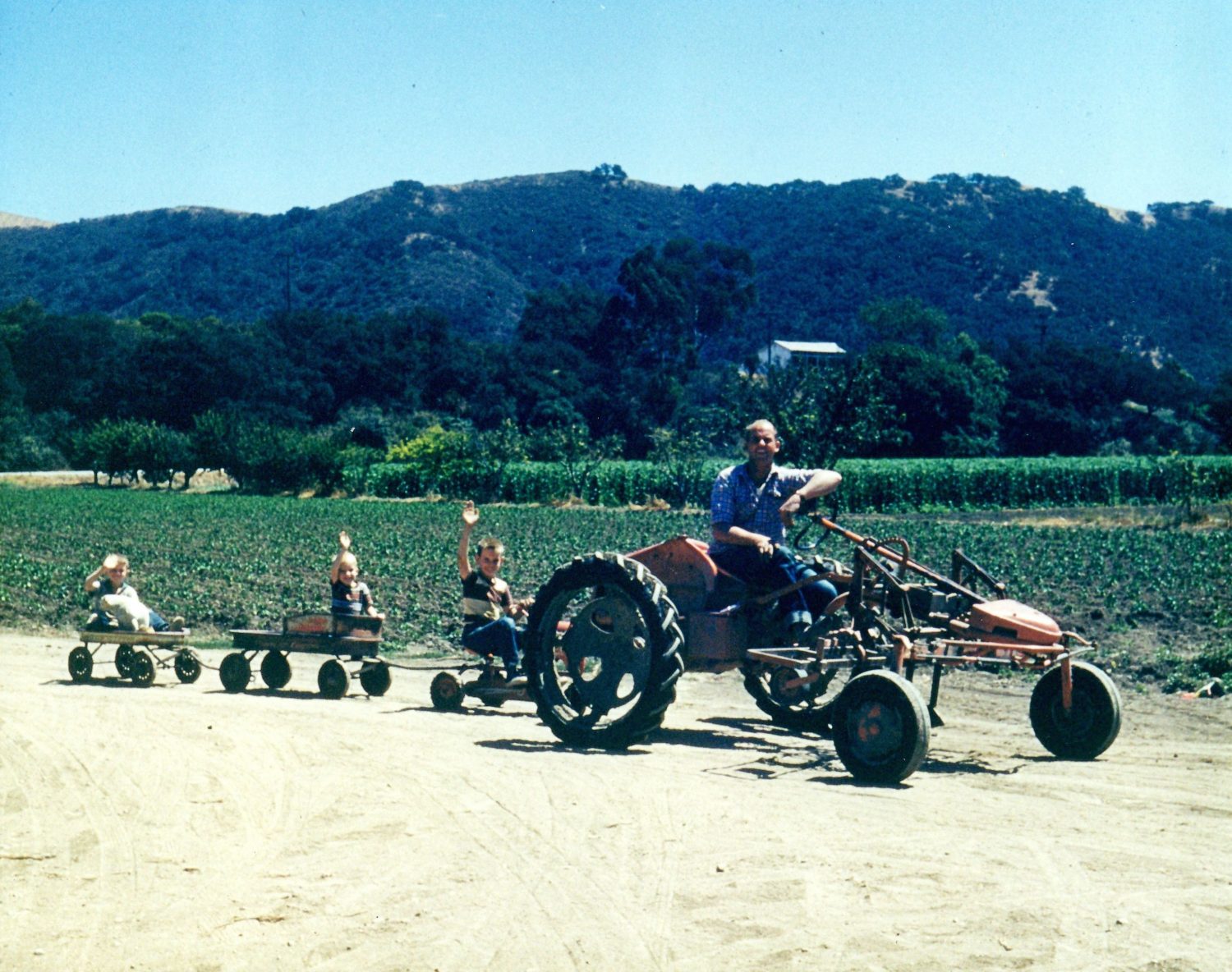
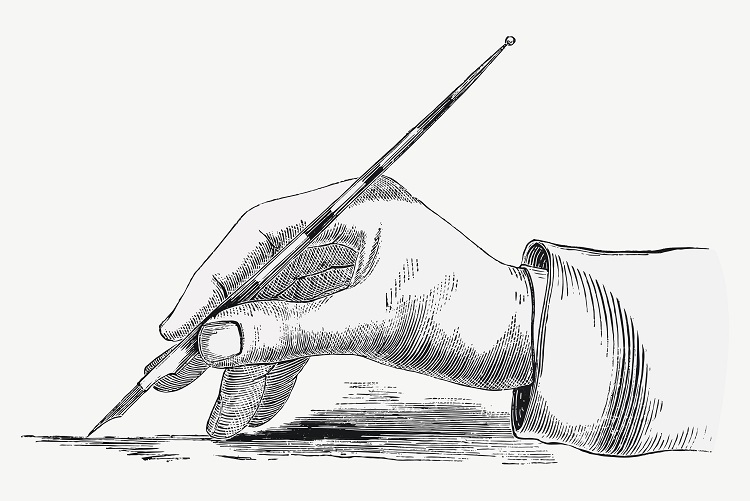
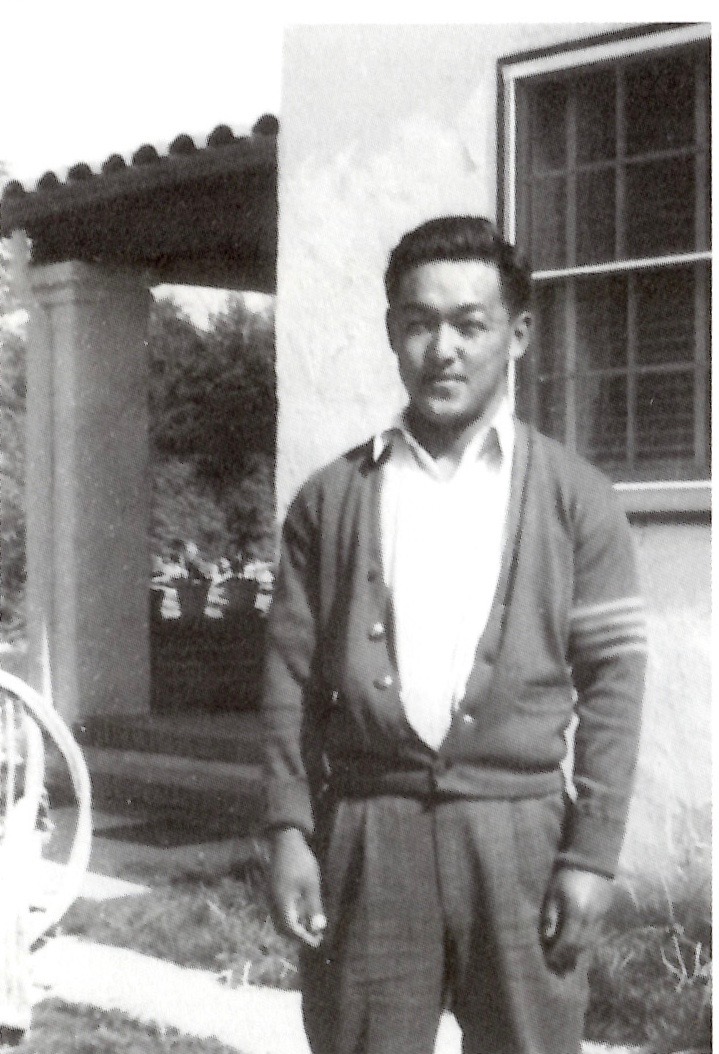
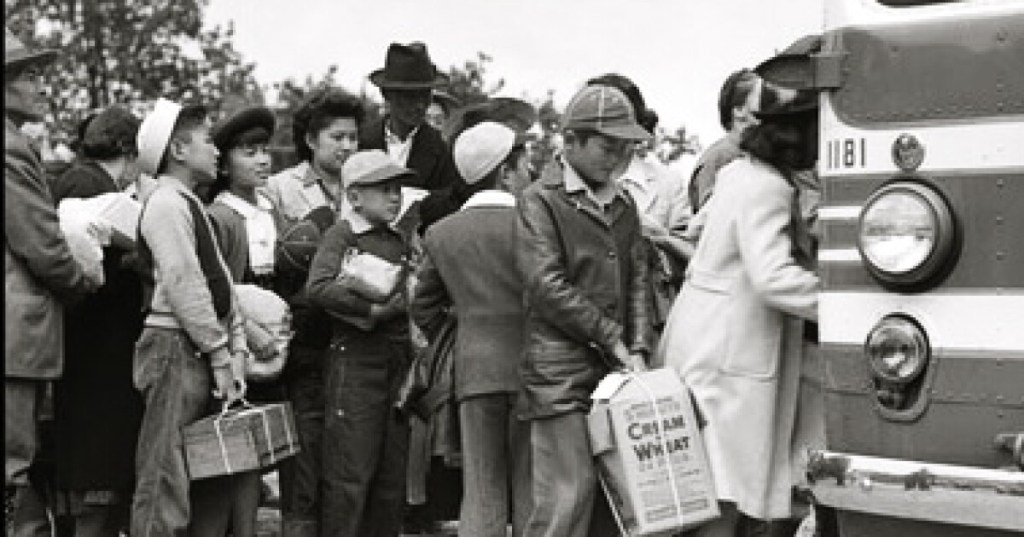
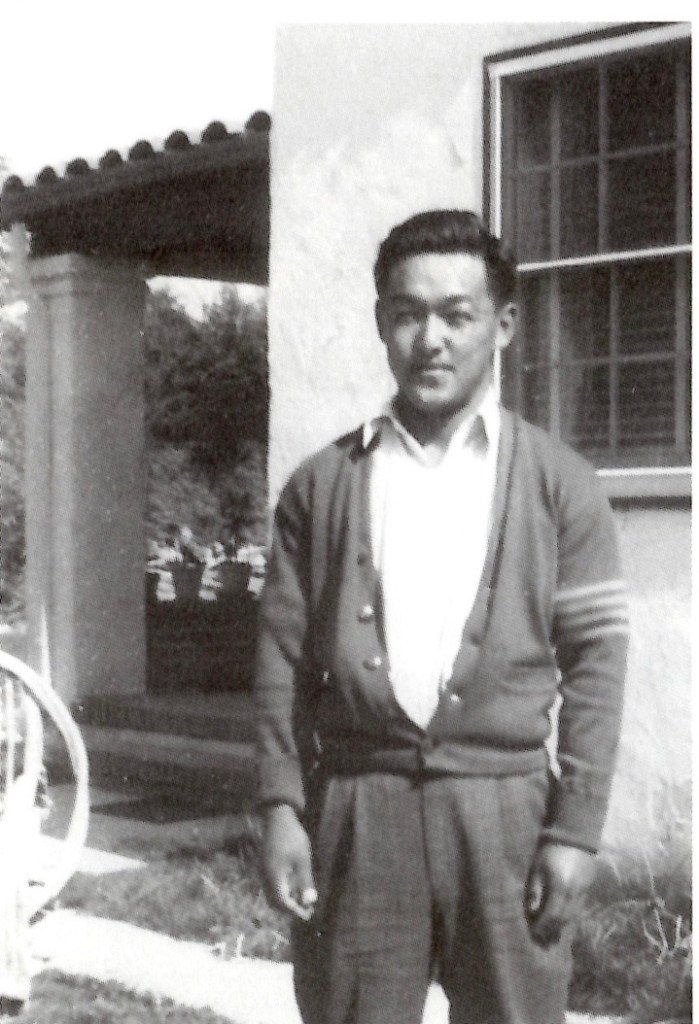

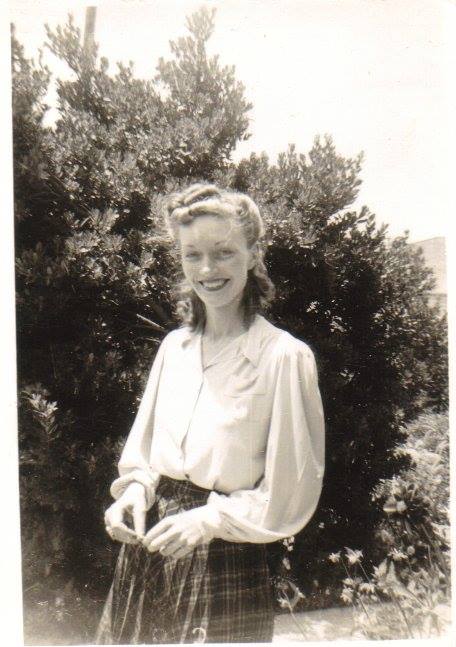
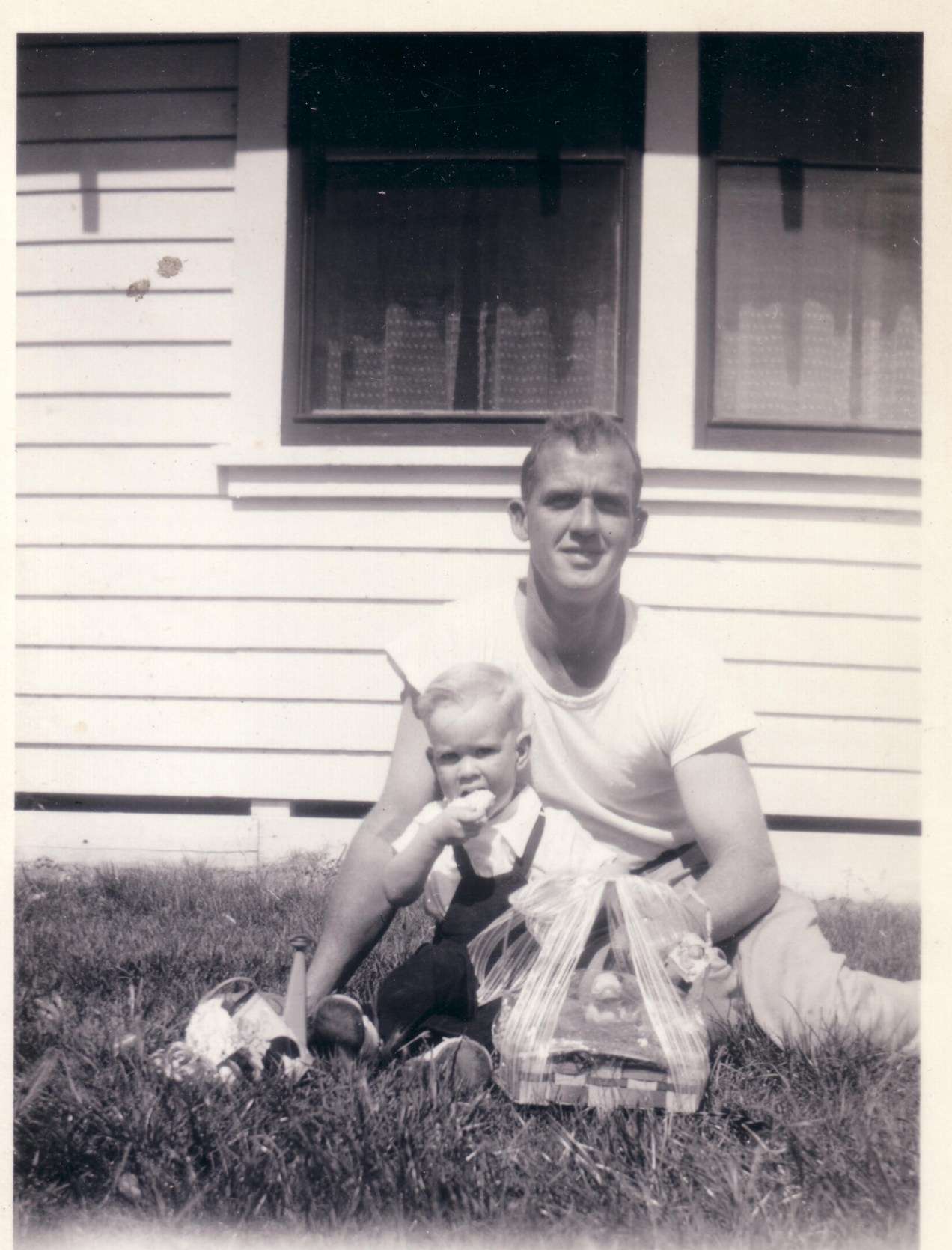
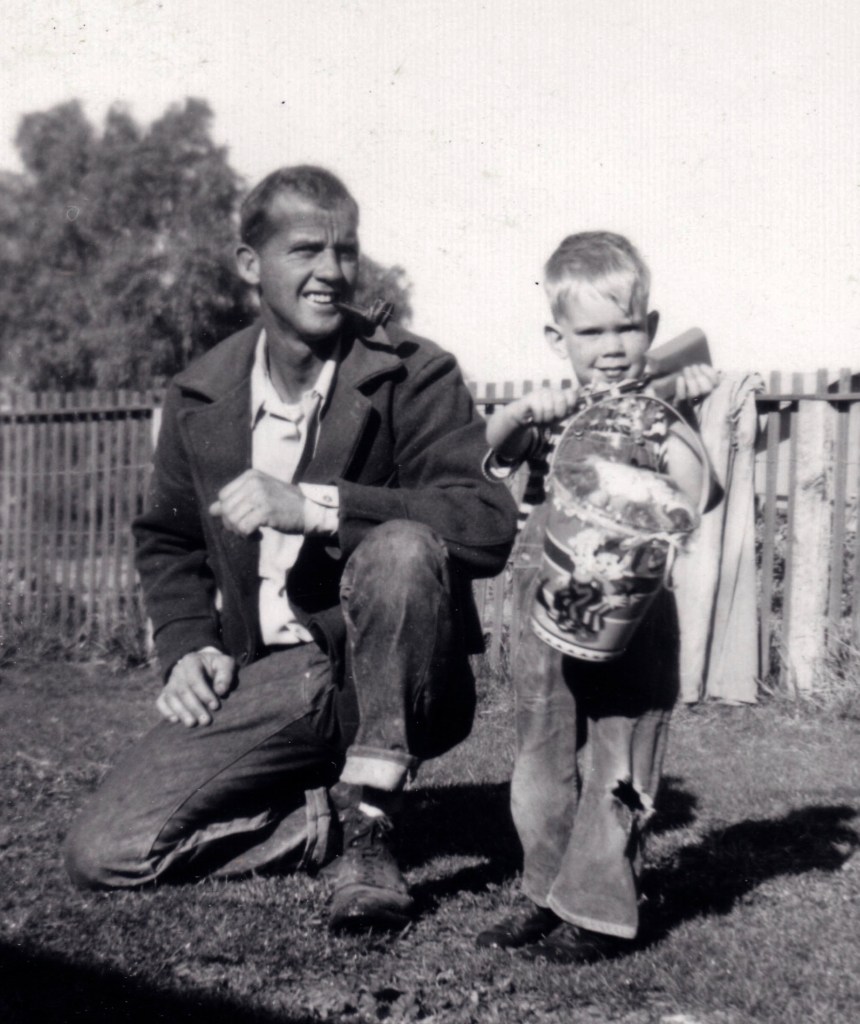

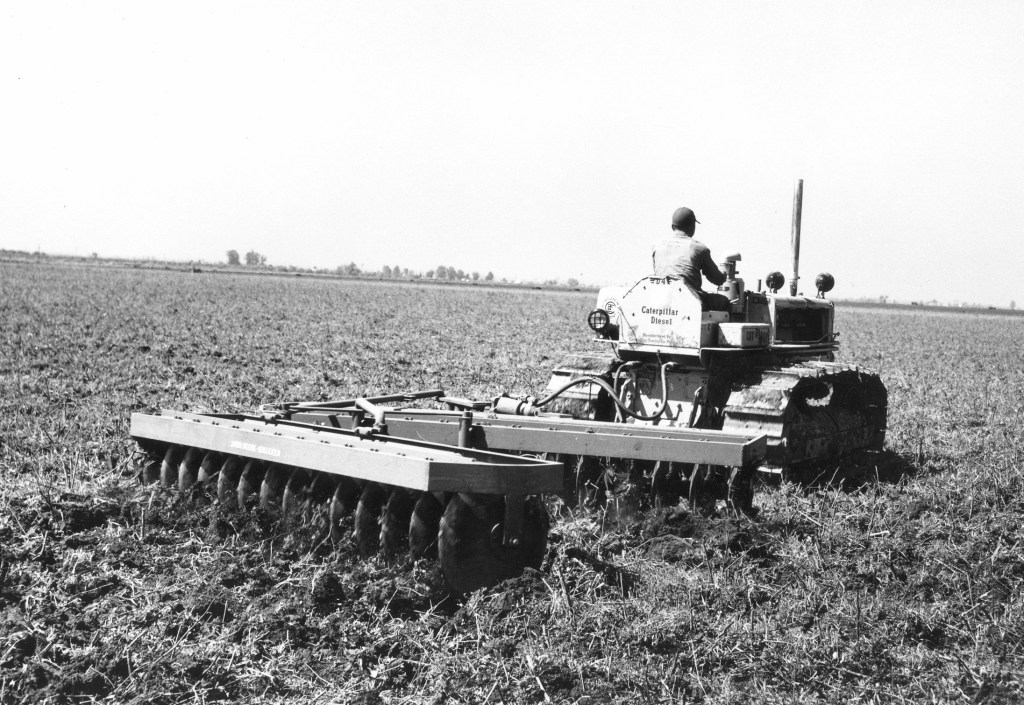

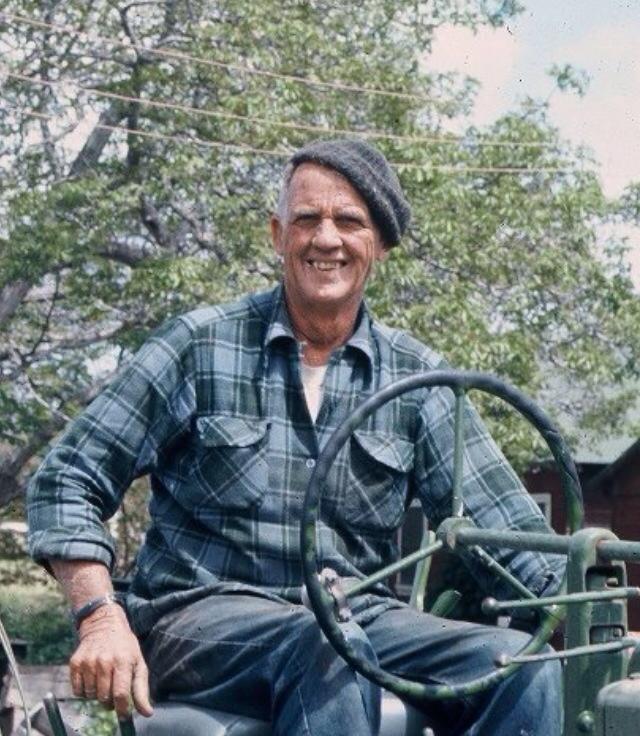

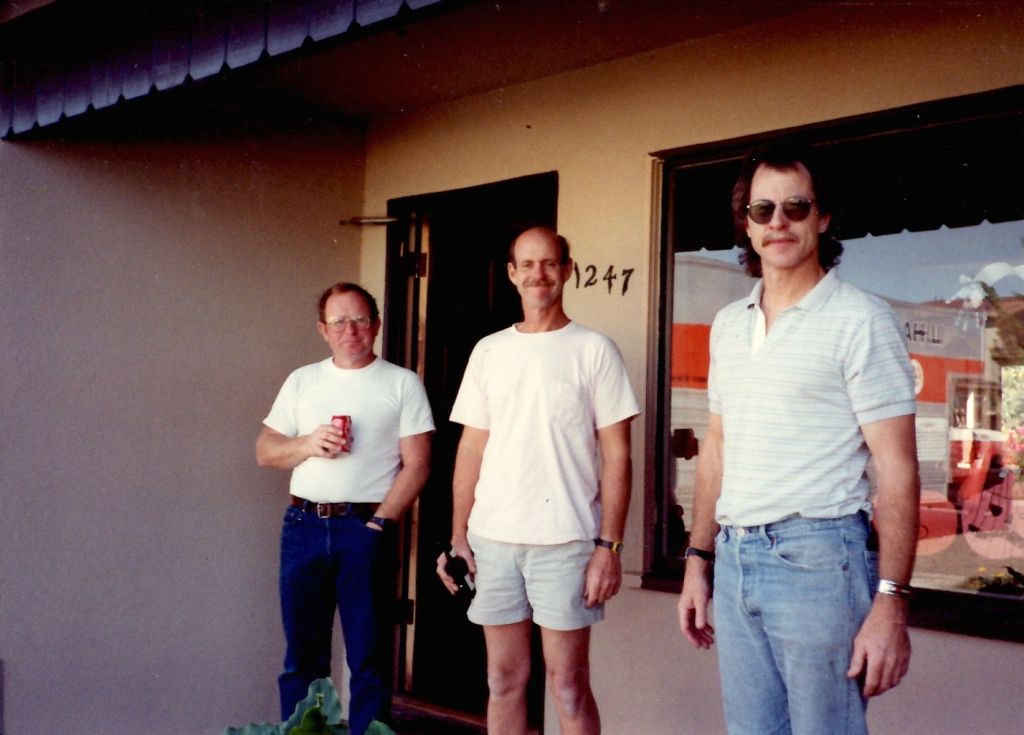
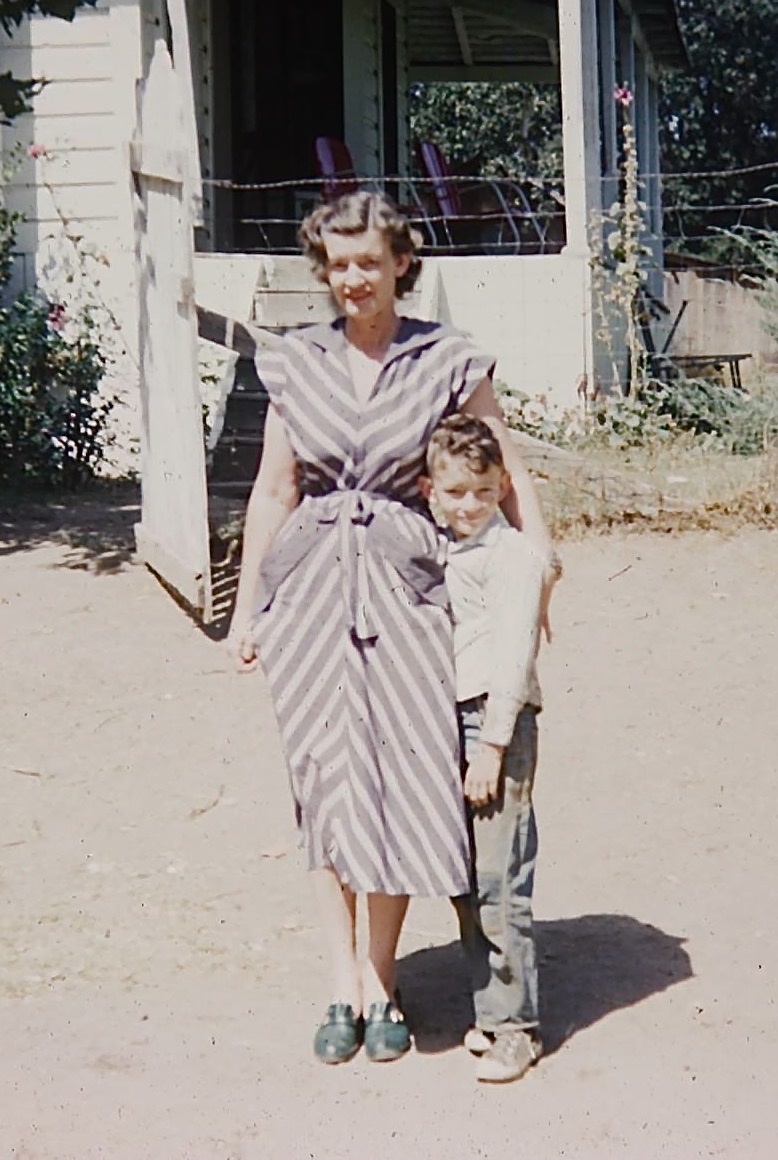
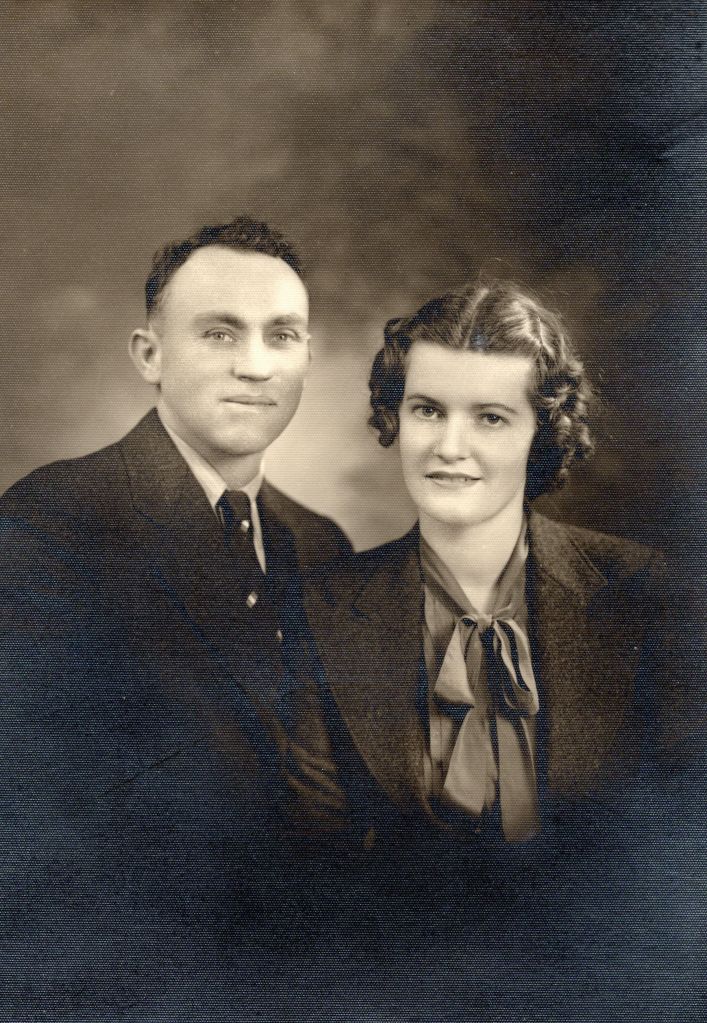
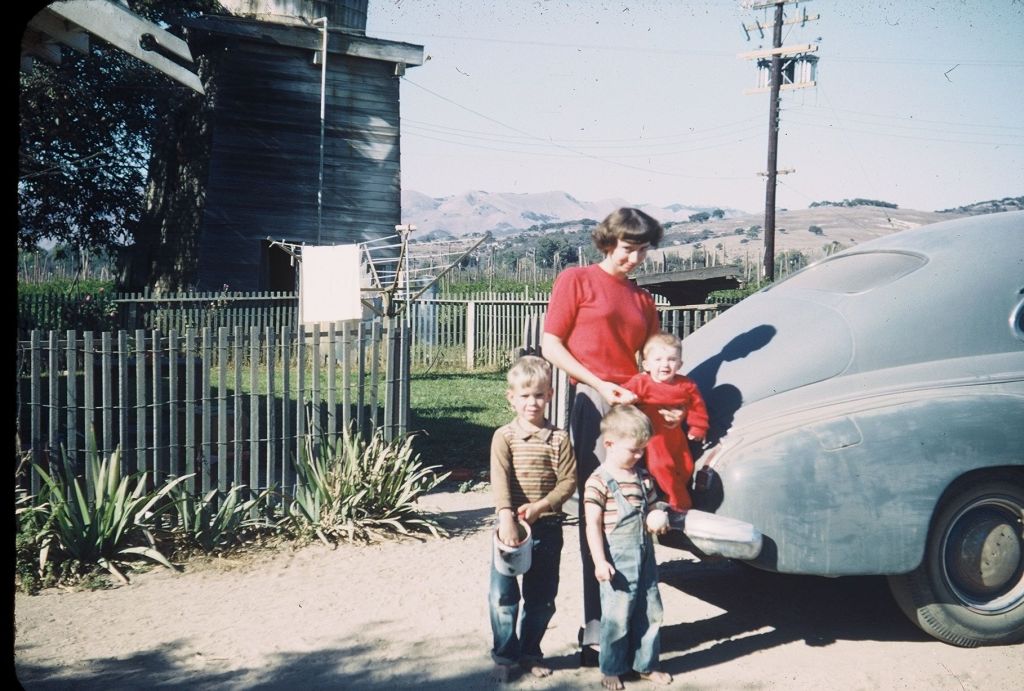

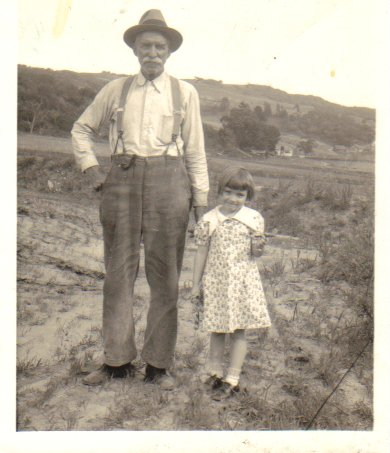
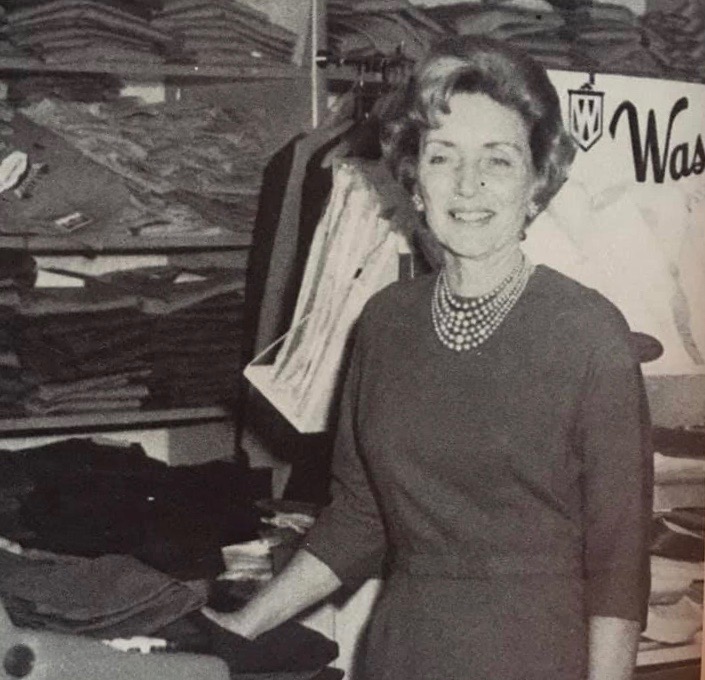

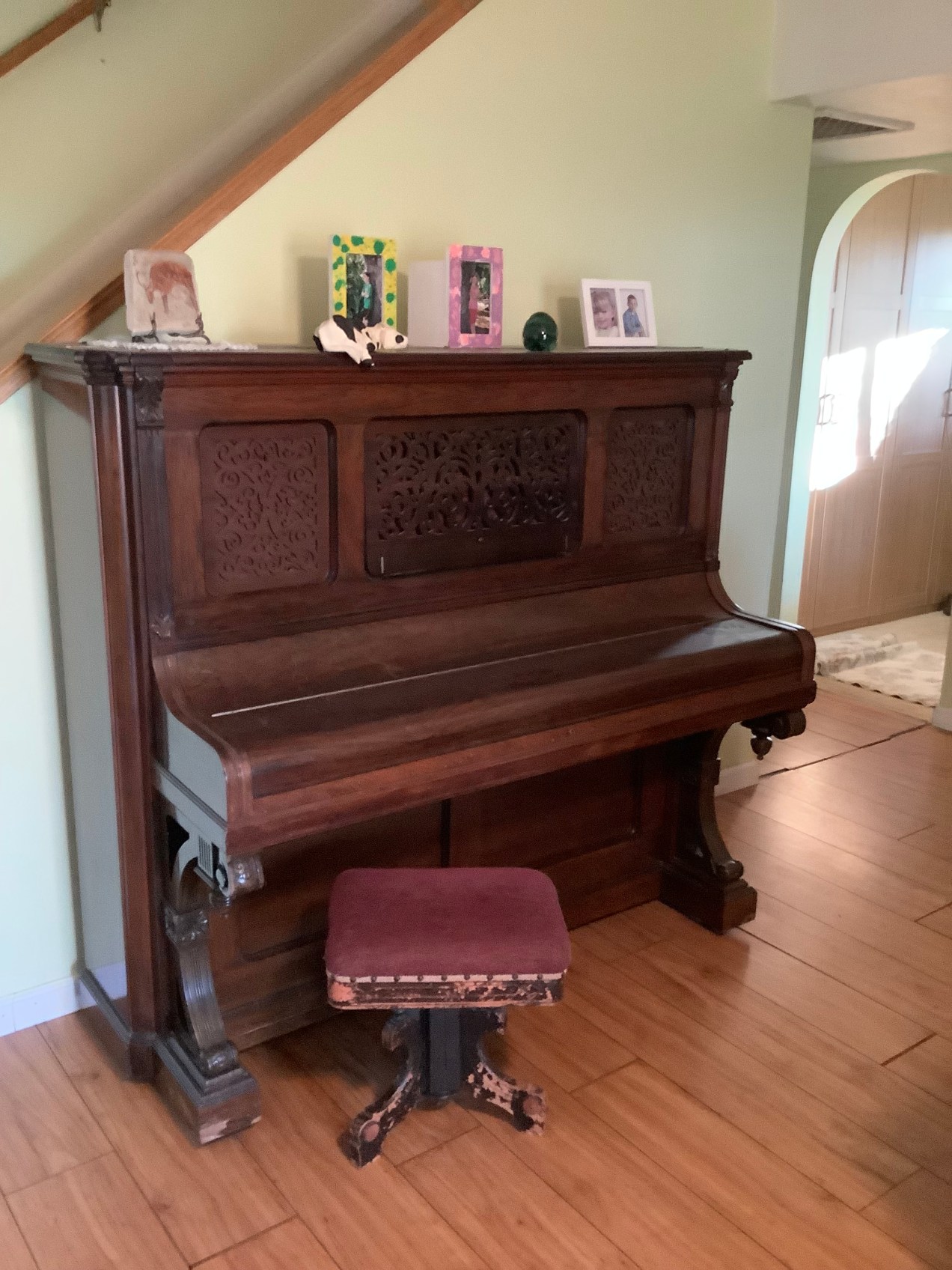
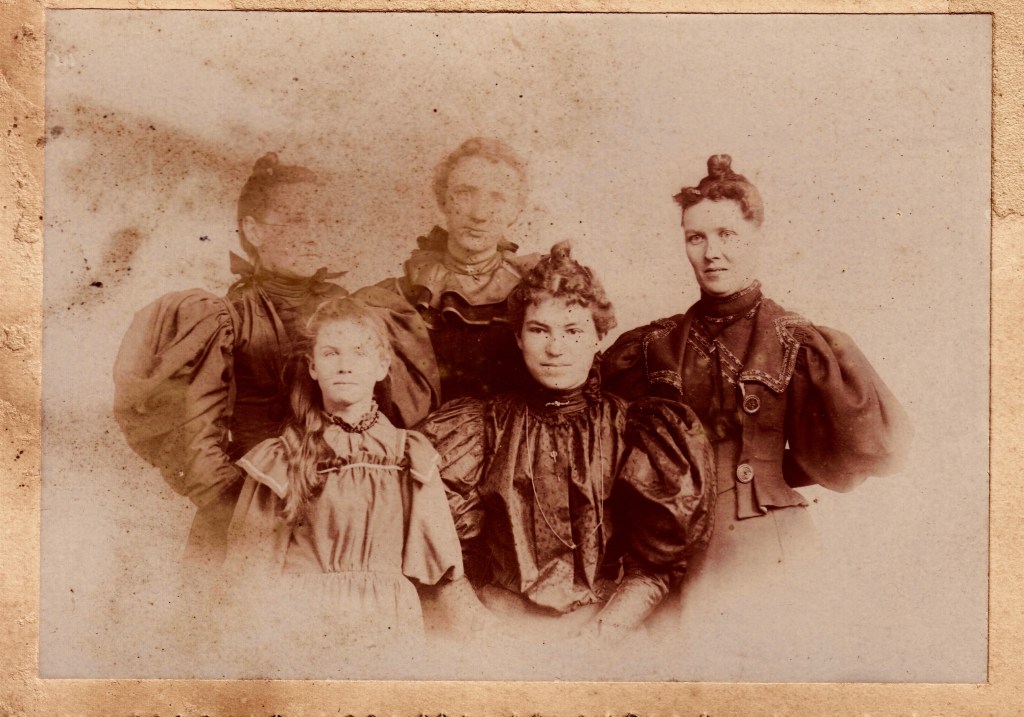
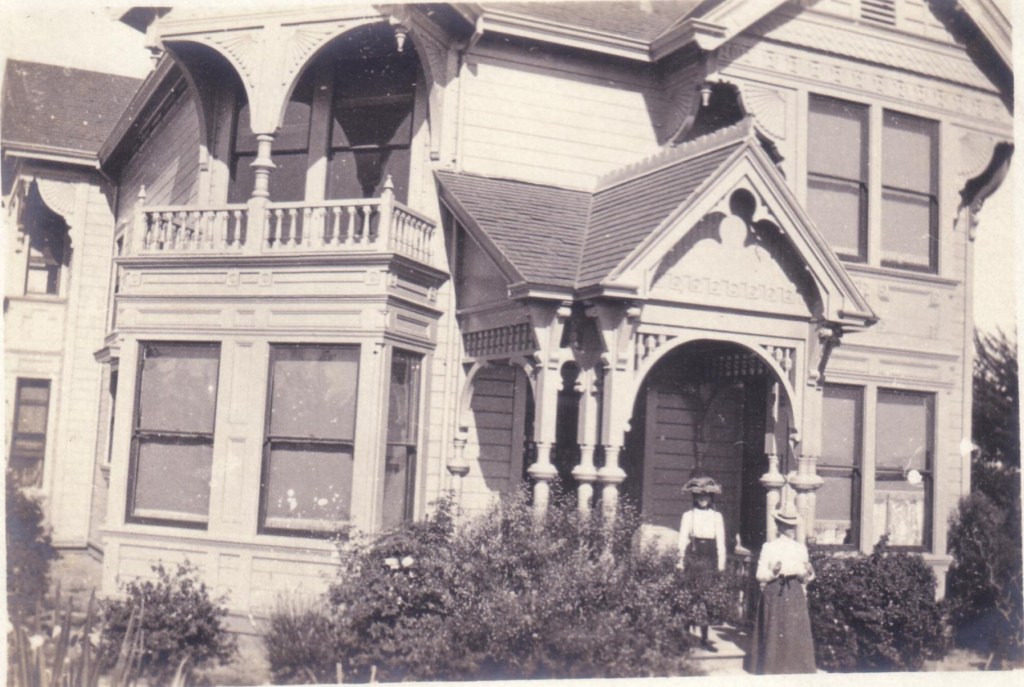
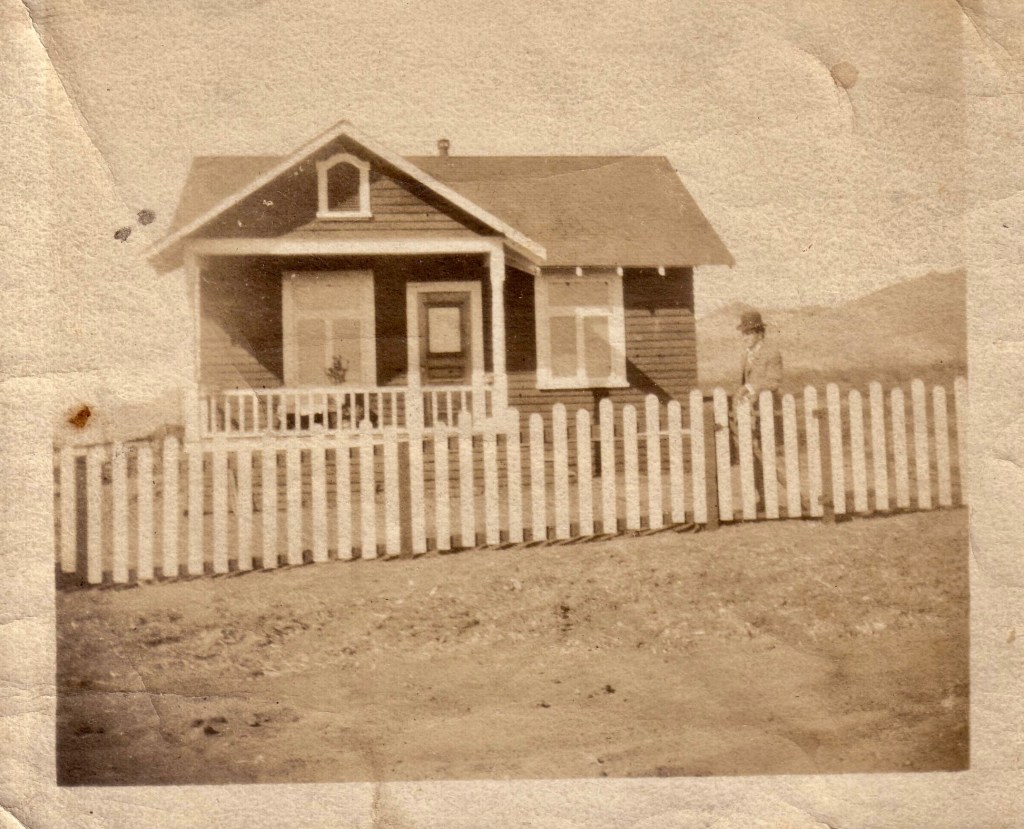
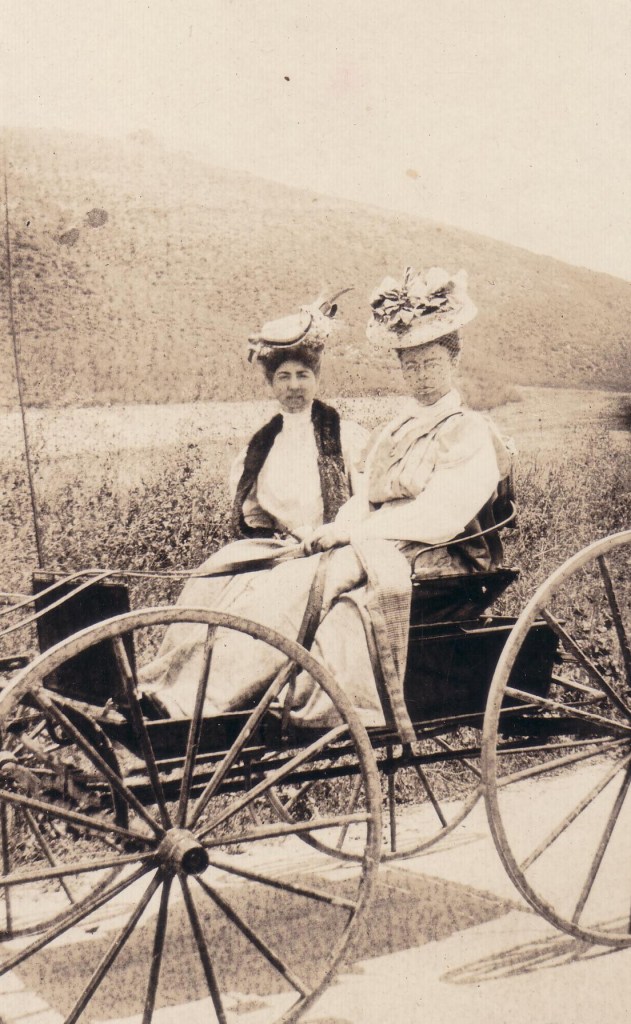
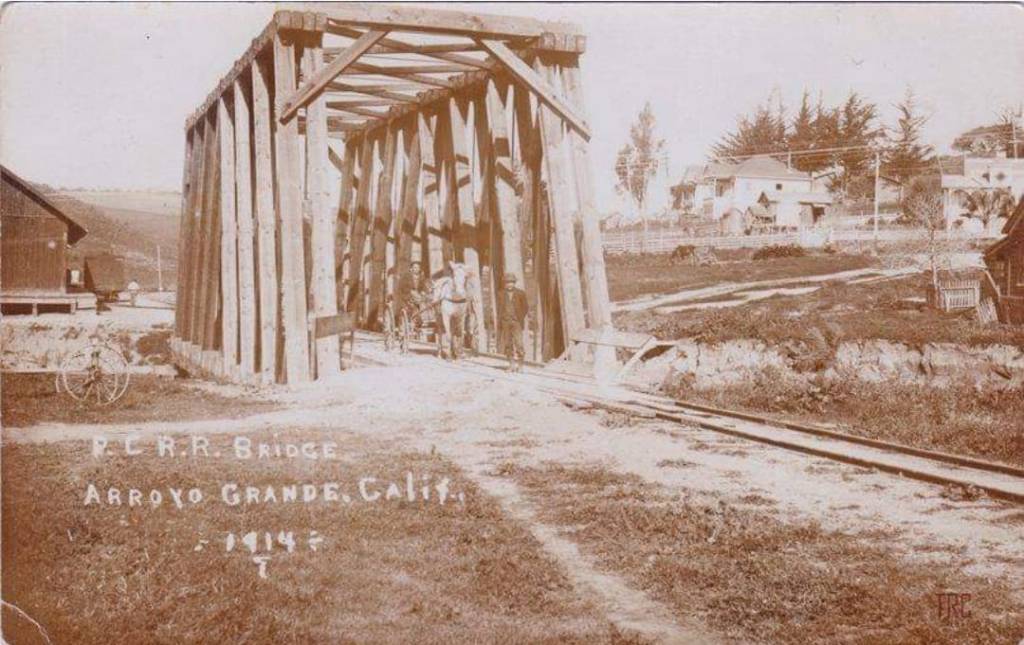

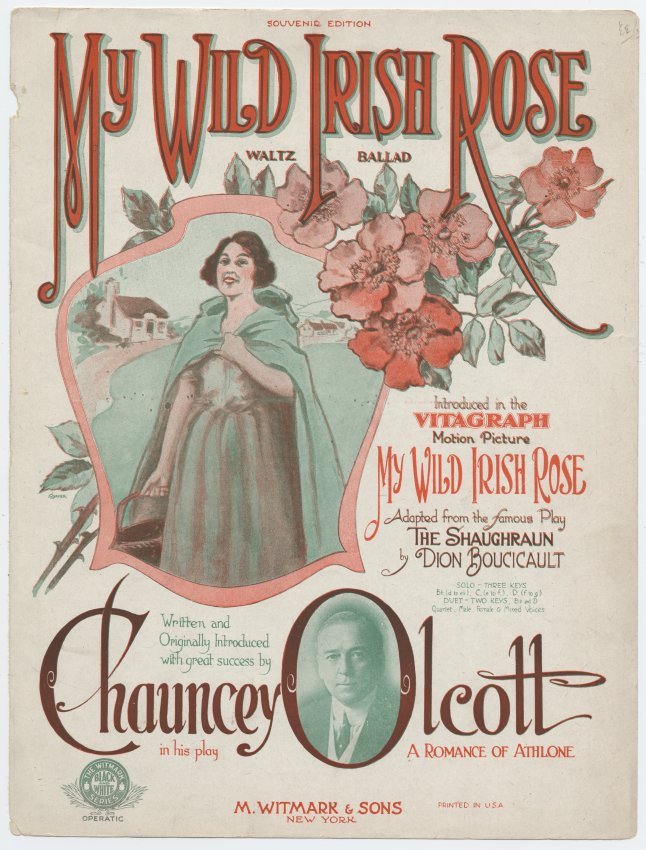

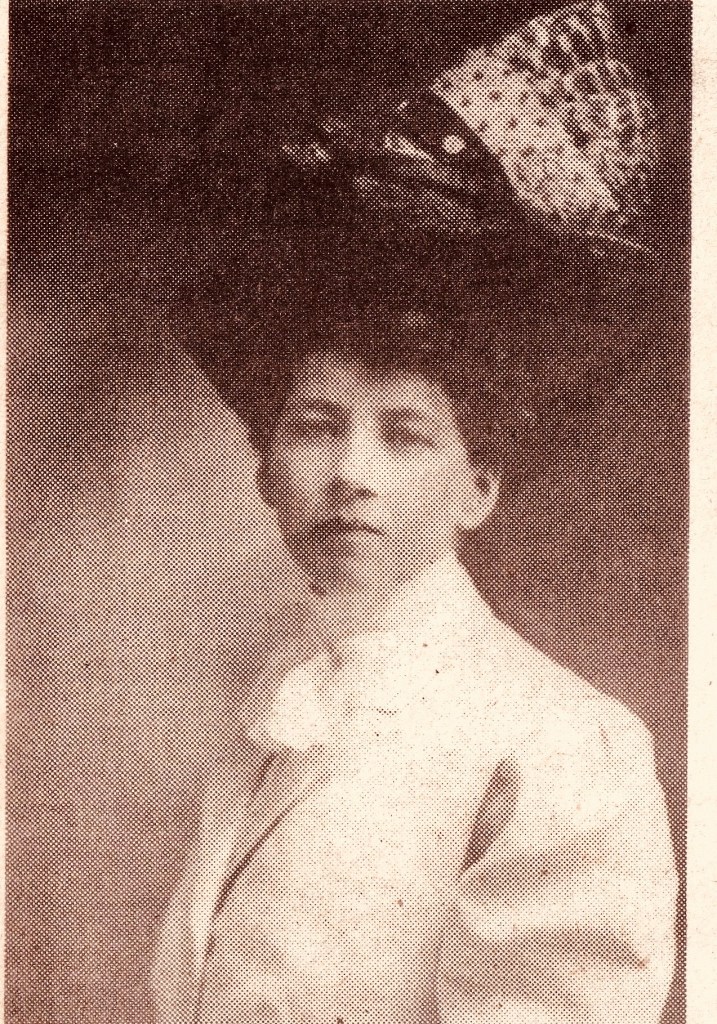
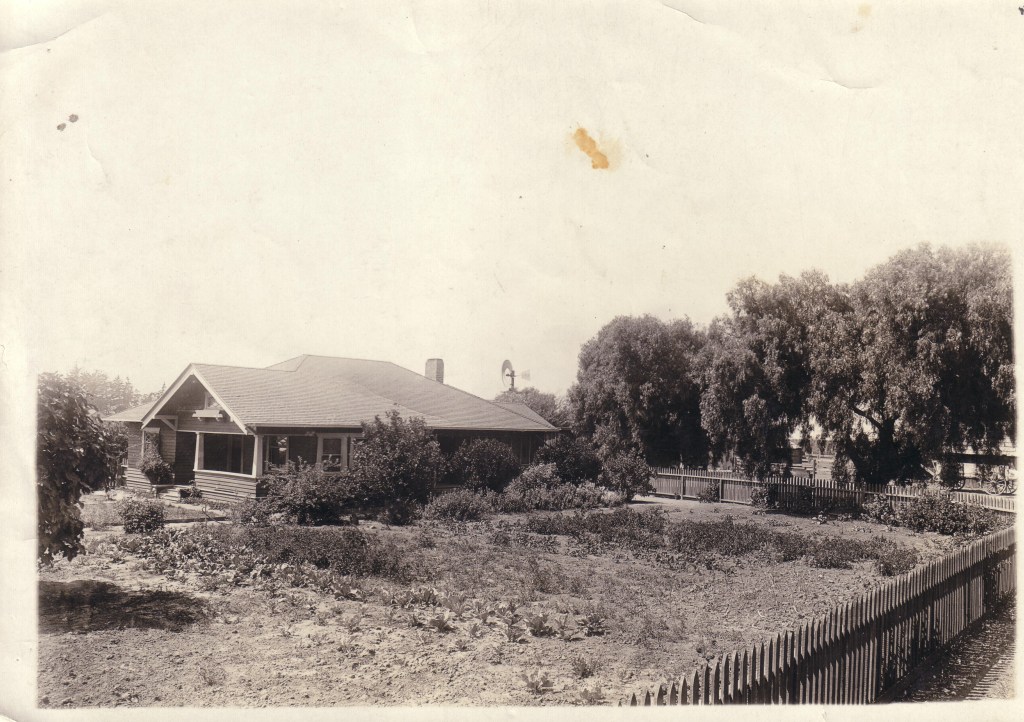
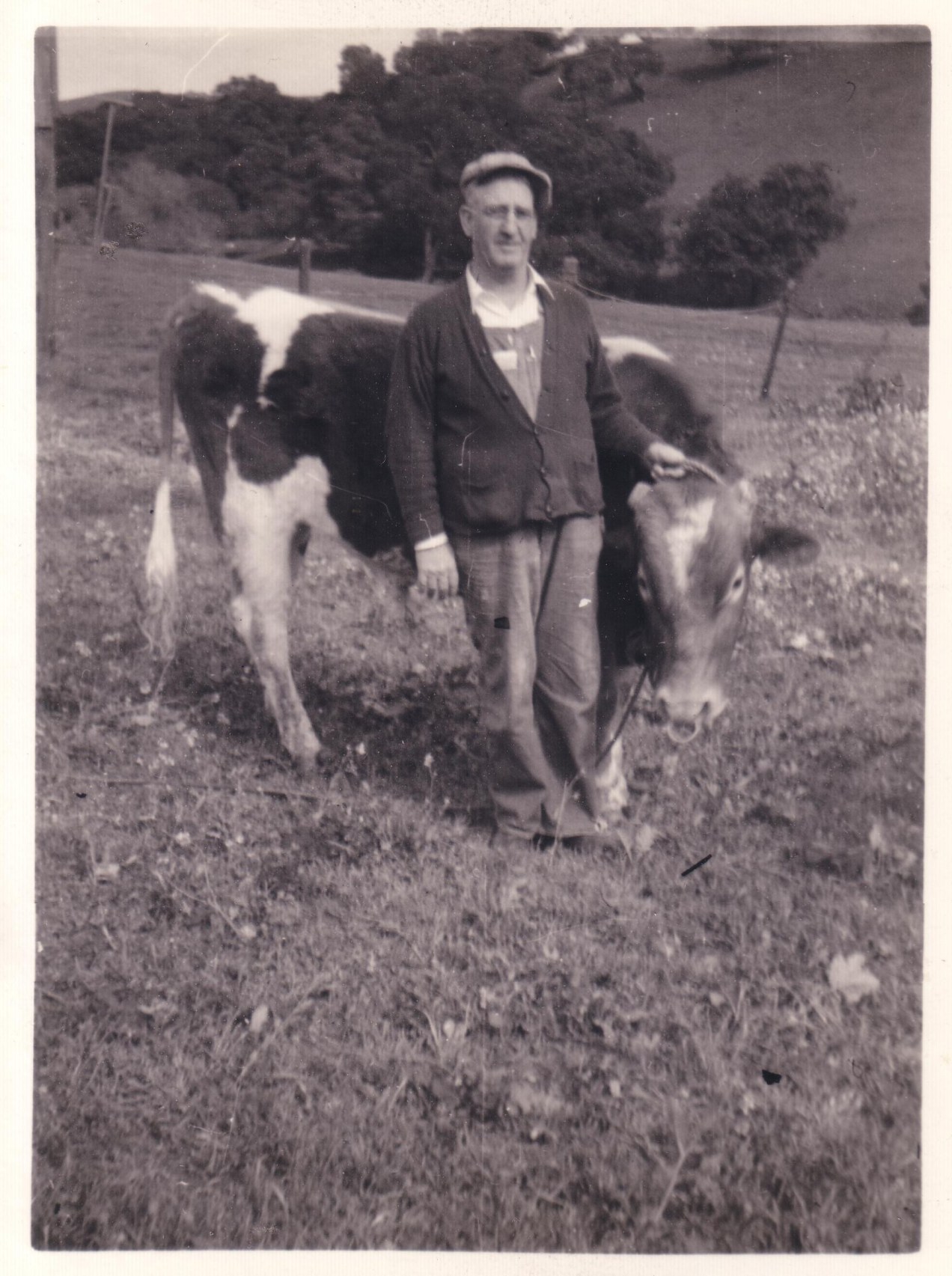

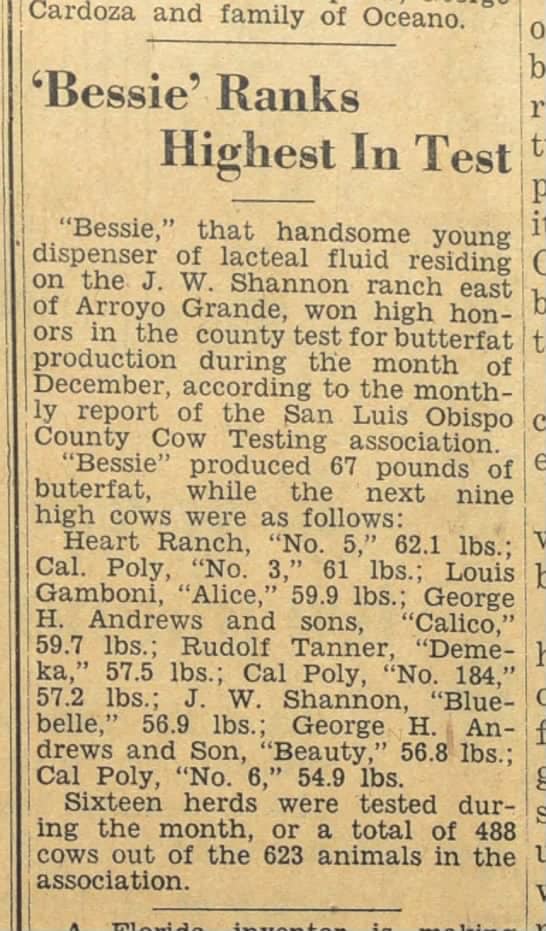
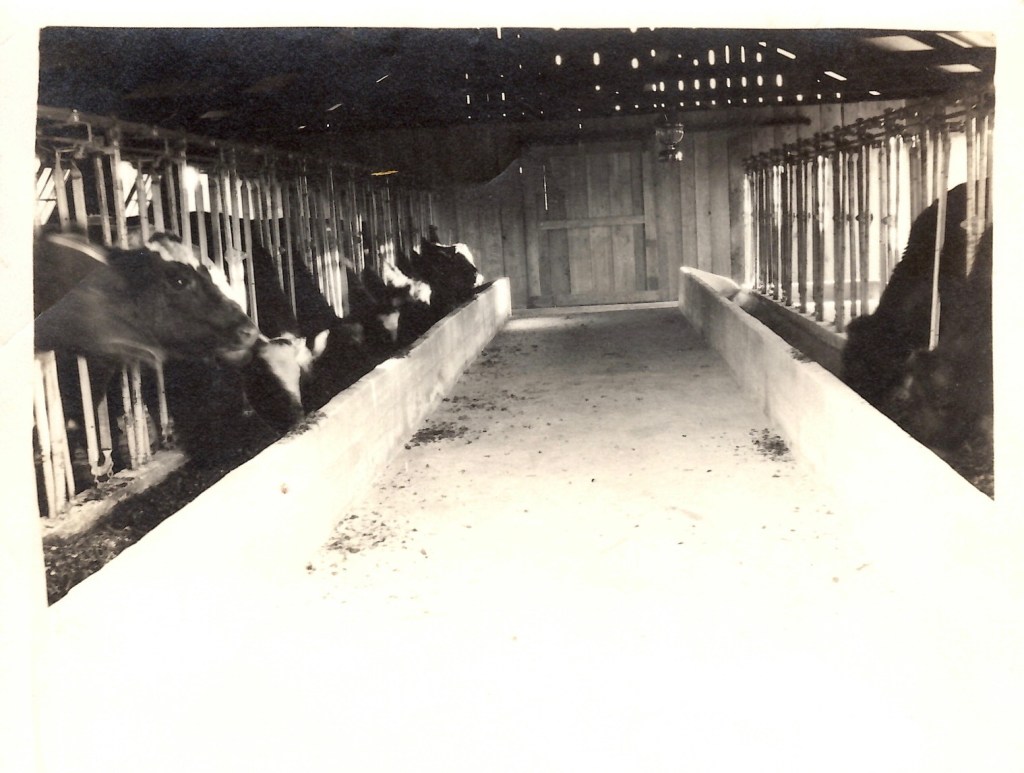
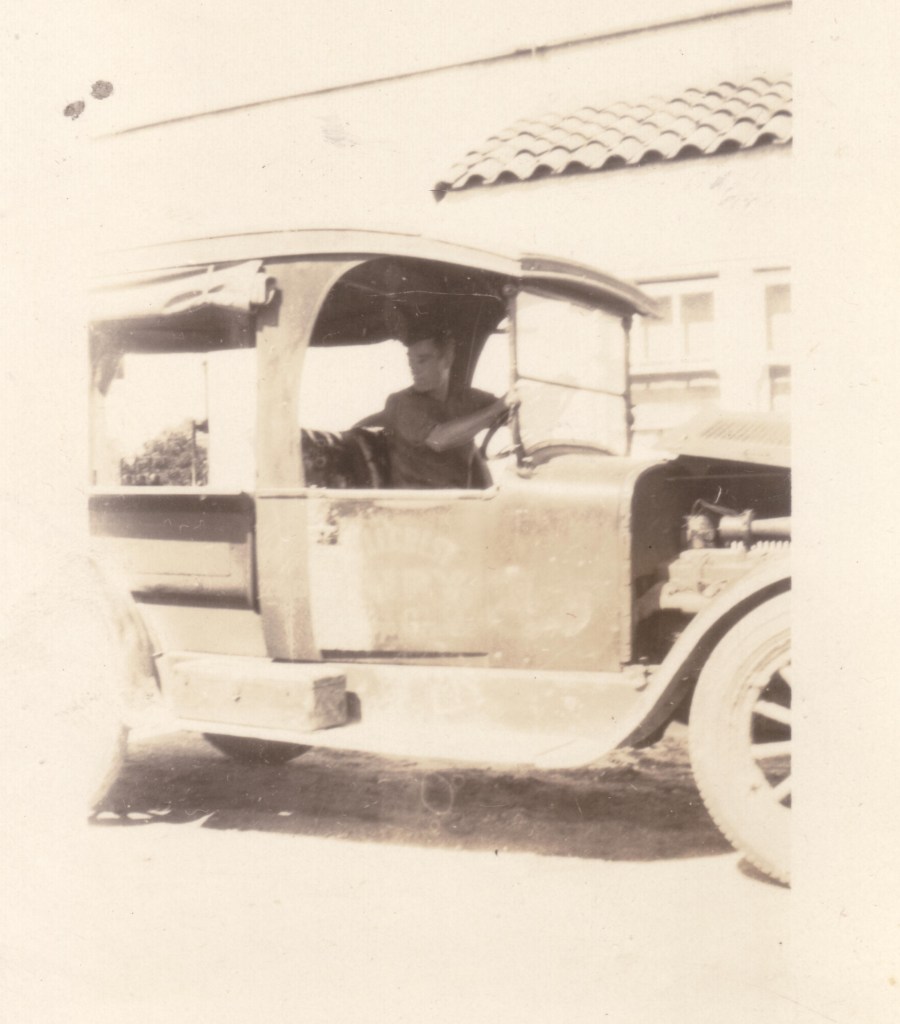
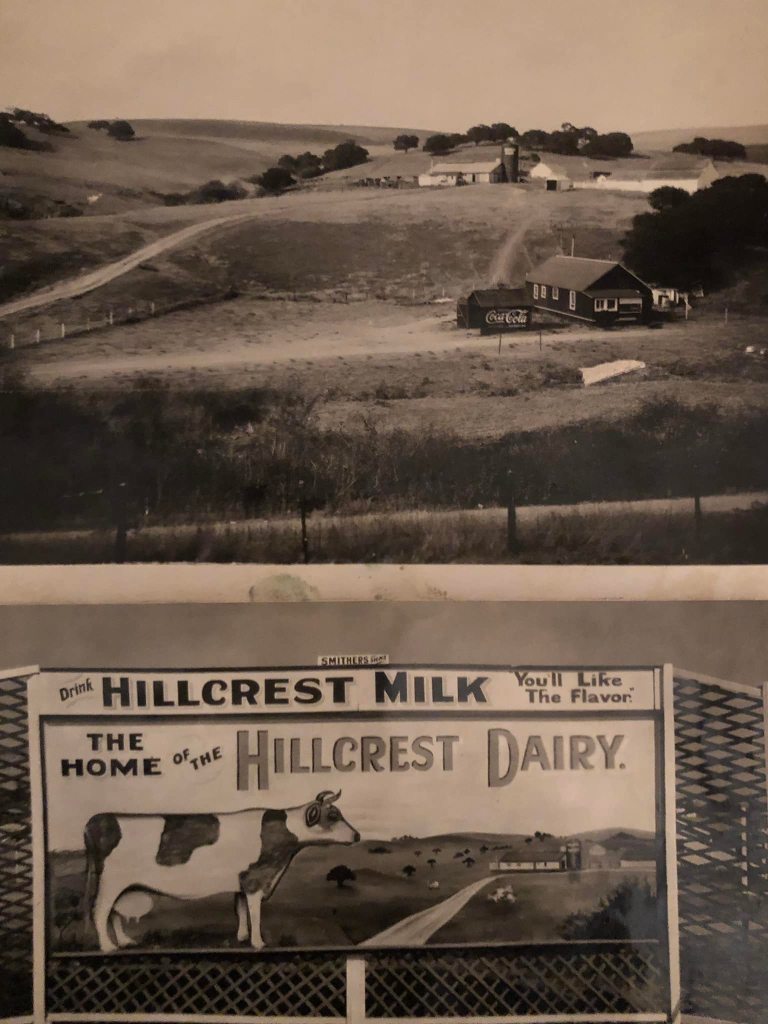

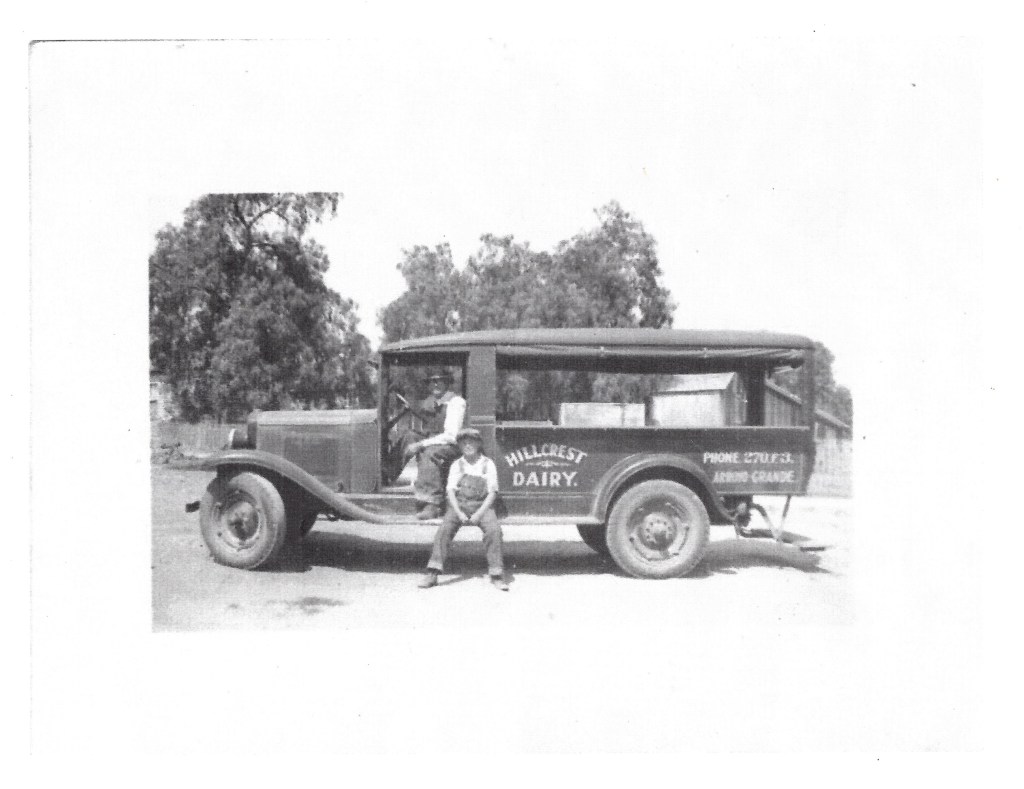


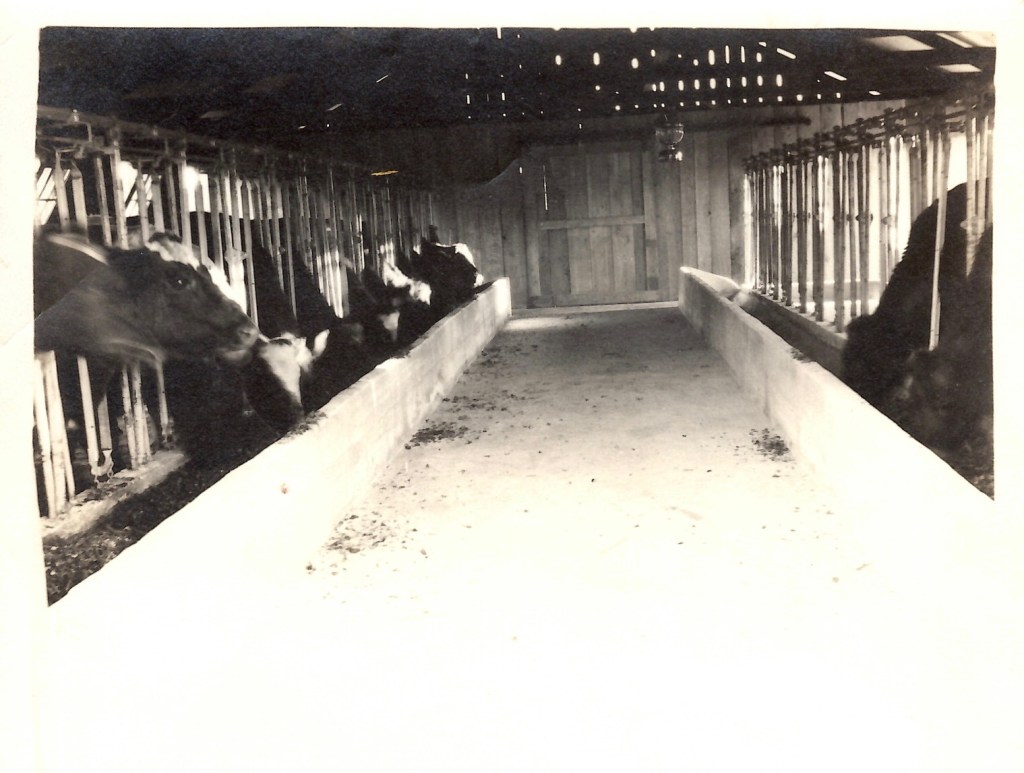

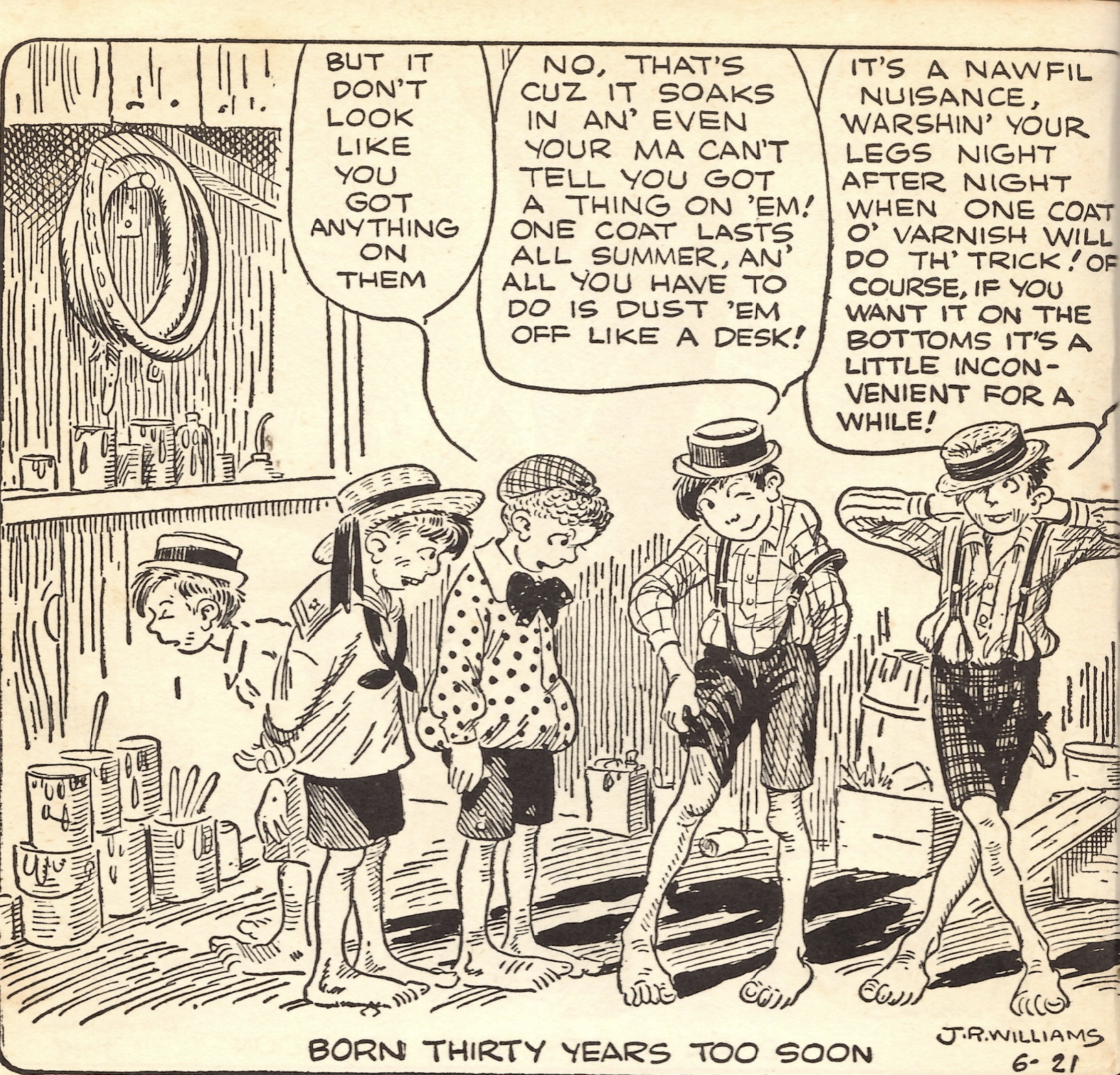
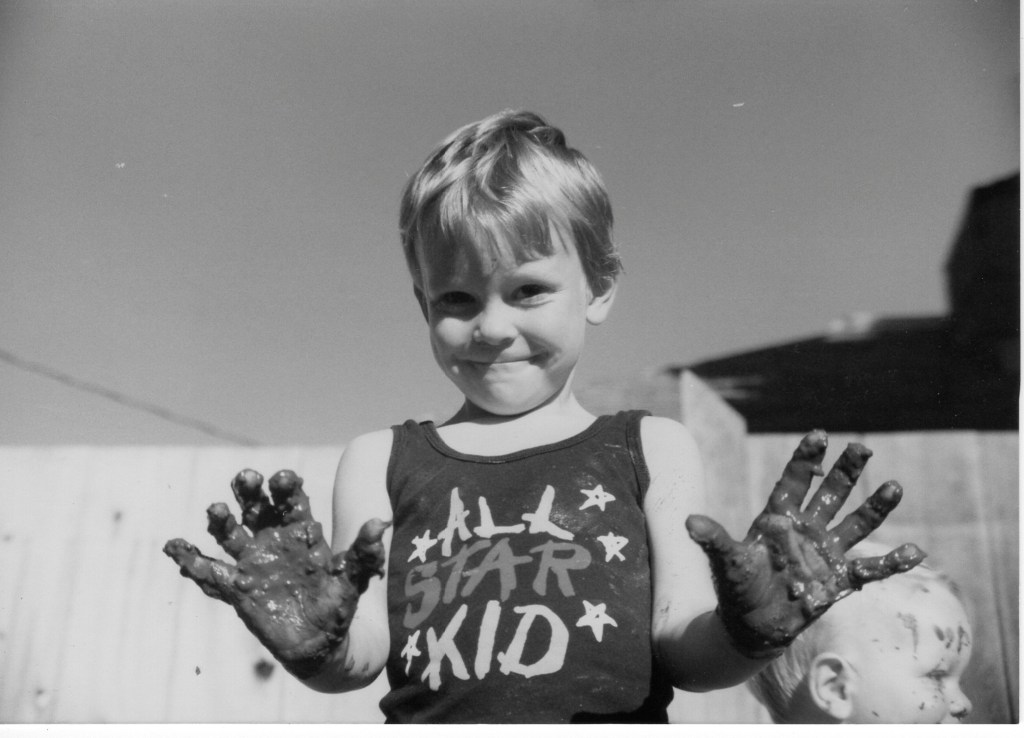


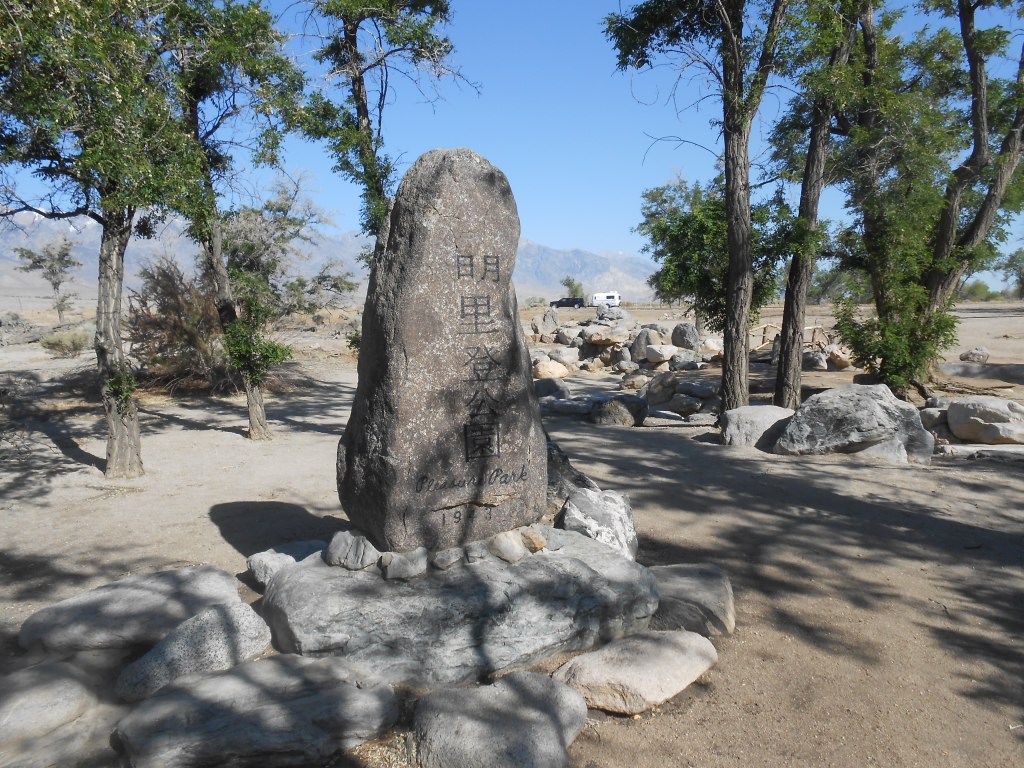
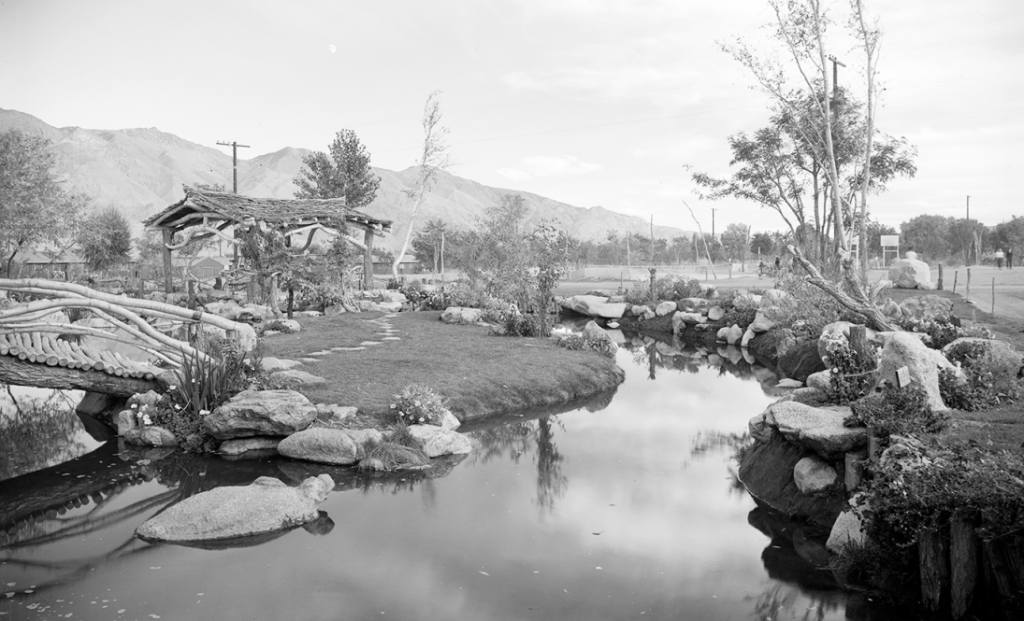
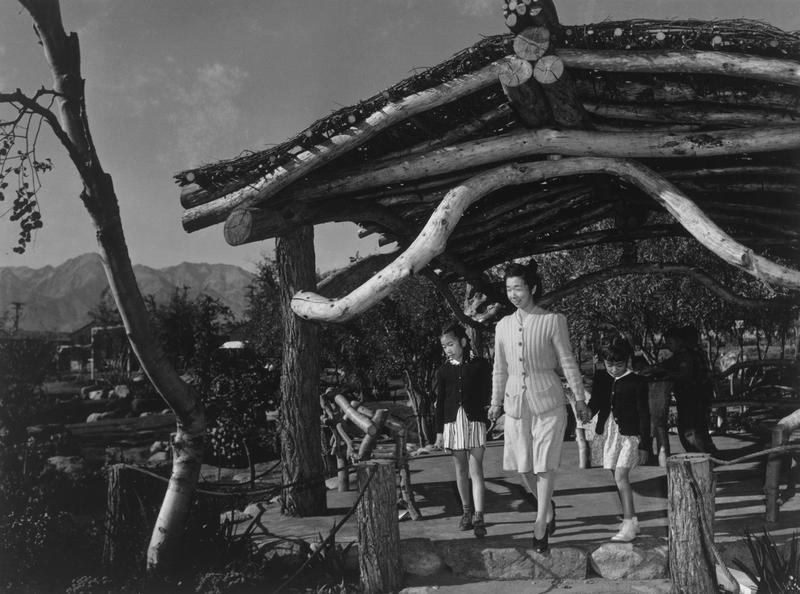
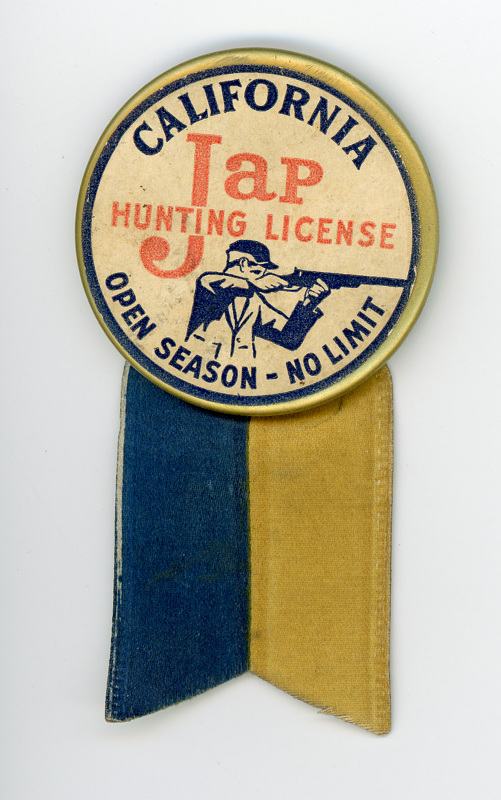
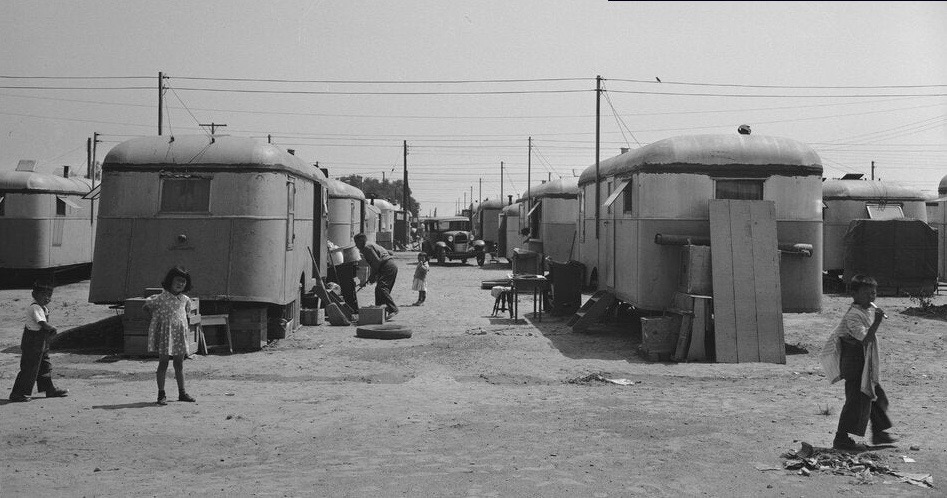
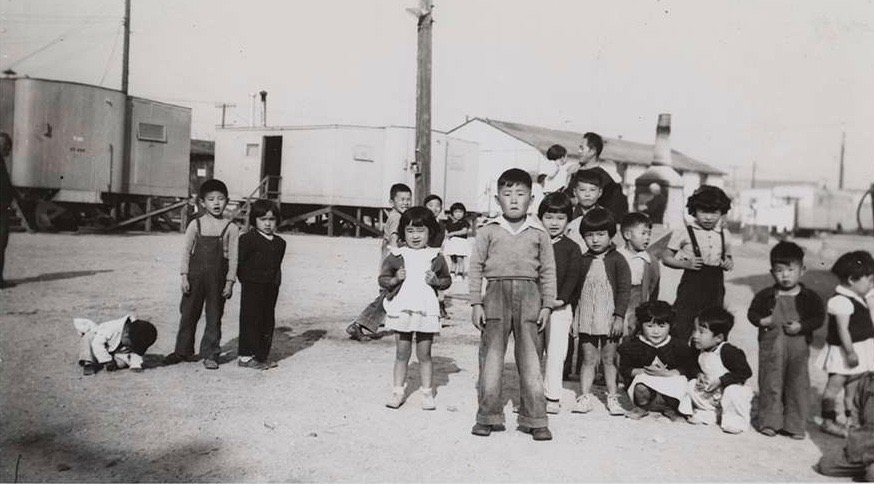

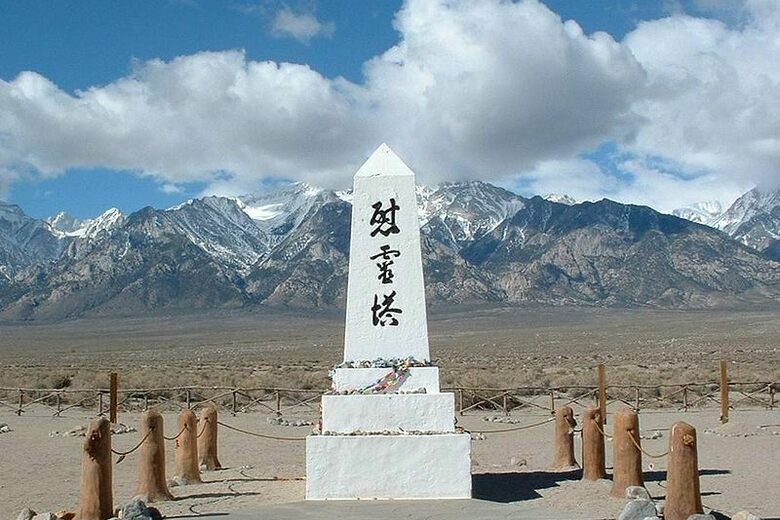

 atthetable2015