A funny thing happened on the way to the classroom. In the classroom actually since that’s where teachers spend most of their time.
This is not a story about how hard working or smart teachers are, no it’s about the students and I use that term pretty loosely. Like all endeavors the number of good bad and indifferent teachers stays about the same. Carpenters, electricians, truck drivers and most trades and professions have people who should be given a bonus, be ignored or be fired. Humans are humans across the board. Your kids are no exception to the rule.
I once had a boy whose only ambition was to be a gangster, not a pretend one but the real thing. He did no classwork, turned in papers covered with personal insults and made himself the center of attention whenever he could. This of course called for a parent teacher conference which is the polite way to say you are about to have your wisdom teeth pulled without anesthetic. At the agreed upon time his mother walked in the door . We introduced ourselves. I didn’t ask about the father since few fathers ever show, These things appear to be almost exclusively mom’s job. I don’t say this lightly either. I attended a “Scared Straight” presentation at the California Mens Colony prison in San Luis Obispo and the audience who had come to witness their boys be scared straight by a tag team of convicted murderers were nearly all mothers. The Killers immediately noted this and made a very big deal of it. As a high school teacher I can only recall one couple even coming to back to school night. It was always the mother. My personal belief is that this is a huge problem particularly with boys.
So, back to the Mrs and her gangster son. After introduction I showed her to my desk and its adjacent visitors chair. Before we arrived she said to me, “You know, Bobby’s my baby boy.*” I stopped in my tracks, turned and ordered her out because I knew that any further conversation would be a complete waste. At least in fantasy teacher world I might have done so but of course I couldn’t nor wouldn’t. Instead we had a pleasant meeting. She talked about the hopes for her youngest, suggestions were made and we parted on a high note. You won’t be surprised that the boy achieved his goal and spent a couple of years in the joint on gun and drug charges. The kicker is that when he got out he came back to school, met me in the parking lot when I was heading home, shook my hand and apologized for his behavior. This kind of thing only happens in the teaching trade.
The grind lasts for about 187 school days and if that seems pretty light weight as jobs go you’ve obviously never spent them in a classroom. The kids themselves can make your job easy if you help them or a living hell if you don’t. Whatever the annual mix of personalities, by the time you have run out the days of your contract everyone is more than ready for some relief. One year you might be contemplating suicide and others will put a bounce in your step that is unforgettable.
In 2004 the 187th day came. All the young men, still boys really were mentally if not quite physically out of there. The thirty or so kids were all seniors and were looking ahead and not behind. The usual thing in my classes were to order up some food and just let every one decompress, shake hands, say goodbye and be out the door at the bell, sixth period, it’s all over now.
This particular class was a rare one. Students all got along, most of them friends from the same Middle School, almost all with nicknames, a particular boy thing that is. There was J-Money, Diddy, John Boy and the day’s hero who was better know as Shaggy. That name not a mystery if you ever watched Scooby Doo. After roll was taken Mister Shaggy raised his hand and asked if the class could watch a movie. Not surprisingly he just happened to have one. Everyone thought that was a good idea so I cued it up and started to roll film.
To me it turned out to be a most astonishing experience. At the end you could have heard a pin drop. There was absolute silence then from the back row someone said “Mister Shannon, can we watch it again?” Mind you, the bell was about to ring ending high school for all of them and yet they wanted to spend nearly two hours watching the same movie! Did they secretly realize that the protected cocoon they had inhabited for nearly their entire lives, coddled, protected and treasurede, where all rules were understood and tomorrow was a known quantity was going away forever?
I understand now that it was and always will be the greatest young man movie of all time, bar none. The two main characters, played by two veteran character actors, quite unlike each other but played with such skill as to make the performance seem seamless. A Britisher and a US Navy brat, two of the most respected men, versatile actorswho were considered to be among the finest practitioners of their art.
A film that spoke directly to young men with dreams. The experience was one of the finest moments of my teaching career. You see, we all live on dreams but most reluctantly put them away in some dresser drawer where they are mostly forgotten.
This is not written to praise the actors though surely Michael Caine and Robert Duval made the roles of Hub and Garth genuine.
At its core, Secondhand Lions is about the courage to live fully, to dream without shame, and to stand for something—even if that something is fantastical. Garth and Hub may blur the line between reality and fiction, but their emotional truth is rock solid.
Sometimes the things that may or may not be true are the things a man needs to believe in the most. That people are basically good; that honor, courage, and virtue mean everything; that power and money, money and power mean nothing; that good always triumphs over evil; and I want you to remember this, that love… true love never dies. You remember that. You remember that. Doesn’t matter if it’s true or not. You see, a man should believe in those things, because those are the things worth believing in.
So fare thee well Mr. Duval and though my boys a I can never thank you in person for what you’ve done we will never forget the lessons. Dream on.
Not his real name
Michael Shannon is a former teacher. He lives and writes from California.
Happenstance accounts for some things in my life but most were things I thought I might want to do or to be. No matter, whatever it was the one constant was the feeling was that I would be safe at home.
I figured out pretty early that it wasn’t the same for all kids.
In our little two room school tucked into a hillside named for and not too far from the nearly forgotten home of the pioneer family that put Arroyo Grande on the map the homogenous group of children, six to fourteen lived in a kind of time warp where we all felt safe. We knew little of each others home life. The parents of our classmates were ciphers, tall figures who were nice to kids, mother images who steered us in the direction that adults believed we should go. How they were at home only their own children knew.
We were a school of the children of immigrants. some recent some dating back to the shadowy beginnings of the country. Indentured servants from Ireland, Chumash kids that predated those. There were children whose ancestors built the Mexican ranchos. The children’s family’s whose parents or grandparents were from Japan, the Phillipines, the Azores, Brazil, Poland, Europe and Scandinavia, maybe too many to count.
Branch Grade School 1943. Miss Elizabeth Holland Principal. The single graduate that year was Bill Quaresma the boy withthe puppy.
Believe it or not there was no child who attended school with us that could call themselves rich.
Some families owned wide swaths of land but that didn’t make the rich by any means. “Land Poor” was the term. You might have a ranch which numbered its size in acres by the thousand but still live in a house nearly a hundred years old. Dad drove an old pick up truck, mother not at all. The family sedan used only for shopping and Sunday churching. Parents in our district almost always worked the land. Dirt farmers, cattlemen and the folks who worked for them. None of us growing up knew that it was the last gasp of the family farm. Nearly every family lived and worked on their own acreage. Few understood that within a decade most of those families would be pushed out by consolidation as the business was changing from supplying locally to shipping produce nationally. The cattle ranches were under assault by the feedlots who could fatten faster and more efficiently.
Grade School 1926. Miss Elizabeth Holland principal, the only teacher. Graduates that year were Miss Marry Donovan, Olivia Reis and Charles Fink. Next years grads are Carl Quaresma and Manuel Silva.
There was little about our farms and ranches that was idyllic. We were not Norman Rockwell people. Kids in my grammar school had parents who were desperate, the kids undereducated, poorly dressed, ate paste for breakfast when they could. Some were lucky to have a single pair of shoes. They could come to school with the bruises gifted by angry parents who were up against it and understood that there was no way out.
Branch Grade School. Miss Elizabeth Holland, the year she retired.*
For all of that we were a remarkably homogenous group. I recall no teasing or meanness amongst us. Isolated in a small community before television we had nowhere to learn about race hatred or were we typically exposed to the differences in wealth.
Of course, in all sadness that all changed when we got to high school and lessons about inequalities, race, money and power have never ceased.
Those children still bound by a shared experience have grown in every direction. Our little school produced mechanics, scholars, housewives, teachers and truck drivers. We even had a murderer. As with all people, we were divergent into adulthood.
A kid was a kid was a kid was a kid. The nastiness of life was not yet before us.
That part of our lives in which we felt safe is a gift which we hold dear. We can never hold it in our hands again or get it back but on a cold darkling night, slip into your cotton jammies, crawl deep under the covers with only your nose exposed and if you concentrate you can touch it in memory and once again you can, for a brief time be safe at home.
*Authors class. Far right 2nd row down.
Michael Shannon is an alumnus of the old Branch Grade School. He writes so hi boys will know where they came from.
…or how scribblers turn a joke, a phrase, a story.
When newspapers were the only mass communication in the country they reached nearly every home. My dad drove down to Kirk’s Liquor every morning after his men went to work and bought the LA Times and the Wall Street Journal. The big boys dominated and some said “Made” the news. The term Fake news is neither Fake nor new. Reading the papers at the kitchen table in our home was a part of my education. Guided by my fathers exhortation that most of what you read was suspect and how you might find a way to validate that was how I was instructed. He said, “Always remember that newspapers are always owned by an individual with an agenda.” He advised that you do your home work, read a conservative view then a liberal view and that the answer lies some where in the middle. Maybe.
About the only place you see a newsstand anymore is in the old asphalt jungle, New Yawk, New Yawk. Once the center of the news world, publishing as many as sixteen dailies and uncounted numbers of weeklies. Hearst built his temple of journalism to Saint Francis de Sales patron Saint of newspaper scribes and never looked back. He fought a circulation war in the late eighteen nineties with Joseph Pulitzer of the NY World while Alfred Ochs was busily, quietly making the NY Times the most trusted paper in the country.
Hearst and Pultitzer invented Yellow Journalism in the 1890’s, a term that is a sensationalized style of news reporting characterized by exaggeration, vivid illustrations, and a focus on sensational stories like scandal and crime, rather than factual accuracy. The term is believed to have originated from a comic strip character called the Yellow Kid written by Richard Outcault. The Kid is considered to be the seminal comic strip for those we know today. My grandfather Shannon who palled around with Outcault said he never refused a drink which was his way of saying he was a “Hale fellow well met.” Jack Shannon could spin a tale pretty well himself.
The rival newspapers of Hearst and Pulitzer competed for readership by printing sensational news stories pitched at the lowest common denominator, thus inaugurating the modern conception of journalism for a mass audience and gullible one too.
There were sporting papers for the Punters, guys like Nathan Detroit* who speculated on the ponies. Their were ethnics too. Papers in Yiddish, Polish, Italian and Rooshin for the reds to read. Lest the reader thinks newsmen are just hacks who couldn’t write books consider American writers like Bret Harte, Mark Twain, Jack London, Ambrose Bierce, Stephen Crane, and Damon Runyon. The original Rush Limbaugh, Westbrook Pegler had a Hearst column in which he preached hate and division and even Hearst eventually fired him. There were Walter Winchell, Dorothy Kilgallen, and Bob Considine too. Adolf Hitler, Benito Mussolini, and Winston Churchill, climactic figures of the twentieth century were contributors. Karl Marx, Einstein, Susan Sontag and the critic HL Mencken as well as James Baldwin wrote the news.
The greatest of sports writers, Ring Lardner, Red Smith, Frank Deford, George Will, Roger Angell and Dick Young dispensed real insight into popular culture cloaked in sporting news. Jim Murray of the los Angeles Times and E B White of Vanity Fair didn’t write the nuts and bolts of games but looked to the humanity contained in it.
“The sports editor stuck is head out the office door, green eyeshade pulled down low, a chewed, five cent seegar clenched between his teeth. Swinging his head around he looked a human version of a snapping turtle. Hooking his index finger around the stump of rolled tobacco leaf he spotted Lardner. He sent a stream of tobacco juice in the general direction of the spittoon and bellowed, “Hey Lardner, gimme five hunert on dat busher from Balmer. (Baltimore) They call ‘Im Baby or Babe, sumpin’ like that. He licked the Yankees taday. Need it for the extra edition at five .”
BABE LICKS CUBBIES
BOSTON TWIRLER BLANKS CUBS, SOX IN SIX.
Beantown takes ’17 World Series.
For the scribbler in the newsroom, the idea…set the hook with an eye catching headline. Something to catch the eye of the Rubes. Something the newsboy could screech. Something simple, catchy, suck the penny right outta their vest pockets.
Newsboys with Morning Telegraph, New York City. 1899. The original Toughnuts.
Below are actual headlines which were carefully crafted to get attention from the buyer. Believe it or not there are archives and collections of the best and most amusing ever written.
OXYGEN KEY TO STAYING ALIVE.
CONFIRMED BY TOP SCIENTISTS
Breathing Found Necessary
Princess Kate all A-Titter
Princess and the Frog
Frog Photog, No Top Pix Draws Suit.
Princess Kate of Great Britain was filmed topless on a friends yacht. She sued a French tabloid and won.
I’M A CHEETAH
WOOD’S WIFE BONKS HUBBY WITH WEDGE
Tiger Woods, serial Tomcat Bogies out of his marriage. Lock up the waitresses!
CLOAK AND SHAG HER
CIA BOSS ADMITS AFFAIR
General David Petraeus resigns over the outing of his affair with his biographer. Headline, considered tasteless at the time would barely be news today.
‘Headless body in topless bar’ was voted as one of the greatest newspaper headlines of all time by New York magazine. It was written by the Post’s larger-than-life managing editor Vincent Musetto. Murder by Wife always gets the lead..
No More Mister Wiseguy
MOB RAT BLASTS YAPPER DON
Gabby Gotti Ruined the Mob says GambinoCapo
State Population to double by 2040
Babies to Blame
OFFICIALS CONCERNED, SAY NIX TO SEX
I was thinking about papers today after reading an essay by Steve Rushkin, a writer for Sports Illustrated. In it he quotes Bobby Knight once the basketball coach at Indiana University who famously said of writers, “Everybody learns to write by the second grade, most of us move on to better things.” Most of us stop calling ourselves Bobby and quit throwing chairs by then too, but I get his point.
Don’t take yourself too seriously, have some fun. Also remember that what we know of our history we know because SOMEONE WROTE IT DOWN. There’s that Bobby.
Cover Photo: Ring Lardner at work for the Sporting News. Considered one of America greatest satirists he was a contemporary of Ernest Hemingway, Virginia Woolf and F. Scott-Fitzgerald. In 1916, Lardner published his first successful book, “You Know Me Al,” an epistolary novel written in the form of letters by “Jack Keefe”, a bush-league baseball player, to a friend back home. The letters made much use of the fictional author’s idiosyncratic vernacular. Lardner is well worth the read.
Nathan Detroit: A fictional rogue and gambler from the Play “Guys and Dolls.” Guys and Dolls is a musical with music and lyrics by Frank Loesser and book by Jo Swerling and Abe Burrows. It is based on “The Idyll of Miss Sarah Brown” .
Michael Shannon lives in California and writes for the heck of it.
The Shooter arrived in his Studebaker truck. His Torpedos rolling back and forth as he bounced up the road from Bakersfield. The wooden boxes which held the twenty, ten quart cans of Glycerine, all packed tightly in a wads of excelsior, held securely in place by the sideboards, strapped down. Roped in tight. His was a job that allowed no mistakes. A job for a calm and very careful man. Perhaps a man who liked to blow things up. The boy who blew up coffee cans with firecracker was a natural.
The Shooter and his Torpedos.
Oil isn’t easy to find. Sometimes when you find it its impossible to get to it. When Bruce’s well got down into the oil sands he knew from the debris in the bailer. Sometimes, though the presence of oil in the samples was small and the decision was made to send a torpedo down the hole and try and fracture the formation by setting of a blast and setting the oil in the mineral free. Oil flow could be increased many times over if they were successful.
Contractors that did the “Shooting” were a highly evolved trade. Sending a hollow tube packed with a couple hundreds pounds of jellied Nitroglycerine down a well took some nerve and a great deal of skill. Men who made a career of shooting were few.
In 1867 the chemist Alfred Nobel found that by taking Nitroglycerine, an extremely unstable compound and combining it with diatomaceous earth in order to make it safer and more convenient to handle, and this mixture he patented in 1867 as “dynamite”. Nobel later combined nitroglycerin with various nitrocellulose compounds, similar to, Collodion, but settled on a more efficient recipe combining another nitrate explosive, and obtained a transparent, jelly-like substance, which was a more powerful explosive than dynamite. Gelignite, or blasting Gelignite, as it was named, was patented in 1876. Gelignite was more stable, transportable and conveniently formed to fit into bored holes, like those used in oil drilling.
The Shooter, Bruce and the other rig workers knew that even after all the improvements of the previous 60 years things could still go wrong. Bruce would clear his rig of all personnel, making sure that they moved as far away as they could from the rig to be “Shot.” No one argued.
Bruce was fortunate to work for companies who took this part of rig operations seriously. You had two choices, hire experienced outfits and pay the freight or independents who were cheap but had little experience and could be hazardous to the health of everyone around them, including themselves.
If your rig was down a bad road, they would send the drivers out, tell’ em to be careful, load the soup in the back of those old trucks and send ’em off. The trucks didn’t have any shock absorbers or padding or anything to give them protection, so those guys got more money than the Toolie and earned every cent. They could be driving down an old dirt road, headed to the well and the truck would fall in a chuck hole and that would be the last of them. Every once in a while if your ear was tuned to it you could hear one take off. Nothing to do for it but to hire a new driver.
Up at the north end a Wildcat well, Arnold No 3 hit oil sands but estimated production would not reach profitable levels so the decision was made to call in a Shooter and crack the formation at the bottom of the well in order to increase flow. It was well known that Wildcatters always hung from a shoestring financially and instead of hiring out to a reputable company the looked, instead for a Cheapo outfit. They soon found one, a father and son set-up who guaranteed they could bring Arnold No 3 in. They showed up on a Sunday, hauling their dope in an old cut down Cadillac car. They packed the torpedos with two hundred pounds each of Glycerine. Now, being either too inexperienced or too stupid and lazy to do the job right they hauled all their gear up onto the drilling floor. They used the sand line to hook up the first torpedo and lifted her up ready to send her down the hole. Too lazy to pull the Key from the rotary table, figuring the torpedo would just fit they lowered her down into the Key where she just barely fit. As they lowered away, the torpedo squeaking and scraping the sides of the Key. the drilling crew seeing what was going on backed away until they were a hundred yards away for safety’s sake.
Sure as shootin’ the torpedo stuck in the key with about a foot showing and after some kicking an shoving the father took up a section of small 3/4 inch pipe and commenced to banging away, trying to get it to move. The drill rig boys saw that and turned and began to hotfoot it as fast as they could, putting some distance between themselves and the fools on the rig. The boy took another piece of pipe and started hitting the other side of the torpedo from the father, banging and banging. The slowest, youngest roughneck got behind a small pepper tree and leaned against it hoping for the best. After a minute or two the Nitroglycerin in the torpedo got tired of being abused and lit up with a roar. Father, son, rig and the Caddie vaporized. The roughneck, more than a hundred yard away was killed by the Cadillac’s door slicing right through the tree and the boys neck.
The Blast Site, Oildale, California. 1936 Note the missing passenger door.
When the dust cleared, there was nothing left of the rig or the men on it, just a huge crater nearly thirty feet deep. No part of the father and son was ever found, not a finger or foot, though they looked all around wanting to find something the poor wife and mother could bury.
The next morning, driving to work along the Valley Road, now north Chester Avenue a pusher for Standard Oil found a wheel from the Cadillac lying in the road, more than two mile from the blast site.
With a little common sense and an abundance of caution Bruce had now survived in this dangerous business for nearly a decade. The danger you can see is avoidable but the danger you can’t is not. Looming on the horizon was something that would throw the family into crisis.
The price for barrel topped $ 3.00 in nineteen and twenty and had, because of massive over production, been sliding downward. By the 1920s the automobile became the lifeblood of the petroleum industry, one of the chief customers of the steel industry, and the biggest consumer of many other industrial products. The technologies of these ancillary industries, particularly steel and petroleum, were revolutionized by its demands. With no industry organization or government oversight established corporations led by the ever hopeful wildcatters drilled and drilled and drilled.
Henry Ford’s River Rouge plant had geared up for the new Model A in fall 1927 and by 1928 was rolling them off the assembly line at 9,000 cars a day. Mass produced and marketed you could get a snazzy Ford Roadster for $385.00. Didn’t have to be black either, unlike the venerable old Model T which came, as Henry said, “In any color as long as its black. By comparison. Douglas Fairbanks and Mary Pickford, owners of their own studio and without a doubt the best known film stars in the world really tooled around in a Duesenberg Model J which retailed for $8,700.00 dollars or about the cost of five average homes. It’s not likely they actually owned the Model A they are standing with. If they did, the cook and the maid used it to run errands.
Doug and Mary, 1928, with the Model A Ford.
Bruce and Eileen were doing well enough. By 1928 the two girls, Barbara and Mariel were twelve and eleven about to enter high school and little brother Bob, nine. High school beckoned. They had moved from the fields in the valley where Bruce had worked for Barnsdall Oil Company wells on both the east and west side.
It was a good time to get out of the valley. Oil workers were staging strikes on the Westside in Taft, Maricopa, Coalinga. The oil companies countered by trying to bring in “Scabs” from the bay area. Southern Pacific was happy to help as they had a major stake in production. Since the end of the war when wages rose the big companies decided they would put the squeeze on their labor and had gradually driven pay down. Strikebreakers, “Scabs” were protected by armed men, paid gunsels. county sheriffs and the police who knew where their butter was. The Southern Pacific RR was happy to provide trainloads of strikebreakers to the producers. There was some nasty businewss that took place at the SP depot when these trains arrived. Bruce was always concerned about things like this and after Casmalia never lived in the housing provided by the oil companies. They rented houses away from the central retail and housing districts. Oil towns were rough as they continue to be today. Gunplay, knives, drunkenness, prostitution and the company store with it’s outrageous prices were to be avoided, especially with three young children.
Taft was a “sundowner” town, which meant that if you were black or Mexican you’d better be out of town by sundown. The Ku Klux Klan was well organized and made sure that everyone knew Taft was a White Man’s town. A Kern County Supervisor, a certain Republican named Stanley Abel even had a mountain in the Los Pinos Wilderness area nearby named after him. It still is.
The Bakersfield Californian May 6, 1922
When confronted with this revelation, Stanley Abel was unapologetic to say the least. He said in a statement the day after the Bakersfield Californian published their report: “Yes, I belong to the Knights of the Ku Klux Klan, and I am proud to be associated with many of the best citizens of Taft and vicinity in the good work they are doing….I make no apology for the Klan. It needs none.”
Many in Kern county were not impressed. They started recall campaigns for Abel and others in city and county governments. Local newspaper the Bakersfield Morning Echo was staunch support of the supervisor, stating: “Those liberal Democrats promoting the recall of Stanley Abel are the enemies of good society and of the best interests of Kern County. A vote for the recall of Stanley Abel is a vote for the return of the vicious element and the vicious conditions which existed in years gone by.” Sound familiar? History allows the name to change but the song remains the same no matter the age.
The writer is the grandson of Bruce and Eileen, He and his cousins grew up with stories from the Oil Patch.
Your fathers original group of four hundred translators that worked in Brisbane in 1943 had been broken up into small units and was now spread all over the Southwest Pacific. Many of them now shared the privations and dangers of combat and had taken to carrying rifles. They operated just behind and into the lines and were subject to enemy gunfire, artillery and bombs. War zones are dangerous places and even those that see no actual combat are subject to the whims of the monster.
After Morotai headquarters moved up to the island of Leyte and promptly discovered something entirely new. The translators as with all staff, headquarters and support troops rarely knew what was going on in the wider war. As they advanced in the Phillipines the war began to widen out. The days of jungle fighting were nearly over. Leyte with a population of just 900,00 most supporters of the Americans was divided by a mountain range with the southern portion of the island very lightly populated The flanking coastal plains allowed the use of tanks and other mobile units for the first time. Fighting was heavy but the Japanese were pushed up the island in a series of very sharp battles. The campaigns success allowed the planning for the invasion of the main island of Luzon to go forward in a hurry.
Since MacArthur had been ordered out, Corregidor had been surrendered, the Bataan death march had taken place and most combatant Americans had been locked up in concentration camps. MacArthurs Filipino Scouts had also surrendered but not all. Army Navy personnel and the Filipinos had disappeared into the hills of the Phillipines and for three years had been roving the country formed into Guerrilla groups. (1) Filipino ex-soldiers, American service members, Naval officers and Australian and Dutch soldiers had formed lethal bands of Guerrillas who preyed on Japanese troop movements and supply convoys. The Dutch and Australian stole or cobbled together radio sets with which they sent messages to Army headquarters in Australia. They reported on Japanese ship movements and disposition of army units.
MacArthurs command arranged to deliver better radios, generators to provide electricity to the Coast Watchers were constantly on the move. A message sent in the clear or in code could be tracked by Japanese rangefinders so they picked up and got out of Dodge immediately after sending. It was highly dangerous work but invaluable to the allies. Radio message were synced with MIS translations and throughout the three years before the return the command had a clear picture of almost everything the Japanese were up to.
The base radio station dugout of the Coastwatchers Ken network in the Solomon Islands. Photo: Australian War Memorial.
During August and September 1942, 17 military coast watchers (Seven Post and Telegraph Department radio operators and 10 soldiers) and five civilians were captured as Japanese forces overran the Gilbert Islands. Imprisoned on Tarawa atoll, they were all beheaded following an American air raid on that island. The coast watchers and their teams, mainly native islanders were constantly on the move. They faced starvation, boredom and feared for their lives but none attempted to escape. Though mostly resident civilians who had worked for the rubber plantations and the petroleum companies they received nothing for their work. It wasn’t until late 1944 that that the Anzacs bestowed military officer rank on them so if killed their families would receive a pension.
Coastwatchers were also involved in organizing supplies for the Guerrilla bands. They received supplies and arms from American subs, Dumbos (2) and the famous Black Cat Catalina flying boats. They also rescued downed flyers and other military personnel who were downed or sunk along the island chains. These included the future US President, US Navy Lieutenant John F. Kennedy, whose PT 109 Patrol Torpedo boat was carved in two and destroyed by a Japanese warship in the Solomon Islands. After the sinking, Kennedy and his crew reached Kolombangara Island where they were found by Coastwatcher Sub-Lieutenant Reg Evans who organized their rescue.
In the Philippines they were to witness the roots of the local Resistance which represented the cultural and socio-economic diversity of the Philippine Islands. From socialist peasant farmers the Huks, middle school teachers, ROTC youths, to Moro (Philippine Muslim), the range of the men and women who participated in the struggle against the Japanese Imperial Army was seemingly inexhaustible.
Officers at headquarter were initially astounded when groups began showing up. slipping out of the jungles like wraiths, armed and dangerous.
At least 260,000 strong, the guerrilla forces were ill-equipped and poorly armed. They depended on local civilians for food, shelter, and intelligence. Several units recruited women guerrillas. Some took up arms and served side by side with men, including journalist Yay Panlilio and Huk commander Remedios Gomez-Paraiso also know as “Kumander Liwayway.”
Remedios Gomez-Paraiso was an officer in the Hukbalahap, a communist guerrilla army known for their daring attacks on Japanese forces. Born in Pampanga, Gomez-Paraiso joined the guerrillas after her father was killed by Japanese forces. Known for going into battle wearing her signature red lipstick, Gomez-Paraiso quickly rose in the ranks to become a commander of a squadron. At one point, she had two hundred men under her command. Perhaps best known for the “Battle of Kamansi” in which, despite being outnumbered, Gomez-Paraiso’s squadron forced Japanese forces to retreat. After the war, her Hukbalahap Guerrillas continued their revolution against the democratic Philippine government until 1948, when her husband was killed, and she was captured. She was released and went on to become a vocal advocate for the recognition of Filipina Guerrillas.
In a marriage of convenience the guerrillas, some who had been fighting the Americans invaders since 1898 when President McKinley annexed the islands against their wishes. In the southern Phillipines, the Muslin Moro had resisted the Spanish conquest since the since the end of the 15th century. This religious war only ended with the annexation by the US in 1898. The Muslim Moros then fought the United States and finally the Japanese. Resistance was baked into their DNA. Because they hated the Japanese more they saw the alliance as temporary but expedient. Filipino Guerrilla groups fought right up until the end of the war. (3)
A guerrila group on Leyte, Phillipines, 1944. National Archives photo.
On January 25th 1945 your dad and his MIS team walked aboard LST 922. They were bound from Leyte to the island of Luzon. Just nine days before 175,00 American troops supported by over 800 ships had gone ashore at Lingayen Gulf, ironically the same beaches employed by General Homma’s Japanese forces in December, 1941.
General MacArthur himself went ashore on S-Day. There were no histrionics this time. Luzon which he had abandoned in 1941 was not only his personal goal, but erasing the embarrassment which was compounded by secretly fleeing during the Phillipines during the dark of the night in a little PT boat, PT-32 commanded by LTJG John Bulkeley (4)
LST 922 at Morotai Island, Dutch East Indies, December 1944. USN Photo
Your dad’s MIS team hefted their barracks bags and walked up the ramp for yet another trip by an LST. Commanded by Lieutenant, Junior Grade Ronnie A Stallings who was a regular Navy officer. A special but not uncommon type in the WWII Navy, he was a Mustang. Mustangs as opposed the thoroughbred Naval Academy officers were generally outstanding enlisted men promoted up from the ranks. Born in Brooklyn New York in 1924, Stallings enlisted in April 1941 and went to sea as a 17 year old later that year. He was an ordinary seaman. Assigned to a Landing Craft Infantry 487 or LCI. LCI 487 was typical of this type of LCI. It was newly built and the crew was young and inexperienced. The skipper, Lt. Stewart F. Lovell was the “Old Man” on board. Born in Manchester, N. H. on May 26, 1907, he was 36 years old when he set sail on the 487. However, most of his crew was seventeen, eighteen and nineteen year olds. His young crew gave their Skipper the nick name “Baggy Pants” because he did not acquire a proper fitting uniform after losing a lot of weight while onboard. LCI’S were 158 feet long, just over half a football field and only 23 feet in the beam. With the bridge being high and the hold being empty she rolled like a “Drunken Sailor” to use a Navy term. There are other terms for unseaworthy ships but most are unprintable. A very strong stomach would be required and perhaps the skipper didn’t have one. The Executive Officer – Ensign James T. Clinton was nicknamed “Boy Scout” because he was pale, clean cut and did not drink or smoke. Ronnie Stallings was present during the landing in North Africa in 1942 and at D-Day, June 1944 where his little ship, derisively known as “Waterbugs” by disdainful Admirals disgorged over two hundred GI’s of K Company, 18th Regimental Combat Team of the 1st Infantry Divion onto Utah Beach. Unable to back off the beach, 487 was pounded by German artillery and temporarily abandoned. Stallings was taken back to a survivors camp in England located at Greenway House the estate of Agatha Christie. With only the clothes on his back he was given an overcoat and a bag with a broken tooth brush and a razor with no blades.
His next ship was the fleet oiler USS Salomonie. He caught up with her in Panama in July as she passed through the canal on the way to Milne Bay, New Guinea. By this time a Quartermaster or QM, he would stand watch as assistant to officers of the deck and the navigator; serve as helmsman and perform ship control, navigation and bridge watch duties. QMs procure, correct, use and stow navigational and oceanographic publications and oceanographic charts. Thats the official description. Navy slang is “Wheels” because the begin by steering ships which is no mean feat. (5)
USS Salamonie Ao 26 and an LCI unloading at Utah red Beach Normandy, France June 5th, 1944.
Salamonie sailed for the Pacific Ocean via the Panama Canal on 8 July 1944 and reported for duty to Commander Service Force, US 7th Fleet, at Milne Bay, New Guinea, on 23 August. Salamonie joined the Leyte invasion force in Hollandia on 8 October 1944 and later supported both the Morotai and Mindoro strike forces. She spent the final months of the war supporting Allied operations in the Philippines after Ronnie Stallings transfer to the LST.
By the time Stallings arrived at Milne Bay he was a Chief, a rank achieved in just three years, a feat that could only be achieved in wartime. In peacetime it could take 20 years of duty, and he was just 22 years old. A 22 year old former enlisted swab made it to Chief Quartermaster. At Milne Bay he received a commission as a Lieutenant Junior Grade, and his own ship. No stateside classes, no practice, only his three years at sea as his training ground. As a newly commissioned officer he walked up the gangplank as the senior officer and Captain of his own ship Landing Ship Tank-922. He could never have imagined as a seventeen enlisted recruit that he would end up here.
Trailing their gear the team came aboard 922. Led by your father, the leader with the rank of TEC 4. Trudging into the ship were his crew, Jim Tanaka, Michael Miyatake, Henry Morisako, and Tabshi Uchigaki. Masai Uyeda, and Tsukasa Uyeda followed. Seven men, all headed for Eleventh Corps headquarters at Lingayen. General Eichelberger commanding. By this time they undoubtedly knew that the end was coming for the empire of Japan.
Eleventh Corps Badge, WWII
Dear Dona,
12th page next week Feb. 15th.
Closing the Ring*
1) Guerrilla from the Spanish Guerra. Guerrilla literally translates to “little war”. It’s a diminutive of the Spanish word guerra, which means “war”
(2) Dumbo refers to large aircraft such as the B-17 or B-24 heavy bombers which were modified to carry a large lifeboat that could be dropped to survivors at sea. They were largely replaced by the more versatile PBY Catalina which had a longer range and could land on water. The Catalina has been Largely ignored by most historians but was a major factor in air-sea rescue, insertion and extraction of personnel from Japanese held islands. The Catalinas also delivered supplies to Coastwatchers and guerrilla groups. The term Black Cats or Nightmare is the name given to the Naval and Army squadrons who flew these missions by night.
(3) The Moro people in the southern Phillipines have fought invaders from the fifteen hundreds right up to the present conflict with independent Philippine government. Nearly five hundred years of almost constant conflict has made them a formidable force.
(4) LTJG John Bulkeley is portrayed by Robert Montgomery in the 1945 film “They Were Expendable.” Directed by John Ford and co-starring John Wayne and the inestimable Donna Reed. In my opinion one of Ford’s best films. It impresses with its portrayal of the utter hopelessness of those last days before the surrender of the Phillipines to the Japanese. The dinner scene with the officers and the nurse, Donna Reed is utterly in tune with the times. By todays standards it is mawkish but it wasn’t made for now but during the war when people felt differently than they do today.
(5) The author served in the Merchant Marine. Steering a ship as long as two football fields and weighing nearly 30,000 tons is not for the faint of heart.
(6) Technician fourth grade (abbreviated T/4 or Tec 4) was a rank of the United States Army from 1942 to 1948. The rank was created to recognize enlisted soldiers with special technical skills, but who were not trained as combat leaders. Technician fourth grade. The T/4 insignia of a letter “T” below three chevrons.
*Apologies to Sir Winston Churchill.
Michael Shannon is a writer from California. He knew Mister Fuchiwaki personally.
When your dad was transferred up to Port Moresby with his team he was introduced to a place he never imagined while he grew up in Arroyo Grande.
He certainly read Tarzan of the apes when he was a kid and must have imagined the African jungle as it was described by Edgar Rice Burroughs. In the time honored way of writers, Burroughs himself never ventured any closer to Africa than Chicago. As kids, the places we know outside our own existence are described in a way that rarely has much relation to the real place where the story takes place. No less your fathers generation whose visual images wee formed by Life magazine or the jungle movies he saw at the Mission or Pismo theaters. It’s not much different today. Moviemakers are rarely too concerned with an actual location when they are creating a mythical place.
I’ve been to Papua New Guinea. I can testify as to its holding the title of one of the greatest hell holes on earth. When Hilo arrived in Port Moresby with MacArthurs headquarters the port itself was a tiny backwater of the colonial British empire. Papua New Guinea had a population of approximately 3,000 people, 2,000 natives and about 800 Europeans.
Port Moresby, Papua New Guinea, 1943
Port Moresby was a small British administrative center at the time, with only two track dirt roads connecting nearby coastal villages. The city was dry for eight months out of the year, from June to January, and locals had to depend on rainfall or transport water from other areas. For a place considered one of the wettest place on earth and because it was in the rain shadow of the Owen Stanley range it received only fifty inches of rain annually. It seems like a great deal if you grow up in Arroyo Grande where the average is about 19 but your dad would soon find out what real tropical rain is all about.
Imagine the introduction of nearly 18 thousand allied troops into the area. The general and some of his staff took over the British administrative buildings but almost everyone else lived in tents. There is no real way to experience the climate unless you go there. New Guinea is just about four hundred miles south of the equator and in the western regions the annual rainfall exceeds 125 inches a year. Think of that in feet. It’s raining there today and tomorrow and the next day and so on and so on. Plus its more 90 degrees and the humidity is roughly the same. Don’t worry though, it will cool off at night to about 85 or a little more. When the sun is out it can cook your skin in just a few minutes.
Port Moresby tent camp, 1943.
Flora and fauna? New Guinea has one of the most diverse ecologies on earth. It is home to every kind of biting, stinging and poisonous insect, even the wild dogs are dangerous. Think about birds, the Hooded Pitohui is extremely poisonous, and isn’t the only one. Some cockroaches can grow to six and seven inches long. There are nasty scorpions, stinging hornets, bees, caterpillars and moths, moths of all things. You want some relief? Go for a swim where in the ocean which is home to the deadly stonefish, killer sharks, Poisonous stingrays, remember the Crocodile Hunter? And snakes, sea snakes, very deadly and my personal favorite the “Two Step Snake,” if he bites you, you get two steps and you die.
The biggest killer in human history thrives in tropical climates and was responsible for more deaths in the Pacific than even the most horrific combat, especially for the Japanese Imperial army which was notoriously casual about the well being of it’s troops. Statistically somewhere around 95% of Japanese combat soldiers died of disease or starvation during the campaigns in Papua New Guinea.
Sidewall Tent Living, Port Moresby.
If all of that was not enough, living in a sidewall tent, sleeping on folding cots under mosquito netting you could also fall victim to Dengue fever commonly referred to as Breakbone Fever for which there was no vaccine until 1997. Add to this list Yellow Fever which killed tens of thousands during the building of the Panama Canal, Chagas, a parasite you get through the bite of the apply named “Assassin Bug.” Add Cholera which is transmitted through contaminated water and all kinds of parasites such as Hookworm, Roundworm, Whipworm and Tapeworm.
For Americans, disease was responsible for about 10% of deaths in the Pacific war but in the casualty column it was by far the biggest cause of loss. At any given time about 4% of US troops in the Pacific were unavailable for duty.
The MIS boys were ordered up by MacArthur in early 1943. He had around sixty who were loaded with their gear aboard the Australian navy’s transport HMAS Kanimba and sailed to Ferguson Harbor at Port Moresby. When they arrived there was almost no accommodations for them. Troops were billeted in camps scraped out of the brush. It would be months before Navy Seabees arrived and began building an airfield and erecting the ubiquitous Quonset huts so familiar to anyone who has ever lived in the Pacific islands. Army service soldiers from the 93rd Division (Colored) worked around the clock unloading supply ships and building shelters, kitchens and other necessary support structures including showers and laundries.
His Majesty’s Australian Ship Kanimba unloading at Port Moresby, 1943. Australian War Museum photo.
In one of the funny things regarding race, which was an ongoing issue, the white officers and troops had only cold water showers but the Black troops built themselves hot water showers. Your father said the Nisei showered with the African Americans. Apparently the white troops never figured this little act of defiance out. A small rebellion but a taste of a future army*
At Port Moresby, your father and the others on his ten man team moved into their tents and quickly began digging slit trenches. The Japanese sent bombers on a regular run down from Rabual to pound New Guinea. The sound of bombs rattling down from high above sent soldiers diving head first into their fox holes and trenches. When your dad first arrived the ground troops had not pushed the Japanese army far enough to stop the harassment. It would be their first experience of the shooting war but not the last.
As a farm boy Hilo certainly knew about digging. Nikkei Archive photo.
The workload of the translators was very heavy. Because combat in New Guinea was unceasing as the allied troops slowly pushed the Japanese Northwest and out of the island, documents, letters and personal journals stripped from the vast number of dead** Japanese troops which by this time the allies understood to be of significant importance.
A Detail from the Japanese Imperial Navy’s Warship and Officer list. National Archives.
The battle of Midway in 1942 was partially won because of the MIS. Radio intercepts by the translators along with the breaking of the Japanese Naval code by the code breakers at Pearl set the stage for the ambush of the Japanese carrier force headed to Midway island in the northwest Hawaiian island chain and a good bit of sheer luck blunted the Japanese carrier navy which would never fully recover. It was the first nail in the coffin of Imperial Japans plans for the Greater Asia Co-Prosperity Sphere.
American commanders initially resisted using MIS nisei for their intended purpose, the gathering of information about the enemy. Thanks, however, to the persistence of a haole plantation doctor from Maui, Major James Burden, and the work of the nisei themselves, attitudes changed quickly. Major Burden took an MIS team to the South Pacific. They had to work hard for a chance to prove themselves. Nisei with the 23rd “Americal” Division in New Caledonia worked around the clock to translate a captured list of call signs and code names of all Imperial the Japanese Navy ships and air bases.
Major Burden and the nisei pushed to get closer to the action, and some wound up on Guadalcanal, where they made a big discovery: the joint operational plan for Japanese forces in the South Pacific. Found floating in the Ocean it was brought ashore by New Caledonian natives and turned over to an Australian Coast watcher who arranged to get it to the 23rd’s headquarters. The Mis translators quickly discerned it’s contents and forwarded the documents to Army, Navy and Marine senior officers in Hawaii and Maryland. The hubris of the Japanese high command in not changing codes or plans meant that US forces in the Western Pacific were able to use the information to follow troop movements, fleet assignments for the rest of the war. Just this one thing validated the wisdom and the expense of the Army in forming the MIS teams.
There was more to come.
Above: SIMINI, New Guinea, January 2, 1943: From left, Major Hawkins, Phil Ishio and Arthur Ushiro Castle of the 32nd Infantry Division question a prisoner taken in the Buna campaign. Information from POW interrogations produced vital tactical information countless times. National Archives photo.
Next: Dear Dona, page 8. Moving up towards Japan. Maurutai, Luzon, Leyte, and Okinawa.
*Presiden Truman integrated the armed forces. On July 26, 1948, President Harry Truman signed Executive Order 9981, creating the President’s Committee on Equality of Treatment and Opportunity in the Armed Forces.
**The 23rd Infantry Division, more commonly known as the Americal Division, was formed in May, 1942 on the island of New Caledonia. In the immediate emergency following Pearl Harbor, the United States had hurriedly sent three individual regiments to defend New Caledonia against a feared Japanese attack. They were the 132nd Infantry Regiment, formerly part of the 33rd Infantry Division of the Illinois National Guard, the 164th Infantry Regiment from North Dakota, and the 182nd Infantry Regiment from Massachusetts. This division was formed as one of only two un-numbered divisions to serve in the Army during World War II. After World War II the Americal Division was officially re-designated as the 23rd Infantry Division, however, it is rarely referred to as such. The division’s name comes from a contraction of “American, New Caledonian Division”. The Americal Division was involved in ground combat in both World War II and Vietnam.
***From the Owen Stanley Mountains in New Guinea to Luzon, Philippines, the 32nd Division walked that long, winding and deadly combat road for 654 days of intense combat, more than any other American unit in World War 2. The Red Arrow was credited with many “firsts”. It was the first United States division to deploy as an entire unit overseas, initially to Papua New Guinea. The first of seven U.S. Army and U.S. Marine units to engage in offensive ground combat operations in 1942. The division was still fighting holdouts in New Guinea abd the Phillipines after the official Japanese surrender.
****The 93rd (Colored) was a combat trained division led by white officers. The “Blue Helmets” as they were known were almost never used in combat but reduced to labor battalions. The Division had shown in WWI in France that they were a fearsome outfit but in this war they were rarely given the chance and were reduced to no more than “Hired Hands.”
Cover Photo: General Frank Merrill posing with Japanese-American members of the Marauders. Fourteen Japanese-American service members with the Military Intelligence Service served as translators and codebreakers (Image courtesy of the National Archives and Records Administration)
Michael Shannon is a lifelong resident of California. He writes so his children will know where they come from.
Auckland, New Zealand. 1943 population, 1.642 million people with a revolving population of soldiers and Marines. The New Zealand government was very concerned about the Japanese because without the Americans to defend the island they were in trouble. You see, the Anzacs were in Italy, the Mediterranean and North Africa, as well as Japan in south-east Asia and other parts of the Pacific. They weren’t home and the islands, just like Australia were desperate for the Americans to help defend them. Japanese submarines were patrolling the waters between New Zealand and Australia. In 1942 the United States navy had just barely stopped the planned invasion of Port Moresby in New Guinea. The reason was its close proximity to both Australia and Asia. The Japanese viewed Port Moresby as a key point to launch aerial attacks on the northern part of Australia. They could have closed the sea lanes from the U S to Australia and New Zealand. Troops fighting to defend New Guinea, the Anzacs, Dutch and MacArthur’s undertrained, rag tag 32nd division from Wisconsin and Michigan were slugging it out with Japanese in the fetid, rainy jungle of the southeast of New Guinea trying to push the Japanese back along the Kokoda trail and down the Owen Stanley range toward the coast. Soldiers on both sides had to literally crawl on their hands and knees because the slopes were so steep and slippery from the constant rain. There was no more brutal fighting in WWII. Nisei translators later found Japanese diaries which describe starving soldiers butchering and eating the Australian dead. The Japanese were literally starved out.
Soldiers were granted time away from the ship in Auckland. It was a chance for the Americans to sample a culture quite different than their own. For the Nisei who were well acquainted with ethnic hatred it brought to mind some curious observations. The Kiwis’ didn’t consider the translators outsiders. Neither did they dislike the black support troops from the ship and ones stationed at the army camps ashore. This was a big difference from the way white Americans treated their fellow citizens. On the voyage over, great care was taken to segregate troops of color from their fellow soldiers. Contrary to what is written in history books, violence towards minorities was common in our military.
On June 12, 1942, five transport ships carrying US Army troops arrived in Waitematā Harbour in Auckland. This marked the beginning of the “American invasion” of New Zealand, which lasted until mid-1944. The New Zealanders were quickly disabused of their inherent like of their fellow allies.
US troops march down Queen Street, Auckland, 1942. New Zealand Herald Archives photo.
Between 15,000 and 45,000 American servicemen were stationed in New Zealand, mostly in camps in or near Auckland and Wellington.There were cultural differences between the Americans and New Zealanders. New Zealand women found the US servicemen to be handsome and polite, and they had more money than New Zealand soldiers. They were better dressed than the local troops and being young and very far from the moral strictures of home had few reasons to show anyone respect. Women of all kinds were “fair” game, the way they saw it. This led to romantic entanglements between American troops and New Zealand women. “Overpaid, oversexed and over here” was the watchword for the New Zealanders. The locals saw it as an “American invasion”. Many New Zealand soldiers resented the idea of relationships between New Zealanders and American soldiers, leading to tense relations between the two parties.
Another source of tension was US servicemen’s attitudes towards the Māori. White soldiers from the 31st “Dixie Division” from the south were not “comfortable” with Māori soldiers. The government published a guide book for US servicemen, titled “Meet New Zealand” which reminded the Americans that “the Maori today occupy a position in society socially and politically equal to that of any pakeha or white New Zealander”. The Prime Minister’s office said that New Zealanders should “be friendly and sympathetic towards the colored American troops, but remember that they are not accustomed in their own country to close and intimate relationships with white people. Anyone finding themselves in the company of both white and black American troops was advised to “avoid unpleasantness”. Quite the understatement.
During this time, hotel bars closed at 6 pm and masses of drunk soldiers were then ejected into the streets. This was known colloquially as the ‘six o’clock swill’. Around 6 pm on the evening of 3 April 1943, fighting broke out between US servicemen and New Zealand soldiers and civilians outside the Allied Services Club. The brawls spread to the ANA (Army, Navy, and Air Force) Club in Willis Street and then to Cuba Street and continued nonstop for hours. Civilian and military police attempted to break up the fights, but only finally subsided as the US soldiers left town on trains back to their camps. 6×6 army trucks returned the passed out drunk and those damaged by the shore patrol and the MPS. Courts Marshalls were ordered then cancelled for lack of any evidence, another understatement.
The Japanese also understood the value of propaganda. Japanese leaflet. 1943 US Army Archives
When your dad arrived with the other Nisei, the New Zealanders accepted them as equals but their own countrymen, far less so. Any thought by the translators that their service would reduce the racism of white troops was an unlikely dream. They had to be very careful.
A fight on 12 May 1945 in Cuba Street involved over 150 Māori and US servicemen. This fight was definitely racially motivated: Māori troops were angry at their treatment by the Americans, who tended to treat them the way they treated black Americans. Military reports stated that “Maoris from whom statements were taken allege they have been insulted by the Americans and have been told by Americans not to ride in the same tramcars, drink in the same bars, eat in the same cafes and that they should walk via back streets or step off the sidewalk when American soldiers approached. The Americans call them black curs an N*****s and have consistently insulted the Maori race. Imagine traveling halfway around the world only to find the same intolerance and hate as in your own home town. The only modifying thing was that the New Zealanders accepted both the Blacks and Japanese translators with no reservations. They were welcomed in New Zealand’s establishments and into their homes as well.
Because the MIS translators were considered so valuable, General MacArthur ordered them to be sent to Brisbane, Australia immediately. When they stepped off the ship in Brisbane, and were driven to army headquarters the first thing they were told was to avoid places where American soldiers hung around. Just like Auckland and Wellington, Brisbane had seen vicious riots on more than one occasionAmericans had worn out their welcome.
By late summer of 1943 the offending division had been moved to the front in New Guinea where they again failed to distinguish themselves in the vicious fighting on the Kokoda trail where the Imperial Japanese army had been pushed back over the Owen Stanley range of mountains by the Anzacs. At nearly 14,000 feet, the battles in the clouds as the news called it, the Aussies not only fought the Japanese but triple digit heat, little water, almost no food and what they did have had to be hauled up the nearly vertical mountains by the New Guinea natives who supported the Anzacs, the so called Fuzzy Wuzzy Angels. “Fuzzy Wuzzy Angels” was the name given by Australian soldiers to Papua New Guinean water carriers who, during World War II, were recruited or forced into service to bring supplies up to the front and carry injured Australian troops down the Kokoda trail during the Campaign. Over the four arduous months, the Fuzzy Wuzzys helped secure an Australian victory by forming a human supply chain along the Kokoda Track, moving food, ammunition up and wounded soldiers down from the front lines. 625 Australian soldiers were killed during the Kokoda Campaign, and over 1,600 wounded. Additionally, in excess of 4,000 soldiers became casualties due to illness. More than 150 Papuans died as members of the Papuan Infantry Battalion or as carriers of critical supplies and wounded along the Kokoda Trail.
New Guinea auxiliaries helping an Australian soldier down from the Owen Stanley mountains. Australian War Museum photo.
the Australian and New Zealanders finally defeated what was to be Japan’s last attempt to invade Australia and cut the sea lanes from the United States. The battles now moved to the northern end of New Guinea. Port Moresby was secure and planning was underway for the next step up the island chain towards Japan itself.
MacArthur moved his headquarters from Brisbane to Port Moresby in New Guinea. Your dad and his other translators packed up and went with him. They were working seven days a week. Hundreds of thousands of diaries, letters home and military communications were being processed every week by the MIS translators. Rather, as you might imagine just a primarily local project, it had become necessary due to the volume of documents being found in caves, the bodies of dead Imperial troops and radio intercepts to establish a communication network that encompassed the men with MacArthur like your father and the cryptographers at Pearl Harbor, the language school at San Francisco’s Presidio and the school at Fort Snelling in Minnesota. A network was set up to handle the radio traffic between places and to provide air transport to move the thousands of crates of captured documents.
Leaving the comfortable billets in Brisbane, your father and his crew packed up and moved to the decidedly less cushy environs of Port Moresby, New Guinea. They would have to get used to the new arrangements. It would be a long time before they saw a solid roof over their heads or a decent shower. It would be canvas and cold water from here on out.
Tent 29. Camp Chelmer, Indoorooplily, Queensland, Australia. November 1943. Joe Iwataki photo
Whatever happened to those names? Names my grandfather gave to his milk cows. My grandmother Annie’s friends from the bridge club she played with for over 50 years was his favorite source. The names carefully penciled onto the milking charts thumbtacked to the wooden walls of the old milking barn on the hill. Names etched into the living memories of the their descendants of this place. Names familiar to the kids that grew up in our valley in the first half of the century. Names etched into the fabric of the descendants that live here today.
How is it that they have vanished? Generations of names have disappeared as completely as a breath of wind. People we remember from our time as kids. The mothers and grandmothers of people that populated our community whose given names suddenly vanished. Minta, Mazie, Sadie, Birdie, Jessie, Muriel, Maude, Cornelia, Florence, Wilda, Bernice, Mamie and Maybelle, gone from the directory. Belva, Elsie, Blossom, Myrtle and Florita “Cushie”Harloe, who today, gives their children names like that? How about Frederick “Shorty” Fernamburg and the wonderfully rhythmic Morris Pruess who was married to Claudia. They owned the drugstore downtown. And Claude and Wilhelmina “Willy” Devereaux who owned the log cabin market. My grandfather didn’t give the cows those names because he though they were odd, they were perfectly normal at the time. He was a funny guy and he did it to amuse his Annie, my grandmother. Knowing him I’m sure he amused himself too. And the women, they took it as a compliment.
Hazel Miller, Stanford ’16, High School Teacher
Rebecca Denham married Hubert “Hu” Thatcher who was in the hardware business. Her second marriage was to James Mineau, also in the hardware business, fancy that.
Margherita “Nellie” Diffenbacher whose son was Carl “Buzz” Langenbeck, future town Barber who cut my hair when I was a little boy. They didn’t call him Buzz for nothing.
Muriel Loomis married Ralph “Rusty” Bennett, Storekeeper. She always gave me a piece of candy from one of the jars on the counter when I was little.
Lenora Clark, Cal ’18 She never married, She was high school teacher in Alameda, CA. Her father, the towns “Baby” Doctor delivered my aunt Mariel
Ronnie Swall, graduated from the San Jose Normal School, ’15 and began her teaching career on Maui, Territory of Hawaii in 1915.
Cora Bennett married Porter Clevenger whose father started and owned both the Santa Maria Times and the Arroyo Grande Herald newspaper.
Miss Lenora Clark, Cal Berkeley Yearbook. Class of 1918.
Michael Shannon lives and write from his hometown, Arroyo Grande California.
Superintendent Messer says he will not call an election to disincorporate the AGHS district unless the courts compel him too. It is probable the opposition will resort to the courts to force his hand. Frank Newsom and Willis Buck were in town working up the matter yesterday at Olohan’s saloon. The state legislature has ruled that county supervisors cannot tax land owners to support schools which leaves our high schools, in particular, nearly penniless. County school offices do not have nearly enough money to fund all the high schools in the county and ” Little Bald Billy Buck” and his “Wreckers” know that. The legislature is stuffed with rich landowners and the law was no surprise to anyone.
Landowners in San Luis Obispo County are not all paying their school tax. Board of Control members “Lobbied” taxpayers, newspaper publishers and businesses aggressively. They argued that high school curriculum was full of “Fads and Frills.” “Any foreign language classes were ridiculous in an English speaking country and drama, music and art were a waste of time and taxpayers money,” they said. The idea that preparing “Working mens children” for higher education was preposterous. Summer school was a complete and unnecessary luxury .Those students who couldn’t keep up were only good for laboring and teaching them was a waste of money.
Figures from the 1890’s show that the vast majority of children, mostly boys, dropped out of school at 12 to 14 years and went directly to work as my grandfather did. Rural schools in San Luis County had large numbers of students who were immigrants or children of recent immigrants and spoke little or no English. Waves of Portuguese, Japanese, German and Swiss Italian came to California in the 1880’s and ’90’s. They came because of wars and famine in their home countries, a lack of education, grinding poverty and no opportunity to improve their lives. They understood that schools were the key. The Branch School photo shown below lists five Perry kids, one Fink and one Nagagawa. Every one of the 24 remaining kids bears a Portuguese name.
The “Wreckers” didn’t care about these kids. They were only good for labor. Bald Billy Buck, himself a law student at Hastings Law School at the University of California, and who had his tuition partially paid for by Judge Venable, was quoted as saying, “Education is no help to these people. It shouldn’t be put on the shoulders of the successful to pay for it.”
Buck was reducing the uneducated as unworthy. He was referencing the theory of the Helot. Helot was a term used by the Spartans to describe a class of people who were in a sense wage slaves, bound to the soil and assigned to individual property owners to till their holdings; their masters could neither free them nor sell them. The helots had a very limited rights, after paying to their masters a fixed proportion of the produce of the land they worked. In America we refer them to as “Share Croppers,” a state in which the person is only a hair above chattel slavery. After the Civil War ended, Share Cropping was introduced as a way to keep former slaves bound to the land and the plantation owner in business. By the 1890’s Share Cropping had become an institution in America and Willis Buck would have known very well the import of his words.
An article printed in the Oracle quoted Columbia University professor Nicholas Murray Butler as saying, “We need to replace teachers and local school boards opinions on curriculum with education policies set by “College-Educated Bureaucrats.” These administrative “Progressives” forged an alliance with business leaders who liked the idea of top down, expert management of schools. They deplored the idea of local control and wished to lower their taxes by cutting away classes they deemed “Useless and Wasteful.”*
The “Wreckers were certainly aware of a reform movement that advocated replacing women teachers with men. “Feminization” of teachers was a major misstep according to William Rainey Harper, president of the university of Chicago. When Chicago teachers complained, that their wages had been frozen for twenty years and they deserved a living wage, Harper replied that women in the teaching profession should be glad they made as much money as his maid, who worked harder than they did and deserved her money, inferring, of course, that female teachers did not.
Under the guise of “Reform,” business leaders stated that non-university-schooled teachers were not qualified to make autonomous decisions, write lesson plans or discipline children within their own classrooms.* Reform leaders thought that “Normal Schools” gave only the most rudimentary education to women teachers and that graduates were not, thus, fully qualified to manage their classrooms.
Local people may have had just a simple education but they could read. The back and forth agreements were a staple of the local papers. Other county papers watched and commented on the Board of Control’s doings too. Though big city papers didn’t write about local news, they were readily available. Daily papers from San Francisco were brought down by train from the city by the Southern Pacific railroad which had a depot in San Luis Obispo. You could read a paper from Chicago or New York just a day or two old. Newspapers were the only mass outlet for news and were thoroughly read. Readers would not have been unaware of educational doings in other cities. Thinking that people in 1899 were completely unaware of world events would be a mistake. Disincorporation of the high school was a community wide concern and it was clear that the moneyed interests, the big landowners and their crony’s meant to kill the school.
Supporters of the high school were counting on a recent law passed in Sacramento which gave women who were eligible the right to vote in school elections. Governor Gage promptly vetoed it. He apparently stands with the Republican school Wreckers here. Surely women voters, mothers and fathers of children, would have tipped the balance for the school in an honest election. The last one was not honest. People knew that the ballot boxes had been manipulated. The head of the election commission had a vested interest in seeing the school fail as he controlled a very large ranch in rural Arroyo Grande.As Stephen Clevenger said in the Herald, we know because everyone knows that the government can’t keep a secret for five seconds, something that holds true today
Born 100 Years too Soon. Illustration: J R Williams.
Arroyo Grande Herald:Miss MaudGriebarrived in this place yesterday where she will spend the summer before retuning to Stanford.
Maud Grieb. Saturday Night Club. Stanford University Yearbook..
The immediate need was for donations to make up the nearly one thousand dollar shortfall in the budget in order to keep the school open until spring 1901. The Wreckers who had a majority of one on the board of control had lowered Professor Parsons salary to $65.00 a year hoping he would resign. He didn’t, so they lowered it to $40.00 and he did. So did the two teachers. They next hired a notorious local drunk and ne’er-do-well named Stringfellow to be the principal and not one new teacher. The students began to skip school. Clara Paulding saw Cliffie Carpenter and Helen Grieb walking arm in arm past Miller’s Stable and blacksmiths shop and asked them why they weren’t in school. Cliffie replied, “He doesn’t teach us anything and the boys like Tom Meherin, Louis Phillips and Charley Phoenix* jump out of the windows and go smoke down by the creek. There is nothing for us to do.” Clara shook her finger at the girls and said, “If you don’t stay in school there will be no school. Take your knitting or a book to read but please stay in school and I will tell the boys’ fathers, who will strip a piece from their backside if they are caught again.” She was as good as her word. All three fathers were supporters of the school. Meherin and Phoenix were both large landowners and had already made substantial donations to the school fund as had the Phillips Brothers.
San Luis Obispo Tribune:About 9 o’clock last evening Marshall Cook arrested one of the denizens of Chinatown who operates a house of ill-fame. She was released on bond of $50.00 by Judge Egan.($1,500.00 today)
The fund to support the school was quickly raised and the class of 1901 was assured of graduation. What kind of education they got was up for debate as the new principal did not change his stripes one bit. Nevertheless the class would graduate in the spring.
Arroyo Grande Herald:1898: Mister John Corbit a well-known citizen of this district is being mentioned in connection as a candidate for county Sheriff. He will make the strongest possible candidate that the party could put up.
The Honorable John Corbit From County Cork Ireland. B. 1832, D. 1912. Photo from Pat Moores photo album. Shannon Family.
Arroyo Grande Herald:24th June, 1899: At Oak Park, Mr and Mrs Willis Buck, born, a son.
Arroyo Grande Herald:25th June, 1899: At Oak Park, Mr and Mrs Willis Buck, a son. Died.
The members of the save the school committee tasked with exploring the legal issues surrounding the closing of the school went to work. Three local businessmen, Thomas Hodges, Amos Henry and the publisher of the Herald, Stephen Clevenger began looking into any legal issues they thought might give them an opening into reversing the decisions of the Board of Control.
Amos Henry was a young father with a 5 year old son, Daniel. At 31 he was successful farmer and lived and farmed on what would become Mason Street. He and his wife Aurelia were both community mended. Amos went on to become county assessor and was active in many organizations such as the IOOF. He was cerainly concerned for the future education of his little boy.
Thomas Hodges was also a farmer and grew fruit trees on the Arroyo Grande road southwest of town off todays Halcyon Road. His farm was where the mobile home parks are today. He and his wife Sarah had six children. All educated in Arroyo Grande schools. Thomas’s daughter Rose taught at Los Berros school in the 1890’s. Well known was their son Virgil who Chronicled life around the turn of the century with his camera. Virgil who always listed himself as an artist, left us an incomparable record of photographs of our town and the people who lived here. Virgil was a 1897 graduate of the high school.
Virgil Hodges, left and friend on the Pismo Road. After the turn of the century. Virgil Hodges Photo.
Arroyo Grande Herald:It is hightime the responsible citizens of the Arroyo Grande district arise and stamp into dust this whole hissing nest of vipers trying to dismantle education and bring anarchy to our school system.
After the citizens meeting at the Good Samaritan Hall, Mrs Paulding began going door to door, buttonholing anyone would would listen to her about the value of higher education. Carefully skipping around the manure dotting the dirt streets, pinching her flounce and lifting it to keep her hem out of the muck as she knocked on door after door. Some remained closed to her but most opened up and listened to what she had to say.
The flyer she carried was headed with the phrase, “The Plain Facts.” It went on to say that it had been requested that the flyer be circulated by the friends of the high school. In it they encouraged readers to take a look at the statements being made by the board of control; to wit:
1.That it is not possible to continue the high school because of the dissatisfaction of the people.
2. The majority of the board of control are opposed to the continuance of said school. (Six to five.)
3. As the high school district is so large as to make it impossible for students to travel to and from the school, property owners should not be taxed to pay for the school as no students would be wiling to travel that far to attend.
Mrs Paulding pointed out that there was no dissatisfaction by the public except on the part of the board of control whose six majority office holders were in fact large property owners who represented considerably less than a third of the district’s students but more than 60% of its land.
She also pointed out that 80% of all students who attended the school lived within four and a half miles of the school, a distance easily traveled by horse or wagon. The Patchett family farmed and ranched on land adjacent to Willis Buck. She stated they had no problem getting their children to school. In fact, the Fink children were students who traveled more than eight miles to school. She mentioned the Phoenix children and the Harloes who lived fifteen miles away on their ranches but who also maintained houses in town. Both families had homes off Bridge street which were within easy walking distance of the school. Ex-supervisor Moore and his wife Sarah also provided rooms for children during the week.
Clara said it was clear that there was a great deal of support for the school as evidenced by the funds the committee had raised to support it.
Mrs Paulding was quick to point out that the school had twenty-four students currently attending the school that came from these outlying district and that there were an equal number who would graduate from the eighth grade in May ready to enter the high school in the fall.*
She also said that without a high school diploma no student would be able to enter the state’s universities. There was already talk from the State Board of Education that the Arroyo Grande high school would lose its accreditation over the propose disenfranchisement fight.*
The opposition had also been saying that the grammar schools curriculum had been corrupted and that the Normal Schools had indicated that no graduate would be qualified to enter there. Clara was quite clear that this story being put about by the Wreckers was an outright lie and could easily be disproved.
Arroyo Grande:Died, Oliver Taylor, age 70
The three men working up a legal case against the board of control were ready to go to court. They had been working with the county District Attorney to draw up a bill of particulars stating the various crimes and misdemeanors of the Wreckers. A hearing would be held in the San Luis Obispo courthouse.
The Herald also posited that since nearly all of the grammar schools in the district had with withdrawn from the union high school, their seats on the board of control should be vacated as they no longer represented the school.
Arroyo Grande Oracle:An automobile passed through town yesterday on its way to Solano. It runs by steam.
Everything came to a head in September of 1899. The “Wreckers, by a single vote of the board of supervisors reduced the budget for Arroyo Grande’s high school to the point where it simply could no longer operate.
The Citizens Committee to Save the School quickly raised enough money through subscriptions to make up the budget shortfall and thus ensured that the school would remain open until June of 1900.
Up at the county courthouse Oliver Pence, the attorney representing the “Friends” was meeting with County District Attorney Arch Campbell who had won election the year before, defeating Fred Dorn who was no friend of the school. The Tribune wondered what kind of strategy they were cooking up behind closed doors. Willis Buck, who happened to be in San Luis was quoted as saying, “I will not show the white feather,* no threats from the committee will stop us from closing the high school. It is a burden to all taxpayers and must go.” Buck, Miossi, and Donovan are having a lively time of it said the Tribune.
Buck was soon to find out what they were up to. On Sept. 14 the district attorney issued a citation ordering W. B. Buck, et al, to appear in court on Wednesday the 20th to show cause why they should not be removed from office and judgement of $ 500.00* entered against each of the board members who had voted to reduce the budget and close the school.
Both parties appeared before Judge Unangst in superior court at 10 am. The “Wreckers’ immediately requested a continuance citing too little time to prepare their case. Judge Unangst granted the request and set a new hearing for the 22nd. That too was postponed for the same reason though Judge Unangst was not pleased with the continued delays by the “Obstructionists.” The opening of the trial was now set for Wednesday the 28th.
Outside the courthouse, Bernard Miossi, who represents the Pismo school district on the board of control of the high school said that the board would hold a meeting to formally close the school on Saturday. Daniel Donovan who is a member of the board from the two Los Berros schools agreed with Miossi that the school should not continue. They both said, “This will be an exciting meeting; the school, will, be closed however They can’t stop us, we have the majority.”
Except that it wasn’t. The citizens committee showed up at the Columbia Hall in force. They far outnumbered tose who wanted to close. It was a standing room turnout. Many fine speeches were given opposing the closing of the school. Mrs E. L. Paulding took the board to task stating that what they were doing was illegal and if they went ahead she would see them in jail for breaking their oath of office. At the end of the night the majority, the “Wreckers” voted to table the motion to close until after the superior court made its ruling. That trial was due to begin on Thursday the 28th and the majority said they were ready and would prevail.
Reported Expressly for the Tribune by P. A. H. Ararta in superior court the Hon. Edward P. Unangst, Judge, September 28th, 1899.
Plaintiff R. B, Musick* vs. Willis B. Buck et al. The defendants request for a trial by jury denied by Judge Unangst. The judge stating that he had had enough delays. The defendants then demanded that they be tried by separately. Denied again. Judge Unangst was visibly angry and threatened the defendants with contempt for their attempt to delay the proceedings. The defendants then asked for a continuance of five days on account of the absence of a material witness, viz: Mrs. A. C. S. Woods. Motion again denied. The following witnesses testified for the plaintiffs. D. Newsom, Albert Fowler, Mrs Clara Dudley Edwards Paulding, A. Slack, Geo. Balaam, Frank Swigert, Robert English, and A F Parsons.
David Newsom, was the son of Frank Newsom who built the first school at Newsom Springs but who was opposed to the high school. There must have been some interesting conversations around the kitchen table up in Newsom’s canyon.
Others testifying for the plaintiffs were Albert Fowler, the father of three young children was a farmer, Albert Slack an accountant, George Balaam, a Gensler (Goose breeder), Frank Swigart, a farmer, Robert English,* Arroyo Grande’s undertaker and A F Parsons, the county surveyor. They were all parents of children in school.
The missing witness, Adelaide Woods was the San Luis county superintendant of schools. She was the first woman elected to that position. She was a graduate of the state normal school in San Jose, the future San Jose State University and had taught a year at the Alma school, San Jose and two years in Eureka, Humboldt county. She taught at the Court school in San Luis before being elected to the job as superintendant. In fact, she was the first lady elected to any office in the history of the county. She was just 35 years old and had been elected in 1898 . She had been instrumental in collecting furnishings, books and other supplies for the Arroyo Grande Grammar school after it was destroyed by fire. It would be interesting to know what the “Wreckers” had in mind when they asked her to testify. It isn’t likely she would have been in favor of closing the high school. She had been elected and began serving the previous year and its easy to imagine her thought process. She had to uphold her office, an elected office to boot, and her primary job was supporting education. It’s difficult to imagine what the “Obstructionists” were thinking. It was extremely unlikely she would have anything to say to support the actual closing of a school. She made herself scarce.
When testimony was concluded, judge Unangst continued the trial to the next day, Friday the 29th for closing arguments. He said he was curious what the “Wreckers” might say in closing as they had produced no witnesses for their own defense.
San Luis Obispo Superior Courthouse, Fourth of July, 1898.
Late on Friday morning Judge Unangst ordered that the case of Musick vs. W. B. Buck be called. The attorney for the plaintiffs, Oliver Pence rose and informed the judge that the parties had reached an agreement and moved that the action be dismissed without prejudice* , and without costs to either party. Judge Unangst took a long moment then asked the attorney for the “Wreckers” if they agreed. With the answer in the affirmative he dismissed the case.
Overnight a deal had been reached. When the remainder of the case was presented to Buck, he realized he was done. State law required that an elected board could not dissolve itself. Elected officials, sworn to duty could not, as part of that duty, vote to disband themselves. In effect, closing the school was a crime under state law as they were duty bound to continue education at the high school level. The schemers would be liable for fines and possible incarceration if found guilty. Willis B. Buck was forced to show the White Feather. The high school was saved.
San Luis Obispo Tribune:Popular school teacher Miss Mollie O’Conner and several of her friends were up from Arroyo Grande yesterday.
In Arroyo Grande an election was immediately held in which new trustees were elected. The three remaining grammar schools and the high school board voted that Frank Parsons be rehired as principle and Amos Henry was then voted in as president of the school board. The withdrawal of eight of the grammar schools in the south county now meant that the individual school would no longer use their budgets to help support the high school. They would also no longer receive revenues from the high school which would reduce their operating costs. The new high school board, according to Amos Slack, the district accountant, needed to establish a fee for out of district students to attend the school. On the recommendation of Mr. Slack a charge of $2.50* a month for each student was so ordered.
The withdrawn grammar schools almost immediately began to hear complaints from parents that wanted their children to attend high school. What once cost them nothing suddenly became a burden on their pocketbooks and they let the trustees of their schools know it. To use an old phrase used at the time, they had “Shot themselves in the foot” or, as the case may be, their collective feet.
Those that followed the lead of the “Wreckers” now suffered with them. Over the next few years all the grammar schools that had jumped ship came crawling back and rejoined the Union High School District.
The High School Citizens Committee: The citizens committee in defense of the high school feels it must commend Mr. Clevenger for his unstinting support of the school these last nine years. His defense in preserving the school and defeating the opposition cannot go unnoticed. The committee takes great pleasure in saying a word in behalf of his generous and unstinting work. There is nothing that lends general prosperity to the common welfare of a community like an active local paper, one that is in harmony with the town and its beneficent institutions. Without Mr Clevenger, the high school would have been closed some time past.
The Herald Recorder Building erected by Stephen Clevenger in 1897. Arroyo Grande Herald photo. 1963
Arroyo Grande Herald:The Herald says that the class of 1901 of the Arroyo Grande High School will hold its commencement exercises at the Columbia Hall next Friday evening, May 31st. Doctor Thos. Hoyer will be pleased to give the commencement address The members of the class consider themselves very fortunate in having a school from which to graduate. The four* young ladies of the class are Mary v. Keown, Lou F. Parsons, A Gelka Barcella and Lorena B. HaskinsThey will be tendered a reception by the other three classes at the Union Hall this evening at 7:00 O’clock.
The program is as follows:
Song, “The Bugler”, John “Jack” Shannon*
Recitation: The Hen with One Chicken by Miss Stella Sims.
Coon Song; Six Girls*
“The Kitchen Clock,” Duet, Hazel Miller, May Clevenger
Selection, Orchestra.
Recitation: The Little Runaway, Florence Lynam.
Song: The Boot Black*, Eight Boys.
The Class Colors are Green and Pink.
Master of ceremonies is Miss Belle Bowden. Assistant Principal
So the “Wreckers” slunk back into their caves like the snakes that they were and nothing more was heard from them. Willing to destroy an educational opportunity for the children of the Arroyo Grande Valley they received their comeuppance from a dedicated citizens group led an educated woman whose life had taught her that you must take no prisoners when it came to matters of principle.
Herald Recorder:The high school will be constructed on new lines. This ought not to be such a hard job with such workers as Mr. Newsom, Mr. Fowler and Mrs. Paulding at the helm. The high school district and the people will fall right in and carry them out. We must have no more “Dog in the manger practice.”
Arroyo Grande High School, built 1904
Arroyo Grande High School today numbers more than 2,000 students. It is a California Distinguished school and boasts a 96% graduation rate. All of this grown from a tiny school with no building of its own founded in 1895. Today, one of the districts middle schools is named for Clara Edwards Paulding’s daughter, Ruth who taught for over thirty years in the district. Ruth Paulding taught both my father and my uncle. My children both attended Paulding middle school. The Paulding family home is now a state park museum and is open to the public.
On a final note. History like all of life is a very flexible thing. The issues written about here are still with us today in perhaps a slightly different form but nonetheless they are still bones of contention. Educational issues are never truly finally fixed. This has been an extremely interesting story to write about. All I can say is that, be like Clara, do your homework, work hard at educating yourself about educational issues and don’t be afraid. History tends to treat women as subtext, but be assured that, just as today, they were a serious factor in 1901 Arroyo Grande.
Miss Ruth Paulding.
Notes:
*The cover photo is of the new grammar school that replaced the one destroyed by fire. It was razed in 1931.
*Professor Nicholas Murray Butlers opinion that schools should be run by “College Educated Bureaucrats” is now the norm.
*Administrative bureaucrats posited that discipline should only be meted out by “Qualified Professionals.”
*Neither Tom Meherin, Charley Phoenix or Louis Phillips graduated with their class in 1901 though they were all from prominent and well off families and their fathers were supporters of the high school.
*The High School did lose its accreditation. My grandmother, Annie Gray graduated from the eighth grade in the spring of 1901 from Arroyo Grande grammar and would begin as a freshman that fall. Because she intended to enter the University of California she was forced to travel down to Santa Maria for high school where she graduated in 1904. She was a graduate of Cal, class of 1908.
*$500.00 in 1900 money is the equivalent of more than $18,000.00 today. It would have been a devastating fine.
*The white feather is a widely recognized symbol. It has, among other things, represented cowardice or conscientious pacifism; as in A. E. W. Mason’s 1902 book “The Four Feathers”. In Britain during the First World War, it was often given to males out of uniform by women to shame them publicly into signing up for the slaughterhouse in France. The true origins of the term are lost to history but Billy Buck certainly knew it was meant to show cowardice.
*R. Musick was a rancher in the upper Arroyo Grande and was the father of well known author and historian Madge Musick Ditmas who wrote a column on local history for the Herald for over thirty years . He is credited with being one of the county’s first grape growers.
*Robert English the town undertaker displayed my great-grandfather John Edward Shannon in his coffin behind the window of his parlor on Branch Street in 1924. I went to school with his grandson Jack, who is my life long friend.
*Communications marked as ‘without prejudice’ cannot be used by the other party as evidence in court. This means that parties can speak openly about the matters in dispute without the risk of the other party using that information against them later.
*The $2.50 a month is roughly equal to $90. 00 today. A serious levy for 1900.
*The four young ladies that graduated in 1901 were the remains of a freshman class of 18, including 6 boys.
*Coon song or “Turkey in the Straw” is a folk tune that been around in the United States for almost 200 years. With lyrics clearly intended to parody the speech of African-Americans in the rural South, it became a staple of minstrel shows and blackface acts into the twentieth century. It was a popular black-faced minstrel show song and one of the most popular sheet music covers for the song is dominated by an image of a caricatured black man. In sum, it appears that most credible sources date “Old Zip Coon” as the earlier song. “Turkey in the Straw” is adapted from it. The song illustrates the systemic and casual racism of the time. The civil war was part of the experience for many Arroyo Grandeans, many having fought in or migrated west from the border states. A large number of citizens had come out of Missouri after the war and brought prejudices with them.
*The Boot Black is another racially centered song. History shows that though it seems that no real changes have been made in our country’s conversation with race the opposite is true. The kind of overt racism presented in this music would not be tolerated today, at least in public.
*Prejudice against the Chinese was also extreme at the time. The Chinese Exclusion Act was approved on May 6, 1882. It was the first significant law restricting immigration into the United States. In the spring of 1882, the Chinese Exclusion Act was passed by Congress and signed by President Chester A. Arthur.Jan 17, 1882. Following the passing of the Chinese Exclusion Act, a period known as the “Driving Out” era was born. In this period, anti-Chinese Americans physically forced Chinese communities to flee to other areas.
*You will note that my grandfather Jack Shannon sang at the 1901 graduation ceremony though he never attended a single day of high school. He also played on the high school baseball team. Such was life in small town America at the turn of the twentieth century.
*And finally, Little Bald Willis Buck never went to law school. He lost and the judge never paid up. He died in Avila Beach, CA in 1933. In the ultimate irony, all of his three children went to high school.
*Patrick Moore ran for supervisor against Gilliam in 1902 and reclaimed his seat by a large margin.
*On a final note, the author went to school with the descendants of nearly all the families written about in this article. Patchett, Fink, Harloe, Phoenix, Donovan, Newsom, Fowler, Miossi, Jatta, Moore, Gray, English, Swigert and the others who still reside in our county.
Michael Shannon lives in Arroyo Grande and is a graduate of Arroyo Grande high school as were his father and uncle, 1928 and 1930. Both of his sons are AGHS grads also. He, his wife and his brother and sister-in-law all taught in the school district.
People prefer to find order and beauty in the past. The heritage business is devoted to making sure they do. Textbooks are written which carefully polish the past until it shines.The silk ropes strung before the exhibit are meant to keep you out. The partition is to block your view. There is no place you can stand to see all the parts at once. Much of history is the shadow of somthing, blurred, which fails to to mark the place where an event, almost familiar, once was. Much history has runoff like water after a storm. It’s blown by the wind into nothing. Sometimes, from the tail of the eye an image appears. You have caught an instant of transparency, then the present draws the veil. This is a tiny drop of that local history, long, forgotten.
Arroyo Grande Herald: Sept. 10, 1898.
There are a number of citizens who are anxious on one ground or another that the educational facilities of the Arroyo Grande region should not have a high school….
So began the editorial laying out of the back and forth war between the factions who were at odds over the continuation of Arroyo Grande High School.
Arroyo Grande Herald: There will be a third stakes race Saturday at the Arroyo Grande Chataqua grounds between Jake See’s “Jennie T” and Will Heath’s “Perrine,” an eighth of a mile for a $ 50.00 purse. ($1,9750.00 )
In the very beginning Don Francisco Branch had sent for his sister, asking her to come out to California to take in hand the teaching of his children and those of his employees sometime before 1848. She made the trip from Scipio, New York to California by sail from New York to Panama, crossed the isthmus by mule and sailed north to California arriving in San Francisco in 1848. Escorted by a party of Rancheros returning to their ranches in the Cow Counties, she arrived safely after a trip of around 7,000 miles. She spent three to five months on the trip. She survived Bandidos, yellow fever, malaria, bad food, sea sickness and a great deal of discomfort. The trip cost between three and four hundred dollars. Getting to the west coast cost roughly $11,000.00 in todays dollars. Francis Branch could afford it. Most travelers were wealthy enough to pay their own way. This meant that most immigrants had some education and important skill in order to pay their own way. The poor stayed home.
Don Francisco Ziba Branch, sailor, mountain man, trapper storekeeper and Ranchero. Litho Print from 1860’s.
Miss Branch taught in the Branch home of her brother for five years. She did not speak Spanish, though it was the universal language of California before the gold rush. She learned quickly enough. She taught basic reading, writing and arithmetic along with drawing and music. The children taught her Spanish and how to ride horseback in the Californio style where women rode astride like a man. Once her students were old enough they were sent up to San Francisco to be “Finished.”
Arroyo Grande school, 1867. The first after the township was formed. SCHS photo
In 1867 Francisco Branch deeded a plot of land on todays Nevada street and a small wooden schoolhouse was built there. It was the first.
Arroyo Grande grew exponentially after the War Between the States. As always, wars create a world of widows and orphans. Add to this hundreds of thousands of veterans of the brutal fighting it is no wonder people felt the need to pick up and go. Go west it was and many came here.
Large landowners in California, the original Rancheros had little choice in finding a way to profit from their vast holdings. With statehood, organized government demanding taxes and the decline of trade with the east, the Ranchos were sold or were broken up, subdivided and along with active boosters who advertised nationwide, small farm took on a new importance. Many of the new residents were veterans. They brought their families with them and were familiar with schools in Ohio, Indiana and Illinois, where many came from, the wanted the same opportunities for children here.
Arroyo Grande Herald:The Philllips boys have shot a Condor in the upper Lopez. It measured over nine feet wingtip to wingtip.
The teachers were no longer adventurers or men and women who had some education that supplied the first decades of schooling in the Arroyo Grande valley but graduates of the Normal Schools. The California State Normal School was the first teaching college in state, founded on May 2, 1862. The school later evolved into San José State University in San Jose. The southern branch campus evolved into the University of California, Los Angeles.
California State Normal School, San Jose. 1888. Calisphere photo archive
The San Jose school was created when the State of California took over a normal school that educated San Francisco teachers in association with that city’s high school system. This school was founded in 1857 and was generally known as either the San Francisco Normal School or Minns Evening Normal School.
San Luis Obispo Tribune:County hunters asked the Board of Supervisors to set a bounty on Blue Jays. The birds eat the eggs of quail and other game birds and reduce the populations. They have also been known to kill small children. The board will take this under advisement.
Normal schools were developed and built primarily to train elementary level teachers for the public schools. The term “normal school” is based on the French école normale, a sixteenth-century school with practice classrooms where model teaching practices were taught to teacher candidates.
San Jose State Normal School students about 1896. Calisphere
The Anna S. C. Blake Manual Training School, opened in 1889 was located in Santa Barbara, taught home economics and skills like sewing and cooking. Sloyd, a Scandinavian system of handicraft education, was also offered at the training school. Almost all of the original teachers in our town were graduates of one of these two schools. Margaret Phoenix Harloe, Hattie and Mamie Tyler, Molly O’Conner Moore, Gladys Walker Sullivan, and young women of the Rice, Poole, Conrad, Carpenter and Ide families.
Education was important to families with children. They wanted the best they could get but large landowners, businessmen and those with no children in the home were far less concerned about education and much more concerned with the taxes that supported the schools and that’s where the trouble started.
San Luis Obispo Tribune:The proposal to apply for a Carnegie Library in this place has met with stiff opposition from certain taxpayers. The application has been tabled until more study can be done. The opposing parties claim there is not the slightest reason to provide free books to the public.They state that it is a well know fact that excessive reading leads to sloth and indolence.
In 1893 when the high school was proposed a vote was held using the Australian voting system. It simply required that the voter write yes or no on a slip of paper and drop it in the box provided. There was no requirement that voters be registered only that they be personally known by the clerk accepting ballots. The system worked quite well as there were less than sixteen thousand people in the entire county. Arroyo Grande had a rough population of about 466. The demographic area covered the entire lower and upper Arroyo Grande valley. Oak Park, Los Berros, Cienega, and Oso Flaco, the Pismo and Nipomo votes were counted as well. A small population but they had pretensions.
The Arroyo Grande Herald: Saturday, June 3, 1893.“From the official returns of the election of May 27th, 1893 proposing the formation of a Union High School District a large aggregate of the votes tallied from the districts proposed a large percentage, 181 yea, 11 nay, the election is hereby carried. The nay votes came from the following districts; Arroyo Grande, three, Branch, two, Oak Park, four, West Los Berros, one and Los Berros one. All other districts were carried in a convincing fashion. We will have a high school.
In those Nay votes were the seeds of rebellion which began showing itself very quickly. Each of the smaller elementary schools would pay a portion of the tax needed to fund the high school as the California Supreme Court had ruled that taxing landowners to pay for high schools was illegal under the states constitution. It only took a few years for the big ranchers to figure out that if they could get the small elementary school districts to leave the union of schools which supported the high school, the school would fail for lack of funds. A number of them went to work. They weren’t shy with their opinions either. The newspapers of the south county reported on the doings on a regular basis. The Arroyo Grande Herald, owned by Stephen Clevenger who had arrived in Arroyo Grande from Missouri by way of Santa Cruz, promptly founded a wife, Edith Finney with whom he started his first paper there. He came down to Arroyo Grande, started a new paper for which he was owner, editor and publisher. Known as the Weekly Herald, Clevenger quickly demonstrated that he was without fear when it came to reporting the doings in the valley. He was definitely pro school and went after the men he called “Wreckers” with a vengeance.
Arroyo Grande Herald: Lodge no. 258, I. O. O. F.The Angel of death has invaded our mystic circle and removed from us our beloved brother, I. D. Miller. In his death our order has lost an active and useful member and the community a useful person. A.F. Parsons, Secretary.
Saturday go to town, Branch Street, Arroyo Grande. Photo, California Historical Society. Town constable Henry Llewellyn was shot in the doorway of the Capitol Saloon, left, and died the next day in the Ryan Hotel. Ryan Hotel is the large building distant left. Peter “Pete” Olohan’s building is the tall building on the right. There are eight saloons in this photo. Saturday afternoon was shopping day for the rural ranchers and farmers. A time to stock up on necessities, get the local gossip and scheme and deal politically.
Self styled important men objected to the high school and met at Pete Olohan’s saloon on Branch Street to hack out a way to get the school closed. Sitting around a table on a Saturday afternoon while their wives did the weekly shopping, they pulled on cheap cigars and passed a bottle around and discussed strategies for closing the school and getting themselves out from under the burden of paying a tax they didn’t agree with. Daniel Donovan owner of substantial acreage in the west Los Berros section, Ed Newsom, Hotel owner and farmer from the Newsom Springs ranch on the old Santa Manuela Rancho, Bernard Miossi owner of Sycamore Springs and Willis Buck who was ranching on the Corral de Piedra and Oak Park area planned a campaign to relieve themselves of the property taxes that supported schools, particularly the new high school. Sitting with them was Judge Venable from San Luis Obispo who controlled the big Biddle Ranch in the northern end of the valley.Their scheme was to find a legal way to close down the high school district, and if no strictly legal way could be found, well….
The Newsom Sulfur Hot Springs Hotel, 1887. Calisphere photo
Arroyo Grande Herald:Charles S. Clark M.D. Professionalcalls attended to, day or night.*
The group chose young Willis Buck as their spokesman as he was studying law and being advised by Judge Venable and apparently had a big chip on his shoulder. It pretty evident that Stephen Clevenger of the Herald didn’t care for him as evidenced by this description which he published soon after the meeting at Olohan’s. “Little Wrecker Billy Buck” or “Little Baldy Billy Buck” were terms the paper used to get under his skin, both of which just made him angry. Clevenger kept it up.
The Wreckers put the first part of their scheme in motion soon after the September 4th, 1897 meeting at Olohan’s. The began to pressure the clerks of the board who held the elementary schools vote to terminate the Union with the high school, thus depriving the school of it’s main source of income, the districts elementary schools who paid into the high school operating fund. They also called upon County Superintendent Messer to schedule a special vote to elect a new High School board. No regular vote was scheduled but political pressure and the thought that the voters, all men of property of course, would support the school as they had done in 1893 when it was first approved, convinced Messer this election would end the same way. Women who were likely the most concerned for their children were still more than twenty years away from suffrage and were excluded.
The third leg of the plan was to pressure the voters of the old fifth supervisorial district to vote out the incumbent, Patrick Moore. He had announced for a third four year term and was known to be a supporter of all schools.
Patrick Moore was born in Cavan, Cavan, Ireland and had immigrated with nearly his entire family to the old Guadalupe Rancho in the Santa Maria area. A very successful rancher, farmer and… as he always listed on his census forms, Capitalist. He owned wide swaths of property in the Santa Maria and Arroyo Grande area. He had spent eight years as a supervisor in was was still known in the later nineties as the “Bloody fifth,” a sobriquet that was very well deserved. Hardly a week passed without a report of a murder, Saloon shooting, accidental death by gunshot, crushed by accident, dismemberment, fratricide and the killings of wives, children and husbands and neighbors. The newspapers from the Paso Robles Leader to the Arroyo Grande Herald faithfully listed the mayhem. If a person survived all the above, they still might be poisoned, killed by bad food or eating too many green Cherry’s. They could be shot in cold blood by the road agents and bandits which infested the still rural “Cow Counties.” For children, dying before five was also a distinct possibility. Horses routinely caused mayhem, kicking men to death, crushing and running away with their owners happened all the time. A spooked horse reared and then backed a buggy with its driver and her infant daughter over the side of the railroad bridge and miracle of miracle, no one was hurt unless it was the horses dignity. There is is only one recorded legal hanging in the county, all the rest, and there were many over the previous 45 years, had been impromptu. The latest, a lynching of a fifteen year old and his father from the Pacific Coast Railroad bridge in 1886 by “men unknown.” A curious part of that event is that the men were certainly not unknown and were in fact, some of the leading citizens of Arroyo Grande. An older man who spoke at my grammar school when I was 11, told us of his father being called out at night to assist in the lynching of the man and his son. He said the men doing the hanging were known to all, their names were an open secret. A state detective was ordered in to investigate the extra-legal murders but interviews with the towns citizens yielded no one iota of information on the identities of the men who did the deed. Mrs. Eldridge’s daughter Missouri was one of the children who witnessed the dangling bodies the next morning on the way to school.
The Arroyo Grande Herald: Many Children See Bodies.Missouri Eldridge, chattering gaily with her chum approached the bridge over which the children crossed each day to the schoolhouse. “Oh, Zoo! There the most terrible thing on the bridge.” Exclaimed one of the group of breathless girls rushing back to her. But Missouri was not to be plagued. “Don’t be silly.” she replied sedately. “You are only trying to fool me because this is April Fools Day.” Then, her eyes widened as she stared past the chalk white faces of the other girls for she saw they were not fooling, indeed. She saw, hanging from the bridge, the bodies of a man and a boy, hung during the night. She ran home to tell her mother.**
No legal measure was ever filed against them. My own great-grandfather was known to carry the Smith and Wesson 41 caliber pistol he had used as a Santa Clara County deputy sheriff in his front pocket on occasion. Very little law enforcement existed beyond the town constable. Nefarious deeds were seldom punished. Most citizens seemed to take a certain Ho Hum attitude about it all. What is common fare is barely noted, even today.
The offending bridge. Home to buggy accidents, impromptu lynchings and even an occasional train. Pacific Coast Railroad, photographer unknown.
The bridge was one of only two ways to cross Arroyo Grande creek. There were few houses on the east side an area that was still mostly small holdings and farms. The dirt paths and buggy crossing illustrate the fact that it was routinely used by pedestrians, wagons and the train. This bridge would be washed out in the floods of 1911.
Arroyo Grande Herald: September 8th, 1897:Yesterday at the Cienega just south of Arroyo Grande near supervisor Moore’s home a sad accident occurred . The ten year od son of Mr and Mrs Costa who live at the old stagecoach stop along the Nipomo road was playing with a loaded gun which accidentely discharged killing his infant brother. The parents of the children were away from the home at the time. The Coroners inquest was in accordance with the above facts.
The Costa home, lower Bridge Street and Nipomo Road, late 1880’s. Arroyo Grande Herald Recorder, Costa Family Photo.
In 1898, the superintendent of county schools realized that he was up against real opposition to the Arroyo Grande high school. Screeching and whining had finally reached the point that anti-school “wreckers” were on the march and meant to throttle the high school once and for all. They were aiming for Supervisor Patrick Moore and citizens wondered where they would strike after that.
San Luis Obispo Tribune:Mrs Strobridge will have her yellow dog safely in her possession. City Marshall Cook confirmed her that his brother, City Marshall of Morgan Hill has found the dog and arrested the man who swiped him. The yellow dog will be brought back to this county and will be made to tell what he knows.
It was reported that Supervisor Moore would sit on the Dias at the courthouse in San Luis Obispo and with a sphinx-like expression and was rarely readable until he made his decision. He was also immune to bribery. As a supporter of education and a rich man, he was bulletproof when it came to lending support and his personal fortune to the school district. For many years and into the decade to come he consistently used his money to pay tuition for boys and girls who were off to school to become professionals. Numbers of young women including my grandmother were recipients of his largesse. No school was ever given his name but a local elementary school carries the name of a young woman who became a teacher thanks to Patrick and Sarah Moore’s generosity. Obviously in order to guarantee the success of their scheme, the Wreckers had to boot him out of office.
Annie Shannon nee Gray, The honorable Patrick Moore and Mary “Molly O” O’Connor schoolteacher. 1900. Shannon Family Photo.
The election of 1898 saw many scenes that would be entirely familiar today. The Wreckers put up a candidate named John Gilliam. Gilliam had been the supervisor for the Santa Margarita district but was tossed out after a single term. Moving from that district to Pismo Beach he declared himself a candidate for the fifth against the incumbent, the Honorable Patrick Moore the two time holder of the seat. There were three challengers initially but after some closed door meetings two of them “graciously” withdrew their names from consideration. The Herald reported this incident with more than a touch of snark, stating that “What promises were made is unknown but it is certain they were made and if Gilliam wins will be fulfilled.”
Arroyo Grande Herald: October 8th, 1898.Say! It was rather nice for Fowler and Eddy to step down and out and make way for Gilliam wasn’t it? Such exhibitions of “Good for the order” are so seldom met with.”
Pat Moore was a popular man in the fifth and was considered a fiscal conservative. In the way that politics works, his record as such was used against him. In the last quarter of ’98 he had voted to do away with the ground squirrel bounty of .01 cent for each tail turned in as a waste of good taxpayers money. He stated that 21, 687 tails was just a drop in the bucket compared to squirrels breeding far faster than they could be killed. This was used by the Wreckers as proof of his anti-farming bias. He was bad for farms and ranches. He had also voted against the purchase of all new walnut furniture for the Superior Courts office of Judge Venable, thus showing disrespect for the courts and law enforcement. He objected to the high rates set by the county for road sprinkling which no doubt cost him the vote of Martin Fly who sprinkled the dirt streets of Arroyo Grande including the road in front of Pat’s own house. He was in favor of the ban on the export of Pismo clams, Abalone, and Seals, the ordinance which he authored in 1892 which he said, “Will reduce their populations and show no advantage to our county.” He also was not in favor of the county building a road from Arroyo Grande to the Pozo district over the Santa Lucia mountain range which would only benefit the large ranches along it’s route, the cost to be paid by the counties taxpayers. All sensible but when has sensible ever entered political considerations.
Pat Moore, a Republican and staunch conservative always tended to be frugal with county monies. He didn’t believe taxpayers should be on the hook for the benefit of the wealthier citizens of the county. A perfect example was his almost always negative vote on propositions that the counties Roadmasters take over the many toll roads across the districts. The Cuesta Road was still a toll road and rather poorly maintained by it’s owners who petitioned the supervisors, asking that the county purchase it and relieved them of its maintenance because, they claimed, they couldn’t afford to do so themselves. “Nonsense, “He said, “they made a good profit from the most heavily traveled road in the county and did the least amount of work on it as they could get away with.” The completion of the Southern Pacific over the grade had cost them most of there freight traffic and they were desperate to unload it. They would certainly make a profit from any deal with the county. Supervisors were just as canny as politicians as they are today and ultimately bought the right of way which then operated as a financial loss to the county but grew the supervisors power base and individually cost them nothing, the burden being passed on to the taxpayer, most of whom would never even use the road. Spun properly this stamped Pat Moore as anti-progress and anti-business. It was to cost him his job.
The Honorable Patrick Moore, 4th district supervisor, Official Photo. San Luis Obispo County, 3 terms, 1890-1898, 1902-1906. Shannon Family photo.
Even the Herald, a paper run by Pat’s friend Stephen Clevenger could not afford to turn away advertising from the opposition which bought ads like the one below.
Arroyo Grande Herald:“Say! Have you seen the recommendations of J W Gilliam in the press? They present him as a “Clean Man.” Why don’t Pete Olohan and some other good Christian men take Pat Moore down to the creek and give him a good bath so he won’t be handicapped in the supervisorial race”.
Stephen Clevenger and Pat Moore were friends and Moore, an astute politician did not force Clevenger to take sides but instead ran his attacks on Gilliam in the Paso Robles Leader, the Cayucos Oracle and San Luis Breeze. He was shrewd politician and wanted no one to know where he stood.
Arroyo Grande Herald:“Say!There is some very wild guessing which way the election will go in Arroyo Grande. The Republicans claim the town by 82 majority and the Fusionists ( Democrats and Peoples Party) by over a hundred. They both claim to have the figures to prove it.”
Pat Moore was a well known patron of William Ryans saloon on Branch Street which was considered by the “Fusionist” party to be the nest in which the Republican vipers lived. It was his defacto office and where he held court and did his so-called shady deals along with his cronies Ryan, Corbit, Meherin, Beckett and the Rice brothers.
Arroyo Grande Herald: Yesterday rifle pellets were seen chasing a patron of Ryans Saloon as he scampered up Tabernacle Hill. Constable Whiteley has secured a horse and is in hot pursuit.
When the ballots were returned to the county courthouse to be counted, it was found that many clerks had not signed and certified the vote count, so Judge Venable locked the boxes up in his courtroom while his clerks re-counted them. The judge ruled that only his court clerks could do the counting, He said the Democrats were notoriously corrupt and could not be trusted. So the Democratic officials were given the boot. Perhaps not surprisingly, the Republican candidate Jim Gilliam walked away with the election and Pat Moore went home.
the Screechers and Wreckers next used their power as wealthy and influential landowners to lobby the clerks of the individual elementary school boards to withdraw from the Union High School district. All twelve schools did vote on this as each clerk had the individual power to do so. All the schools other than the town school had few students, Black Lake School polled just 21 boys and girls, most not landowners or in many cases, even US citizens. Enrollment lists show large numbers of names that could only be recent immigrants and unable to vote or even to read and write in English. Voting to withdraw by the various clerks of the boards must have been comparatively easy. The advantage to the clerk of each school was that they no longer would have to apportion some of their budget to support the high school. Only Arroyo Grande, Branch and Santa Manuela schools elected to stay.
The newspaper, referring to the opposition as rattlesnakes published figures showing that Newsom Springs school had paid in just $28.07 to the High School fund but received nearly $400.00 dollars from the county in recompense. Clevenger took this to mean that the schools themselves were not the main issue but the cost of taxation on the big ranch owners who made up less than 30% of the taxable acreage was. This made it a purely personal and selfish issue. He kept his paper hammering at them.
Arroyo Grande Herald:May 28th, 1898:Miss Edith Jatta and Miss Edith Carpenter went down to Nipomo yesterday after school on a visit to the first Edith’s sister, Mrs E. C. Loomis. They return in the morning.***
Francis Branch who started the first school in the valley for his children and those of his workers was more than fifteen years in his grave and his ranches had been deeded to his children who, in many cases married them out of the Branch family or failed as ranchers and sold the property to speculators and developers who had little connection to the land and the people on it. For example, The big Biddle ranch, once Branche’s Rancho Arroyo Grande and large portions of the Santa Manuela rancho were controlled by Judge Venable, he of the Walnut office furniture. He who we will hear from again.
San Luis Obispo Tribune:Some person with a can of poison for dogs has made a great success of his nocturnal adventures yesterday and quite a number of canines of more or less value, have turned their toes to the daisies.
After the by election to choose new clerks for the Board of Control and against all expectations, the “Wreckers” controlled six of the eleven seats on the district board. Bernard Miossi of the Sycamore Springs Ranch represented the Pismo school, “Bald” Willy Buck sat for Oak Park, Frank Newsom son of D F Newsom and founder of Newsom Springs school whose father had originally supported education and built the school. Frank didn’t like the fact that school taxes bit him in the pocketbook, Daniel Donovan from the lower Los Berros school district, Judge Venable from Santa Manuela school and James Beckett, a real estate speculator property owner and board member from Branch school figured they had the winning hand and set about the “Wrecking.” It was a case of the voters apparently not believing what was in plain sight as they still so often do and voting the way their bosses told them to do or not voting at all.
Arroyo Grande Herald:Mrs Robert English is expected home tonight fro San Francisco where she has been this week selecting her spring millinery.
San Luis Obispo Tribune: September 18th:School Tax Levy Fixed Yesterday. During the afternoon proceddings of the Board of Supervisors Budget allowances were set for the coming 1900 school year.
The only incident if note before the board was the matter of making an estimate to maintain the high school and over this the conflict raged merrily for hours.
Willis B. Buck of Oak Park and Bernardo Miossi, the former the president and the latter, the secretary of the board of control appeared before the board of supervisors and argued that the board should adopt the estimate of $ 775.00 made by a majority of the board of control to maintain the high school for the new school year.
Mister Orville Pence appeared on behalf of the citizens committee of the Arroyo Grande high school and demanded that the estimate be raised to something more than the previous years budget of $ 1,700.00. He stated that any reduction of the budget would make it impossible to keep the school open.
Willis Buck argued that there was little need for the school and that it was a needless burden on the taxpayers. Questioned on what the students were to do he stated they could attend school at the old Mission school or the parents could hire tutors. He said that eight students had already made plans to attend San Luis Obispo high school. When asked if this might be a financial burden on the parents he said he believed those that could afford to send their young people to San Luis Obispo would do so and those that could not were not really in need of any higher education.
There was much spirited back and forth but in the end the board sustained the estimate of the board of control and fixed the lower rate accordingly. The board was split 50-50 and chairman Gilliam cast the deciding vote.
The opponents of the Arroyo Grande Union High School won out. With the chairman of the Board of Supervisors, Mister Gilliam, elected from the Arroyo Grande district in 1998, voting to break the tie, it was ordered that the budget for the high school be reduced as requested by the board of control. The ousting of Pat Moore from his supervisors seat had its intended result.
With the budget firmly in hand, the high school board promptly voted in a pay schedule for principal, vice-principal and teachers. The principal, A F Parsons, the former county surveyor was to have his salary reduced by sixty eight percent. An article in the Santa Maria Times put it succinctly;
Santa Maria Times: September 11, 1898:The “Oppositionists” concocted a plan by which the high school will be stopped. They have fixed the salaries for the coming academic year, 1899-1900, as follows: Principal, $40 per month, Assistant, $25; Janitor$1; Rent for the school building per month, $5, and incidental expenses for the term, $2.50. Last school year the Principal received $125.00. The two high school teachers were reduced to $1, and $2, dollars a week. As it is now impossible to secure teachers at those salaries the “Wreckers” have made their point. The school will be unable to open in the fall of 1900.
San Luis Obispo Breeze:Many of the young ladies from Arroyo Grande have been visiting lately. San Luis Obispo may be a little dilatory in the way of street improvements but when it comes to pretty girls she is way up in the head of the procession. go down the street on any sunny afternoon and you will see more beautiful women to the square inch than any town in California. Up on the train today visiting our fair city were the misses Tootsie Lierley, Maggie Phoenix, Annie Gray, and Aggie Donovan. They were accompanied by Miss Edith Fesler of Santa Maria. (Teenagers all, 13 and 14 years old)***
Note: The cover photo of the young girls, top row L-R Annie “Nita” Gray, Margaret “Mamie” Tyler and Agnes “Aggie” Donovan. Bottom L-R “Tootsie” Lierley and Margaret “Maggie” Phoenix. Annie Gray was the authors grandmother. “Mamie” Tyler would become a teacher and teach in Western Washington in a log cabin school. Maggie would Marry Archie Harloe and teach nearly her entire career in the Arroyo Grande School District. Margaret Harloe elementary school is named for her.
*Doctor Charles Clark was affectionately known as the baby Doctor. He buzzed around the valley delivering children by day and night including my own aunt Mariel who was born at her parents home in Bee Canyon up in the Verde district in 1916.
*Missouri Eldridge was the niece of Pete Olohan, who was very likely another participant in the hanging.
*I’ve often wondered who their chaperone was. They wouldn’t have been allowed to go without one in 1900.
*The Misses Jatta and Carpenter’s fathers were well known members of the lynch party.
Arroyo Grande Oracle: The Arroyo Grande High School class of ’99 will have no commencement this year. Arrangements were being made for the affair and undoubtedly it would have been a grand affair and would certainly have obliterated much of the ill feeling towards the school by our neighbors who dominate the school’s board of control. Certain comments by students and faculty in the Herald caused the ceremony to be declared off by Willis Buck, chairman of the Board of Control. If the students and teachers are not willing to work to build up the school they cannot blame those who are prejudiced for trying to wreck the institution and cause disbandment of the High School district….
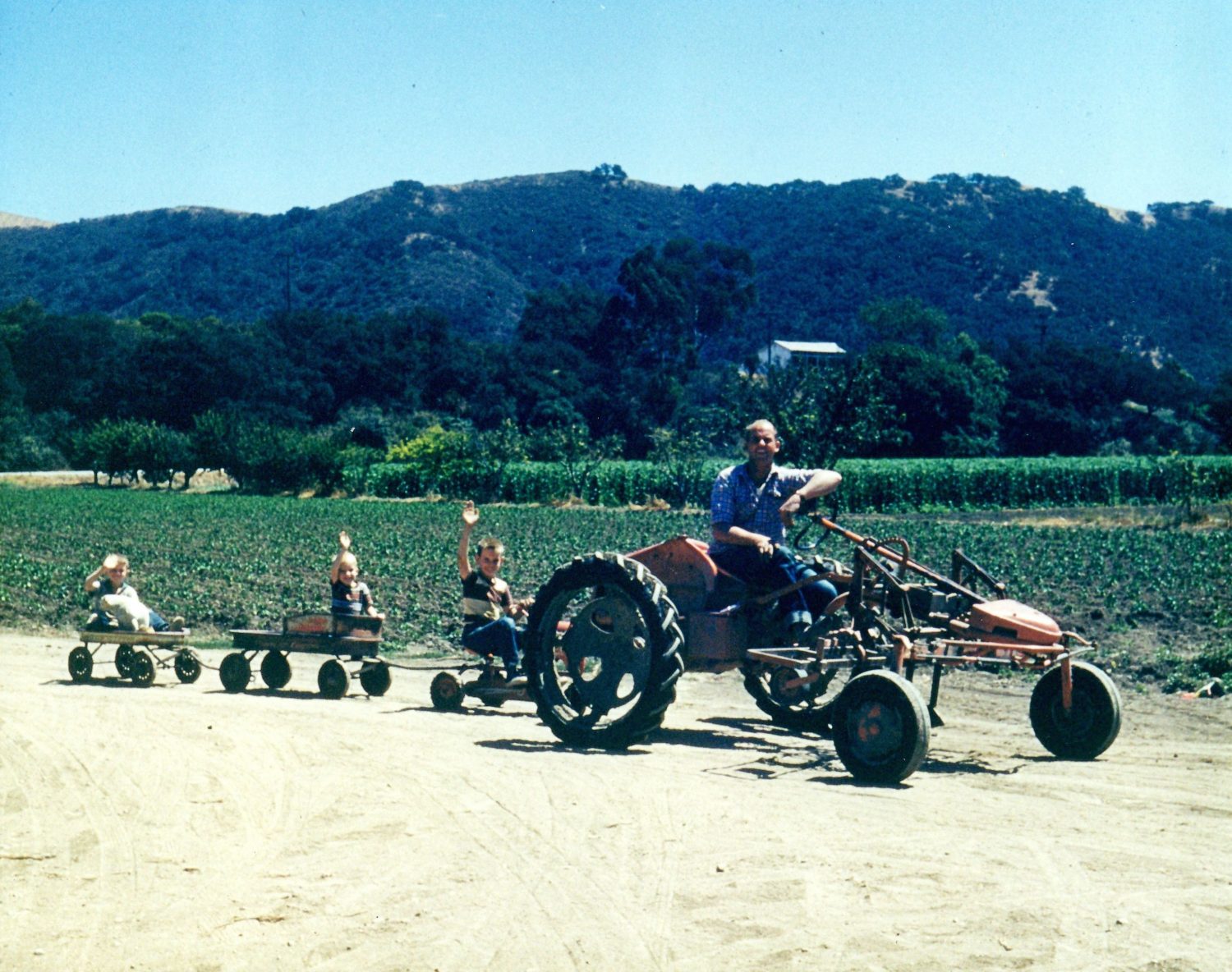
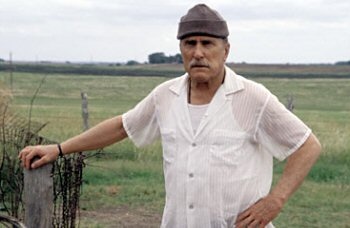
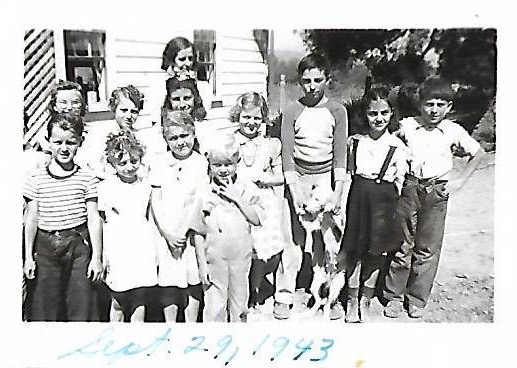
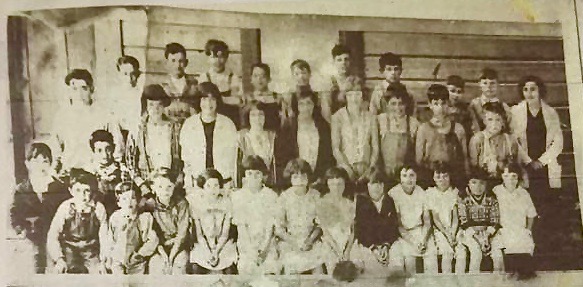
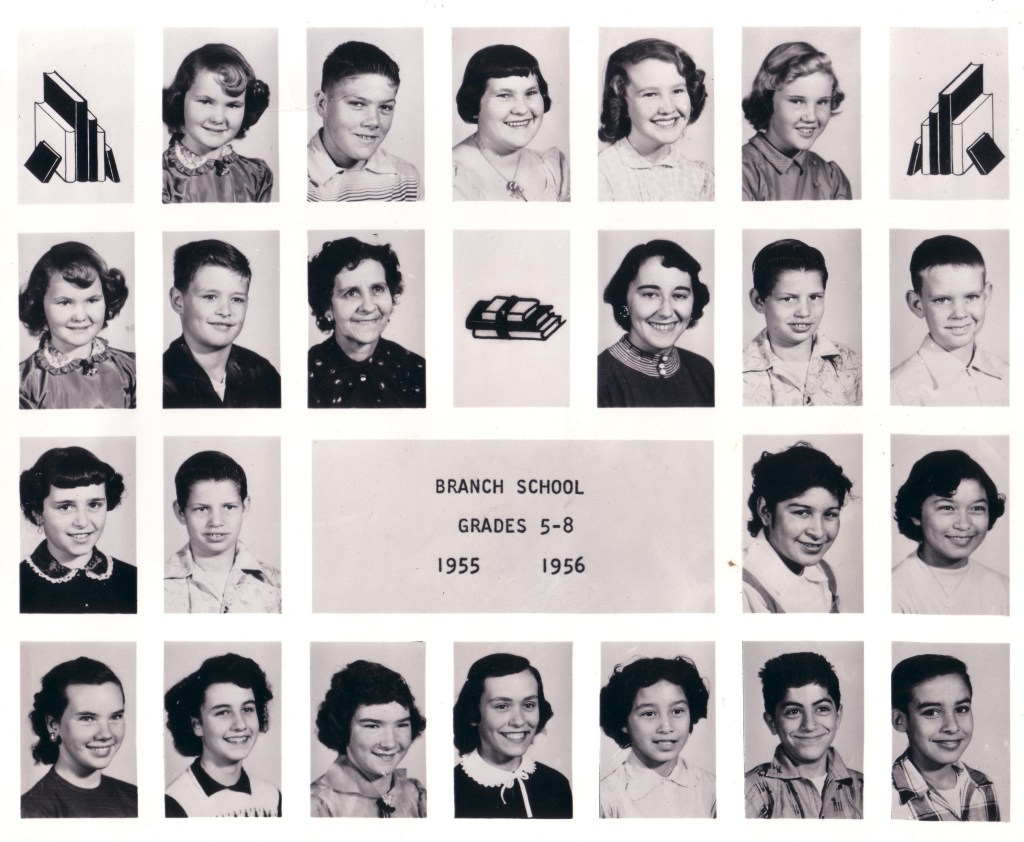
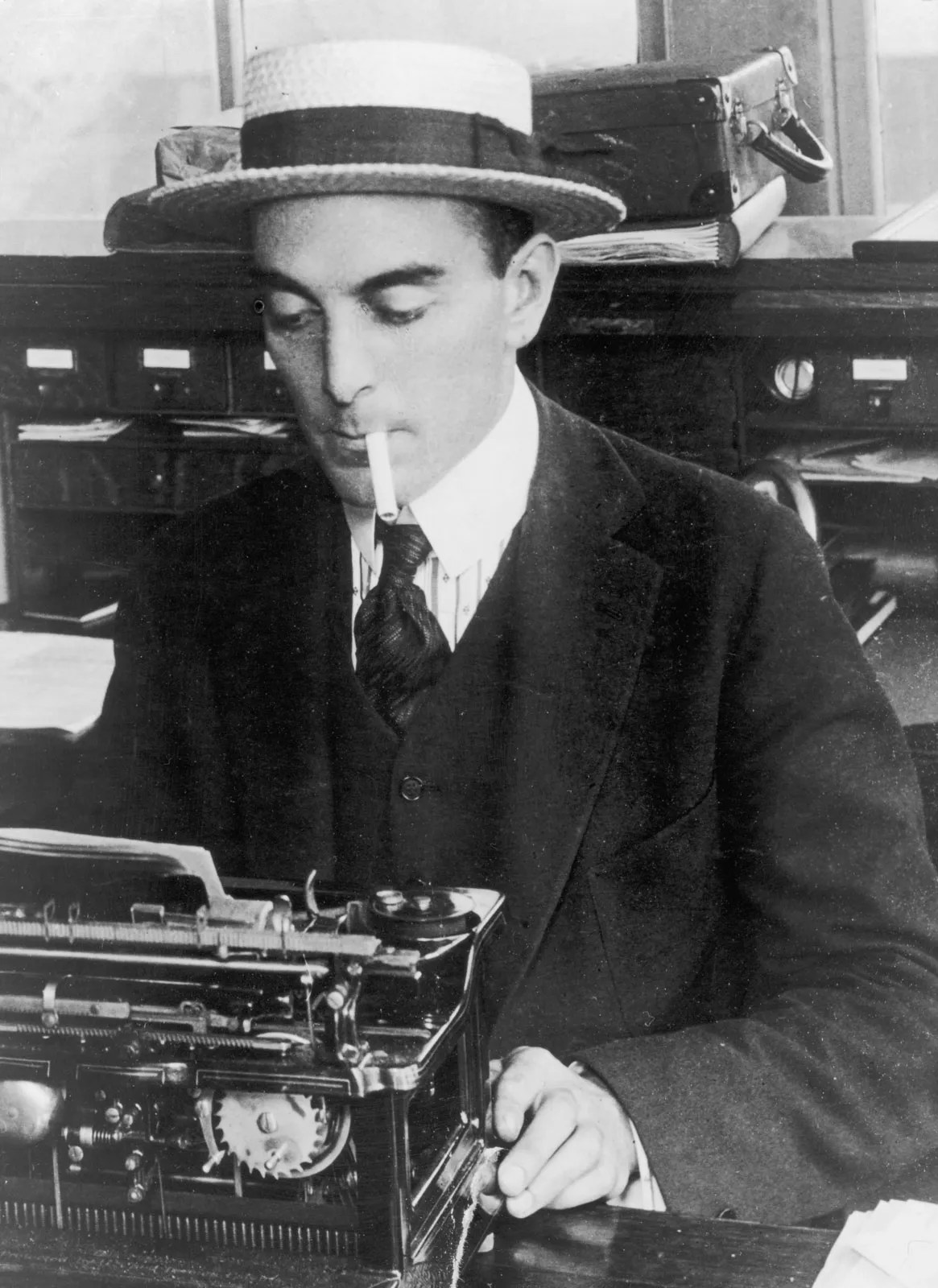
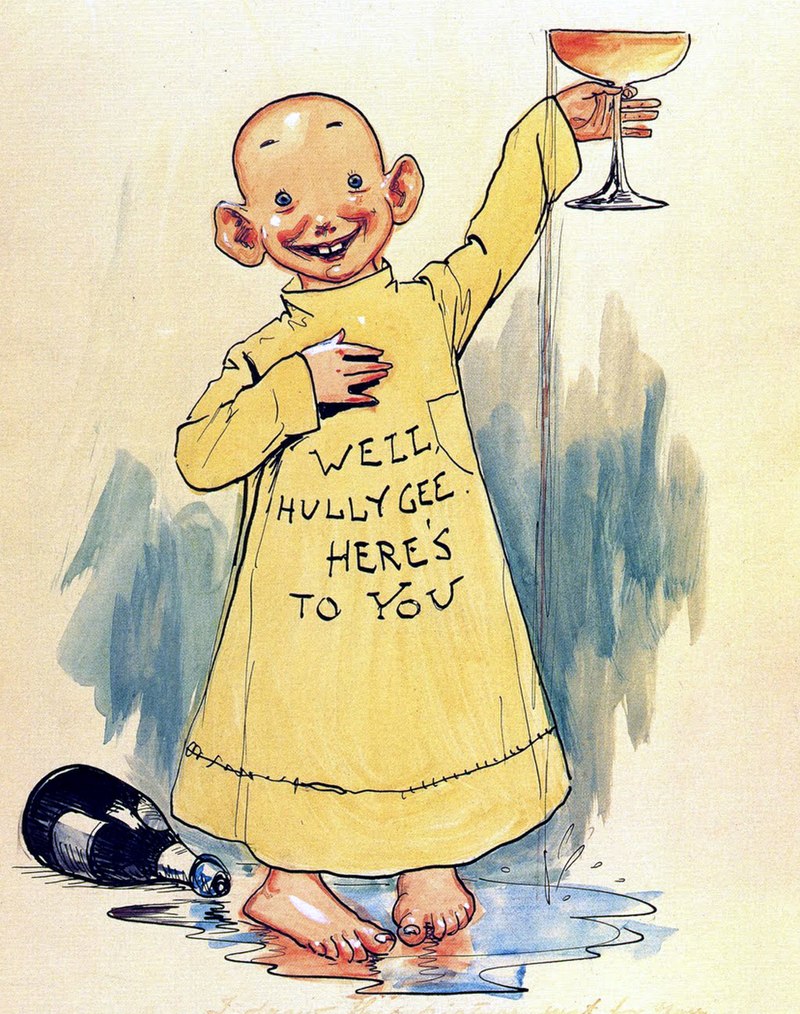
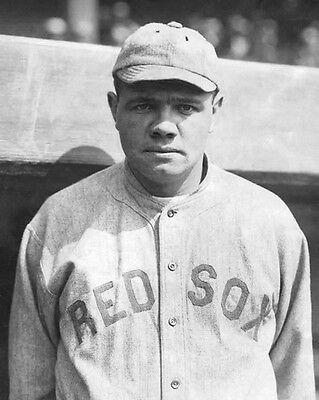






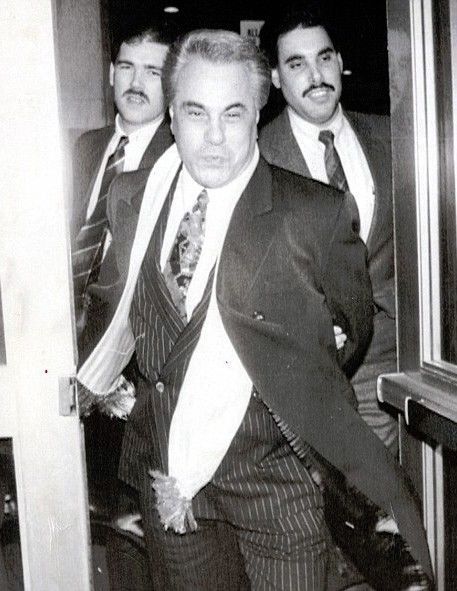



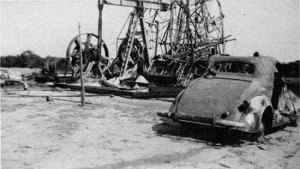

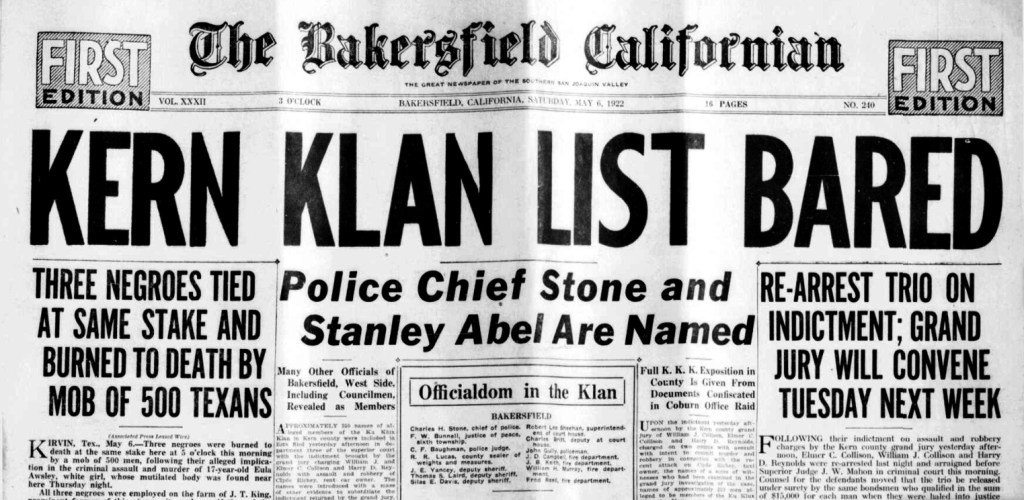
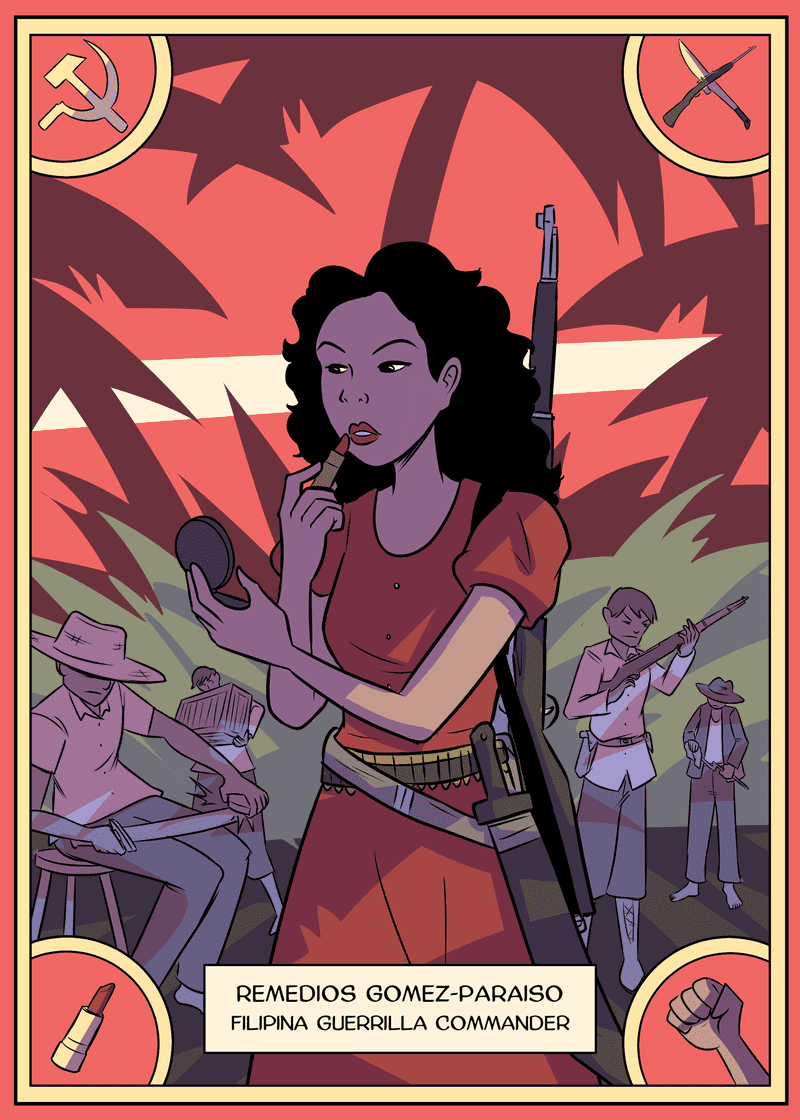
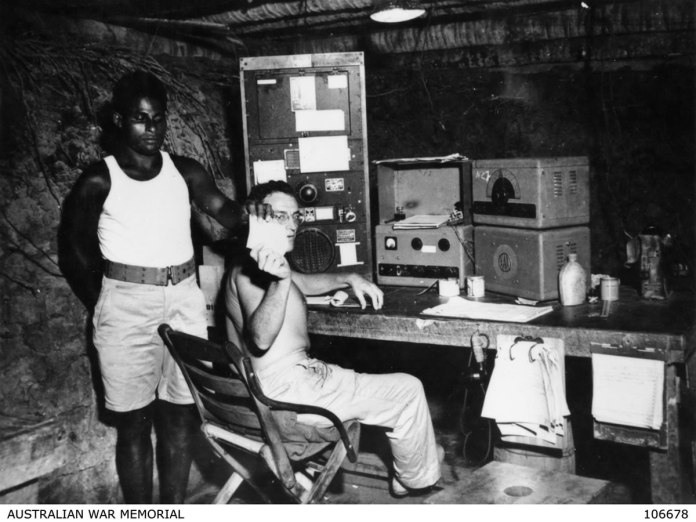


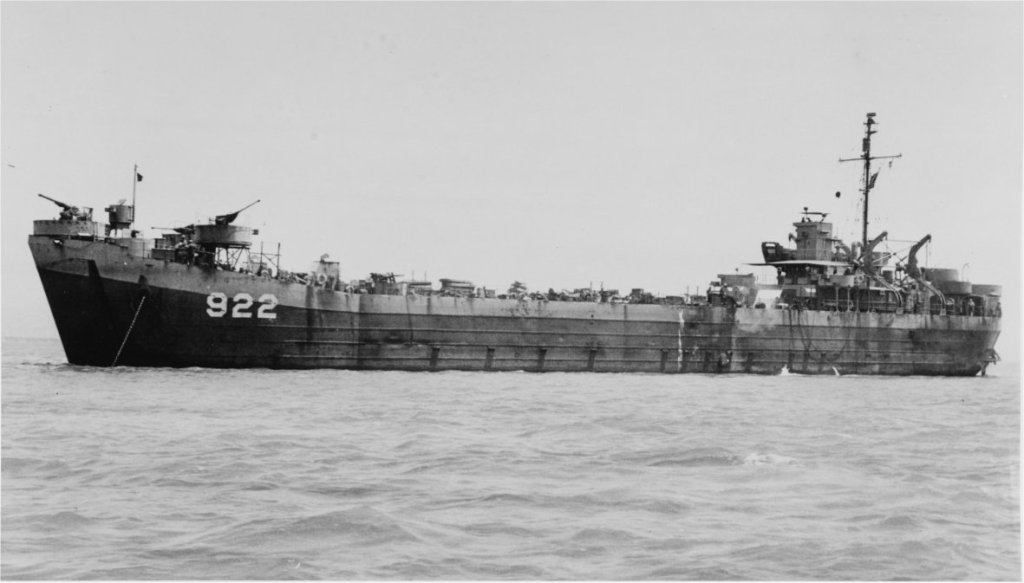
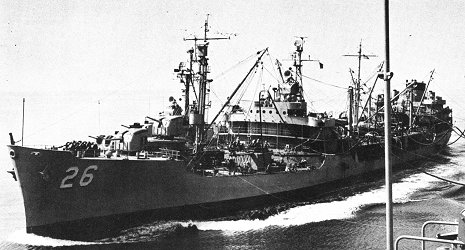


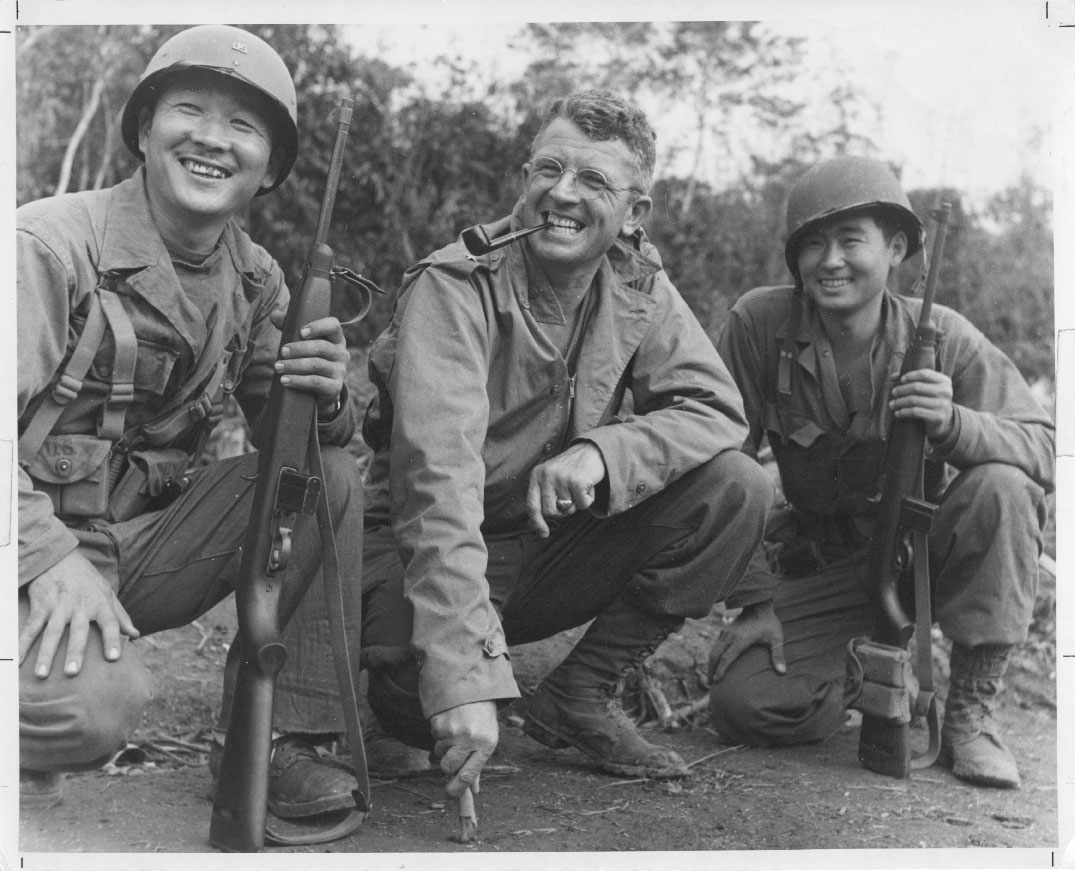


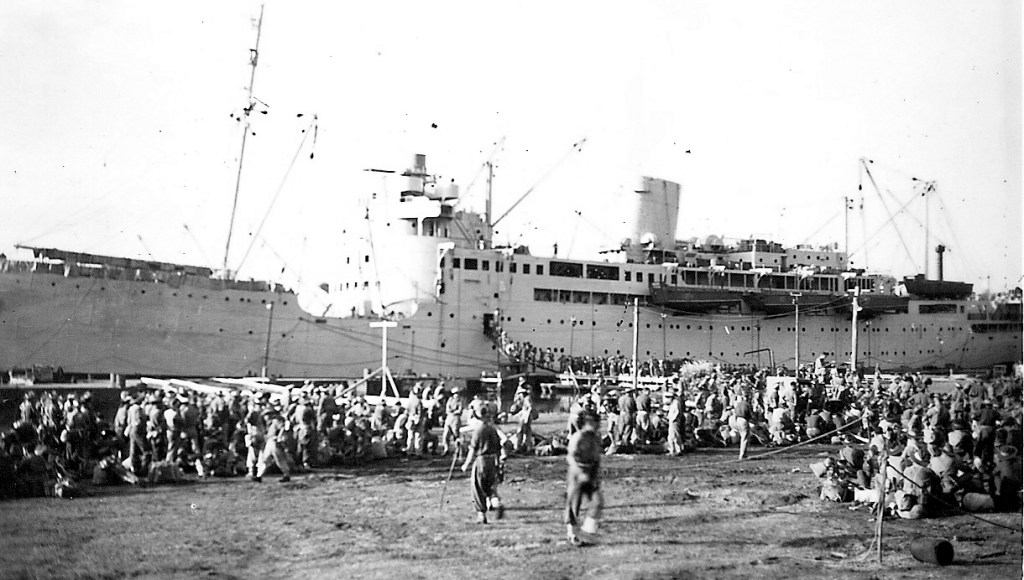
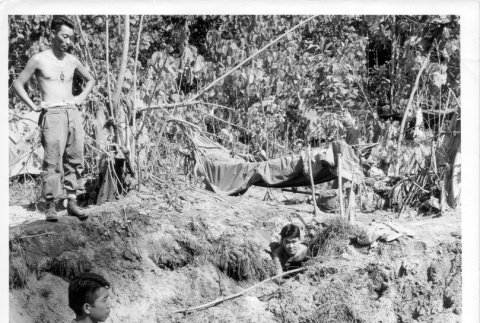
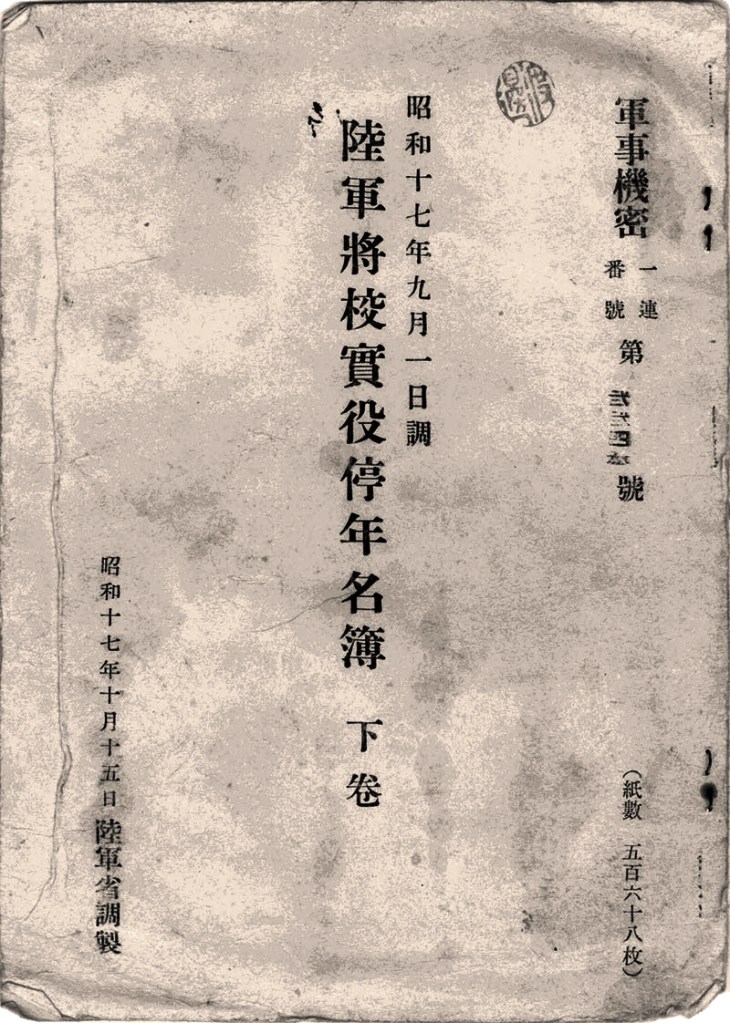
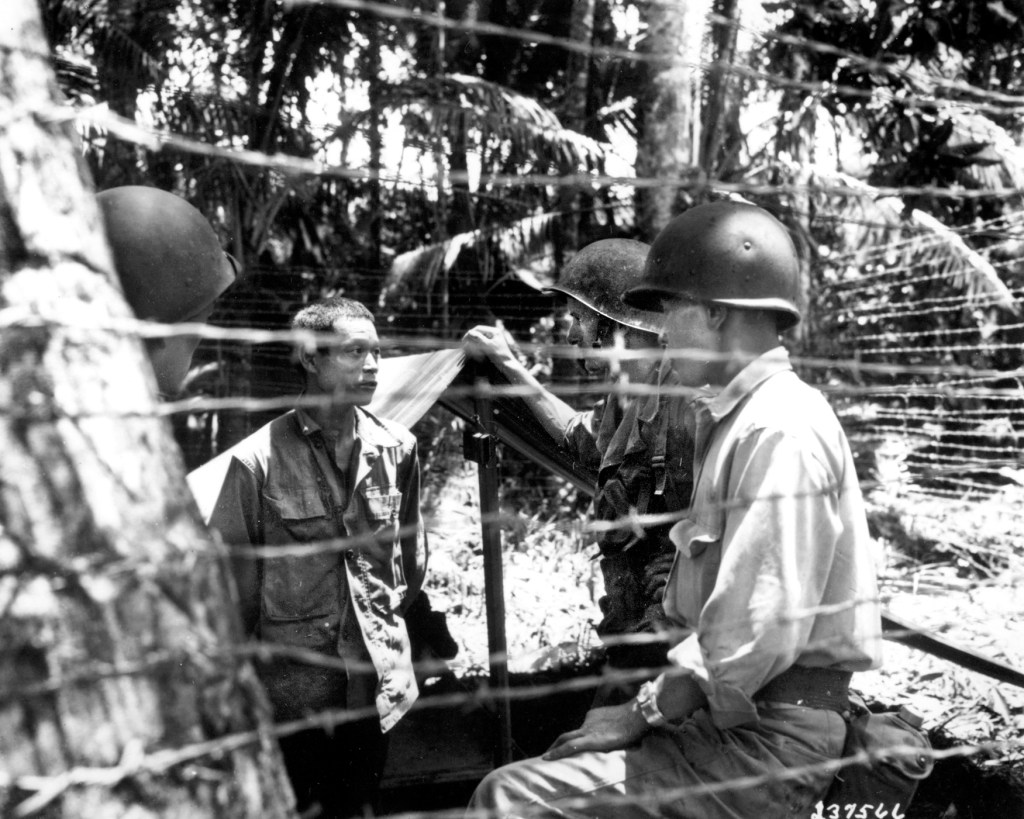
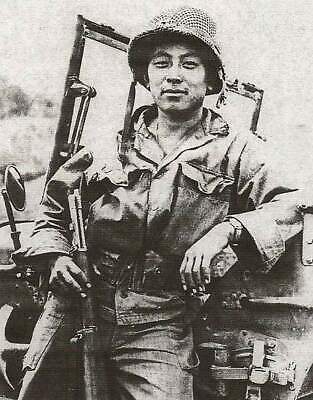
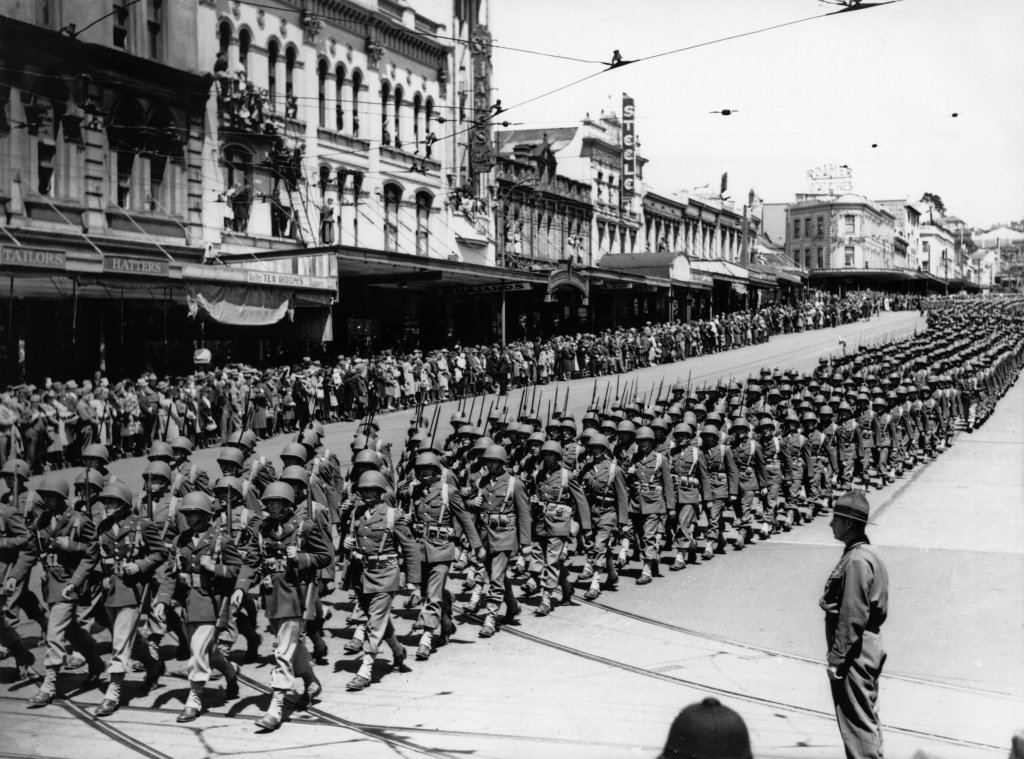
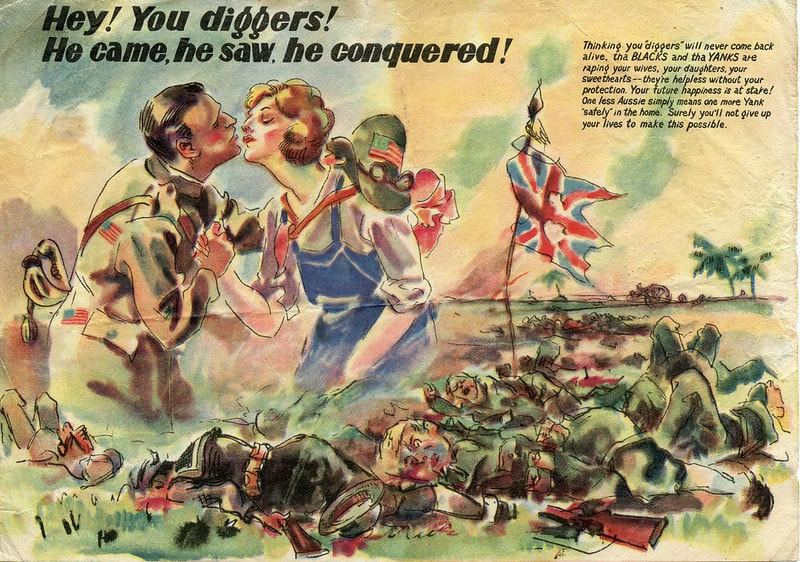
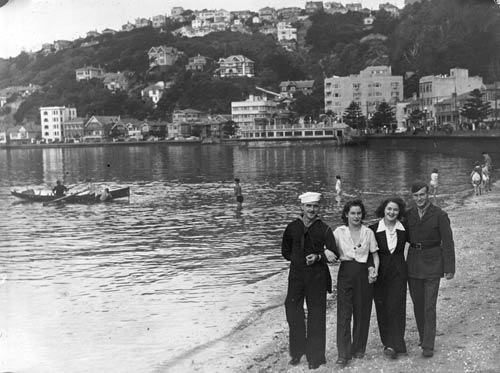
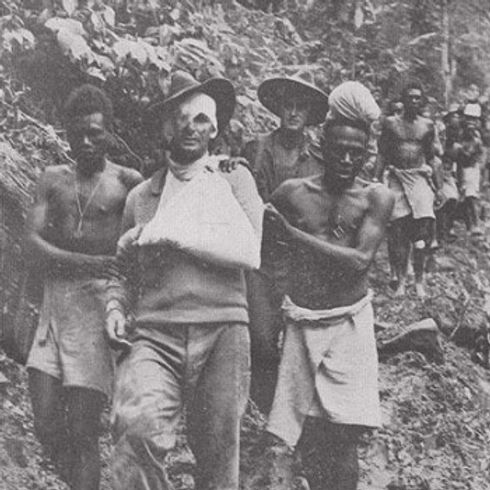

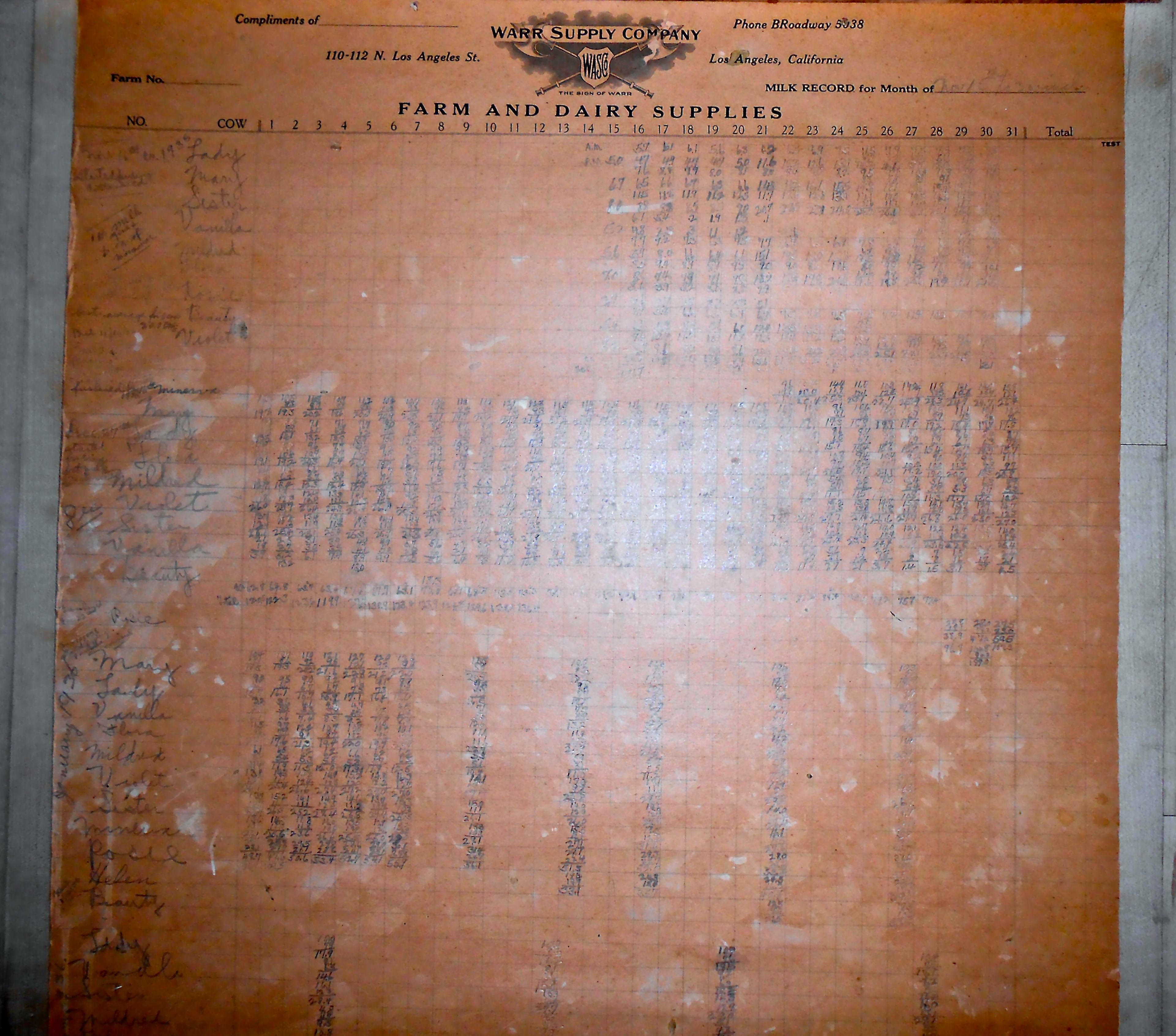
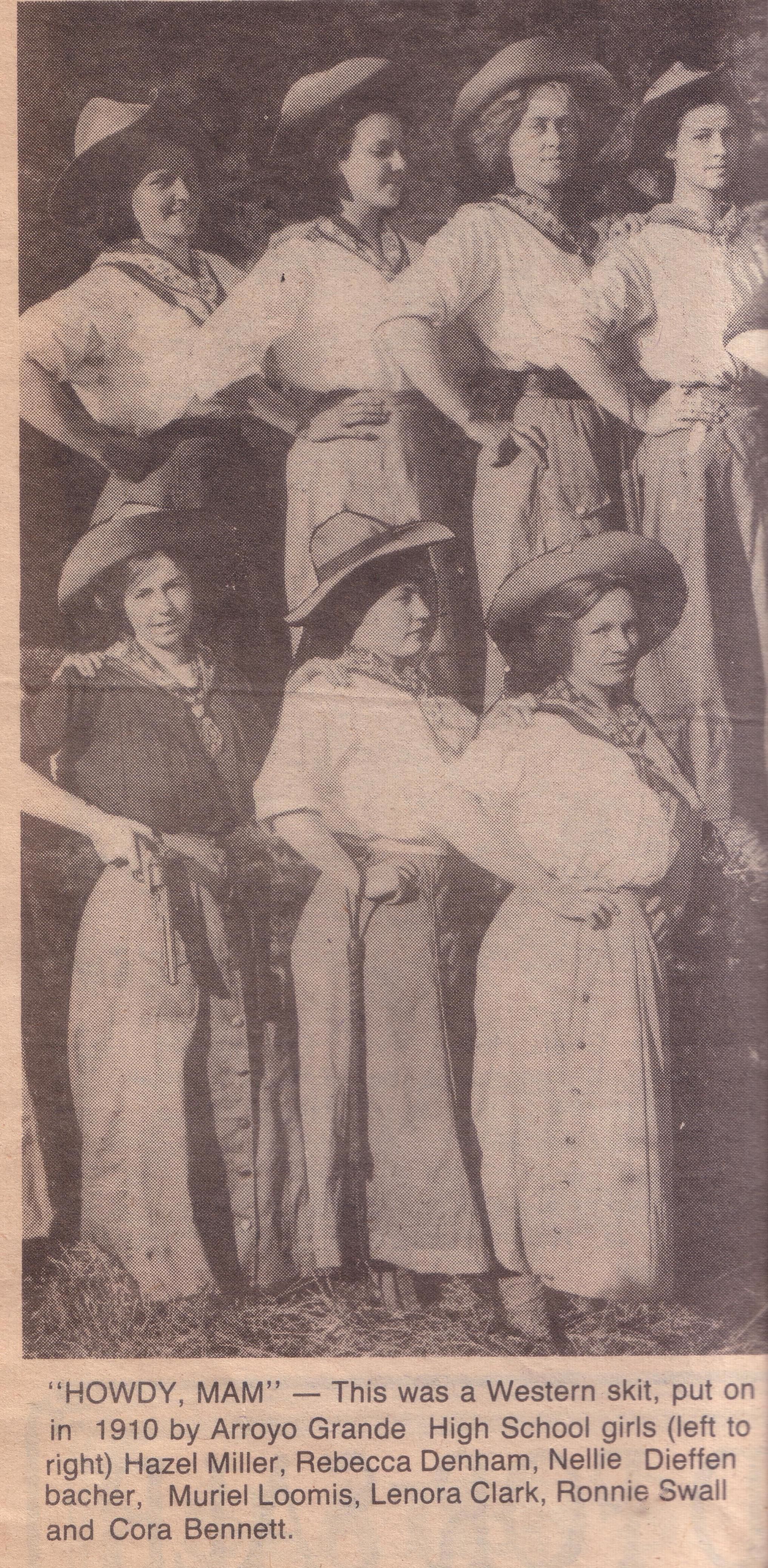
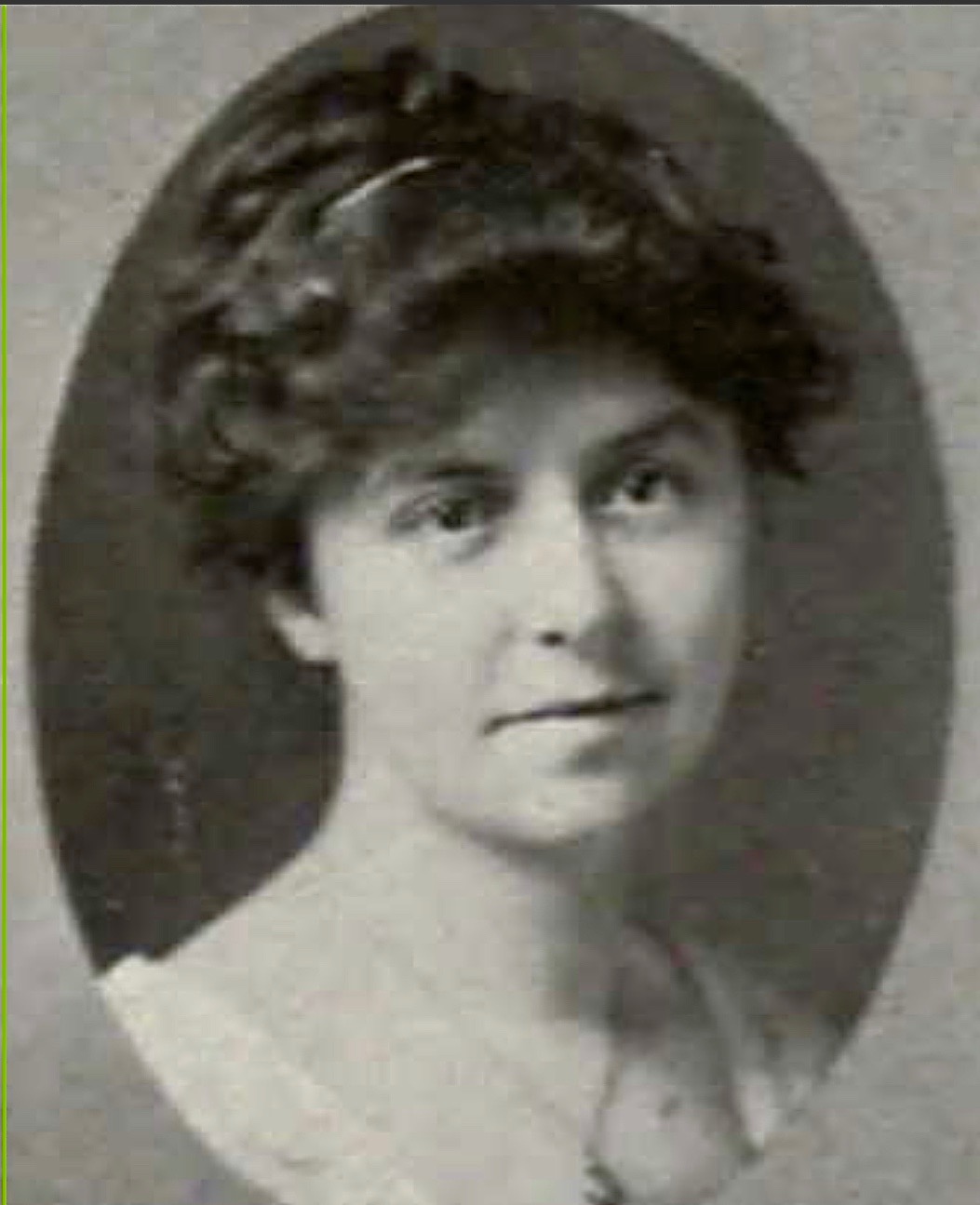

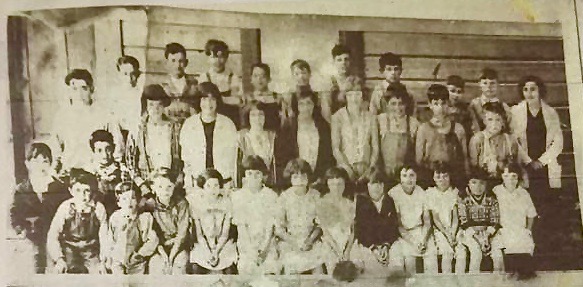
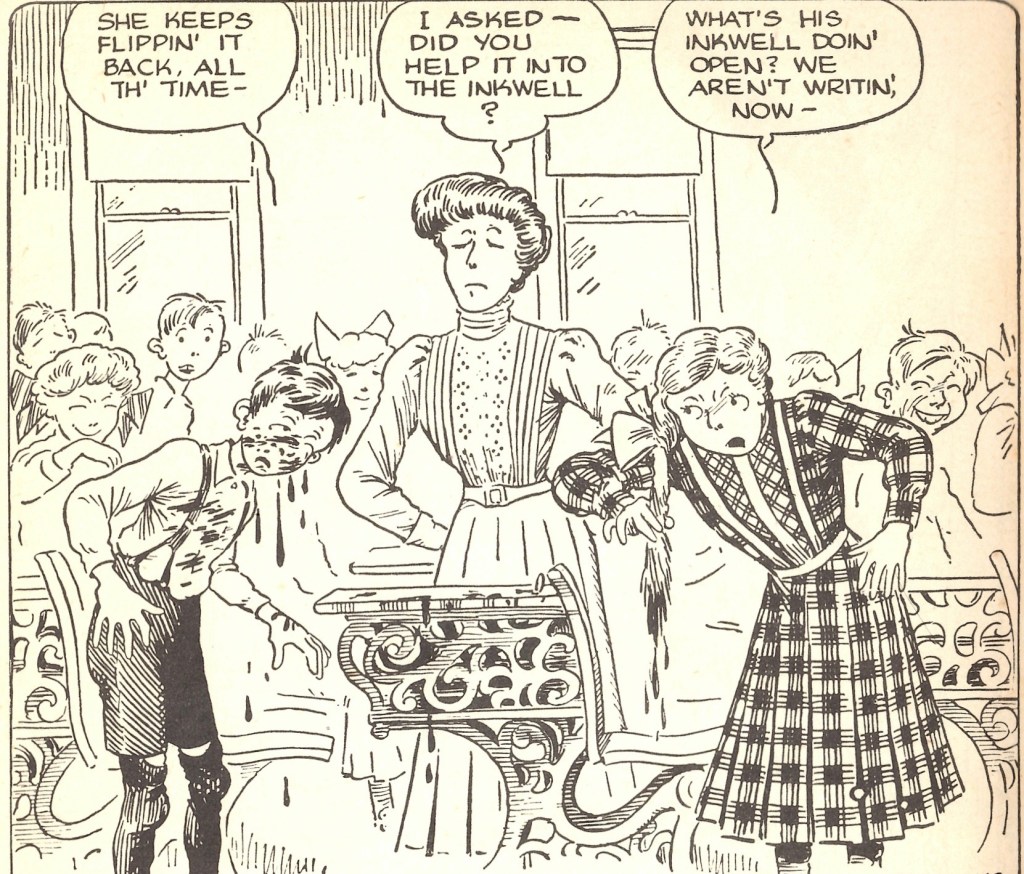
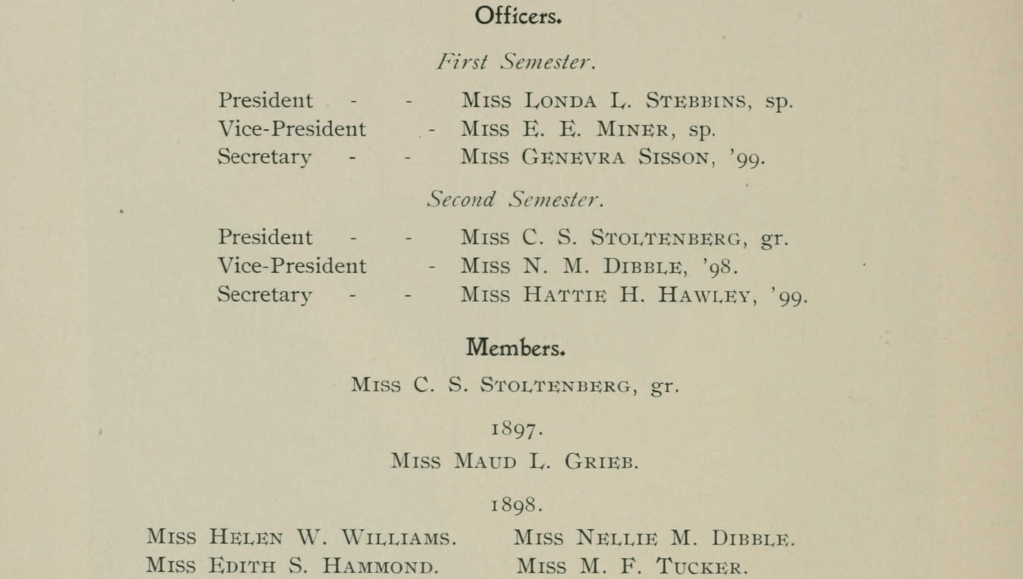
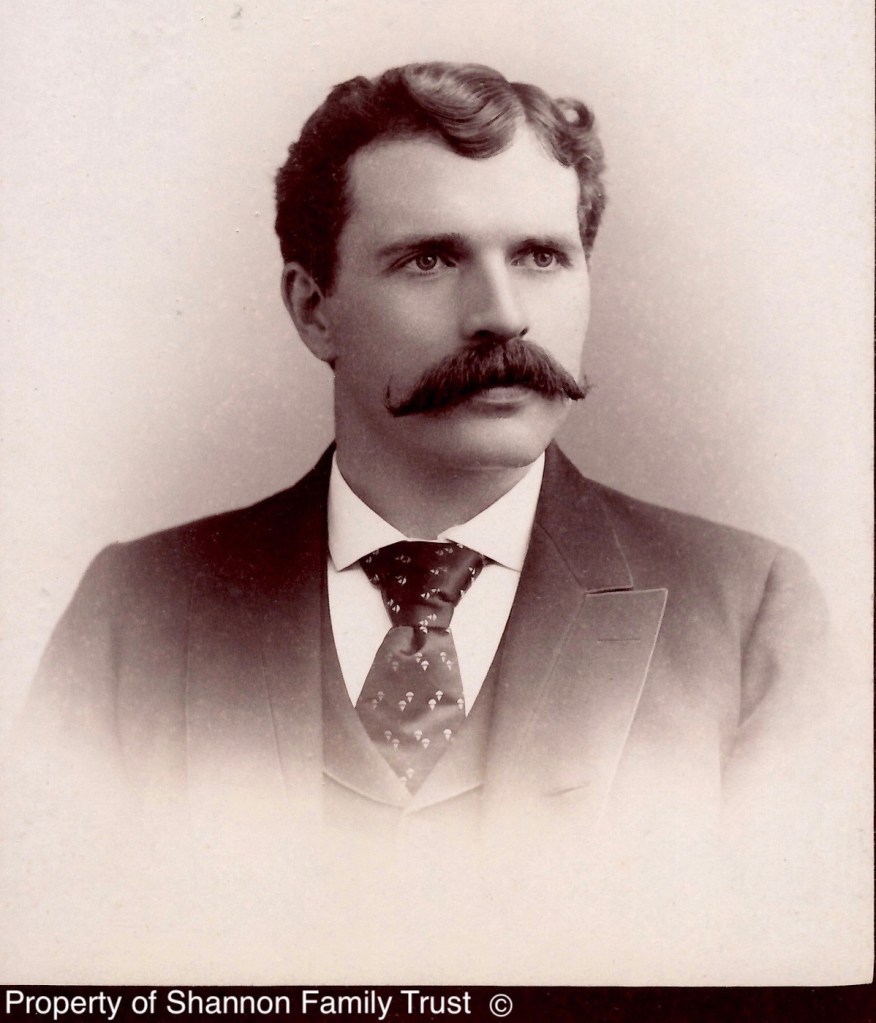

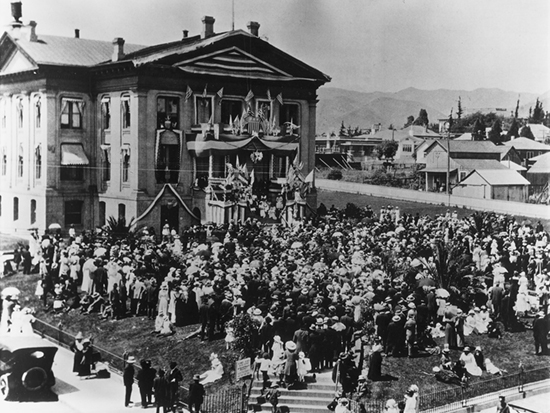


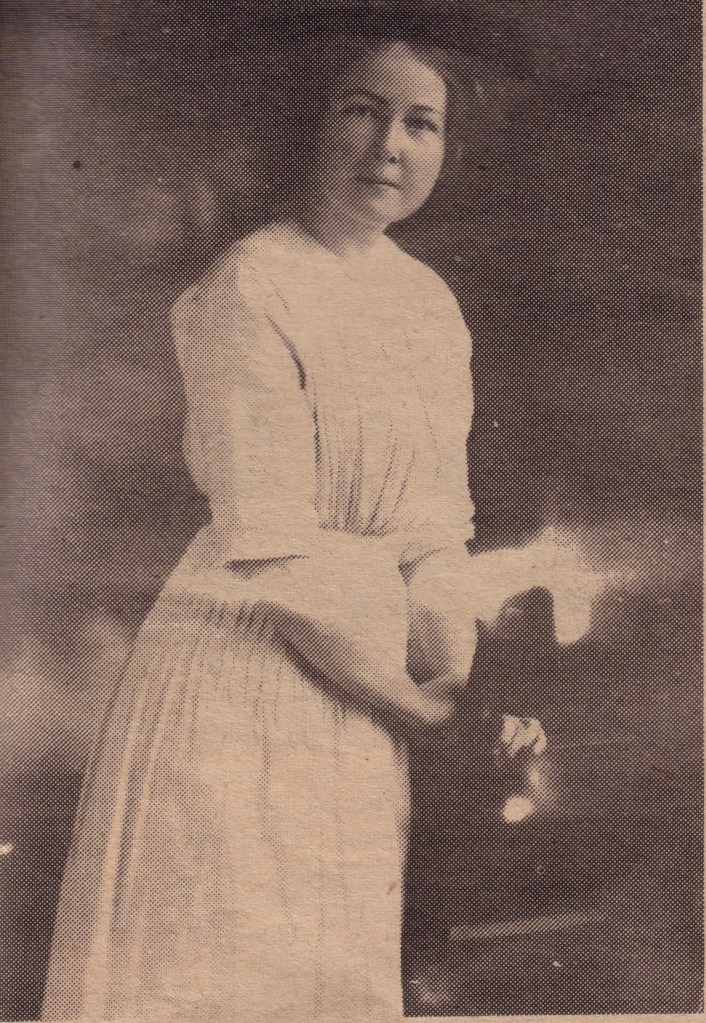
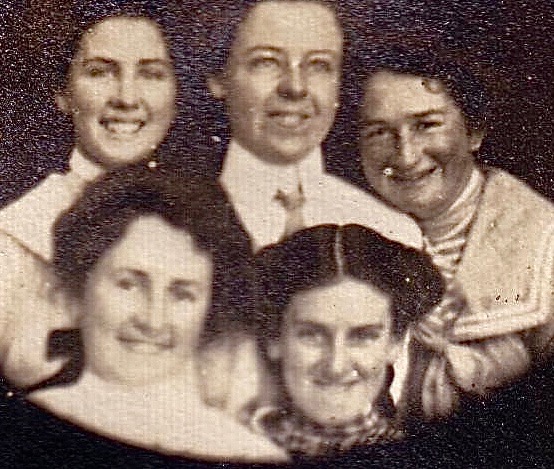
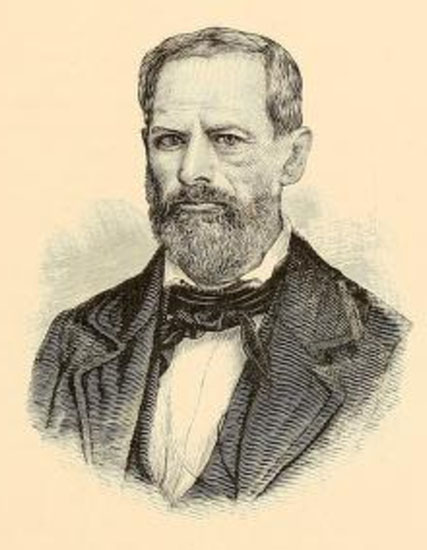
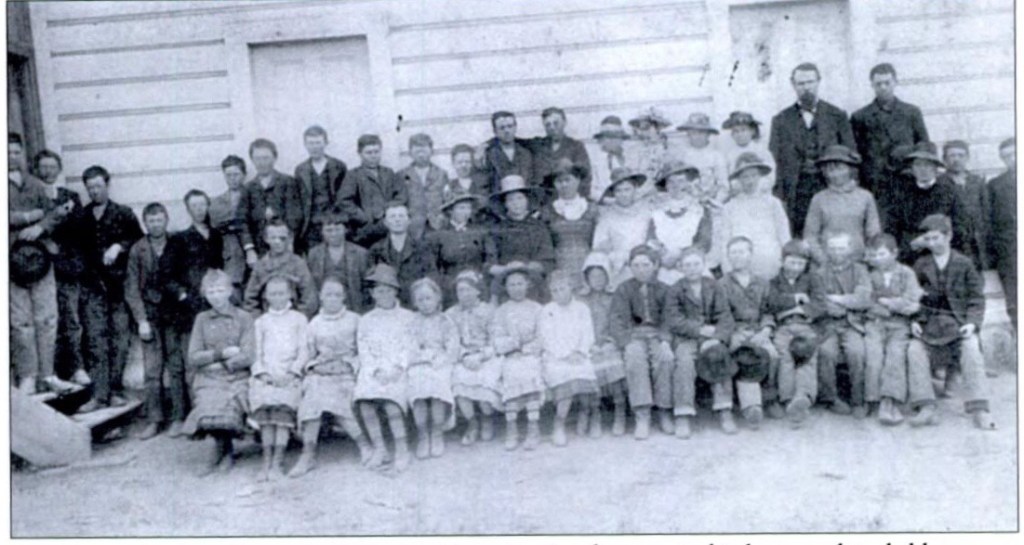
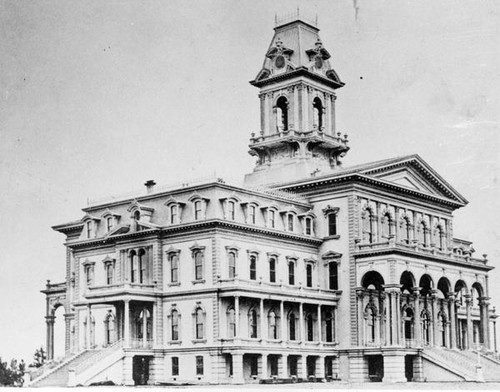

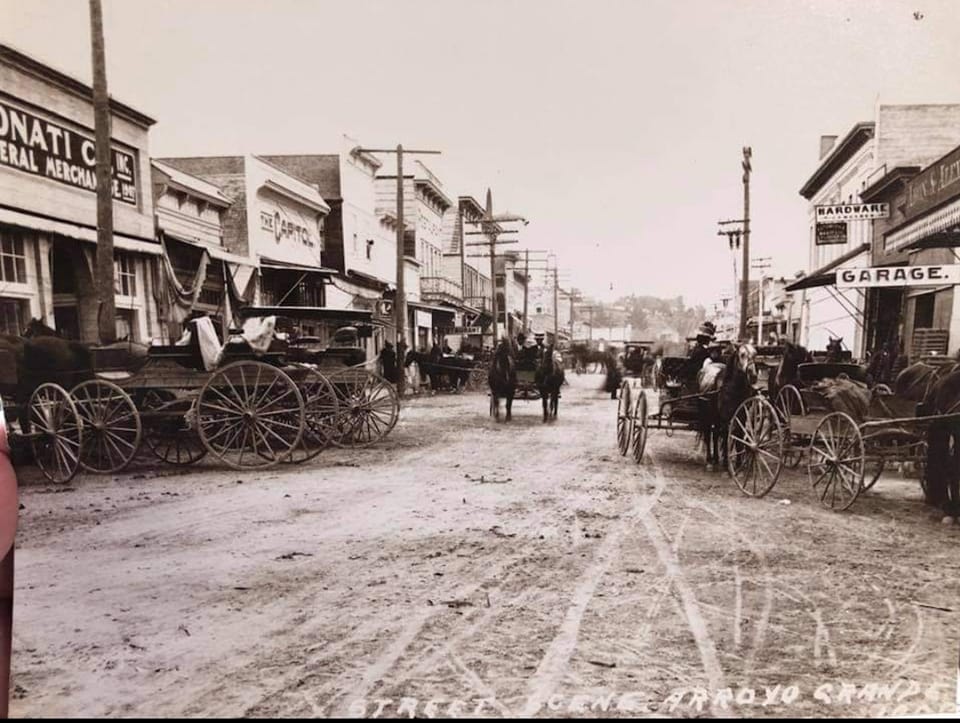


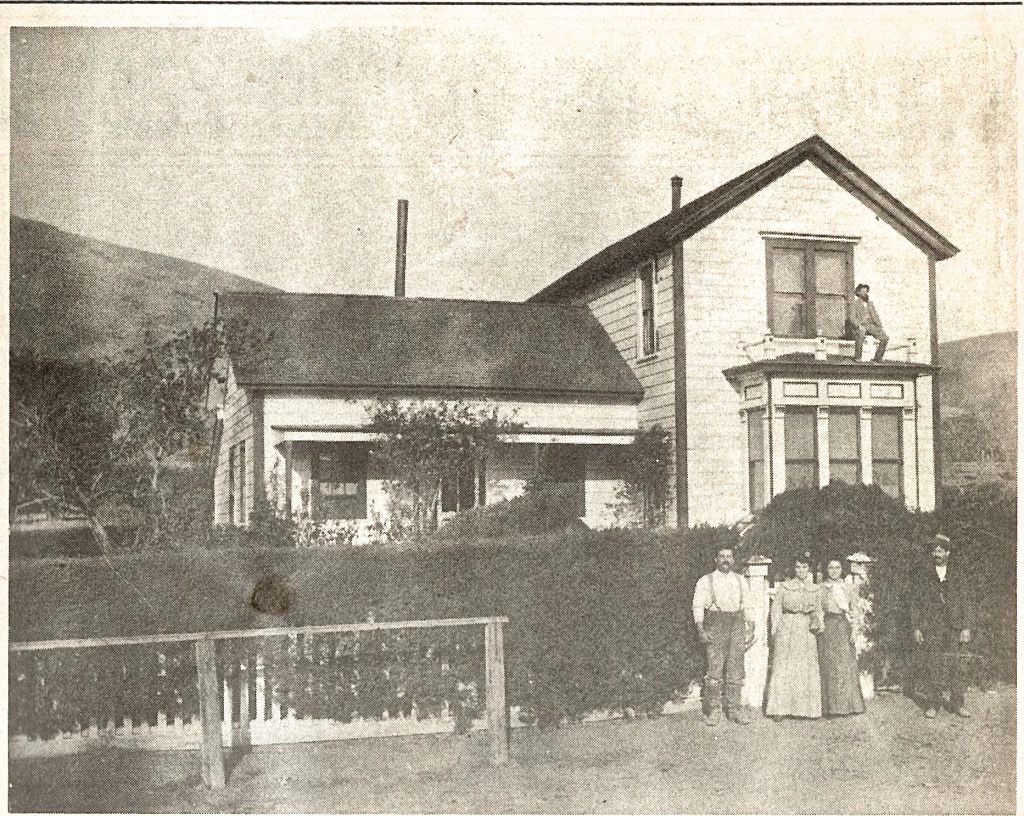

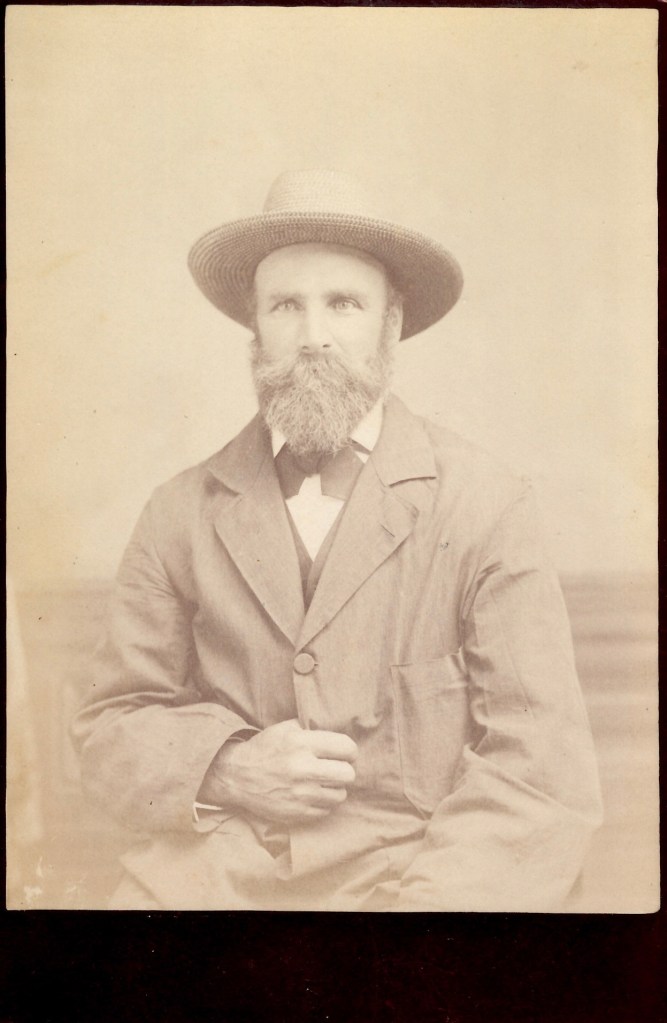
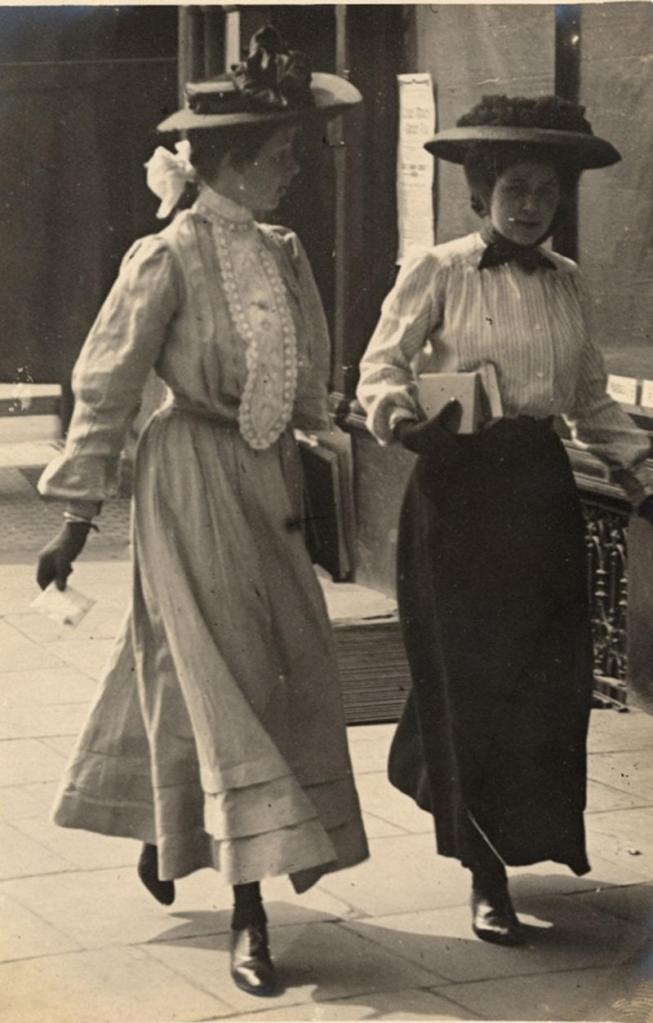
 atthetable2015