The Secretary of defense has ordered the renaming of United States Naval ships as follows.
The USNS Medgar Evers. The Evers will be recommissioned as the USNS Theophilus Eugene Connor (1897-1973) Eugene “Bull” Connor gained infamy during the spring of 1963 as the heavy-handed Birmingham police commissioner who turned power hoses and police dogs on the black demonstrators led by Martin Luther King, Jr. Bull Connor and Birmingham symbolized hard-line Southern racism. Connor’s actions received national and international media coverage, which dramatized the plight of black people in segregated areas, giving the civil rights movement much-needed attention. After viewing television reports of the fire-hose and police-dogs episode, President John Kennedy said, “The civil rights movement should thank God for Bull Connor. He helped as much as Abraham Lincoln.”
USNS Thurgood Marshall. The Marshall will be renamed the USNS J. Robert Elliot. Elliott criticized his own party’s president, Harry S. Truman, and federal legislation to ban lynching and eliminate the poll tax, and he had opposed creation of a Fair Employment Practices Commission. Elliot criticized Democrats of southern states who opposed the civil rights act. In his 1952 Georgia House campaign, he expressed dissatisfaction with attempts to end the all-white primary: “I don’t want those pinks, radicals and black voters to outvote those who are trying to preserve our own segregation laws and our sacred Southern traditions.”
USNS Harriet Tubman. She will be named the USNS Thomas McCreary. McCreary, a slave catcher from Cecil County, Maryland. Proclaimed a hero, he first drew public attention in the late 1840s for a career that peaked a few years after passage of the Fugitive Slave Act of 1850. Living and working as he did at the midpoint between Philadelphia, an important center for assisting fugitive slaves, and Baltimore, a major port in the slave trade, his story illustrates in raw detail the tensions that arose along the border between slavery and freedom just prior to the Civil War.
USNS Ruth Bader Ginsberg. The proposed ship will have its name changed to the USNS Roger B. Taney. Taney, an American lawyer and politician who served as the fifth chief justice of the United States, holding that office from 1836 until his death in 1864. In the Dred-Scott decision, Taney’s court declared that all blacks — slaves as well as free — were not and could never become citizens of the United States. The court also declared the 1820 Missouri Compromise unconstitutional, thus permitting slavery in all of the country’s territories. The case before the court was that of Dred Scott v. Sanford
Other proposed names to be deleted, Dolores Huerta, Cesar Chavez and Lucy Stone.
The Congressman John Lewis class of ships one of which was the USNS Harvey Milk. The class to be renamed for James Oliver Eastland who was a segregationist Senator and led the Southern resistance against racial integration during the civil rights movement, often speaking of African Americans as “A degraded and inferior race”. Eastland has been called the “Voice of the White South” and the “Godfather of Mississippi Politics”. His famous quote on politics in answer to a reporters question was. “I run on two things, bridges and “n*****s, ahm for one and agin t’other.”
Chief Pentagon spokesman Sean Parnell said in a statement that Hegseth “is committed to ensuring that the names attached to all DOD installations and assets are reflective of the Commander-in-Chief’s priorities, our nation’s new history, and the warrior ethos.”
“Our military is the most powerful in the world – but this spiteful move does not strengthen our national security or the ‘warrior’ ethos. Instead, it is a surrender of a fundamental American value: to honor the legacy of those who worked to build a better country.”
Although the Navy has renamed ships for various reasons, name changes are an exceptionally rare occurrence, especially after the ships have entered service.
The Navy is made up of sailors from every state, political party, ethnicity, sex and religion. Navy men and women represent the diversity of all Americans and for the sea going contingent particularly treasure the traditions and affection for the ships they serve on.
You could have a long and serious discussion on the “Whys” of military bases and ships but politics intrudes for all kinds of nefarious reasons having to do with who votes for you the political office holder. Traitorous Confederate Generals get a name though they and their political class fostered a war that killed nearly eight hundred thousand American boys and men. The first black associate justice of the Supreme Court, a highly praised legal scholar, Thurgood Marshall is erased over what should be the motto of this country, the most diverse on earth since the Romans. DEI, Diversity, Equity and Inclusion which perfectly describes the goals this country has pursued since it’s very beginnings. This is someones personal fever dream of hate and divisiveness. Some times we stumble as a people and fall down but the idea that the pipsqueak in the Pentagon can erase, not just a paragraph in a history book but the lives of people who changed this country for the better because he thinks that his Moral Superiority derives from the color of his skin or his belief in a vengeful God.
The writers point is to demonstrate the utter absurdity of the administrations goal of canceling all of whom they don’t like. Remember the minority, in the end, rarely prevails.
The names of the propose ships are a fiction used to prove a point.
Willian E. Lye is a writer who cherishes the title of Iconoclast given to him by Janine Plassard one of the worlds greatest educators.
Elwood, his name was Elwood Cooper and he owned the large Elwood Ranch in what is now Goleta and the adjacent hills. His first name lingers in several local place names including the oil fields. There are Elwood Canyon, Elwood School, Elwood Station Road, and a Goleta neighborhood. He ran cattle. He was a horticulturist and was best known for importing millions of Ladybugs from China to California which wiped out the black fungus that was killing walnut trees and saving that industry. He also imported the first Blue Gum tree which he though might be a good source of lumber. There are still thousands of Eucalyptus planted in wind breaks all over Southern California. This turned out not to be a wise choice.
After the death of his wife in 1909 he sold out and lived the rest of his life at Santa Barbara’s Arlington hotel. The ranch was sold to the Doty family who kept the business until 1921 when it was foreclosed, auctioned off and was essentially dormant until 1927 when an exploratory oil well was drilled there by a company from Texas.
The first oil discovery in the area was in July 1928, by Barnsdall Oil and the Rio Grande Company, who drilled their Luton-Bell Well No. 1 to a depth of 3,208 feet into the Vaqueros Sandstone. After almost giving up they not only struck oil, but had a significant gusher, initially producing 1,316 barrels per day. This discovery touched off a period of oil leasing and wildcat well drilling on the Santa Barbara south coast, from Carpinteria to Gaviota. During this period, the Mesa Oil Field was discovered within the Santa Barbara city limits, about 12 miles east of the Elwood field. The Elwood Field contained approximately 106 million barrels of oil, almost all of which has now been removed. The field has been abandoned.
Elwood piers and wells. Elwood Field, Goleta, CA
Barnsdall moved Bruce up to Elwood in early 1929. Almost all the wells were being whipstocked trying to reach the oil sands covered by hundreds of feet of seawater in the Santa Barbara channel. His expertise was in high demand. The drill strings were boring diagonally down in to the field like the tentacles of a squid. The whipstocks themselves never saw the light of day, snuck in at night because no one wanted the competing oil company on the neighbor’s lease to know just what was going on.
The business was still the wild wild west. There was no government control on production. Small producers took no prisoners they just drilled and drilled. Since wells typically produced the greatest amount of oil when they were still new, the impetus was to never stop drilling. The big companies were no better. Over production was taking its toll at the gas pump but no one in the business cared. Neither did the Hoover government. The public liked the idea of .22 cent gasoline.
Times were still pretty flush during the postwar boom. Car companies were turning out automobiles as fast as they could and Ford, especially Ford with its emphasis on utility and low price was driving car production at a breakneck pace. In 1929 Henry Ford raised wages to $7.00 a day. The other auto makers promptly sued him citing unfair labor practices.
Wages in the oil fields were also high, seven to eight dollars a day. The length of a tour was now just 8 hours down from twelve. Things were better for Bruce and Eileen because he was able to spend a little more time at home though it also meant that the rigs now required two crews a day to make hole. As a tool pusher he was now required to supervise both crews not one.
It was rough work. Bruce wasn’t out of danger yet. In 1930, 67 oil workers were killed on the job. Blowouts, falling rigging, toppling derricks, explosions and fire were always a danger. There was rarely at time when there wasn’t something burning in the fields. Barnsdall, operating all over California sent them back to Oildale. a place where they lived for nearly a year. Bruce came home one day with the skin ripped from his fingertips to nearly his elbow peeled back. At the rig they had smeared some grease on the open wound, laid the skin back down and wrapped it in a dirty undershirt and sent him home. My grandmother opened it up, cleaned the dirt and stickers off, slathered it with Vaseline and wrapped in in a clean bandage which she cut from a sheet. He went back to work the same day. They were both tough people.
In 1929/30 they lived in Bakersfield in a house for the first time that was big enough for the whole family, Bruce Eileen and the three kids. It had enough bedrooms for each kid which was the first time that had happened. It was considered a luxury by the children because no one had to sleep on the couch or the screened porch. Wonder of wonder it had indoor plumbing. A faucet in the kitchen and a bathtub. No toilet though, you still had to use the “Backhouse” to do your business.
Robert Mariel and Barbara Hall, 1930. Hall Family photo
Bruce was getting a reputation for knowing what a well was doing. He could tell by smell and taste what was happening a thousand feet down. He could hear in the creaks and groans, what she was thinking. He had the drillers sense of where she was going. Kneeling on the platform you would have seen him sniffing at the casing head, taking a finger and tasting the liquid mud used to lubricate the drill string. How hot was the mud flooding up out of the well? What did it smell like, was that hint of rotten eggs? When traces of crude came up getting a little on the fingertips and touching it with the tongue to help predict its gravity, was in light and sweet or thicker, could it be chewed. There was even a difference when you wiped your hand on a rag, did it soak right in or stick to the surface. Was there gas coming up, how much pressure was pushing it? There were a thousand indicators, the well was telling you its story. It had to be read on the spot for there was little scientific measurement in the oil patch just yet.
He always said that the kind of things you see in a movie, wells blowing up or a gusher blowing vast amounts of oil skyward could and would get your fired. Crude was money and the big men in the office wouldn’t be happy if a well got out of control. If you’re senses told you what was coming next you were a valued worker and grandpa was that. He had eleven years on the job and the experience was paying off. There were just a few thousand men working the rigs and people as good as Bruce were worth their weight in gold, or oil as the case may be. Word gets around.
Everything was looking pretty rosy. All three kids doing well in school, Mariel would be in high school in a year, Barbara in seventh grade and Bobbie in fourth. The kids were old enough now that their constant moving about had taught them how to quickly make friends. How to spot the popular kids who were school leaders and elbow there way into the group. Their parents sat them down and counseled them on the best way to survive as the constant new kid. Moving two or three times a year from school to school strengthened their social skills. I remember my mother, Barbara, the second child could make a friend in about two seconds.
Something bad was lurking in the United States and the world though. On the surface was the gloss of good times shown brightly but they masked something sinister. By the end of the decade cracks would begin to show though no one seemed to understand the why or what of it just yet. Let the good times roll.
Life magazine cover. Art, John Held JR. November 1926
All during the twenties in the aftermath of the war the times were good, very good. Society had rapidly changed. The old song which opined that soldier boys who had seen gay Paree wouldn’t want to go back to the farm was true. Young people saw skirts go up, way up. Flappers wore silk stockings. They rolled them over a rubber band just below the knee slipped a flask of bootleg whiskey under their garters and shimmied like their sister Kate. Hair was bobbed. Silk undies, just a chemise and a pair of step-ins, let’s party like 1929.
Miss Bee Jackson 1925, The Charleston Girl. British Pathe photo. Youtube.
Henry Ford was turning out the Flivver by the millions, they cost just over two hundred dollars and the kids soon discovered that petting on the back seat was a delight. They wanted to go and party with Jay Gatsby on long Island. F Scott Fitzgerald helped open the door.
It Wouldn’t last.
Chapter 14, coming soon. Disaster.
Michael Shannon is a writer. These stories come from his mothers side of the family many of who spent more than sixty years in the oil patch.
…or how scribblers turn a joke, a phrase, a story.
When newspapers were the only mass communication in the country they reached nearly every home. My dad drove down to Kirk’s Liquor every morning after his men went to work and bought the LA Times and the Wall Street Journal. The big boys dominated and some said “Made” the news. The term Fake news is neither Fake nor new. Reading the papers at the kitchen table in our home was a part of my education. Guided by my fathers exhortation that most of what you read was suspect and how you might find a way to validate that was how I was instructed. He said, “Always remember that newspapers are always owned by an individual with an agenda.” He advised that you do your home work, read a conservative view then a liberal view and that the answer lies some where in the middle. Maybe.
About the only place you see a newsstand anymore is in the old asphalt jungle, New Yawk, New Yawk. Once the center of the news world, publishing as many as sixteen dailies and uncounted numbers of weeklies. Hearst built his temple of journalism to Saint Francis de Sales patron Saint of newspaper scribes and never looked back. He fought a circulation war in the late eighteen nineties with Joseph Pulitzer of the NY World while Alfred Ochs was busily, quietly making the NY Times the most trusted paper in the country.
Hearst and Pultitzer invented Yellow Journalism in the 1890’s, a term that is a sensationalized style of news reporting characterized by exaggeration, vivid illustrations, and a focus on sensational stories like scandal and crime, rather than factual accuracy. The term is believed to have originated from a comic strip character called the Yellow Kid written by Richard Outcault. The Kid is considered to be the seminal comic strip for those we know today. My grandfather Shannon who palled around with Outcault said he never refused a drink which was his way of saying he was a “Hale fellow well met.” Jack Shannon could spin a tale pretty well himself.
The rival newspapers of Hearst and Pulitzer competed for readership by printing sensational news stories pitched at the lowest common denominator, thus inaugurating the modern conception of journalism for a mass audience and gullible one too.
There were sporting papers for the Punters, guys like Nathan Detroit* who speculated on the ponies. Their were ethnics too. Papers in Yiddish, Polish, Italian and Rooshin for the reds to read. Lest the reader thinks newsmen are just hacks who couldn’t write books consider American writers like Bret Harte, Mark Twain, Jack London, Ambrose Bierce, Stephen Crane, and Damon Runyon. The original Rush Limbaugh, Westbrook Pegler had a Hearst column in which he preached hate and division and even Hearst eventually fired him. There were Walter Winchell, Dorothy Kilgallen, and Bob Considine too. Adolf Hitler, Benito Mussolini, and Winston Churchill, climactic figures of the twentieth century were contributors. Karl Marx, Einstein, Susan Sontag and the critic HL Mencken as well as James Baldwin wrote the news.
The greatest of sports writers, Ring Lardner, Red Smith, Frank Deford, George Will, Roger Angell and Dick Young dispensed real insight into popular culture cloaked in sporting news. Jim Murray of the los Angeles Times and E B White of Vanity Fair didn’t write the nuts and bolts of games but looked to the humanity contained in it.
“The sports editor stuck is head out the office door, green eyeshade pulled down low, a chewed, five cent seegar clenched between his teeth. Swinging his head around he looked a human version of a snapping turtle. Hooking his index finger around the stump of rolled tobacco leaf he spotted Lardner. He sent a stream of tobacco juice in the general direction of the spittoon and bellowed, “Hey Lardner, gimme five hunert on dat busher from Balmer. (Baltimore) They call ‘Im Baby or Babe, sumpin’ like that. He licked the Yankees taday. Need it for the extra edition at five .”
BABE LICKS CUBBIES
BOSTON TWIRLER BLANKS CUBS, SOX IN SIX.
Beantown takes ’17 World Series.
For the scribbler in the newsroom, the idea…set the hook with an eye catching headline. Something to catch the eye of the Rubes. Something the newsboy could screech. Something simple, catchy, suck the penny right outta their vest pockets.
Newsboys with Morning Telegraph, New York City. 1899. The original Toughnuts.
Below are actual headlines which were carefully crafted to get attention from the buyer. Believe it or not there are archives and collections of the best and most amusing ever written.
OXYGEN KEY TO STAYING ALIVE.
CONFIRMED BY TOP SCIENTISTS
Breathing Found Necessary
Princess Kate all A-Titter
Princess and the Frog
Frog Photog, No Top Pix Draws Suit.
Princess Kate of Great Britain was filmed topless on a friends yacht. She sued a French tabloid and won.
I’M A CHEETAH
WOOD’S WIFE BONKS HUBBY WITH WEDGE
Tiger Woods, serial Tomcat Bogies out of his marriage. Lock up the waitresses!
CLOAK AND SHAG HER
CIA BOSS ADMITS AFFAIR
General David Petraeus resigns over the outing of his affair with his biographer. Headline, considered tasteless at the time would barely be news today.
‘Headless body in topless bar’ was voted as one of the greatest newspaper headlines of all time by New York magazine. It was written by the Post’s larger-than-life managing editor Vincent Musetto. Murder by Wife always gets the lead..
No More Mister Wiseguy
MOB RAT BLASTS YAPPER DON
Gabby Gotti Ruined the Mob says GambinoCapo
State Population to double by 2040
Babies to Blame
OFFICIALS CONCERNED, SAY NIX TO SEX
I was thinking about papers today after reading an essay by Steve Rushkin, a writer for Sports Illustrated. In it he quotes Bobby Knight once the basketball coach at Indiana University who famously said of writers, “Everybody learns to write by the second grade, most of us move on to better things.” Most of us stop calling ourselves Bobby and quit throwing chairs by then too, but I get his point.
Don’t take yourself too seriously, have some fun. Also remember that what we know of our history we know because SOMEONE WROTE IT DOWN. There’s that Bobby.
Cover Photo: Ring Lardner at work for the Sporting News. Considered one of America greatest satirists he was a contemporary of Ernest Hemingway, Virginia Woolf and F. Scott-Fitzgerald. In 1916, Lardner published his first successful book, “You Know Me Al,” an epistolary novel written in the form of letters by “Jack Keefe”, a bush-league baseball player, to a friend back home. The letters made much use of the fictional author’s idiosyncratic vernacular. Lardner is well worth the read.
Nathan Detroit: A fictional rogue and gambler from the Play “Guys and Dolls.” Guys and Dolls is a musical with music and lyrics by Frank Loesser and book by Jo Swerling and Abe Burrows. It is based on “The Idyll of Miss Sarah Brown” .
Michael Shannon lives in California and writes for the heck of it.
The Shooter arrived in his Studebaker truck. His Torpedos rolling back and forth as he bounced up the road from Bakersfield. The wooden boxes which held the twenty, ten quart cans of Glycerine, all packed tightly in a wads of excelsior, held securely in place by the sideboards, strapped down. Roped in tight. His was a job that allowed no mistakes. A job for a calm and very careful man. Perhaps a man who liked to blow things up. The boy who blew up coffee cans with firecracker was a natural.
The Shooter and his Torpedos.
Oil isn’t easy to find. Sometimes when you find it its impossible to get to it. When Bruce’s well got down into the oil sands he knew from the debris in the bailer. Sometimes, though the presence of oil in the samples was small and the decision was made to send a torpedo down the hole and try and fracture the formation by setting of a blast and setting the oil in the mineral free. Oil flow could be increased many times over if they were successful.
Contractors that did the “Shooting” were a highly evolved trade. Sending a hollow tube packed with a couple hundreds pounds of jellied Nitroglycerine down a well took some nerve and a great deal of skill. Men who made a career of shooting were few.
In 1867 the chemist Alfred Nobel found that by taking Nitroglycerine, an extremely unstable compound and combining it with diatomaceous earth in order to make it safer and more convenient to handle, and this mixture he patented in 1867 as “dynamite”. Nobel later combined nitroglycerin with various nitrocellulose compounds, similar to, Collodion, but settled on a more efficient recipe combining another nitrate explosive, and obtained a transparent, jelly-like substance, which was a more powerful explosive than dynamite. Gelignite, or blasting Gelignite, as it was named, was patented in 1876. Gelignite was more stable, transportable and conveniently formed to fit into bored holes, like those used in oil drilling.
The Shooter, Bruce and the other rig workers knew that even after all the improvements of the previous 60 years things could still go wrong. Bruce would clear his rig of all personnel, making sure that they moved as far away as they could from the rig to be “Shot.” No one argued.
Bruce was fortunate to work for companies who took this part of rig operations seriously. You had two choices, hire experienced outfits and pay the freight or independents who were cheap but had little experience and could be hazardous to the health of everyone around them, including themselves.
If your rig was down a bad road, they would send the drivers out, tell’ em to be careful, load the soup in the back of those old trucks and send ’em off. The trucks didn’t have any shock absorbers or padding or anything to give them protection, so those guys got more money than the Toolie and earned every cent. They could be driving down an old dirt road, headed to the well and the truck would fall in a chuck hole and that would be the last of them. Every once in a while if your ear was tuned to it you could hear one take off. Nothing to do for it but to hire a new driver.
Up at the north end a Wildcat well, Arnold No 3 hit oil sands but estimated production would not reach profitable levels so the decision was made to call in a Shooter and crack the formation at the bottom of the well in order to increase flow. It was well known that Wildcatters always hung from a shoestring financially and instead of hiring out to a reputable company the looked, instead for a Cheapo outfit. They soon found one, a father and son set-up who guaranteed they could bring Arnold No 3 in. They showed up on a Sunday, hauling their dope in an old cut down Cadillac car. They packed the torpedos with two hundred pounds each of Glycerine. Now, being either too inexperienced or too stupid and lazy to do the job right they hauled all their gear up onto the drilling floor. They used the sand line to hook up the first torpedo and lifted her up ready to send her down the hole. Too lazy to pull the Key from the rotary table, figuring the torpedo would just fit they lowered her down into the Key where she just barely fit. As they lowered away, the torpedo squeaking and scraping the sides of the Key. the drilling crew seeing what was going on backed away until they were a hundred yards away for safety’s sake.
Sure as shootin’ the torpedo stuck in the key with about a foot showing and after some kicking an shoving the father took up a section of small 3/4 inch pipe and commenced to banging away, trying to get it to move. The drill rig boys saw that and turned and began to hotfoot it as fast as they could, putting some distance between themselves and the fools on the rig. The boy took another piece of pipe and started hitting the other side of the torpedo from the father, banging and banging. The slowest, youngest roughneck got behind a small pepper tree and leaned against it hoping for the best. After a minute or two the Nitroglycerin in the torpedo got tired of being abused and lit up with a roar. Father, son, rig and the Caddie vaporized. The roughneck, more than a hundred yard away was killed by the Cadillac’s door slicing right through the tree and the boys neck.
The Blast Site, Oildale, California. 1936 Note the missing passenger door.
When the dust cleared, there was nothing left of the rig or the men on it, just a huge crater nearly thirty feet deep. No part of the father and son was ever found, not a finger or foot, though they looked all around wanting to find something the poor wife and mother could bury.
The next morning, driving to work along the Valley Road, now north Chester Avenue a pusher for Standard Oil found a wheel from the Cadillac lying in the road, more than two mile from the blast site.
With a little common sense and an abundance of caution Bruce had now survived in this dangerous business for nearly a decade. The danger you can see is avoidable but the danger you can’t is not. Looming on the horizon was something that would throw the family into crisis.
The price for barrel topped $ 3.00 in nineteen and twenty and had, because of massive over production, been sliding downward. By the 1920s the automobile became the lifeblood of the petroleum industry, one of the chief customers of the steel industry, and the biggest consumer of many other industrial products. The technologies of these ancillary industries, particularly steel and petroleum, were revolutionized by its demands. With no industry organization or government oversight established corporations led by the ever hopeful wildcatters drilled and drilled and drilled.
Henry Ford’s River Rouge plant had geared up for the new Model A in fall 1927 and by 1928 was rolling them off the assembly line at 9,000 cars a day. Mass produced and marketed you could get a snazzy Ford Roadster for $385.00. Didn’t have to be black either, unlike the venerable old Model T which came, as Henry said, “In any color as long as its black. By comparison. Douglas Fairbanks and Mary Pickford, owners of their own studio and without a doubt the best known film stars in the world really tooled around in a Duesenberg Model J which retailed for $8,700.00 dollars or about the cost of five average homes. It’s not likely they actually owned the Model A they are standing with. If they did, the cook and the maid used it to run errands.
Doug and Mary, 1928, with the Model A Ford.
Bruce and Eileen were doing well enough. By 1928 the two girls, Barbara and Mariel were twelve and eleven about to enter high school and little brother Bob, nine. High school beckoned. They had moved from the fields in the valley where Bruce had worked for Barnsdall Oil Company wells on both the east and west side.
It was a good time to get out of the valley. Oil workers were staging strikes on the Westside in Taft, Maricopa, Coalinga. The oil companies countered by trying to bring in “Scabs” from the bay area. Southern Pacific was happy to help as they had a major stake in production. Since the end of the war when wages rose the big companies decided they would put the squeeze on their labor and had gradually driven pay down. Strikebreakers, “Scabs” were protected by armed men, paid gunsels. county sheriffs and the police who knew where their butter was. The Southern Pacific RR was happy to provide trainloads of strikebreakers to the producers. There was some nasty businewss that took place at the SP depot when these trains arrived. Bruce was always concerned about things like this and after Casmalia never lived in the housing provided by the oil companies. They rented houses away from the central retail and housing districts. Oil towns were rough as they continue to be today. Gunplay, knives, drunkenness, prostitution and the company store with it’s outrageous prices were to be avoided, especially with three young children.
Taft was a “sundowner” town, which meant that if you were black or Mexican you’d better be out of town by sundown. The Ku Klux Klan was well organized and made sure that everyone knew Taft was a White Man’s town. A Kern County Supervisor, a certain Republican named Stanley Abel even had a mountain in the Los Pinos Wilderness area nearby named after him. It still is.
The Bakersfield Californian May 6, 1922
When confronted with this revelation, Stanley Abel was unapologetic to say the least. He said in a statement the day after the Bakersfield Californian published their report: “Yes, I belong to the Knights of the Ku Klux Klan, and I am proud to be associated with many of the best citizens of Taft and vicinity in the good work they are doing….I make no apology for the Klan. It needs none.”
Many in Kern county were not impressed. They started recall campaigns for Abel and others in city and county governments. Local newspaper the Bakersfield Morning Echo was staunch support of the supervisor, stating: “Those liberal Democrats promoting the recall of Stanley Abel are the enemies of good society and of the best interests of Kern County. A vote for the recall of Stanley Abel is a vote for the return of the vicious element and the vicious conditions which existed in years gone by.” Sound familiar? History allows the name to change but the song remains the same no matter the age.
The writer is the grandson of Bruce and Eileen, He and his cousins grew up with stories from the Oil Patch.
Landing Ship Tank was the official designation for the ship your dad traveled on to Luzon. The Navy thought that the name was adequate, they didn’t believe they deserved an official name such as those given to “Real” fighting ships. Sailors of course, being very young and with a patented sense of irreverence simply called them Large Slow Targets. Nearly forty were lost during the war so the swabs were right on the mark.
Disembarking from a large slow target, Lingayen Gulf Phillipines. US Navy Photo.
MacArthurs army charged down highway 55 towards the City of Manila. General Sasaki had chosen to leave only a few units along the 224 miles of the fertile Cagayan valley that runs down the center of Luzon. They convoys of American troops sped past Tarlac City, Angeles, San Fernando to Valenzuela on the outskirts of Manila proper. Though the allies had declared Manila an open city and had planned to bypass it. The Japanese were determined to defend it.
In the run down the valley, Some of the major guerrilla groups materialized out of the Corderillas and joined the regular tropps of the Eleventh and sixth corps. Groups led by Ramon Mafsaysay, future president of the Phillipine Republic, Russell Volckmann who was a West Point Graduate and had escaped into the mountains in December 1941 and led a guerrilla force of over 22,000 men*. Robert Lapham was a reserve Lieutenant in the 45th Regiment, Philippine Scouts and escaped into the jungle just before the fall of Bataan in 1942. Considered the most disciplined and successful of the guerrilla groups he moved into the Zimbales mountains where his 13,000 fighters fought with General Walter Kruegers sixth army.**
MacArthur ordered your dad’s team to Zimbales province where they were to be stationed in Olongapo City on Subic Bay. Subic was to be one of the prime the anchorages for the Navy as the Allies prepared for the invasion of Japan. By early 1945 the Navy operated over 6.700 ships of all types and Harbors like Subic and Manila Bay were essential to provisioning and maintenance.
Arriving at a large permanent base the team would have had the opportunity for the first time since landing on Luzon to strip off their filthy uniforms, shave and be relatively safe. For the first time in a long while the chances of being killed or wounded by artillery, Japanese bombers or snipers was behind them. For perhaps the first time your dad could stand up straight without fear of being killed. One MIS soldier said that when he moved into the Quonset hut he was to live in he was reminded that the slamming of the screen doors caused him to stand there and repeatedly open and close it because it reminded him of home so. He said it made him literally weak in the knees.
Hilo must have looked out at the country they were traveling and been reminded of his home in California. The land was gentle and planted in crops tended by families who lived on it. The feral and disturbingly inhospitable jungle, the Green Hell he and his friends had lived in for two years was replaced by a land more familiar to the farm boy from Arroyo Grande.
The island was such that a war of maneuver, where overwhelming numbers of troops and war machinery such as tanks an aircraft gave the allies a great advantage. American industry helped to turn the tide. I read of a German soldier captured in France asking his captors. “Where are your horses?” The Germans moved by horse drawn vehicles and had never dreamed of the American ability to produce. The Japanese Imperial army was equally amazed.
Highway South to Manila. War Department 1945.
The job of the MIS was to put together as much information as they could for the planners of the coming invasion of Japan proper. Captured documents, radio intercepts, military orders, maps and personal letters were to be collated in order to locate as precisely as possible every installation, road, railroad, landing strip In the islands. They even knew the home addresses of individual officers and enlisted men. It was a monumental task.
No longer suspect, Military Intelligence had long proved its worth. The battle of Midway, Guadalcanal, the island hoping campaign, MacArthurs drive up the southwest Pacific, The ambush of Admiral Yamamoto, Merrills Marauders, The mission in China supporting the armies of American General Stillwell and Chiang Kai-Chek, The battleship encounter in the Surigao Straits of the Phillipines along with the organization of the vast amounts of information obtained through all sources gave the allies an impressive view of the Japanes forces everywhere.
Housed in Quonset huts, hundreds of MIS translators worked around the clock preparing the information that would be need for what was planned as the largest invasion in history. The planning assumed multiple invasion beaches scattered around the Japanese homeland. In the coming invasion of Japan, the US navy planners favored the blockade and bombardment of Japan to instigate its collapse. General Douglas MacArthur and the army urged an early assault on Kyushu followed by an invasion of the main island of Honshu. Admiral Chester Nimitz agreed with MacArthur. The ensuing Operation Downfall envisaged two main assaults – Operation Olympic on Kyushu, planned for early November 1945 and Operation Coronet, the invasion of Honshu in March 1946. The casualty rate on Okinawa was to be 35% of all troops and with 767,000 men scheduled to participate in taking Kyushu, it was estimated that there would be 268,000 casualties. The Japanese High Command instigated a massive defensive plan, Ketsu Go (Operation Decisive) beginning with Kyushu that would eventually amount to almost 3 million men with the aim of breaking American morale with ferocious resistance. All men of any age, women and children were to be drilled for the effort. Thousands were issued sharpened stakes for use. The plan was for a resistance that would cause the ultimate collapse of the empire and the end of the Japanese nation. Resistance would be suicidal. Some estimates of American casualties ran as high as a million killed and wounded.
It’s impossible today to imagine what the military leaders and planners struggled with. Ordinary soldiers who were involved in the planning must have simply been sick at the thought. No one knew about the bomb. He wasn’t told about it until after President Roosevelt died on April 12th, 1945. From President Truman on down the inevitability of the holocaust in Japan for all countries must have been horrific. America was already exhausted. Too many dead boys to bear. Casualties in other allied countries were much higher than ours. In Great Britian there were literally nl boys left. Generals waited impatiently for 17 and 18 year old boys to graduate and be eligible for conscription. As in WWI these children were referred to as “The class of 1917” or “The class of 1944.” Back home in Arroyo Grande, class of 44′ boys included Gordon Bennett, John Loomis, Tommy Baxter and Don Gullickson who would all be in the Pacific by wars end. It must have seemed a universe of war with no ending. Most soldiers and sailors never made it home for a visit. From 1941 you father had spent over fourteen hundred days without seeing his family. There must have many nights lying on his cot in the steaming tropics unable to sleep thinking about his family, not knowing precisely where they were, how they were being treated; would he ever see them again. There was no answer to be had.
Exhaustion would have been written on the face of your father by the beginning of 1945. He had been overseas for over three long years. He hadn’t seen his family, surrounded by barbed wire and guard towers with machine guns pointed inward for going on five years. Corralled in the Southwest Arizona desert, winter and summer it must have been agony for Hirokini and Ito. Until 1943 theirs could not visit them. The fact that the boys had volunteered to serve the only country they knew meant little to military administrators.
The agony of mothers is compounded by the fact that though grandparents knew he was somewhere in the Pacific they never knew exactly where or what he was doing. Headlines in the Newspaper blared massive headlines praising the military for the carnage they caused and were exposed to. Casualty figures, though not typically released to the press didn’t stop the reporters on the wartime beat from happily publishing the butchers bill.
There is a scene in Saving Private Ryan where, in the distance a small farmhouse and barn somewhere in the wheat-fields of mid-America you see an automobile being driven along a dirt road. It’s a drab green color with a white star on its door. It’s rolling through a cloud of dust of its own making. A middle aged woman in the kitchen goes about her business, rinsing the lunch dishes, her hair styled in the rolls worn by mothers and grandmothers of the time. As she moves about dressed in a red print housedress and an apron exactly like your grandmother wore, she begins rinsing the dishes in the sink. A little movement in the distance catches her eye and she looks up to see the car as it turns up the road to the house. The woman, who you know immediately is the mother of the four Ryan boys because there is a small banner hung, almost without notice by the camera, on the kitchen wall. Framed in red with four blue stars on a white background indicating four children, boys, just boys in the service. Mrs Ryan looks up, sees the car, goes back to the dishes, with her head still down it registers. Why the car is here. She looks up again and grows absolutely still, She knows. The heart goes still, scarcely breathing, she sleepwalks to the screen door and stands, her slippered feet spread, very still as the car pulls up. She does not move. Everything in the scene is in suspended animation and when the doors open, first an officer in uniform from the front then her pastor from the back door, she loses control of her legs, staggers and then slowly, agonizingly collapses on the floor boards. It goes to the heart of every mother who sent a son off to war. It’s the finest scene Spielberg has ever made.
Mrs Margaret Ryan at the window, sees the car, in that instant she knows. Note the white picket fence reflected on the glass in a way that suggests white crosses. Superb imagery. Spielberg is a master artist. Screen capture. Amblin Entertainment, Mutual Film Company. 1998
The battle for Manila was to be the most destructive operation in the war outside of Stalingrad and the final apocalypse of Berlin. In the movie, “The Pianist”* the final scene is Adrian Brodie standing in the ruins of Warsaw, Poland. Though it’s a movie set, the scale of destruction is enormous, it borders on insanity, hopelessness and utter destruction. Such was Manila.
Your father had a ringside seat working at Subic Bay. MacArthur himself had a personal attachment to the city, he had lived there for many years. His son had been born in a Manila hospital and when he was serving in the Filipino Constabulary he was often quoted that it was his favorite city. An ancient city with wide avenues and scores of beautiful old buildings shaded by tens of thousands of trees, the dignified Narra with its gorgeous yellow flowers underlayed by the fallen blossoms carpeting the walks below, the unfurling Dapdap known as the Coral Tree with it’s diamond shaped, fiery red blossom, and the huge and ominous Balete, trees renowned for their expansive, sprawling roots and branches which are said to be home for sorcerers.
Gracing the ancient streets deep in the city, “Old Manila” refers to the historic walled city of Intramuros. Manila was known for its Spanish colonial architecture and historical landmarks like Fort Santiago and the San Agustin Church. Fort Santiago (Saint James, the patron Saint of Spain) was built between 1590 and 1593 by the first governor of the Spanish Phillipines and anchored the city center.
Your dad never saw it. By the time he left the Phillipines it was a graveyard of buildings, people and culture.
When the Japanese attacked the islands in 1941 MacArthur declared Manila an open city and withdrew his troops to save it from destruction. This was not to be the case in 1945 when your father was there. General Tomoyuki Yamashita, he commander of the army withdrew his forces from the city into the mountains of the northeast portion of the island leaving Yamashita decided not to declare Manila an open city as MacArthur had done but that Gen. Shizuo Yokoyama, destroy all bridges and other vital installations in the area and then evacuate his men from the city as soon as American troops arrived in force.
In spite of these orders, Rear Admiral Sanji Iwabuchi, commander of the Imperial Japanese Navy’s 31st Naval Special Base Force, was determined to fight a last-ditch battle in Manila. Iwabuchi repeatedly ignored orders to withdraw from the city. From the beginning of February 1945 until march, some of the most vicious street fighting of the war took place. Artillery and air strikes reduced the beautiful old city to a vast landscape of roofless shells. The Japanese forces resorted to a suicidal defense, refusing to surrender and murdering tens of thousands of Filipinos, men, women and children. Accounts from US soldiers tell of rape and systematic execution of the civilian populace. For the remainder of March 1945, American forces and Filipino guerrillas mopped up Japanese resistance throughout the city. With Intramuros secured on 4 March, Manila was officially liberated, although the city was almost completely destroyed and large areas had been demolished by American artillery fire. American forces suffered 1,010 dead and 5,565 wounded during the battle. At least 100,000 Filipino civilians had been killed, both deliberately by the Japanese in the various massacres, and from artillery and aerial bombardment by U.S. and Japanese forces. 16,665 Japanese military dead were counted within the Intramuros alone.
Afterwards, City of Manila, April 1945. War Department photo.
From Subic Bay where your father was, the sound of fighting would have heard. Flashes on the horizon coming from fires and exploding bombs would have illuminated the night sky. He heard the rolling thunder of the defenders being crushed. No one really knows the number of Japanese troops and civilian Filipinos died there. At the end the Imperial Army simply executed any Filipino they could find. They burned them with flame throwers, lined them up against walls and move them down like wheat stalks, they locked them in churches and burned them alive. Women were brutally raped and then shot. It was Hell on earth. It simply cannot be imagined except by those who lived through it and those, especially the soldiers, sailors and nurses to save their sanity simply locked it away. PTSD as it is known today is not a recent phenomenon but has been known by all veterans since Thermopylae and the Phalanx’s of Alexander and the Emperor Xerxes.
Dear Dona
Chapter 13
Coming Next
The Final Blow.
Cover Photo: The Fort Santiago Gate after the battle for Manila. War Dept. Photo.
*Brigadier Russell W. Volckmann was one of the founders of the Army’s Special Forces units after the war. His experience as a partisan commander was highly valuable in the formation of that elite force
**In 1947, Lapham returned to the Philippines for five months as a consultant to the U.S. on the subject of compensation to Filipinos who had served as guerrillas during the war. He recognized 79 squadrons of guerrillas under his command with a total of 809 officers and 13,382 men. His command suffered 813 recognized casualties. However, sorting out the deserving from the fraudulent was difficult. Of more than a million claims for compensation in all the Philippines, only 260,000 were approved. Lapham believed that most of his men were treated fairly, but was critical of U.S. policy toward the Philippines after the war. “If ever there was an ally of American whom we ought to have treated with generosity after the war, it was the Philippines.” He said the U.S. Congress was “niggardly” with the Philippines, providing less money for rebuilding than that spent in many other countries, putting conditions on Philippine independence that favored U.S. business and military interests, and backing corrupt Filipino politicians who protected American, rather than Filipino, interests.
***The nurse, LT. Sandy Davys from the film “They Were Expendable” by John Ford surrendered with the other 86 nurses on Bataan and spent the war years in the Los Banos and Santo Tomas internment camp in Manila. They all survived.
“The Angels of Bataan” War Department Photo. 1945
****”The Pianist,” the Oscar-winning film, is based on the real-life story of Władysław Szpilman, a Polish Jewish pianist who survived the Holocaust. Szpilman’s memoir, also titled “The Pianist,” details his extraordinary survival in Warsaw during World WarII.
*That’s so gay,” in recent years has been used as an insult to mean “stupid”, “boring”, or “lame”.
Mrs Tibbets. Her name is on the nose of one of the most famous aircraft in the world. She was the mother of the pilot, the man who sat in the left hand seat. She was an Iowa girl.
She and her husband Paul had two children, a boy and a girl. Paul jr. and Anne. In WWII, Paul flew B-17’s in Europe and Africa and was for a time the personal pilot for General Eisenhower. He worked on the development of the B-29 and as an advisor to the Manhattan Project. Sent to the Pacific theater in 1945, his B-29, named for his mother who had just passed away in July carried the worlds first operational Atomic bomb called “Little Boy.” It went to Hiroshima, Japan.
After the 2nd bomb nicknamed “Fat Boy” was dropped by a plane named “BocksCar” the Japanese surrendered.
The B-29 aircraft was saved from demolition in the 1950’s and is displayed in the Smithsonian Museum’s Air and Space Museum in Fairfax, Virginia.
Whatever you feel about the Atomic bombs, the plane is an important part of the history of the United States and Japan.
Coronal Paul Tibbets and the crew of the Enola Gay in August 1945. UPI photo
This month, the Secretary of Defense former national Guard reserve major Paul Hegseth, who served as a Civil Affairs officer overseas in the middle east. As an officer on the national guards career track he was given the Bronze Star which is what officers get just for breathing.*
Secretary Hegseth, a true MAGA believer is intent on removing portions of the military which he finds distasteful. Mention of Tuskegee airmen, gone, their photos too. Their crime? Being black. The Womens Air Service Pilots, gone. Their crime? Being women and women of color. Women of color who faced a double burden of racism and sexism in joining the WASP. A few were accepted, but their numbers were small. Pilots Hazel Ying Lee and Maggie Gee, who were of Chinese descent; Verneda Rodriguez and Frances Dias, who were Latina; and Ola Mildred Rexroat, who was Oglala Sioux, all joined the WASP. Mildred Hemmons Carter whose husband flew P-51’s for the Tuskegee airman was rejected because she was Black even though she was already a highly experienced pilot. Even a United State Marine who won the Congressional Medal of Honor in the Pacific was erased. His crime? He was Portuguese-American. He gave his life on Okinawa. Harold Gonsalves was his name. Wrong color I guess.
The Enola Gay has been canceled too. A big silver plane, a machine, no brain, no heart, just a machine. Thinking individuals will be unsurprised to learn that the Enola Gay was not actually named after the sexual orientation. The plane was named after the mother of its pilot, Col. Paul Tibbets, Enola Gay Tibbets. The plane was not gay. Everyone knows that all planes are female just like ships. Thousands of photos and image descriptions including someone with the last name “Gay” have been flagged for deletion. The same thing has happened with a photo of members of the Army Corps of Engineers, his last name was Gay. There are still tens of thousands of photos, textbooks and other notices to go through before they are finished.
They’ll get Doris Miller too. Not only for the fact that he was black but had a womans name to boot. Doris’s heroic actions stirred the nation in 1941, but he was not formally identified or recognized for his role in saving lives at Pearl Harbor. No need to guess why.
Hegseth ordered the Pentagon to scrub any and all digital content that promotes diversity, including months that celebrate cultural awareness, from department and military branch websites and social media. No MLK day, no black history month and especially no Pride Week. The directive stated that all “information that promotes programs, concepts, or materials about critical race theory, gender ideology, and preferential treatment or quotas based upon sex, race or ethnicity, or other DEI-related matters with respect to promotion and selection reform, advisory boards, councils, and working groups” should be removed, with limited exceptions for content required by law.
Apparently Medals of Honor winners, women who gave their lives in service to their country or airplanes are protected by law.
PFC Harold Gonsalves, who received the Medal of Honor for his heroic actions during the Battle of Okinawa in 1945. A Portuguese American boy from Alameda, California. 4th Battalion,15th Marine Regiment.
Sounds like double speak which the military and Hegseth do well. Hegseth was a Fox host after all.
WTF, to coin a phrase. The United States is the most culturally diverse country on earth. That is our super-power. What is the matter with those people?
*A career officer must be able to wear proof of his service on his breast, hence superfluous awards. Likely it was awarded for a paper cut since the secretary was a publicist and journalist. Enlisted men must be shot or killed to get a Bronze star. Big difference.
Michael Shannon is a writer from California. He is a Vietnam veteran and has an eye for stupidity. which he tries to avoid like the plague.
I’e been thinking lately about who we are in this lovely country. We are kind. We think of others. We are free with our earnings in order to help the unfortunate. We ask for nothing in return.
We are marvelous creators. There are the engineers who have built this country with their inventions. There are the painters and printmakers who capture the spirit and the sublime looks we are fortunate to have. Our National Parks are the glory of this country, something no other can match. We have embraced immigrants from everywhere on earth. They have made us better.
One of the reasons that the American language is so diverse and adaptable is the fact that there are at least four hundred and thirty separate languages spoken in this country, which contributes to our distinct spoken word.
Our greatest single export is is our music. We’ve taken seeds from every culture and grown a rainbow of styles which have taken root and flourished all over the globe.
We are so unique in history. We sometimes have periods of time in which the small minded among us are ascendant but they are always undone by the meanness of their kind and so it will be this time too. Might is not right. We who are the meek will as is said, will inherit.
“The Californians are an idle, thriftless people, and can make nothing for themselves. The country abounds in grapes, yet they buy, at a great price, bad wine made in Boston…” Richard Henry Dana, “Two Years Before the Mast.” 1830
Richard Henry Dana Jr. 1815-1882
Old Juan, the Mayordomo opened the door at the knock. Sitting their horses outside were Capitan Guillermo Dana and his wife Maria Josefa Petra Carrillo y Dana. Her children, 11 year old Maria Josefa and 4 year old William Charles rode the saddles of the Vaqueros carefully folded into the riders arms. Without dismounting, the Vaqueros bent down from the saddle and gently placed the ninos on their feet.
The patter of little feet was heard and then from between Old Juans legs squirted two little boys, Ramon Branch and his two year old little brother Leandro, called Roman. Barefoot in the dusty patio, they came to a sudden halt, delighted to greet the Dana children. Someone new to play with. La Dona Irelanda, Mrs Branch’s duena came bustling through the doorway, shooshing and fussing as she herded the children inside like a flock of little chickens, squawking and laughing all the way.
Behind them by the corrals were four of Don Guillermos Vaqueros led by Juan Medina. Dressed in their finest for the occasion in silk lined short jackets adorned with silver Conchos inlaid with jade or ivory buttons fastened with braided frogs. Each man sat his horse as if they were one with the animal. Their decorated and stamped California saddles were adorned with a large horn as large as a soup bowl. Each horse was reined with a beautifully braided Bosal noseband and jáquima. A well trained horse was ridden with almost no guidance from the Vaquero other than a little pressure on the noseband or his knees. Only women rode mares, no Vaquero would ever be seen astride anything other than a Stallion. Each Vaquero believed that they were the greatest horsemen that ever lived. Their spines were stiff with pride and the old saying that they wouldn’t walk across the courtyard on foot is true. A man astride believes his is as noble as any king.
They wore flat brimmed leather hats over silk bandanas, their long hair caught back in ponytails pomaded and shining. As they swung from their saddles their large roweled spurs rung with the sound of jingle bobs tinkling. Shaking out their best clothes, dusting them and arranging everything just so they turned and strode in their soft calf skin boots toward the Cocina never deigning to look back at the hosteler who was leading their horses into the corral. Immense pride in their own stature dripped from them like the morning dewdrops from an Oak.
Juan welcomed the Danas inside waving his arm in a generous sweep towards the host and hostess, Francisco Branch and his wife Manuela who stood in the great room of the newly completed grand hacienda. Manuela stepped forward to greet Josefa, still a stunning dark eyed beauty at 27. They shared an embrace and a brief soft kiss on each cheek as was the custom. Both women had been born and raised in Santa Barbara and were nearly the same age. A quarter century had passed since then and now they were Patronas and managed the households of their husbands vast rancho’s.
Manuela’s maid came forward and to take Josefas “Manton de Manila” but with a small wave of the hand Manuela bade her stay. She bent to look at her friends silk shawl with its elaborate embroidery and the long fringe on its edges, running her fingers along the fine silk from China. “Hermosa, preciosa,” she murmured, speaking in the language of Alta California. Arm in arm the two lovely young women turned to begin a tour of the newly completed home.
The rancheros shared an abrazo as was the custom in the land and walked outside to enjoy the view of the old Arroyo Grande from la Sala. The took their ease in chairs made by the Indians who worked on the rancho. Little Pedro the son of the cook presently arrived with a tray and two glasses which he promptly filled with wine made from the grapes originally grown by the Padres of mission San Luis Obispo de Tolosa and transplanted at Capitan Dana’s rancho Nipomo. Taking cigars from those offered by the servant they went through the process of lighting them. Dana leaned back and sent a stream of fragrant smoke skyward. commenting on the flavor. Branch said, “These Cigaros are hand rolled in the Phillipines and came by one of the trading ships just a few weeks ago. The long trip across the Pacifico doesn’t seem to have effected the quality, no?”
The two Don’s sat back and enjoyed their leisure time They were neither indolent or lazy as stated by the first white writers who came to California have stated. Each ran a vast Rancho of tens of thousands of acres. The Spanish word Don was not just an honorific but the description of a man whose literal fiefdom equalled the possession’s of European royalty. Each one was building a community of people dedicated to the advancement of not only their personal interests but the interest’s of their family and retainers.
The Hacienda was large and designed to shelter the family and the people who worked for them. The grist mill processed corn and oats to feed the many who depended on Francisco Branch. The clearing of the valley floor, which was ongoing provided growing ground for the many crops and the orchards which provided fruits and nuts to the establishment. Captain Dana did the same.
The conversation turned to spring. The spring roundup was approaching and the two men began discussing the organization needed to gather the wild cattle for counting and slaughter. The two men would work with the surrounding Hacendados to put together the Vaqueros, the skinners and the women who would scrape and process the cow hides for shipment. Camp sites, food, cooks, wood choppers and drivers for the carretas that would bring the hides out of the foothills and down to the ranch houses for storage until the ships such as the Alert, Pilgrim, Gypsy or the California of Tomas Robbins called at the cave landing to trade and load hides for shipment to the east coast. Thomas, “Don Tomas” Robbins who owned the Calera de Las Positas Rancho in Santa Barbara and the entirety of Santa Catalina island was Dana’s brother-in-law.
Capitan Guillermo Dana and Don Francisco Branch, both transplanted Yankees, one a sea captain and supercargo on ships trading between the California coast and New England, the other an American trapper and hunter who had come west with the William Wolfskill party of hunters in 1831. They both settled en La Puebla de Santa Barbara where they operated small stores and in Branch’s case, expeditions along the northern coast hunting otters and seals. Otter pelts were traded to the Russians stationed at Fort Ross. The Russian American fur company then sold the peltrie to the Chinese for up to one hundred dollars in the early 1800’s. Branch came in right at the end of the fur trade as most of the sea creatures had been hunted to near extinction by 1840. Although few actual coins were ever traded he built large savings of credits which he used to buy goods for his various enterprises. Though Branch had little education, he was a canny businessman and had come far since his arrival in Alta California.
Both men had converted to Catholicism and became Mexican citizens, married young girls from prominent Californio families and lobbied for grants from the governor of California. This was land confiscated from the Mission establishment when the Mexican government secularized the missions in 1833. The Mexican government confiscated the missions’ properties and exiled the Franciscan friars. The missions establishments were then broken up and their property was sold or given to private citizens. The land was intended to be returned to the Indians who had served the missions but politics reared it’s ugly head and the land was granted to prominent citizens. The Indians, neophytes as they were known lived in the old church buildings, the asistencias, or wherever they could find a place to stay. These Vista or Asistenecias were small mission settlements designed to extend the reach of the Missions at a much smaller cost. Don Francisco Branch was a neighbor of Jose Maria Teodoro Villavicencios who owned the Rancho Corral de Piedra which had two former mission properties, the Corral de Piedra and the smaller Canon Corralitos where the padres had once grazed their horses. from where the two Don’s sat they could look up the Corralitos which still held a portion of the Villavicencios horse herd.
The Arroyo Grande’s Santa Manuela, was in the center of a ring of ranchos. the Nipomo to the east, Francisco Quijado’s Bolsa de Chamisal to the south, and Jose Ortega’s Rancho Pizmo to the west. Neighbors nearby were Don Miguel Avila, Teodoro Avellanes on the Guadalupe and the Punta de Laguna of Luis Arellanes and Emigdio Miguel Ortega. Each one an easy ride by horseback. Visitors were frequent and hospitality demanded thats what is mine is yours. Visits could last for days and even weeks, especially amongst the women and children of the various ranchos.
Women and children learned to ride almost before they could walk. Californio women were nothing like the bonnet wearing side saddle riding women bedecked with ostrich plumes walking their horses through the parks of Manhattan, no, California women rode astride like men and from their earliest age they rode everywhere. Some could throw a reata as well as any Vaquero. Raised to be independent they were nobodies cupcakes. A braided quirt could quell the insolence of any man. Josefa Dana would have seen no need for a sidesaddle if there was ever such a thing in California. And if there was she would have ridden with the same elan as the men.*
At the Branch’s the crackling fireplaces warmed the rooms with old oak wood cut from the abundant coastal oak forests on the Santa Manuela Rancho. The smell of food being prepared in la cocina drifted on the afternoon breeze and added a fillip to the air where the Rancheros sat enjoying the days end.
Old Juan who wasn’t yet old but has been remembered in local lore as “Old Juan” and was Don Francisco Branch’s longest serving employee hustled out to supervise proper care of all the horses. The distances and the lack of roads of almost any kind meant the horses were the only form of transportation and were highly prized. The First horse in California escaped from the Portola expedition in 1770 and with the establishment of the mission system horses were brought up from Mexico and crossed with local wild stock. Padres and their Vaqueros were no less interested in horse breeding than anyone else . By the time of the Rancho era, crossbred Andalusians and arab Barbs numbered well over 25,000. Greater than the human population. Herds lived in semi-feral conditions in the foothills along the coastal areas where most of the ranchos were. Horse racing was a serious business in old California. Visitors remarked on the remarkable quality of California horses. They were so valuable that Captain Fremonts hare-brained attempt to annex California to the United States in 1846 that as his motley group of volunteers simply stole Captain Dana’s best horses in the dark of night, leaving his own worn out remuda and a note confiscating all the horses with a promissory note that could be redeemed for government cash. The only horse left was an old broodmare, to old and fat to ride.
Though there was no telegraph or any way of communicating with ranchos further south, Captain Dana sent a Vaquero to Guadalupe to warn Teodoro Avellanes that Fremont was coming and looking for mounts for his “Army.” Calling out his vaqueros, Don Teodoro made sure that there were no horses in sight when Fremont arrived. Forced to move on Fremonts group camped in the pouring rain at the north entrance of Foxen Canyon. Benjamin Foxen, another Yankee Ranchero was warned by another rider that the so-called army was headed his way. Meanwhile, Captain Dana and his Vaqueros were creeping up on the camp where the miserable, soaking wet Fremont “Army” was camped near todays town of Garey.
It was the practice in those days before fences that whenever a ranchero purchased a horse, he would tie an old broodmare to the new horse with a short rope. The two would run over the fields for a few days until they became fast friends. As a result, to the end of its life, no California horse would ever willingly desert his Caballada, something that neither Fremont nor his men were aware of.
Dana and the Vaqueros moved the broodmare around to where the evening breezes would blow her familiar scent to the grazing horses from Rancho Nipomo. With no warning a stampede began and before Fremont knew what was happening, Dana’s horses were racing across the fields, following their elderly broodmare back home to the ranch. Fremont’s men were once again reduced to marching by Shank’s Mare on their way southward toward the city of Santa Barbara.
The cook and her helpers worked in semi-outdoor kitchen (Cocina). Build with adobe walls about six feet high and a lean-to roof of Vigas closely spaced with smaller willow (El Mimbre) and a covering of reeds from the lower valley woven into thatch. It was almost completely waterproof. The three sided enclosure contained a Horno oven, a circle of stone for a pit fire and hanging above an iron try pot salvaged from a wrecked whaler. There was a small iron stove from a sailing ship with its stove pipe lifting the smoke and heat through the roof of the Cocina. The cooks worked in the building separated from the main house for good reason since fires were common in buildings that had wooden or thatched roofs. It would be a number of years before tile was made in enough quantity to roof the hacienda.
Hand made tables held clay bowls and utensils traded from the small coastal ships that unloaded imported goods and loaded hides at Cave Landing on Miguel Avilas ranch near the outlet of San Luis creek. Though isolated, Alta California benefited by long established trade with the far east.
The men moved inside and stood behind the elaborately carved chairs where their wives would sit. Furniture in the houses was made by the former neophytes who had been trained by the Padres at the mission since the late 18th century. The Chumash had been taught stock raising, agriculture. woodworking, masonry and all the chores required to run a household and since 1833 had been unemployed. For many who remained the ranchos offered near permanent employment. They had worked on every part of the Branch home.
The Chumash and the other Mission retainers who had stayed in the area built corrals, cleared the Monte’s and felled trees for building. Thousands of adobe brick were made by adding water and straw to the sticky adobe soil and then putting the black pudding into wooden molds and laid in rows in the sun to dry. All the old Haciendas were built this way with walls two and three feet thick.
Heated by small and narrow fireplaces where the wood cut from abundant trees was turned on end where it burned slowly. The small fireplaces were efficient and kept the Hacienda warm in winter. The heat generated soaked into the thick adobe walls and radiated back into the buiildings. It was a very efficient form of heating. In the summer the inside of the homes were cool because the thick walls which were shaded by trees stayed cool.
The Hacienda when it was owned by Francis Branch’s son Jose Frederico “Frank” Branch. 1860s
Seamstresses made clothes from imported fabric as well as the wool spun and woven from the sheep raised on the rancho. They made their own soap from the Lye obtained by pouring clean water through the abundance of wood ashes from the fireplaces. Lye was also used to flavor food and to keep insects off the corn crop. Tanning a cowhide requires lye. Mixing lye with animal fats makes soap. Lye will bleach cloth and is used in making paper. Curing meat, fish, fruits and vegetables requires lye. It’s also used to make dyes for fabric.
Both the Hacendados had orchards with apples, lemons, limes, pears, plums and oranges. All grown from cutting that came by pack horse from William Wolfskill’s horticultural nursery near Los Angeles, the first in California. Owned by the same man that Francis Branch came to California with. Both men demonstrated a variety of talent throughout their lifetimes.
Prepared in the cocina were plucked chickens hanging from hooks. Along one wall where irons skillets brought across the old Spanish trail by mountain men like Jed Smith for barter with merchants in Santa Fe or Taos found a ready market in California. Long pack trains of trade goods which would be traded for peltry and fresh horses for the return trip. Along the wall a shelf or two laden with fired clay pots of various sizes mixed with spoons, spatulas and the real treasure, a coffee grinder which had made the long trip from Mexico City to San Blas’s anchorage at Matanchen Bay and then north along the coast by ship.
Coffee had been introduced to the Sandwich islands in the 1820’s and was regularly traded with ships that called at the Hawaiian kingdom. Coffee trees had been introduced to America by Captain James Smith at Jamestown in 1723 and had spread quickly across the continent. Trading vessels could make the run from the islands to California in about three weeks weather permitting. In a single year, in the late thirties and early forties about 25 ships from the United states made the trip around Cape Horn to California. Averaging about 200 days, the small sailing vessels could pay for the cost of their building in single trip.
Economics of trade played a very important part of Hacienda life. With no manufacturing or commercial cities, anything that they needed had to be imported from Mexico or from abroad. The Spanish and Mexican governments tried to restrict trade to keep foreigners from settling in California and had enacted a 100% tariff in the 1790’s. All that achieved was to slow trade with Mexico proper and force the Californios to become active smugglers. The coastline was so long that there was literally no law enforcement and if there had been, the soldiers were easily bribed. They had families to feed too. The two thousand miles between Mexico City and Alta California was a formidable barrier.
To the uninformed 18 year old Yankee, Richard Henry Dana, Alta California seemed backward, the population ignorant and he clearly looked down on the Californios. What he missed is that California was part of one of the oldest worldwide trade routes that ever existed.
The Brig Pilgrim, 86′ foot at waterline and a 21 foot beam Leaving Monterey Bay. 1834
The famous silver fleet or plate fleet; from the Spanish: plata meaning “silver”, was a convoy system of sea routes organized by the Spanish Empire from 1566 to 1790, which linked Spain with its territories in the Americas across the Atlantic. The convoys were general purpose cargo fleets used for transporting a wide variety of items, including agricultural goods, lumber, various metal resources such as silver and gold, gems, pearls, spices, sugar, tobacco, silk, and other exotic goods from Spains overseas territories of the Spanish Empire to the Spanish mainland. Spanish goods such as oil, wine, textiles, books and tools were transported in the opposite direction.
The West Indies fleet was the first permanent transatlantic trade route in history. Similarly, the related Manila galleon trade was the first permanent trade route across the Pacific. The Spanish West and East Indies fleets are considered among the most successful naval operations in history and, from a commercial point of view, they made possible the key components of today’s global economy.
The Manila galleons mostly carried cargoes of Chinese and other Asian luxury goods in exchange for New World silver. Silver prices in Asia were substantially higher than in America, leading to an arbitrage opportunity for the Manila galleon. Every space of the galleons were packed tightly with cargo, even spaces outside the holds like the decks, cabins, and magazines. In extreme cases, they towed barges filled with more goods. While this resulted in slow passage that sometimes resulted in shipwrecks or turning back, the profit margins were so high that it was commonly practiced. These goods included Indian ivory and precious stones, Chinese silk and porcelain, cloves from the Moluccas islands, cinnamon, ginger, lacquers, tapestries and perfumes from all over Asia. In addition, slaves, collectively known as “chinos” from various parts of Asia, mainly slaves bought from the Portuguese slave markets and Muslim captives from the Spanish–Moro conflict were also transported from the Manila slave markets to Mexico. Free indigenous Filipinos also migrated to Mexico via the galleons where the crews would jump ship. These men comprised the majority of free Asian settlers the “chinos libres” in Mexico, particularly in regions near the terminal ports of the Manila galleons, San Blas and Acapulco. The route also fostered cultural exchanges that shaped the identities and the culture of all the countries involved.
In an age where time was measured differently, the long voyages or transportation times to get goods from Spain or the Phillipines to the Branch’s rancho was simply a factor that the Hacendado’s calculated.
The cooks in the kitchen didn’t care. They served Francis Branch and the where and the when of goods came from was of no matter. Their job was the feeding of the family and its retainers.
Red peppers, green peppers, dried tomatoes, garlic flowers, bay leaves, all strung together in multicolored bunches hung from a wrought iron rack hung in the corner of the room over a heavy table where the two cooks stood working. The older Mexican ladies from Sonora showed that the speed at which they worked belied had little to do with their ample size. They chattered with a sinuous melodious stream of Spanish mixed with Chumash and an occasional English word as they worked, laughing and teasing, especially the two little part Chumash girls that were the scullery maids. Laughter always made the food taste better they said. The little brown boy who swept the hard packed floor scuttled about trying to avoid the gentle kicks aimed at him when he got underfoot.
Chubby fingers flashed and the home ground and mixed flour from the Branch mill hung in the air as they rolled the batter into little balls, twirling and patting tortillas into shape with a staccato rhythm that mimicked the tattoo of little drums.
Bubbling over the fire, a pot of frijoles de olla and another of carne con chile steeped. Stores of wheat, beans, lentils and dried vegetables and fruit were stored in finely woven Chumash made baskets some so tightly made they would hold water. Some baskets had woven covers some were covered by a piece of wood with a small stone to keep out the mice who were everywhere in this little rodents paradise.
Dried salmon from the creek, fish from the reef and open sea along with dressed rabbit hung from the vigas overhead. Clay jars of salt, peppercorn, dried onions and lentils plucked from the creek banks sat on shelves with native California beans like Lima beans, butter and black-eyed beans along with both dark and light kidney beans, cranberry beans and heaps of wild blackberries gathered in the valley floor where armed Vaqueros protected the pickers from the numerous grizzly bears who also laid claim to the bounty.
From the Hacienda on its hill it was less than a mile to the bear pit where Branch and his vaqueros regularly caught and killed the monsters. The bears could and did carry off entire steers and other livestock. There were yet parts of the valley floor where no man went. Down the valley on the El Pizmo the swampy monte was so dense as to be impassable by man or horse, but not the Grizzly. Choked with wild berries it was exactly to the taste of the bears.
The valley was a paradise, the soil so rich that it was said if you threw a rock on it, it would grow pebbles.
As the sun fell towards dusk, the dinner bell began to clang from the Cocina, where the cook and her helpers were preparing to serve. The boy came out onto La Sala and murmured that La Cena Familiar was being brought in by the young women who served the cook for she was responsible for feeding nearly everyone on the Rancho. As the women were seated, servants brought out the meal.
The men had seated the women and then pulled out their own chairs and sat. The other guests took their places, before the door opened, the savory smell of food drifted into the room. Backing through the door the cooks laid on the table the big pot of Frijoles de Olla, red beans cooked with red chiles, wild onions from the creek, next a platter of chicken, breaded with crumbs from baked tortillas. This was followed by Squash blossom fritters garnished with salt, and wild sage gathered from the hillsides around the Hacienda then sprinkled with goat cheese made from the Rancho’s goat herd. A Chinese tureen filled with vegetable soup made from potatoes, carrots, wild leeks, onion, chopped cabbage from the kitchen garden and then sprinkled with ground red pepper. A pot of pumpkin soup arrived, an old Chumash recipe made from sliced and cubed pumpkin, sliced leeks, chicken broth, cows butter and pepper. The butter was something the Chumash didn’t have but served as examples of the blending of different cultures. The main dish which came in last was on a large figured platter brought from China. White porcelain with indigo blue figures it was heaped with braised short ribs smothered in onions, carrots, celery potatoes, parsley and sage. Each rib swimming in a sauce made from the Mission grapes and Brandy from the Calvados region of France. Crossing the Atlantic Ocean to Vera Cruz, Mexico and carried by pack train and wagon, the bottle had made the journey to California.
A heaping dish of fresh made tortillas, rolled and eaten as a compliment to the meal was laid out. Each of the adults ate from imported china which came east across the Pacific from the Philippines and glass goblets made in the city of Puebla, Mexico. Napkins of the finest embroidered linen were at each place setting. Sugar horns from the Sandwich Islands and bowls of pepper and salt were scattered about.
When the meal was complete the brandy was served for the men and Sherry for the women. At each place setting the servants laid a tortilla rolled with chocolate inside as a savory.
The guests at the table represented the variety of Californio peoples. The host was an American from Scipoio, New York. His principal guest, Captain William Dana a Bostonion. Their wives, both from Santa Barbara, the center of Californias largest pueblo, both from prominent families who had lived in Alta California since its founding. Mrs Branch’s sister Maria was married to Michael Price who owned El Rancho Pizmo. Price was from Bristol, England. The Priest who gave the blessing was a Spaniard educated in a Franciscan university in Europe, the Vaqueros were mostly Chumash or descendants of mixed marriages. The current term mestizo was rarely used in mission records: more common terms were indio, europeo, mulato, coyote, castizo, and other caste terms for someone of mixed breed. Some of them were of Indian and Spanish blood or from the Chumash or other native tribes. The chief cook was Chinese, lured from a transpacific trader and at least one vaquero, a Kanaka from the Sandwich Islands.
The Californios were neither indolent nor backward. Francis Branch had a school in his home for his own and the children of the men and women who worked for him. His account books, along with William Danas are part of the historical record. The descendants of those families live in and about San Luis Obispo county to this day. Their legacy exists in the names of streets, schools and their extended families. They were pioneers in every sense of the word and they made the world we live in today.
Richard Henry Dana was wrong.
“Were the devil himself to call for a night’s lodging, the Californian would hardly find it in his heart to bolt the door…”
Diary of Walter Colton Monterey, 1850
The old Branch Adobe Hacienda about 1860. Branch Mill Road in foreground.
The old Branch home in 1887, slowly melting away. It is completely gone now.
*With the flood of Easteners during the gold rush, mores changed and sidesaddles became de riguer for women. Still, on the ranches women and girls persisted in the old practice of riding astride. My own great-grandmother shocked the staid gentry of Santa Barbara by doing just that in the first La Fiesta parade in 1924. Born and raised on the old San Juan Canon de Santa Ana Rancho she was not one to care what anyone thought. She was admired in the family for her independence.
Michael Shannon grew up on the old Rancho Santa Manuela about a mile from the original Hacienda. He went to Branch Elementary school and knows many of the Branch descendants. Many of the Branch grandchildren were still alive when he was a boy. Stories abound.
Your fathers original group of four hundred translators that worked in Brisbane in 1943 had been broken up into small units and was now spread all over the Southwest Pacific. Many of them now shared the privations and dangers of combat and had taken to carrying rifles. They operated just behind and into the lines and were subject to enemy gunfire, artillery and bombs. War zones are dangerous places and even those that see no actual combat are subject to the whims of the monster.
After Morotai headquarters moved up to the island of Leyte and promptly discovered something entirely new. The translators as with all staff, headquarters and support troops rarely knew what was going on in the wider war. As they advanced in the Phillipines the war began to widen out. The days of jungle fighting were nearly over. Leyte with a population of just 900,00 most supporters of the Americans was divided by a mountain range with the southern portion of the island very lightly populated The flanking coastal plains allowed the use of tanks and other mobile units for the first time. Fighting was heavy but the Japanese were pushed up the island in a series of very sharp battles. The campaigns success allowed the planning for the invasion of the main island of Luzon to go forward in a hurry.
Since MacArthur had been ordered out, Corregidor had been surrendered, the Bataan death march had taken place and most combatant Americans had been locked up in concentration camps. MacArthurs Filipino Scouts had also surrendered but not all. Army Navy personnel and the Filipinos had disappeared into the hills of the Phillipines and for three years had been roving the country formed into Guerrilla groups. (1) Filipino ex-soldiers, American service members, Naval officers and Australian and Dutch soldiers had formed lethal bands of Guerrillas who preyed on Japanese troop movements and supply convoys. The Dutch and Australian stole or cobbled together radio sets with which they sent messages to Army headquarters in Australia. They reported on Japanese ship movements and disposition of army units.
MacArthurs command arranged to deliver better radios, generators to provide electricity to the Coast Watchers were constantly on the move. A message sent in the clear or in code could be tracked by Japanese rangefinders so they picked up and got out of Dodge immediately after sending. It was highly dangerous work but invaluable to the allies. Radio message were synced with MIS translations and throughout the three years before the return the command had a clear picture of almost everything the Japanese were up to.
The base radio station dugout of the Coastwatchers Ken network in the Solomon Islands. Photo: Australian War Memorial.
During August and September 1942, 17 military coast watchers (Seven Post and Telegraph Department radio operators and 10 soldiers) and five civilians were captured as Japanese forces overran the Gilbert Islands. Imprisoned on Tarawa atoll, they were all beheaded following an American air raid on that island. The coast watchers and their teams, mainly native islanders were constantly on the move. They faced starvation, boredom and feared for their lives but none attempted to escape. Though mostly resident civilians who had worked for the rubber plantations and the petroleum companies they received nothing for their work. It wasn’t until late 1944 that that the Anzacs bestowed military officer rank on them so if killed their families would receive a pension.
Coastwatchers were also involved in organizing supplies for the Guerrilla bands. They received supplies and arms from American subs, Dumbos (2) and the famous Black Cat Catalina flying boats. They also rescued downed flyers and other military personnel who were downed or sunk along the island chains. These included the future US President, US Navy Lieutenant John F. Kennedy, whose PT 109 Patrol Torpedo boat was carved in two and destroyed by a Japanese warship in the Solomon Islands. After the sinking, Kennedy and his crew reached Kolombangara Island where they were found by Coastwatcher Sub-Lieutenant Reg Evans who organized their rescue.
In the Philippines they were to witness the roots of the local Resistance which represented the cultural and socio-economic diversity of the Philippine Islands. From socialist peasant farmers the Huks, middle school teachers, ROTC youths, to Moro (Philippine Muslim), the range of the men and women who participated in the struggle against the Japanese Imperial Army was seemingly inexhaustible.
Officers at headquarter were initially astounded when groups began showing up. slipping out of the jungles like wraiths, armed and dangerous.
At least 260,000 strong, the guerrilla forces were ill-equipped and poorly armed. They depended on local civilians for food, shelter, and intelligence. Several units recruited women guerrillas. Some took up arms and served side by side with men, including journalist Yay Panlilio and Huk commander Remedios Gomez-Paraiso also know as “Kumander Liwayway.”
Remedios Gomez-Paraiso was an officer in the Hukbalahap, a communist guerrilla army known for their daring attacks on Japanese forces. Born in Pampanga, Gomez-Paraiso joined the guerrillas after her father was killed by Japanese forces. Known for going into battle wearing her signature red lipstick, Gomez-Paraiso quickly rose in the ranks to become a commander of a squadron. At one point, she had two hundred men under her command. Perhaps best known for the “Battle of Kamansi” in which, despite being outnumbered, Gomez-Paraiso’s squadron forced Japanese forces to retreat. After the war, her Hukbalahap Guerrillas continued their revolution against the democratic Philippine government until 1948, when her husband was killed, and she was captured. She was released and went on to become a vocal advocate for the recognition of Filipina Guerrillas.
In a marriage of convenience the guerrillas, some who had been fighting the Americans invaders since 1898 when President McKinley annexed the islands against their wishes. In the southern Phillipines, the Muslin Moro had resisted the Spanish conquest since the since the end of the 15th century. This religious war only ended with the annexation by the US in 1898. The Muslim Moros then fought the United States and finally the Japanese. Resistance was baked into their DNA. Because they hated the Japanese more they saw the alliance as temporary but expedient. Filipino Guerrilla groups fought right up until the end of the war. (3)
A guerrila group on Leyte, Phillipines, 1944. National Archives photo.
On January 25th 1945 your dad and his MIS team walked aboard LST 922. They were bound from Leyte to the island of Luzon. Just nine days before 175,00 American troops supported by over 800 ships had gone ashore at Lingayen Gulf, ironically the same beaches employed by General Homma’s Japanese forces in December, 1941.
General MacArthur himself went ashore on S-Day. There were no histrionics this time. Luzon which he had abandoned in 1941 was not only his personal goal, but erasing the embarrassment which was compounded by secretly fleeing during the Phillipines during the dark of the night in a little PT boat, PT-32 commanded by LTJG John Bulkeley (4)
LST 922 at Morotai Island, Dutch East Indies, December 1944. USN Photo
Your dad’s MIS team hefted their barracks bags and walked up the ramp for yet another trip by an LST. Commanded by Lieutenant, Junior Grade Ronnie A Stallings who was a regular Navy officer. A special but not uncommon type in the WWII Navy, he was a Mustang. Mustangs as opposed the thoroughbred Naval Academy officers were generally outstanding enlisted men promoted up from the ranks. Born in Brooklyn New York in 1924, Stallings enlisted in April 1941 and went to sea as a 17 year old later that year. He was an ordinary seaman. Assigned to a Landing Craft Infantry 487 or LCI. LCI 487 was typical of this type of LCI. It was newly built and the crew was young and inexperienced. The skipper, Lt. Stewart F. Lovell was the “Old Man” on board. Born in Manchester, N. H. on May 26, 1907, he was 36 years old when he set sail on the 487. However, most of his crew was seventeen, eighteen and nineteen year olds. His young crew gave their Skipper the nick name “Baggy Pants” because he did not acquire a proper fitting uniform after losing a lot of weight while onboard. LCI’S were 158 feet long, just over half a football field and only 23 feet in the beam. With the bridge being high and the hold being empty she rolled like a “Drunken Sailor” to use a Navy term. There are other terms for unseaworthy ships but most are unprintable. A very strong stomach would be required and perhaps the skipper didn’t have one. The Executive Officer – Ensign James T. Clinton was nicknamed “Boy Scout” because he was pale, clean cut and did not drink or smoke. Ronnie Stallings was present during the landing in North Africa in 1942 and at D-Day, June 1944 where his little ship, derisively known as “Waterbugs” by disdainful Admirals disgorged over two hundred GI’s of K Company, 18th Regimental Combat Team of the 1st Infantry Divion onto Utah Beach. Unable to back off the beach, 487 was pounded by German artillery and temporarily abandoned. Stallings was taken back to a survivors camp in England located at Greenway House the estate of Agatha Christie. With only the clothes on his back he was given an overcoat and a bag with a broken tooth brush and a razor with no blades.
His next ship was the fleet oiler USS Salomonie. He caught up with her in Panama in July as she passed through the canal on the way to Milne Bay, New Guinea. By this time a Quartermaster or QM, he would stand watch as assistant to officers of the deck and the navigator; serve as helmsman and perform ship control, navigation and bridge watch duties. QMs procure, correct, use and stow navigational and oceanographic publications and oceanographic charts. Thats the official description. Navy slang is “Wheels” because the begin by steering ships which is no mean feat. (5)
USS Salamonie Ao 26 and an LCI unloading at Utah red Beach Normandy, France June 5th, 1944.
Salamonie sailed for the Pacific Ocean via the Panama Canal on 8 July 1944 and reported for duty to Commander Service Force, US 7th Fleet, at Milne Bay, New Guinea, on 23 August. Salamonie joined the Leyte invasion force in Hollandia on 8 October 1944 and later supported both the Morotai and Mindoro strike forces. She spent the final months of the war supporting Allied operations in the Philippines after Ronnie Stallings transfer to the LST.
By the time Stallings arrived at Milne Bay he was a Chief, a rank achieved in just three years, a feat that could only be achieved in wartime. In peacetime it could take 20 years of duty, and he was just 22 years old. A 22 year old former enlisted swab made it to Chief Quartermaster. At Milne Bay he received a commission as a Lieutenant Junior Grade, and his own ship. No stateside classes, no practice, only his three years at sea as his training ground. As a newly commissioned officer he walked up the gangplank as the senior officer and Captain of his own ship Landing Ship Tank-922. He could never have imagined as a seventeen enlisted recruit that he would end up here.
Trailing their gear the team came aboard 922. Led by your father, the leader with the rank of TEC 4. Trudging into the ship were his crew, Jim Tanaka, Michael Miyatake, Henry Morisako, and Tabshi Uchigaki. Masai Uyeda, and Tsukasa Uyeda followed. Seven men, all headed for Eleventh Corps headquarters at Lingayen. General Eichelberger commanding. By this time they undoubtedly knew that the end was coming for the empire of Japan.
Eleventh Corps Badge, WWII
Dear Dona,
12th page next week Feb. 15th.
Closing the Ring*
1) Guerrilla from the Spanish Guerra. Guerrilla literally translates to “little war”. It’s a diminutive of the Spanish word guerra, which means “war”
(2) Dumbo refers to large aircraft such as the B-17 or B-24 heavy bombers which were modified to carry a large lifeboat that could be dropped to survivors at sea. They were largely replaced by the more versatile PBY Catalina which had a longer range and could land on water. The Catalina has been Largely ignored by most historians but was a major factor in air-sea rescue, insertion and extraction of personnel from Japanese held islands. The Catalinas also delivered supplies to Coastwatchers and guerrilla groups. The term Black Cats or Nightmare is the name given to the Naval and Army squadrons who flew these missions by night.
(3) The Moro people in the southern Phillipines have fought invaders from the fifteen hundreds right up to the present conflict with independent Philippine government. Nearly five hundred years of almost constant conflict has made them a formidable force.
(4) LTJG John Bulkeley is portrayed by Robert Montgomery in the 1945 film “They Were Expendable.” Directed by John Ford and co-starring John Wayne and the inestimable Donna Reed. In my opinion one of Ford’s best films. It impresses with its portrayal of the utter hopelessness of those last days before the surrender of the Phillipines to the Japanese. The dinner scene with the officers and the nurse, Donna Reed is utterly in tune with the times. By todays standards it is mawkish but it wasn’t made for now but during the war when people felt differently than they do today.
(5) The author served in the Merchant Marine. Steering a ship as long as two football fields and weighing nearly 30,000 tons is not for the faint of heart.
(6) Technician fourth grade (abbreviated T/4 or Tec 4) was a rank of the United States Army from 1942 to 1948. The rank was created to recognize enlisted soldiers with special technical skills, but who were not trained as combat leaders. Technician fourth grade. The T/4 insignia of a letter “T” below three chevrons.
*Apologies to Sir Winston Churchill.
Michael Shannon is a writer from California. He knew Mister Fuchiwaki personally.
A hard row, something a farmer knows all too well.
As early as 1943, morale amongst the Japanese soldiers was very poor. The information compiled by the MIS translators wasn’t just about the killing of Admiral Yamamoto or Plan Z or the other logistical and strategic finds. US Army G-2 intelligence reported on the mindset of the ordinary Japanese soldier as seen through his own eyes in captured letters and journals.
One that can be easily manipulated politically. The difference for those being on the ground dealing with face to face combat or interrogation when captured left little to interpretation.
Many in the US believed the Japanese soldier was a fanatic, freely willing to give his life for the Emperor. The banzai charges. The kamikaze attacks. Individual soldiers throwing themselves under tanks with an explosive charge strapped onto their backs in a suicide attacks was the image the wartime press pushed. The truth of the matter is Japanese soldiers were farm boys, city boys, Just like our boys, they were drafted. Instead of dying in “banzai attacks”, these “fanatical” Japanese soldiers wanted to go home just like ours did. They couldn’t for fear of reprisal against their families by their own government. It must have been ironic to read of that treatment by the Nisei whose own families were behind barbed wire in concentration camps.
Neither side was immune from publishing the most scurrilous propaganda.
Being a buck private in the Japanese army made you a fanatic. In the American army you got the Congressional Medal of Honor. To a soldier of any army the end was the same. Media makes it seem that heroism is a choice but that is rarely so. Desperation or fatalism is much more likely.
General MacArthur told General Eichelberger, his chief of staff after the initial disastrous American showing by the 32nd division Buna-Gona, New Guinea, “I’m putting you in command at Buna. Relieve Harding. I am sending you in and I want you to remove any officer who won’t fight. Relieve regimental and battalion commanders; if necessary, put sergeants in charge of battalions and corporals in charge of companies, anyone who will fight, put ’em in.
MacArthur then strode down the breezy veranda again and turned back to Eichelberger . He said he had reports that American soldiers were throwing away their weapons and running from the enemy. Then he stopped short and spoke again, with emphasis. He wanted no misunderstandings about the assignment.
“Bob,” he said, “I want you to take Buna, or not come back alive.” Bob Eichelberger put on his three stars and walked into the front lines where the Japanese snipers could see him. Warned that he might be killed, he said, “I want my men to see a general in the line not in the rear. The word spread quickly through the Red Arrows troops and they turned the tide of the battle. That’s courage and the boys he commanded knew it when they saw it.
Eichelberger was recommended for the Congressional Medal of Honor, MacArthur disapproved it and awarded the Distinguished Service Cross to his staff officers at headquarters who saw no service. That was MacArthur at his political and selfish best. Eichelberger said nothing.
Major General Bob Eichlberger in New Guinea, 1943. US Photo
The MIS Nisei, as early as 1943 published a report detailing moral problems within the Imperial army. Culled from captured material, the official document spelled out problems within the Japanese officer corps. There were incidents of desertion, dereliction of duty, black market racketeering and hoarding rations for their own us. Enlisted men were homesick and felt helpless in the face of the war. Poorly led and often wasted in senseless attacks they were certainly as brave as American boys and throughout the Pacific campaign most American soldiers came to recognized this. Those Nisei who worked as cave flushers realized that the sense of hopelessness of soldiers hiding in caves during furious and savage battles were not always willing to die for the Emperor or their officers but could be talked into surrender by calm and kind words in their own language spoken by someone who knew their culture and in many cases who had been educated in their home prefecture.
Abandoned cave. USMC photo
Many of the MIS boys were descendants of families who emigrated from the southwest portions of Japan which were primarily rural. They came as contract laborers to work in the pineapple and cane fields of Hawaii and the fishing and agricultural areas of California. Hiroshima, Kumamoto, Okayama and Yamaguchi was where the majority of emigrants came from. By coincidence many of the Japanese troops in the southwest Pacific came from the same areas. The Kibei, American citizens who had been educated in Japan might, by a good chance be familiar with the home areas of the captured. The offer of a cigarette and comforting words from someone who not only spoke your language but in your own dialect quickly overcame any reluctance to speak. In many documented case the MIS translators personally knew schools, relatives, teachers, family members and in more than one case interrogated brothers, cousins and uncles. There is an instance where a cave flusher on Okinawa encountered his older brother inside.
The interlocking cave defense pioneered on Peleliu which brutalized the Army and Marines was quickly adopted by other Japanese units and even though you might not expect to see it used on the large islands in the Phillipines, it was. Your dad was still on staff with the Eleventh Army on October 20th, 1944 when the Philippine island of Leyte was invaded, the first step in the conquest of the Philippines by American, Australian, Mexican* and Filipino guerrilla forces under the command of MacArthur. The U.S. fought Japanese Army forces led by General Tomoyuki Yamashita. The battle took place from 20 October to 31 December 1944 and launched the Philippines campaign of 1944–45, the goal of which was to recapture and liberate the entire Philippine Archipelago and to end almost three years of Japanese occupation.
The invasion was a surprise because the Japanese assumed the Americans would invade Luzon first so many troops had been withdrawn from Leyte and those left had been pulled back from the prepared beach defenses. Fortunately for our troops, the Japanese General had withdrawn his troops from shoreline defensive posts. Even though there had been up to four hours of bombardment by the USN of the shore defenses, many fortifications – including pillboxes – were untouched. General Kenney concluded there would have been a blood bath similar to Tarawa if the Japanese hadn’t withdrawn.
The advance was so rapid that that MacArthur made his walk onto the Leyte beach a “Hollywood-esque” event on the first day. He actually had several takes done of wading ashore being the media seeker he was but. Being on MacArthurs personal MIS staff, you father may have been there though I could find no evidence of that. Soldiers in the know laughed at MacArthurs self promotion remembering him as “Dugout Doug” from Bataan and Corregidor in 1942. A foot soldier has a quite different view of rear echelon soldiers no matter how important he thinks he is. Patton’s well known nickname “Old Blood and Guts,” was easily changed to. “Yeah, his guts, our blood” by the infantry soldiers of his third army in Europe. Like a politician, which he was, the entire landing was a production. He had Manuel Quezon, the president of the Phillipines, several Philippine Scouts of the Filipino army, his staff officers each in his crushed hat echoing their bosses famous hat with the tarnished “Scrambled Eggs” and all wet to the knees. No one though to wear combat boots though and their dress brown shoes indicates they didn’t expect to even get wet. MacArthur was furious at the cox’n of the Higgins boat he landed from and wanted him punished until he saw the photos and decided he looked sufficiently heroic. The Cox’n was spared.
“I Have Returned.” Carefully posed and including representatives of the Filipino Army, the Army Air Corps and various staff officers MacArthur wades in for the third take. Check out the bemused expression on the face of the soldier just to MacArthurs right, above the little Filipino Major.*
“People of the Philippines: I have returned. By the grace of Almighty God our forces stand again on Philippine soil—soil consecrated in the blood of our two peoples. We have come dedicated and committed to the task of destroying every vestige of enemy control over your daily lives, and of restoring upon a foundation of indestructible strength, the liberties of your people.” MacArthur.
The landing on Leyte looked good on newsreel, there were even a few gunshots in the distance but the landing was safe enough for the men from the rear. Distant gunshots were exhilarating and added a little flavor to the event. The rest of the entire Philippine campaign would be bitter, savage and cost the United States military dearly. The Phillipines were not secured until the end of the war in August 1945. The Allies totaled up 220,000+ wounded and dead before it was over. The Japanese Imperial Army lost over 430,000.
Luzon was mostly jungle fighting but Leyte with the nations capital city of Manila turned out to be some of the worst urban warfare of the entire war. The Japanese were in desperate straits. The army and air force could not be reliably reinforced because the surface navy now controlled the air and US submarines controlled the inland sea and had devastated the Japanese surface fleet, particularly supply ships that soldiers on the islands were nearly cut-off from Japan.
Because of the MIS translators the Americans brass knew this. They knew where the ammunition dumps were, food supplies, location of all Japanese headquarters and many troop movements. At sea, the Navy was informed of Japanese Naval plans and was able to prepare for what became “The Great Marianas Turkey Shoot” when Naval aviators decimated the air fleets of the Japanese Navy and Army in the Battle of the Philippine Sea, downing 65 planes and sinking one of Japan’s last carriers. Fighting on the defensive with no air support the isolated Japanese troops on the islands became more desperate and fatalistic.
No one knew of course but the war had less than a year to go but the nature of war in the Pacific saw the fighting get more and more desperate and dangerous. There was literally no hope for the Japanese and they knew it.
Lance Corporal Kiyoshi Koto was starving and wounded, but it is unlikely that he was troubled by his hunger or his pain as he reached the front on the day he had written his letter. Koto was killed in action about midnight on the same day, and his letter was never delivered. Instead, an American soldier pulled the letter from Koto’s uniform pocket and took it to his Nisei MIS intelligence section. The letter was translated into English while a few of Koto’s captured countrymen dug a grave for him somewhere on the site of the battle. The short paragraphs that Koto had hoped would give his family a sense of closure instead became a source of information and a curiosity for his American enemy.
Every Japanese sailor and soldier was familiar with the Song of the Warrior, an ancient ballad that captured the centuries of fighting culture that made surrender unthinkable for Kiyoshi Koto and his comrades.
If I go to sea, I shall return a corpse awash;
If duty calls me to the mountain, a verdant sword will be my pall;
Thus for the sake of the Emperor, I shall not die peacefully at home.
By December Lance Corporal Kiyoshi Koto wrote his last letter home. By that time, his unit’s command structure was decimated and the battle strength of his army and its supporting navy was nearly destroyed. As he wrote, the characters on the page of the letter, they were written with shaking hand because Kiyoshi had been wounded in the right arm by a shell during an attack five days earlier. He struggled to carry his rifle because of his injury, and he had not eaten because critical supplies had not reached the beach, let alone the front. Koto understood very well that he was a dead man.
Koto wrote, “Every day there is bombing by enemy airplanes, naval gunfire and artillery fire. No sign of friendly planes or of our navy appears. The transports haven’t come yet either. I have not eaten properly since the 24th of November; many days I have had nothing to eat at all. From tonight on indefinitely, again without expecting to return alive, I am going out resolutely to the front line. Even though I am holding my rifle with a right arm that doesn’t move easily, now is the time for me to dominate a military contest. I must serve as long as I can move at all.
“The Regimental Commander, Colonel Hiroyasu, 16th Infantry, died in battle. The battalion commanders are all either wounded or dead. My own company commander is dead. Two of the platoon commanders have been wounded; one of them entered the hospital for medical treatment and was with me there. In our company NCOs are acting as platoon commanders and privates as squad leaders. At present my company has come down to a total of only 30 men. Of the soldiers in my squad three were killed, four wounded, and at present four in good health are doing hard fighting. As I too am soon to leave for the front lines I should like to see their cheerful faces. The platoon leader, convalescing and almost up, says ‘Go to it Kiyoshi!’”
Koto includes greetings to members of his family and closes, “I am writing this as a farewell letter.”
Saipan 1944. National WWII Museum. Gift of Akita Nakamura.
The answer, as the balance of the war proved prophetically true, was combat with no quarter. And the actions of soldiers letters offer a glimpse into the mind of Lance Corporal Kiyoshi Koto, who also refused to surrender when he found himself in a losing battle. He wrote his farewell letter home, and on the last day went forward to fight and die. He had no illusions about his future. Instead, his thoughts were with home and with his brothers in arms along with a final hope that he could save his family the pain of not knowing what had happened to him.
Dear Dona Page 11
Your fathers original group of four hundred translators that worked in Brisbane in 1943 had been broken up into smaller units and was now spread all over the Southwest Pacific. Many of them now shared the privations and dangers of combat and had taken to carrying rifles and wearing helmets. They operated just behind the lines and were subject to enemy gunfire, artillery and bombs.
Dear Dona 11 coming on February 1st.
* Mexico’s Escuadrón 201, The Aztec Eagles, equipped with Republic P-47D Thunderbolt fighter aircraft distinguished themselves in providing close air support to American ground units as well as long-range bombing strikes deep into Japanese held territory.
Cover Photo: Captured Japanese soldiers on Okinawa.
Michael Shannon is a writer from California and personally knew the protagonist in this story.
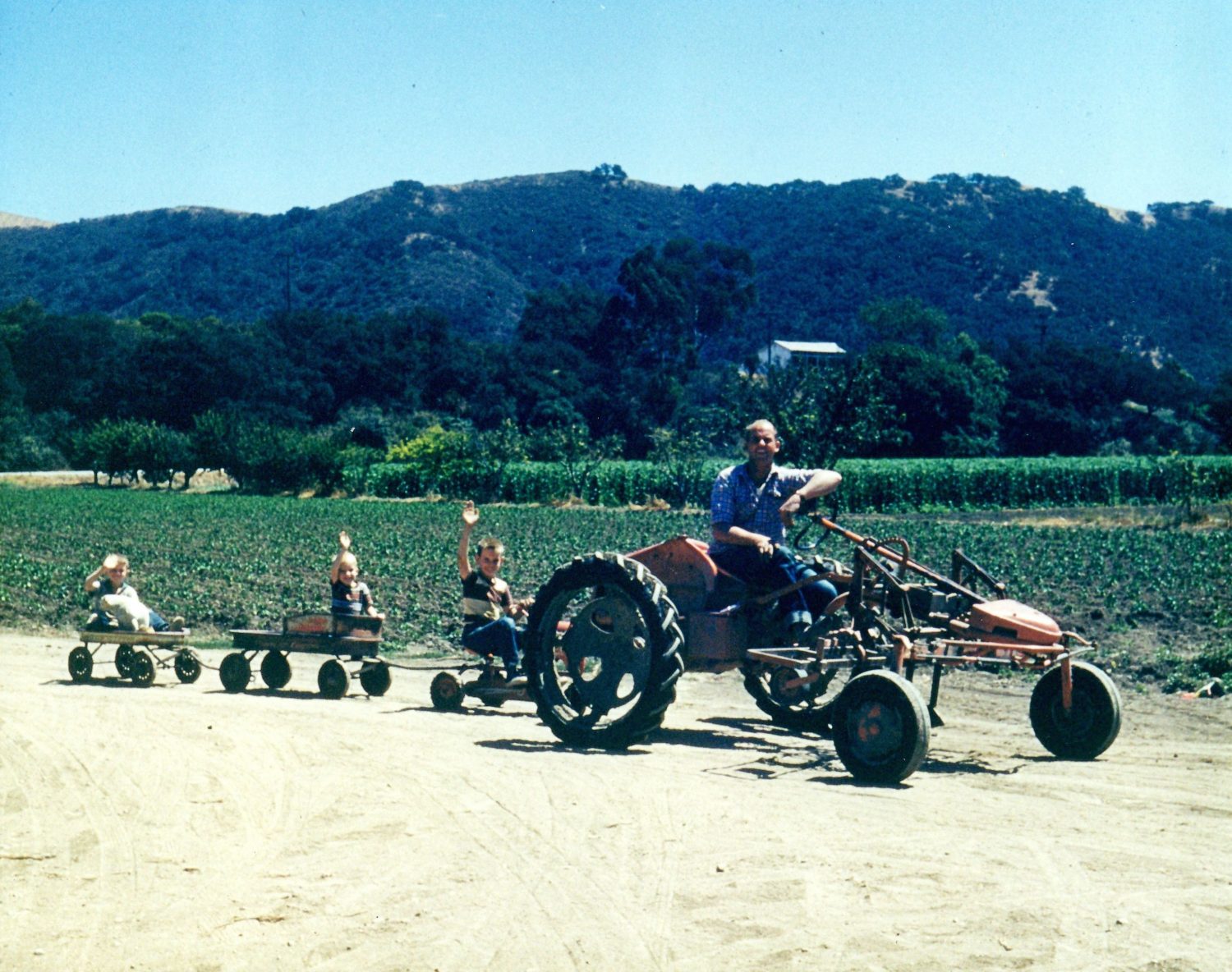
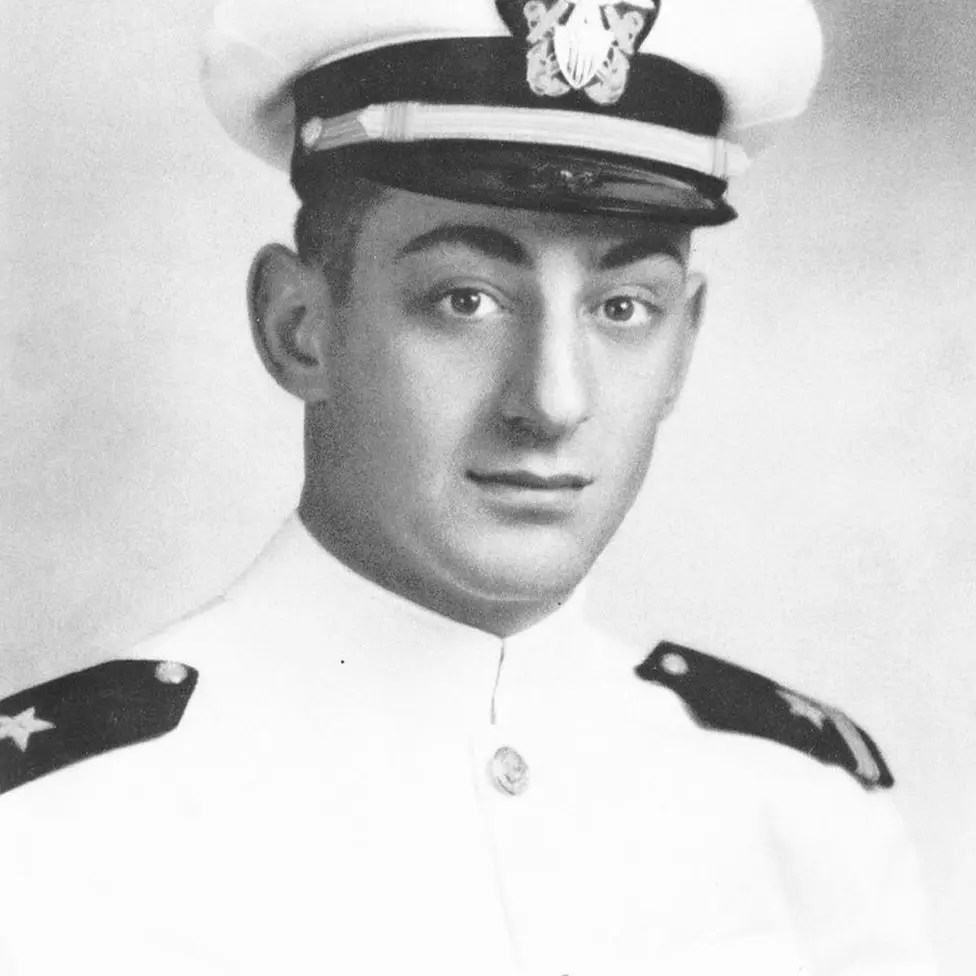
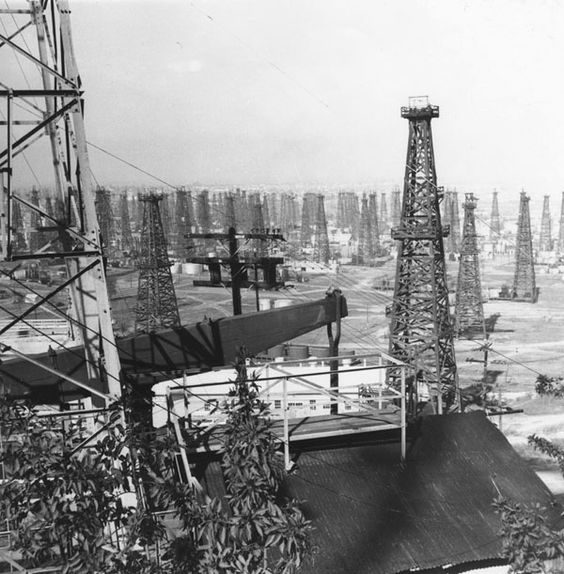
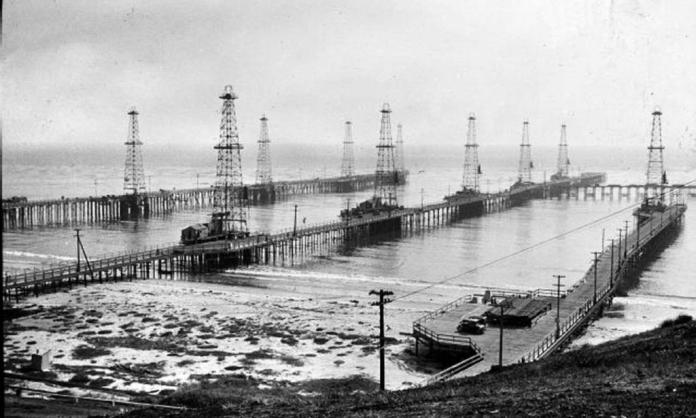
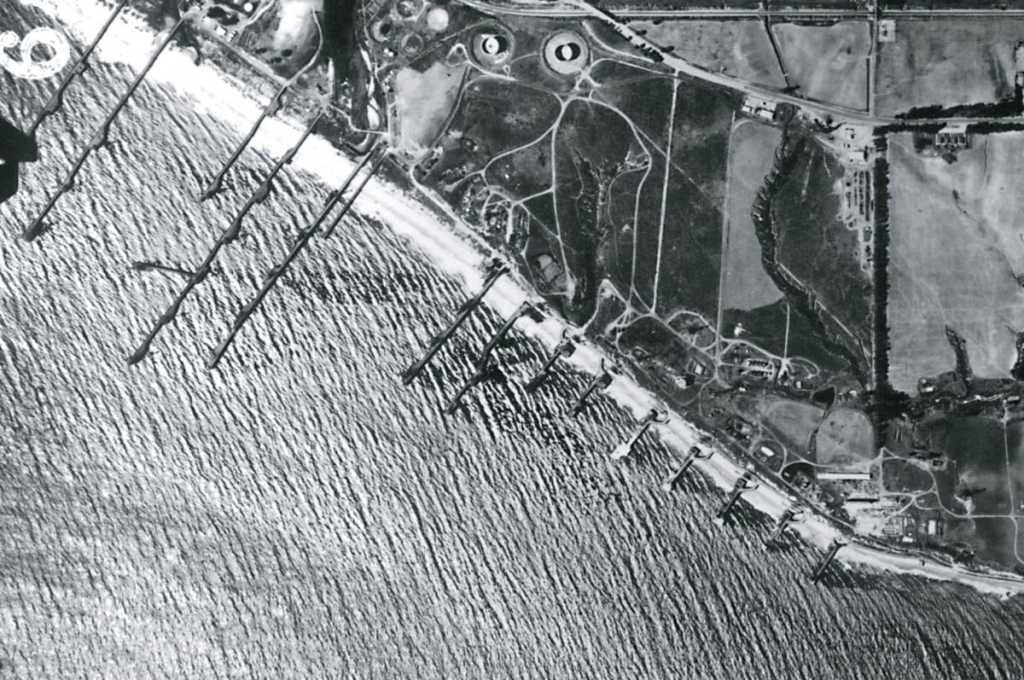
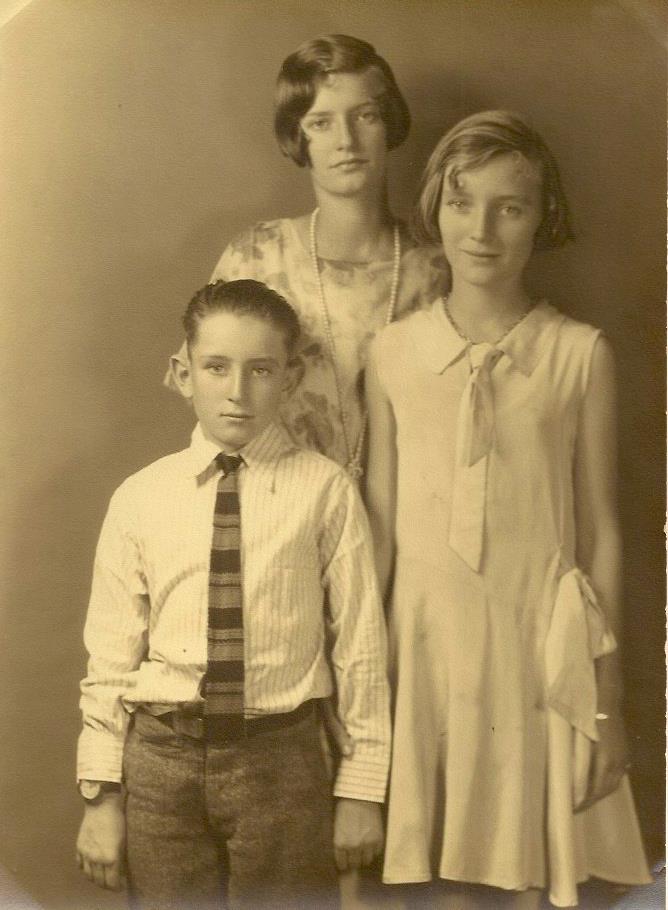
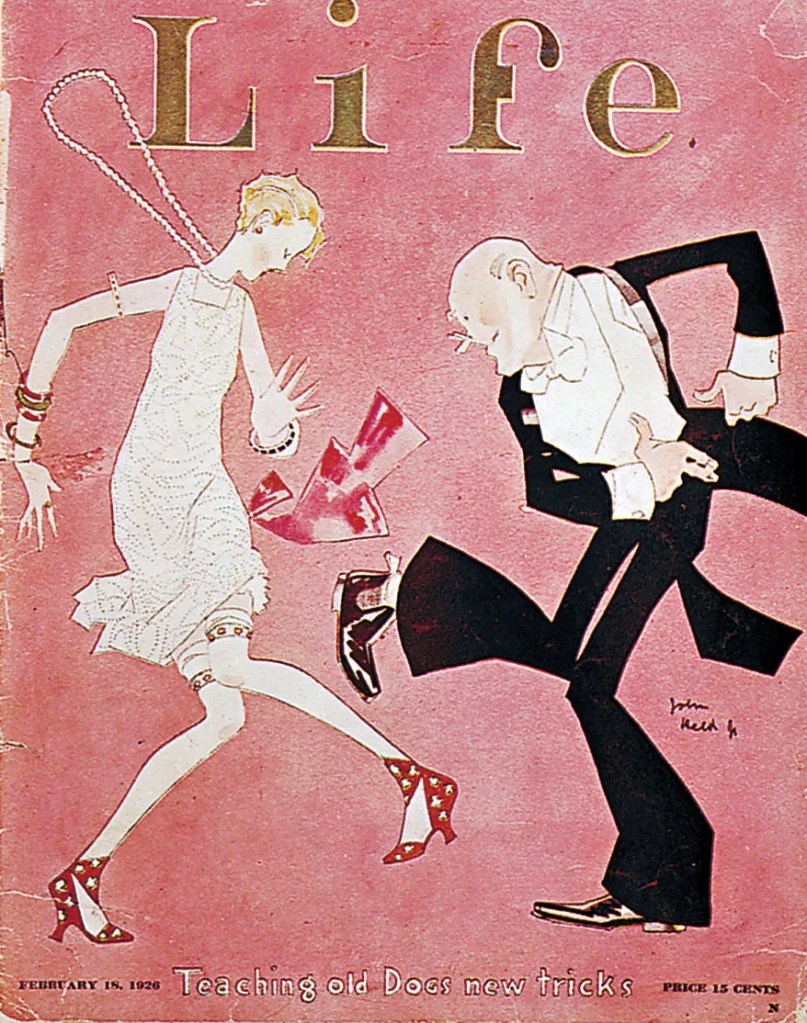
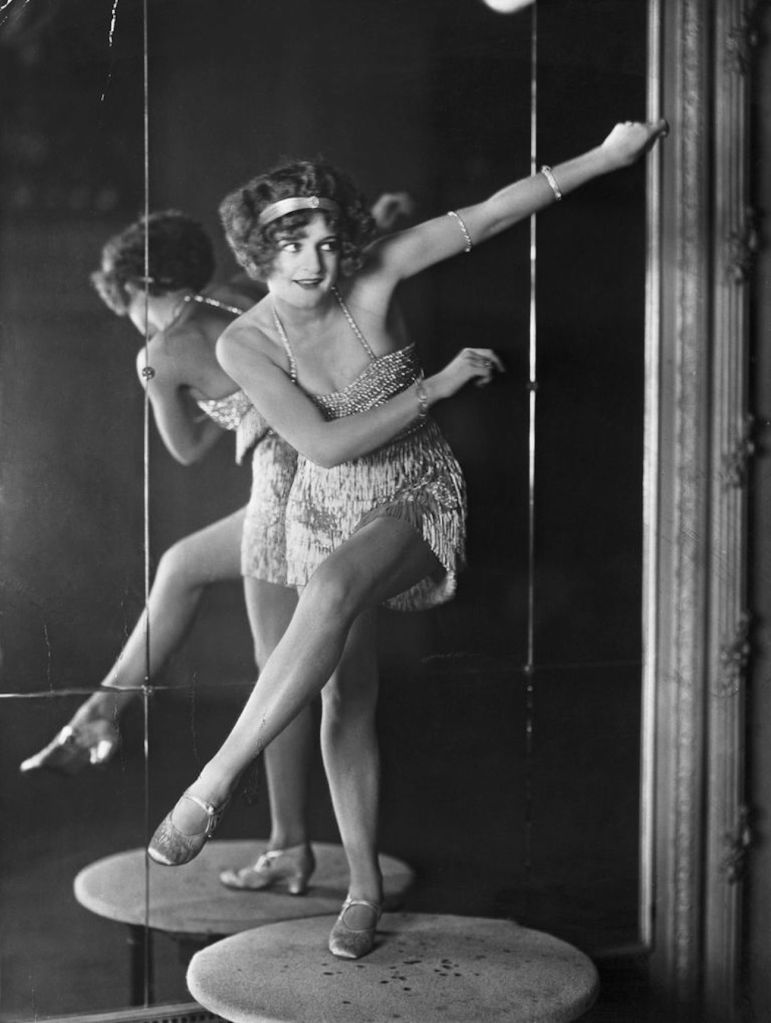
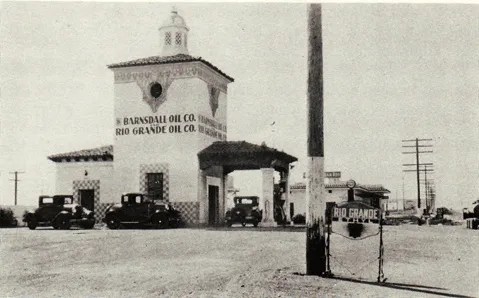
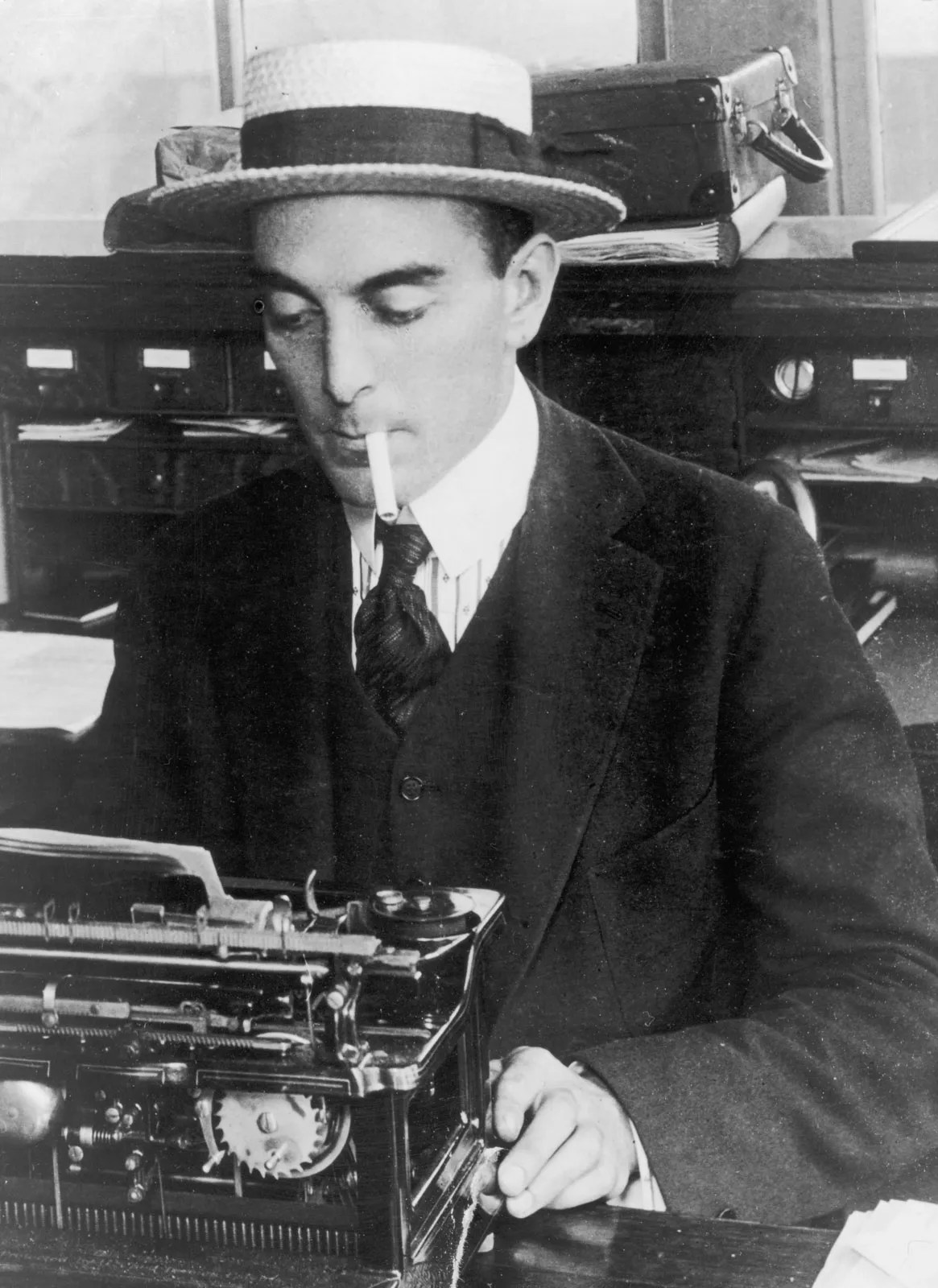
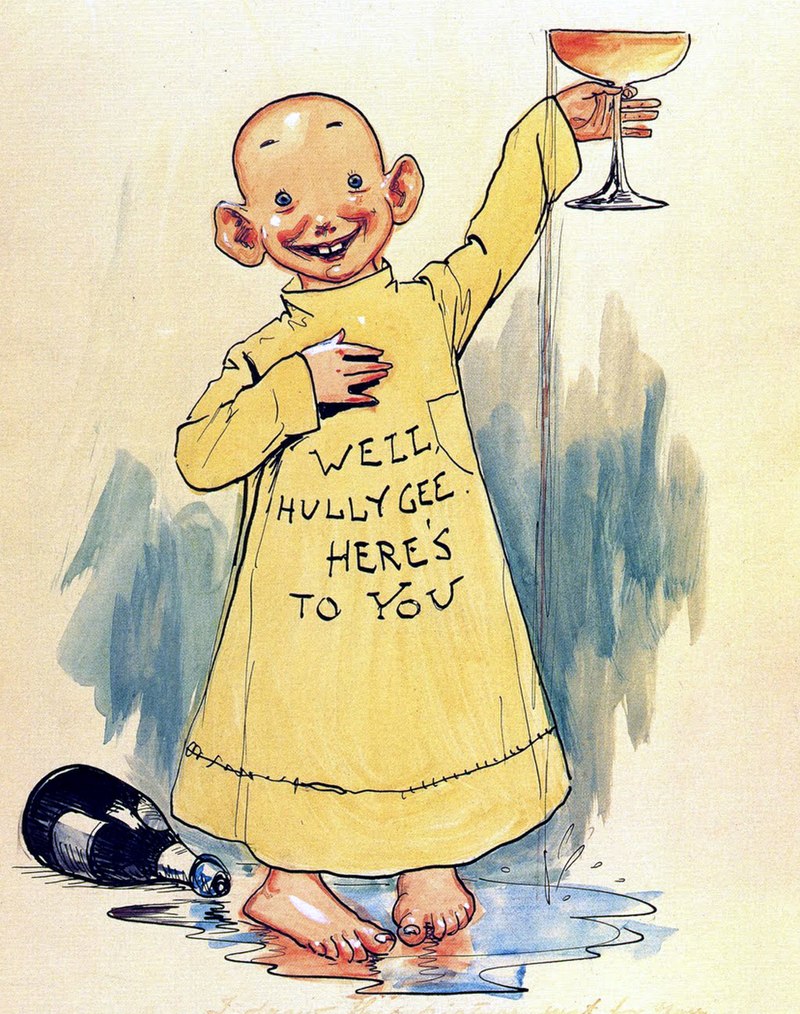
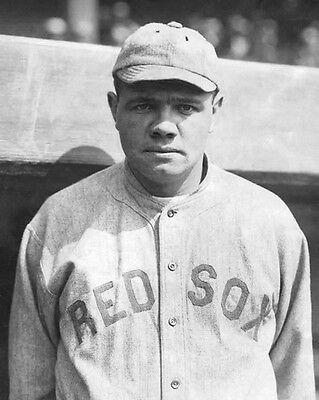



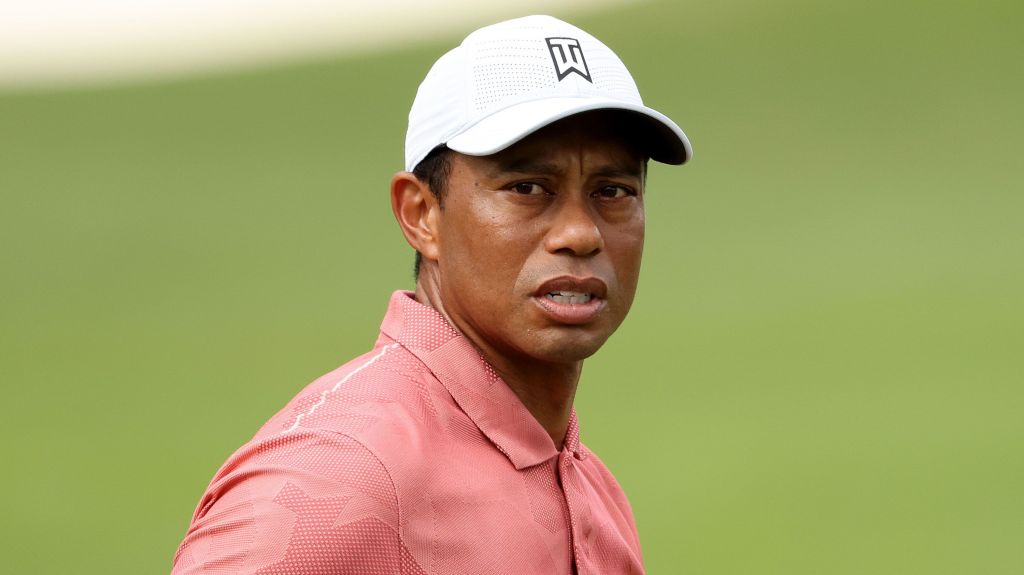


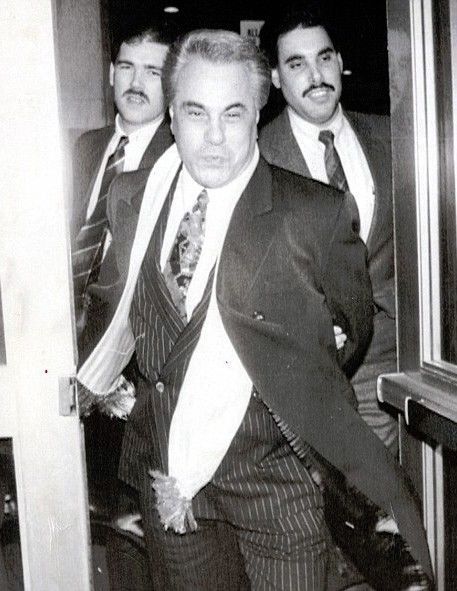




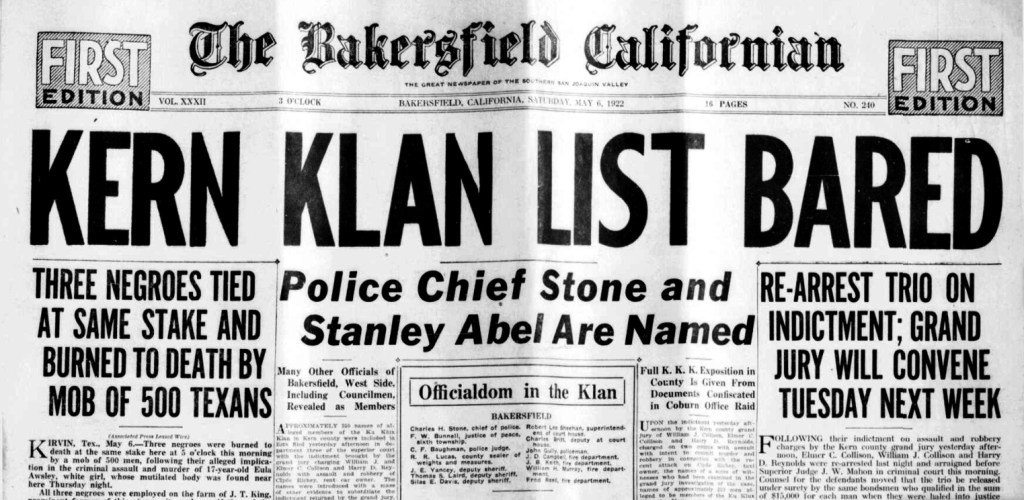

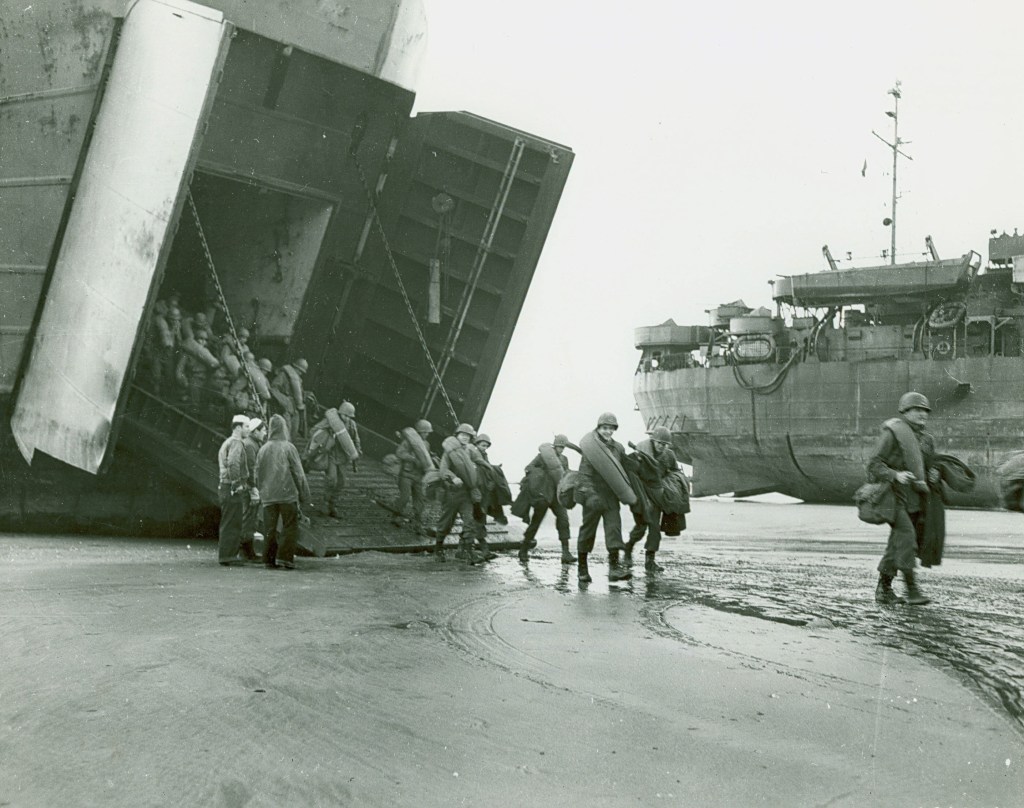
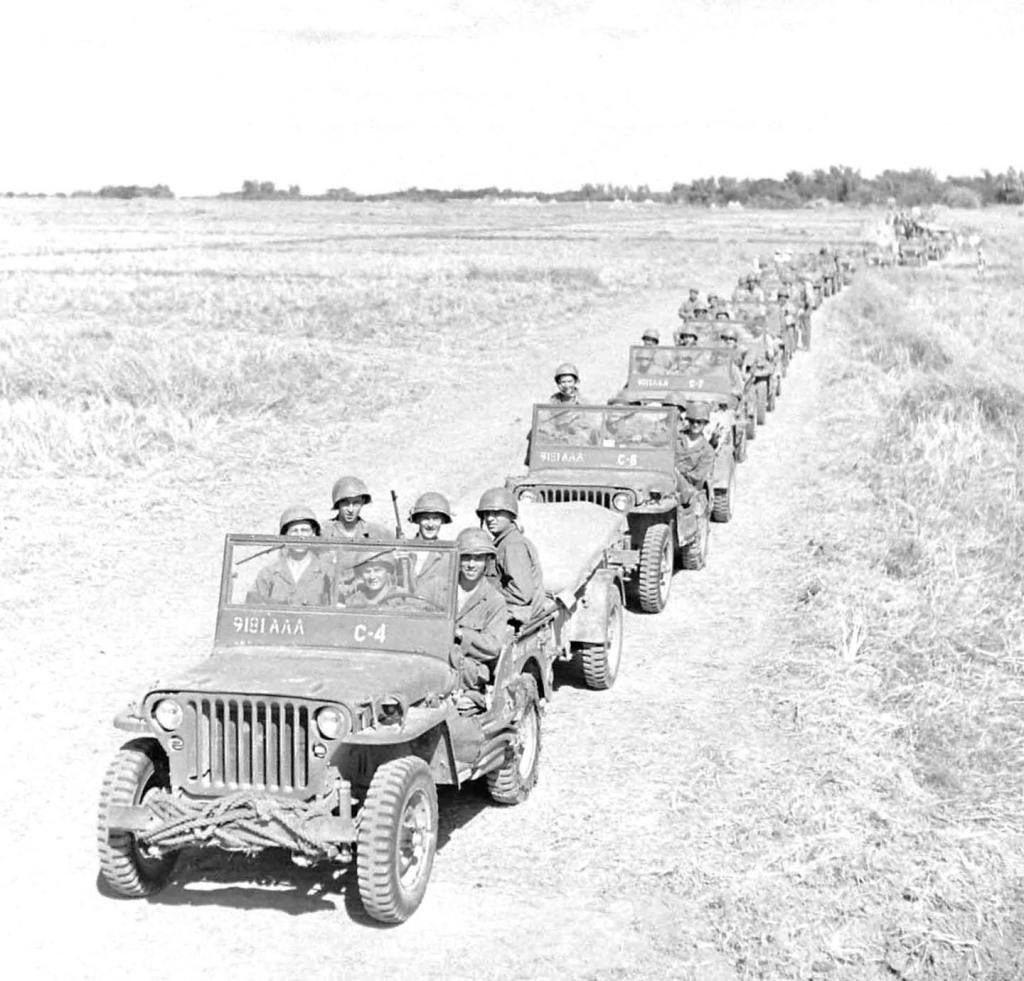


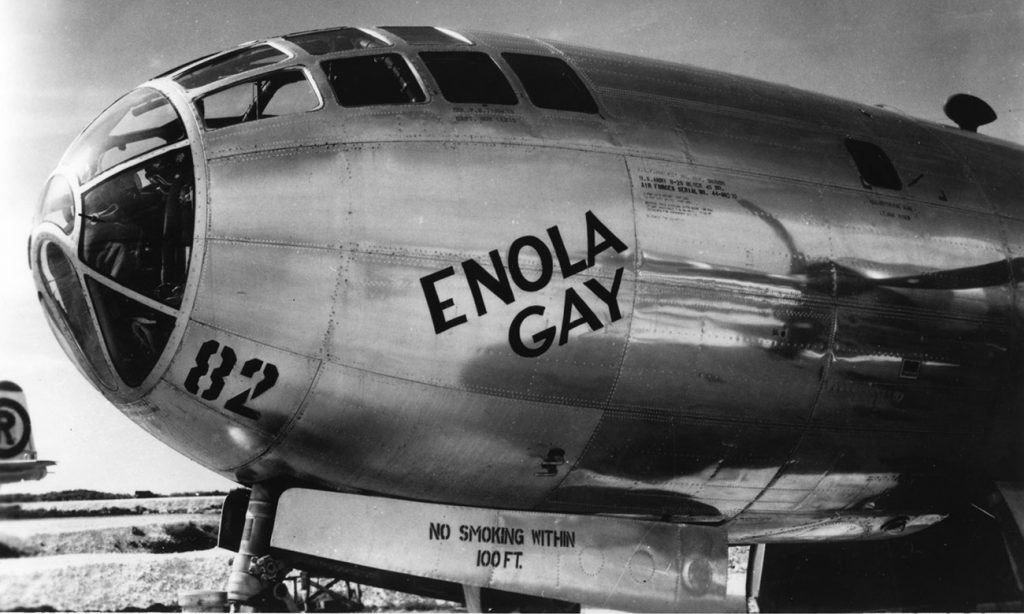
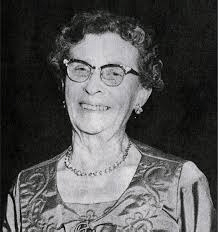
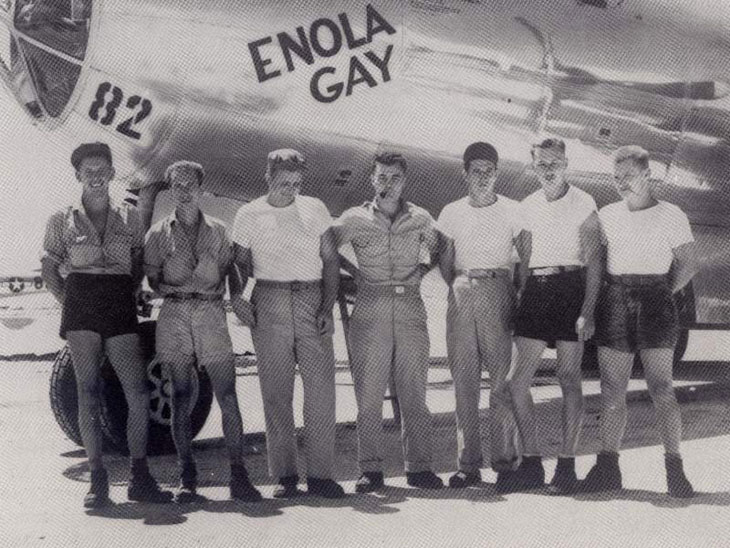
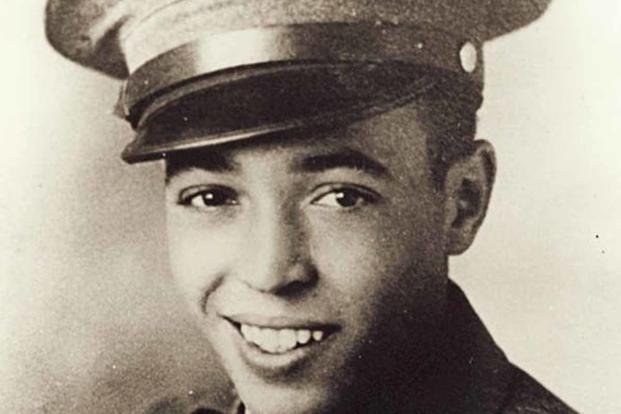
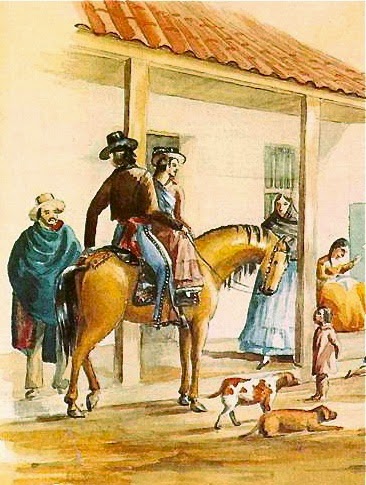
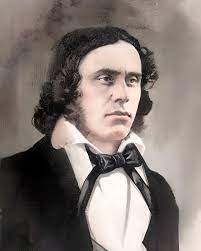

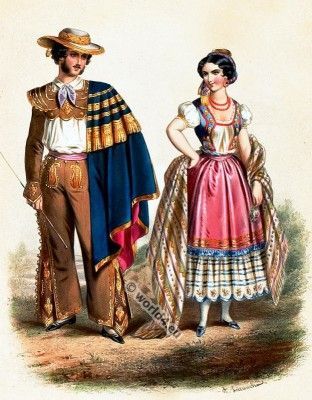

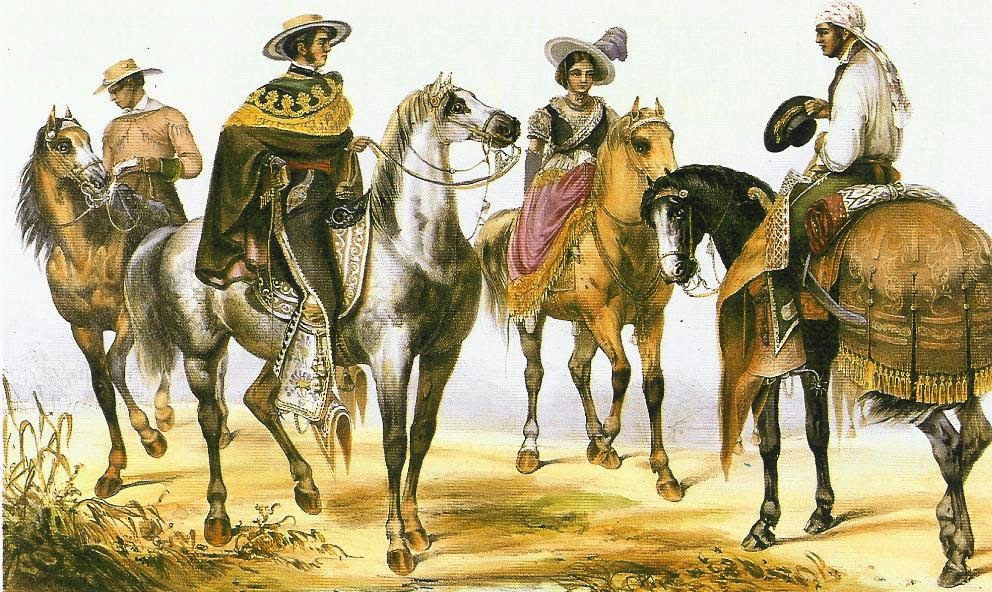

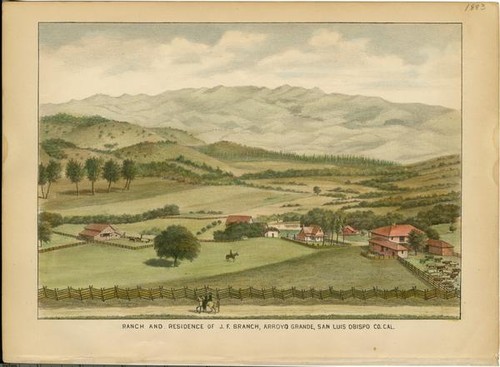
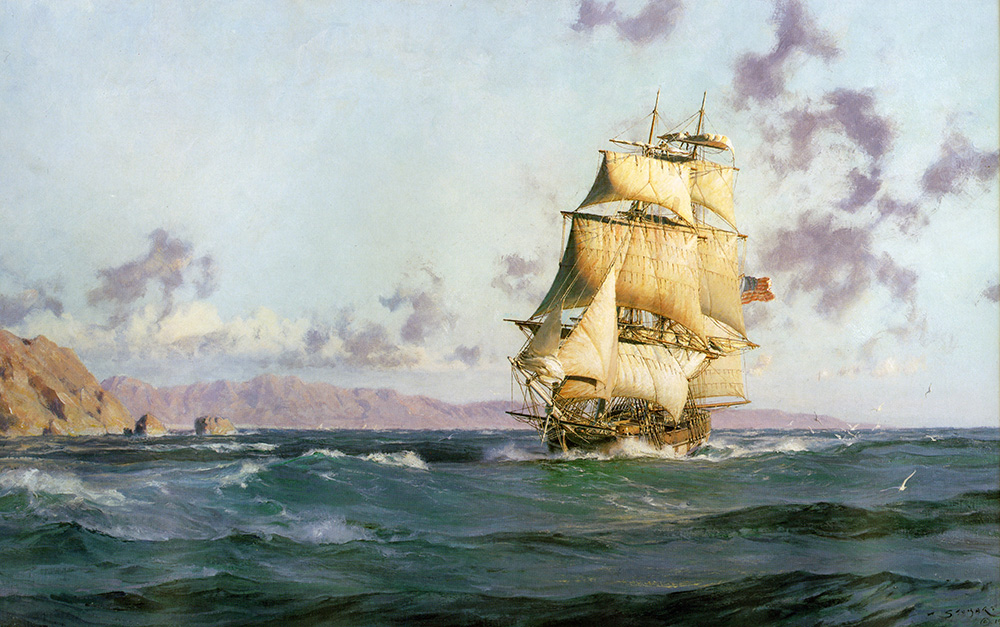

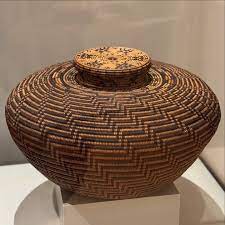

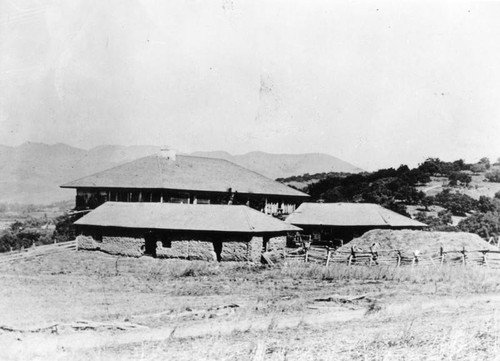
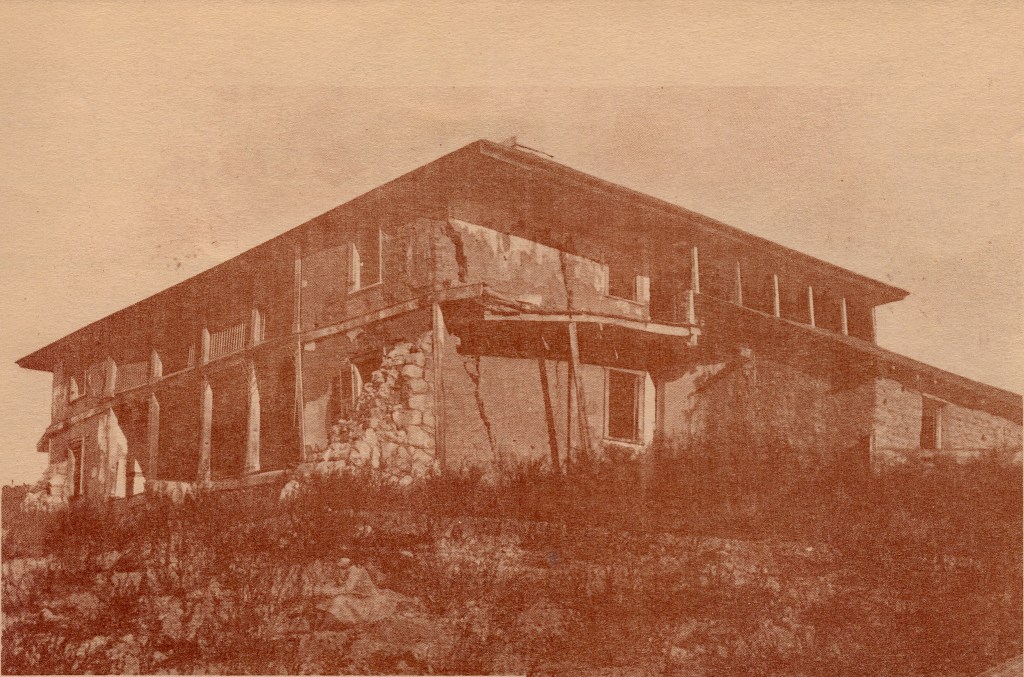
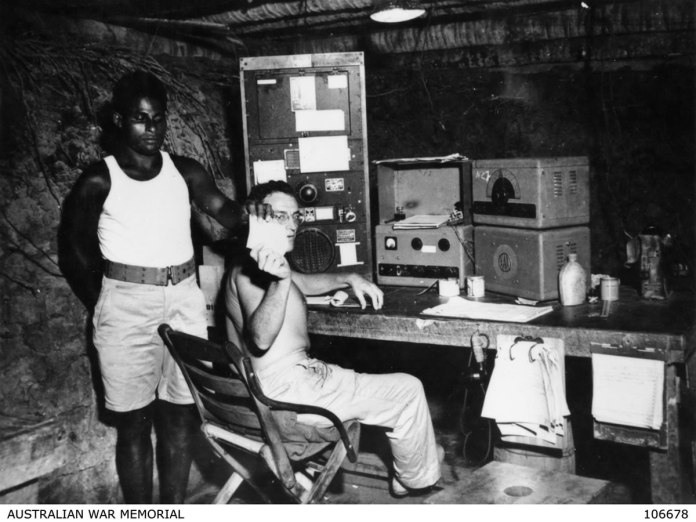


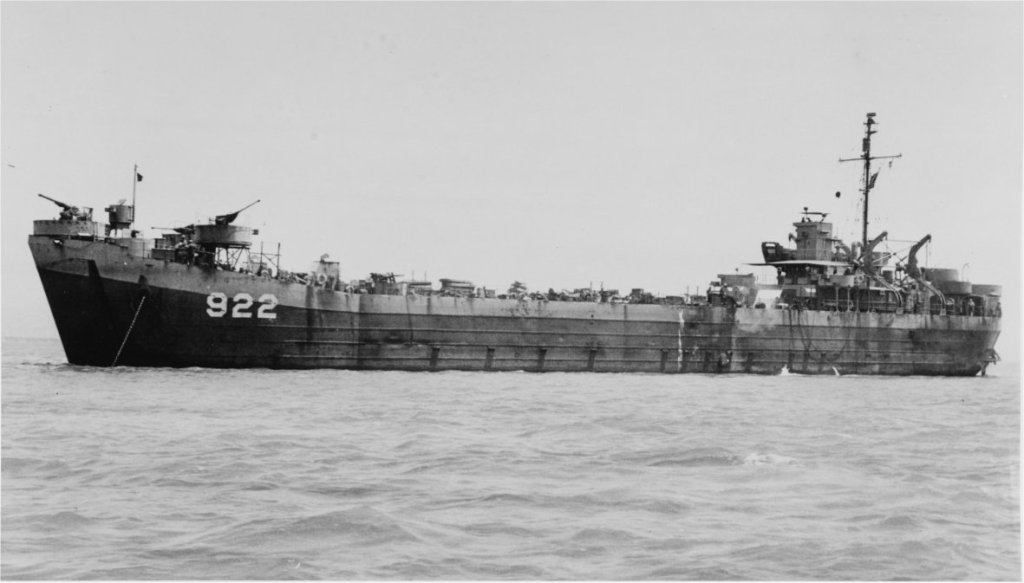
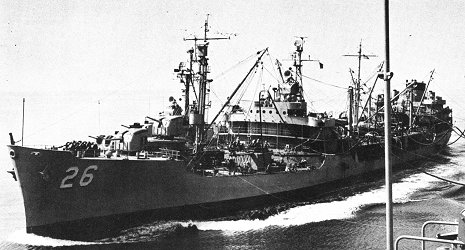

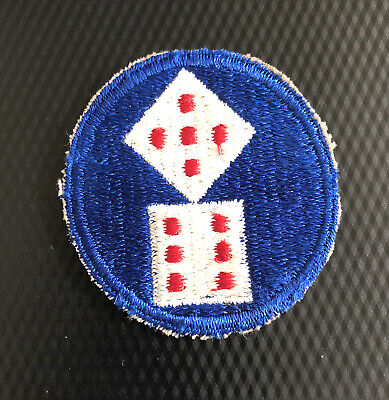
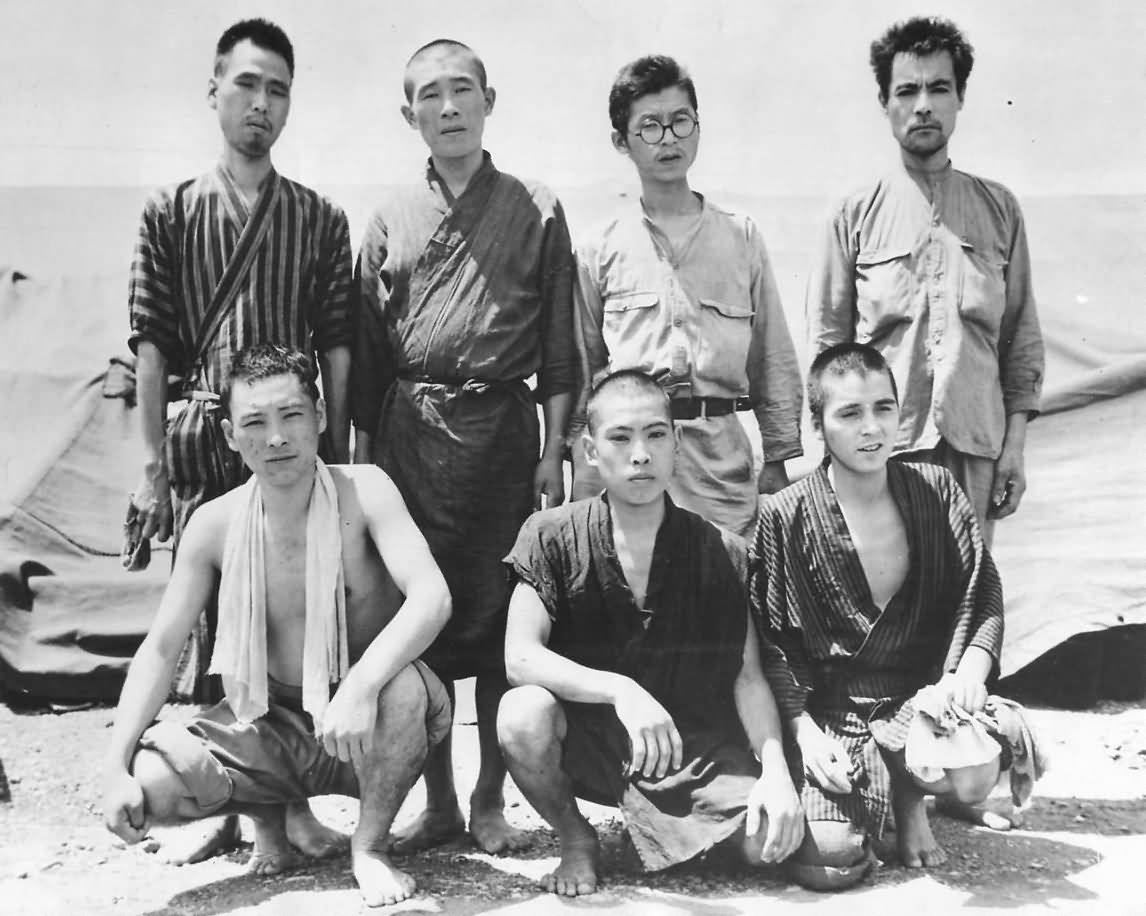

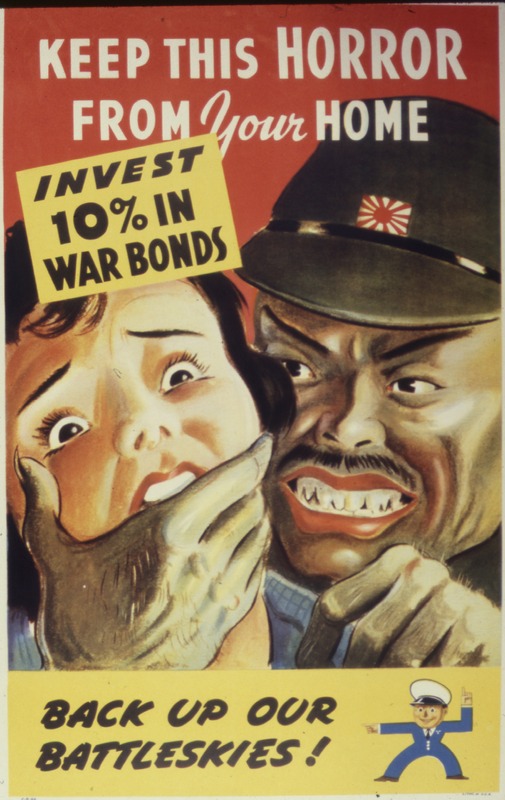
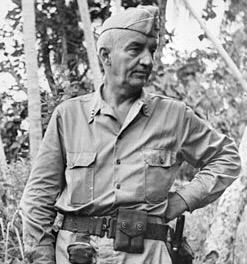

 atthetable2015