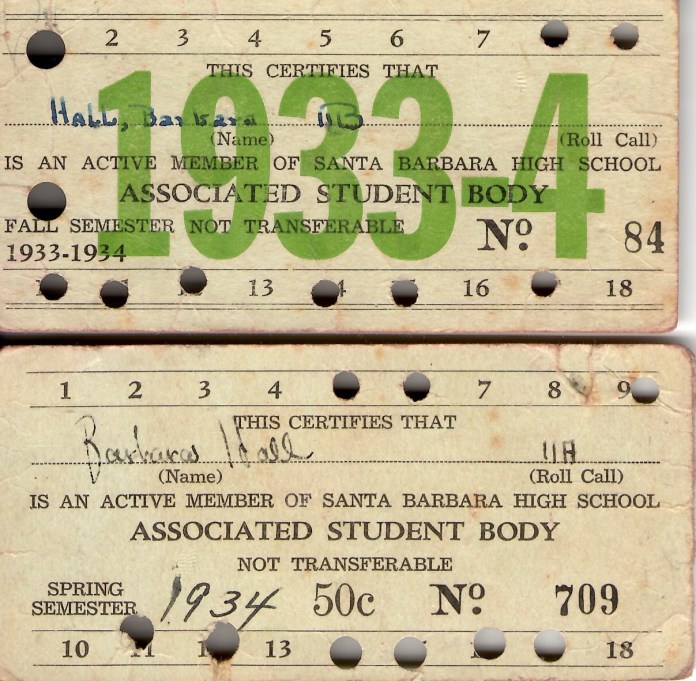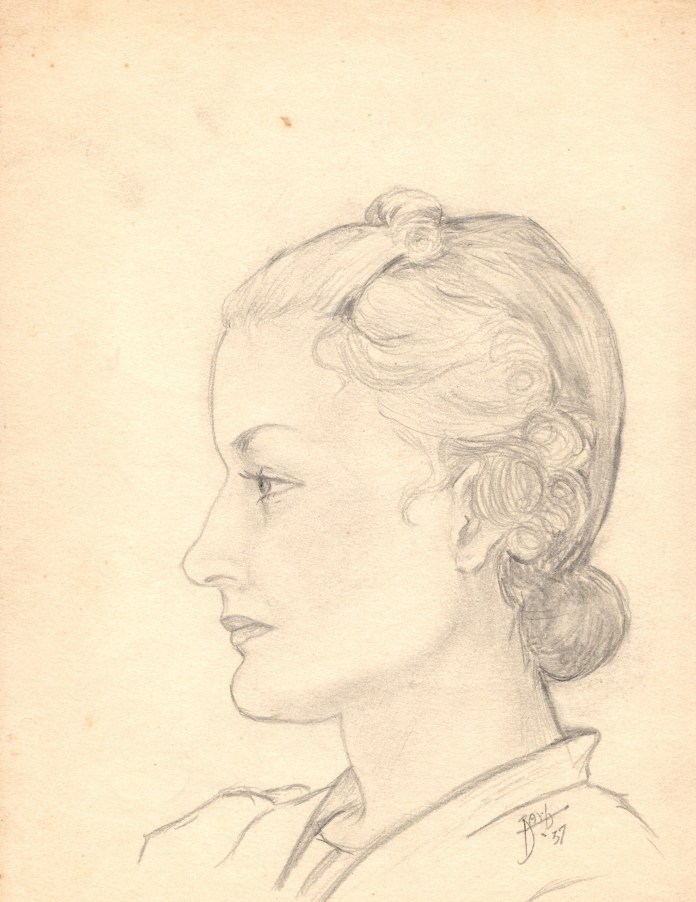
MOM THE HOOFER.

Michael Shannon

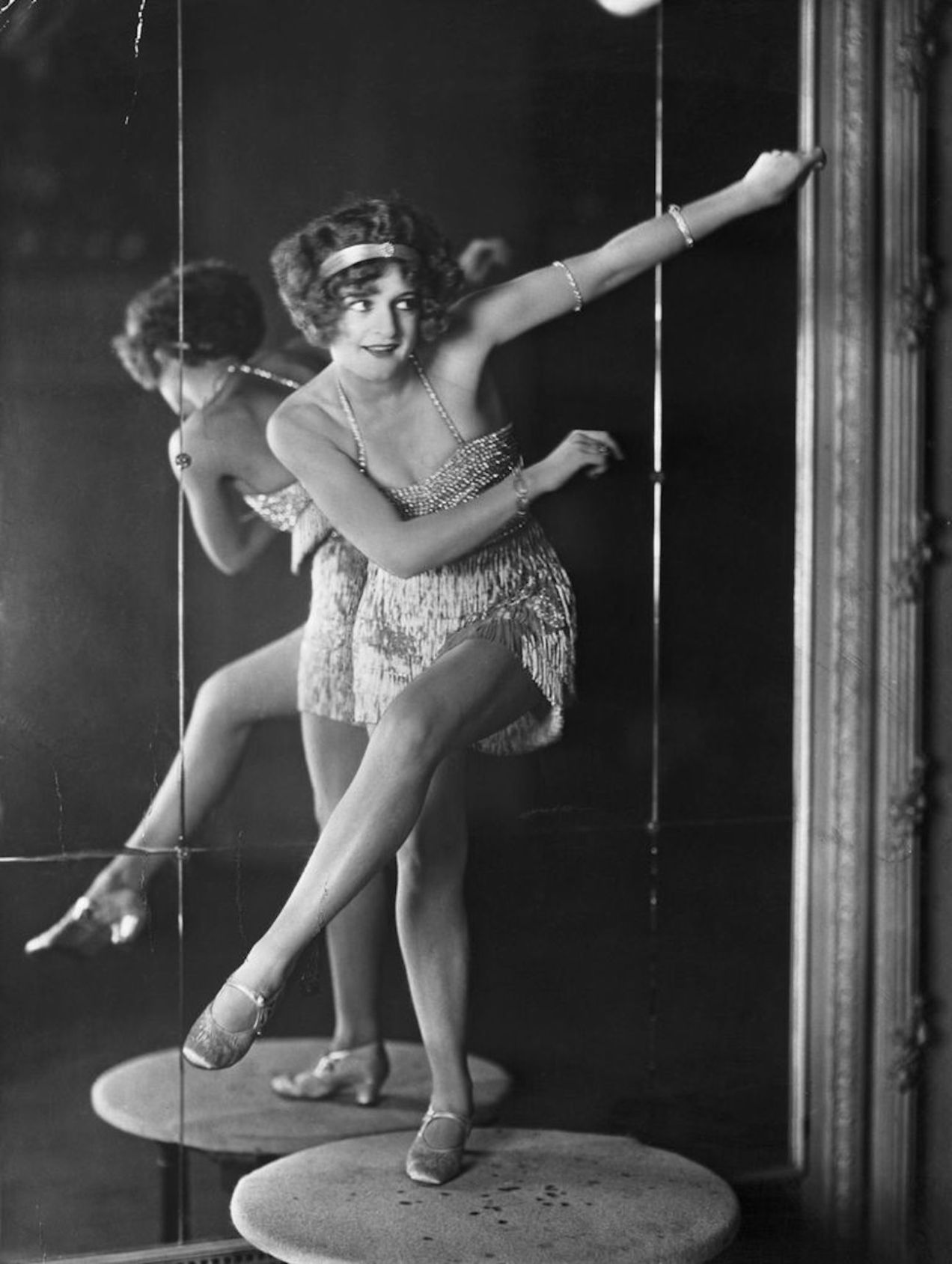
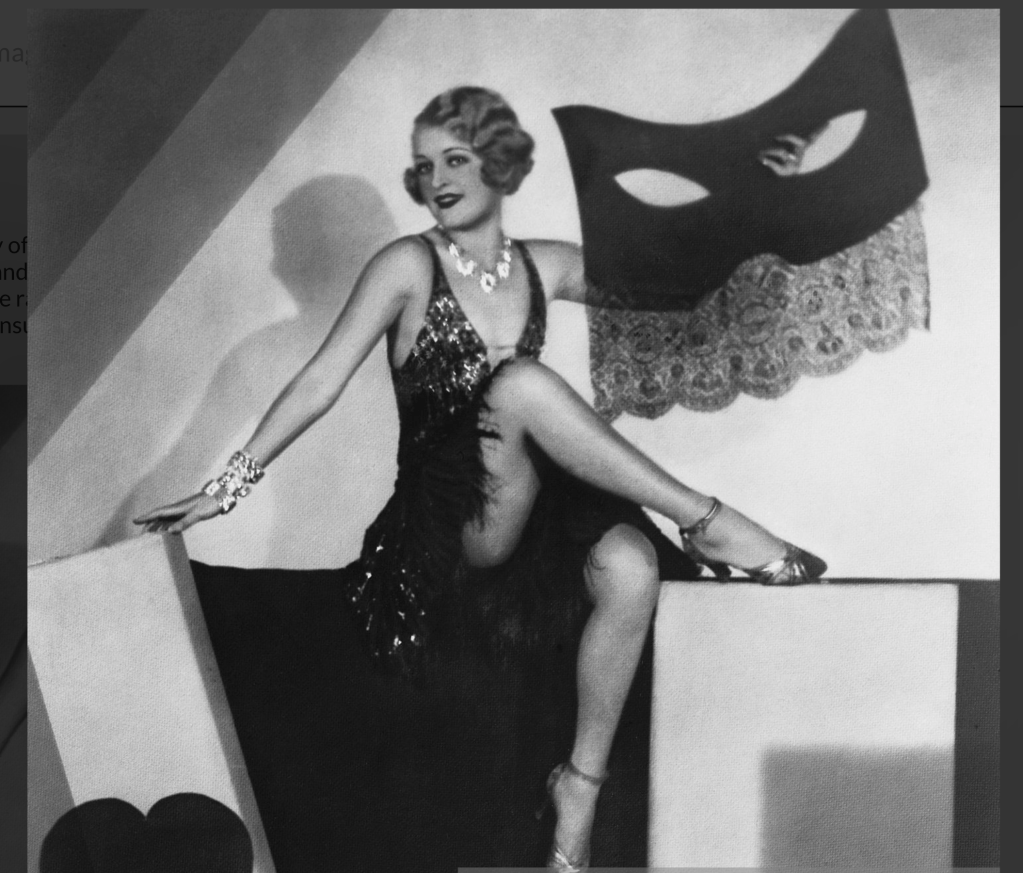
“Bee Jackson was a honey. The Bee’s knees, the original. She was the Berries…..an ankling Baby, the Cat’s pajamas.”

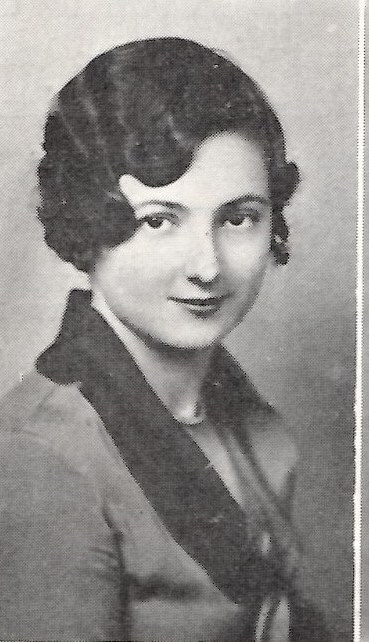
The photo, Beatrice “Bee” Jackson (1903 – 1933) was an actress and dancer. She was born in Brooklyn, New York and grew up in Bound Brook, New Jersey. Her mother was a former actress. As a child, Jackson loved to make up dances to the music of her toy phonograph.

She was known as the Charleston Queen, and while she didn’t invent the dance (some believe the dance originated from an African-American dance called the Juba), she was one of the dance’s most prominent advocates. Blonde and vivacious, Bee Jackson had the world in the palm of her hand. At fifteen years old, she was a chorus dancer in the Zeigfield Follies. Eventually, she toured Europe, had royalty chasing after her, and was a member of high society. A celebrity of the highest degree, Jackson’s legs were insured for $100,000, almost 25 years before Betty Grable did it.

She danced through her early years with her favorite toy, a phonograph. ‘I danced because I loved it’ she said and simply worked out steps to her favorite tunes even though she had no conception of routine; that intricate pattern that is weaved into a dance.


Bee’s mother, Grace Jackson, a former actress, acted as her manager and influenced her decision to focus on the exciting new steps. The popularity of the “Charleston” dance was taking off like a skyrocket in 1924. At that moment, Bee was at, or at least very near, the epicenter of the phenomenon and was equipped with the right skills to capitalize on its success. She was just one average dancer among a herd of competitors, however, and she needed a clever angle to carve out a path to fame and fortune. Their solution was to strike out as touring act and show the dance to audiences far beyond the Big Apple. To increase Bee’s marketing appeal, she began presenting herself in 1925 as the originator of the “Charleston” dance, or at least the person responsible for transferring it from South Carolina migrant former slaves to New York and the white community.


She might not be a household name any more, but images of Miss Jackson have been reproduced in hundreds-perhaps thousands-of books, magazines, and webpages devoted to the effervescent “Roaring Twenties.”

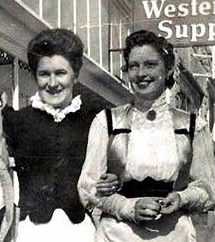
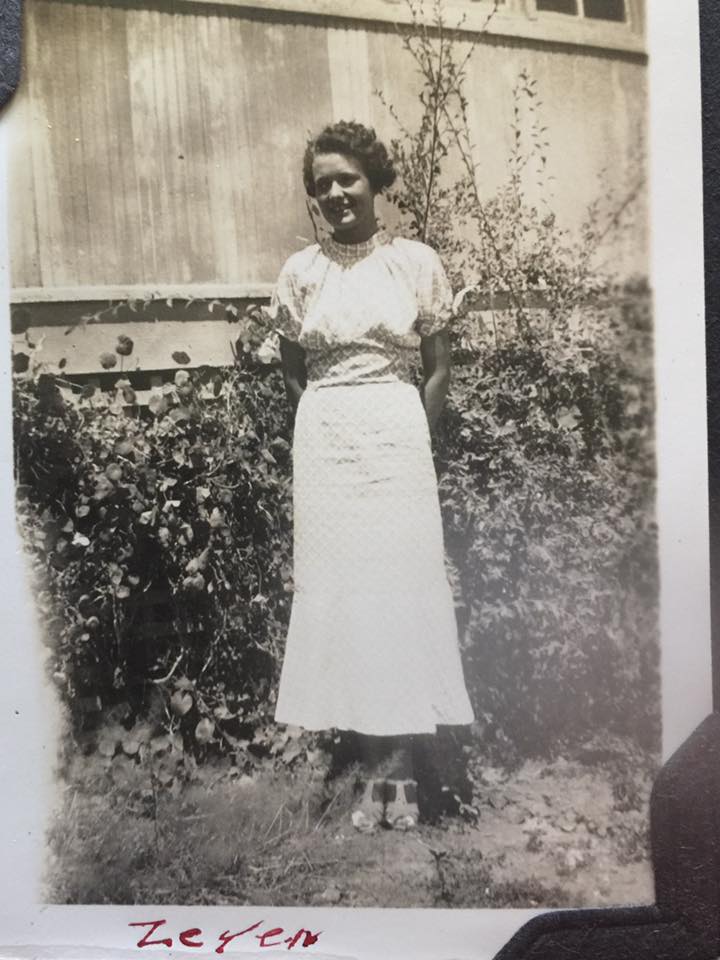
My mom and her sister Mariel were right on time. The best of pals, born just a year apart. They were oil patch kids and moved from place to place in California depending on where there father, a Driller happened to be sent. My grandfather said they lived in every God forsaken town in southern California. The oil business was populated by some pretty rough characters. Out on the lease you never knew what you were going to get. There were pistols carried, a sheath knife was de riguer both for the work and perhaps to settle a dispute. Most roughnecks, a perfect name for the men who traveled looking for work, mostly single, not much education and half exhausted most of the time. Add the booze and the hootchie coothie girls and things were ripe for trouble. My grandparents never liked living on the leases mostly to protect their three kids.

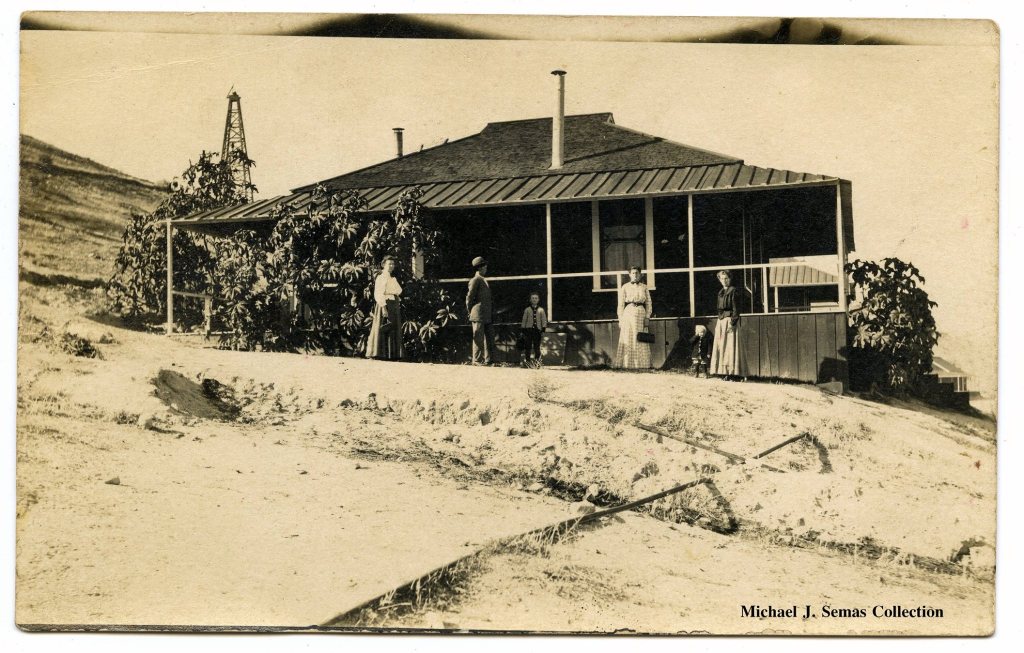
They were pretty lucky when the girls were entering their teens, most of the work of my grandfather stretched from Huntington Beach north to San Luis Obispo county. They bounced around a lot, Compton, Long Beach, Belmont Shores, Artesia, Signal Hills, Bolsa Chic and Wilmington , wherever there was a rig, they were.

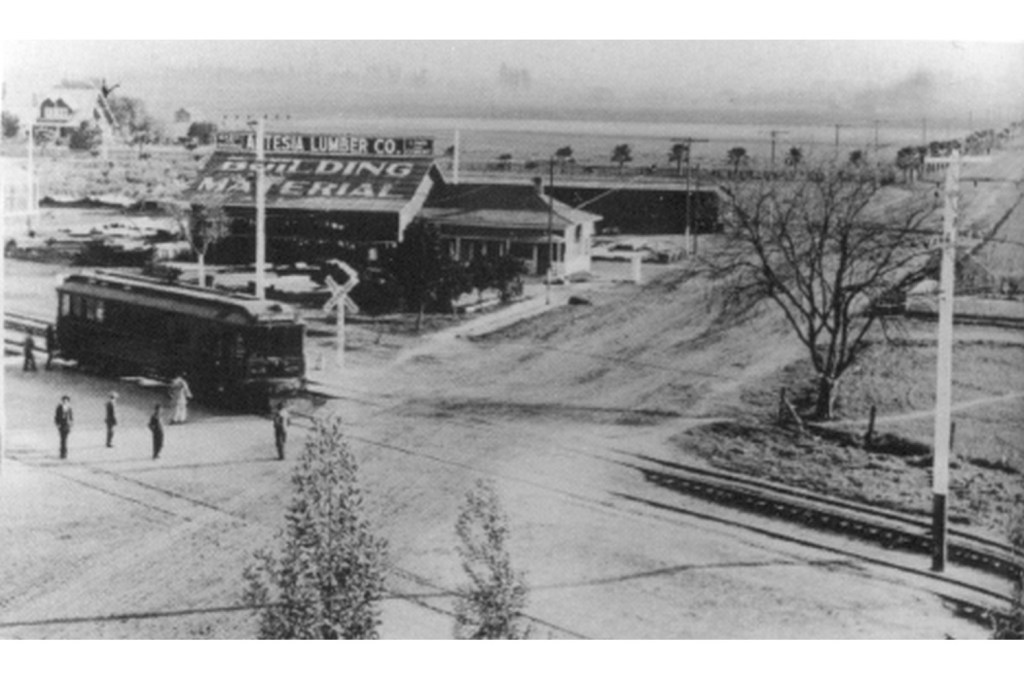
In those days Los Angeles had a street railroad mock lovingly dubbed the Red Cars. The red may have been flashy when they were new but that had long since faded to the color of a red shirt too long washed and worn.The electric street cars were everywhere and for small change you could ride from Balboa out to Redlands or up as far as San Fernando, a thousand miles of track that covered all of Los Angeles county.

Pacific Railway was a private company originally built by the company to promote new suburbs in the outer reaches of the city. It was a boon to property developers and served it’s purpose for many years. The rise of the automobile eventually drove the line into bankruptcy.

LA is the quintessential car city. This is ironic, given that LA was built around the largest electric railway system in the world. The suburbs that you see all over greater LA, the 1920s copy-pasted bungalows which are everywhere, were designed to function in tandem with the old Pacific Electric Railway. You can still see the traces today. For example, if something is named “Huntington”, like Huntington Park, Huntington Beach, the Huntington Library and so on, it’s pretty likely named after Henry Huntington, the Pacific Electric Railway’s owner.*

In my mothers teenage years most kids did not own cars. It was the Red Cars or nothing; or you could walk. It was only 33 miles from Long Beach to downtown.

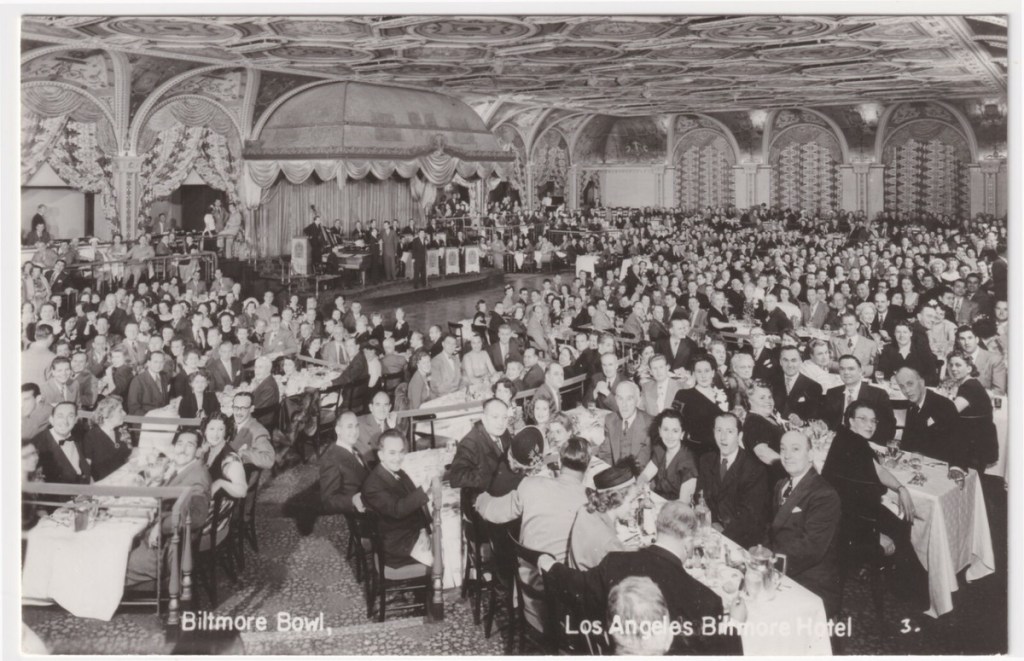
So my aunt Mariel, my mother and their friends like to hop the cars and rattle around all the hot spots of the time. On weekends they would go dancing at Santa Monica or Ocean Park or best of all all the way to the Biltmore. In downtown LA the Biltmore Hotel was the largest hotel west of Chicago. Built in 1923 it was considered the finest in California. With more than a thousand rooms it was located opposite Pershing Square in the heart of downtown.**

Most importantly for my mother and her friends was the basement nightclub known as the Biltmore Bowl. With it’s two story ceiling and with a size that would accomodate 2,000 dancers and guests, it had hosted 8 Academy Awards ceremonies since its opening. Saturday nights it would be standing room only. The girls played dress up trying to look like stars themselves. Oh so suave, smoking in the days fashion, mom said they were swivel necks looking to see if any famous Hollywood stars were to be seen. The saw Olivia De Havilland and Lucy and Ricky Ricardo on occasion.

Dancing was the point though. Dressed in their best they nursed their Ginger Ales, mom said that the Shirley Temples were too sweet and “Icky” a sentiment echoed by Shirley herself.

The depression was the heyday of the big bands, Artie Shaw, Benny Goodman or the Glen Miller touring orchestra belting out the hits of the day. Artie Shaw’s Begin the Beguine*** just as smooth as velvet, begging you for a dance. My mother spinning across the floor, ankle length skirt swirling, hem clutched in one hand her low heeled pumps gliding over the corn starched floors, head flung. back hair flying and smiling to beat the band.

Exhausted girls sleeping in the Red Car, piled like tired puppies dreaming of future glamorous nights.

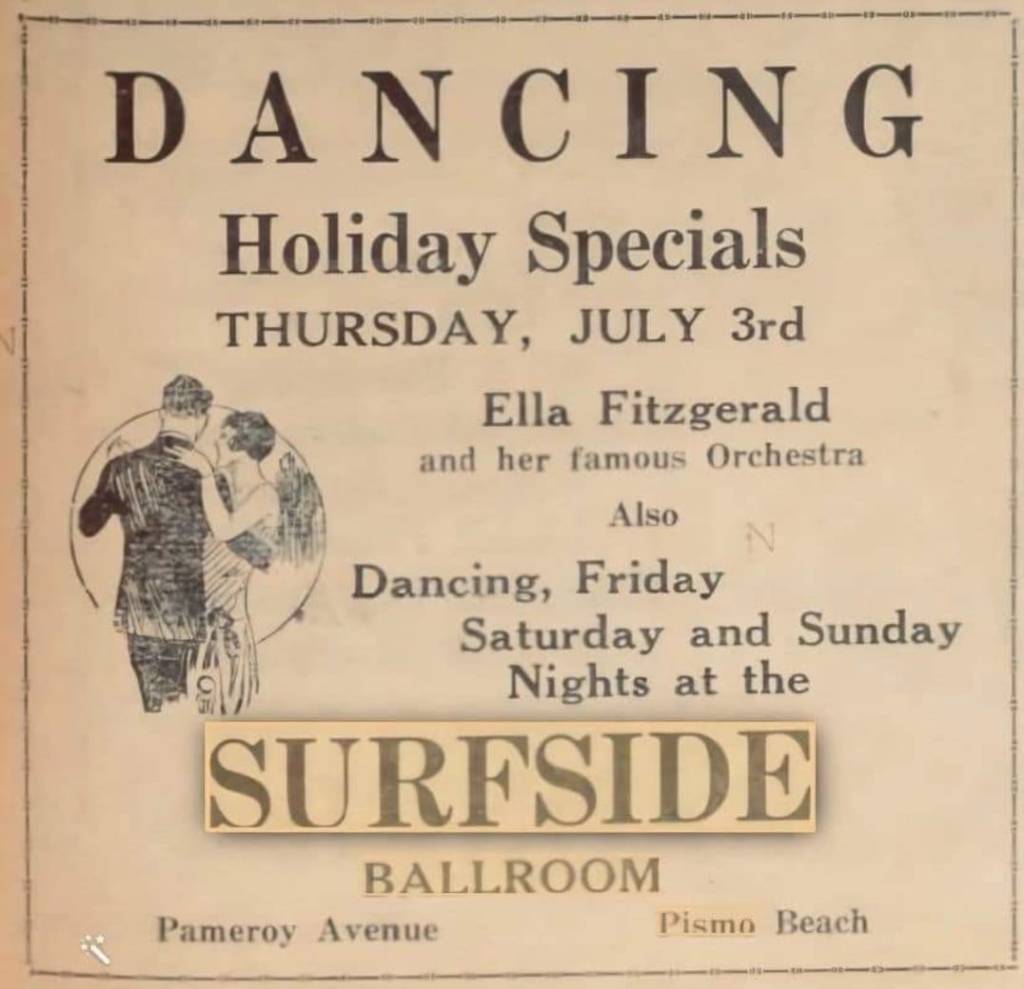
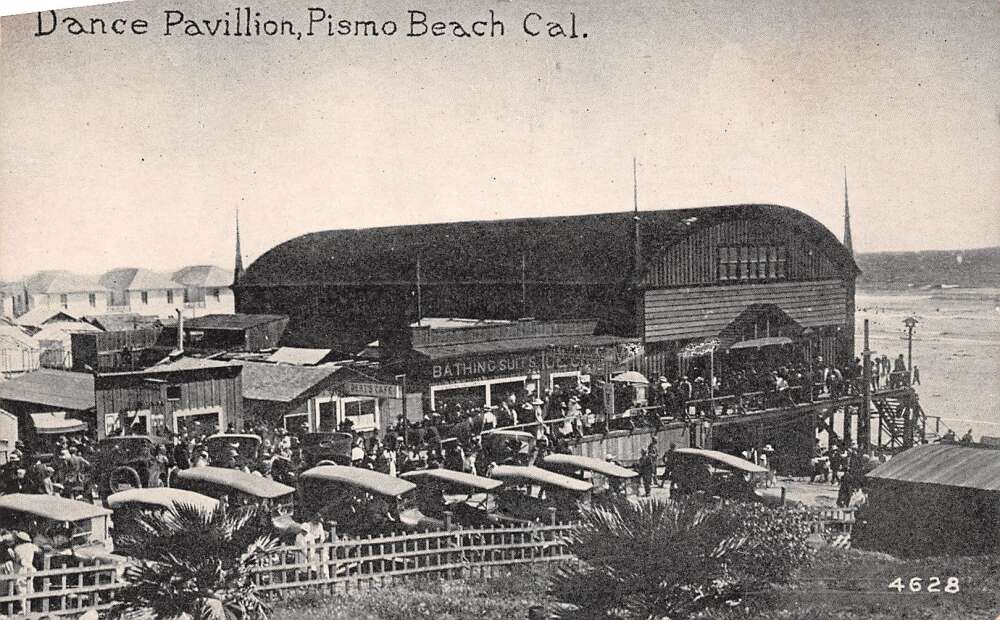
When my grandfather was transferred to Arroyo Grande in 1940 she met my father. While they were courting they used to take his little grey Plymouth coupe down to Pismo Beach to go dancing at the Pavilion. Though Pismo was a tiny little town it had it’s full compliment of Saloons, bars and dance halls. A soupcon of titillating danger hung over it all, especially at the beginning of the war when herds of soldiers from all the military bases flocked to the place. My Dad always said was where the “Debris meets the sea.” There was anything a young man from the sticks could imagine. Pool halls filled with slickers, the filipino gambling halls with, convenient cribs out back and the Beer bars like Mattie’s where, dressed in a silk blouse and velvet trousers. she would hustle those boys by buyin’ the first round for free and pointing out her apartment building down by the pavilion where her Taxi dancers dwelled.****

During the war masses of soldiers in training meant that the ballrooms and dance halls did a booming business. There was no slackening of business for the big touring bands like the Dorsey Brothers and Benny Goodman who swung through town on their way to the big cities. Every forty miles or so there was a stop on the railroad as they traveled around the country, from Tijuana to Seattle and points east.

It’s hard to imagine my Dad trippin’ across the floor but he was a young man in his prime, loved to write music and was captivated by this glamorous girl from the big city. If she wanted to go dancing, they would.

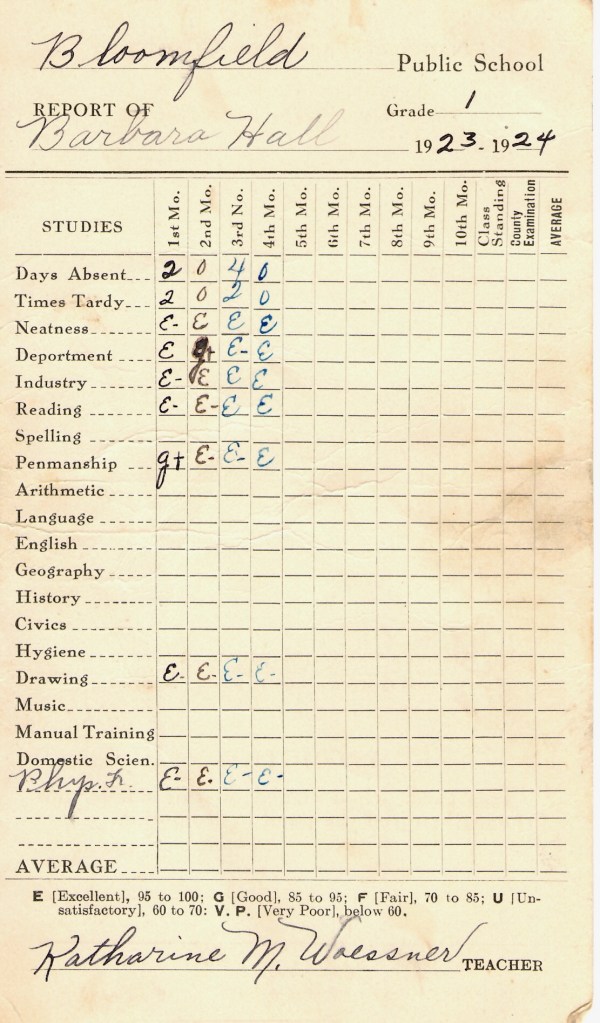
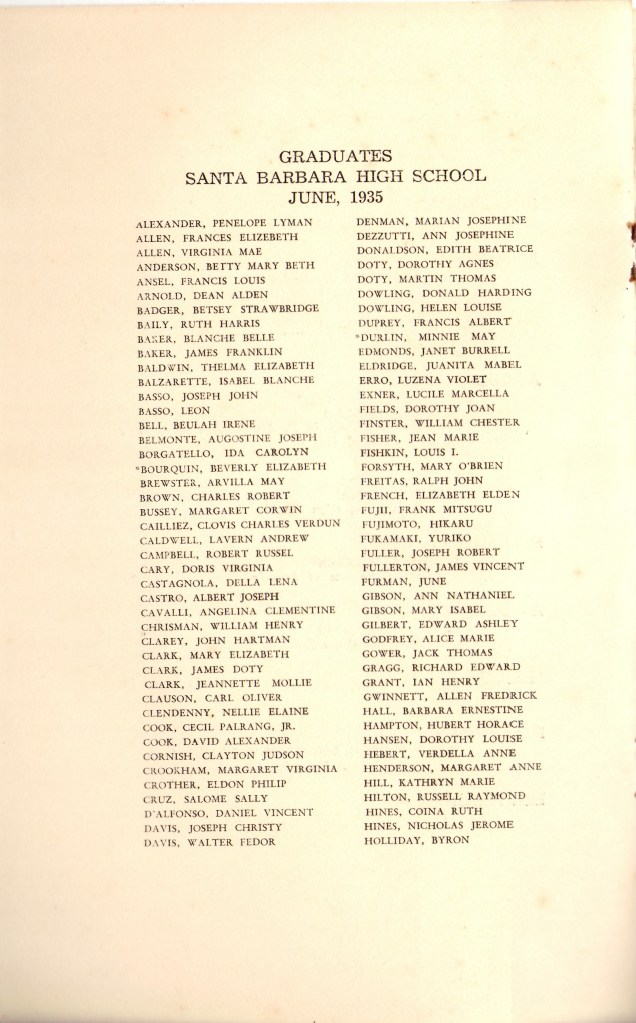
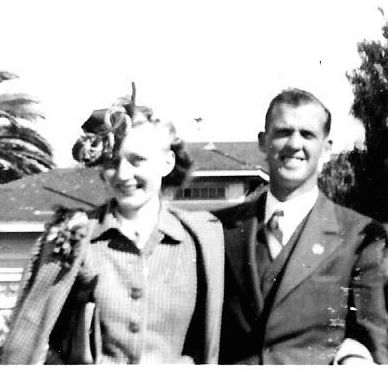
Barbara Hall and husband to be George Shannon 1943.

Fast forward to 1960 and as Kevin Bacon so aptly said, “lets dance.” Boys entering teengedom needed to learn to shake a leg. Mom was right there. She put on an old vinyl record that she kept in the huge piece of furniture, the squatting beast of Cherry wood the television lived in, along with it’s companion the radio and phonograph. In the cabinet below were records kept and carried for decades. Dance tunes, crooners like Der Bingle, Bing Crosby whose hot buttered voice poured like chocolate syrup when he sang. As music went he was the be all and end all of music for my dad who looked on Sinatra and Elvis fwith suspicion. Not so for my mother.

She had me help her roll the hooked rug in our living room. She mopped the wooden floor boards underneath and when they dried she sprinkled cornstarch across it.

She turned to the cabinet, swung the needle arm, set it on an old, old record so brittle it might crack at a hard look. A quick move to the toggle to start and the high pitched tone of clarinets sprang from the speakers clothed with that nubbly brownish fabric sprinkled with flecks of gold spun music like the notes in a Disney cartoon.

Bum bump, bum bump, bum bumpa bump bump bump, the beginning notes of the Charleston jumped from the beast with the beat that moved the feets. I stood facing her as she danced, stopping every so often to explain what to do.

She taught the Lindy Hop, named for Charles Lindbergh’s hop across the Atlantic, the Black Bottom, the Fox Trot and how to Waltz. She could even Twist.

“Shake it, shake it, Baby, let’s do the twist,” yeah, a forty two year old farm wife, a woman with her hair in rollers, dressed in peddle pushers, apron swaying with the beat, shoes slippin” across those old hardwood floors of the house I grew up in. I can still see her. Close your eyes and you can too.

*Henry Edwards Huntington (February 27, 1850 – May 23, 1927) was an American railroad magnate and collector of art and rare books. He settled in Los Angeles, where he owned the Pacific Electric Railway and substantial real estate interests. He was a major booster for Los Angeles in the late 19th and early 20th centuries, and many places in California are named after him. His uncle Collis P. Huntington became one of The Big Four who built the Central Pacific Railroad, one of the two railroads that built the transcontinental railway in 1869. His greatest legacy is the world famous Huntington Library Museum in San Marino California. He is buried in the gardens there. https://www.huntington.org/

**Pershing Square is a small public park in Downtown Los Angeles, California, one square block in size, bounded by 5th Street to the north, 6th to the south, Hill to the east, and Olive to the west. Originally dedicated in 1866 by Mayor Cristóbal Aguilar as La Plaza Abaja, the square has had numerous names over the years until it was finally dedicated in honor of General John J. Pershing in 1918.

***Begin the Beguine, Artie Shaw, written by the inestimable Cole P rter,https://www.youtube.com/watch?v=cCYGyg1H56s

****Taxi Dancers is a term applied to young women who danced for a dime at dance halls. “Dime a Dance.” It was a flexible world if you know what I mean.

Cover Photo: Beatrice “Bee” Jackson

Michael Shannon is a writer, surfer and traveler. He writes so his children will know where they came from.

Standard

The Twelve Hour tour

Chapter 18

The Big Shake

Michael Shannon

“Whole Lotta Shakin’ Goin’ On.” Out in California shakin’ is a fact of life. If you live here long enough your going to be in one. People can date their lives, just like reading a clock. Which one did you ride out. Was it the Great Fort Tejon in 1857, the Hayward in 1868, or Santa Barbara in 1927. California recorded 9 severe to catastrophic quakes between 1900 and 1933. My grandfather Shannon and his wife to be Annie Gray rode out the San Francisco in 1906 which they never forgot and over time they generated dozens of stories. It went, in the telling, from a catastrophe to legendary status in our family.
Family histories are bookmarked with these. Time, day and place vividly recalled.

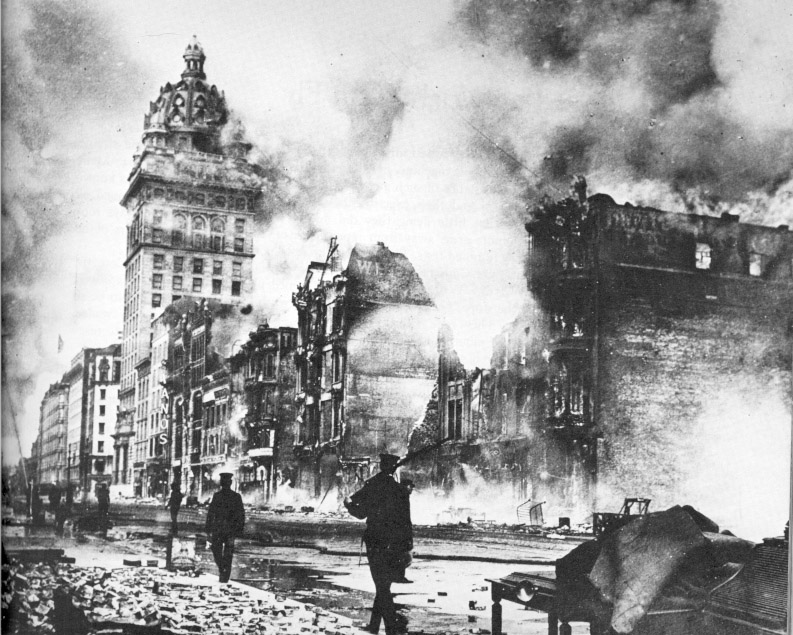
Call Newspaper tower on Market Street in flames, April 18, 1906. Hearst photo.

In 1933 Eileen was nearing her term. In a mark of the times she would deliver in a hospital. This child would be the first in the family not born at home. No midwife, no husband or sister-in-law, no mother-in-law. What could be safer or more modern?

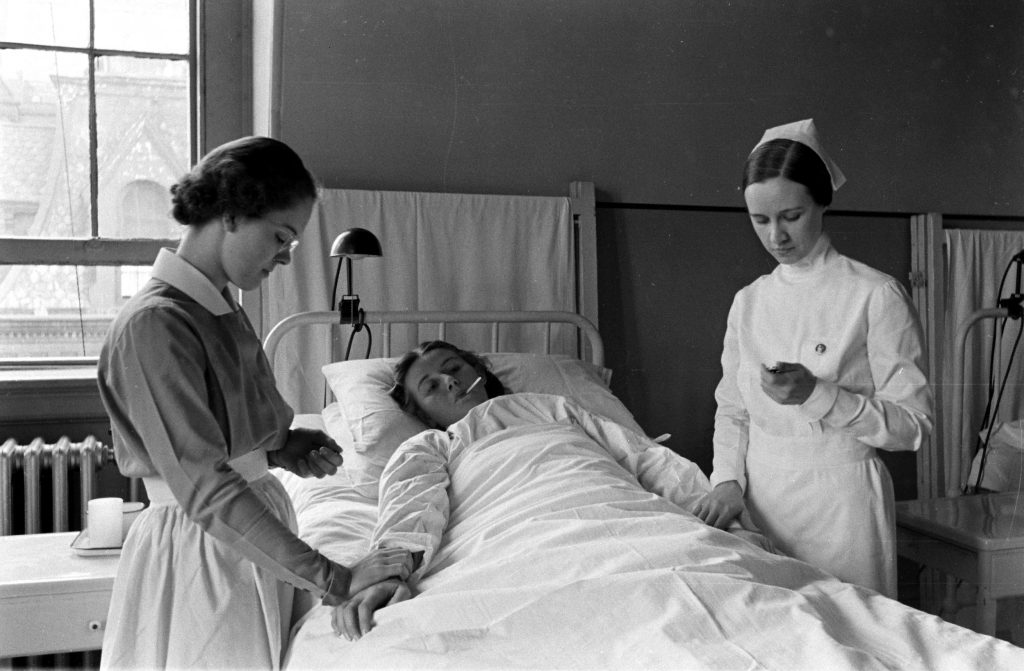
Eileen was checked in Cottage Hospital in Santa Barbara. Built in the Spanish Colonial style it was to be a new and unique experience for Bruce and Eileen and baby to be.

Santa Barbaras Cottage Hospital, 1930. News Press photo.

Delivering a baby at 38 was a dicey proposition in 1933. There had been many improvements in in pre-natal care in Eileens lifetime, infant death rates had dropped significantly since 1900. The diminished numbers of home births was a major contributor along with the acceptance of theories on anti-sepsis and the rise of hospital culture.

In 1888, a group of 50 prominent Santa Barbara women recognized it was time for the growing community to have a hospital — a not-for-profit facility dedicated to the well-being and good health of all residents, regardless of one’s ability to pay or ethnic background. It was a major milestone in the communities history as the population was just five thousand people when the little 25 bed facility opened its doors in 1891.

In ’33 Bruce had a steady job but his pay could barely cover expenses. The depression had reached its lowest point for American people. March 1933 saw the highest number of unemployed, estimated at around 15.5 million. Those numbers represented just under 25% of the workforce. New Mexico jobless numbers were pushing 40%, the highest in the nation. For those who were lucky enough to keep their jobs, wage income had fallen 42.5% between 1929 and 1933. The country had no social security system, no unemployment insurance the unemployed had to rely on themselves and the overwhelmed relief agencies. People resorted to desperate measures to find work or earn money, such as waiting for a day’s wage or selling goods on the street. Children were turned out of their homes to fend for themselves. There was a great deal of unrest across the country.

In San Francisco, the hiring of day laborers called a “Shape up” in which those chosen from a crowd of the hopeful were employed for just a day rather than long term led to the violence of the 1934 West Coast Waterfront Strike, particularly the events of “Bloody Thursday” on July 5, 1934. During Bloody Thursday, San Francisco police open fire on striking longshoremen, resulting in the deaths of two strikers and hundreds of injuries. This escalated the strike into a citywide general strike, where over 100,000 workers in solidarity with the longshoremen walked out and shut the city down.

The majority of the population in the country were bordering on frantic, not knowing where the next meal would come from or how and where they might live.

The Halls had three teenaged children who needed to be clothed and fed. They lived in a small rented house and were by some slight miracle were just getting by. Timing for the new baby couldn’t have been worse.

Not just bad timing either. Eileen had nearly bled to death when Bob was born in 1920. Only aunt Grace’s sprint into Orcutt for the doctor had saved her life. She was very weak for months afterword. Bruce and Eileen told each other that there could not be anymore babies. It was much much too dangerous. The thing is, nature will find a way and it did.

Though the first human to human transfusion was successfully done in 1818 the classification of blood types was only codified in 1900. WWI led to the first mass use of the life saving procedure. Like most things the ability to do a transfusion became routine but the underlying structure which provided the actual blood was not. Blood could not be stored for long periods of time, just days in the best of circumstances. It wasn’t until that the first blood bank was established in a Leningrad, Russia hospital. National organizations did not exist. The first was by Bernard Fantus, director of therapeutics at the Cook County Hospital in Chicago, established the first hospital blood bank in the United States in 1937. In creating a hospital laboratory that can preserve and store donor blood, Fantus originates the term “blood bank.” Within a few years, hospital and community blood banks begin to be established across the United States. It was much too late for Eileen as Santa Barbara had only a very small supply of whole blood on hand in March of ’33 .

Not only is childbirth for most women life threatening but in 1920 when Bob was born the chances of finding blood for a transfusion were unlikely. The doctor ran his small practice in an office above a little shoemakers shop in Orcutt and had no way to store blood of any type. The fact that he was able to get to the lease and find and tie off the bleeder in time was a miracle. The lack of transfusion was the main reason for her long recovery.

If Eileen were to hemorrhage she could well die and her doctor in Santa Barbara insisted she deliver at Cottage. They had no money to pay so Eileen went down to the welfare, they called it relief then and applied for help to pay the hospital. They gave her such a hard time that she felt ashamed that they though she was just another chiseler. She went home in tears and told Bruce that in order to qualify they would have to sell the car which he needed to go to work.*

She told the doctor that they had decided that the baby would be born at home just as the others were. The doctor was adamant and said, he and some other doctors had gotten together and agreed to get together and take care of people who were in need and that the hospital had established a fund for the same reason.

“Eileen, you will be treated the same as if you lived in Montecito with the rich folks.” He said, “No one will ever know.”

Perhaps the sun was about to break out.

They were in Santa Barbara after the layoff and then bankruptcy of Barnsdhal oil. There were no oil field jobs in the Los Angeles basin, absolutely none. They had bought a small house in Wilmington near Bruce’s brother Bill and his wife Anna. When Bruce lost his job and couldn’t find a new one they called Eileen’s brother Henry Cayce who lived with his wife Martha and their three kids in Goleta. Henry had a good job as a mechanic and in the way of family they said come on up, we’ll find room for you all.

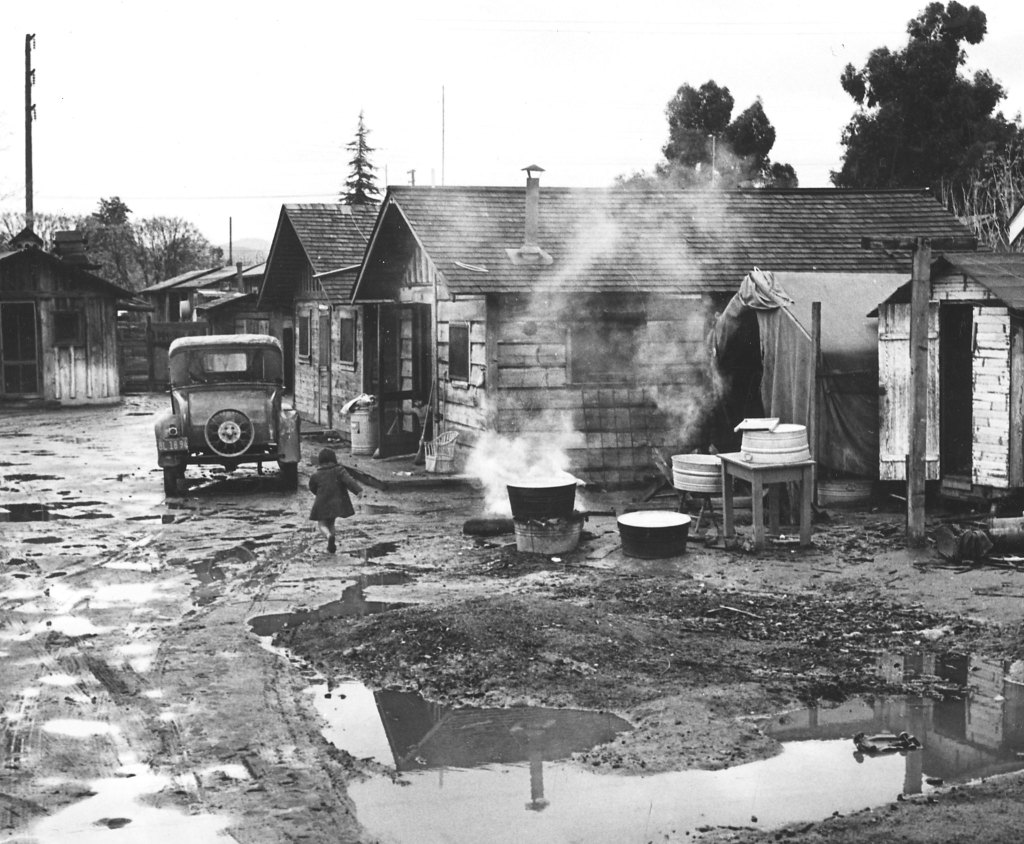
So the house in Wilmington was lost, the first they ever owned but they couldn’t make the payments so they turned in the keys and just walked away as so many others did during the depression. By late 1932 it was being called the great depression because there was no doubt that it was the one.

They closed and locked the door for the last time, loaded their suitcases and whatever they could carry, drove to the filling station, gassed her up and they still had .50 cents left. Always responsible and money conscious but with nothing to lose, they said “To hell with it and went to the movies.” They saw “Tarzan the Ape Man” with Johnny Weissmuller and Maureen O’Hara. When it was over they took their popcorn and dead broke, hopped in the car and headed to Santa Barbara. They had this way about them where they looked on life as if it was a big adventure. They would do their best, come what may.

At Henry and Martha’s Bruce got up the next day and went looking for work. There wasn’t any possible way that he would find work in the oil fields so anything would do. At thirty eight half of his working life had been in oil and though it was rough it was all highly technical and built almost entirely on experience. He could not read a book on how to do the work. It was learn by doing. All of that seemed out the window now.

Steinbeck’s story about the Joad family would not be published until 1939 but the reality of it was being played out across America every day. The novel explores themes of social injustice, economic hardship, the loss of the American Dream. The power of community and collective action in the face of suffering was for the Hall’s, the way out.

Henry Cayce was Eileen’s uncle and by coincidence an oil worker. He had worked for Barnsdal in Elwood as a mechanic but had also lost his job. He now worked as a garage mechanic in Santa Barbara. They rented a big house in Hope Ranch and had three kids of their own which made six at home. Eileen ran the house and took care of the kids and Martha worked in her mother’s little grocery store. The house was in a walnut grove so Eileen and the six kids shucked walnuts and sold them downtown for extra money. They did whatever they could find.

Bruce took any kind of job he could find mostly doing day labor. A few hours here and a few there most not lasting very long and bringing in a little money to keep them going. He finally got on a a garbage man, humping trash all day. His bad back was murder, but it was life or death, up at four and home at four. He continued looking for oil field work. Call after call hoping that something would turn up. My mother said, she was going on fourteen, at the time that she really didn’t know much about that part of her life just that it was fun to be with her family and cousins and that it was a happy home. Such is how parents shield their kids from harm.

Finally in late February 1933 Bruce got the call from Signal and both he and uncle Henry went back up to Elwood. They would both stay with Signal for the rest of their working lives.

Eileen had been in the hospital for a couple of days. She had intermittent contractions but nothing too serious until later in the day Tuesday the tenth of March. Bruce arrived at the maternity ward just after four o’clock. It was a fine day, one of those familiar California winters near the end of the rainy season. No fog in Santa Barbara, a riffling breeze drifting out of the desert to the east bringing a promise of warmer temperatures and springtime. A fortunate time to bring a new life into the world.

There was no sound. Six miles below the surface of the Pacific Ocean, rock stirred. Billions of tons of the earths crusts, caught along a crack, Jerked, lurched as they slid by one another at around a sixteenth of an inch a year. The immensity of caught forces gave way at 5:54 pm.

While her parents were at the hospital Barbara, Bob and Mariel and the Cayce cousins had just sat down to dinner, forks clinking against plates, the girls dicing up some boy at school, Bob rolling his eyes, trapped in a world of girls, when suddenly the table was gone, plates forks, knives and the stew Eileen had made just for the occasion splattered across the floor peppered with flakes of china. Too stunned to act they froze as the old wooden house began to shake and sway to a rhythm of its own. They were fortunate. Old wooden structures might skip and jump about in a quake but most survived with little damage.

At the hospital, as Eileen went into labor. Bruce paced the waiting room. In 1933 no man was allowed anywhere near the birthing room. He chained smoked Chesterfields and he waited. He’d heard nothing from upstairs and at 5:50 he decided enough was enough and he would go see what was going on. He was a few steps up the stairs when the Long Beach Quake of 1933 slammed into Santa Barbara. Bruce was staggered in mid-step, fell to his knees and tumbled back down the steps.

Eileen was in bed and had just delivered a baby girl. She was lying on her mothers belly as the doctor reached to cut the umbilical cord when the quake roared in. The bed skidded one way and the other with the nurses and the doctor desperately holding on, trying to keep the new mother and her child in it. The Long Beach quake** which was a terrible event shook Santa Barbara in a gentile way but that little girl who grew up to be my aunt Patsy was always ever after referred to by her father as an earth shaking event.

And that she was.

Coming: Chapter 19. The Depression

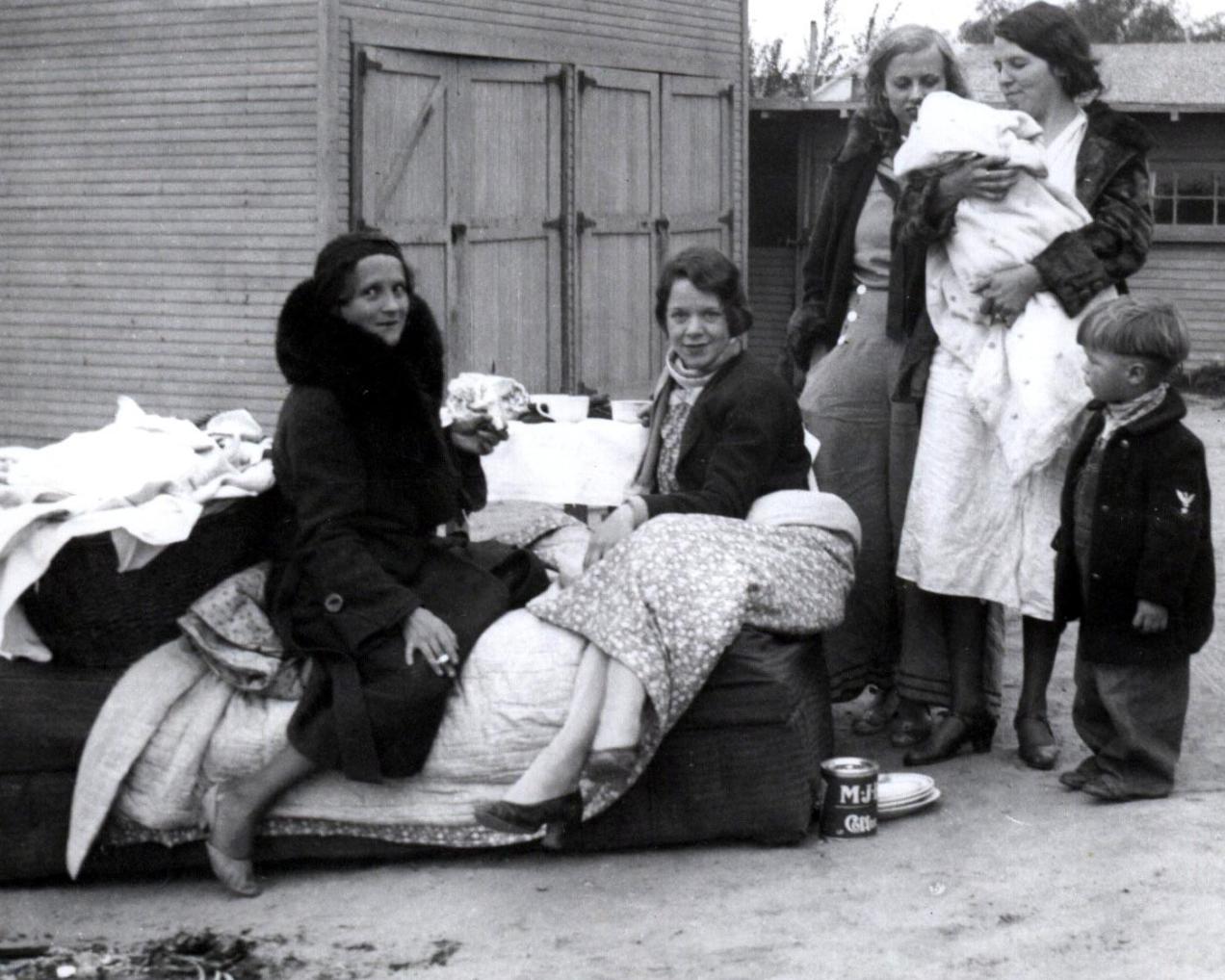
Cover Photo: Living outside, post earthquake, Santa Barbara California 1933.

*This is one of the events in our family history which has caused us to be pretty qualified government haters.

**In the early evening hours on March 10, 1933, the treacherous Newport-Inglewood fault ruptured, jolting the local citizenry just as the evening meals were being prepared. The Magnitude 6.4 earthquake caused extensive damage (approximately $50 million in 1933 dollars) throughout the City of Long Beach and surrounding communities. Damage was most significant to poorly designed and unreinforced brick structures. Sadly, the earthquake caused 120 fatalities.

Within a few seconds, 120 schools in and around the Long Beach area were damaged, of which 70 were destroyed. Experts concluded that if children and their teachers were in school at the time of the earthquake, casualties would have been in the thousands.

Michael Shannon is a writer, former teacher and a surfer. He write so his children will know where they came from.

Standard

Twelve Hour Tour

Page 17

Big Surprise!

Michael Shannon

Eileen stood in the kitchen of the little rented house in Compton.* Her right hand still held the receiver, silent. She didn’t move for the longest time. She stared at the yellow wall where the telephone hung. Softly she said to herself, Oh God, Oh God, Oh God. Heaven was silent on the matter.

When her three children bundled in the back door fresh from school their mother was nowhere to be found.

Bruce was working some Signal wells on the east side of the hill. Mosher had bought six leases that hadn’t paid off but his engineers thought that if they went a little deeper there were provable amounts of crude.

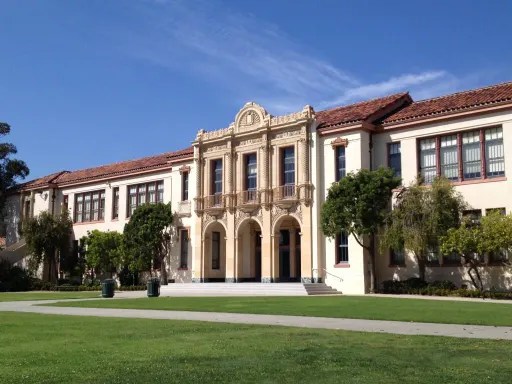
Compton was one of the older little towns that dotted the Los Angeles area. There were numbers of them. Carson, Torrance, Monrovia, South Pasadena, Santa Monica and Whittier. Compton established by a migrant group of farmers in 1888 predated its larger neighbor Long Beach. When Bruce and Eileen moved there in 1931 the population was around 15 thousand and was surrounded by family farms. It was an entirely agricultural community.

Aerial View of Compton in 1930.

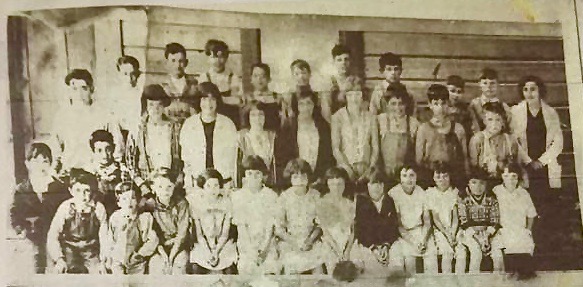
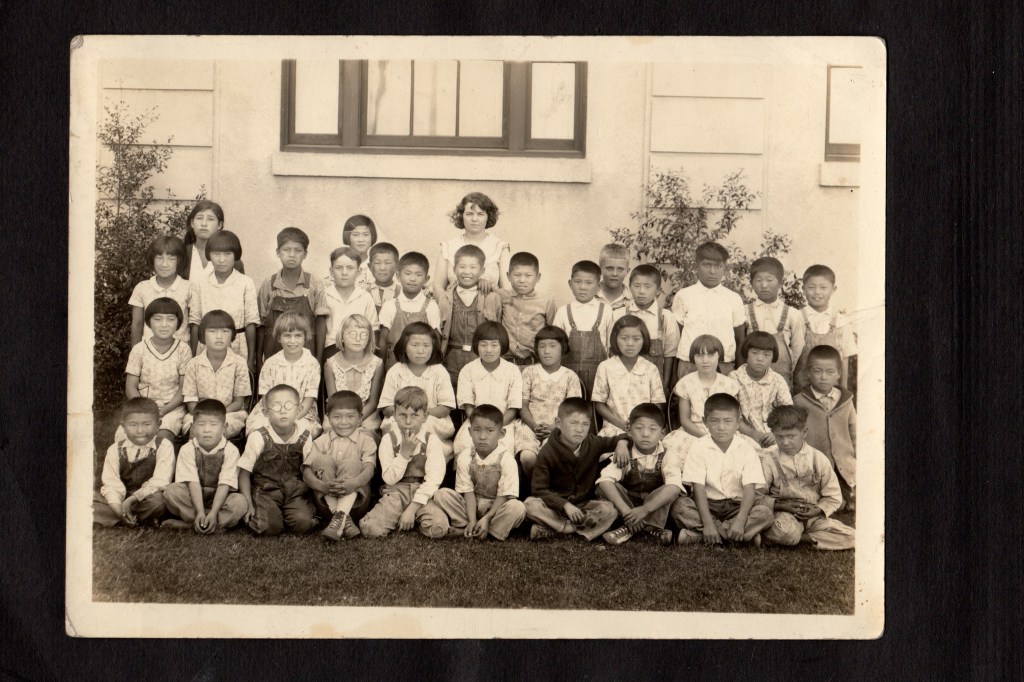
In those days it was supposedly almost entirely white. In the 1930 census, only one African American was listed. There is no doubt that census takers skewed the results as photos of elementary and high school classes taken at the time indicate otherwise. Both my mother and her sister Mariel spoke of this. Their classes were full of Japanese American and Hispanic kids, all of them certainly citizens particularly the Hispanic kids whose families for the most part had lived on this land for at least a century and some much longer.

McKinley school, 3rd grade. Compton Ca 1930 Calisphere photo

The City of Los Angeles predated the establishment of the United States by a decade. The Spanish had arrived in the LA basin on September 4, 1781. A group of settlers consisting of 14 families numbering 44 individuals of Native American, African and European heritage journeyed more than one-thousand miles across the desert from present-day northern Mexico and established a farming community in the area naming it “El Pueblo de Nuestra Señora la Reina de los Ángeles”.

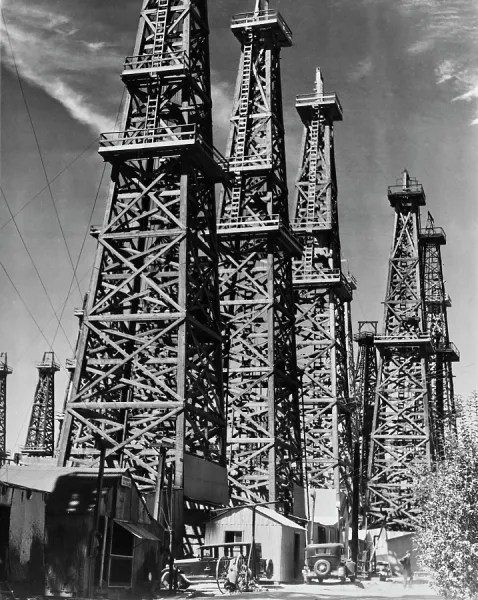
Even though we tend to think only in modern terms, most of Los Angeles County was still rural. LA’s population had just topped 1.2 million but the second largest city, Long Beach was ten times smaller. Signal Hill stood by itself in the last stages of the pastoral land it had been in the time of the great Ranchos which were no longer things but only names.

Signal Oil derricks, Eastside. 1932

The sense of anticipation. Not the emotional side of anticipation which is the wishing and hoping, no, the nuts and bolts of it. It is a gift that when its amplified by experience, of the hands on job that lets a person see beyond the immediate thing at hand. It’s the ability to look at something, a job, a technical problem and make a reasonable prediction as to what might happen down the road. Success at any job that requires a positive result is less about what is going on in the “right now” and what is likely going to happen if you continue. This is the path that every successful workman pursues.

Here is what I mean. When I worked my first “Real” job and by that, I mean I was paid for it, I bucked hay for a man named Dinny Sheehy, I was just turning fifteen. Loading flat bed trucks with hay bales is a rough way to start. Baled hay come in many forms. My uncle Jack used a baler that pumped out hay that was tied with two loops of twine. Dinny had one that produced 3-wire. The difference, you might ask is in the weight. Uncle Jackies were around 50 plus pounds, the 3-wire topped 90 lbs. The problem for me was that I weighed about 120 pounds myself and was being told to hump a 90 pound bale of hay from the ground up onto the bed of a flat bed truck that was at my chest. You can’t deadlift one. I had to figure out how to do it by myself. The old timer driving the truck had nothing to say. He looked straight ahead, smoked, sipped from a pint and drove. If he had a secret he kept it. Solving the problem is the anticipatory you see? If I couldn’t figure it out by lunch time I’d be gone.

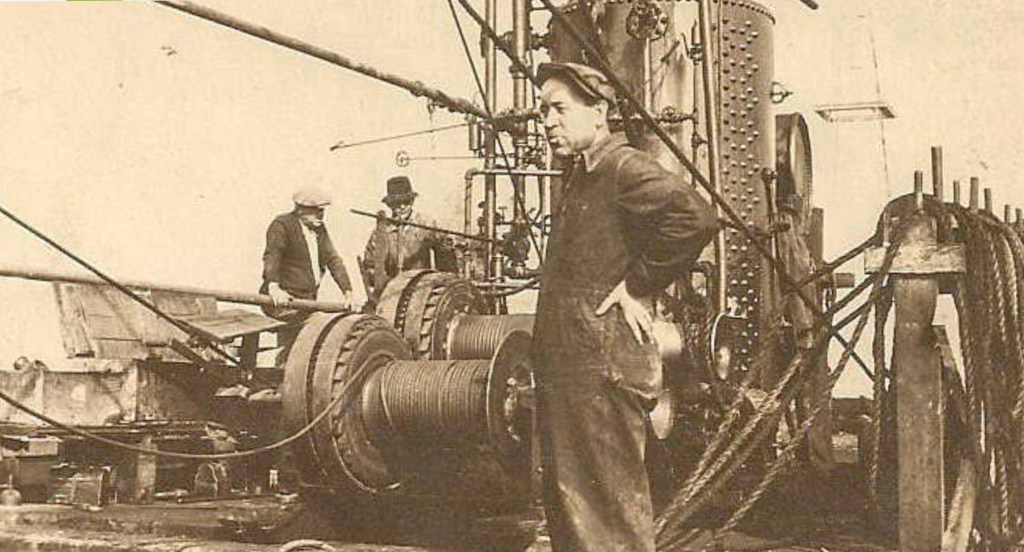
Bruce Hall. On the rotary rig, Ellwood ,California 1930**

The secret of Bruce’s success was the ability to see ahead, plan for and manage the work. The thinking goes like this, how can I produce more, how can we be more efficient, how can we cut costs and still increase production? Believe it or not that ability isn’t that common. “Getting in your own way” is the phrase we might use to describe the someone who cannot and there are many of those.

Bruce drove into the little dirt driveway, shut of the engine of the Cheverolet and for a moment sat quietly while the cooling engine banged and sputtered as it cooled while he put aside any workplace blues and replaced it with anticipation of seeing his wife and kids. There was homework at the kitchen table, dinner simmering on the stove.

The kids were indeed at the table. “Where is your mother?”

In the way teenagers think, my mother simply answered, “She’s in the closet.”

“Why is she in the closet?”

All three looked up. My aunt Mariel, being the oldest at fifteen spoke with the wisdom of her age, “Don’t know.”

Bruce strode quickly to the hall closet and pulled at the knob. It didn’t budge. Eileen was holding it tight with both hands. Bruce asked her to please let him open the door and eventually she did. There she sat, arms crossed across her knees. She lifted her face toward him, it was streaked with the tracks of tears.

“Oh Bruce,” she sobbed, “I’m pregnant.”

He got down on his knees and held her. Eileen was 37. She already had three half grown children. It was all too much to bear.

So much for careful planning and the anticipatory abilities of Bruce and Eileen.

Chapter 18, The Big Shake

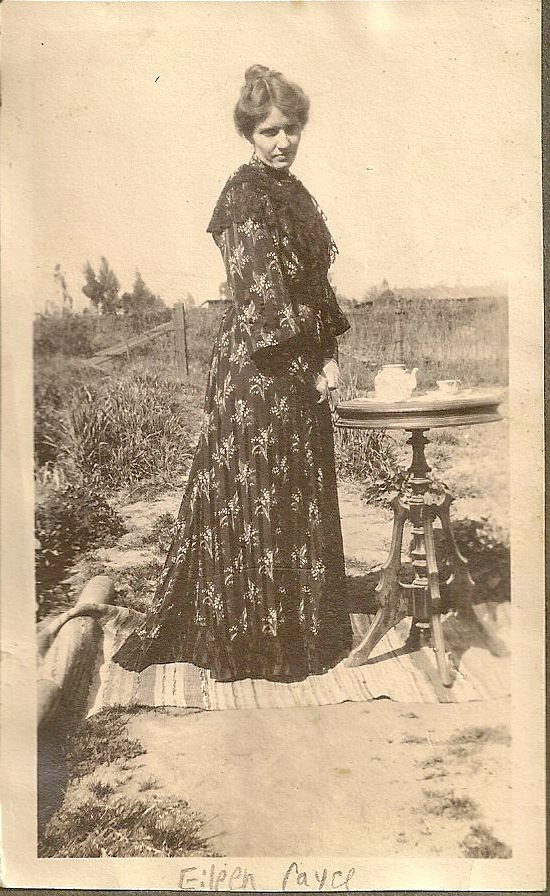
Cover Photo: No one in the family knows exactly what this photo means. It was taken the year she was married, likely on the ranch Eileen’s mother managed near Creston, California. Eileen is just 20. The antique table, doilies, tea set and the little rug set the stage. She is dressed in a style soon to be gone. She wrote on the back “An old lady.” She’s using her maiden name so she’s not yet married. Maybe he’s worried that people will call her a spinster. It’s a mystery but it captures the mood of this story. In the way of genetics both her granddaughter and great-grandaughter are dead ringers for her. They both have the same spirit and “the forge ahead no matter what genius.”

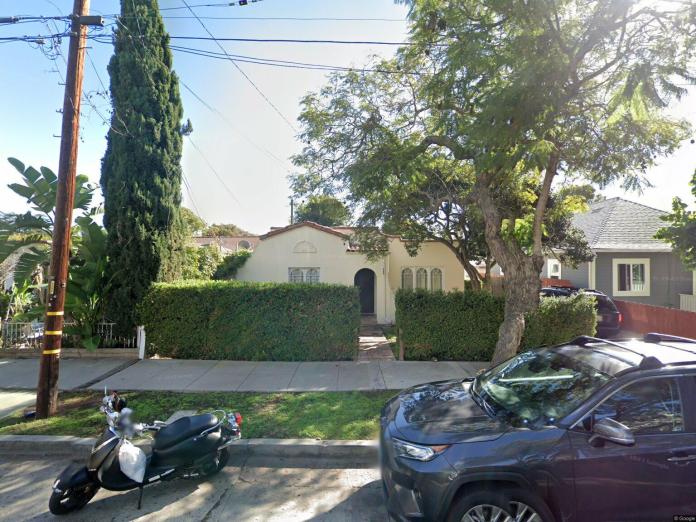
*The house on Western Avenue still exists.

**Bruce is just 34 but the toll on his body is already showing. The stance is that of a man who has back problems. The hands on the back of his hips and the slight arch are visible signs of a bad back that will plague him all the rest of his life. The blackened coveralls, soaked with oil and the unfiltered Chesterfield habit are going to have very serious consequences. Heavy labor is called back-breaking for good reason.

Standard

How To Live Forever

Michael Shannon.

For a good start, be sure to be born on Easter Sunday. You might want to be the only child, a boy child at that, born that day. You should be born at Our Lady of Perpetual Help Hospital, better known as Sisters Hospital.

Staffed with The Poor Clares an austere Roman Catholic religious order of nuns, co-founded in 1212 by Saint Clare of Assisi and Saint Francis of Assisi. The order is dedicated to a contemplative life of prayer, and poverty. They were all good Irish girls. Many of them spent their entire working lives in Santa Maria and when they retired they returned to Ireland from whence they came.

They delivered the newborn to my mother with a blue bow tied in my blond locks. They told my mother it was an omen from God. It must have been because Dr. Case had given my parents some very bad news the year before, he said, “Barbara you will never be able to conceive.”

Born on Easter Sunday? Perhaps a subtle message to Harold Case. Who knows.

So thats a good start.

Now be sure your parents are from Farm and Ranch families. There are scads of reasons for this. The first is general health. To build a child’s immune system it’s important for them to drink from the irrigation ditch and the hose. In my case we drank from the kitchen faucet too, even when the water tank had dead Screech Owl chicks floating in it. The hard water in the valley had coated the inside of irrigation and all the other water pipe with a whitish hard scale that eventually caused the kitchen faucets to close up to the point where you could not stick a pencil in them. A soupcon of fertilizer in the irrigation pipe was good for kids too.

We learned that planting Roly-poly bugs does not grow snapdragons but that Nasturtiums are pretty tasty. We had oodles because they grew insanely lush over the septic pit behind the house. Leaves of three. let them be, we learned that the hard way and that Horse Nettles could be touched in the center of the leaf but not on the edge. We learned to remove our socks in the presence of foxtails and cockle burrs, that is if we happened to be wearing them and that there was only one kind of bad snake. If we saw one in the yard we just told mom, the woman whoo was terrified of spiders and she would come out and dispatch it with a shovel something she learned growing up in the oil fields. Mice in the house were pretty OK; Dad said they didn’t eat much anyway.

Kitties were tolerated for their mouser abilities but seldom coddled, dogs were loved beyond any reasonable amount. Dogs went everywhere we did, showing us the way.

I learned to swim in the creek and the watering ponds on the cattle ranches. I could throw tomatoes, bell peppers and dirt clods with deadly accuracy. It was a mile walk through the fields and a dirt clod fight could and did last the whole way. My friend Kenny and I stalked Old Man Parrish’s apple orchards with our Red Ryders. Everything we did was a made up game of the imagination.

Every old building, corn crib, horse barn, tractor shed harbored an army of spiders. The dark places were home to Black Widows. There were Tarantulas living in holes in the ground, The Daddy Long Legs, so delicate and harmless, the Orb Weaver who weaves those delicate circular webs that can be so striking in the morning when dripping with the morning dew that are so striking that we used to duck under them so as not to harm them. Besides they were natural born fly killers. The nasty brown recluse which, if it bit you it was a sure trip to Doctor Cookson’s office.

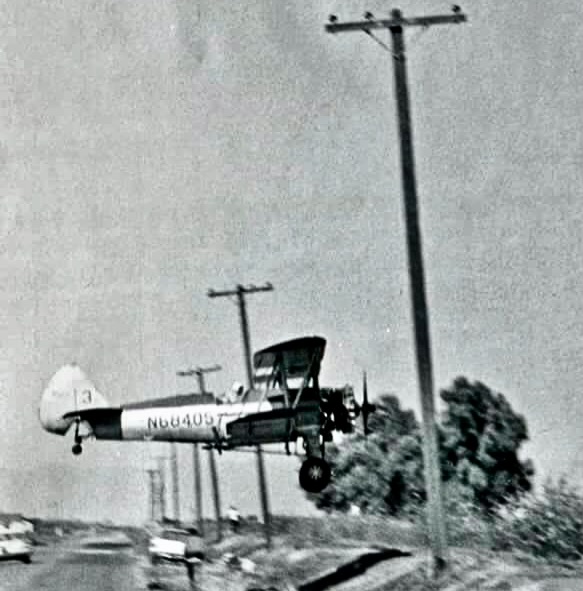
When Warners came to dust the crops with clouds of sulphur and DDT filled the air. Not unpleasant odors went you sniffed it floating on the breeze. Sulphur was sprayed on Tomatoes and peas to fight mildew and DDT. It just killed everything but kids. We could imgine WWI watching those old Stearman biplanes zooming ten feet off the ground and then pulling nearly straight up after flying under Lester Sullivan’s power lines. He flew a Chandell and came right back the way he came and did it again. Dad said he was WWII fighter pilot and wishes he still was. He would call the kitchen phone to say when he was leaving Santa Maria so we knew when to rush out and get as close as possible to the crop he was dusting.

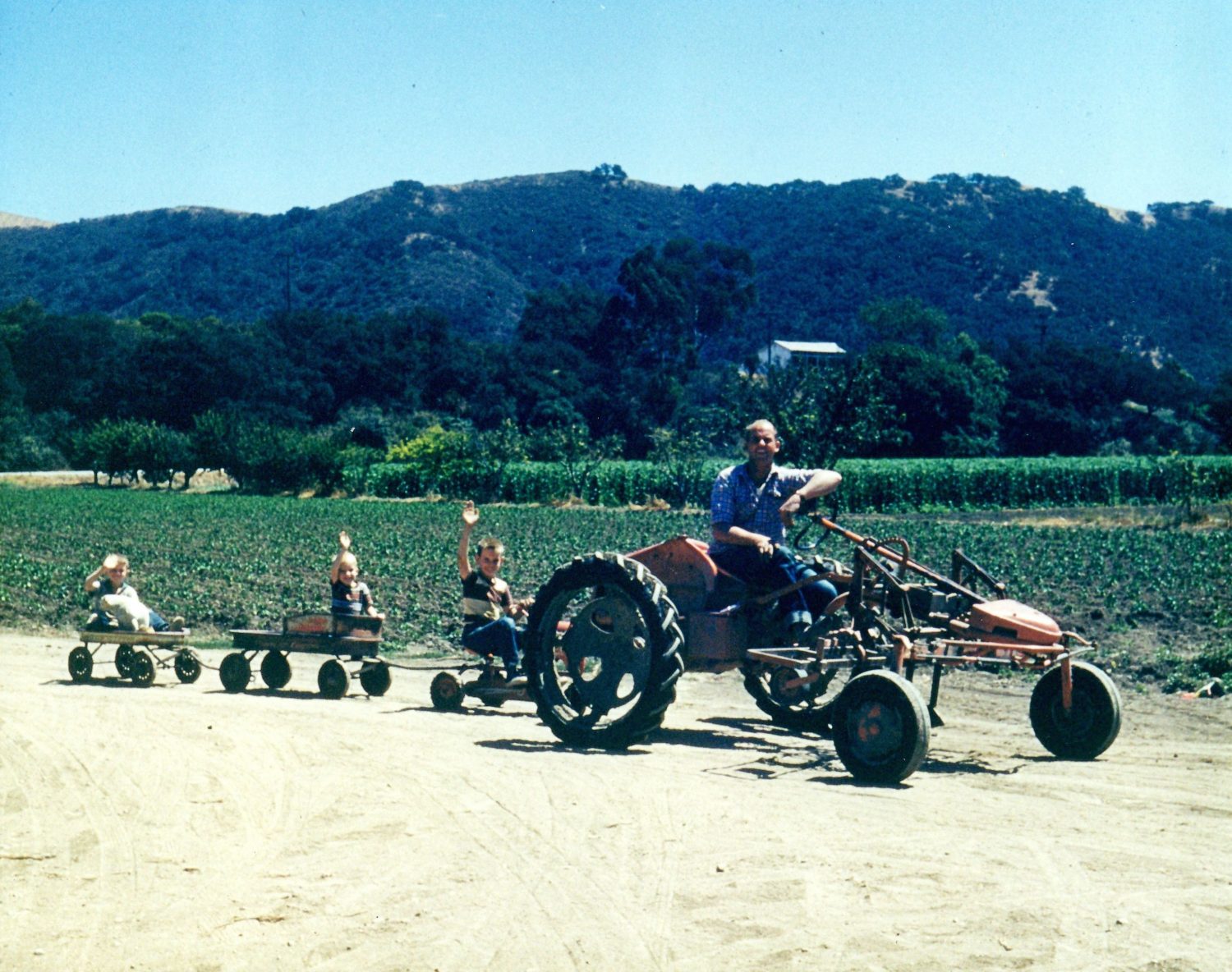
When we were big enough we stood on the cultivator bars of my dads tractors to hitch a ride into the fields. This wasn’t thought of as any great danger. Two of us would jump up and down on the bars to make the tractor buck a little which dad never seemed to mind much. Falling, losing your grip or footing and being dragged to death seemed a small price for some adventure.

We dug in the dirt, wallowed in the good rich mud of our adobe fields. Mom said the clogged pores in our skin prevented germs from entering. Being hosed of on the front lawn wasn’t such a bad thing in the summer.

The families ranches introduced us to livestock, “Bob” wire fences, the wonderful cow flop, cows must have the biggest bladders on earth. Have you ever seen a steer pee? My goodness! We knew what a salt block tasted like. The smell of new mown hay, used all the time in poetry but I think seldom experienced by most, the feel of the curly hair on a Hereford calf’s head and the rough feel of a cows tongue when she gives you a kiss.

My mother made sure we had a good clean shirt every day but Levi’s were worn until they were dirty and greasy enough to stand on their own. I mean, she had an old Westinghouse tub style washer with a wringer on the top which we were warned about but that hardly mattered and the occasional fingertip was squshed, carefully, so just to see how it felt. No one minded hanging out the wash because the clothsline was a great place to run through when the clothes were till wet. Had to be careful though, that was a switching offense. If you ran though and made good your escape mom soon pardoned you with a hug and a promise not to do it again.

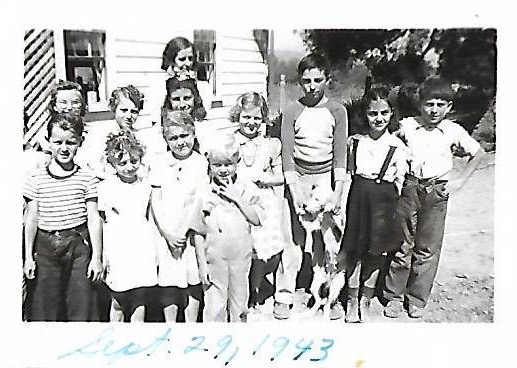
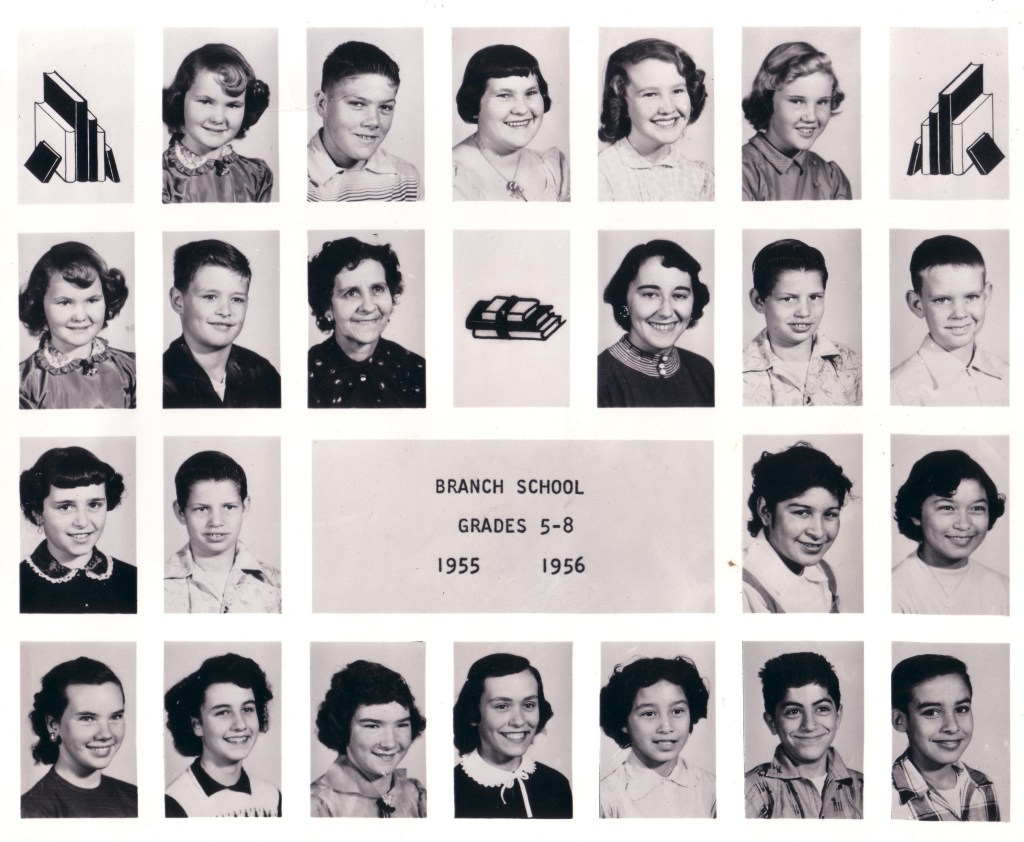
Kids did get sick though. We got infected from the other kids at Branch school. In the winter. Mrs Brown’s lower grade classroom could at times be fogged with microscopic beads of snotty goo and desk tops were glazed with phlegm from sticky fingers.

Mom and dad took disease very seriously. We had all the modern doctor mom tools, the humidifier that chuffed a fog of Vicks Vapo-Rub mist, A bottle of Iodine, Aspirin and band-Aids. She kept a handy rubber hot water bottle and if it was serious you might repose in their bed during the day and simply be cured by that treat and the smell of them as you slipped in and out of your fever dreams.

Our parents grew up in an age where the death of children was an omnipresent occurrence. When my father was born, one in five children died before their fifth birthday. Smallpox still wasn’t eradicated though the vaccine had been around for more than a century. My dad nearly died from Scarlett fever when he was seven. There was no cure. Children died from Whooping Cough, Measles, Influenza, Pneumonia, and infections from ordinary cuts and scrapes. A broken bone could become septic and a child would be lost. If you lived in the country there was little access to medical care, schools did not have nurses in attendance. The life of a child was precious but there were few ways to protect them. My own aunt was infected with polio when she was just nineteen. She survived but had a game leg for the rest of her life. Did I mention he was married with two small children and pregnant with a third when it happened.

Today we seem to have lost the institutional mamory of what pre-antibiotic medicine was like. My parents never did and neither have I.

No one asked me if I wanted to be stabbed by the nurse from the County Schools Office as we lined up at the schools gate and waited in line to go up the steps of the little school van and be stuck. Nope, any squawking would have been completely ignored. Parents knew the cost, nobody complained.

We learned from our parents that most things were not crying offenses. Dad never complained about anything, neither did my mother who if she sniped about her friends she didn’t do it around us. We lived in the kids world, all of us. Adventure was something homemade. You polished your imagination with no help from television because in the very beginning it wasn’t made for you. Reading was the drug of choice. We had all the Hardy Boys adventures, The Three Musketeers, Mark Twain, Jack London, Franklin W. Dixons Frank Merriwell’s adventures which in and of itself made us want to go to college. We knew little or nothing of war or politics. Those were of the adult world.

Looking back you can see that we were free to make our own adventures. We had little supervision. We knew the rules laid out for us but they were few. We were expected to have a good time, explore, learn to swim in the creek, fish for our dinner and follow the dogs wherever they went.

It was in many ways a simpler time for kids. You had time to learn and form yourself. To put on some the armor of self before you had to inevitably step over the threshold of young adulthood. It took me a long time to catch up with the town kids when I went to high school. I wasn’t prepared for smoking, fighting, sex or any of the other thing that can bring kids to grief.

A friend once told me that he found it admirable that I went my own way. Growing up on the farm had vaccinated me so to speak. Thoughtfulness was simply ground in you by experience. We were vaccinated by the tenet that you should “Look before you leap.”

Growing up on the land and understanding that the most wonderful thing was that my parents were alway there. My dad in our fields and mom in the kitchen. We were safe and secure in the knowledge that we were loved and cared for.

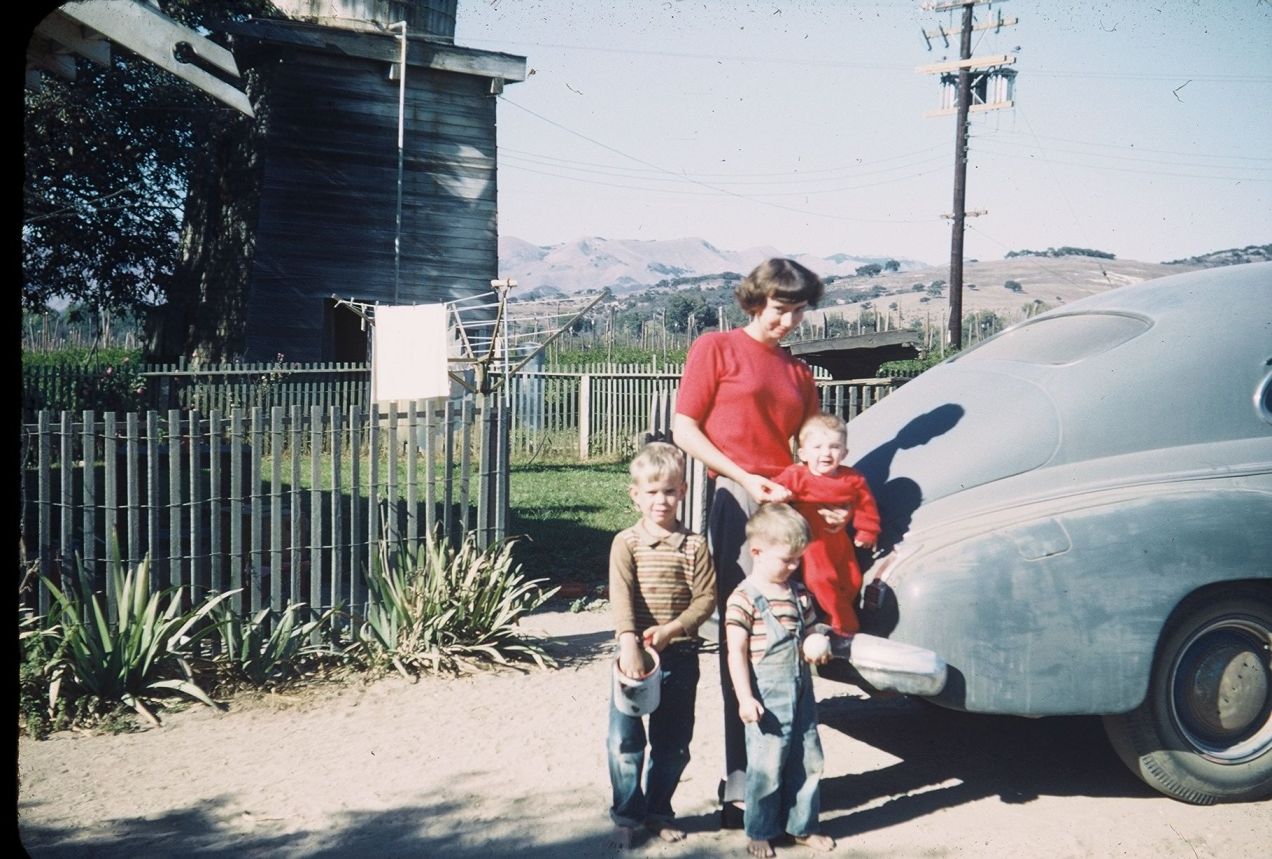
Cover Photo: My aunt Patsy at 17, she of the polio. My two brothers and myself. We were one, four and six. Shannon family photo

Michael Shannon is at heart, still a farm boy. He writes so his children will know where they come from.

Standard

THE NECESSARY

My Goodness, What to Do?

By Michael Shannon

My grandmother was born in 1885. Things were different then. The little Red house she was born in down in the Oso Flaco is long gone now like most old houses built in the days before electricity and indoor plumbing. She didn’t live there too long for her father was a fortunate man and found oil on his little ranch in Graciosa, todays Orcutt. he became an instant rich man and soon built himself a large modern home on west Guadalupe road. Though rich, he was still a farmer and he worked his land which stretched all the way back to the Santa Maria River. For an landless Irishman, which most were, the land held more importance than the oil.

When my grandma Annie was eight years old she came to Arroyo Grande to live with her aunt and uncle, Sarah and Patrick Moore. Patrick Moore had come to Guadalupe from Ireland and prospered in the sheep business. Though he had little education he was a cunning man and made himself a fortune with which he built a big house on the edge of little Arroyo Grande. He bought a big book of the collected works of William Shakespeare which he kept in the foyer of his house where all could see it as they entered. That was all the education he needed.

So, my grandmother grew in a life of privilege. Servants, beautiful clothes and the best of Arroyo Grande pioneer society. Her girlhood friends were, Phoenix, Harloe, Rice, Lierly, Porters, and the descendants of Don Francisco Branch. Families that sent their children to private schools in San Francisco and San Luis Obispo.

She was a child of the late Victorian Age and all it represented. A hundred years after the first American civil war or The Revolution as it’s now styled, fashionable society still looked to the European continent for guidance in societal affairs. We will dress this way, walk this way, speak this way and adopt the mores and shibboleths that decree customs, principles, or a belief that distinguish a particular class or group of people. The majority, under the influence of vague nineteenth-century shibboleths, understood that by associating oneself with these doctrines implied sophistication to the nth degree.

I never knew my grandmother as a girl though she certainly was one. She was 60 years old when I was born. She wore sensible low heeled shoes, cats eye glasses, plain print house dresses covered by an apron with the ubiquitous hankies in the pocket. If she wore any jewelry other than her slim wedding ring I don’t recall. She wasn’t overly solicitous of my attention but she was a calm presence rocking in her chair darning socks or knitting. It was the chair my grandfather bought her when she was first pregnant with my uncle Jackie in 1908, the year she graduated from California Berkeley. She would offer her hand with its delicate skin which had hardly ever seen the sun because in the forties women still wore gloves everywhere. A little cheek was offered for a boy’s kiss which was as soft as a down feather. She always smelled of White shoulders, powder not perfume for perfume was considered vulgar and only worn by “Soiled Doves or low class strumpets.

She played the piano in church, always wore a hat to go to town no matter how mundane or routine the purpose was and was unfailingly polite, no gossip that I ever heard. If there was it was confined to her bridge club, women who had sat at those old folding tables together for nearly fifty years and likely chewed, although the word chewed which she viewed as vulgar would never have passed any of their lips, they chewed on the same old conversations until they were polished to a soft sheen. Safe, familiar and soothing.

She was raised in a quite remarkable era which is almost unbelievable today. Things we take for granted were forbidden or lived under a series of shadow words that said one thing but implied another. Society had developed euphemisms to mask words and phrase which the well-educated and socially prominent practiced.

women were as energetic as they are today but har far fewer things to occupy their minds. A contemporary woman would hardly recognize my grandmothers life in 1900. She couldn’t own property under her own name, she couldn’t vote, there were few places she could go unaccompanied. She couldn’t initiate divorce nor was she protected from domestic abuse. She couldn’t wear trousers, smoke a cigarette, she couldn’t handle money even if she had some, that was her husbands job.

She a had an Irish servant girl, her name was Clara. Clara washed ironed, served dinner and kept house for the Moore’s. She is in one photo kept in the families collection. She was apparently a scandalous girl who’s secret my grandmother kept to herself for nearly her entire life. She let it slip in her mid-nineties when her memory of the present faded and the memories of the past sharpened.

When a girl reached puberty she was likely to be 16 or 17. Poor nutrition, increased physical stress from industrial work, and other poor living conditions during the Victorian era contributed to this delayed onset. Social standing at the turn of the century figured in the timing. Children went straight to adulthood as there was no concept of adolescent until roughly 1905 when the concept was published in a book. The word teenage was completely unknown. My grandmother graduated high school in 1904 and would have been constrained to act and dress as an adult. You can see in old photographs children dressed exactly like their parents.

As a young single woman which she was until graduation from college she wore her hair up. Nearly every woman did. She put her hair up as a young teen and it stayed up until she bobbed it in 1920. Wearing the hair down as an adult woman was a scandalous thing and indicated that you were of a lower class or a, horrors to even think about it, “Lady of the night.” A fallen woman in fact and if my grandmother and her friends saw you on the street in San Luis Obispo which by the way had a rich and teeming Red-Light district, they would turn away and point there noses skyward at the scandal of it. Hmph.

The girl in the rear, Margaret “Maggie” Phoenix. Our Margaret Harloe for which the school is named. Note the ubiquitous hankies.

This developmental stage was deeply shaped by Victorian social and moral codes, which emphasized female purity and restricted young people’s autonomy. Victorian culture strongly discouraged public discussion of sexuality and puberty. This lack of frankness contributed to a cultural “prudery” surrounding these topics. Some late-Victorian medical and social commentators viewed puberty with apprehension, seeing it as a time when girls were susceptible to disease or irrationality, swooning and the “vapors” more than likely brought on by too-tight corsets. There was a push for female health and physical activity for some, but this was often met with resistance from those who preferred to preserve traditional ideals of fragile femininity. Social mores were set by the extreme upper classes in order to distance themselves from the lower or even worse, the depraved gutter Irish.

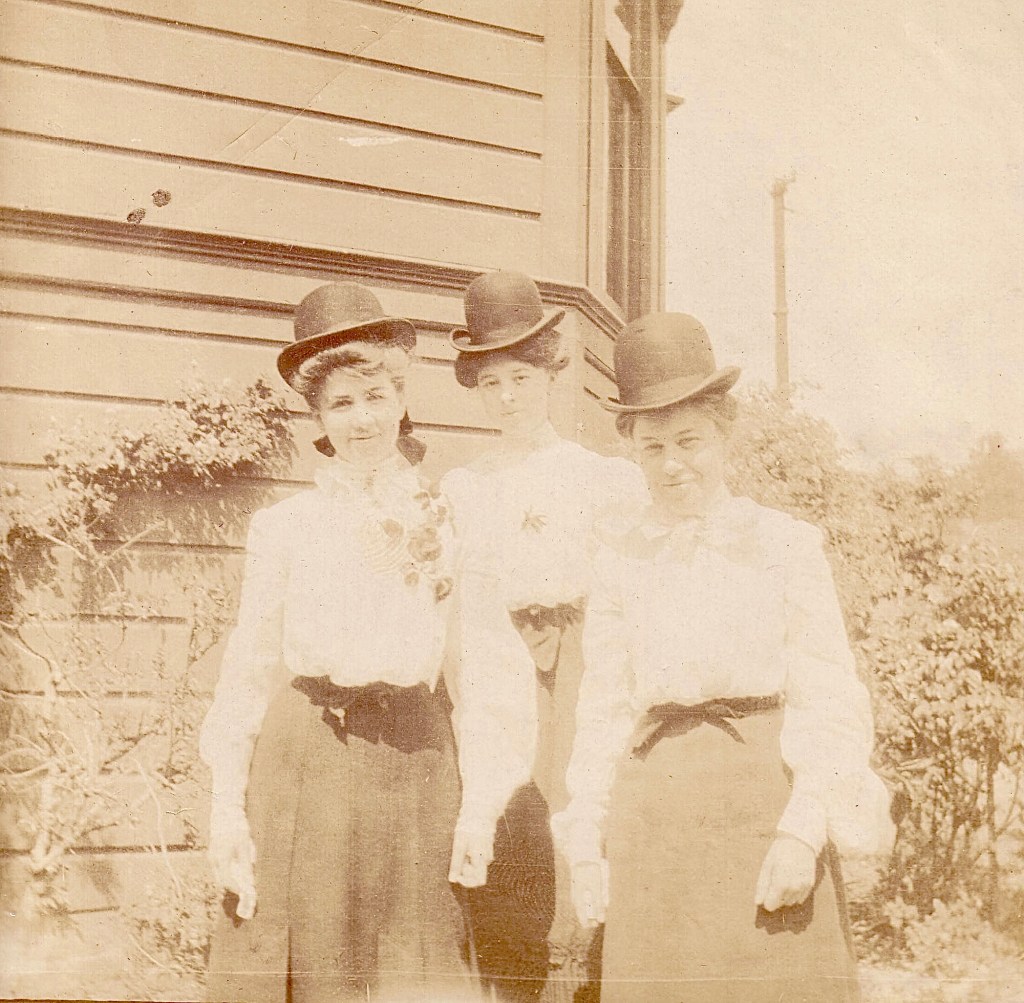
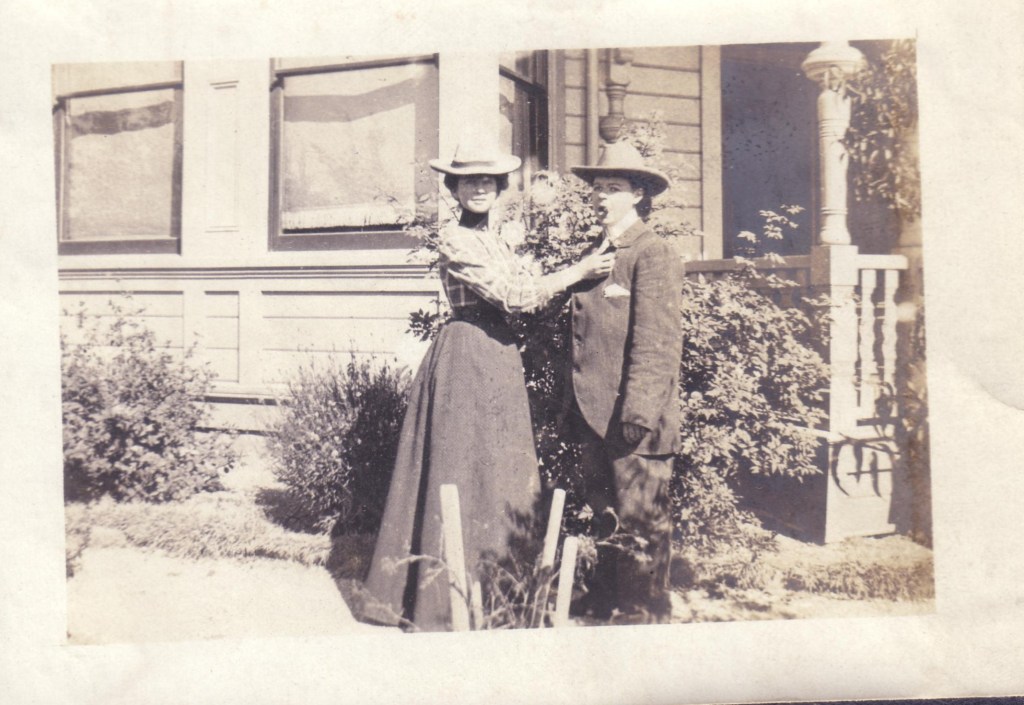
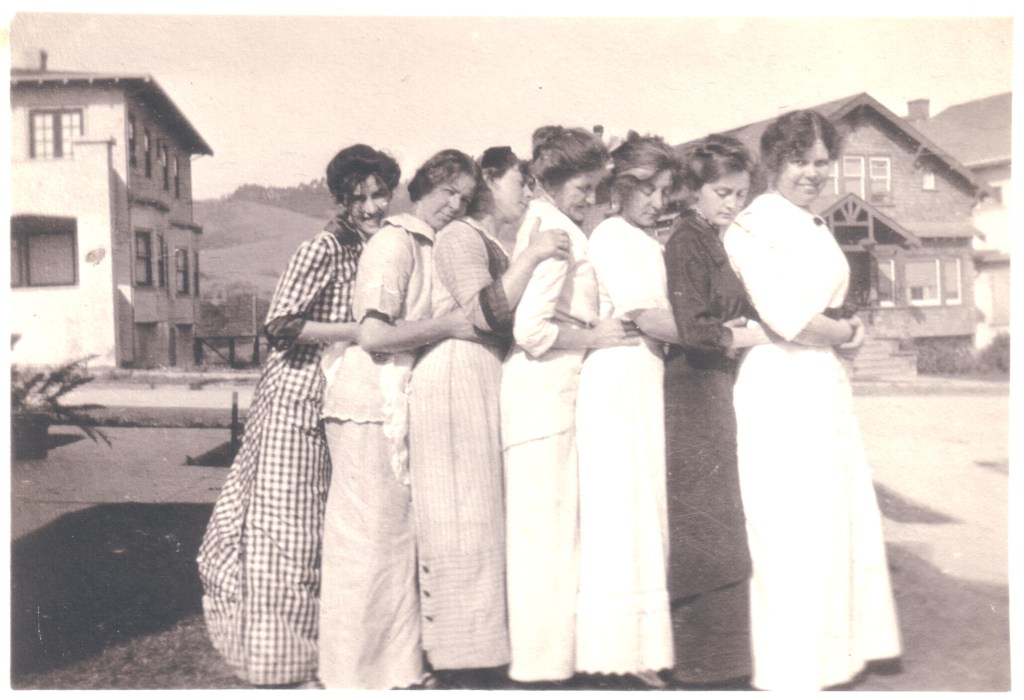
Grandma of course was just like the girls of today. They aped the manners and dress of their elders but they still found occasion for hi-jinks. Dressing up as their fathers was apparently a regular pastime. We have many photos of she and her friends posing for pictures taken with her new Kodak Brownie camera in front of her home. No lawn though as a front lawn wasn’t even a concept in 1903.

Annie Gray and Tootsie Lierley in 1903. Patrick Moore residence Arroyo Grande

You might notice that they both are both hatted. No self-respecting woman would ever be caught outside without a hat. Notice too that the skirts hem is touching the ground. It was thought that the sight of a shoe or God forbid, an ankle would drive men crazy. One of her classmates at Cal in 1907 was expelled for wearing her skirts short enough to expose he ankles. A length of fabric called a flounce was whip stitched to the hem of dresses with a small loop that could be grasped and delicately lifted just a little if she stepped over a curb or ascended the stairs. I could be removed for cleaning as often as needed since hems touched the ground and could get very dirty in a town which had no paved streets.

My grandmother is the girl in the checked dress on the left. 1907. University of California Berkeley campus.

When a woman was menstruating she was “Indisposed.” Women were such a fragile things that too much stimulation of any kind could cause her to swoon. Those darn corsets again. If a man referred to a woman’s leg as anything but a limb he might be cast out of polite society. A woman could not be touched in any fashion other than to take her arm if the road was too rough for walking. Sitting on a buggy seat, the heat from a woman’s limb was known to cause temporary blindness in men.

When she was in her nineties she still wouldn’t cross her ankles since that was considered suggestive. My grandfather didn’t cross his legs either, at least in the presence of women. You had to be careful because you were surrounded by vulgarity, it’s nasty fingers aching to clutch the unwary sophisticate.

Grandma frowned on anyone mentioning the number six, I think for obvious reasons. Animal horns were considered obscene, vulgar to the point of being devilish. Once I found a beautiful copper chaffing dish she had received as a wedding gift in 1908. That dish spent it’s entire life in the barn because the handle was a section of Elk horn which she wouldn’t touch. No goats either. My dad and uncle Jackie had to give their pet goat away, it had those devilish cloven hooves. The milk cows and bulls were also polled or dehorned, either for utility or because she wanted it that way.

She wore a silk chemise and pantaloons for underwear called, always, unmentionables. They were never seen by men. The pantaloons were basically a set of short leggings with no, dare I say, crotch. Probably shouldn’t. They wore so many layers of clothes that they simply could not undress quickly. A woman doing her business would have looked the same as a woman sitting in a chair. You see, this was because there were a couple things about feminine hygiene which were quite unknown at the time. Most homes had no toilet and many no running water. Finding and using the “Necessary” cold be very difficult when out and about. This was a woman’s dilemma. No business had a public toilet, Toilet comes from the French Toilette by the way. Toilet is French in origin and is derived from the word ‘toilette’, which translates as “dressing room”, rather than today’s meaning. This was another dodge around a seemingly vulgar term such as “The Jakes”, the outhouse, the Crapper* or the chamber pot. If I may, there was no toilet paper in a necessary unless the owner was well off . Paper for the toilet was invented by the Chinese in the fourth century BC. It took until 1857 until it first appeared in America and was sold in individual packs of five hundred and, of course quite expensive. Think of this, splinter free toilet paper first appeared in the 1930’s, multiply paper in 1942 and thanks to modern inventiveness, scented in 1964. Speaking of this would have been absolutely taboo in front of my grandmother. No lady could possibly utter the word toilet. She went to the bathroom where she did things that were secret from the world of men.

Remember that ancient Rome, Greece and Persia over three thousand or more years ago had running water, sewers and public baths and “Necessaries.” Arroyo Grande at the turn of the twentieth century did not, certainly did not.

This somewhat limited the distance a woman could go from her home. Timing was of the essence. She certainly could not just drop in to the Capitol Saloon on Branch street. She and her friends would have been forever shunned.

Saloons were places where Demon Rum lived. The men inside were considered vulgar beyond description. A woman who approached too closely would likely be subject to catcalls** and other unwanted comments.

I cannot imagine what she would think of our house when we had two rambunctious boys and one bathroom. On school days the door never closed and no one though anything about it. You all know what I mean. All that would have been incomprehensible to grandma.

As to engage in man woman stuff or Amorous Congress there was simply no word in her vocabulary that sufficed and it was never mentioned in any context, not even animals. She was a dairymen’s wife so she had to make her peace with sort of thing. She was seriously uncomfortable with both words and I’ve heard the act itself was only practiced twice, resulting in two children. Or so my father said, tongue in cheek, I hope.

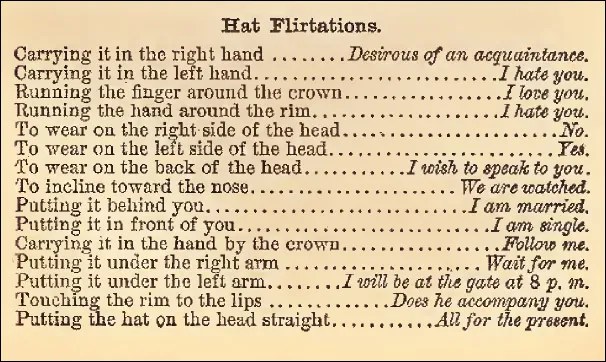
Girls and boys didn’t have to wonder what the rules of courtship were, you could buy a printed card.

So my grandmother, her name was Annie Shannon was a steady presence in my life growing up. She never raised her voice, she always dressed the same, she never ever went out without hat and gloves even if she was going to buy groceries. She taught her grandchildren not to masticate with their mouths open, keep our elbows off the table, not to speak unless spoken too and keep our opinions to ourselves. I’ve done poorly with the latter but I hope she will forgive me.

I loved her for who she was and I miss her.

Jack and Annie Shannon as I remember them. Arroyo Grande about 1950.

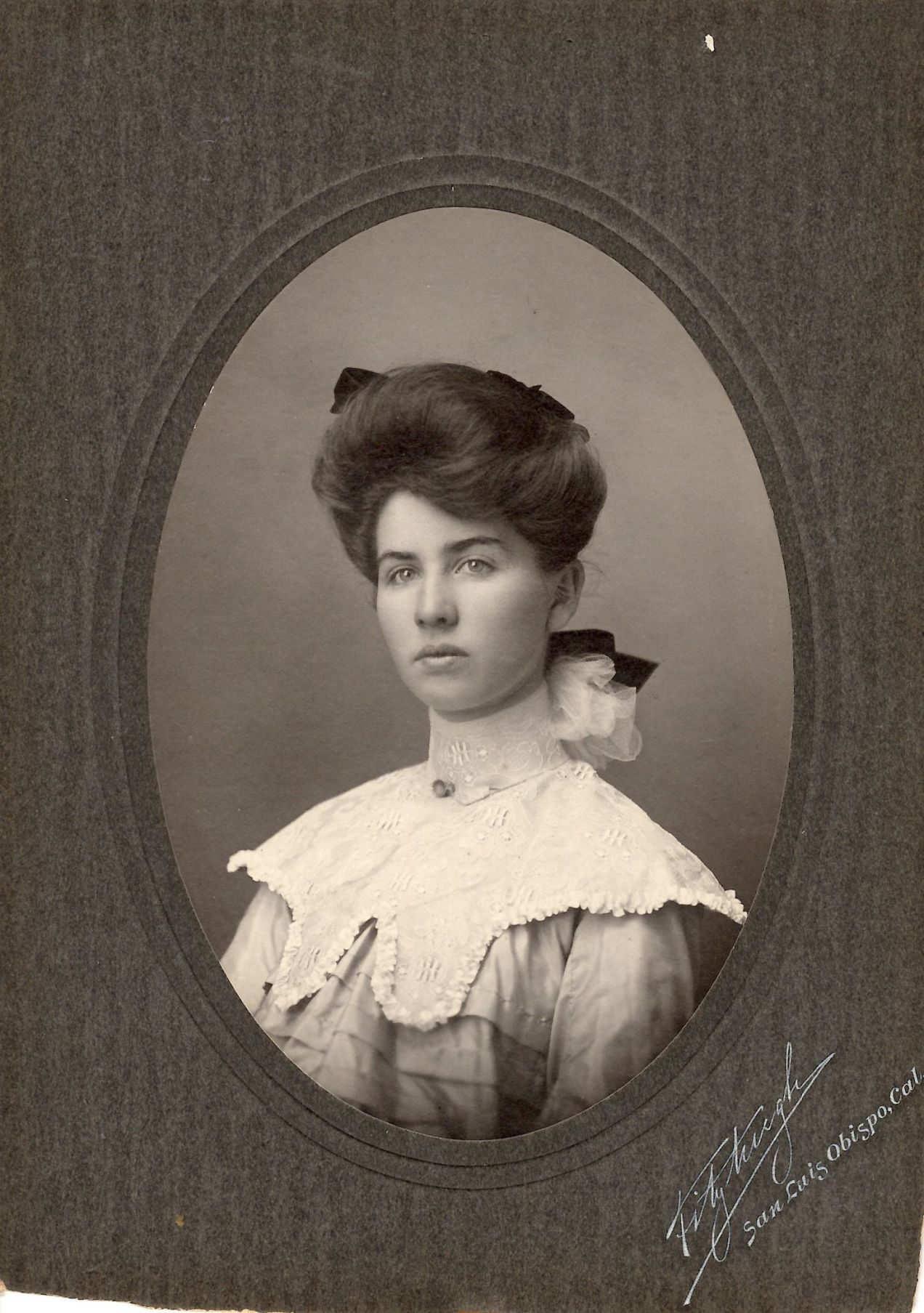
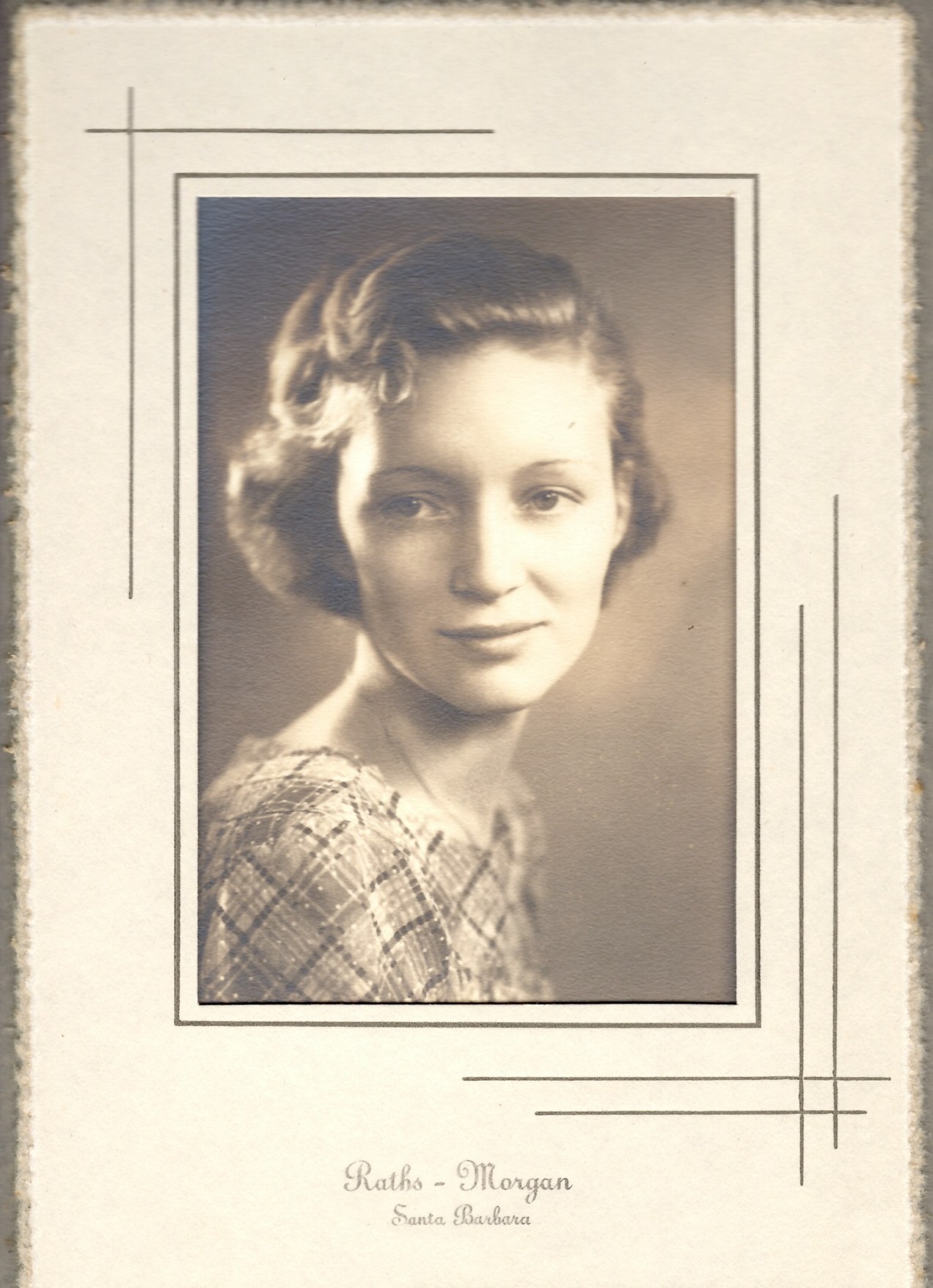
Cover Photo: Annie Gray formal portrait high school graduation 1904. Stoneheart Studios Santa Maria California.

*Thomas Crapper was an English plumber and businessman. He founded Thomas Crapper & Co in London, a plumbing equipment company. In 1861, Crapper patented his first invention – an improved ballcock mechanism. The device was used to regulate the flow of water in cisterns and is still used today in toilets across the world. I cannot not imagine my grandmothers reaction to the word ballcock, it may have killed heron the spot. Crapper’s notability with regard to toilets has often been overstated, mostly due to the publication in 1969 of a tongue-in-cheek biography by New Zealand satirist Wallace Reyburn.

**Catcalling is a form of street harassment, typically sexual in nature, where a man makes unwanted comments, gestures, or sounds toward a woman in public. It is not a compliment but a demeaning act that makes the target feel threatened, degraded, and unsafe. The motivations behind it can include asserting power, misogyny, or a desire to express sexual interest, but it is always a form of harassment that infringes on the target’s dignity and right to feel secure in public.

Michael Shannon, the author of this piece loved his grandmother. Both of them actually because they were characters in their own right.

Standard

The Calf Shed

Michael Shannon.

We had a small red shed on the ranch. It was the greatest place explore when I was a kid. It had cobwebs that had been spun a century earlier. There wer enough Black Widows to populate half San Luis County. My uncle Jackie said once that some of the spiders knew Captain Guillermo Dana who owned the old Nipomo Rancho. He was always saying stuff like that and you could never tell if it was true or just funny a uncle’s bushwa.

It had two doors, one at each end. They were Dutch doors which was a true novelty as I had never seen or heard of one before. The only Dutch I knew was the woman on the Old Dutch Cleaner can who looked vaguely sinister with her purposeful stride and big stick, obviously out to punish the unclean. I can’t recall ever seeing the top half closed except during swallow season. In true country style no one wasted any time doing useless things so each door was closed and opened perhaps once a year.

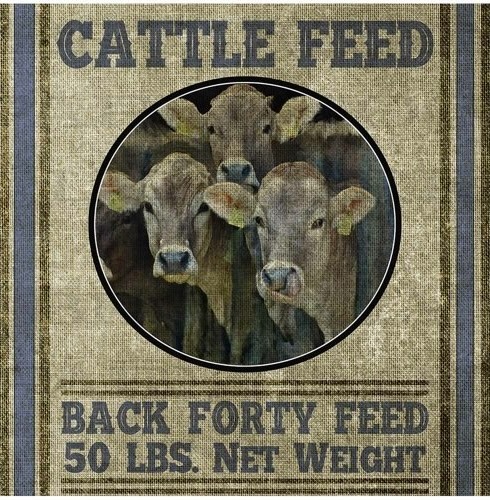
The small building served four purposes. The left side was divided into small stalls which were occasionally used to house calves that needed hand feeding or just a little extra care for a bit. For kids having a small red and white Hereford calf that you cold bottle feed, well there’s not many things that can top that. The little heifer being quite naturally friendly who would cuddle up to you or suck milk from your fingers is hard to beat. Usually one stall would be full of feed sacks, special meal, seed and always a few blocks of salt lick. Red, white and pink depending on their us. Did we lick them, you know the answer. Seeing that saving was considered a virtue, there was one stall with heaps of used and empty gunny sacks just in case. There were cotton feed sacks too, piled in a corner some, no doubt as old as the feed and grain business my grandfather, Al Spooner and David Donovan once owned.*

The sacks were home to the Kitties. Kitties is really the wrong thing to say. They were fierce predators an not interested in little boys. Their job was to keep the shed clear of mice. There are few things more attractive to a mouse than a shed packed with grain to eat. They were shy cats and not always visible, hunting was their job and during hunting hours were occupied wherever they could find a victim. No names for them, for decades the cats went by Cat, all of them. They never ate from a can or bag of cat food. They had to pull their own weight. Domesticated animals like dogs and cats were mostly for utility and not human companionship.

The little place was fragrant beyond belief and it changed it’s perfume like an elegant woman dressing for a dinner. The rich heady smell of grain, the pungent manure from the little calves and in the cold of winter it exuded a musty smell of old redwood lumber and always the rich, sweet sweet smell of Hay. Depending on the time of year wisps of dust motes drifted in the light from the doorway’s like a veil on a beautiful Spanish maiden painted by Velasquez.

The best thing though was the little corner where the tools were kept. All those drawers filled with haphazard piles of metal we assumed to be tools of one sort or another. Most carried a patina of rust, some just dusted with and some stuck together by lumps of it, glued together for no one knew how long. Wrenches of indeterminant use perhaps from some long gone piece of farm machinery, like tractors and old milk trucks, some predating the electrical motors used in the milking barn. Ball peen hammers, an old fashioned straight clawed hammer at least a century old and in the bins rusted clumps of fence staples, nails, some porcelain insulators left over from putting in the electric fence and bolts with square heads that hadn’t seen a use for 75 years.

Unique to me, a child born after the big war, many of the tools were curvilinear, embossed with the names of the manufacturer, some with molded decoration that wasn’t just for utility but for beauty. Designed by the last generation that saw pride in the craftsmanship involved in the pure design of a useful object.

The 1950’s spelled the end of the “fix it” age. Men who were our fathers had grown up in the Great Depression and as adults went to war, the most destructive war in history. Historians have said that the US defeated the Germans, not with superior tactics but with the fact that American boys could fix a tank and the Germans couldn’t. Baked into them was a certain self sufficient attitude that they could take care of themselves. They didn’t need help and like my father would rather die than ask for it. If something broke they fixed it. If something was needed they made it. They didn’t go to trade school they learned from others or simply invented what they needed. They didn’t need much, things could be repurposed. Nothing was thrown away, we had a gully with trucks, cars, tractors and farm machinery rusting in the sun where a part might be salvaged and put to a better use. If my uncle Jackie needed a stock trailer, he hauled a rear axle from the ditch, got out his tanks and welded up a frame. He dragged some used lumber from the scrap pile of odds and ends some of it dating back to some time before my great-grandfather’s day, got a handful of nails from the rusty nail bin and when he was done mixed a few shades of green paint together, brushed it on and he had a perfectly useful trailer. Rolling down the 101 on the wheels from an old Buick and a taillight taken from a Model T, With mismatched hub caps one reading Buick and one Chevrolet, It served him well for fifty years. It’s not used anymore, it sits in the old hay barn, it’s tires flat and the green paint faded but if you needed it a little air in the tires and it would be good to go.

It was all wonderfully “Make Do.”

One of the first “Essential” stores in our little town was the first hardware store. If you are a regular at one of the modern hardware stores today you might be surprised by what those old places stocked. Those old places officially died in Arroyo Grande on February 21st, 1958. The Chief wasn’t quite sure what happened but the old building built in the 1889 was a total loss. A nearly 75 year old building where the amount of Case oil. Kerosene, Lamp oil and desiccated cardboard boxes holding assorted glass fuses or leather drive belts, frayed at the edges and emitting a small cloud of dust whenever touched was simply waiting to immolate itself.

For those of us old enough to remember the dark, dusty stacks of shelve and boxes, greasy, oily wooden floors fronted by the long counter at the front, the varnish long turned to caked, flaked shreds of black chips resembling the dried mudflats of the lower valley where the adobe mud is completely tessellated in the dry late summer. The green enameled light shades hanging from the ceiling had a thick coat oily dust as they hung on the twisted copper “Rag Wire” so treasured by the rats who lived in the attics of old buildings. The tasty oil impregnated linen which passed for insulation just begged a rat to nibble on it exposing the wires which would short circuit and catch fire at a moments notice.

The fire, however she started left nothing but a heap of ashes, charcoal and twisted metal, It also ended the era of a type of store that doesn’t exist anymore except in small, isolated communities across the country.

Don Madsen was the last owner of the business which was started By Charles Kinney in ’85, thats 1885 by the way until it was passed on the Carmi Mosher in 1909. Carmi sold it to Harold Howard in 1919. Harold, a local boy having grown up with my grandfather kept the business going as Howard & McCabe until 1950 when he retired and sold it to Don whose son I went to school with. Small towns you know.

Don had worked in the hardware business since he was a high school student had returned from WWII where he served as an MP on occupation duty in Germany. He went right back to what he knew.

Occasionally my dad or uncle would need something in the way of bolts and nuts or hand tools that they couldn’t find in the tool maze of the calf shed and would be forced to actually buy something. Stores were the place for what you didn’t have. Take the broken piece to Don and lay it on the counter. He would pick it up, heft it to determine its weight then give it a serious look and say, “Yeah, we might have something like that. Let me go see.” He would disappear into the stacks of goods between the ceiling height wooden shelves and bins and begin his voyage of discovery. Assorted bangs and bumps would come from the back and finally he would return and lay a new one or close proximity on the counter. He didn’t have to say Eureka but there would be some head nodding and low noises as both customer and seller acknowledged that it was in fact “Just what I need.”

Dad would pull out his billfold, a term I have’t heard in decades and say, “How Much?”

“Six bits will do it George.”

Dad would put the billfold back in his right hand jeans pocket and then fish around in the one in front until had a small handfull of stuff, an old slotted screw with the slot turned out useless, but you never know, maybe hang on to it awhile just in case. In amongst the seeds, a piece of wrinkled Juicy Fruit gum and foxtails were some nickels, dimes and a few quarters, just enough.

Dad would ask about Clara and the boys and Don would return the favor.

Whatever that piece of hardware, it would someday, when it’s immediate usefulness was done, end up in the calf shed where it likely still resides.

After all that old hardware store was not a too distant kin to the calf sheds.

When she burned in ’58 it marked, in a real way the end of frugality nurtured by “Make Do” and the way we live now where everything has a date on which it will magically die.

Epilogue.

The though that planted the seed for this story was a trip to the local hardware store the other day. Big, bright and shiny, all the trim painted fire engine red and the first thing you see when the automatic doors open is a large open space with military straight rows of Barbecues. Stainless steel, black enamel, wood burning, pellet burning or gas or electric. Line up like they just graduated from boot camp they are surrounded by all the accouterments designed to make you a perfect cook. Tens of thousands of dollars worth.

There is a paint department where you can buy hundreds of different colors. Anything to suit your fancy. They have more cleaning supplies, mops, and brooms than you can conceive or could find at the grocery store. Every one is persistently helpful but no one knows much of anything about anything. But they wear a red vest to show that they might. Very official.

Unlike Don, they will look at your problem, scoff, and advise you to buy a new one, or a box of fifty when you need just the one. And believe me, the inferior new one that will never deserve a place in the calf shed.

Dad Shannon at the BBQ pit. Family Photo

For a kid that grew up with BBQ cooked over a pit which was just a handy hole behind the house and a grill made of heavy rods left over from some job they did and whose grandparents painted their dairy barn and silo pink because there wasn’t enough of either color available during WWII so they just mixed them up and it was good enough and a great lesson too.

“Make Do.” That was it.

Cover Photo: The old hardware store on the right in 1906.

Note: The Madsen’s moved their store across the street to the old Donati building and prospered for many years but it was never the same.

Michael Shannon has been known to keep random pieces of lumber for fifty years, you know, just in case.

Please Subscribe.

Standard

Four Men

The long polished Mahogany table as seen through the little nook off the living room, an opening on the left where the swinging door to the kitchen stood propped open with a fold of newspaper and at the end of the room a window with its Venetian blinds open looked out to the side of Mrs Lake’s home stuccoed in beige and with a little imagination you could see a long stretch of featureless desert sand. Before the glass, sat four grown men.

I could watch them at a distance and have always wondered what it was of which they spoke. Hand on fist I would sit on the little brick hearth of my grandparents home in Lakewood and try to listen.

Gathered together around the every day tablecloth that would be changed for Thanksgiving dinner later that day sat my Grandfather Bruce Hall. A man who had labored nearly four decades in the oilfields of California. He was now the superintendant of drilling for the state of California. From oilfield roustabout to the top of the heap at Signal Oil and Gas. He wore his rumpled, baggy khakis and a white long sleeve shirt with the collar open and the sleeves rolled halfway. Spectacles over the lower half of the nose, his bald head encircled by a fringe of hair smelling of Wildroot. He seemed to me to be perpetually tired. He’d already had the first of the heart attacks that would in a couple of years kill him. A lifetime of filterless Chesterfields, one of which, smoldering he held with three fingers, idly scraping the ash from on the edge of the ashtray, a green baize bag filled with bird shot and a shallow brass bowl. He leaned forward on his elbows a half smile on his face.

My Dad sat next to him in his ever present flannel shirt and blue Levi’s his uniform of sorts the mark of a farmer. He was forty three. He sat in his customary pose, elbows braced on the table a half smoked cigarette in his right hand pinched behind his upper knuckles, I can’t remember ever seeing him sitting any other way. At his elbow a half filled bottle of bourbon being occasionally lifted with the comment, “Another drop?” No ice either, whiskey straight no frills, or as my dad told me, “Ice dilutes and pollutes the Bourbon. Bartender puts it in to short the pour.”

There was a glass at each mans hand, no fancy fat little crystal glasses, grandma had them but they mostly sat in the sideboard gathering dust. No, these man drank from kitchen glasses and in those days it was likely a jelly jar, not the canning Mason or Kerr but the old fashioned one that came from the Jewel Tea truck, full of, and always in that household, blackberry jelly, the kind that you had to pry the lid off with a church key. Practical men they were but at the same time would never drink straight from a bottle. Class of a sort.

Uncle Ray sat at grandpa’s other hand. His dark blue shirt with the mother of pearl buttons marked him as a cowman. In his late forties he was a little on the portly side, the shirt held in with a plain leather belt and a small not so fancy buckle. His old fashioned black levi’s turned up at the cuff a good four or five inches covered most of what were hand-tooled cowboy boots for thats what he was, a dyed in the wool, genuine cowman who could fork a horse as good as any. Better than most really for he was known through the Sierra Nevada as “Powerhouse” after, on a bet, put his horse Brownie over the side of the hill at the Kings river penstocks and rode her almost straight down as if it was nothing. A feat of horsemanship that gave him the name. If you ever get up there you’ll see what I mean.

I remember him most for his laugh, a sort of lung deep basso cackle, really indescribable but still one of the greatest laughs I have ever heard. He didn’t hog it either it was as if it was just idling down in his throat ready to spring to the surface on any occasion.

Ray Long was such an original cowman, at that time already a vanishing breed that he had taken on the characteristics of the horses he rode. He was missing the molars on one side of his jaw and when he tipped his head back to laugh he looked just like a horse did. Horse laugh my dad called it.

The fourth that made up the quartet was my uncle Bob, Robert Preston Hall. At thirty five just a youngster. My mother’s youngest sibling, the only boy of that generation. He grew up with two older sisters and one younger who adored him. My aunt Patsy always said he was as caring as any parent.

He leaned back in his chair right arm hooked over the back with an elbow, his legs crossed at the knee. His white shirt collar unbuttoned had short sleeves, something I never saw the other three wear, ever. Cigerette pack in the pocket, he held one in is right hand. His jet black hair, slicked back shone in the light and sitting on his nose, old-fashioned steel rim, round spectacles. Topping it all off, he wore a thin mustache, the kind we used to call the “Boston Blackie.” He had an elegant long straight nose and a family trait inherited from grandpas’ family, Jug Handle ears. Mom said they were like airplane flaps and would slow you down when you came in for a landing.

Uncle Ray loved to tease and used the family ears as nicknames for one of his sons and me. Ears like that, guess they didn’t hurt Clark Gable none. He was an oil man too in his younger days. They had that in common.

They were different looking men really, no two looked alike but they had things in common. They could be absurdly funny and the well jest turned earned high praise in our family. The were men of the land all of them farmers and ranchers at heart with deep roots in the ground. Practical and pragmatic, they wasted no energy on frills. None of them liked to wear suits if they could avoid it and they did at all costs. The best you could get out of my dad was a sports coat and slacks.
They were all good with kids. I have friends I grew up with who still remember my dad handing out quarters at gatherings which meant something in those days. Uncle Ray made you feel like you were a grownup but wasn’t above squirting you with milk while milking either. Uncle Bob had the salesman gift and told me very first dirty joke though it barely made the grade as such.

The thing I most remember is they were grownups who stood for something. Kids were great but still kids. They shared very little about adult life. They did their best to keep all that at a distance to keep you safe. Your were a kid and they were adults, it was important that they kept it that way. They taught much more by example and were pretty content for their children to find their own way with as little guidance as possible.

Once my oldest cousin who was about fourteen and though pretty well of himself sauntered in and pulled out a chair and sat. He interjected some comment into the conversation and they all turned to look at him. No one answered. A moment or two passed as they sat silent until it occurred to him that maybe he wasn’t as old or important as he though and he soundlessly slithered out of the chair and beat a retreat.

They bookended an entire generation from one end to the other. They had seen two world wars, the greatest depression, the Korean War, the atomic bomb and each had weathered severe up and downs in the family.

That thanksgiving saw a dozen kids and five families shoehorned into that little house on Pepperwood Avenue in Long Beach, just about the last time we would all be together. Other than seeing them I really didn’t know what they talked about. I wish I had been older so I could really listen but I wasn’t.

Years have past and the questions were never asked. I had other interests and they were famously recalcitrant anyway in the way men of that generation could be. “Oh, you don’t want to know about that,” my uncle Jackie Shannon once said. I did but he just changed the subject. Every person you will ever know dies with secrets and stories you will never hear. It’s a shame.

Michael Shannon is a writer. He lives in Arroyo Grande, California.

Standard

The Hogger

CHAPTER ONE

By Michael Shannon

Hogger is a slang term for a locomotive engineer. Steam locomotives were referred to as “Hogs” in the early days of railroading.

My grandparents grew up when trains were the most modern form of transportation. When they were children growing up in Arroyo Grande, the steam train dominated the movement of people and goods throughout California’s Cow Counties. The big Railroad, the Southern Pacific hadn’t arrived yet, there was a promise it would but it took years for the local movers and shakers to pony up the bribes and free land that the Big Four demanded. No, the railroad here was the little narrow gauge Pacific Coast. Quite a bit smaller than the big train, it had served the area since 1868. It ran essentially from nowhere to nowhere. It huffed and puffed its little self-confident way to and fro making no apologies to anyone.

Arroyo Grande station and warehouse 1898. Historic Society.

My grandmother Annie rode it down to Santa Maria to go to High School. The high school in Arroyo Grande wasn’t accredited for those that were planning on going to Cal Berkeley. She and her friends hopped aboard, the train would actually pick you up in front of your house, to take trips up to San Luis Obispo to shop for the latest spring frocks and hats.

Nearly all the goods in the stores that marched along Branch street had to have their merchandise brought down from San Francisco by steam or sail and then shipped by rail to their destinations. The largest building in town was the PC warehouse on upper Branch Street.

Pacific Coast Railway Bridge Arroyo Grande, Ca, 1914. County Historical Society.

When my grandparent were kids the only bridges across Arroyo Grande creek were the railroad bridge and Newt Short’s swinging bridge which was only good for pedestrians. The RR bridge handled most of the walking public and all the wagons crossing the creek. It also served as an impromptu gallows at least once.

If you lived in town to train whistle and the rumble of the cars was a daily fact. My grandfather lived with the sound of that little train for almost fifty years. It’s no wonder it was planted in his thoughts.

Dad Shannon’s little house on the dairy. Family Photo

Christmas eve 1953 the family jumped in the green Buick sedan for the trip to my grandparents house where we always spent Christmas eve. It’s impossible to recall the excitment little kids feel when you are grown. Anticipation can cause you to almost wet your pants, your hair to stand on end and your head spin. The cars in those days had fabric upholstery which had a singular odor mixed with cigarette smoke and the ever present dirt and dust that farm families live with. Once in a while the car got washed but it was a fruitless exercise for my mother. Its pea soup color was always dusty in summer and muddy in winter. No matter how it looked it might as well been a golden chariot on Christmas eve with three little boys bouncing around on the seats in a collective fit of anticipation. Kids didn’t get many presents in those days. One special thing and the rest was basically utility. Shirts made by my mother probably, always socks from bachelor uncle Jack who didn’t have a clue. I got socks from him every Christmas for nearly fifty years. We really weren’t concerned about quantity. We had heard stories about Christmas past when my father got a pair of socks knitted by my aunt Sadie and a fresh Orange. He told me he was glad to get them too, especially the Orange, a pretty rare thing for those days. That was in 1920 when he was eight and he still operated on that principle in the fifties. Things were not particularly important to him. He felt that you should be grateful for what you got and say thank you because no matter what it was it was important to the one who gave it to you. The thing had no particular value, it was the love that counted.

When you know you will only receive one gift, why, it takes on a much greater importance. It was a good lesson.

We drove into town and then south on the old highway and turned off on El Campo Road where my grandparents lived on their ranch. The little red house with the white trim was down in a place I always thought of as the hole. The big bank of the highway and the old Nipomo road on the other side boxed it in and you entered downhill on the gravel driveway. Built n 1924 by my great-grandfather it was a simple board and batt sided, two bedroom with a door at each end. The backdoor led into a screen porch where grandmas pie safe stood, green with screen in the doors that looked like lace. Full of jelly jars with room for a cooling pie. There was a bench for changing shoes and some hooks screwed to the wall to hang jackets and hats on. In 1953 every man still wore one. Open the inside door and you were in the kitchen. Very simple it was. Next the dining kitchen table area and then through to the living room. Behind that was the front door enclosed in a little add on porch. This door was nearly useless because no one was ever likely to use it. Only itinerant drummers like the Fuller Brush man or his like. The custom in the country is to always use the back door. There is a familiarity and friendship involved in that like you might almost be a member of the family. Even the Knights of the Road knew this, they would come down the hill from the highway, tap on the door and stand with bowed head and hat in hand. They were not turned away. It was a vastly different time.
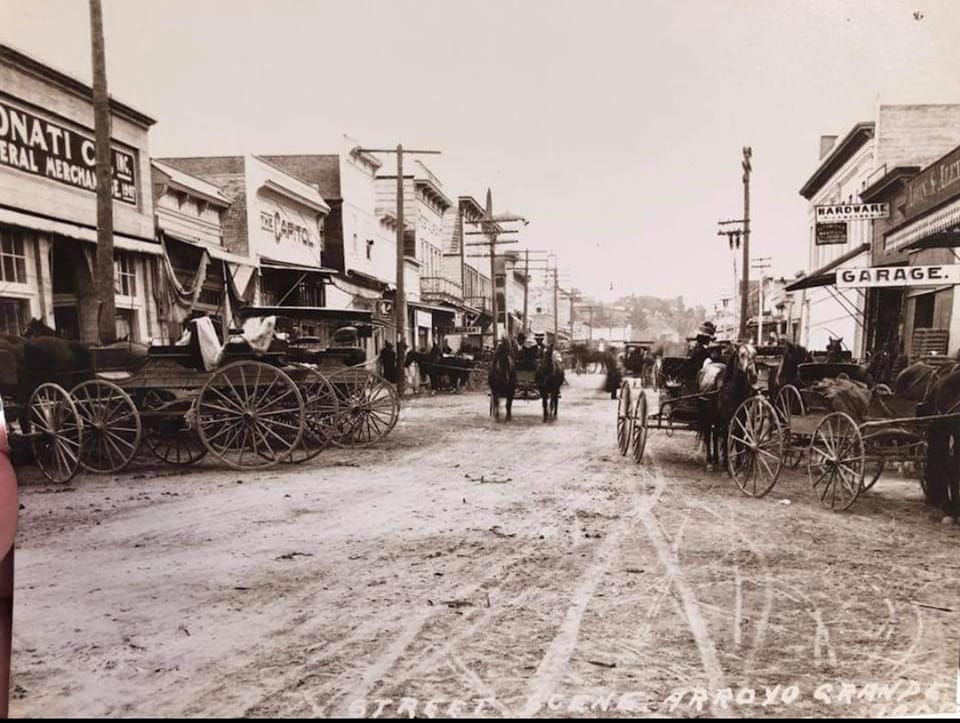
I only went in that front door a few times in my life, always on Christmas eve. My grandparents built a new home in 1954 up on the hill. A modern style home, yes, but we still used the back door except at Christmas .

Christmas 1949. Annie Shannon, my father and two of his boys just arrived at the old house. Family Photo.

1954, in what was our last Christmas in the old house in which the event that is the subject of this story occurred. We heaved the doors to the Buick open and ran to the door hoping to catch Santa in the act but as seemed to happen every year he had just left by the back door while we tumbled in the front. Mom and dad followed, arms full of presents, Cayce, my little brother, just three dragging mom by the hand squeaking in delight.

Grandma and grandpa met us at the door she in her print dress, sturdy shoes, old fashioned wire rim glasses and her apron, always with a hanky peeking from the pocket. She smelled sweetly of white shoulders and when you hugged her she would give you her very soft cheek to kiss. The formal and manly handshake from Big Jack as he uttered his, “The Blessed Boys,” with that big grin, his chest pushed out and his green suspenders like two vertical stripes holding his belly in. Uncle Jackie bringing up the rear, short, bald and bandy legged he sported a big grin, delighted to see his nephews. This ritual of greeting never changed as long as they lived, it didn’t matter if they had just seen you an hour earlier it was always the same.

In that last Christmas in the old house, the biggest most important thing for me was a brand new Lionel electric train. The little black engine pulling the cars and caboose in a stately manner around the Christmas tree. My grandfather got right down on the floor with me and we played with it until dinner was called. I could hardly step away. Eventually, full of turkey and homemade pie my brother Jerry and I fell asleep on the floor. Mom cuddled with little Cayce on the sofa until it was time to go home. The little train set stayed until dad could go back with the pickup to get it.

My dad visited his parents often. Sunday, which was a no work day would see him sitting at the green painted table with the checkered oilcloth cover, tacks along the edge to hold it in place. This was the kitchen of the old house where he had grown up. They would drink scalding hot coffee from the old enamel pot that sat in its habitual place on the stove. They’d be shooting the breeze, his parents and brother Jackie. They had nearly fifty years together so there was always something talk about.

After one of these visits, sometime after new years he came home and over lunch laughingly told us that after Christmas my grandfather had gone to Bello’s store in San Luis Obispo and bought himself a train set. My grandmother thought it was pretty silly for a grown man to do that. It was a silly little topic at her bridge club. Mrs. Brisco, Mrs Conrow and Mrs Jatta agreed and commented that it was just like Jack to do something like that. They said he was still just a boy at heart. They spoke the truth.

The little train lived in their living room for a bit but slowly began to grow. He added track, some trees and two small buildings. One was a church that looked similar to the one my grandmother attended. Perhaps this was an attempt to head of the inevitable grandmother “Stink eye” that was sure to come when the railroad would need to be moved for company.

By mid-January he made a trip north to buy more track, though he was already encroaching on the dining area. The next day grandma went to town to do her shopping and run some errands and when she came home he came out to help her unload the food she bought at Bennett’s grocery while she went in the house to take off her hat and gloves and put on her apron to ready supper. From outside Jack heard her raise her voice to the high heavens and quickly the sound of her voice saying, “Jack, you get in the house right this minute.”

He had finally reached her limit for what he had done with his new track was cut three holes in the walls so the train could pass through into the bedroom, make a left turn through another tunnel into the office and then turn again through the wall back from where it came. Enough was enough. She evicted him and his railroad.

Jack and Annie Shannon circa 1950. Shannon Family Photo.

Jach was a clever man so as he packed up the rolling stock and his village, carefully placing each piece in some of his old milk crates stamped with the family’s label, Hillcrest Farms Dairy. As was his nature, being a man who does nothing half way, he began to ruminate on how he could continue his railroading…….

Part two is coming on Saturday the 8th of June.

Michael Shannon is a born and raised Californian and still lives in God’s country.

Standard

At The Table

Michael Shannon

In 1918 my grandparents, Jack and Annie Shannon came home. Home for both of them was southern San Luis County. This family event is the linchpin of our story.

When I was a boy we lived in the kitchen. Our little house, built at the turn of the century was the heart of the home. As were most homes built at the time it featured none of the devices we take for granted today. No insulation, no central heat, and no weatherstripping. Small houses were the norm before the war and ours, originally just three rooms had slowly been added to over time. To get to the back bedroom you had to pass through each of the other rooms. Porch, kitchen, living room, my parents bedroom, bathroom and finally, my room, a sunny room with large windows in which I imagined my future life as boys will do.

What my brothers and I learned at the kitchen table has shaped our lives. The Japanese philosopher Masonabu Fukuoka has said,”The simple hearth of the small farm is the true center of our universe.” This quote describes the experience of family all over the world, something we all have in common. I don’t know of any kids that I grew up with don’t share this experience and to this day I can see them as they were.

The photo above, taken in 1920 at my great-grandparents house on west Main St in Santa Maria shows my father and my uncle Jack with two friends. My father, George steers the trike on the right and my uncle Jack, his older brother by two years stands behind him. My grandparents lived with Annie’s parents for a time until they could move onto Annie’s ranch just south of Arroyo Grande.

The Samuel Gray home on Guadalupe Road in Santa Maria. Built by oil wells and many sheep. photo 1938.

We didn’t have a televison until I was eight. The most exciting thing was watching the test pattern because we somehow knew that hidden behind it were many earthly delights. We were partly right about that. There was only one available channel anyway and my parents didn’t see any need for one, the TV was for us mostly. They had the radio. They had been radio people all of their lives and it was the familiar thing. It had all the basic elements of TV anyway as television was really nothing more than radio with pictures. They read. We had Life, Look and the Readers Digest magazines scattered about. Part of my education were those old Reader’s Digests with their puzzles, riddles and a vast variety of stories. I found Bennett Cerf there and many of the great writets of the day. My grandmother belonged to the book of the month club as did many of my mothers friends so there was always a book around. We still have old Book of the Month editions with the names of friends on the flyleaf. Gladys Loomis’s heirs are probably still looking for them.
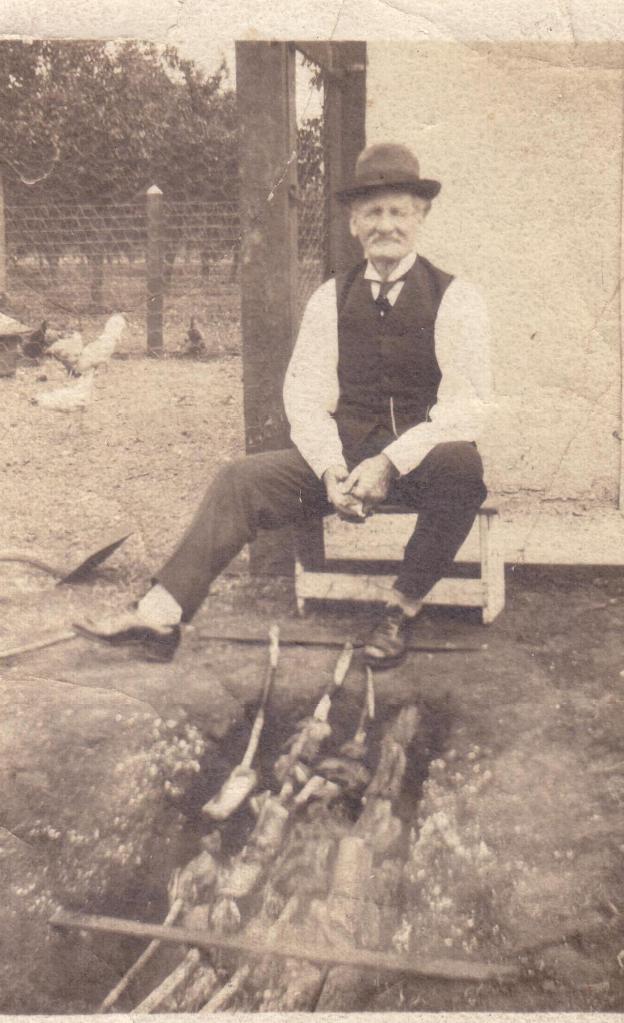
Most of my abiity to read comes from comic books. For a time we had a neighbor who rented Joaquin Machado’s house which was back by the creek near the old Evans place. The renter was a comic book distributor and each month one of his jobs was to collect all the back issues of comics not sold. Once a month my dad would come into the kitchen with a big bundle of comic books tied up with cotton string. It was a tiny Christmas. We devoured them and couldn’t wait for the next 30 days to pass. It seemed a tragedy when the man moved away.

Farm and ranch life in the forties and fifties was pretty isolated. Farm kids, for the most part spent their time either in small one or two room schoolhouses learning from books, in some case decades old taught by teachers who balanced the needs of up to four grades at one time. Kids were not separated by grade as they are today. All eight grades studied and played together. If you imagine schools today there are self-contained boxes for each grade level. We had all the kids in one box. Teachers ran curriculum and the parents were the school board members, janitors and school bus drivers. It was a family affair. A six year old had to handle a ground ball from a thirteen year old. It made little kids deal with older ages and those older ages learn to accept the little guys. Not a bad system.

4-H was the only club activity which was OK as nearly every kid’s father was a farmer or worked for a farmer and it was assumed by kids that they would do what dad did. It was not an unusual thing to see see Mrs Fernamburg working in their walnut orchard or Elsie Cecchetti out feeding her calves. I can still see Helen Kawaguchi sitting up on the seat of the old red Farmall wheel tractor slowly trekking back and forth across their fields. She always wore a big straw hat favored by the Japanese ladies when they were in the fields.

Fields were a descriptive word much like a compass and used to indicate direction. There was “Down the fields” and “Up the field.” Mom might say daddy is down the field which told you he was far away from the house. He would tell you that the irrigation pipe to be moved was up the field meaning it was away from the house too. Everyone understood this. Other directions told you he was with the celery crew or the broccoli cutters. Markers were all around. There were the Walnut trees, Lester Sullivans barn or “Old Man Parrish’s” orchard. I crossed Branch Mill Road at the old Branch bear pit behind Ramon Branches adobe house when I went to visit Kenny Talley, my closest friend. The four corners was where we caught the school bus, which wasn’t a real bus but served the purpose of getting kids to school. It had retired “Shanks Mare” in 1949. Kids didn’t have to walk anymore. The school bell which had once rung to tell moms it was time to send the kids still rang but really just for tradition I suppose.

The old Kawaguchi home. in the 1890’s

Schools were the center of social life. They were the meeting halls, the place where Halloween was celebrated, Christmas plays performed and potlucks held for no particular reason other than to get together. Mom’s made the costumes, painted the decorations and formed the audience cheering us on as we walked in our circle in Mrs. Edith Browns lower grade classroom. We might get a prize, or should I saw mom might get a prize. My own mother was a master at costumes. I was a robot, my brother Jerry and I were a horse once. as the older brother I started of as the head but was reduced in rank when I passed a smidge of gas during a rehearsal in our living room. It was worth it though, winning a round in war between brothers always was. Still is.

The world was small. A schoolroom, the little town of Arroyo Grande, which, for kids meant The Western Auto and The Variety Store, thats were the toys were. Bennett’s Grocery where Muriel and Rusty were free with the candy jar, the clothing stores where my mother worked. Louise Ralphs where all the ladies wore perfume, still the best and most fragrant place I can remember, Zeyen’s clothing store where the Levis were stacked to the ceiling and permeated the building with their peculiar new clothes odor. Mom worked there and served two generations of kids.

During the Gay Nineties festival celebration my grandfather sang in a barbershop quartet with Gordon Bennet, and Bill O’Conner from the stage of the old Mission theater. The Rotarians entertained with jokes and skits. Thats them below in all their sartorial finery doing the Lord knows what.

Vaudeville Blackouts in the Mission Theater. Harvest Festival/Gay Nineties, 1950’s. Family photo

The moms entertained too. Being shy was not too bad when you knew everyone in the audience.

1965, Women were still know by their husbands name.

The world was small and lined with soft things that didn’t sting or hurt too much. A kiss, some spit or a daub of mud cured most things. Kids felt safe there. It would be gone soon enough, mores the pity.

The kitchens in our homes weave through the narrative of our lives and form the foundation of the stories of our lives.

Michael Shannon writes and would still prefer to live in the kitchen if he could.

Standard