I once lived in a place at the end of a long dusty red road surrounded by cane fields that reached twelve feet into the air. Seen from my window towering Mount Ka’ala soared into the painfully blue sky. Often wreathed in towering cumulous clouds that could turn angry at the end of the day, flashing lightning above the rugged canyon that made up the fragment of the once immense Wai’anae volcano. Lightning was sometimes accompanied by the contrapuntal booming of 155mm cannon from the upper reaches of Schofield barracks near Kole Kole pass where the Japanese Imperial Navy’s aircraft flew on their way to Pearl Harbor on that Infamous day. The old stuccoed barracks at Hickam Field still bore the scars of Japanese machine guns.
The little collection of five army surplus Quonset huts standing in a row each one with it’s front porch, all in a line like the dusty boots of the soldiers who once lived in them. They faced a dirt road lined with long thorn Kiawe bush which defined the hidden enclave. It was surfer heaven and had been occupied by itinerant surfers for years. Behind them an orchard of Papaya trees surrounded by ponds where Mister Domingo grew Taro in a large pond which with the right light shimmered like Edouard Manet’s lillies.
Painted a dusty olive green, faded from thirty years of Hawaiian winters and summers they were perfect living for young people who didn’t require much. My house had two bedrooms a bath, kitchen and living room. Windows down each side from which the glass had been removed and replaced with screen. When it was hot in the summer it doubled the ventilation and when it was simply too hot a lawn sprinkler on the metal roof cooled things down.
Except for one thing. The rampart of the Wai’anae rose above us like a looming wave blocking television and AM radio signals beamed from Honolulu. The only radio, the only radio was FM and the only FM was NPR. Hawai’i Public Radio.
Somehow the long waves of the FM signal crested the mountains and the great saddle where the road came down from the Dole pineapple fields and Wahiawa town to Haleiwa.
It might seem like this lack of entertainment was a burden but in fact for me a veteran of long sailing voyages where the main entertainment was reading it provide no great burden. A good turntable and stacks of albums to listen to and a valid library card hours were filled with a sort of self education uninterrupted by images of Thomas Magnum driving his red car the wrong way on local roads. I didn’t know Archie Bunker though if I had I might have considered that a loss, the same for MASH* but I’d grown up in a family where there were several Archies and a couple of Batchelor farmers who could have given Garrison Keillor’s a run for their money so that base was pretty much covered. Chief petty officers and crusty old Bosu’ns mates served as part of the cynics education.
With a mind undisturbed by television it left radio as the only real outside over the air entertainment. Think of what you could do with just a couple hours of the day not occupied with essentially mindless TV shows which were and are nearly identical to one another. Perhaps not exactly carbon copies but they certainly rhyme.
Think about how different your life might be without those kinds of entertainments. I moved away from my hometown when I was 19 and never owned a television until 18 years later. How might your education have be different.
Fiona Ritchie, yes that Fiona Ritchie. Growing up in an American Irish family I rarely ever heard anything about the actual Irish. My grandfather would stand by the old piano that was my grandmothers* and sing of Mother Machree, a song from 1910. The song lyrics contain the words “I kiss the dear fingers so toil worn for me. Oh God bless you and keep you Mother Machree”. “Machree” is an Anglicization of the Irish mo chroí, an exclamation meaning “my heart.”
Fiona Ritchie hosted a program on NPR for 40 years which highlighted Celtic music and history. What other Radio station can say that?
Nights in the “Country” as it was called, that rural stretch of homes and villages along Oahu’s north shore were on Saturday night, was highlighted by Garrison Keillor’s “Prairie Home Companion.” It could only be called a variety radio show patterned in the old style by musical guests, skits, there was Guy Noir, private eye, where Guy dodged bullets, defeated the villain and escaped the clutches of fallen women reminiscent of the fabulous Gloria Grahame at the hight of her evil powers.
Gloria Grahame, Hard Luck Woman.
Birthdays were celebrated on NP. Such as the birthday of French aviator and writer Antoine de Saint-Exupéry , born in Lyons in 1900. He joined the French army in 1921, and that’s where he flew his first plane. He left the military five yearsR later and began flying airmail routes into the Sahara Desert, eventually becoming the director of a remote airfield in Rio de Oro. Living conditions were Spartan, but he said, “I have never loved my house more than when I lived in the desert.” He wrote his first novel, Southern Mail (1929), in the Sahara and never lost his love for the desert.
In 1929, he moved to South America to fly the mail through the Andes, and he later returned to carry the post between Casablanca and Port-Étienne. He worked as a test pilot and a journalist throughout the 1930s, and survived several plane crashes. He also got married in 1931, to Consuelo Gómez Carrillo. She wrote of him in her memoir, “He wasn’t like other people, but like a child or an angel who has fallen down from the sky.”
He rejoined the French army upon the outbreak of World War II, but when the Nazis invaded France in 1940, he fled to the United States, hoping to serve the U.S. forces as a fighter pilot. He was turned down because of his age, and, homesick and discouraged, he began his best-known book, The Little Prince (1943). The following year, he returned to North Africa to fly a warplane for France. He took off on a mission on July 31, 1944, and was never heard from again.
Both the event and the dream are the same.
The thing about NPR programs is how esoteric the subjects could be. Who in the world today ever thinks about Maud Gonne, well someone at National Public Radio did.
They celebrated the birthday of the Irish revolutionary Maud Gonne, the lifelong muse of poet W.B. Yeats, born in Surrey, England (1865). She and Yeats first met when they were both 25 years old. He fell in love with her immediately and remained in love for the rest of his life. William Butler Yeats introduced me to the saying “Education is not the filling of a pail, but the lighting of a fire,” something which has stuck with me all my life. I first heard it read over NPR.
Maud and W B.
Yeats, one of the finest poets who has ever written in the English language said of her, Maud was tall and exquisitely beautiful. He wrote, “I had never thought to see in a living woman such great beauty. A complexion like the blossom of apples. Her movements were worthy of her form.”
NPR was divided into blocks of time. Disc Jockeys, though they never seemed to me to be exactly that because they seemingly invited youu into their homes where you could relax on the couch, close your eyes and feast on music from all across the globe. Mexican Corridos, traditional Mexican narrative ballads, essentially story-songs that chronicle heroic deeds, historical events, outlaws, love, or current affairs, acting as an oral history of Mexican and Mexican-American culture. Radio is where I first heard the Corridos de la Revolución Mexicana.** Victor Jara’s haunting ballad of the life of Francisco Villa.
There I first heard the hauntingly beautiful ballads of Edith Piaf and the Gypsy guitarist Django Reinhardt, both of whom sat at a cafe table outside Les Duex Magots with the likes of Simone de Beauvoir and Jean-Paul Sartre, as well as Ernest Hemingway, Cole Porter and the exquisitely beautiful and brilliant Martha Gellhorn who was the only woman to have sense enough to divorce Ernest.
I drifted in dreams of West African music. Fela Kuti, Niwel Tsumbu, and Habib Koite,*** both from central west Africa. Music from Turkiye, Egypt and the ancient kingdoms of Persia. North African Taureg ballads made your hair stand on end. Japanese recordings of western music played on traditional instruments include the Koto (zither), Shamisen (lute), Shakuhachi (bamboo flute), and the Taiko (drums). Imagine John Lennon’s music and Handel played that way.
Sunday afternoon opera, wow, wow, wow. Bertold Brecht and his modern day, 1931 mind you, “Three Penny opera.” My introduction to lotte Lenya, Lucy Brown and Macheath with his blood slippery blade. Bobby Darin can’t hold a candle to the original. “The Threepenny Opera” was banned by Hitler’s propaganda office because of its socialist themes. This was an attack on Bertolt Brecht’s writing but also an attack on performing actors and the audiences attending musical theatre.
Mozarts Don Giovanni, Its subject is a centuries-old Spanish legend about a the Libertine as told by playwright Tirso de Molina in his 1630 play El burlador de Sevilla y convidado de piedra. The opera lives in popular culture with the pejorative “He’s acting like he thinks he’s a Don Juan.” I was prompted to actually go see it at the HIC, the Honolulu International Concert Hall. I didn’t own a suit, being a surfer and all. I wore my best silky shirt and a pair of long pants, you live in Hawaii, you don’t need much of a wardrobe. They let me in anyway. That concert is on my list of life changing events.
Hawai’i Public Radio also gets some credit for exposing the wonderful blend of musical styles personified by Gabby Pahinui and his extended family and friends who helped kick start a resurgence of Hawai’ian culture amongst the residents of the islands.*****
Talk show, documentaries, history and music from every corner of the globe. No; no commercials or advertisements of any kind.
Signed into law by President Lyndon Johnson in 1967 the Corporation for Public Broadcasting, “A Private Corporation Funded by the American People for the American people” the Corporation for Public Broadcasting helped to turn a public good into public media that informs, educates, and connects all Americans.
It’s not just NPR radio either, Mister Rogers, Sesame Street and the fabulous Miss Frizzle and her magic School Bus on which kids explored the universe. Reading Rainbow, Bill Nye the Science Guy, Arthur, Barney & Friends, Where in the World is Carmen San Diego?, and 3-2-1 Contact, alongside This Old House, and Wall $treet Week, offering a blend of entertainment and learning for all ages. Oh my goodness, Newton’s Apple. This pioneering PBS family science series answered basic science questions from viewers with hands-on experiments and field trips.
All of Ken Burns, Lucy Worsley where you could hear the background story of Henry 8 and his doomed bride Ann. How about Nova and the American Experience, Finding Your Roots and Call the Midwife?
As an individual I have supported local public radio for nearly fifty years and have been amply rewarded. Think about the Live Oak festival. What for profit station would do something like that. Music festivals all over the country are used as fund raisers to keep Public Radio stations alive. In the big western states NPR is quite possibly the only radio station where people can get the local news, disaster information or any radio programming at all.
As you may know public broadcasting is now on its own financially. The Corporation for Public Broadcasting has been killed by a government who has no interest in any communication that isn’t owned by corporate interests and filtered through the White House. Fox can send a very big check to a politician’s re-election fund but you can bet that KCBX in San Luis Obispo cannot, it’s not allowed. Getting rid of CPB is a national disgrace. The idea is to shut them up. Intelligent programming might cause the voting public to stop and think, “What is going on here?” Children’s minds might be set aflame as my old friend Bill Donovan once said. Every thing else is targeted, censured information controlled by special interests. You are going to know what those interests want you to know.
Newton Minow a member of JFK’s FCC became one of the best-known and respected—if sometimes controversial—political figures of the early 1960s because of his criticism of commercial television. In a speech given to the National Association of Broadcasters convention on May 9, 1961, he was extremely critical of television broadcasters for not doing more, in Minow’s view, to serve the public interest. His phrase “vast wasteland” is remembered years after the speech.
Nevertheless he was instrumental in crafting the law that became the Corporation for Public Broadcasting which I believe has served this country will for over half a century. It has certainly brought my family a great deal.
Two last things, the current president didn’t bother with congressional debate he simply took it upon himself to strip away it’s budget. The White House does not care. The idea is to stifle dissent in order to get it’s way. You can bet on that if you study history. It’s not the first or last time something like this has been done.
A group of people in Hawai’i who felt the need for an independant voice decided to launch a station to carry National Public Radio’s programming. In 1976, they incorporated, calling themselves Hawaii Islands Public Radio. “We were an enthusiastic bunch,” “Plenty of enthusiasm … not much accomplished.” Business leaders and cultural groups stepped up and in 1976, flipped a switch in a jury-rigged studio on the University of Hawaii’s Manoa’s wrestling room and Mahler’s “Das Lied von der Erde”*** streamed out on Hawaii Public Radio’s first broadcast. That was our station on the North Shore.
I will certainly be reminded by people I know that any fidelity to NPR makes me Liberal Scum, there are those I know who love to “Own the Libs” and will take any opportunity to do so. To them I say dig a little deeper and don’t just parrot the company line.
And by the way, turn off Downton Abbey. You won’t get it for free anymore. Commercial, commercial commercial.
Send in a pledge at Pledge time, please.
-30-
Dedicated to my friends Andrew Harp and Steve Dorsey, people who made it happen.
**https://www.facebook.com/watch/?v=699604152486917 Jara was brutally tortured in the Estadio Nacional and died on September 15, 1973. His lifeless body was found in a pile of corpses, his hands and wrists broken, and his body riddled with 44 bullet wounds. He was 40 years old at the time of his execution.
…or how scribblers turn a joke, a phrase, a story.
When newspapers were the only mass communication in the country they reached nearly every home. My dad drove down to Kirk’s Liquor every morning after his men went to work and bought the LA Times and the Wall Street Journal. The big boys dominated and some said “Made” the news. The term Fake news is neither Fake nor new. Reading the papers at the kitchen table in our home was a part of my education. Guided by my fathers exhortation that most of what you read was suspect and how you might find a way to validate that was how I was instructed. He said, “Always remember that newspapers are always owned by an individual with an agenda.” He advised that you do your home work, read a conservative view then a liberal view and that the answer lies some where in the middle. Maybe.
About the only place you see a newsstand anymore is in the old asphalt jungle, New Yawk, New Yawk. Once the center of the news world, publishing as many as sixteen dailies and uncounted numbers of weeklies. Hearst built his temple of journalism to Saint Francis de Sales patron Saint of newspaper scribes and never looked back. He fought a circulation war in the late eighteen nineties with Joseph Pulitzer of the NY World while Alfred Ochs was busily, quietly making the NY Times the most trusted paper in the country.
Hearst and Pultitzer invented Yellow Journalism in the 1890’s, a term that is a sensationalized style of news reporting characterized by exaggeration, vivid illustrations, and a focus on sensational stories like scandal and crime, rather than factual accuracy. The term is believed to have originated from a comic strip character called the Yellow Kid written by Richard Outcault. The Kid is considered to be the seminal comic strip for those we know today. My grandfather Shannon who palled around with Outcault said he never refused a drink which was his way of saying he was a “Hale fellow well met.” Jack Shannon could spin a tale pretty well himself.
The rival newspapers of Hearst and Pulitzer competed for readership by printing sensational news stories pitched at the lowest common denominator, thus inaugurating the modern conception of journalism for a mass audience and gullible one too.
There were sporting papers for the Punters, guys like Nathan Detroit* who speculated on the ponies. Their were ethnics too. Papers in Yiddish, Polish, Italian and Rooshin for the reds to read. Lest the reader thinks newsmen are just hacks who couldn’t write books consider American writers like Bret Harte, Mark Twain, Jack London, Ambrose Bierce, Stephen Crane, and Damon Runyon. The original Rush Limbaugh, Westbrook Pegler had a Hearst column in which he preached hate and division and even Hearst eventually fired him. There were Walter Winchell, Dorothy Kilgallen, and Bob Considine too. Adolf Hitler, Benito Mussolini, and Winston Churchill, climactic figures of the twentieth century were contributors. Karl Marx, Einstein, Susan Sontag and the critic HL Mencken as well as James Baldwin wrote the news.
The greatest of sports writers, Ring Lardner, Red Smith, Frank Deford, George Will, Roger Angell and Dick Young dispensed real insight into popular culture cloaked in sporting news. Jim Murray of the los Angeles Times and E B White of Vanity Fair didn’t write the nuts and bolts of games but looked to the humanity contained in it.
“The sports editor stuck is head out the office door, green eyeshade pulled down low, a chewed, five cent seegar clenched between his teeth. Swinging his head around he looked a human version of a snapping turtle. Hooking his index finger around the stump of rolled tobacco leaf he spotted Lardner. He sent a stream of tobacco juice in the general direction of the spittoon and bellowed, “Hey Lardner, gimme five hunert on dat busher from Balmer. (Baltimore) They call ‘Im Baby or Babe, sumpin’ like that. He licked the Yankees taday. Need it for the extra edition at five .”
BABE LICKS CUBBIES
BOSTON TWIRLER BLANKS CUBS, SOX IN SIX.
Beantown takes ’17 World Series.
For the scribbler in the newsroom, the idea…set the hook with an eye catching headline. Something to catch the eye of the Rubes. Something the newsboy could screech. Something simple, catchy, suck the penny right outta their vest pockets.
Newsboys with Morning Telegraph, New York City. 1899. The original Toughnuts.
Below are actual headlines which were carefully crafted to get attention from the buyer. Believe it or not there are archives and collections of the best and most amusing ever written.
OXYGEN KEY TO STAYING ALIVE.
CONFIRMED BY TOP SCIENTISTS
Breathing Found Necessary
Princess Kate all A-Titter
Princess and the Frog
Frog Photog, No Top Pix Draws Suit.
Princess Kate of Great Britain was filmed topless on a friends yacht. She sued a French tabloid and won.
I’M A CHEETAH
WOOD’S WIFE BONKS HUBBY WITH WEDGE
Tiger Woods, serial Tomcat Bogies out of his marriage. Lock up the waitresses!
CLOAK AND SHAG HER
CIA BOSS ADMITS AFFAIR
General David Petraeus resigns over the outing of his affair with his biographer. Headline, considered tasteless at the time would barely be news today.
‘Headless body in topless bar’ was voted as one of the greatest newspaper headlines of all time by New York magazine. It was written by the Post’s larger-than-life managing editor Vincent Musetto. Murder by Wife always gets the lead..
No More Mister Wiseguy
MOB RAT BLASTS YAPPER DON
Gabby Gotti Ruined the Mob says GambinoCapo
State Population to double by 2040
Babies to Blame
OFFICIALS CONCERNED, SAY NIX TO SEX
I was thinking about papers today after reading an essay by Steve Rushkin, a writer for Sports Illustrated. In it he quotes Bobby Knight once the basketball coach at Indiana University who famously said of writers, “Everybody learns to write by the second grade, most of us move on to better things.” Most of us stop calling ourselves Bobby and quit throwing chairs by then too, but I get his point.
Don’t take yourself too seriously, have some fun. Also remember that what we know of our history we know because SOMEONE WROTE IT DOWN. There’s that Bobby.
Cover Photo: Ring Lardner at work for the Sporting News. Considered one of America greatest satirists he was a contemporary of Ernest Hemingway, Virginia Woolf and F. Scott-Fitzgerald. In 1916, Lardner published his first successful book, “You Know Me Al,” an epistolary novel written in the form of letters by “Jack Keefe”, a bush-league baseball player, to a friend back home. The letters made much use of the fictional author’s idiosyncratic vernacular. Lardner is well worth the read.
Nathan Detroit: A fictional rogue and gambler from the Play “Guys and Dolls.” Guys and Dolls is a musical with music and lyrics by Frank Loesser and book by Jo Swerling and Abe Burrows. It is based on “The Idyll of Miss Sarah Brown” .
Michael Shannon lives in California and writes for the heck of it.
Something in your note about not knowing what your dad did in WWII struck a cord. I have some research from the Manzanar story so I though I’d look into your dads service in World War two.
Most people have very little or no knowledge of the Japanese Nisei experience. I’ve interviewed people of that generation who had no idea that there were Nisei soldiers at all. In fact, there were none in the Navy, Marines or Air Corps, only the Army and its nurse crops accepted Nisei and only citizens at that.
I’m sending you this to pass along what I found about your dad’s service. One of the complaints of military men is the constant record keeping they must do. The funny thing is that once they are separated from the service the records go who knows where. Perhaps they are stored in cardboard boxes at the back of the warehouse pictured in the first Indiana Jones movie. Who knows? In any case some can be found in order to fill in a family’s story. In a way its a treasure hunt. There can be quite unexpected results. In fact its like assembling a puzzle when some of the pieces are missing.
The difficulty for children is that wartime veterans are extremely hesitant to tell them what their experience was like. There are a few reasons why that is so. One, the kids have no background experience or education to make much sense of it. Two, in the case of combat veterans, the stories are too horrible to contemplate telling your own children. Third, their hope is, that surely the kids will never have to experience their fathers hell for themselves.
Most sons and daughters of veterans never hear much about the parent who actually served. In WWII, somewhere around 12% of all regular army soldiers saw combat in which their was actual shooting. The average combat soldier was involved in combat for a period of around forty days. By comparison soldiers in Viet Nam averaged 240 days and in Afghanistan close to 1,200 days. The difference wouldn’t matter to your father. One day at a time is how it’s done.
Your father saw active combat against the Japanese Imperial Army on the islands of Luzon in the Phillipines and went in on the first wave in the invasion of Okinawa. The battle for Okinawa drug out over nearly three months, from April 1st until June 22nd 1945.* Okinawa was the last major battle of World War II. It was the bloodiest battle in the Pacific War. It involved 1,300 U.S. ships and 50 British ships, four U.S. Army divisions, and two Marine Corps divisions. The U.S. objective was to secure Okinawa, which would remove the last barrier between U.S. forces and Imperial Japan. By the time Okinawa was secured by American forces on June 22, the United States had sustained over 49,000 casualties including more than 12,500 men killed or missing. The fighting was absolutely vicious with the Japanese fighting to the last man in most cases. The battle caused more than twice the number of American casualties than the Guadalcanal Campaign and Battle of Iwo Jima combined, with the Japanese kamikaze effort causing the American Navy to suffer more casualties than any previous engagement in the Atlantic or Pacific. The Navy suffered the greatest loss in its history.
The U.S. Navy lost 32 ships and aircraft, and 368 ships suffered damage during the Battle of Okinawa, . The U.S. Navy also lost 49,151 sailors, with 12,520 killed or missing. The Japanese by comparison lost more than 110,000 military personnel killed, and more than 7,000 were taken prisoner during the fighting.
The number of Japanese surrenders was unusual for the Pacific war. Most of the credit must go to the personnel of the Japanese American members of the Military Intelligence Language Service or MILS as it was known. Both your father and uncle were members and attended the Army’s Japanese language schools.
So how did he get there. The answer is multifaceted and complicated because as always anyone history when its being written is like a juggler trying to keep too many balls in the air..
When I was researching the series on Manzanar I used, as my primary sources two Japanese American archives which were put together after World War two and have grown year by year ever since. Collected were diaries, letters, newspapers and radio news, family photos and most fascinating; oral histories by a very wide cast of characters. Generals, politicians, researchers and thousand of ordinary citizens who lived through the concentration camps.
When I talked to people in that generation, many whom I knew personally, I learned that the community, the community of the same age, those in high school or younger who were coming of age in the late thirties lived quite a different life than many might imagine. What they though about one another was different than the preceding generation.
Looking through the old yearbooks from that time it’s easy to see Nisei kids were completely integrated into teenage life. Sports and clubs, social events all featured mixes of kids from all backgrounds.
My dad was a scoutmaster in the late thirties and kids like Haruo , Ben Dohi, John Loomis, Gorden Bennett and Don Gullickson along with my father told me funny stories about camping together and there wasn’t a hint of any racism. Stone went to HS with my father and was a life long friend. Personally, I don’t think it ever occurred to me that Leroy or Masaki was any different than I was.
Quite obviously there was discrimination by older folks and would be a great deal after Pearl Harbor but amongst those kids who who were in or just graduated in the years before the war there was little. Contemporary accounts in the local papers list Nisei kids names in all the kinds of chatty articles written about the goings on of youth. My fathers Boy Scouts listed the names of many Nisei kids and interviews with them showed me that they were friends no matter their skin. It strikes me that that generation saw little difference amongst themselves. They spoke the same high school language, they dressed alike as kids do, they combed their hair the same. Nisei boys played baseball, football and basketball together and as now, kids for the most part supported each other against the machinations of adults.
My own experience as a high school teacher illustrates my point. Adults, teachers and administration might publicly dislike your style of dress, or how you wear your hair but the kids themselves will put up a united front against any perceived transgression into the territory they reserve for themselves. You yourself will remember girls climbing the trees at school to protest the dress code. I’m sure ethnicity had nothing to do with that because kids unite over things they find unfair. Your dads friends would have felt the same.
A case in point, I never heard a disparaging remark from any adult I knew who went to school with your dad, uncle or any other Nisei because they knew who they were. They weren’t “Japs,” they were friends. That foul term was reserved for the Imperial Japanese, not friends.
When your father graduated from Arroyo Grande High School, the old brick one on Crown Hill in 1936 the Japanese Imperial army had invaded Manchuria and was moving into China, the Rape of Nanking was the next year. Mussolini, 1928 had annexed Libya and in just the year before your dad’s graduation had instigated the war in Ethiopia where he used poison gas, tanks and air power against tribal armies armed with old muskets and spears. Hitler had opened the first concentration camps in 1933, just one year after he was elected to office. In little Arroyo Grande all of this would have been news. Radios and newspapers published world news. Young men were not much concerned I’m sure about all of this conflict, it was worlds away from the lives of rural farmers. was the possibility of war. Arroyo Grande was far, far away from world events.
The next three years would mean a great deal to the lives of the young and as events were to prove, terrible things to the were coming to the 126,948 people of Japanese ancestry in the United States, 74% of whom lived in California.
Crown Hill High School, 1941
Your dad graduated Arroyo Grande HS with the class of 1936 and was working for your grandfather until late 1941 when he decided to follow your uncle Ben into the service. He was inducted on October 31st, 1941 just a little more than a month before the attack on Pearl Harbor. No one knew that was coming of course but by that time the German army along with their allies the Italians had overrun France, Holland, Belgium, and most of western Europe, They had occupied Norway and were advancing on Egypt in north Africa. Greece was under Nazi control and most of eastern Europe as well. German submarines were slaughtering ships transporting material to Britain in the north Atlantic. On the 2nd of October the German army launched operation Tornado which was a continuation of the previous years invasion of Russia.
In the far east the Imperial Japanese army had invaded and conquered Manchuria and was steamrolling across China. The general staff in Tokyo was in the final stages of planning for the surprise attacks that were to come at Pearl Harbor, the Phillipines and the rest of Southeast Asia.
No one in the United States could have possibly missed the threat to the country by these events. On October 17, 1941, the German U-boat U-568 torpedoed and damaged the destroyer USS Kearny off Iceland, killing 11 and injuring 22. The day your father raised his right hand in Los Angeles and swore to defend his country disaster struck in the early morning hours in the north Atlantic. While escorting convoy HX-156, the American destroyer U.S.S. Reuben James DD-245 was torpedoed and sunk with the loss of 115 of its 160 crewmen, including all the officers.
The draft had been instituted by congress in September of 1940. Called the Selective Training and Service Act of 1940, it required all men between the ages of 21 and 45 to register for the draft. This was the first peacetime draft in United States’ history. Those who were selected from the draft lottery were required to serve at least one year in the armed forces. Once the U.S. entered WWII, draft terms extended through the duration of the fighting.
Although the United States was not at war at the time, many people in the government and in the country believed that the United States would eventually be drawn into the wars that were being fought in Europe and East Asia. Isolationism, or the belief that American should do whatever it could to stay out of the war, was still very strong with almost half the Americans polled saying we should stay out. But with the fall of France to the Nazis in June 1940, Americans were growing uneasy about Great Britain’s ability to defeat Germany on its own. Our own military was woefully unprepared to fight a global war should it called upon to do so.
The first number drawn in the 1940 U.S. draft lottery was 158, which was announced by President Franklin D. Roosevelt on October 29, 1940. Your father along with your uncle must have thought that it was better to volunteer than wait. The thinking at the time was that it was better to have some choice in where and when you served than be at the mercy of a blind system of quotas.
Hilo registered in Arroyo Grande on the 16th of October 1940. He may have waited to be called up because of your grandparents. Under the exclusion act they were not allowed to own land or a home and so like most Isei, rented. The land below the Roosevelt highway in the Cienega where they farmed and lived was rented. For tax and census reasons your uncle Ben was listed as the head of the family though he was just 24. I’m sure that was all just on paper though. Your grandfather certainly ran the show since with only your aunts left at home he was able to continue farming for the next five months until they were hauled off to Tulare and then to Poston, Arizona on the Gila River, the concentration camp where they and your aunts remained until 1945
the Poston concentration camp, Gila River, Arizona where most of the Arroyo Grande citizens where held.
Your father reported for active duty in Los Angeles on the 23rd of December 1941. There he took the oath to defend the constitution of the United States from all enemies foreign and domestic. Five months later his family was locked up behind barbed wire and held inside by soldiers armed with rifles and machine guns.
Name Hiroaki Race Japanese Marital Status Single, without dependents (Single) Rank Private Birth Year 1917 Nativity State or Country California Citizenship Citizen Residence California Education 4 years of high school Civil Occupation Farm hands, general farms Enlistment Date 23 Oct 1941 Enlistment Place Los Angeles, California Service Number 39167146
Nisei men reporting for Army induction, 1410 East 16th Street Los Angeles, CA, 1941
Page Two
Coming on October 26th, 2024
It’s pretty easy to form a picture of your great grandparents taking your dad to the old Greyhound bus depot at Mutt Anderson’s cafe, his parents wearing their best clothes as they did for important occasions. In 1941 they would have both been wearing hats, he in his Fedora and she with her go to church best, purse on her arm and those sensible heels women wore then. The family scene is always the same, father looking prideful and the mother just on the edge of tears but holding it all in so as not to embarrass. Hilo would have walked up the steps into the bus and found a seat, maybe at the window so he could look out and see mom and dad. All of them giving a subdued, shy wave as your grandparents hearts broke. Perhaps your mother was there too. My guess is she was………..
I was born on the day Okinawa was invaded.
The cover photo, The Brothers taken in 1945.
The writer is a lifetime resident of Arroyo Grande California and writes so his children will know the place they grew up in.
Superintendent Messer says he will not call an election to disincorporate the AGHS district unless the courts compel him too. It is probable the opposition will resort to the courts to force his hand. Frank Newsom and Willis Buck were in town working up the matter yesterday at Olohan’s saloon. The state legislature has ruled that county supervisors cannot tax land owners to support schools which leaves our high schools, in particular, nearly penniless. County school offices do not have nearly enough money to fund all the high schools in the county and ” Little Bald Billy Buck” and his “Wreckers” know that. The legislature is stuffed with rich landowners and the law was no surprise to anyone.
Landowners in San Luis Obispo County are not all paying their school tax. Board of Control members “Lobbied” taxpayers, newspaper publishers and businesses aggressively. They argued that high school curriculum was full of “Fads and Frills.” “Any foreign language classes were ridiculous in an English speaking country and drama, music and art were a waste of time and taxpayers money,” they said. The idea that preparing “Working mens children” for higher education was preposterous. Summer school was a complete and unnecessary luxury .Those students who couldn’t keep up were only good for laboring and teaching them was a waste of money.
Figures from the 1890’s show that the vast majority of children, mostly boys, dropped out of school at 12 to 14 years and went directly to work as my grandfather did. Rural schools in San Luis County had large numbers of students who were immigrants or children of recent immigrants and spoke little or no English. Waves of Portuguese, Japanese, German and Swiss Italian came to California in the 1880’s and ’90’s. They came because of wars and famine in their home countries, a lack of education, grinding poverty and no opportunity to improve their lives. They understood that schools were the key. The Branch School photo shown below lists five Perry kids, one Fink and one Nagagawa. Every one of the 24 remaining kids bears a Portuguese name.
The “Wreckers” didn’t care about these kids. They were only good for labor. Bald Billy Buck, himself a law student at Hastings Law School at the University of California, and who had his tuition partially paid for by Judge Venable, was quoted as saying, “Education is no help to these people. It shouldn’t be put on the shoulders of the successful to pay for it.”
Buck was reducing the uneducated as unworthy. He was referencing the theory of the Helot. Helot was a term used by the Spartans to describe a class of people who were in a sense wage slaves, bound to the soil and assigned to individual property owners to till their holdings; their masters could neither free them nor sell them. The helots had a very limited rights, after paying to their masters a fixed proportion of the produce of the land they worked. In America we refer them to as “Share Croppers,” a state in which the person is only a hair above chattel slavery. After the Civil War ended, Share Cropping was introduced as a way to keep former slaves bound to the land and the plantation owner in business. By the 1890’s Share Cropping had become an institution in America and Willis Buck would have known very well the import of his words.
An article printed in the Oracle quoted Columbia University professor Nicholas Murray Butler as saying, “We need to replace teachers and local school boards opinions on curriculum with education policies set by “College-Educated Bureaucrats.” These administrative “Progressives” forged an alliance with business leaders who liked the idea of top down, expert management of schools. They deplored the idea of local control and wished to lower their taxes by cutting away classes they deemed “Useless and Wasteful.”*
The “Wreckers were certainly aware of a reform movement that advocated replacing women teachers with men. “Feminization” of teachers was a major misstep according to William Rainey Harper, president of the university of Chicago. When Chicago teachers complained, that their wages had been frozen for twenty years and they deserved a living wage, Harper replied that women in the teaching profession should be glad they made as much money as his maid, who worked harder than they did and deserved her money, inferring, of course, that female teachers did not.
Under the guise of “Reform,” business leaders stated that non-university-schooled teachers were not qualified to make autonomous decisions, write lesson plans or discipline children within their own classrooms.* Reform leaders thought that “Normal Schools” gave only the most rudimentary education to women teachers and that graduates were not, thus, fully qualified to manage their classrooms.
Local people may have had just a simple education but they could read. The back and forth agreements were a staple of the local papers. Other county papers watched and commented on the Board of Control’s doings too. Though big city papers didn’t write about local news, they were readily available. Daily papers from San Francisco were brought down by train from the city by the Southern Pacific railroad which had a depot in San Luis Obispo. You could read a paper from Chicago or New York just a day or two old. Newspapers were the only mass outlet for news and were thoroughly read. Readers would not have been unaware of educational doings in other cities. Thinking that people in 1899 were completely unaware of world events would be a mistake. Disincorporation of the high school was a community wide concern and it was clear that the moneyed interests, the big landowners and their crony’s meant to kill the school.
Supporters of the high school were counting on a recent law passed in Sacramento which gave women who were eligible the right to vote in school elections. Governor Gage promptly vetoed it. He apparently stands with the Republican school Wreckers here. Surely women voters, mothers and fathers of children, would have tipped the balance for the school in an honest election. The last one was not honest. People knew that the ballot boxes had been manipulated. The head of the election commission had a vested interest in seeing the school fail as he controlled a very large ranch in rural Arroyo Grande.As Stephen Clevenger said in the Herald, we know because everyone knows that the government can’t keep a secret for five seconds, something that holds true today
Born 100 Years too Soon. Illustration: J R Williams.
Arroyo Grande Herald:Miss MaudGriebarrived in this place yesterday where she will spend the summer before retuning to Stanford.
Maud Grieb. Saturday Night Club. Stanford University Yearbook..
The immediate need was for donations to make up the nearly one thousand dollar shortfall in the budget in order to keep the school open until spring 1901. The Wreckers who had a majority of one on the board of control had lowered Professor Parsons salary to $65.00 a year hoping he would resign. He didn’t, so they lowered it to $40.00 and he did. So did the two teachers. They next hired a notorious local drunk and ne’er-do-well named Stringfellow to be the principal and not one new teacher. The students began to skip school. Clara Paulding saw Cliffie Carpenter and Helen Grieb walking arm in arm past Miller’s Stable and blacksmiths shop and asked them why they weren’t in school. Cliffie replied, “He doesn’t teach us anything and the boys like Tom Meherin, Louis Phillips and Charley Phoenix* jump out of the windows and go smoke down by the creek. There is nothing for us to do.” Clara shook her finger at the girls and said, “If you don’t stay in school there will be no school. Take your knitting or a book to read but please stay in school and I will tell the boys’ fathers, who will strip a piece from their backside if they are caught again.” She was as good as her word. All three fathers were supporters of the school. Meherin and Phoenix were both large landowners and had already made substantial donations to the school fund as had the Phillips Brothers.
San Luis Obispo Tribune:About 9 o’clock last evening Marshall Cook arrested one of the denizens of Chinatown who operates a house of ill-fame. She was released on bond of $50.00 by Judge Egan.($1,500.00 today)
The fund to support the school was quickly raised and the class of 1901 was assured of graduation. What kind of education they got was up for debate as the new principal did not change his stripes one bit. Nevertheless the class would graduate in the spring.
Arroyo Grande Herald:1898: Mister John Corbit a well-known citizen of this district is being mentioned in connection as a candidate for county Sheriff. He will make the strongest possible candidate that the party could put up.
The Honorable John Corbit From County Cork Ireland. B. 1832, D. 1912. Photo from Pat Moores photo album. Shannon Family.
Arroyo Grande Herald:24th June, 1899: At Oak Park, Mr and Mrs Willis Buck, born, a son.
Arroyo Grande Herald:25th June, 1899: At Oak Park, Mr and Mrs Willis Buck, a son. Died.
The members of the save the school committee tasked with exploring the legal issues surrounding the closing of the school went to work. Three local businessmen, Thomas Hodges, Amos Henry and the publisher of the Herald, Stephen Clevenger began looking into any legal issues they thought might give them an opening into reversing the decisions of the Board of Control.
Amos Henry was a young father with a 5 year old son, Daniel. At 31 he was successful farmer and lived and farmed on what would become Mason Street. He and his wife Aurelia were both community mended. Amos went on to become county assessor and was active in many organizations such as the IOOF. He was cerainly concerned for the future education of his little boy.
Thomas Hodges was also a farmer and grew fruit trees on the Arroyo Grande road southwest of town off todays Halcyon Road. His farm was where the mobile home parks are today. He and his wife Sarah had six children. All educated in Arroyo Grande schools. Thomas’s daughter Rose taught at Los Berros school in the 1890’s. Well known was their son Virgil who Chronicled life around the turn of the century with his camera. Virgil who always listed himself as an artist, left us an incomparable record of photographs of our town and the people who lived here. Virgil was a 1897 graduate of the high school.
Virgil Hodges, left and friend on the Pismo Road. After the turn of the century. Virgil Hodges Photo.
Arroyo Grande Herald:It is hightime the responsible citizens of the Arroyo Grande district arise and stamp into dust this whole hissing nest of vipers trying to dismantle education and bring anarchy to our school system.
After the citizens meeting at the Good Samaritan Hall, Mrs Paulding began going door to door, buttonholing anyone would would listen to her about the value of higher education. Carefully skipping around the manure dotting the dirt streets, pinching her flounce and lifting it to keep her hem out of the muck as she knocked on door after door. Some remained closed to her but most opened up and listened to what she had to say.
The flyer she carried was headed with the phrase, “The Plain Facts.” It went on to say that it had been requested that the flyer be circulated by the friends of the high school. In it they encouraged readers to take a look at the statements being made by the board of control; to wit:
1.That it is not possible to continue the high school because of the dissatisfaction of the people.
2. The majority of the board of control are opposed to the continuance of said school. (Six to five.)
3. As the high school district is so large as to make it impossible for students to travel to and from the school, property owners should not be taxed to pay for the school as no students would be wiling to travel that far to attend.
Mrs Paulding pointed out that there was no dissatisfaction by the public except on the part of the board of control whose six majority office holders were in fact large property owners who represented considerably less than a third of the district’s students but more than 60% of its land.
She also pointed out that 80% of all students who attended the school lived within four and a half miles of the school, a distance easily traveled by horse or wagon. The Patchett family farmed and ranched on land adjacent to Willis Buck. She stated they had no problem getting their children to school. In fact, the Fink children were students who traveled more than eight miles to school. She mentioned the Phoenix children and the Harloes who lived fifteen miles away on their ranches but who also maintained houses in town. Both families had homes off Bridge street which were within easy walking distance of the school. Ex-supervisor Moore and his wife Sarah also provided rooms for children during the week.
Clara said it was clear that there was a great deal of support for the school as evidenced by the funds the committee had raised to support it.
Mrs Paulding was quick to point out that the school had twenty-four students currently attending the school that came from these outlying district and that there were an equal number who would graduate from the eighth grade in May ready to enter the high school in the fall.*
She also said that without a high school diploma no student would be able to enter the state’s universities. There was already talk from the State Board of Education that the Arroyo Grande high school would lose its accreditation over the propose disenfranchisement fight.*
The opposition had also been saying that the grammar schools curriculum had been corrupted and that the Normal Schools had indicated that no graduate would be qualified to enter there. Clara was quite clear that this story being put about by the Wreckers was an outright lie and could easily be disproved.
Arroyo Grande:Died, Oliver Taylor, age 70
The three men working up a legal case against the board of control were ready to go to court. They had been working with the county District Attorney to draw up a bill of particulars stating the various crimes and misdemeanors of the Wreckers. A hearing would be held in the San Luis Obispo courthouse.
The Herald also posited that since nearly all of the grammar schools in the district had with withdrawn from the union high school, their seats on the board of control should be vacated as they no longer represented the school.
Arroyo Grande Oracle:An automobile passed through town yesterday on its way to Solano. It runs by steam.
Everything came to a head in September of 1899. The “Wreckers, by a single vote of the board of supervisors reduced the budget for Arroyo Grande’s high school to the point where it simply could no longer operate.
The Citizens Committee to Save the School quickly raised enough money through subscriptions to make up the budget shortfall and thus ensured that the school would remain open until June of 1900.
Up at the county courthouse Oliver Pence, the attorney representing the “Friends” was meeting with County District Attorney Arch Campbell who had won election the year before, defeating Fred Dorn who was no friend of the school. The Tribune wondered what kind of strategy they were cooking up behind closed doors. Willis Buck, who happened to be in San Luis was quoted as saying, “I will not show the white feather,* no threats from the committee will stop us from closing the high school. It is a burden to all taxpayers and must go.” Buck, Miossi, and Donovan are having a lively time of it said the Tribune.
Buck was soon to find out what they were up to. On Sept. 14 the district attorney issued a citation ordering W. B. Buck, et al, to appear in court on Wednesday the 20th to show cause why they should not be removed from office and judgement of $ 500.00* entered against each of the board members who had voted to reduce the budget and close the school.
Both parties appeared before Judge Unangst in superior court at 10 am. The “Wreckers’ immediately requested a continuance citing too little time to prepare their case. Judge Unangst granted the request and set a new hearing for the 22nd. That too was postponed for the same reason though Judge Unangst was not pleased with the continued delays by the “Obstructionists.” The opening of the trial was now set for Wednesday the 28th.
Outside the courthouse, Bernard Miossi, who represents the Pismo school district on the board of control of the high school said that the board would hold a meeting to formally close the school on Saturday. Daniel Donovan who is a member of the board from the two Los Berros schools agreed with Miossi that the school should not continue. They both said, “This will be an exciting meeting; the school, will, be closed however They can’t stop us, we have the majority.”
Except that it wasn’t. The citizens committee showed up at the Columbia Hall in force. They far outnumbered tose who wanted to close. It was a standing room turnout. Many fine speeches were given opposing the closing of the school. Mrs E. L. Paulding took the board to task stating that what they were doing was illegal and if they went ahead she would see them in jail for breaking their oath of office. At the end of the night the majority, the “Wreckers” voted to table the motion to close until after the superior court made its ruling. That trial was due to begin on Thursday the 28th and the majority said they were ready and would prevail.
Reported Expressly for the Tribune by P. A. H. Ararta in superior court the Hon. Edward P. Unangst, Judge, September 28th, 1899.
Plaintiff R. B, Musick* vs. Willis B. Buck et al. The defendants request for a trial by jury denied by Judge Unangst. The judge stating that he had had enough delays. The defendants then demanded that they be tried by separately. Denied again. Judge Unangst was visibly angry and threatened the defendants with contempt for their attempt to delay the proceedings. The defendants then asked for a continuance of five days on account of the absence of a material witness, viz: Mrs. A. C. S. Woods. Motion again denied. The following witnesses testified for the plaintiffs. D. Newsom, Albert Fowler, Mrs Clara Dudley Edwards Paulding, A. Slack, Geo. Balaam, Frank Swigert, Robert English, and A F Parsons.
David Newsom, was the son of Frank Newsom who built the first school at Newsom Springs but who was opposed to the high school. There must have been some interesting conversations around the kitchen table up in Newsom’s canyon.
Others testifying for the plaintiffs were Albert Fowler, the father of three young children was a farmer, Albert Slack an accountant, George Balaam, a Gensler (Goose breeder), Frank Swigart, a farmer, Robert English,* Arroyo Grande’s undertaker and A F Parsons, the county surveyor. They were all parents of children in school.
The missing witness, Adelaide Woods was the San Luis county superintendant of schools. She was the first woman elected to that position. She was a graduate of the state normal school in San Jose, the future San Jose State University and had taught a year at the Alma school, San Jose and two years in Eureka, Humboldt county. She taught at the Court school in San Luis before being elected to the job as superintendant. In fact, she was the first lady elected to any office in the history of the county. She was just 35 years old and had been elected in 1898 . She had been instrumental in collecting furnishings, books and other supplies for the Arroyo Grande Grammar school after it was destroyed by fire. It would be interesting to know what the “Wreckers” had in mind when they asked her to testify. It isn’t likely she would have been in favor of closing the high school. She had been elected and began serving the previous year and its easy to imagine her thought process. She had to uphold her office, an elected office to boot, and her primary job was supporting education. It’s difficult to imagine what the “Obstructionists” were thinking. It was extremely unlikely she would have anything to say to support the actual closing of a school. She made herself scarce.
When testimony was concluded, judge Unangst continued the trial to the next day, Friday the 29th for closing arguments. He said he was curious what the “Wreckers” might say in closing as they had produced no witnesses for their own defense.
San Luis Obispo Superior Courthouse, Fourth of July, 1898.
Late on Friday morning Judge Unangst ordered that the case of Musick vs. W. B. Buck be called. The attorney for the plaintiffs, Oliver Pence rose and informed the judge that the parties had reached an agreement and moved that the action be dismissed without prejudice* , and without costs to either party. Judge Unangst took a long moment then asked the attorney for the “Wreckers” if they agreed. With the answer in the affirmative he dismissed the case.
Overnight a deal had been reached. When the remainder of the case was presented to Buck, he realized he was done. State law required that an elected board could not dissolve itself. Elected officials, sworn to duty could not, as part of that duty, vote to disband themselves. In effect, closing the school was a crime under state law as they were duty bound to continue education at the high school level. The schemers would be liable for fines and possible incarceration if found guilty. Willis B. Buck was forced to show the White Feather. The high school was saved.
San Luis Obispo Tribune:Popular school teacher Miss Mollie O’Conner and several of her friends were up from Arroyo Grande yesterday.
In Arroyo Grande an election was immediately held in which new trustees were elected. The three remaining grammar schools and the high school board voted that Frank Parsons be rehired as principle and Amos Henry was then voted in as president of the school board. The withdrawal of eight of the grammar schools in the south county now meant that the individual school would no longer use their budgets to help support the high school. They would also no longer receive revenues from the high school which would reduce their operating costs. The new high school board, according to Amos Slack, the district accountant, needed to establish a fee for out of district students to attend the school. On the recommendation of Mr. Slack a charge of $2.50* a month for each student was so ordered.
The withdrawn grammar schools almost immediately began to hear complaints from parents that wanted their children to attend high school. What once cost them nothing suddenly became a burden on their pocketbooks and they let the trustees of their schools know it. To use an old phrase used at the time, they had “Shot themselves in the foot” or, as the case may be, their collective feet.
Those that followed the lead of the “Wreckers” now suffered with them. Over the next few years all the grammar schools that had jumped ship came crawling back and rejoined the Union High School District.
The High School Citizens Committee: The citizens committee in defense of the high school feels it must commend Mr. Clevenger for his unstinting support of the school these last nine years. His defense in preserving the school and defeating the opposition cannot go unnoticed. The committee takes great pleasure in saying a word in behalf of his generous and unstinting work. There is nothing that lends general prosperity to the common welfare of a community like an active local paper, one that is in harmony with the town and its beneficent institutions. Without Mr Clevenger, the high school would have been closed some time past.
The Herald Recorder Building erected by Stephen Clevenger in 1897. Arroyo Grande Herald photo. 1963
Arroyo Grande Herald:The Herald says that the class of 1901 of the Arroyo Grande High School will hold its commencement exercises at the Columbia Hall next Friday evening, May 31st. Doctor Thos. Hoyer will be pleased to give the commencement address The members of the class consider themselves very fortunate in having a school from which to graduate. The four* young ladies of the class are Mary v. Keown, Lou F. Parsons, A Gelka Barcella and Lorena B. HaskinsThey will be tendered a reception by the other three classes at the Union Hall this evening at 7:00 O’clock.
The program is as follows:
Song, “The Bugler”, John “Jack” Shannon*
Recitation: The Hen with One Chicken by Miss Stella Sims.
Coon Song; Six Girls*
“The Kitchen Clock,” Duet, Hazel Miller, May Clevenger
Selection, Orchestra.
Recitation: The Little Runaway, Florence Lynam.
Song: The Boot Black*, Eight Boys.
The Class Colors are Green and Pink.
Master of ceremonies is Miss Belle Bowden. Assistant Principal
So the “Wreckers” slunk back into their caves like the snakes that they were and nothing more was heard from them. Willing to destroy an educational opportunity for the children of the Arroyo Grande Valley they received their comeuppance from a dedicated citizens group led an educated woman whose life had taught her that you must take no prisoners when it came to matters of principle.
Herald Recorder:The high school will be constructed on new lines. This ought not to be such a hard job with such workers as Mr. Newsom, Mr. Fowler and Mrs. Paulding at the helm. The high school district and the people will fall right in and carry them out. We must have no more “Dog in the manger practice.”
Arroyo Grande High School, built 1904
Arroyo Grande High School today numbers more than 2,000 students. It is a California Distinguished school and boasts a 96% graduation rate. All of this grown from a tiny school with no building of its own founded in 1895. Today, one of the districts middle schools is named for Clara Edwards Paulding’s daughter, Ruth who taught for over thirty years in the district. Ruth Paulding taught both my father and my uncle. My children both attended Paulding middle school. The Paulding family home is now a state park museum and is open to the public.
On a final note. History like all of life is a very flexible thing. The issues written about here are still with us today in perhaps a slightly different form but nonetheless they are still bones of contention. Educational issues are never truly finally fixed. This has been an extremely interesting story to write about. All I can say is that, be like Clara, do your homework, work hard at educating yourself about educational issues and don’t be afraid. History tends to treat women as subtext, but be assured that, just as today, they were a serious factor in 1901 Arroyo Grande.
Miss Ruth Paulding.
Notes:
*The cover photo is of the new grammar school that replaced the one destroyed by fire. It was razed in 1931.
*Professor Nicholas Murray Butlers opinion that schools should be run by “College Educated Bureaucrats” is now the norm.
*Administrative bureaucrats posited that discipline should only be meted out by “Qualified Professionals.”
*Neither Tom Meherin, Charley Phoenix or Louis Phillips graduated with their class in 1901 though they were all from prominent and well off families and their fathers were supporters of the high school.
*The High School did lose its accreditation. My grandmother, Annie Gray graduated from the eighth grade in the spring of 1901 from Arroyo Grande grammar and would begin as a freshman that fall. Because she intended to enter the University of California she was forced to travel down to Santa Maria for high school where she graduated in 1904. She was a graduate of Cal, class of 1908.
*$500.00 in 1900 money is the equivalent of more than $18,000.00 today. It would have been a devastating fine.
*The white feather is a widely recognized symbol. It has, among other things, represented cowardice or conscientious pacifism; as in A. E. W. Mason’s 1902 book “The Four Feathers”. In Britain during the First World War, it was often given to males out of uniform by women to shame them publicly into signing up for the slaughterhouse in France. The true origins of the term are lost to history but Billy Buck certainly knew it was meant to show cowardice.
*R. Musick was a rancher in the upper Arroyo Grande and was the father of well known author and historian Madge Musick Ditmas who wrote a column on local history for the Herald for over thirty years . He is credited with being one of the county’s first grape growers.
*Robert English the town undertaker displayed my great-grandfather John Edward Shannon in his coffin behind the window of his parlor on Branch Street in 1924. I went to school with his grandson Jack, who is my life long friend.
*Communications marked as ‘without prejudice’ cannot be used by the other party as evidence in court. This means that parties can speak openly about the matters in dispute without the risk of the other party using that information against them later.
*The $2.50 a month is roughly equal to $90. 00 today. A serious levy for 1900.
*The four young ladies that graduated in 1901 were the remains of a freshman class of 18, including 6 boys.
*Coon song or “Turkey in the Straw” is a folk tune that been around in the United States for almost 200 years. With lyrics clearly intended to parody the speech of African-Americans in the rural South, it became a staple of minstrel shows and blackface acts into the twentieth century. It was a popular black-faced minstrel show song and one of the most popular sheet music covers for the song is dominated by an image of a caricatured black man. In sum, it appears that most credible sources date “Old Zip Coon” as the earlier song. “Turkey in the Straw” is adapted from it. The song illustrates the systemic and casual racism of the time. The civil war was part of the experience for many Arroyo Grandeans, many having fought in or migrated west from the border states. A large number of citizens had come out of Missouri after the war and brought prejudices with them.
*The Boot Black is another racially centered song. History shows that though it seems that no real changes have been made in our country’s conversation with race the opposite is true. The kind of overt racism presented in this music would not be tolerated today, at least in public.
*Prejudice against the Chinese was also extreme at the time. The Chinese Exclusion Act was approved on May 6, 1882. It was the first significant law restricting immigration into the United States. In the spring of 1882, the Chinese Exclusion Act was passed by Congress and signed by President Chester A. Arthur.Jan 17, 1882. Following the passing of the Chinese Exclusion Act, a period known as the “Driving Out” era was born. In this period, anti-Chinese Americans physically forced Chinese communities to flee to other areas.
*You will note that my grandfather Jack Shannon sang at the 1901 graduation ceremony though he never attended a single day of high school. He also played on the high school baseball team. Such was life in small town America at the turn of the twentieth century.
*And finally, Little Bald Willis Buck never went to law school. He lost and the judge never paid up. He died in Avila Beach, CA in 1933. In the ultimate irony, all of his three children went to high school.
*Patrick Moore ran for supervisor against Gilliam in 1902 and reclaimed his seat by a large margin.
*On a final note, the author went to school with the descendants of nearly all the families written about in this article. Patchett, Fink, Harloe, Phoenix, Donovan, Newsom, Fowler, Miossi, Jatta, Moore, Gray, English, Swigert and the others who still reside in our county.
Michael Shannon lives in Arroyo Grande and is a graduate of Arroyo Grande high school as were his father and uncle, 1928 and 1930. Both of his sons are AGHS grads also. He, his wife and his brother and sister-in-law all taught in the school district.
People prefer to find order and beauty in the past. The heritage business is devoted to making sure they do. Textbooks are written which carefully polish the past until it shines.The silk ropes strung before the exhibit are meant to keep you out. The partition is to block your view. There is no place you can stand to see all the parts at once. Much of history is the shadow of somthing, blurred, which fails to to mark the place where an event, almost familiar, once was. Much history has runoff like water after a storm. It’s blown by the wind into nothing. Sometimes, from the tail of the eye an image appears. You have caught an instant of transparency, then the present draws the veil. This is a tiny drop of that local history, long, forgotten.
Arroyo Grande Herald: Sept. 10, 1898.
There are a number of citizens who are anxious on one ground or another that the educational facilities of the Arroyo Grande region should not have a high school….
So began the editorial laying out of the back and forth war between the factions who were at odds over the continuation of Arroyo Grande High School.
Arroyo Grande Herald: There will be a third stakes race Saturday at the Arroyo Grande Chataqua grounds between Jake See’s “Jennie T” and Will Heath’s “Perrine,” an eighth of a mile for a $ 50.00 purse. ($1,9750.00 )
In the very beginning Don Francisco Branch had sent for his sister, asking her to come out to California to take in hand the teaching of his children and those of his employees sometime before 1848. She made the trip from Scipio, New York to California by sail from New York to Panama, crossed the isthmus by mule and sailed north to California arriving in San Francisco in 1848. Escorted by a party of Rancheros returning to their ranches in the Cow Counties, she arrived safely after a trip of around 7,000 miles. She spent three to five months on the trip. She survived Bandidos, yellow fever, malaria, bad food, sea sickness and a great deal of discomfort. The trip cost between three and four hundred dollars. Getting to the west coast cost roughly $11,000.00 in todays dollars. Francis Branch could afford it. Most travelers were wealthy enough to pay their own way. This meant that most immigrants had some education and important skill in order to pay their own way. The poor stayed home.
Don Francisco Ziba Branch, sailor, mountain man, trapper storekeeper and Ranchero. Litho Print from 1860’s.
Miss Branch taught in the Branch home of her brother for five years. She did not speak Spanish, though it was the universal language of California before the gold rush. She learned quickly enough. She taught basic reading, writing and arithmetic along with drawing and music. The children taught her Spanish and how to ride horseback in the Californio style where women rode astride like a man. Once her students were old enough they were sent up to San Francisco to be “Finished.”
Arroyo Grande school, 1867. The first after the township was formed. SCHS photo
In 1867 Francisco Branch deeded a plot of land on todays Nevada street and a small wooden schoolhouse was built there. It was the first.
Arroyo Grande grew exponentially after the War Between the States. As always, wars create a world of widows and orphans. Add to this hundreds of thousands of veterans of the brutal fighting it is no wonder people felt the need to pick up and go. Go west it was and many came here.
Large landowners in California, the original Rancheros had little choice in finding a way to profit from their vast holdings. With statehood, organized government demanding taxes and the decline of trade with the east, the Ranchos were sold or were broken up, subdivided and along with active boosters who advertised nationwide, small farm took on a new importance. Many of the new residents were veterans. They brought their families with them and were familiar with schools in Ohio, Indiana and Illinois, where many came from, the wanted the same opportunities for children here.
Arroyo Grande Herald:The Philllips boys have shot a Condor in the upper Lopez. It measured over nine feet wingtip to wingtip.
The teachers were no longer adventurers or men and women who had some education that supplied the first decades of schooling in the Arroyo Grande valley but graduates of the Normal Schools. The California State Normal School was the first teaching college in state, founded on May 2, 1862. The school later evolved into San José State University in San Jose. The southern branch campus evolved into the University of California, Los Angeles.
California State Normal School, San Jose. 1888. Calisphere photo archive
The San Jose school was created when the State of California took over a normal school that educated San Francisco teachers in association with that city’s high school system. This school was founded in 1857 and was generally known as either the San Francisco Normal School or Minns Evening Normal School.
San Luis Obispo Tribune:County hunters asked the Board of Supervisors to set a bounty on Blue Jays. The birds eat the eggs of quail and other game birds and reduce the populations. They have also been known to kill small children. The board will take this under advisement.
Normal schools were developed and built primarily to train elementary level teachers for the public schools. The term “normal school” is based on the French école normale, a sixteenth-century school with practice classrooms where model teaching practices were taught to teacher candidates.
San Jose State Normal School students about 1896. Calisphere
The Anna S. C. Blake Manual Training School, opened in 1889 was located in Santa Barbara, taught home economics and skills like sewing and cooking. Sloyd, a Scandinavian system of handicraft education, was also offered at the training school. Almost all of the original teachers in our town were graduates of one of these two schools. Margaret Phoenix Harloe, Hattie and Mamie Tyler, Molly O’Conner Moore, Gladys Walker Sullivan, and young women of the Rice, Poole, Conrad, Carpenter and Ide families.
Education was important to families with children. They wanted the best they could get but large landowners, businessmen and those with no children in the home were far less concerned about education and much more concerned with the taxes that supported the schools and that’s where the trouble started.
San Luis Obispo Tribune:The proposal to apply for a Carnegie Library in this place has met with stiff opposition from certain taxpayers. The application has been tabled until more study can be done. The opposing parties claim there is not the slightest reason to provide free books to the public.They state that it is a well know fact that excessive reading leads to sloth and indolence.
In 1893 when the high school was proposed a vote was held using the Australian voting system. It simply required that the voter write yes or no on a slip of paper and drop it in the box provided. There was no requirement that voters be registered only that they be personally known by the clerk accepting ballots. The system worked quite well as there were less than sixteen thousand people in the entire county. Arroyo Grande had a rough population of about 466. The demographic area covered the entire lower and upper Arroyo Grande valley. Oak Park, Los Berros, Cienega, and Oso Flaco, the Pismo and Nipomo votes were counted as well. A small population but they had pretensions.
The Arroyo Grande Herald: Saturday, June 3, 1893.“From the official returns of the election of May 27th, 1893 proposing the formation of a Union High School District a large aggregate of the votes tallied from the districts proposed a large percentage, 181 yea, 11 nay, the election is hereby carried. The nay votes came from the following districts; Arroyo Grande, three, Branch, two, Oak Park, four, West Los Berros, one and Los Berros one. All other districts were carried in a convincing fashion. We will have a high school.
In those Nay votes were the seeds of rebellion which began showing itself very quickly. Each of the smaller elementary schools would pay a portion of the tax needed to fund the high school as the California Supreme Court had ruled that taxing landowners to pay for high schools was illegal under the states constitution. It only took a few years for the big ranchers to figure out that if they could get the small elementary school districts to leave the union of schools which supported the high school, the school would fail for lack of funds. A number of them went to work. They weren’t shy with their opinions either. The newspapers of the south county reported on the doings on a regular basis. The Arroyo Grande Herald, owned by Stephen Clevenger who had arrived in Arroyo Grande from Missouri by way of Santa Cruz, promptly founded a wife, Edith Finney with whom he started his first paper there. He came down to Arroyo Grande, started a new paper for which he was owner, editor and publisher. Known as the Weekly Herald, Clevenger quickly demonstrated that he was without fear when it came to reporting the doings in the valley. He was definitely pro school and went after the men he called “Wreckers” with a vengeance.
Arroyo Grande Herald: Lodge no. 258, I. O. O. F.The Angel of death has invaded our mystic circle and removed from us our beloved brother, I. D. Miller. In his death our order has lost an active and useful member and the community a useful person. A.F. Parsons, Secretary.
Saturday go to town, Branch Street, Arroyo Grande. Photo, California Historical Society. Town constable Henry Llewellyn was shot in the doorway of the Capitol Saloon, left, and died the next day in the Ryan Hotel. Ryan Hotel is the large building distant left. Peter “Pete” Olohan’s building is the tall building on the right. There are eight saloons in this photo. Saturday afternoon was shopping day for the rural ranchers and farmers. A time to stock up on necessities, get the local gossip and scheme and deal politically.
Self styled important men objected to the high school and met at Pete Olohan’s saloon on Branch Street to hack out a way to get the school closed. Sitting around a table on a Saturday afternoon while their wives did the weekly shopping, they pulled on cheap cigars and passed a bottle around and discussed strategies for closing the school and getting themselves out from under the burden of paying a tax they didn’t agree with. Daniel Donovan owner of substantial acreage in the west Los Berros section, Ed Newsom, Hotel owner and farmer from the Newsom Springs ranch on the old Santa Manuela Rancho, Bernard Miossi owner of Sycamore Springs and Willis Buck who was ranching on the Corral de Piedra and Oak Park area planned a campaign to relieve themselves of the property taxes that supported schools, particularly the new high school. Sitting with them was Judge Venable from San Luis Obispo who controlled the big Biddle Ranch in the northern end of the valley.Their scheme was to find a legal way to close down the high school district, and if no strictly legal way could be found, well….
The Newsom Sulfur Hot Springs Hotel, 1887. Calisphere photo
Arroyo Grande Herald:Charles S. Clark M.D. Professionalcalls attended to, day or night.*
The group chose young Willis Buck as their spokesman as he was studying law and being advised by Judge Venable and apparently had a big chip on his shoulder. It pretty evident that Stephen Clevenger of the Herald didn’t care for him as evidenced by this description which he published soon after the meeting at Olohan’s. “Little Wrecker Billy Buck” or “Little Baldy Billy Buck” were terms the paper used to get under his skin, both of which just made him angry. Clevenger kept it up.
The Wreckers put the first part of their scheme in motion soon after the September 4th, 1897 meeting at Olohan’s. The began to pressure the clerks of the board who held the elementary schools vote to terminate the Union with the high school, thus depriving the school of it’s main source of income, the districts elementary schools who paid into the high school operating fund. They also called upon County Superintendent Messer to schedule a special vote to elect a new High School board. No regular vote was scheduled but political pressure and the thought that the voters, all men of property of course, would support the school as they had done in 1893 when it was first approved, convinced Messer this election would end the same way. Women who were likely the most concerned for their children were still more than twenty years away from suffrage and were excluded.
The third leg of the plan was to pressure the voters of the old fifth supervisorial district to vote out the incumbent, Patrick Moore. He had announced for a third four year term and was known to be a supporter of all schools.
Patrick Moore was born in Cavan, Cavan, Ireland and had immigrated with nearly his entire family to the old Guadalupe Rancho in the Santa Maria area. A very successful rancher, farmer and… as he always listed on his census forms, Capitalist. He owned wide swaths of property in the Santa Maria and Arroyo Grande area. He had spent eight years as a supervisor in was was still known in the later nineties as the “Bloody fifth,” a sobriquet that was very well deserved. Hardly a week passed without a report of a murder, Saloon shooting, accidental death by gunshot, crushed by accident, dismemberment, fratricide and the killings of wives, children and husbands and neighbors. The newspapers from the Paso Robles Leader to the Arroyo Grande Herald faithfully listed the mayhem. If a person survived all the above, they still might be poisoned, killed by bad food or eating too many green Cherry’s. They could be shot in cold blood by the road agents and bandits which infested the still rural “Cow Counties.” For children, dying before five was also a distinct possibility. Horses routinely caused mayhem, kicking men to death, crushing and running away with their owners happened all the time. A spooked horse reared and then backed a buggy with its driver and her infant daughter over the side of the railroad bridge and miracle of miracle, no one was hurt unless it was the horses dignity. There is is only one recorded legal hanging in the county, all the rest, and there were many over the previous 45 years, had been impromptu. The latest, a lynching of a fifteen year old and his father from the Pacific Coast Railroad bridge in 1886 by “men unknown.” A curious part of that event is that the men were certainly not unknown and were in fact, some of the leading citizens of Arroyo Grande. An older man who spoke at my grammar school when I was 11, told us of his father being called out at night to assist in the lynching of the man and his son. He said the men doing the hanging were known to all, their names were an open secret. A state detective was ordered in to investigate the extra-legal murders but interviews with the towns citizens yielded no one iota of information on the identities of the men who did the deed. Mrs. Eldridge’s daughter Missouri was one of the children who witnessed the dangling bodies the next morning on the way to school.
The Arroyo Grande Herald: Many Children See Bodies.Missouri Eldridge, chattering gaily with her chum approached the bridge over which the children crossed each day to the schoolhouse. “Oh, Zoo! There the most terrible thing on the bridge.” Exclaimed one of the group of breathless girls rushing back to her. But Missouri was not to be plagued. “Don’t be silly.” she replied sedately. “You are only trying to fool me because this is April Fools Day.” Then, her eyes widened as she stared past the chalk white faces of the other girls for she saw they were not fooling, indeed. She saw, hanging from the bridge, the bodies of a man and a boy, hung during the night. She ran home to tell her mother.**
No legal measure was ever filed against them. My own great-grandfather was known to carry the Smith and Wesson 41 caliber pistol he had used as a Santa Clara County deputy sheriff in his front pocket on occasion. Very little law enforcement existed beyond the town constable. Nefarious deeds were seldom punished. Most citizens seemed to take a certain Ho Hum attitude about it all. What is common fare is barely noted, even today.
The offending bridge. Home to buggy accidents, impromptu lynchings and even an occasional train. Pacific Coast Railroad, photographer unknown.
The bridge was one of only two ways to cross Arroyo Grande creek. There were few houses on the east side an area that was still mostly small holdings and farms. The dirt paths and buggy crossing illustrate the fact that it was routinely used by pedestrians, wagons and the train. This bridge would be washed out in the floods of 1911.
Arroyo Grande Herald: September 8th, 1897:Yesterday at the Cienega just south of Arroyo Grande near supervisor Moore’s home a sad accident occurred . The ten year od son of Mr and Mrs Costa who live at the old stagecoach stop along the Nipomo road was playing with a loaded gun which accidentely discharged killing his infant brother. The parents of the children were away from the home at the time. The Coroners inquest was in accordance with the above facts.
The Costa home, lower Bridge Street and Nipomo Road, late 1880’s. Arroyo Grande Herald Recorder, Costa Family Photo.
In 1898, the superintendent of county schools realized that he was up against real opposition to the Arroyo Grande high school. Screeching and whining had finally reached the point that anti-school “wreckers” were on the march and meant to throttle the high school once and for all. They were aiming for Supervisor Patrick Moore and citizens wondered where they would strike after that.
San Luis Obispo Tribune:Mrs Strobridge will have her yellow dog safely in her possession. City Marshall Cook confirmed her that his brother, City Marshall of Morgan Hill has found the dog and arrested the man who swiped him. The yellow dog will be brought back to this county and will be made to tell what he knows.
It was reported that Supervisor Moore would sit on the Dias at the courthouse in San Luis Obispo and with a sphinx-like expression and was rarely readable until he made his decision. He was also immune to bribery. As a supporter of education and a rich man, he was bulletproof when it came to lending support and his personal fortune to the school district. For many years and into the decade to come he consistently used his money to pay tuition for boys and girls who were off to school to become professionals. Numbers of young women including my grandmother were recipients of his largesse. No school was ever given his name but a local elementary school carries the name of a young woman who became a teacher thanks to Patrick and Sarah Moore’s generosity. Obviously in order to guarantee the success of their scheme, the Wreckers had to boot him out of office.
Annie Shannon nee Gray, The honorable Patrick Moore and Mary “Molly O” O’Connor schoolteacher. 1900. Shannon Family Photo.
The election of 1898 saw many scenes that would be entirely familiar today. The Wreckers put up a candidate named John Gilliam. Gilliam had been the supervisor for the Santa Margarita district but was tossed out after a single term. Moving from that district to Pismo Beach he declared himself a candidate for the fifth against the incumbent, the Honorable Patrick Moore the two time holder of the seat. There were three challengers initially but after some closed door meetings two of them “graciously” withdrew their names from consideration. The Herald reported this incident with more than a touch of snark, stating that “What promises were made is unknown but it is certain they were made and if Gilliam wins will be fulfilled.”
Arroyo Grande Herald: October 8th, 1898.Say! It was rather nice for Fowler and Eddy to step down and out and make way for Gilliam wasn’t it? Such exhibitions of “Good for the order” are so seldom met with.”
Pat Moore was a popular man in the fifth and was considered a fiscal conservative. In the way that politics works, his record as such was used against him. In the last quarter of ’98 he had voted to do away with the ground squirrel bounty of .01 cent for each tail turned in as a waste of good taxpayers money. He stated that 21, 687 tails was just a drop in the bucket compared to squirrels breeding far faster than they could be killed. This was used by the Wreckers as proof of his anti-farming bias. He was bad for farms and ranches. He had also voted against the purchase of all new walnut furniture for the Superior Courts office of Judge Venable, thus showing disrespect for the courts and law enforcement. He objected to the high rates set by the county for road sprinkling which no doubt cost him the vote of Martin Fly who sprinkled the dirt streets of Arroyo Grande including the road in front of Pat’s own house. He was in favor of the ban on the export of Pismo clams, Abalone, and Seals, the ordinance which he authored in 1892 which he said, “Will reduce their populations and show no advantage to our county.” He also was not in favor of the county building a road from Arroyo Grande to the Pozo district over the Santa Lucia mountain range which would only benefit the large ranches along it’s route, the cost to be paid by the counties taxpayers. All sensible but when has sensible ever entered political considerations.
Pat Moore, a Republican and staunch conservative always tended to be frugal with county monies. He didn’t believe taxpayers should be on the hook for the benefit of the wealthier citizens of the county. A perfect example was his almost always negative vote on propositions that the counties Roadmasters take over the many toll roads across the districts. The Cuesta Road was still a toll road and rather poorly maintained by it’s owners who petitioned the supervisors, asking that the county purchase it and relieved them of its maintenance because, they claimed, they couldn’t afford to do so themselves. “Nonsense, “He said, “they made a good profit from the most heavily traveled road in the county and did the least amount of work on it as they could get away with.” The completion of the Southern Pacific over the grade had cost them most of there freight traffic and they were desperate to unload it. They would certainly make a profit from any deal with the county. Supervisors were just as canny as politicians as they are today and ultimately bought the right of way which then operated as a financial loss to the county but grew the supervisors power base and individually cost them nothing, the burden being passed on to the taxpayer, most of whom would never even use the road. Spun properly this stamped Pat Moore as anti-progress and anti-business. It was to cost him his job.
The Honorable Patrick Moore, 4th district supervisor, Official Photo. San Luis Obispo County, 3 terms, 1890-1898, 1902-1906. Shannon Family photo.
Even the Herald, a paper run by Pat’s friend Stephen Clevenger could not afford to turn away advertising from the opposition which bought ads like the one below.
Arroyo Grande Herald:“Say! Have you seen the recommendations of J W Gilliam in the press? They present him as a “Clean Man.” Why don’t Pete Olohan and some other good Christian men take Pat Moore down to the creek and give him a good bath so he won’t be handicapped in the supervisorial race”.
Stephen Clevenger and Pat Moore were friends and Moore, an astute politician did not force Clevenger to take sides but instead ran his attacks on Gilliam in the Paso Robles Leader, the Cayucos Oracle and San Luis Breeze. He was shrewd politician and wanted no one to know where he stood.
Arroyo Grande Herald:“Say!There is some very wild guessing which way the election will go in Arroyo Grande. The Republicans claim the town by 82 majority and the Fusionists ( Democrats and Peoples Party) by over a hundred. They both claim to have the figures to prove it.”
Pat Moore was a well known patron of William Ryans saloon on Branch Street which was considered by the “Fusionist” party to be the nest in which the Republican vipers lived. It was his defacto office and where he held court and did his so-called shady deals along with his cronies Ryan, Corbit, Meherin, Beckett and the Rice brothers.
Arroyo Grande Herald: Yesterday rifle pellets were seen chasing a patron of Ryans Saloon as he scampered up Tabernacle Hill. Constable Whiteley has secured a horse and is in hot pursuit.
When the ballots were returned to the county courthouse to be counted, it was found that many clerks had not signed and certified the vote count, so Judge Venable locked the boxes up in his courtroom while his clerks re-counted them. The judge ruled that only his court clerks could do the counting, He said the Democrats were notoriously corrupt and could not be trusted. So the Democratic officials were given the boot. Perhaps not surprisingly, the Republican candidate Jim Gilliam walked away with the election and Pat Moore went home.
the Screechers and Wreckers next used their power as wealthy and influential landowners to lobby the clerks of the individual elementary school boards to withdraw from the Union High School district. All twelve schools did vote on this as each clerk had the individual power to do so. All the schools other than the town school had few students, Black Lake School polled just 21 boys and girls, most not landowners or in many cases, even US citizens. Enrollment lists show large numbers of names that could only be recent immigrants and unable to vote or even to read and write in English. Voting to withdraw by the various clerks of the boards must have been comparatively easy. The advantage to the clerk of each school was that they no longer would have to apportion some of their budget to support the high school. Only Arroyo Grande, Branch and Santa Manuela schools elected to stay.
The newspaper, referring to the opposition as rattlesnakes published figures showing that Newsom Springs school had paid in just $28.07 to the High School fund but received nearly $400.00 dollars from the county in recompense. Clevenger took this to mean that the schools themselves were not the main issue but the cost of taxation on the big ranch owners who made up less than 30% of the taxable acreage was. This made it a purely personal and selfish issue. He kept his paper hammering at them.
Arroyo Grande Herald:May 28th, 1898:Miss Edith Jatta and Miss Edith Carpenter went down to Nipomo yesterday after school on a visit to the first Edith’s sister, Mrs E. C. Loomis. They return in the morning.***
Francis Branch who started the first school in the valley for his children and those of his workers was more than fifteen years in his grave and his ranches had been deeded to his children who, in many cases married them out of the Branch family or failed as ranchers and sold the property to speculators and developers who had little connection to the land and the people on it. For example, The big Biddle ranch, once Branche’s Rancho Arroyo Grande and large portions of the Santa Manuela rancho were controlled by Judge Venable, he of the Walnut office furniture. He who we will hear from again.
San Luis Obispo Tribune:Some person with a can of poison for dogs has made a great success of his nocturnal adventures yesterday and quite a number of canines of more or less value, have turned their toes to the daisies.
After the by election to choose new clerks for the Board of Control and against all expectations, the “Wreckers” controlled six of the eleven seats on the district board. Bernard Miossi of the Sycamore Springs Ranch represented the Pismo school, “Bald” Willy Buck sat for Oak Park, Frank Newsom son of D F Newsom and founder of Newsom Springs school whose father had originally supported education and built the school. Frank didn’t like the fact that school taxes bit him in the pocketbook, Daniel Donovan from the lower Los Berros school district, Judge Venable from Santa Manuela school and James Beckett, a real estate speculator property owner and board member from Branch school figured they had the winning hand and set about the “Wrecking.” It was a case of the voters apparently not believing what was in plain sight as they still so often do and voting the way their bosses told them to do or not voting at all.
Arroyo Grande Herald:Mrs Robert English is expected home tonight fro San Francisco where she has been this week selecting her spring millinery.
San Luis Obispo Tribune: September 18th:School Tax Levy Fixed Yesterday. During the afternoon proceddings of the Board of Supervisors Budget allowances were set for the coming 1900 school year.
The only incident if note before the board was the matter of making an estimate to maintain the high school and over this the conflict raged merrily for hours.
Willis B. Buck of Oak Park and Bernardo Miossi, the former the president and the latter, the secretary of the board of control appeared before the board of supervisors and argued that the board should adopt the estimate of $ 775.00 made by a majority of the board of control to maintain the high school for the new school year.
Mister Orville Pence appeared on behalf of the citizens committee of the Arroyo Grande high school and demanded that the estimate be raised to something more than the previous years budget of $ 1,700.00. He stated that any reduction of the budget would make it impossible to keep the school open.
Willis Buck argued that there was little need for the school and that it was a needless burden on the taxpayers. Questioned on what the students were to do he stated they could attend school at the old Mission school or the parents could hire tutors. He said that eight students had already made plans to attend San Luis Obispo high school. When asked if this might be a financial burden on the parents he said he believed those that could afford to send their young people to San Luis Obispo would do so and those that could not were not really in need of any higher education.
There was much spirited back and forth but in the end the board sustained the estimate of the board of control and fixed the lower rate accordingly. The board was split 50-50 and chairman Gilliam cast the deciding vote.
The opponents of the Arroyo Grande Union High School won out. With the chairman of the Board of Supervisors, Mister Gilliam, elected from the Arroyo Grande district in 1998, voting to break the tie, it was ordered that the budget for the high school be reduced as requested by the board of control. The ousting of Pat Moore from his supervisors seat had its intended result.
With the budget firmly in hand, the high school board promptly voted in a pay schedule for principal, vice-principal and teachers. The principal, A F Parsons, the former county surveyor was to have his salary reduced by sixty eight percent. An article in the Santa Maria Times put it succinctly;
Santa Maria Times: September 11, 1898:The “Oppositionists” concocted a plan by which the high school will be stopped. They have fixed the salaries for the coming academic year, 1899-1900, as follows: Principal, $40 per month, Assistant, $25; Janitor$1; Rent for the school building per month, $5, and incidental expenses for the term, $2.50. Last school year the Principal received $125.00. The two high school teachers were reduced to $1, and $2, dollars a week. As it is now impossible to secure teachers at those salaries the “Wreckers” have made their point. The school will be unable to open in the fall of 1900.
San Luis Obispo Breeze:Many of the young ladies from Arroyo Grande have been visiting lately. San Luis Obispo may be a little dilatory in the way of street improvements but when it comes to pretty girls she is way up in the head of the procession. go down the street on any sunny afternoon and you will see more beautiful women to the square inch than any town in California. Up on the train today visiting our fair city were the misses Tootsie Lierley, Maggie Phoenix, Annie Gray, and Aggie Donovan. They were accompanied by Miss Edith Fesler of Santa Maria. (Teenagers all, 13 and 14 years old)***
Note: The cover photo of the young girls, top row L-R Annie “Nita” Gray, Margaret “Mamie” Tyler and Agnes “Aggie” Donovan. Bottom L-R “Tootsie” Lierley and Margaret “Maggie” Phoenix. Annie Gray was the authors grandmother. “Mamie” Tyler would become a teacher and teach in Western Washington in a log cabin school. Maggie would Marry Archie Harloe and teach nearly her entire career in the Arroyo Grande School District. Margaret Harloe elementary school is named for her.
*Doctor Charles Clark was affectionately known as the baby Doctor. He buzzed around the valley delivering children by day and night including my own aunt Mariel who was born at her parents home in Bee Canyon up in the Verde district in 1916.
*Missouri Eldridge was the niece of Pete Olohan, who was very likely another participant in the hanging.
*I’ve often wondered who their chaperone was. They wouldn’t have been allowed to go without one in 1900.
*The Misses Jatta and Carpenter’s fathers were well known members of the lynch party.
Arroyo Grande Oracle: The Arroyo Grande High School class of ’99 will have no commencement this year. Arrangements were being made for the affair and undoubtedly it would have been a grand affair and would certainly have obliterated much of the ill feeling towards the school by our neighbors who dominate the school’s board of control. Certain comments by students and faculty in the Herald caused the ceremony to be declared off by Willis Buck, chairman of the Board of Control. If the students and teachers are not willing to work to build up the school they cannot blame those who are prejudiced for trying to wreck the institution and cause disbandment of the High School district….
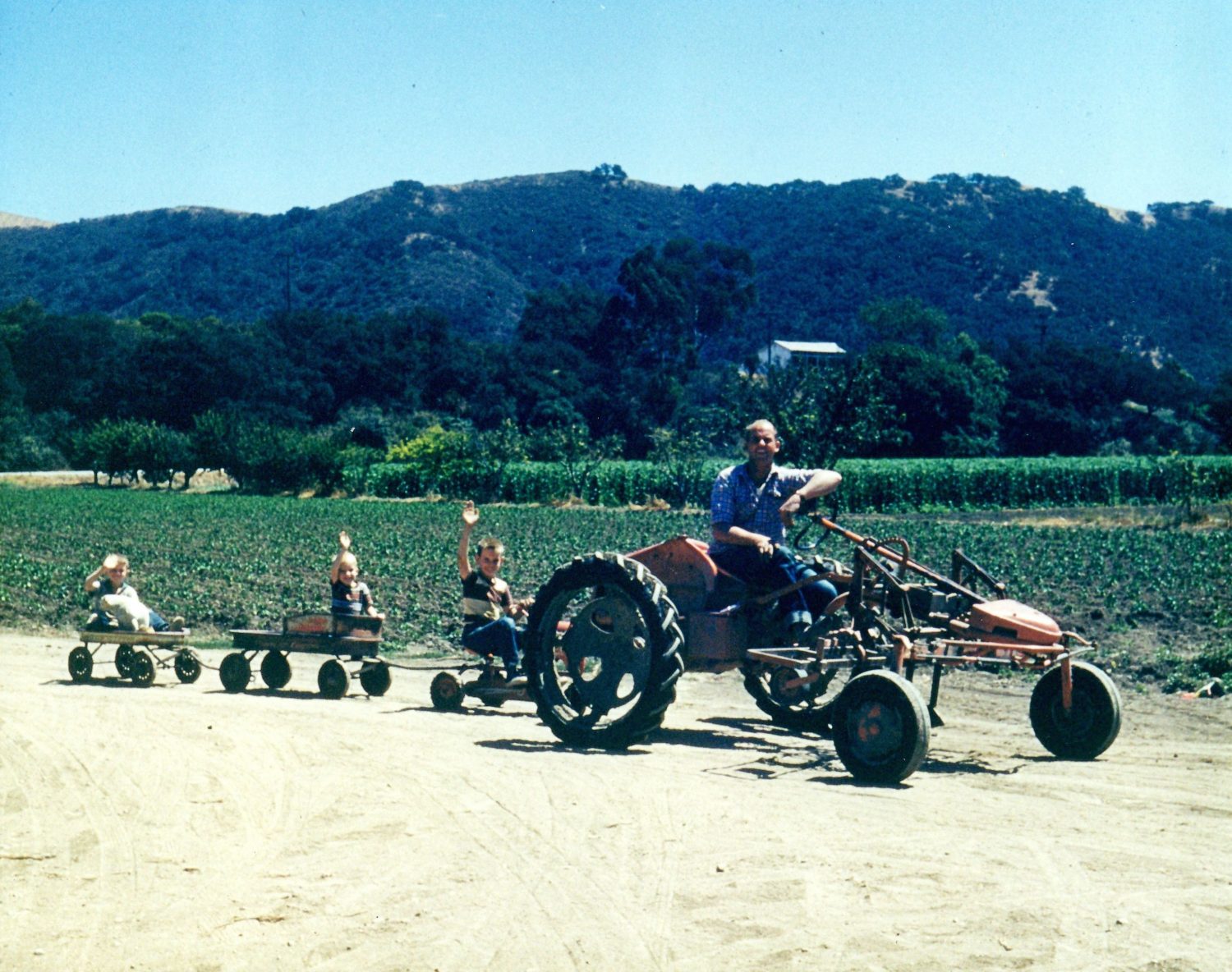
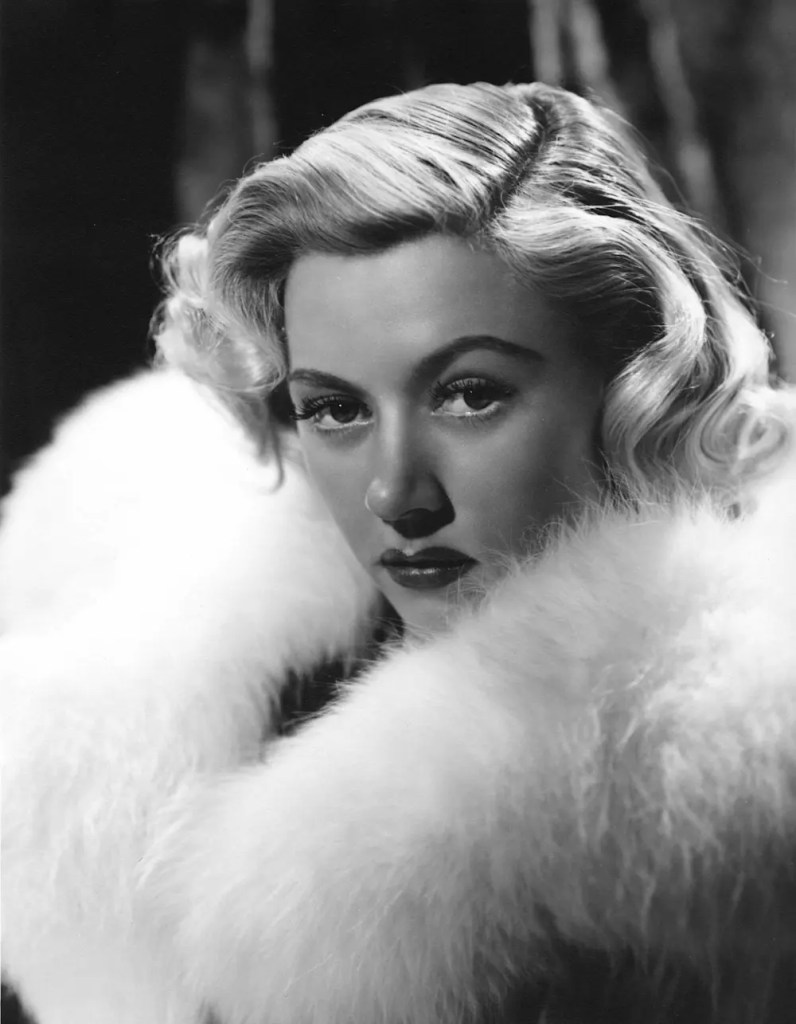

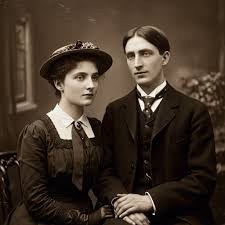

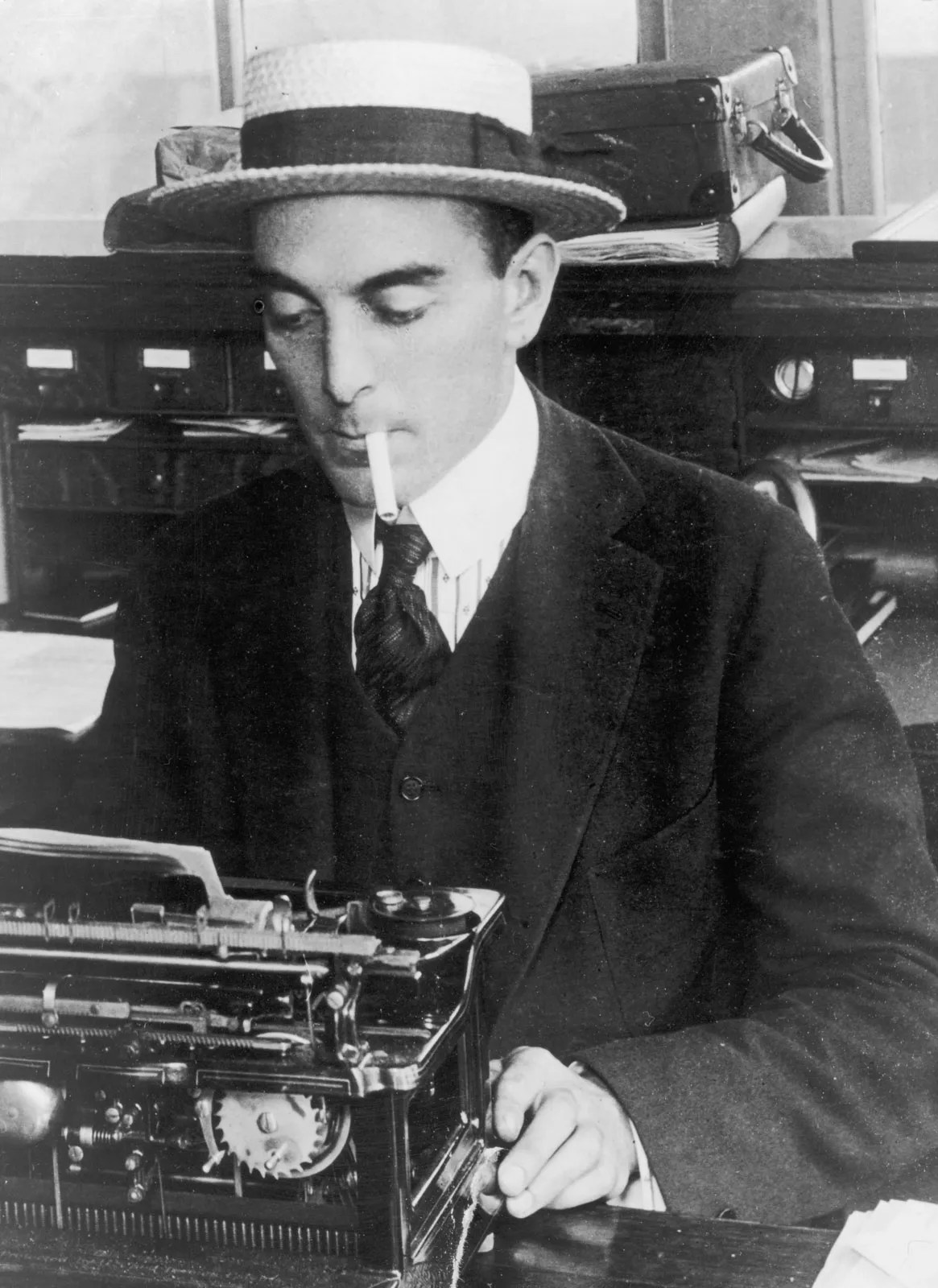
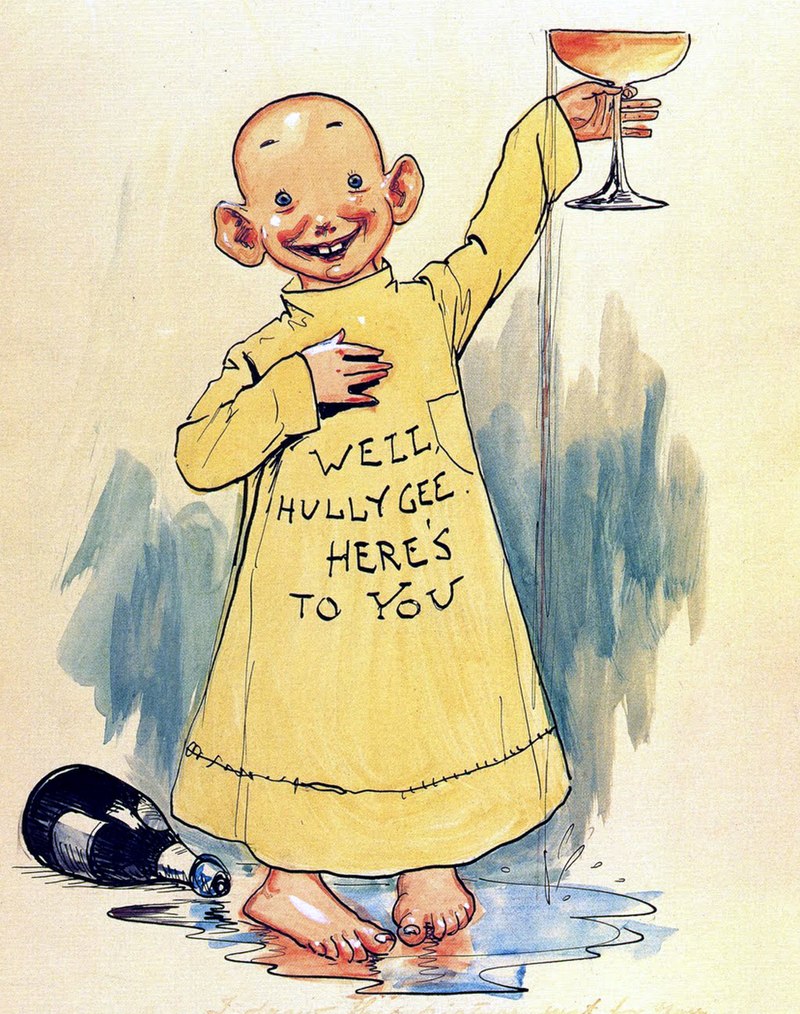
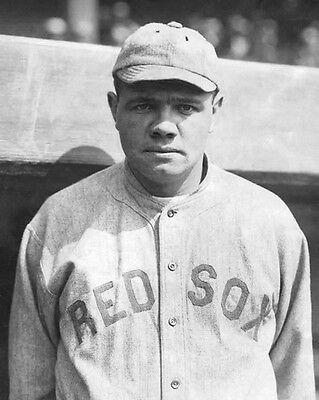





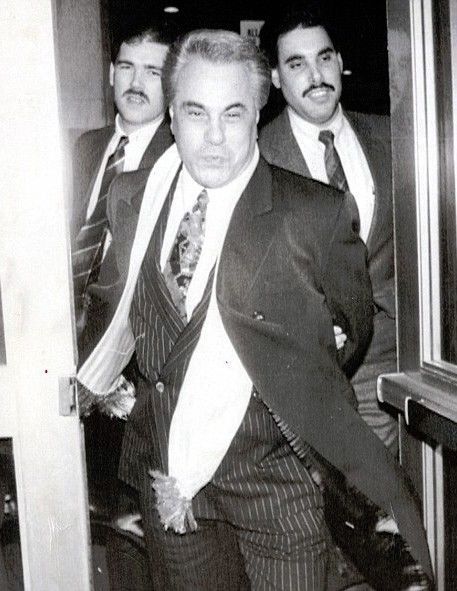

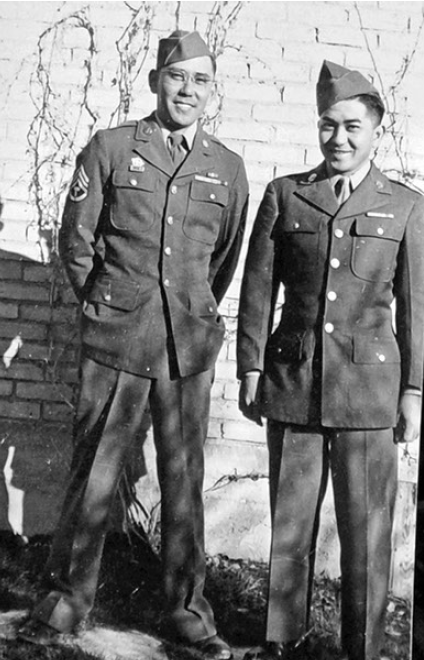



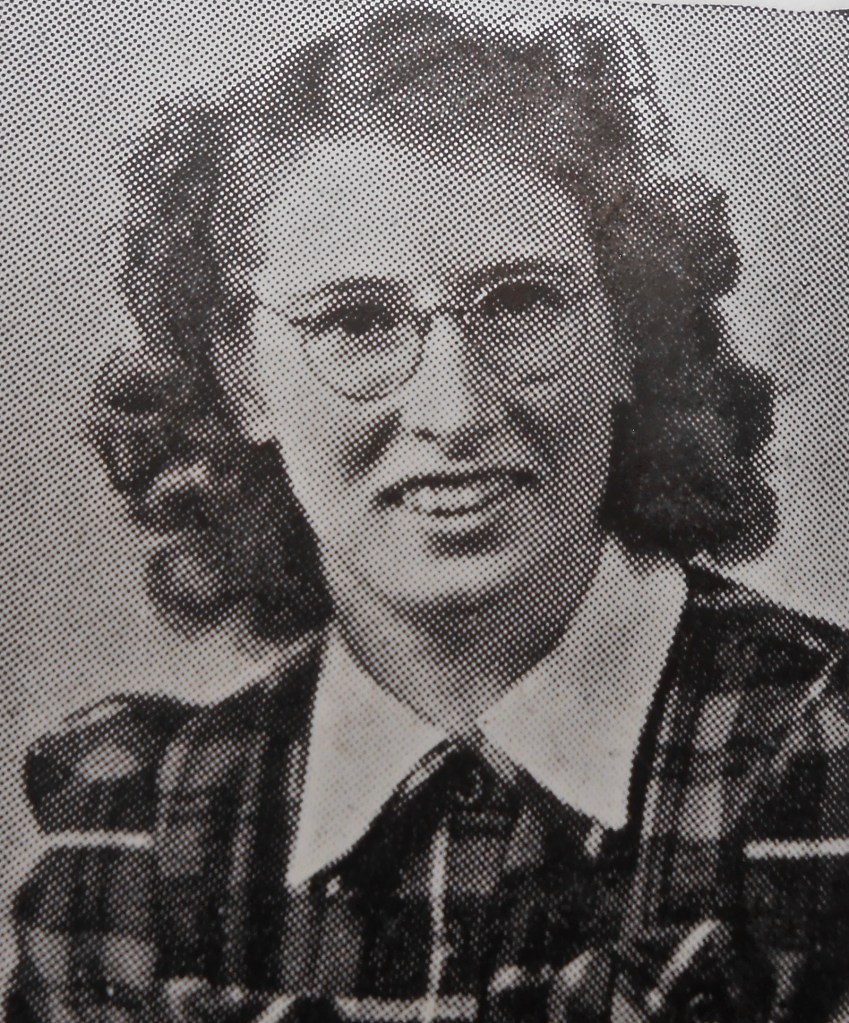
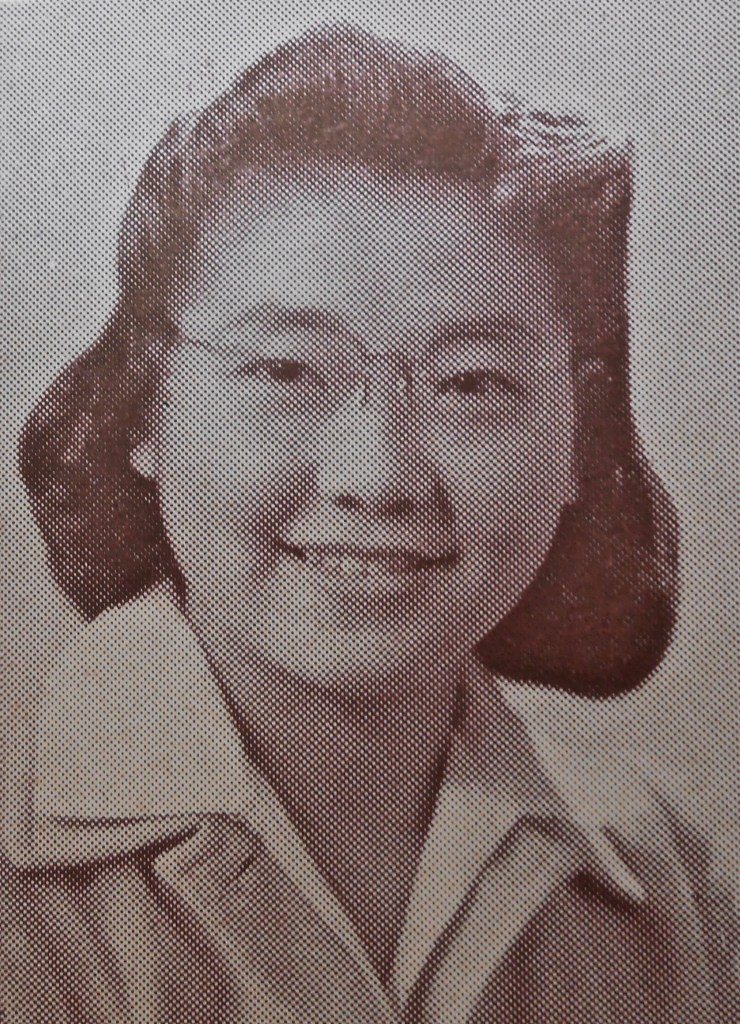

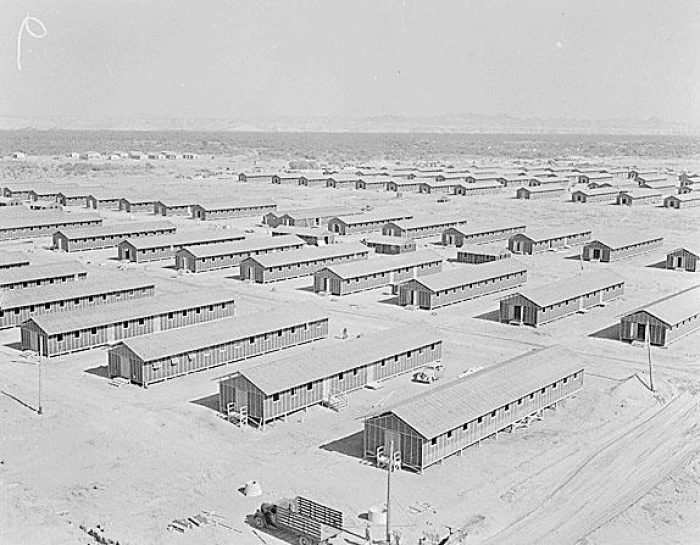
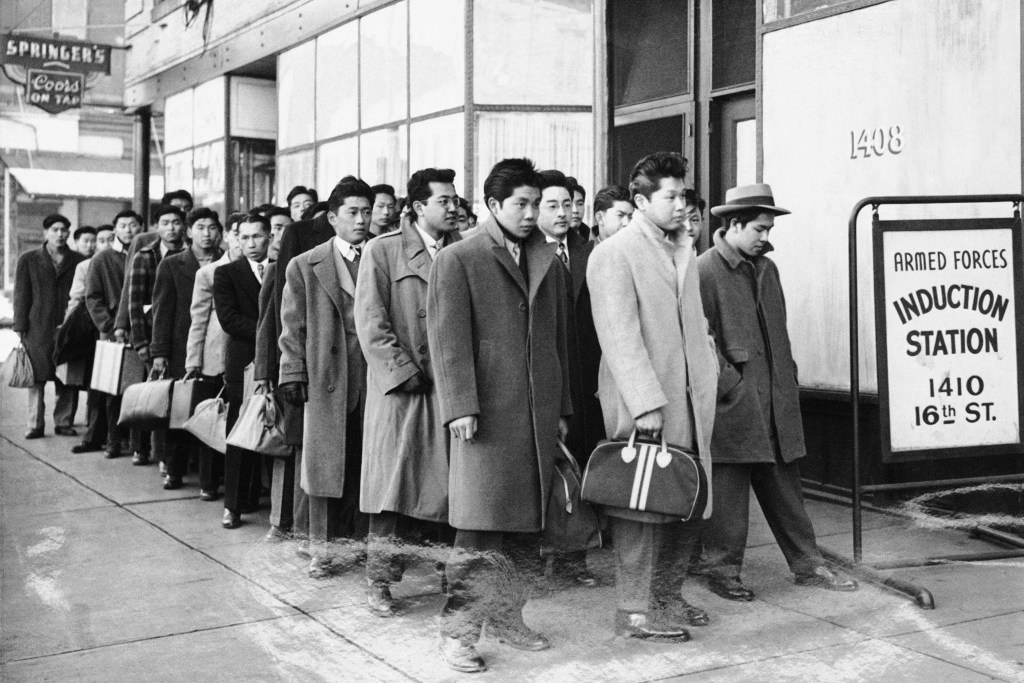

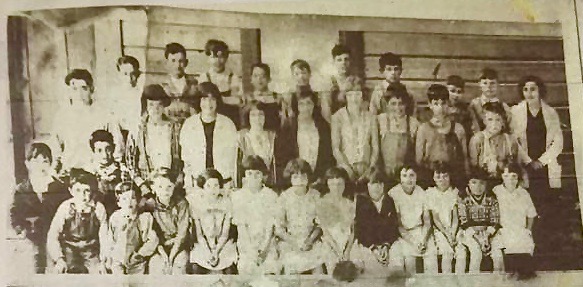
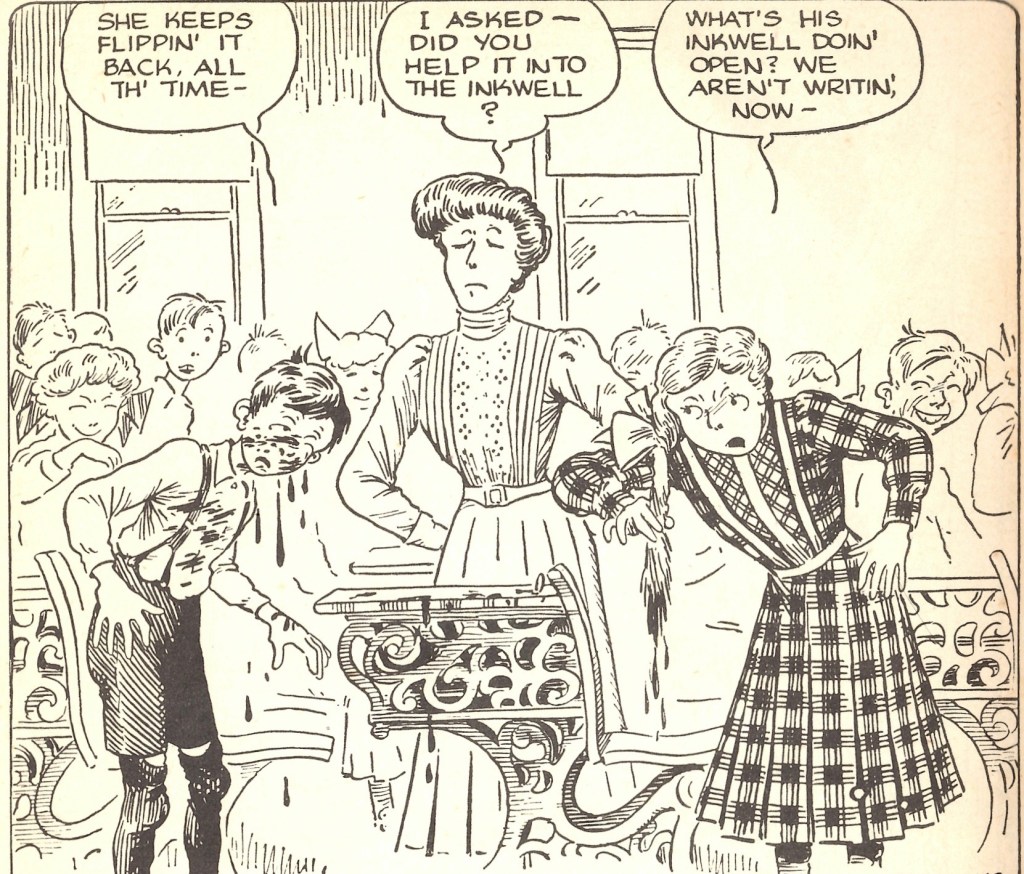
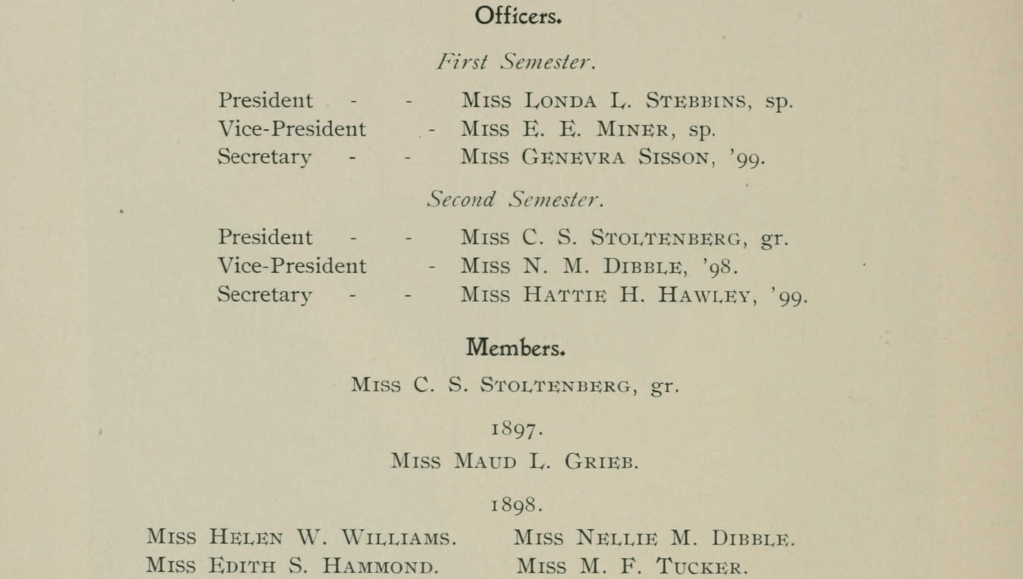
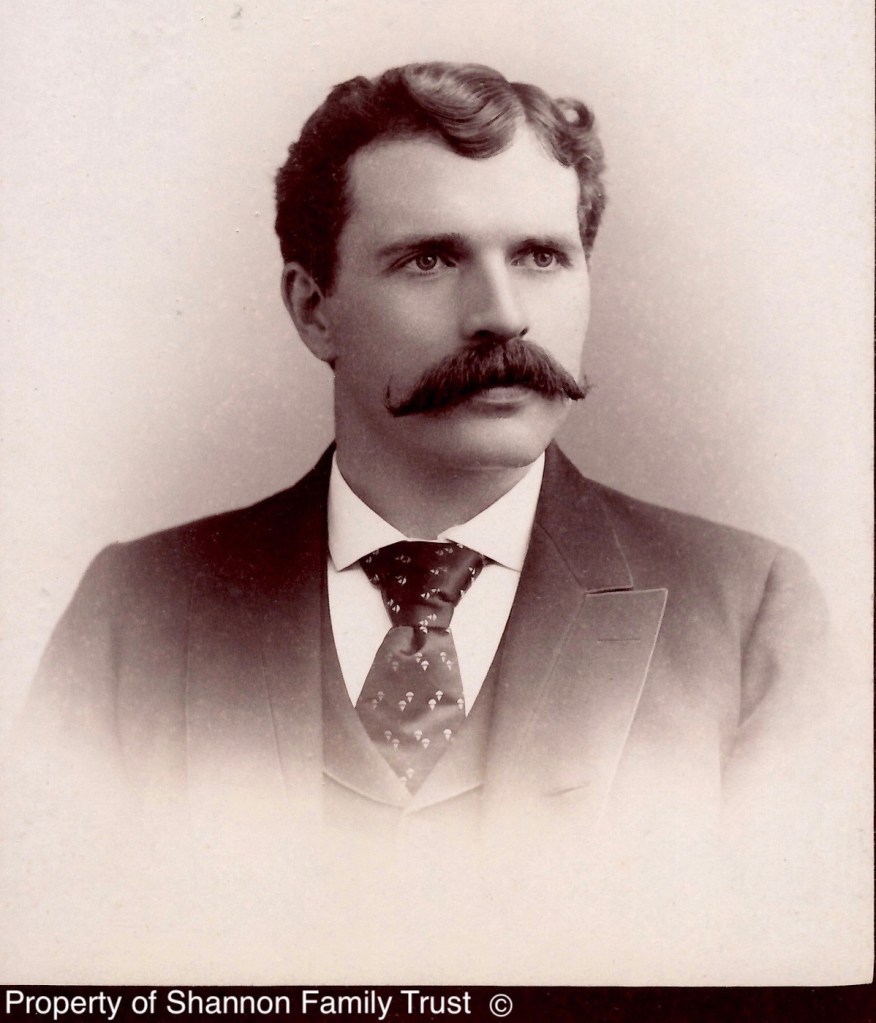

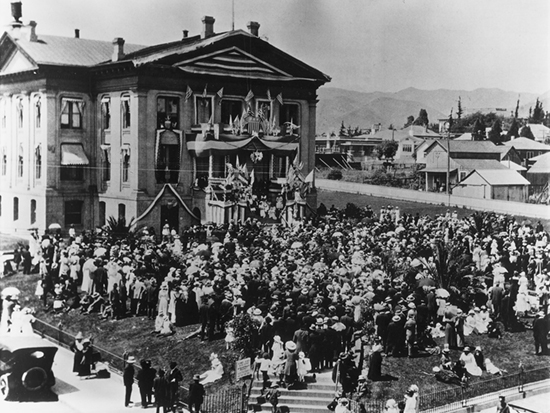


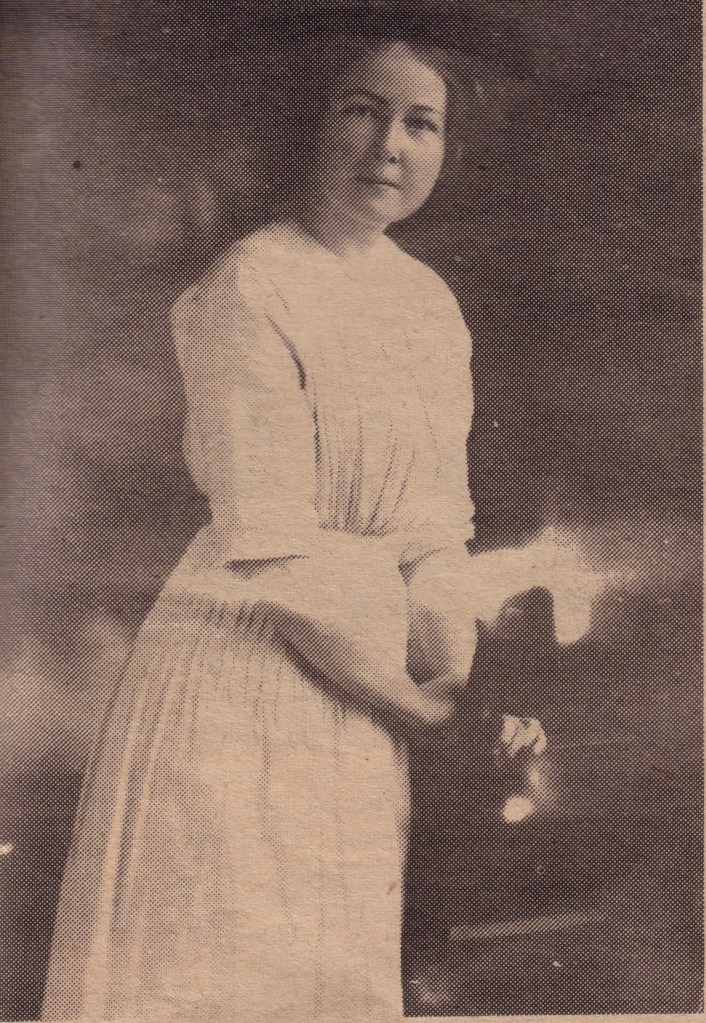
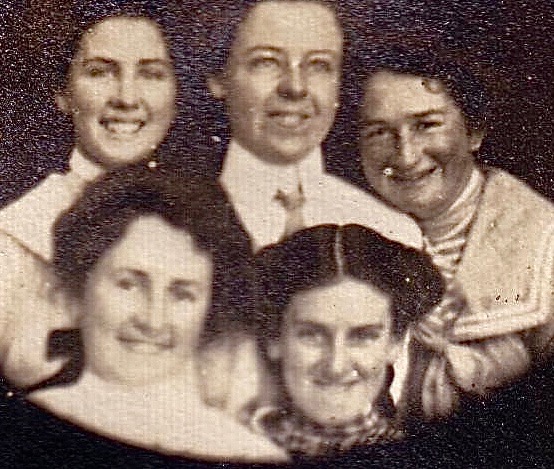
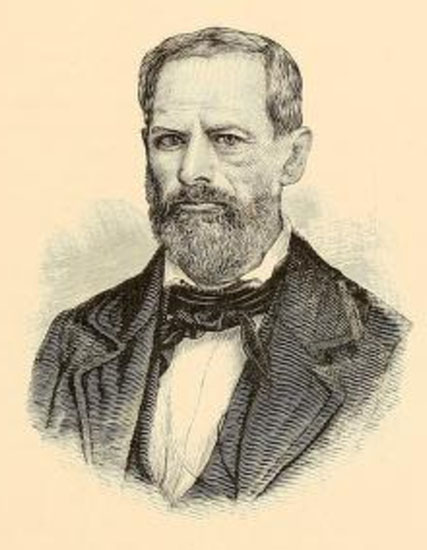
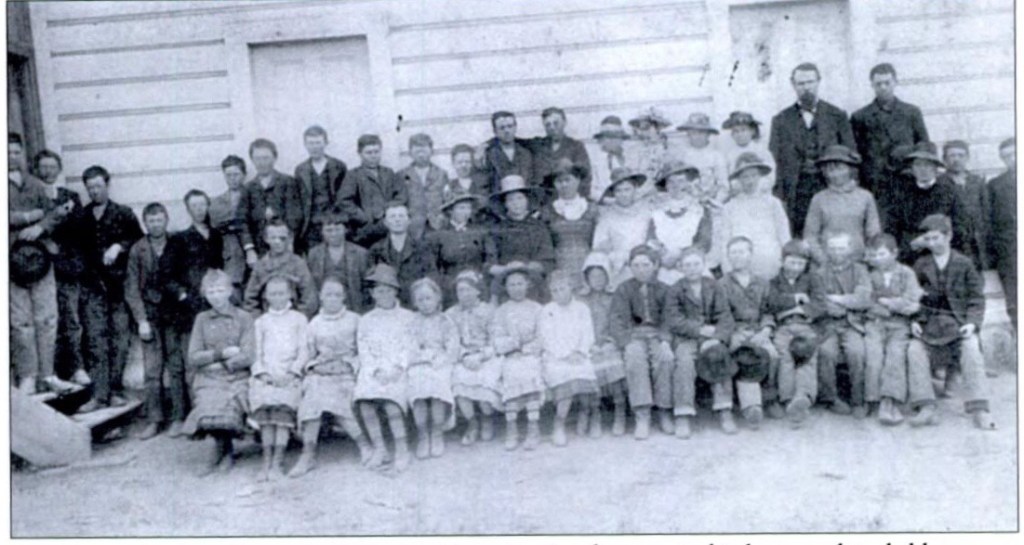
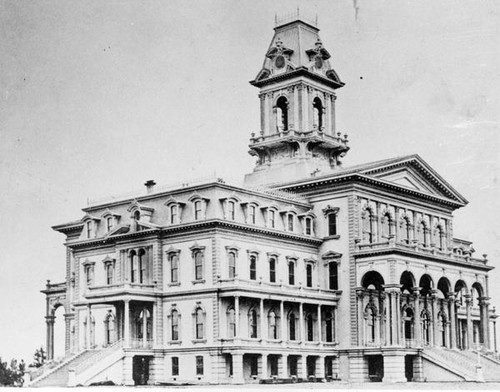

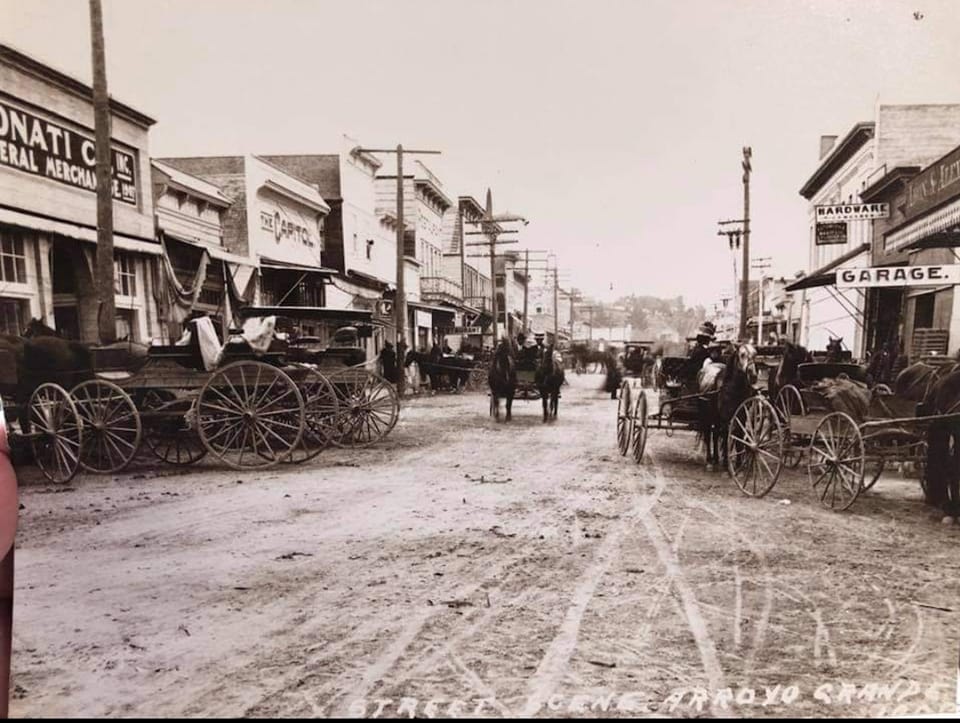


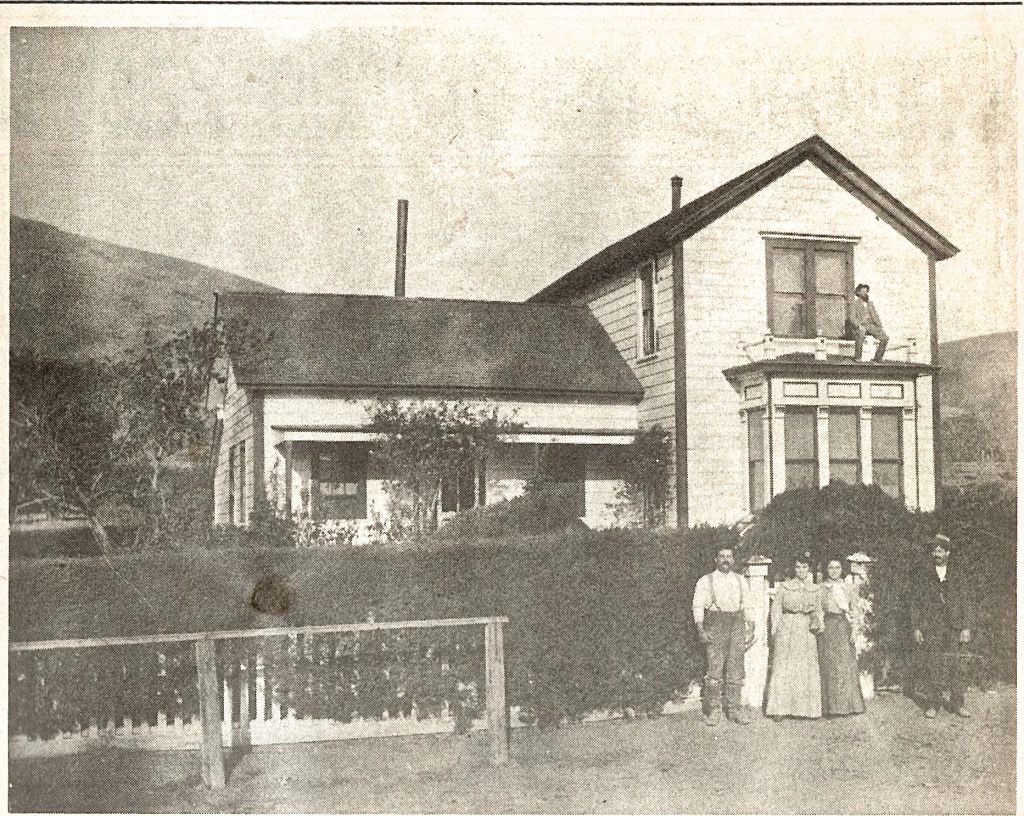

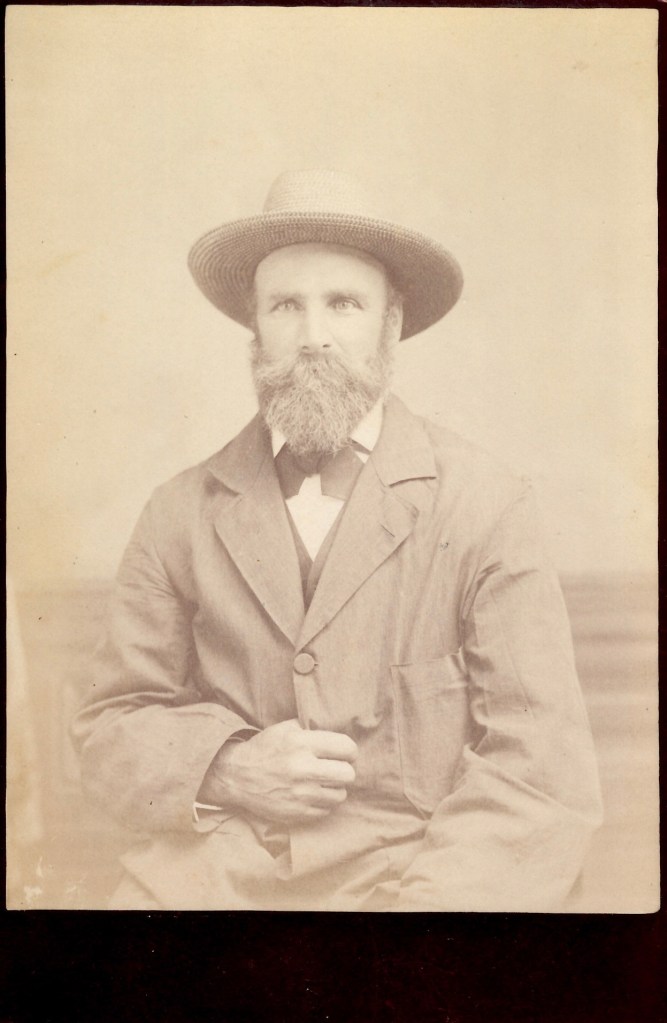
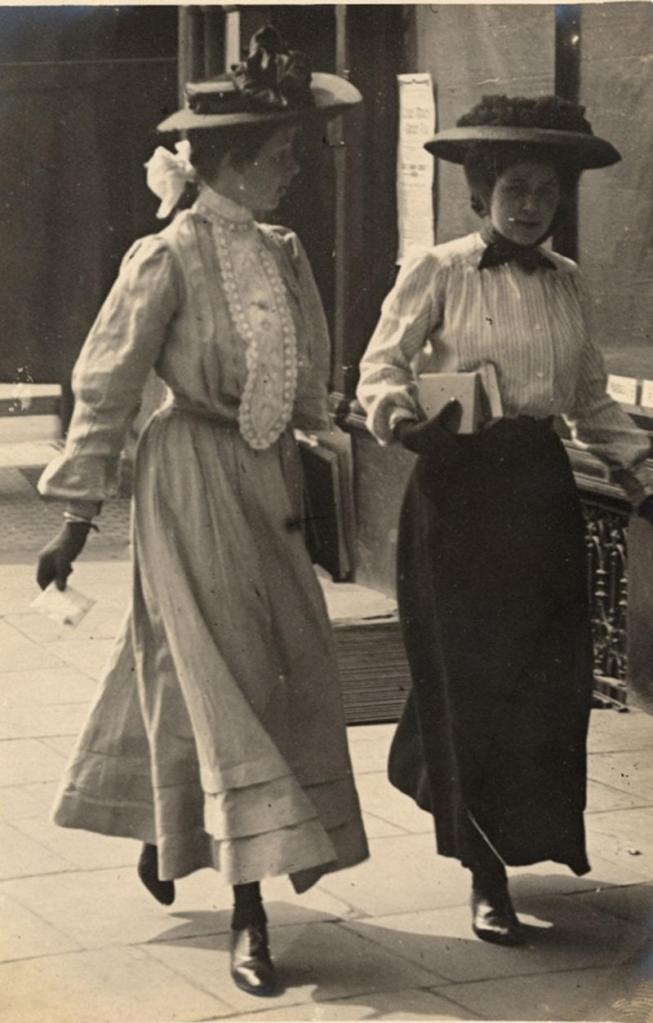
 atthetable2015