Sherif Al Tariff al Rhipof
The word ‘tariff’ owes its origin to the bustling Venetian trade in 1592 and related to the Arab world during the 10th-15th centuries. The Arabic ‘arrafa’ meaning ‘notify’ led to the Italian ‘tariffa’ and through French it entered the English language.
Tariffs are fees U.S.-based companies pay the federal government when they import affected products into the United States. Since the money is collected by the government, it is considered a tax.
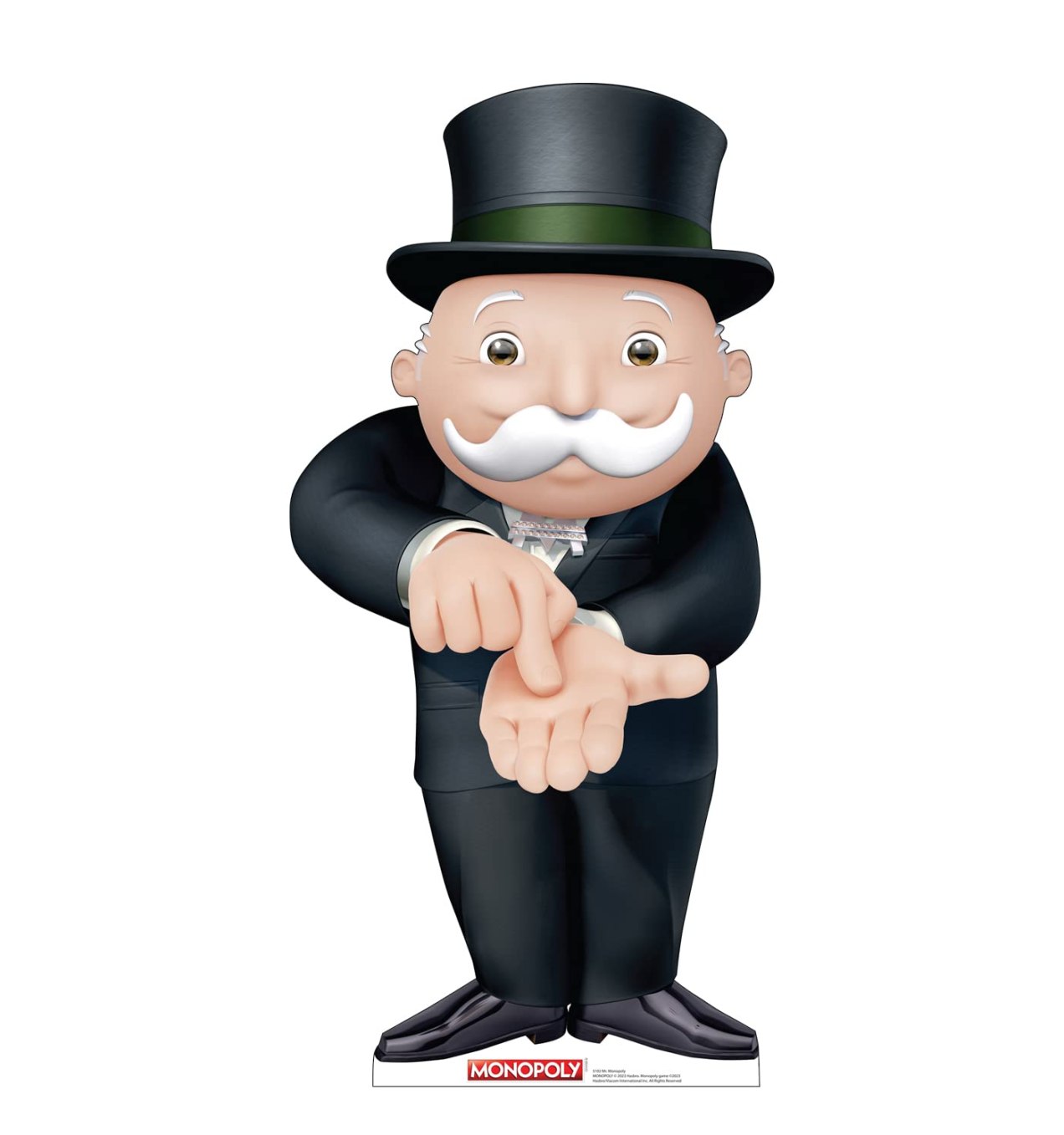
Still not clear? Lets take Willie Wonka for example. His factory needs Cocoa Beans to make chocolate. Cocoa refers to the seeds of the Theobroma cacao tree, which are the key ingredient in chocolate and chocolate products. The beans can be processed into various forms like cocoa powder, and butter. Commercial beans are grown in Central America, western South America, west Africa, India and Indonesia. None are produced in the USA.
So, Willie needs his beans. He will look to buy at the most advantageous rate he can find. Once the price is settled on he must pay the tariff on top of that. Lets say he pays $100 dollars a ton. To that he tacks on the tariff which we will suppose is 25%. The actual cost is now $125.00 dollars a ton. The tariff money is then remitted to the Federal Government. Willie pays the 25% then adds to his debit the cost of labor and incidentals to pay the tax, his accountants, bookkeepers, Fax machines and paper and all other incidentals included.
At the chocolate factory the arriving beans are processed, packaged and delivered to the retail outlets which actually sell to the consumer. This person is the “End user.”
If we assume that Willies net profit is say 10% on his candy bars he would lose 15% per bar. He will be bankrupt, no business can run such a large deficit and last very long. What can he do? Well, what he can do is simply raise the retail cost of his candy bar to cover the tariff which he has already paid to the taxman.
All things being equal, he is likely to raise his price more than 25% to cover ancillary costs above the tariff. (Tax) For purposes of clarity this means a $.50 candy bar will now cost as much as $.75 to 80 cents a bar to the end user. You.
Well what about the producer from Mexico you might say? There is no tax on him. His problem would be perhaps the reduction in the volume he is able to sell across the border of the US. But Americans like candy bars and Cocoa Butter so perhaps he will be OK. The idea here is to force the Mexican Cocoa Vato to lower his price.
So who is hurt? Not the treasury, they collect more tax money. It’s Willie, you and the foreign supplier. With across the board tariffs (Tax) which have been raised far higher, it means everything we import, the end user pays more, the tax. Do his wages go up to compensate? What do you think? You’re correct, he is poorer because the cost of goods he needs is higher. That new Ford 150? Forget that. The end user has less discretionary money to spend on a new vanity truck. The old one will have to serve. Ford is already importing parts from Canada, Japan, Europe and Mexico so there is a tax on each one which is added to the cost of the new truck. Slowing sales will push Ford stock down. Ford sales staff gets laid off. Mechanics get laid off, less gasoline is sold, fewer tires, probably a tariff on them too. See how it works?
Have tariffs (Tax) been around for a long time? Well over one thousand years. One of the tools used to attempt to balance trade, or the exchange of goods between countries they are a valuable tool when negotiated between the countries affected. Arbitrary imposition of tariffs (Tax) cause major disruptions in supply and the movement of goods and treasure around the world.
Imagine world trade as a vast spider web connecting countries all over the Earth. Even countries at war, another form of economics, will continue to trade. If you need an example of that, Standard Oil sold fuel oil to German submarines right up to Hitlers declaration of war on December 12, 1941. Casualties and destruction in Europe and Asia were not a consideration. Sales are sales. Henry Ford continued to build trucks for Hitler even after we went to war with Germany. He had the gall to sue the US government for the damage we did to his French and German factories by bombing them flat.
So, look around your house. See how many things you can find that are not made in the USA. TV, no, Those hip Chuck Taylor Converse tennies your kids wear? Sorry not made here. Your diamond ring? South Africa. The laptop you are reading this on, If it’s Apple is made in several countries, India, Vietnam and China. Add the medicinnes in your medicine cabinet, your furniture. Ikea anyone. Chemicals, precious gems, Aluminum, steel, magnesium, copper are what an airliner is made off, expect airfares to go up. Nothing will go untouched. Even companies who don’t import goods of any kind will raise their prices because thats good business.
Think about this. Even companies that manufacture nothing will raise their rates. If you buy a fancy schmancy BMW which is now going to cost 25% more than yesterday you can bet the your insurance company is going to raise your rates for a now higher priced car.
My favorite? Susan Collins, Senator from Maine stated that Maine blueberries are shipped across the border to Prince Edward island in Canada to be processed and when they come back their will be a tariff added to the sale price. That blueberry muffin at Starbucks? The beans in the coffee, the half and half, Canada. Forget it. No one is going to be untouched.
Economic policy is difficult to predict. It’s important to try but still its a cipher. There are many, many moving parts but there are some things I think you can be assured of. All these new tariffs, not negotiated but simply imposed by fiat are going to be a major problem for Willie and you. As always, economics are tied to your wallet. Buy one with a a zipper, your’re going to need it.
For a complete breakdown on the effects of predatory tariffs do some research into the Smoot-Hawley tariffs enacted in 1928/1929. That bill did not start the Great Depression but it contributed mightily to it.
Both JP Morgan bank and Henry Ford himself said they begged President Hoover no to sign the bill, Ford saying he nearly got down on his knees in the Oval Office. Hoover said that he must support the party and signed anyway. The US economy went right over a cliff. Ask your great-grandparents what that was like. How did we get out? Ask Adolph Hitler what that cost the world.
Michael Shannon is a former teacher of Economics and wrote one of the economic curricula for high school used in California. He was also in the construction business for 27 years and knows that wood comes from Canada.
 atthetable2015