A BOY DREAMS OF PIRATES.


little pirates

Yaaaahr, we be pirates mate and we’uns be seekin’ treasure and a flagon of grog to wet our’n whistle. We’uns come off the brig Nancy’s Revenge, Cap’n Flint commanding’ Sor, and’r looking to spend our share of the loot from divers ships we’ve took on the Spanish Main.

Such are the dreams of boys. My grandfather, my uncle Jack and my dad told us stories of pirates gold and the places where it resided here in the Arroyo Grande. Stolen from Spanish Galleons on the run from Manila to Acapulco, the west coast port where it was to be shipped overland to Monterey, Mexico and on to Spain to fill King Phillips coffers. Gold pieces of eight, bars of silver and precious jewels by the handful, stashed in the caves of Mt. Picacho. Protected by the skeletons of the pirate rogues who buried it there. Dead men tell no tales mate. Beware the Black Spot.

When we were little boys, my uncle Jackie took us to this mysterious place on the southwest side of the distinctive hill known as Picacho. Clambering down the side of the hill, he led us to the dimly perceived opening of the pirate cave hidden below an overhang of ancient rock. A very small cave it was, you having to be just boy size in order to crawl back into it. Along the walls and ceiling were names of intrepid explorers who had visited it before us. Carved with jack knives were the names and dates of boys going back long before my father and grandfathers time, each one searching for the long lost treasure of Francis Drake and Hippolyte Bouchard, or perhaps the gold and silver deposited there when the padres were forced to abandon the missions in 1833. Delicious tales to enliven a little boys imagination. Tell me a story Daddy, like you said you would.

Raised on Frank Merriwell, Edgar Rice Burroughs and the Hardy Boys, it was no stretch to begin reading adult adventure novels, “The Captain from Castile,” and in the eighth grade discovering on my mothers bookshelf, a book borrowed from Gladys Loomis, “Beat to Quarters,” a Horatio Hornblower story. Then, Joseph Conrad and I was hooked on the sea.

As a lifelong surfer and seaman, I’ve learned many lessons about sea keeping, having been a merchant mariner and long distance sailor. Sad to say the experience has taught me that there never were any pirates hiding treasure along our California coast. Dreams of little boys are mostly dashed by the practicalities of life.

drake golden hinde

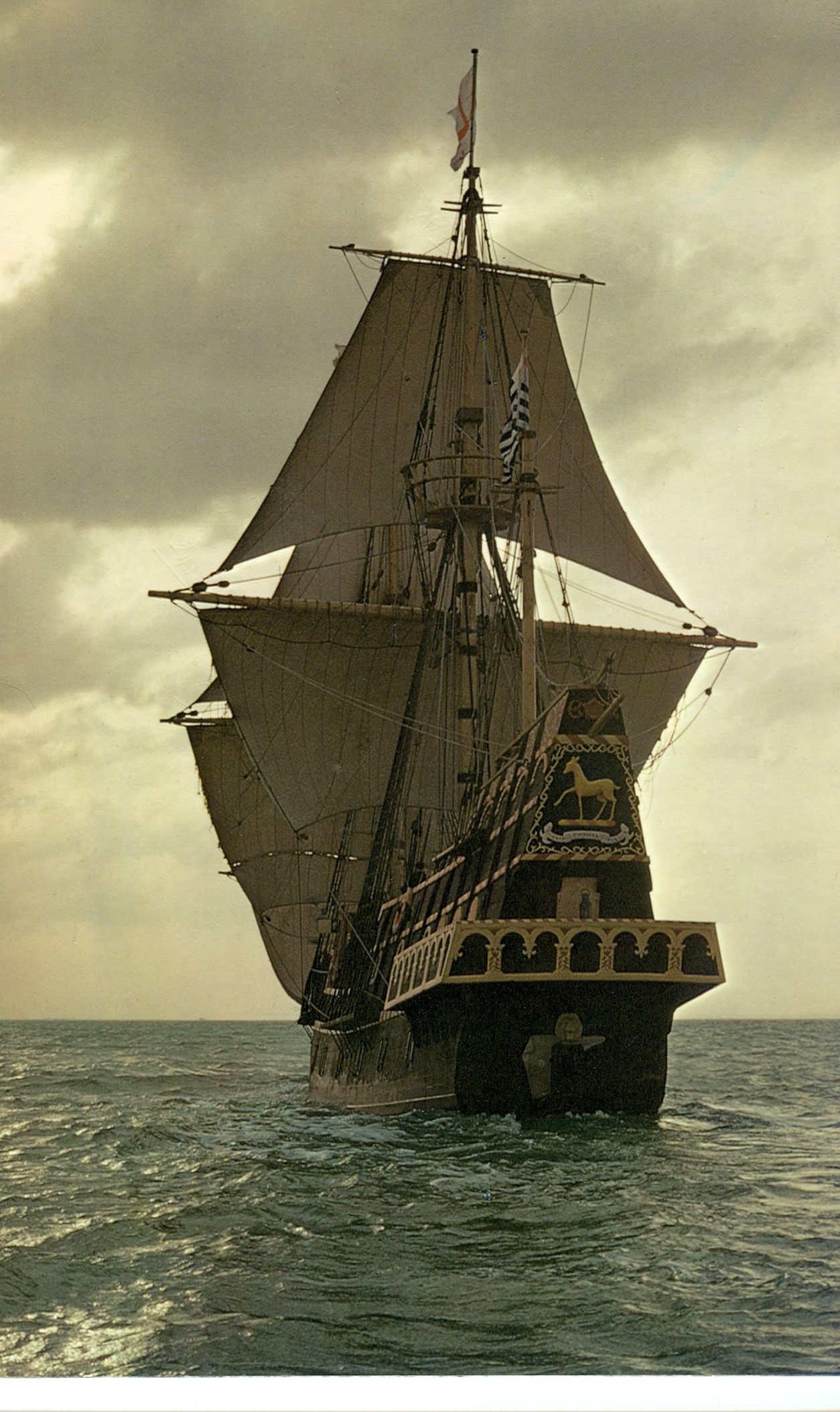
Golden Hinde, Length, 102′-Beam, 20′-Draught, 9′-Speed, 8 knots, Burden, 100 Ton.

Sir Francis Drake, El Dragon, sailed the coast of California in 1579 on his way around the world. Sad to say, his logbooks, accounts and maps were burned in a fire at Whitehall in 1698 so the exact sequence of events is mostly unknown. What is difficult to understand is how remote California was at the time. Mexico was still in the process of subjection by the Spanish, it only being 60 years since Cortes landed at Monterrey, Mexico. The destruction of Tenochitlan, the Aztec capitol three years later began the total destruction of the various indigenous tribal empires of central america. In Drake’s time, the spanish were in the midst of a bloody, protracted war with the Chichimeca people in Zacatecas and had not yet settled on the  northern Mexican, Baja or the California coast.

The state of navigation during the 16th century was such that accuracy of position was chancy at best. Most of the time mariners used a compass and a Log* to determine position. This was called Dead, for deduced reckoning, and with a knowledge of currents, or drift and, an Astrolabe,* position could be estimated with a certain degree of accuracy, particularly in measurement of latitude. Latitude was the measurement of position either north or south of the equator. Longitude, or the distance from a fixed point on earth was largely impossible to determine until the invention of extremely accurate chronometers (clocks) that would stand up to a sea voyage. These were not perfected until the late 17th century and weren’t common on ships until the 1820’s, two and one half centuries after Drakes voyage.

Here, where we live, any idea that Drake landed here is so unlikely that it bears no credence. The site at the old Cave landing could hardly be more dangerous to a ship of the type that he sailed. The Golden Hinde was a square rigged ship, which in his time, were largely unable to sail any closer to the wind direction than roughly 50 degrees. This means that if you sail into a north wind, the best they could do was  about 5 degrees off northeast or northwest. Easy to sail in, very difficult to get out.

compass-rose-02

COMPASS ROSE SHOWING DIRECTIONS IN DEGREES

The 22 mile distance from Point San Luis to Point Sal which comprises San Luis Bay is what is known as an “Open Roadstead,” meaning that there is little or no protection from the prevailing winds, no protected harbor, and has a sea bottom that won’t hold anchor in a storm or heavy sea. Each year, boats anchored in San Luis harbor go on the beach because they drag their anchors in heavy surf and it would have been much worse before the breakwater was built. The Masters Mate, who normally did the navigation in Drakes time would have been extremely reluctant to put in at a place such as Cave Landing. He could certainly sail in but would have been well aware of the difficulty in getting out. From the sea, the central coast is indistinguishable from most of the west coast. There are no outstanding geographical features to be seen from even a few miles out and with the nearly constant Northwest trade winds no sailor would likely come to shore here.

calif map

Map of California, circa 1590

As for Drake’s treasure, what would be the point of landing, and hiding it. It belonged to  Queen Elizabeth I and thats where it ended up. 80 pounds of gold, 20 tonnes of silver, 13 cases of silver coins and divers cases of pearls and gems, it paid off England’s national debt, and made Francis Drake and his crew rich beyond their wildest dreams.drake ship b1

Much the same as the Golden Hinde began its 7,000 mile journey west, across the Pacific to the Philippines, leaving California behind forever, we leave the dreams of our little boys in the secret places they belong. Or maybe not.

EPSON MFP image

EPSON MFP image


Even today, I can look out my studio window and see Picacho in the near distance and I still wonder, what if it was all true?


Footnotes:

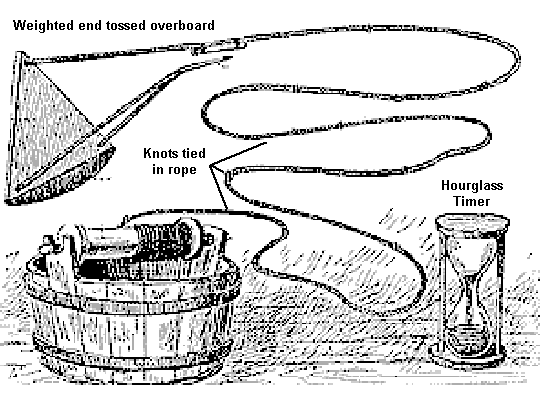
Log: a piece of wood attached to a line knotted at uniform intervals. A sailor heaved the log from the stern of the ship and let the line pay out freely as the ship pulled away. When the sailor felt the first knot pass through his fingers, he shouted a signal to another sailor, who turned a one-minute glass. The first sailor counted aloud the number of knots that passed until the sand ran out. A timer of one minute (one-sixtieth of an hour), knots spaced one-sixtieth of a nautical mile apart, and simple arithmetic easily gave the speed of the ship in nautical miles per hour (“knots”).

chip-log

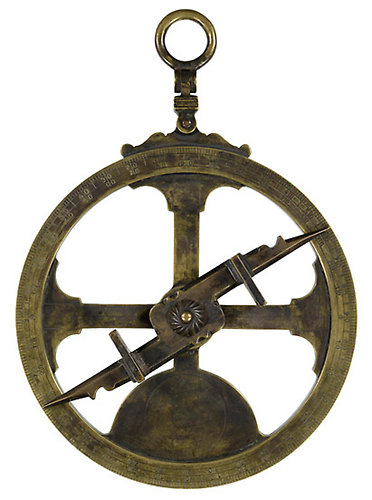
Astrolabe: By the Elizabethan era it consisted of a large brass ring fitted with an alidade or sighting rule. The user held the astrolabe by a loop at the top, turned the alidade so that he could sight the star along its length, and read the altitude off the scale engraved on the ring – difficult tasks to perform on the deck of a heaving ship. The consequences of imprecise measurement are serious (a latitude reading just one degree off produces an error in position of 60 nautical miles), so mariners often used the astrolabe in pairs, one to sight along the alidade, the other to steady the instrument and take readings. On shore, however, the astrolabe was easier to use and more accurate.

astrolabe


Standard

TOUGH WOMEN

By Michael Shannon

My grandmother Eileen gave birth to four children, only one in a hospital and even that was in the middle of an earthquake in 1933. She could pack up a house, take the kids out of school and be on the road to a new town in hours. She could take care of her kids, clean the house, make her husbands lunch and spend the day fighting a war to the finish against millions of ravenous mice. (Bakersfield 1926) She washed her husbands work clothes in kerosene; BARE HANDED! She never ever fought with her husband. She wore her hair down past her fanny, 100 brush strokes every night, wove it into a single braid, wrapped it around her head and got on with the day. They were so poor during the depression they lived with relatives. In Santa Barbara, Grandma went to the relief office for help but was told they would have to sell the car to qualify. Grandpa needed that car go to work so they muddled through. They lived in 78 houses in 44 years. Tough

My grandpa Bruce was an oilman and they moved with the work. It took one to three months to drill an average well and if the company needed you on another lease site, you had to go. My mother never attended any school for an entire year until she was 17 and was able to stay at Santa Barbara High School while grandpa drilled at the Rincon and Elwood leases in Santa Barbara County. She had to make a place for herself two or three times a year in new schools. She married young and was sorry for it. He beat her. She was a good girl though and got my dad on the second try. She raised three boys in an old farm house, where screech owls drowned in the water on the tank house and came through the pipes and into  the kitchen sink. We had one electric heater for the whole house and a single tub in the bath. She shared this with four of us men and yet could still go on a date with my dad and be so beautiful it made your heart hurt. She would say, “Kiss your mother goodbye and don’t smear the lipstick,” so we would kiss her on the cheek before she left. She once wrote in a letter to her mother that “she hoped George makes some money this year because I’m tired of hamburger.” She hated the hard Arroyo Grande valley water that turned our clothes yellow. It even turned the side of the house yellow when the sprinklers hit it. She worried about my dad getting hurt on the ranch but never told him so and when the awful cancer that took her life was killing her she kept her mouth shut and did her suffering in silence. Tough.
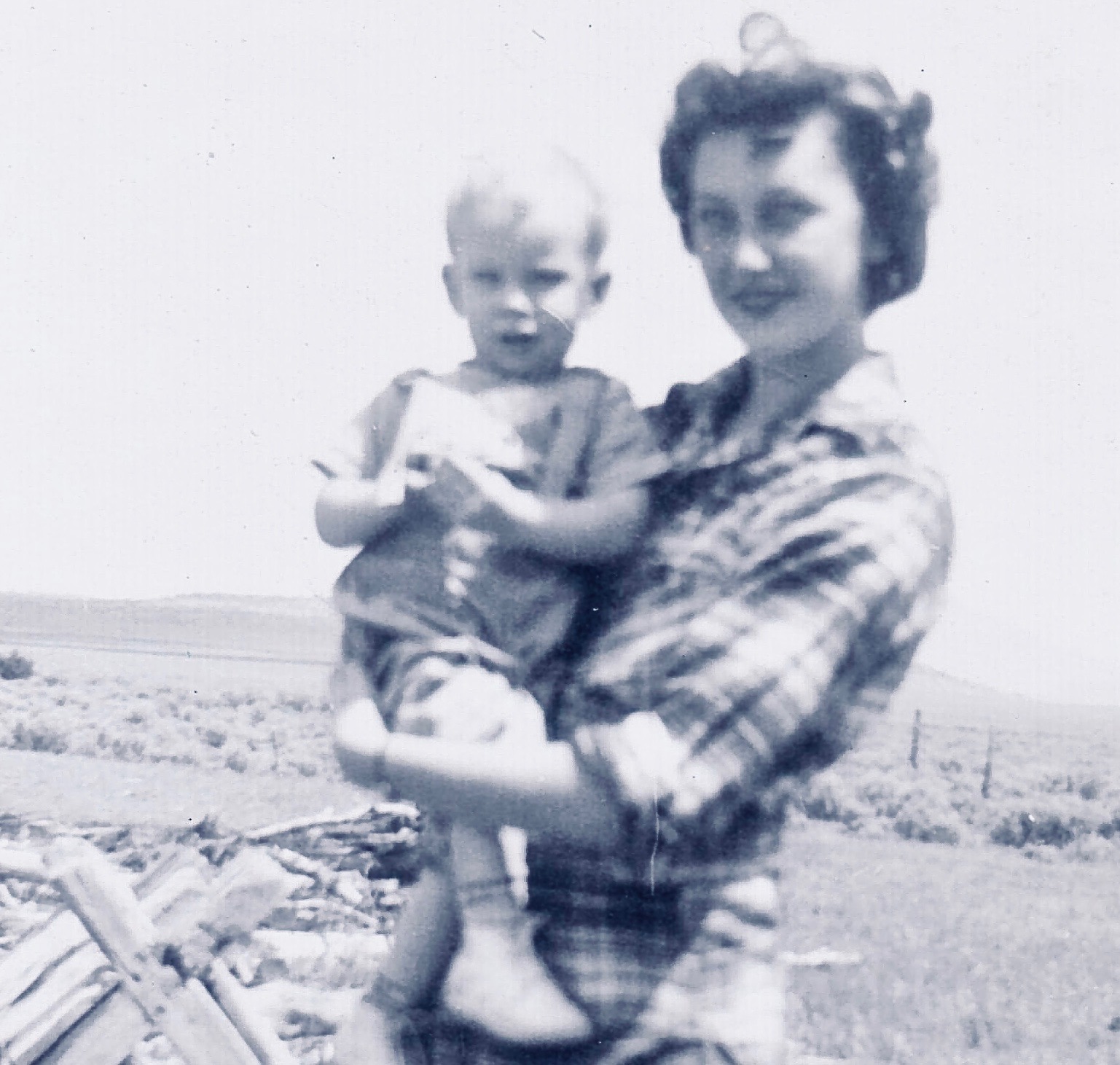
My aunt Mariel married a cowboy and they lived on a ranch in the Watts Valley near Tollhouse California. It was rough living by modern standing, Hot as hades in the summer, cold as a well diggers knee in the winter. An old wood stove heated the kitchen but in the back, well just add another blanket in the winter. In the summer a fifty pound block of ice covered with burlap and set in front of a fan did the job. They drank their milk unpastuerized, warm from the cow and their whiskey straight. Mixes dilute the liquor so they didn’t pour them that way. Those old houses couldn’t be kept clean. Dust leaked in everywhere. If you’ve ever lived in a house built in the nineteenth century you know what I mean. I never heard her complain, she loved her husband and her boys to pieces. She was a great person. Tough.
My aunt Pat married young too, right after high school and had four children pretty quickly. The marriage soured and in a few years she was left alone with four kids, no education and no place to go. She moved to Arroyo Grande, got a job in the newspaper business, brought up her children to be good citizens and made a new life for herself. An unmarried woman in the sixties had a hard road to hoe. She never made as much as a man in the same job and had to work twice as hard too. She persisted though. Tough

My grandmother Annie came from a rich family and never wanted for anything. She was a university graduate in a day when not many women did that. She had all the advantages. The families said to her, “Don’t do it,” but she married the boy anyway. They moved to a three hundred acre farm in 1918. They had to kick the chinaman out of the the house that was old even then. The house had three rooms a board floor and was a typical 18th century farmhouse of single wall construction.  She had a wood stove, no well, no electricity, two little boys and a husband that worked like the devil 7 days a week. No more finery for her. She hauled her wood, cooked the meals, sewed their clothes on a White treadle sewing machine. She could darn a stock, sew on a button and milk a cow. She put up with hogs, cattle, dogs, cats, squirrels, weasels and raccoons in cages but she couldn’t abide goats. They were for the “shanty” Irish. She never complained because, you see, she loved the boy. Tough

Great-grandma Shannon was Canadian by Ireland. She was a widow with four children living in upstate New York when she married my ex-con great-grandfather. He had just finished two years for robbing boxcars. He was a younger man and a bit of a hellion. His family had lived in America for two and a half centuries and done a bit of everything. They were inn-keeper in western Pennsylvania, read saloon there. The couple drifted west, farmed a little in Indiana and ended up running a boarding house in Reno where my grandfather was born. They arrived in Arroyo Grande, California in 1890 and bought a little farm where they raised chickens and grew apricots. Grandma Shannon had a bit of the heavy hand and my grandfather Jack bolted for freedom several times before he was 18. Each time the sheriff drug him back. Grandma Shannon fairly earned the sobriquet, “The meanest woman in the world,” but she was tough.

My other great-grandmother stepped aboard the States Liner SS State of Alabama on a fine Belfast morning with her brand new husband Samuel Gray, waved to her family who she would never see again and sailed for Ameriky. The newlyweds stepped ashore at Castle Gardens, Manhattan. traveled to Indiana where Sam worked as a farm laborer. Just a few years later they arrived in Oso Flaco, California in Santa Barbara County. For the next fifteen years she popped out a baby every eighteen months. All born at home, some with no dotor present. My grandmother Annie was the second. They worked hard, bought a small ranch in Graciosa just outside Orcutt and “lo and behold, there was oil in them thar hills.” They bought a bigger ranch in Santa Maria. She raised all those kids, my great aunts and uncles, brought them up to be decent people, every one. Jenny was a tough Cookie.

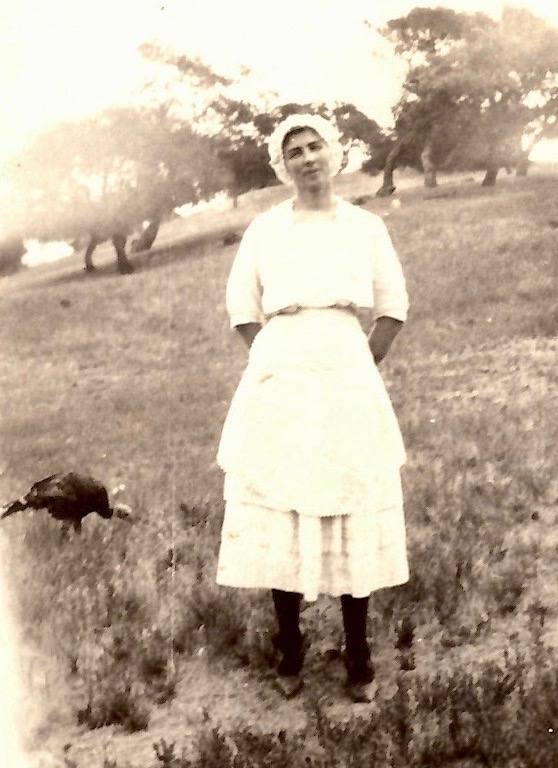
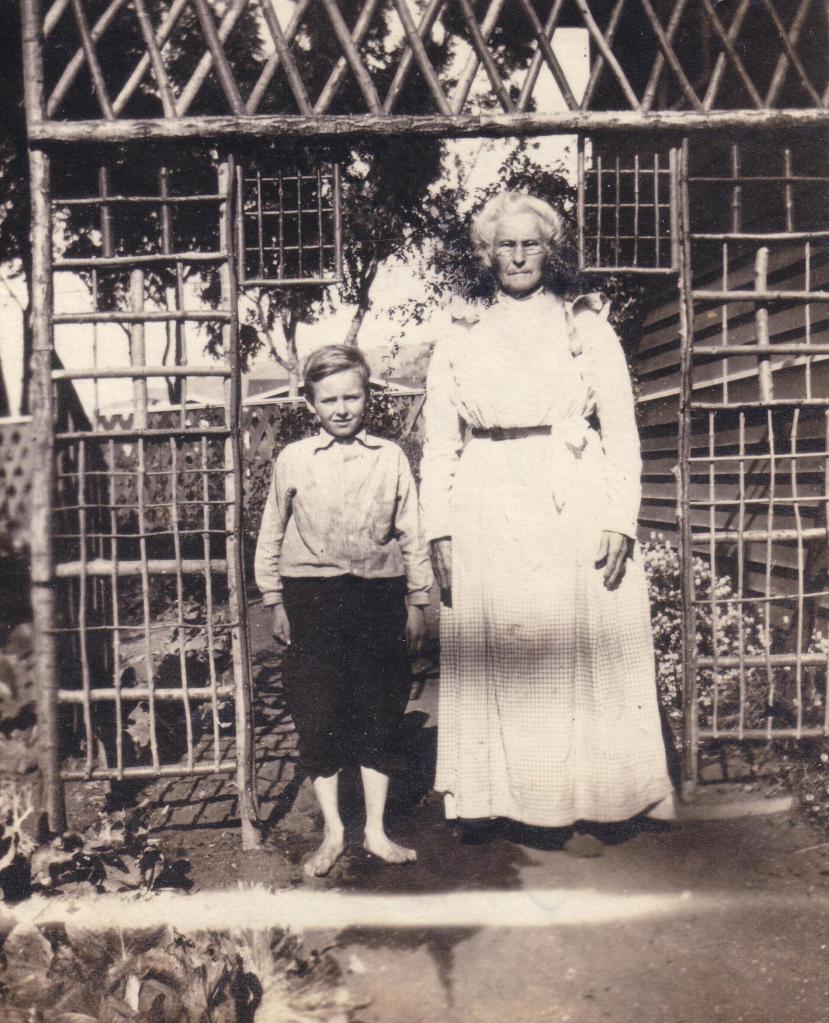
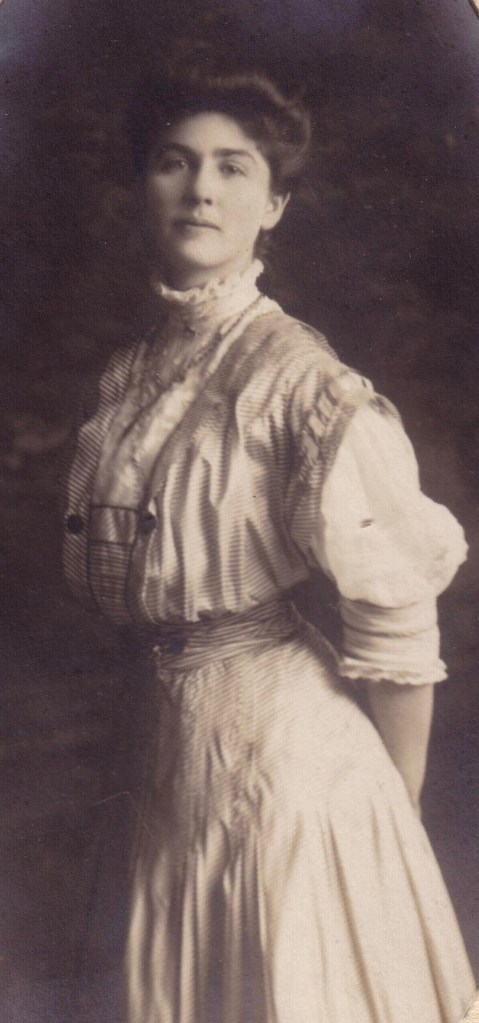
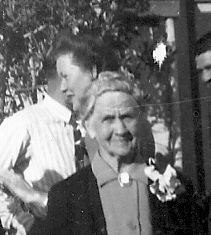
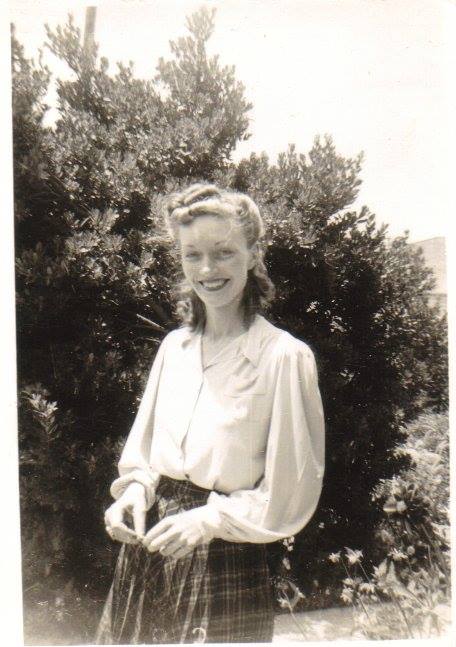
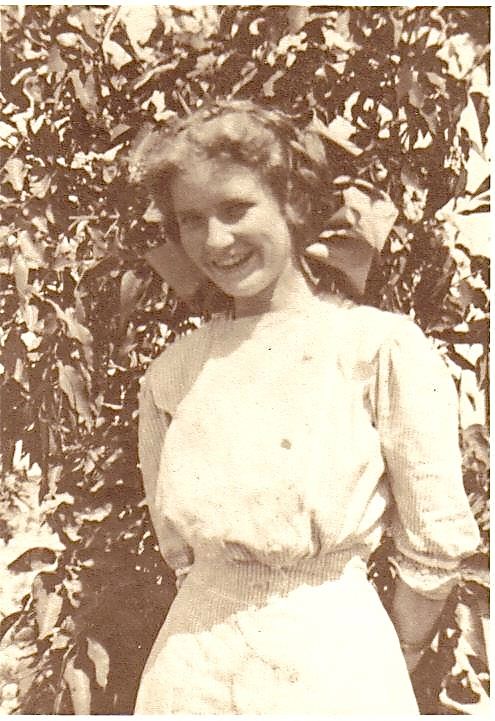
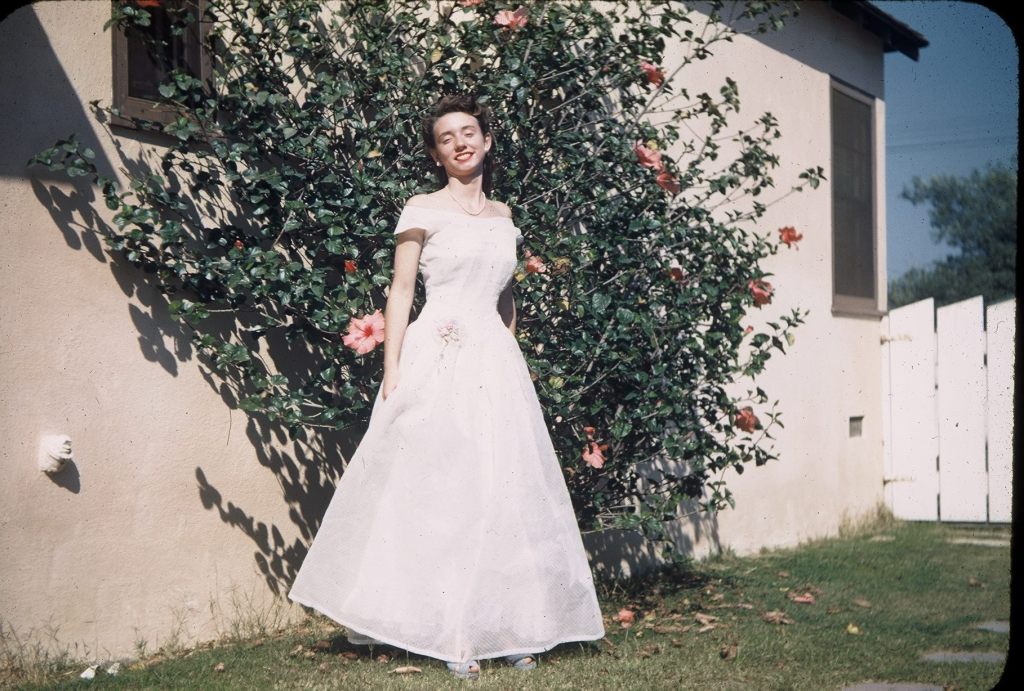
Clockwise from top left.  Catherine Craig Shannon, Annie Gray Shannon, Jenny Gray, Barbara Hall Shannon, Eileen Cayce Hall, Mariel Hall Long, and Patricia Hall Dilbeck 

1st row: From the left: Catherine Craig Shannon, Annie Gray Shannon, Jenny Gray.

2nd Row: Barbara Hall Shannon, Eileen Cayce Hall, Mariel Hall Long

Last Row: Patricia Hall

Cover photo: Annie Gray Shannon with a turkey on the ranch in 1920.

Michael Shannon is Californian, writer and citizen of the world. He write so his children will know who they are.

Standard

THE GREAT PEA WAR

By Michael Shannon

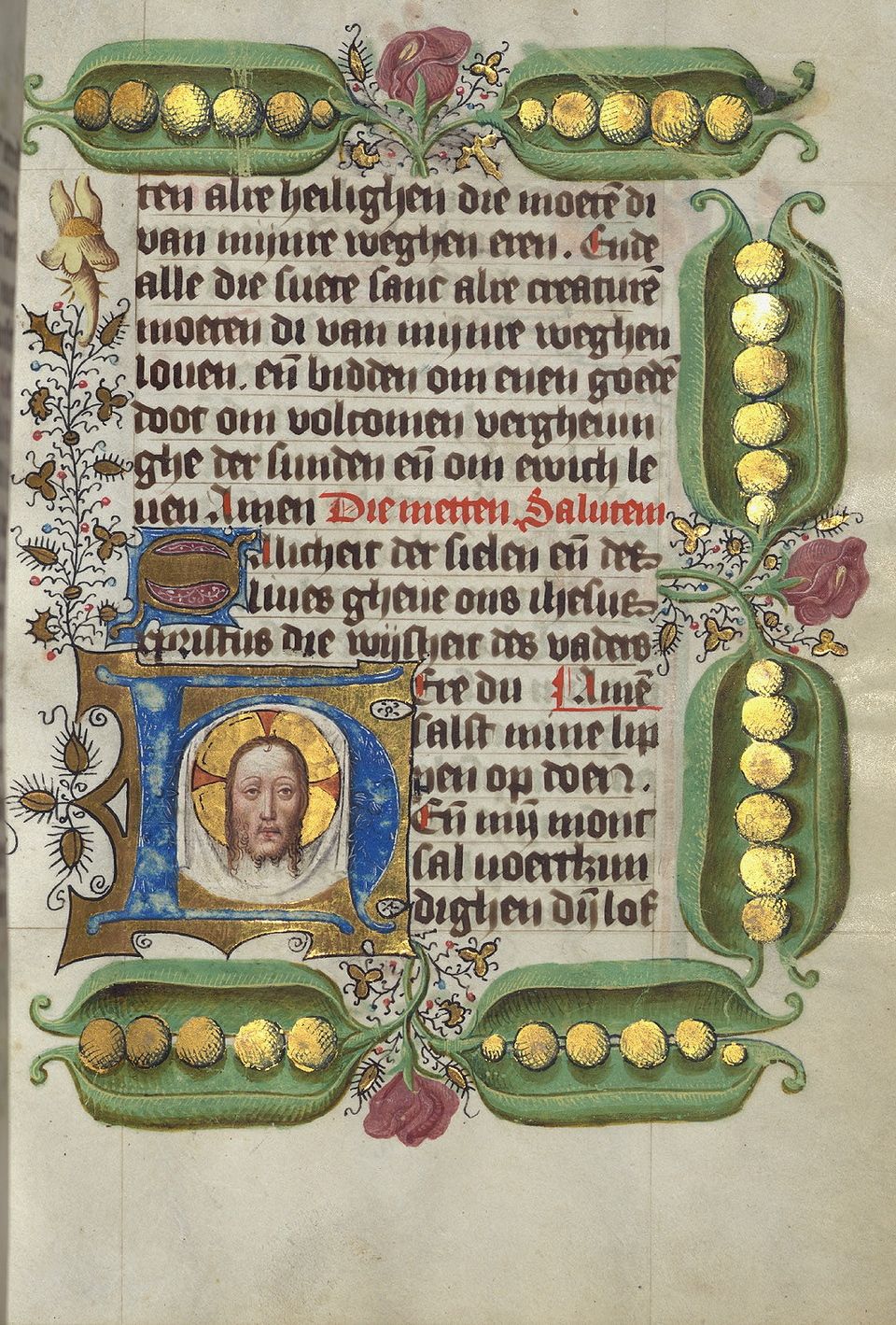
You would think the war over peas was about the Chinese peas my dad grew out on our farm. Not so. My mother heard Clarence Birdseye proclaim, “You must eat peas to be healthy” and she believed it with all her heart.

As in all wars, the beginnings are shrouded in mystery. what we kids always referred to as the “Olden Days” and which meant anything that had to do with our parents lives or maybe even what happened just an hour ago.

manuscript peas

Medieval Manuscript Illustration with Peas

She fed her boys strained peas when we were babies, that vile looking and tasteless, slimy  concoction spooned directly from a jar into our mouths like a mother bird feeding its chicks. Tiny babies are weak and helpless as we all know and we could have offered little resistance. Eat ’em or starve, it must have seemed easy to mom, her little boys growing healthy and strong before her eyes. Growing stronger yes; but smarter too, and in that fact lay the seeds of  her ultimate defeat.

I don’t remember how old I was when I first began to realize what was happening. I do recall the aftertaste being something like green latex paint with chalk dust added for flavor. Vile and disgusting doesn’t begin to describe it.

The origin of the pea is a mystery. The pea is a food plant so ancient that no one is sure, botanically or geographically, just where it came from. People have been eating peas for at least 10,000 years. Archaeologists have turned up the carbonized remains of pea feasts from Swiss lake dwellings and Neolithic farming villages in western Europe. According to Chinese legend, the pea was a find of the Emperor Shen Nung (the “Divine Farmer”), a helpful agricultural deity who also introduced the people to the hoe, the plow, the calendar, acupuncture, and tea. According to Norse legend, peas arrived as a punishment from the god Thor, who sent dragons toting peas to fill up the wells of recalcitrant worshippers. Later, once peas had caught on, Thor, when displeased, dispatched dwarves to plunder the pea fields. I think I’d have liked him.

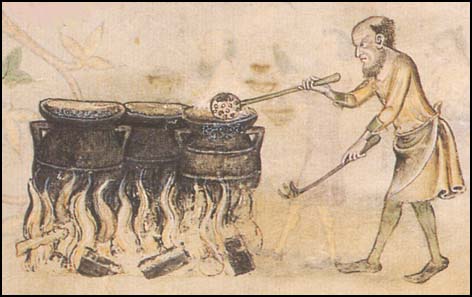
In the medieval times, one of the staples of diet was dried pea soup, sometimes with resin added for flavor. Isn’t that a wonderful thought. Why just add some tree sap to make it sweeter. Perhaps that explains the fact the average Anglo Saxon of the time stood a scant five feet and weighed about 135 pounds. Forty was old, very old. Poor people could be so hungry they would waylay and murder travelers in order to have fresh meat. Imagine eating your neighbor because you couldn’t stand peas. When I was six, they might have had an ally. Fill a sock with dried peas and bonk ’em on the noggin.

medieval-food

Cooking the Pease porridge, 1156 Not happy

My mother was an oil field brat. She grew up during what was a constant state of financial depression. In 1915, my grandfather Bruce Hall went to work in the oilfields down in Casmalia. The pay was good for the time, about five dollars a day for an eight hour day. In the oil patch hours could be much longer and at about .67 cents an hour the pay was among the highest in the country but the work was itinerant, you might have to move at any time and oil companies in the heyday of discovery were going out of business almost as fast as they were created. Mom was born in 1918 and her life until 1943 when she married my dad, was spent on or near oil leases. The names of the places they lived are a litany of California’s oil history. Casmalia, Bakersfield, Taft, Coalinga, Maricopa, Summerland, Elwood, Signal Hill, Huntington Shores, Santa Barbara  and Arroyo Grande. The family staggered through the depression when mom was growing up and I’ll just bet you thats where she got her taste for peas. You could buy them by the 50 lb. bag. In the depression a sure indicator that the cost of living was increasing was the sudden demand for peas by the economically pinched who typically took refuge in that kind of food. In 1933, a hundredweight of dried peas cost $2.50 and baby, thats a lot of peas.

In 1928, the Gerber company held a contest to find a face to represent a baby food advertising campaign. Artist Dorothy Hope Smith entered her simple charcoal sketch of a tousle-haired, bright-eyed cherub of a baby. In her entry, Smith noted that she would finish the sketch if she won. Her drawing competed with elaborate oil paintings, but the judges fell in love with the baby face Smith drew, and when they chose it as the winner, they insisted that the simple illustration remain a sketch. The image of this happy, healthy baby was soon to become the face that launched a brand. My mother always said that I was a dead-ringer for that Gerber kid. She loved that.

Gerber--645x645

Add to this the fact that San Luis Obispo county during and after WWI grew peas, and I mean everywhere. A dry land crop that needed no more than winter rain for irrigation became the go to crop for the war in Europe where half-starved doughboys crouched in muddy dugouts choking down peas in lieu of real food.

County farmers grew wealthy. Semi-desert land that once was home to vast herds of Californio rancheros cattle now had pea vines criss crossing every available piece of ground. My family had been growing peas for two generations by the end of the war. The canceling of government contracts in 1918 slowed production but for some reason, non-discerning Americans continued to eat them by the ton.

mike and billie in madeline (1)

Me and mom out standing in the pea fields. 1947. Shannon Family Photo.

The photographs taken by Dorothea Lange of itinerant pickers in Nipomo during the depression show the depression at its worst. Did I mention they were there to pick the Dana’s family’s peas? They picked my grandfathers too. The crop was valuable enough that part of the foreman’s job was to make sure that the pickers didn’t steal them. I know thats true but I just cannot imagine even a starving, homeless Okie family wanting to eat them.

So my mom had a real affection for that drawing on the Gerbers jar but love might not been the word I would choose. When I was old enough to refuse food, peas had the honor of being the first and the worst. Mom was very clever though and so really determined, she marshaled her forces . She had cans of peas in the cupboard, dried peas in the cabinets and frozen peas in the refrigerator freezer. First she tried just boiling them and putting them on your plate, even adding a pat of butter to perhaps entice you to eat them. She and dad used the old strategy of telling you “You can’t leave the table until you’ve eaten everything on your plate.” The counter play’s for this are numerous. Self starvation means going to bed hungry, the old squish trick, mushing the food around in a vain attempt to make it look like you had eaten most of them which always works if your parents are blind, the drop, which is dropping a few peas at a time into your lap until dinner is over and the ever popular, hiding them in your napkin and asking to be excused to go to the bathroom and then dumping them down the toilet. My brother Jerry sat next to my little brother Cayce who would eat anything. He would slide his onto Cayce’s plate when no one was looking. No such luck for me, I sat next to my dad who loved my mother so much that he would have eaten anything my mother made. Anything, and I mean it too. She treasured him above diamonds for that. He deserved it.

Mom’s head on assault met with fierce resistance, her forces thrown back time and time again. So, as with any good general she tried a flanking attack. Understand, we were a farm family in which the menu was essentially an endless round of simple and comforting dishes. My mother was a good cook as most were in those times but she didn’t try gourmet foods or fancy dishes. I mean, come on, the French ate snails. My dad liked what he liked and that was it and we kids grew up thinking it was just fine with us.

One of our favorite dishes was creamed hamburger on home made biscuits of which my mother was the doyenne; par excellence as they say. My brother Jerry still eats, sixty years on, a homemade biscuit for breakfast almost every day. After months and years of frontal assaults she thought she would fool us by infiltrating a few peas into the the creamed hamburger in the hope we wouldn’t be able to detect this so subtle attack. The peas would be completely covered with her creamy milk and flour gravy which, she thought, even the most discerning boy would be unable to detect. No dice, there they were, winking her defiance beneath the sea of white camouflage. After that first less than successful subterfuge she became a dog with a bone in its teeth. Casserole with peas, creamed peas, carrots and peas, mushy peas, peas and cauliflower, green beans vegetable casserole with peas, creamed peas with bacon and; and wait for it, wait, horror of horrors scrambled eggs with peas, surely the poison gas attack of meals. But like the stubborn Irish boys we were, descendants of a people who have been fighting the hated english almost continuously since May, 1159, we still wouldn’t eat ’em.

How did she ever expect to win? Eight centuries of mostly futile resistance breeds a certain stubbornness, or as my British friend Claire Mason said,”Whats wrong with you Irish anyway, why won’t you quit?” A well known Irishman, George Bush, famously banned broccoli from Air Force One, explaining, “I do not like broccoli… And I haven’t liked it since I was a little kid and my mother made me eat it. And I’m President of the United States, and I’m not going to eat any more broccoli!” We felt the same way about peas.

Peace was never achieved, nor I suppose was it possible. A boys delight in putting one over on his parents is sublime. Actually, we were taught to think for ourselves at that table. It was a constant refrain, my dad would always tell us not to believe half of what we saw and believe little we read in the newspaper and  certainly nothing we saw on television. It’s turned out to be good advice.

Still don’t like peas and you can’t make me eat them; ever.

PS:    Drawn by Dorothy Hope Smith, the Gerber baby was introduced in 1928 and has become the internationally recognized face of the company. The model for the original sketch, is Ann Turner Cook,  a mystery novelist and english teacher. The symbol has one of the highest levels of loyalty in branding history. Mrs. Cook lives in Florida.

Michael Shannon is a writer from Arroyo Grande,California.

Standard

THE TYPHOID POND

Written by Michael Shannon

There is nothing more powerful than a little boy’s imagination.

Somewhere back of beyond, lies the Typhoid Pond. My brother Jerry, Kenny Talley and I discovered it in 1955 while on quest of the imagination.

pond scum tank

One hot July afternoon we headed up a canyon on the Donovan ranch. Once part of the old Rancho Santa Manuela it was still a cattle ranch in the 50’s. In July the hills and valleys were sere, the chapparal crackling and dusty, the pasturelands eaten down to stubble and the earth ankle deep in powder as light as talcum.

Preparing for a momentous journey, as always, called for careful preparation. High top Keds tennis shoes were a must and since tennis shoes were the shoe of choice for summer, the only choice because thats all we had.  Worn denim pants and white tee shirts rounded  out our farm boy sartorial elegance and since farm kids wore the same clothes every day but Sunday it wasn’t really much of a choice.

Most carefully chosen items were the single surplus WWII canteen we took and above all the choice of weapons. At the entrance to the nameless canyon was Oliver’s enormous stack of bean poles. In those days, the Blue Lake and Kentucky Wonder beans were trained on redwood or eucalyptus  poles, wired and strung with cotton twine. In season, a field with bean poles strung was a wonder to behold. A gigantic tapestry that shimmered with moisture in the early morning fog. A seemingly endless manmade spider web of bleached white string against the brilliant dark green of the vines reaching upward, embracing the twine in its fragile tendrils.

Choosing the proper pole was of the utmost importance for it must serve as a walking stick, rifle, spear, bow and sword. First of all it must be a broken one for we were boys still and incapable of swinging an eight foot bean pole. Usually there was a smaller pile of broken ones, haphazardly stacked with different lengths of both primary types. The redwood poles were the older more expensive ones, and mixed in, eucalyptus poles cut from the old trees on the mesa. The lighter redwood were easier to handle and drive, but you needed to have a pair of gloves to protect your hands for they were filthy with nasty splinters, sure to break-off under your skin, the splinters nearly impossible to remove, even with tweezers. You had to be patient and let them fester until you could squeeze them out. The squeeze was satisfying but the several days of irritation were not. It was a sort of no pain no gain situation. The eucalyptus on the other hand weren’t particularly straight, heavier and liable to break when pulling them out at the end of the growing season. My dad liked the geometry of the redwood. When strung they  made a satisfying tableau, a state of completeness more like a finished painting than a simple field. The crooked eucalyptus was wilder looking, not as finished and didn’t fit his view of how his fields should look. If you farmed, he was going to judge you by how straight your furrows were; crooked furrows and his estimation of your skill went down. A small conceit from a man hadn’t a self-serving bone in his body.

We invariably chose the Euc. They were heavier but easy on the skin and they had the heft to do the job.

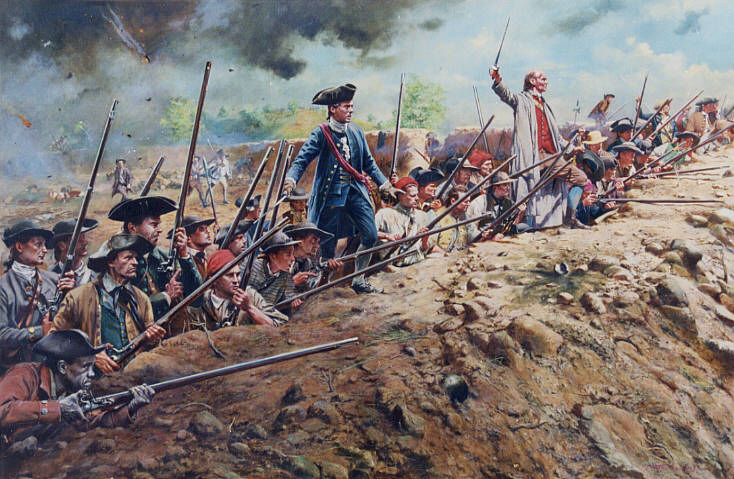
So armed with the necessities, water, a weapon and most important, limitless imagination we set off up the valley, immediately jumping down into the dry wash that bisected the  canyon.  Walking along, we were sure to remind ourselves to be quiet and stealthy, occasionally lying against the walls of the wash and lifting our heads, lizard like, in order to see any danger approaching along the canyon floor. Sometimes crouching with our muskets raised, pans primed and locks cocked for the redcoats to march close enough for the first volley. The whites of their eyes clearly visible on the downslope of Breed’s Hill came The Royal Welch Fusiliers, the same regiment of the line that later produced two of the greatest poets of WWI, Sigfreid Sassoon and Robert Graves. We held off them until we ran out of ammunition and then fled around imaginations bend to safety.

patriots_at_breeds_hill_1775

The Patriots, Breeds Hill, June 17, 1775

In the distance we could see the Comanche chief Quanah Parker at the crest of a low hill.We were 3, they, 700. There was never a more splendidly barbaric sight. We were about to be in one of the last great fights of the indian wars. Hundreds of warriors, the flower of the fighting men of the southwestern Plains tribes, The greatest light cavalry the world has ever seen, mounted upon their finest ponies, armed with rifles and lances, and carrying heavy shields of thick buffalo hide, were coming on like the wind. Over all was splashed the rich colors of yellow, black, vermillion and ochre. Painted on the bodies of the men and  their running horses they told stories of courage and dreams. Scalps dangled from bridles, gorgeous war-bonnets fluttered their plumes, bright feathers dangled from the tails and manes of the horses, and the bronzed, half naked bodies of the riders glittered with ornaments of silver and brass. Behind this headlong charging host stretched the Plains, over whose horizon the rising sun was lifting.  The warriors seemed to emerge from this glowing background, tearing apart the mist in their headlong rush towards the old adobes. I had my friend Bat Masterson on the  left and the famous rifle shot William “Billy” Dixon on my right.  On the third day of the fight, Billy Dixon, already renowned as a crack shot, took aim with a “Big Fifty” Sharps  buffalo rifle  and cleanly dropped a warrior from atop his horse nearly a mile away. Discouraged by this amazing event the warriors melted away.

Chief Quanah Parker and Billy Dixon

As we crept away from the walls we looked to the left and saw at a distance the 7th riding towards their fate, equipment jingling, dirty blue shirts and dusty boots, an Irish trooper playing “I’ll take you home again Kathleen” on his mouth harp, perhaps it was Trooper James Patrick Boyle, just 23, a county Tyrone boy born in the green pastures of Ireland and destined to lay his bones on the Greasy Grass.  Farther up the draw, just seen at a distance, a wagon train bound for the California gold fields around Roaring Camp, perhaps to meet Bret Harte’s Thomas Luck.

Almost completely hidden in a small hole dug in the side of the gully was Sgt. Franklin “Frank”Rock and some of his men from Easy Company quietly watching for an appearance of any “Natsie scum.” We were glad of their company.

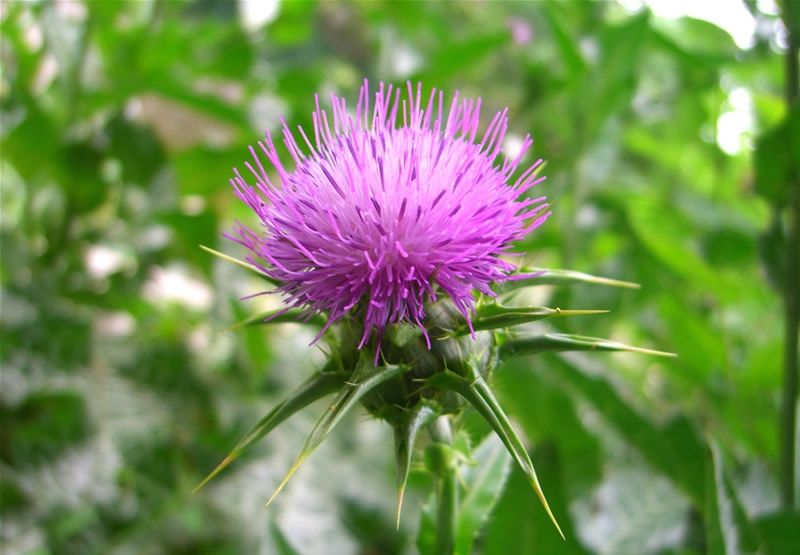
Suddenly from the right a ferocious roar. Ronin! Kenny shouts and we turn just in time to meet the charge of the purple hatted, knife wielding whirlwind. Each warrior seemingly armed with dozens of knives, each one more pointy than the next. Swirling like dervishes we meet them head on, our eucalyptus blades carving, their purple capped heads separated from their stalk-like shoulders bouncing across the prairie. In a few blinding, confusing moments they are vanquished, their mutilated bodies littering the ground around us. In triumph, exhausted by our labors we jump back down into the ditch, gasping, dusty and thirsty.purplethistle

California thistle, Circium Occidentale Californicum

Slowly cresting the head of the draw we spy a sight for sore eyes. In the near distance a cattle tank, a depression filled with rain water runoff, shallow in the summer, soon to be a mudflat but nevertheless inviting to tired, dirty explorers. Approaching along the mudflats, the surface a mosaic of earthen tiles each slightly cupped, covering the wet mud beneath, we removed our sneakers and socks and approached the edge of the pond the mud already beginning to squish between our toes, an experience, satisfying in the extreme to those with tired feet. Deciding that a swim was the answer we each stripped down to our shorts and began wading out into the water, brushing aside the green surface growth. The long tendrils of Spyrogyra* clutching at us as we pushed aside the moss and algae. Clearing enough of the surface growth to submerge we slowly sank. We croaked like frogs and splashed each other in a riot of noise, laughing and throwing slimy mud, we soon looked like mudmen crowned with green hairpieces. Finally, rinsing ourselves and pulling the moss out of our hair we waded back to where we left our clothes. Pulling socks on over muddy feet and slipping on our shirts and pants we began to retrace our steps.

tp

The Route to the Typhoid Pond on the far right

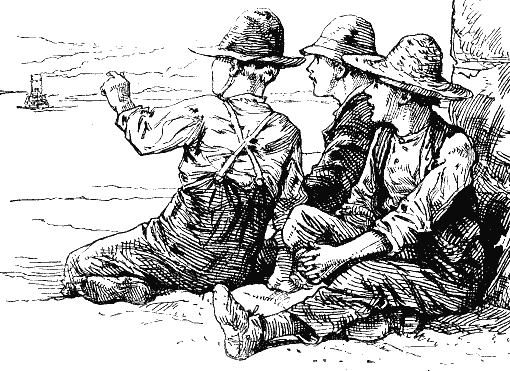
Suddenly, in the distance we could hear the big steam whistle blowing, we had to get to the steamboat landing in a hurry. We needed to get aboard her before she left the dock. She was headed down river from Cairo, bound for New Orleans, Sam Clemens the pilot standing by the Packets wheel way up on the Texas deck, splendid in his long frock coat and string tie, his arms akimbo, his hat cocked atop his head and a crooked cheroot gripped between his grinning teeth. He was a real river pilot, a prince of the river. We all wanted to be him.

on the river

“Yonder she comes”  Life on the Mississippi,  Mark Twain, 1883

We raced across the pasture pell mell until we spied the steamboat which looked suspiciously like my dads green chevy pickup. He leaned across and opened the door and we piled in, pushing and shoving, still excited by our adventures. Three boys covered in mud and dust, socks filthy with foxtails and cockleburrs, laughing with the sheer joy of being young. 

“What have you boys been up to, Dad said, you look like something the cat dragged in. Lets get you home and into the tub and you can tell me all about it.”

*My brother, by some cosmic connection was called Spyrogera or Spy in High School.

Michael Shannon is a World Citizen, Surfer, Sailor, Teacher, Builder and Story Teller. He lives in Arroyo Grande, California, USA. He writes for his children.

E-Mail: Michaelshannonstable@Gmail.com

Standard

APRICOTS

Michael Shannon

apricots

If you grew up here in the once Apricot Capital of California you might recognize these.  I’m sure, you remember the sweet and juicy taste when popping them in your mouth. There was a time when this valley abounded with Apricot trees. The Royal Blenheim. A great name for a great tree.

The tree was first planted here in the late 17th century and early 18th by the Franciscan mission padres. In those days the row crops you see today were nonexistent. Vegetable growing was local, not national as it is today. Fresh fruits and vegetables couldn’t be shipped very far because the transportation system as we know it did not exist. In the late 1780’s, the apricot tree was first planted at the mission asistencia (sub-mission) in Santa Margarita. This assistant mission, Santa Margarita de Cortona, parts of which still exist, is on the Rancho Santa Margarita.  The Santa Margarita was located about ten miles northeast of Mission San Luis Obispo and about 30 miles south of Mission San Miguel. Padres from these missions as well as from Mission San Antonio de Padua sometimes met at Santa Margarita to visit and to discuss religious matters.

From its beginning as a rancho, Santa Margarita was a success. It covered 17,000 acres with grain fields, orchards and pastures for cattle, sheep and horses. As an asistencia, it had a chapel, priests’ quarters, storage rooms, a mill, and tallow vats. It was a stopping place for travelers on El Camino Real.

sma-hab-11-800

ASISTANCIA SANTA MARGARITA de CORTONA TODAY

The California missions were established in a chain along the coast line, none of them far from the ocean. The only way to transport large quantities of goods and materials was by sea. The Franciscan padres realized that there were many Native Californians living inland, away from the coast, who were not being brought into the missions. They wanted to establish more missions inland, but the government officials did not agree with this. As a compromise, the padres were allowed to build sub-missions, or asistencias, in places where there was an Indian population that was not coming to the main mission. The asistencia served as a sub-mission or branch of the “mother” mission. The asistencia was much smaller than the main mission, though there were living quarters, workshops and crops in addition to a church. Many missions had large ranchos or estancias at some distance from the mission compound. More than 20 of these estancias had small chapels for the use of the people who worked and lived at the rancho. A padre would come occasionally to conduct services at the estancia chapel. These chapels were sometimes referred to as asistencias, but were not considered as sub-missions according to church records. Mission San Luis Obispo de Tolosa had at least two estancias. The Corral de Piedra ( stone corral ) in Edna valley which was later granted to the ranchero Jose Villavicencia in 1840. In the Arroyo Grande, Los Corralitos ( little corrals ) was located in the eponymously named little valley in the upper arroyo. It was also part of the original Rancho Corral de Piedra which encompassed 30,911 acres or just over 48 square miles.

After the mission system was abolished and the rancheros were granted the old mission lands, the apricot trees remained and as the Arroyo Grande was slowly cleared of cienegas and tulares, the rich soils beneath were exposed and planted. As with all farming, crops were planted which were in demand by consumers and were only limited by the mechanisms by which they went to market. In the early days only crops which could be dried or eaten when fresh were grown. By the time Arroyo Grande became an established township in 1862 only a few small areas of ground were planted with crops as the primary economic concern of the Rancheros such as Don Francisco Branch, Capt William Dana and Don Juan Miguel Price, was cattle which had long been the only export from California. Vast herds of cattle were trailed north to the gold country in the 1850’s and 60’s. During the great drought which began in the late 1850’s and lasted off and on until about 1903 the cattle industry was destroyed and the old rancheros gradually sold off their land giving rise to the nascent vegetable industry.

Francis Branch died in 1874 and his property was willed to his children and the great Ranchos he owned were broken up and sold to speculators and farmers who completed the final clearing of the Arroyo Grande. In 1882 the little narrow gauge Pacific Coast Railroad connected the little towns of San Luis and Northern Santa Barbara counties and for the first time crops could be shipped long distances by sea. Between San Luis Obispo and the coast was a spur to Port Harford  where large ships could be loaded. Any vegetable or fruit that could survive the trip to San Francisco, San Pedro and San Diego by sea could now be grown in quantity.

Apricots, apples and walnut orchards sprang up all over the valley. Apricots were dried and shipped by sea to customers all over the world. The particular tree grown here was the Blenheim. Small, freckled and juicy, it was ideal for drying.

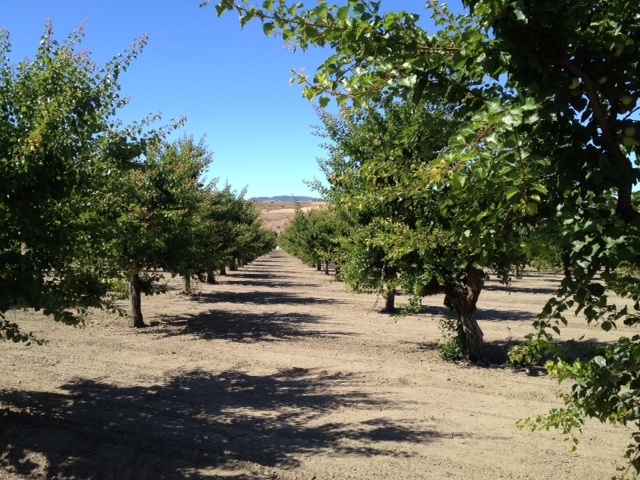
apricot trees orchard

THE PARRISH ORCHARD ON THE OLD SANTA MANUELA.

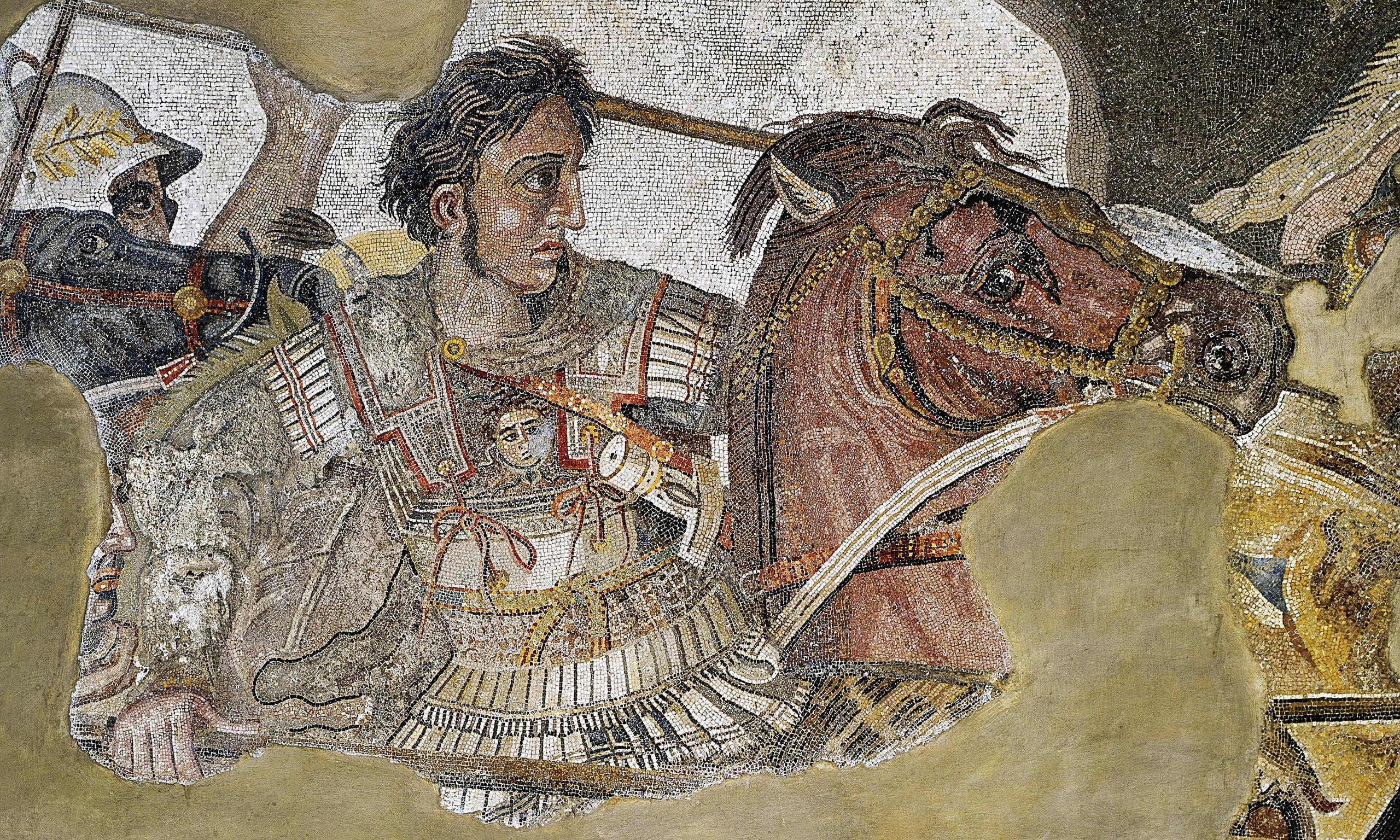
The apricot tree likely originated in eastern Armenia and was said to have been imported into Greece by Alexander the Great. The only problem with that story is, he never returned to Greece. He died in Babylon in what is now Iraq in 323 BC. It’s funny to think of old Alex being yelled at by his wife Roxana for dropping the bag of cots when riding his horse Bucephalus back to the palace after his trip to the store.

Mosaic of Alexander the Great

Whatever the story, the tree was introduced to Italy by the Romans and later to Spain. The Spanish conquistadors brought the cot to the new world where it made its way to Alta California, carried and planted at the missions by the Franciscan fathers who built and manned them. Trees may have been introduced to El Canon de Los Corralitos in the 1780’s by the mission fathers and Apricot trees still grow there.

The Blenheim variety was cultivated and perfected in the greenhouses of John Churchill the 1st Duke of Marlborough, a british peer and the head of the ennobled family which produced Sir Winston Churchill and Lady Diana Spencer. Known now as the Royal Blenheim it is the variety that was and is grown here in our valley.

blenheim-palace

BLENHEIM HOUSE, WOODSTOCK, OXFORDSHIRE, GREAT BRITIAN

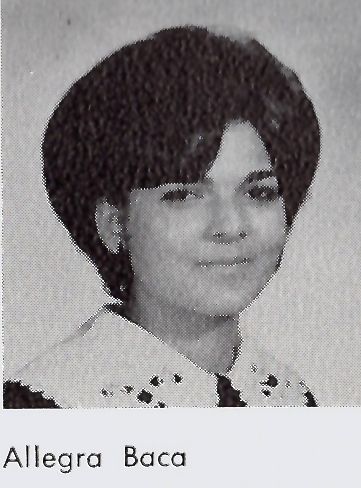
My grandfather John Shannon lived on Printz road on 13 acres of orchards planted in Apricots. He grew Cots, Plums and chickens for eggs which he sold downtown as you can see in the advertisements printed in the back issues of the old  Arroyo Grande Herald. When I was young, in the nineteen fifties, old man Parrish had one of the last of these orchards on the property next to our farm. He grew several varieties of apples, apricots, peaches and walnuts.  By the time I was in high school it was all gone. Ripped up and burned and replaced by the row crops that are familiar today. The only surviving orchards were a few walnuts along Valley road and the apricot orchards of the Greibs, along lower Arroyo creek where the hospital is now and “Coot” Sevier’s orchard out on Branch Mill and Huasna roads. It was, for many kids a right of passage to work in the orchards in the 1950’s and 60’s. Boys picked and worked the dryers and teenage girls and their little sisters worked in the cutting shed where the apricots were sliced in half and pitted, set on trays and moved by little carts on rails into the sheds where sulfur was burned beneath them to complete the drying process. I worked one summer for “Coot”and did all these jobs, my favorite being the sheds where I could flirt with Carmen Baca’s sister Allegra and eat my fill of the most delicious fruit ever. All for a dollar an hour.

EPSON MFP image

Today, we have two of these trees in our back yard. Our problem is that we eat them as soon as they are ripe so it’s rare to even get them in the house. We never consider the long road they have taken to get here next to our little house. The bowl of fruit pictured at the top has the last of this years crop. All gone. Too soon. Wait ’til next year.

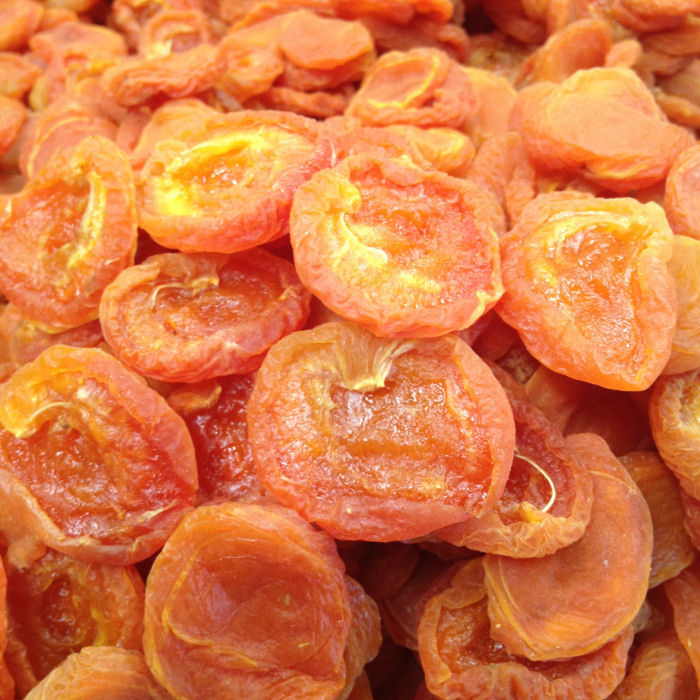
apricots dried

DRIED BLENHEIM APRICOTS


Standard

TRUE DETECTIVE

Life time in a box. Each of us have them. Those old shoe boxes in a closet, a seldom used drawer or behind the linen in the guest bathroom. My grandmother Annie Gray Shannon had them too. As a child, when I stayed over I would pull them from the shoeboxes she kept them in and wonder who those people were and where the places were.

When she died my dad and uncle sold her ranch and moved out, cleaning the house and emptying the barns of three generations worth of accumulations, most of it to the dump.

My dad was not a sentimental man. His heart was focused solely on his family. People were everything, things meant little to him. The only personal items he kept were his Cal Berkeley beanie and a small bar of gold he used for a paperweight. One he earned and one he purchased, the only thing I can remember that he bought just for himself.

I’m different that way I guess. When we went to clean out the house things were just as they always had been, my grandfathers little toothbrush holder on his dresser, Annie’s clothes still in her closet. Her dressing table with its hair brushes, hand mirror and powders just as they had always been. The room still smelled of her. White Shoulders. The memories of her were overwhelming and I found myself sobbing for all I had lost, never to  touch or hold again.

The cleanup was fast and furious, my dad and uncle Jack just wanted it to be over and the pickups were loaded and made their trips to the landfill. Few things were kept, my grandmothers sterling and china made the cut as did the little teacup my grandfather had salvaged from the debris of the Red Front store on the day of the great San Francisco earthquake. The shoeboxes disappeared.

Years later my Uncle Jackie collapsed on his ranch in Creston and was hospitalized with a lung infection which would ultimately prove fatal. Again the move out. The house and grounds needed to be cleaned in order to rent the property and pay the bills. Jackie didn’t have much, some old clothes, the bed he had slept in for three quarters of a century and two old John Deere tractors. On his dresser, a photograph of his mother and another of his parents wedding day.

But, in the back of his closet buried under a heap of old worn out clothes, a square, black cardboard box. Inside were the old photographs and letters that had so fascinated me as a child. An unintentional gift for sure but one of inestimable value.

The problem, how to interpret the things in it. As grandchildren we knew little about the real lives of our grandparents and as with most young people never really thought to ask. Almost none of the photographs had anything written on the back. Who were these people? Did we know them? What occasion demanded the taking of a picture? In going through the contents the first thing you notice is that the photographic paper can be quite different. Some is heavy stock and others are so thin as to be very fragile. Formal photographs taken for graduations or school class pictures may have the name of the studio printed on them or perhaps the schools name, teacher or the year in which they were taken. That’s a help.

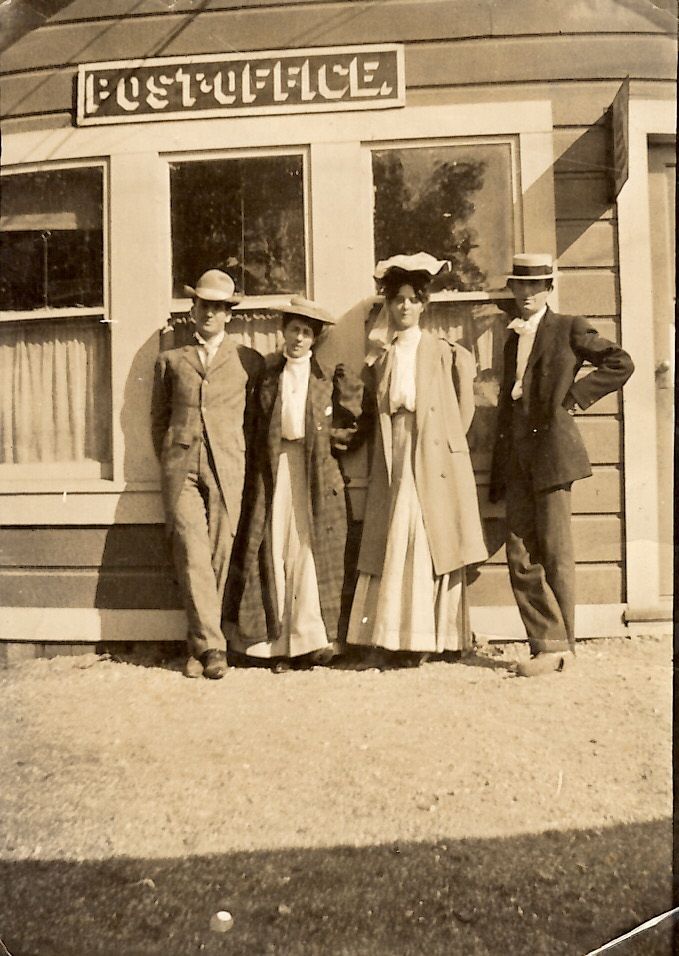
Just like tracking any story, clues have to be organized into an understandable narrative. The photo below was at the bottom of the box and though I’ve had it for some time  I just recently scanned, cleaned it up and really viewed it for the first time.

EPSON MFP image

My grandfather is on the left, Annie Gray and an unknown couple on the right, or perhaps not so unknown that I won’t figure it out. We have enough old family photos from this time which feature both the same boy and girl.  The building is a post office somewhere. What can we deduce from what we see. My grandfather, Jack wears a morning coat, or Jaquette, with a standing, detachable starched collar and tie. Beneath the coat you can just see a waistcoat, or vest as we would say today. He wouldn’t be wearing a belt, but suspenders to hold up his cuffed trousers. His is wearing what looks, at first glance to be pointed cowboy boots but what were, instead high button shoes. The hat is a straw derby which means that it’s summer time. To drive the point home, the other man wears a straw boater which was never worn in spring or summer. So far, so good.

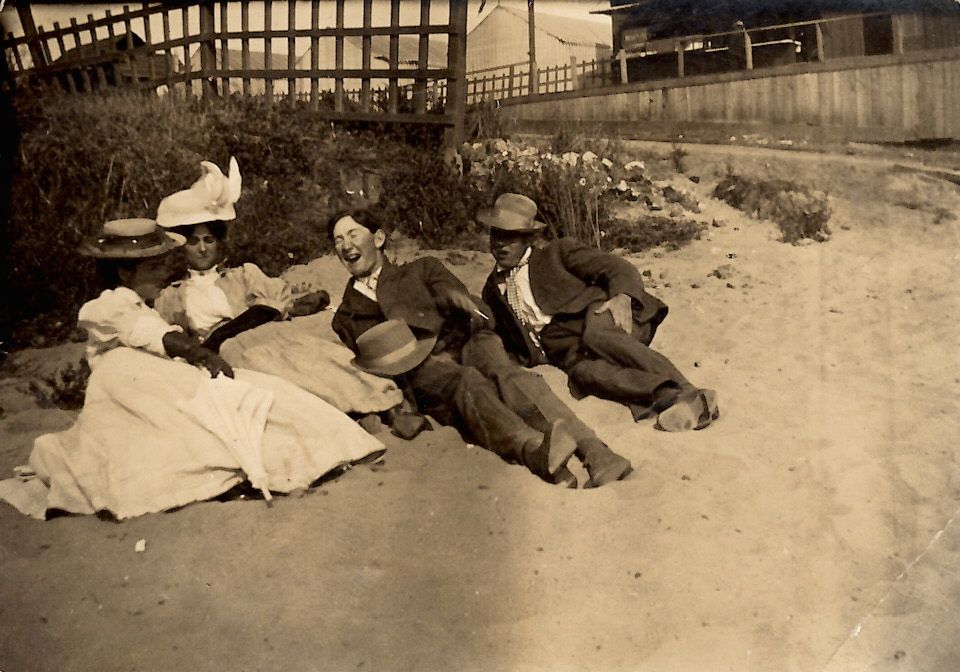
This photo is quite small and printed on very thin paper stock. I remembered that there were other similar pictures somewhere in the collection so I pulled them out and began comparing them and sure enough there were more than one in which one or all of these people appeared. The  photo was taken at the end of Main street in Pismo Beach. The old Pizmo Inn is in the right background.

EPSON MFP image

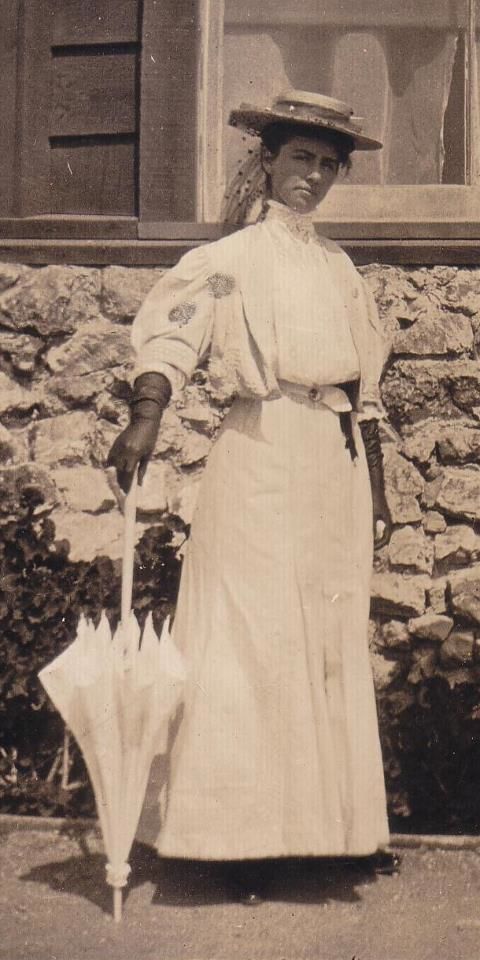
The three on the left are the same people as the preceding picture. The girls wear the same clothes as before except for the white hat, and the boy laughing is certainly to same though he has a different hat this time. Same day? We can suppose but we don’t know. We do know that the clothes she wears are the same as in the photo below complete with the umbrella, hat  and gloves

annie grande dame

A little more research finds that the building pictured in the first photograph is the first Pismo Beach post office which burned to the ground in 1905 which puts the pictures around 1904. That would make my grandparents 17 and 20 years old, still four years before their marriage in 1908. My grandfather lived in San Francisco then and my grandmother was about to start her first year at Cal Berkeley. He must have been home on a visit and being a nice day, they went to the beach.

One of the fun things about this little photo is that our family story tells us that there was never anybody else for the two of them, ever. If you take the time and period into account they are standing just a little to close to one another. There is, perhaps a little touching of hands behind the back. I’d love to think so.

He wrote in her little autograph book that she kept for parties and special occasions. “Friend Annie, The flowers of the forest may wither, the lilies of the valley may decay, but friendship shall blossom forever, when all other things fade away. Your friend, John Shannon  December 7th, 1898.” He was 16, she 13.

Grand marshalls harvest festivaal 2nd time

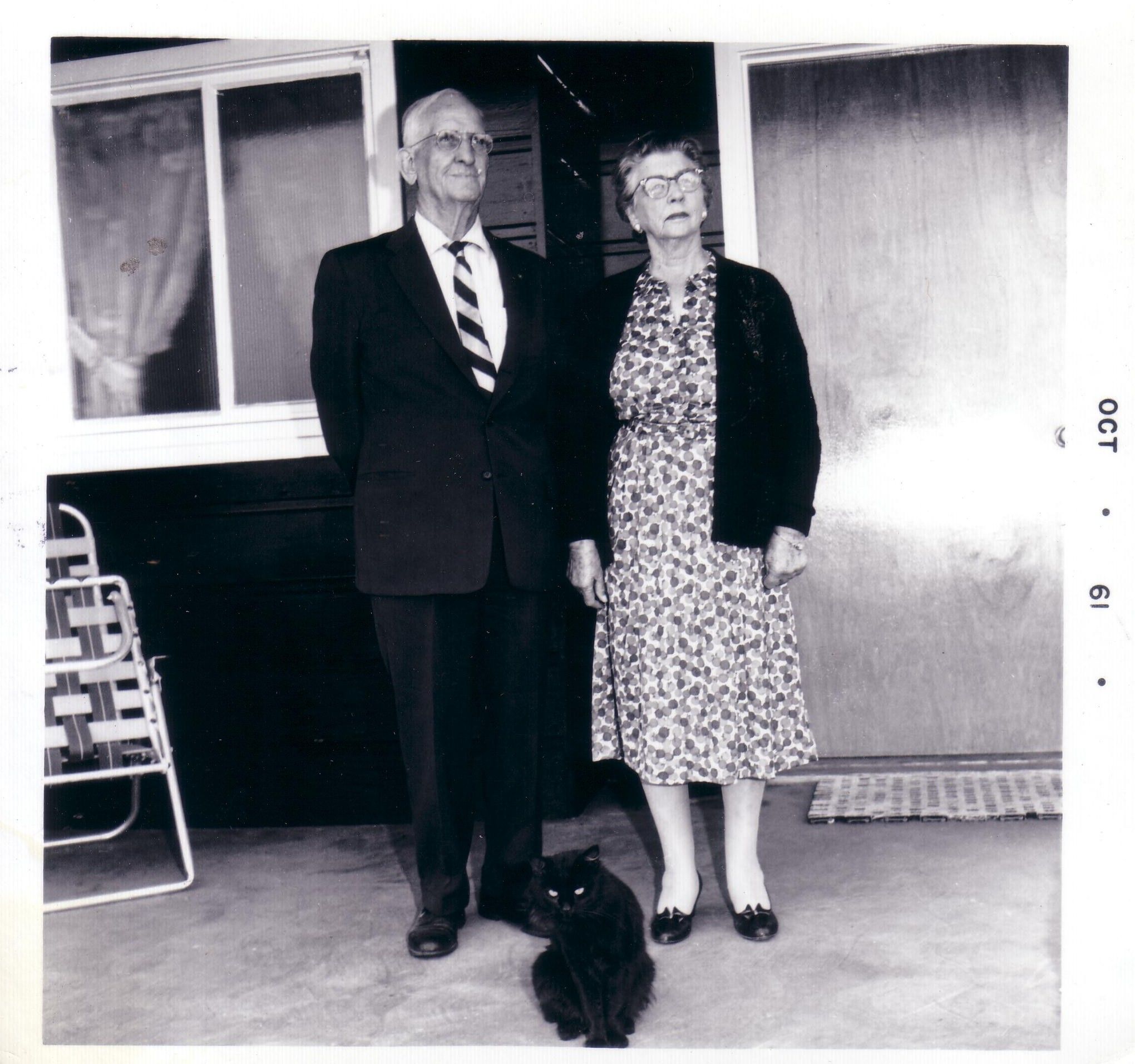
This picture is their official portrait when they were the Grand Marshal’s of the Harvest Festival in 1961, their second time as such. They had been married for 53 years. They would make it to 68 before he left her. They are still standing close enough to touch. Sweet.

Epilogue: The other boy pictured turns out to have been Arch “Archie” Harloe. He was a life long friend of my grandparents. He married Margaret Phoenix from another local pioneering family. Maggie, as she was known in those days is memorialized by having a local elementary school named for her. The girl is Grace Lierley known as “Tootsie” she and her family lived in the old two story house found at the end of “Pig tail” Alley.

Standard

Irish Lace

annie grande dame

Annie Gray Shannon

My grandmother was a Lady. Raised by a wealthy family, educated at the University of California, Berkeley graduating in 1908, the first woman from Arroyo Grande to do so, she carried herself with a certain faith in the things that defined her character and made her world go around. Things in her home were just so. She always used a table cloth on the kitchen table. She kept the milk in a yellow Fiestaware ceramic pitcher, I remember that somehow that made it colder and better to the taste. I can’t remember her without her apron. She put it on when she entered the kitchen in the morning and kept it on ’til after supper. She sent her clothes out to be ironed and starched. She wasn’t a kisser or a hugger, when you greeted her it was a little hand squeeze and a kiss on her cheek. Just so, as I said.

yello pitcher 2

She was a 19th century girl in her beliefs and habits. As grandchildren, she taught us how to set the table at Thanksgiving, fold napkins correctly and when at the table,  to be polite and speak when spoken to. Don’t interrupt the adults and always pass the dishes to the left. Never chew with your mouth open and keep your elbows off the table.

She had a trick she used to compel the no elbows rule. It was a diabolical device used by Irish families and handed down from generation to generation. Most of the year it resided in a cedar lined sideboard, carefully folded in the bottom drawer with it’s brethren.  Lurking there in the darkness, redolent of cedar fumes, just for a taste of little boys errant elbows.

When we boys were old enough, it was our pleasure to help with family dinners, doing what we could in small boy ways. Darting around my mother and my aunts, Sadie, Eva, Nan and my cousin Iva Jean, we were assigned tasks befitting our age. Setting the dining room table, though it took two for the job, was one of the first. There was nothing to break, after all, which was just our speed. Carefully taking the Damask table cloth out of the drawer where it was stored, placing it on the table and carefully unfolding it to reveal the beauty of its silken weave. I didn’t know  at the time but Damask cloth was woven of silk and satin thread that came over the old Silk Road from China to the Islamist cities of Byzantium in the early 1st century and eventually into Europe by 14th century. The long floats of satin-woven warp and weft threads cause soft highlights on the fabric which reflect light differently according to the position of the observer. Running our palms over the soft, slick surface of the cloth was a special treat. Because the cloth was almost pure white, it needed to be protected. Grandma used place mats, each diner had a napkin, serving dishes all had plates or saucers to collect any errant splash or dollop of gravy. And to protect the beautiful fabric of the tablecloth from the flailing hands and arms of boys, The diabolical device, known as the Irish Lace tablecloth. Made from knotted linen thread in beautiful laced patterns,  the lace tablecloth was thought to be an indicator of social standing in 18th century Irish households. They were thought by some to differentiate between the shanty Irish and the lace curtain Irish.

lace tablecloth

Of course, as kids we were far removed from its history, believing that it was crocheted by young orphan girls in dark and dingy workhouses, presided over by withered old crones in black habits, ever ready to institute a solid rap on the knuckles should there be any levity or the slightest indication of happiness. This caused the young women to use very large knots at every opportunity in order to pass their unhappiness on to the three little Shannon boys. My dad told me that in his day the knots were even more pronounced and an inadvertent swipe of an elbow might require the ministrations of Doc Brown.  Was it possible that each knot held a portion of fractured basalt from the Devils’ Causeway in county Antrim? It was just infernal. Little boys can’t sit high enough at the table nor reach for the water glass without forearms and elbows touching the table. I suppose this particular torture was created by families becoming more inclusive after the war, where kids no longer sat at the children’s table but were allowed to eat and converse with the adults, which made us feel much more grown-up.

place setting a

Observing them first hand gave us our entry into their life, a peek at, perhaps what ours were to be. That is, of course if we had survived with our forearms reasonably intact.

Michael Shannon grew up in this very proper Irish atmosphere which has served him well in life. These stories are written to inform the children of wherefore they came. He lives in Arroyo Grande California where these deeds took place.

Standard

A BOY DREAMS OF PIRATES.

By Michael Shannon

little pirates

Yaaaahr, we be pirates mate and we’uns be seekin’ treasure and a flagon of grog to wet our’n whistle. We’uns come off the brig Nancy’s Revenge, Cap’n Flint commanding’ Sor, and’r looking to spend our share of the loot from divers ships we’ve took on the Spanish Main.

Such are the dreams of boys. My grandfather, my uncle Jack and my dad told us stories of pirates gold and the places where it resided here in the Arroyo Grande. Stolen from Spanish Galleons on the run from Manila to Acapulco, the west coast port where it was to be shipped overland to Monterey, Mexico and on to Spain to fill King Phillips coffers. Gold pieces of eight, bars of silver and precious jewels by the handful, stashed in the caves of Mt. Picacho. Protected by the skeletons of the pirate rogues who buried it there. Dead men tell no tales mate. Beware the Black Spot.

When we were little boys, my uncle Jackie took us to this mysterious place on the southwest side of the distinctive hill known as Picacho. Clambering down the side of the hill, he led us to the dimly perceived opening of the pirate cave hidden below an overhang of ancient rock. A very small cave it was, you having to be just boy size in order to crawl back into it. Along the walls and ceiling were names of intrepid explorers who had visited it before us. Carved with jack knives were the names and dates of boys going back long before my father and grandfathers time, each one searching for the long lost treasure of Francis Drake and Hippolyte Bouchard, or perhaps the gold and silver deposited there when the padres were forced to abandon the missions in 1833. Delicious tales to enliven a little boys imagination. Tell me a story Daddy, like you said you would.

Raised on Frank Merriwell, Edgar Rice Burroughs and the Hardy Boys, it was no stretch to begin reading adult adventure novels, “The Captain from Castile,” and in the eighth grade discovering on my mothers bookshelf, a book borrowed from Gladys Loomis, “Beat to Quarters,” a Horatio Hornblower story. Then, Joseph Conrad and I was hooked on the sea.

As a lifelong surfer and seaman, I’ve learned many lessons about sea keeping, having been a merchant mariner and long distance sailor. Sad to say the experience has taught me that there never were any pirates hiding treasure along our California coast. Dreams of little boys are mostly dashed by the practicalities of life.

drake golden hinde

Golden Hinde, Length, 102′-Beam, 20′-Draught, 9′-Speed, 8 knots, Burden, 100 Ton.

Sir Francis Drake, El Dragon, sailed the coast of California in 1579 on his way around the world. Sad to say, his logbooks, accounts and maps were burned in a fire at Whitehall in 1698 so the exact sequence of events is mostly unknown. What is difficult to understand is how remote California was at the time. Mexico was still in the process of subjection by the Spanish, it only being 60 years since Cortes landed at Monterrey, Mexico. The destruction of Tenochitlan, the Aztec capitol three years later began the total destruction of the various indigenous tribal empires of central america. In Drake’s time, the spanish were in the midst of a bloody, protracted war with the Chichimeca people in Zacatecas and had not yet settled on the  northern Mexican, Baja or the California coast.

The state of navigation during the 16th century was such that accuracy of position was chancy at best. Most of the time mariners used a compass and a Log* to determine position. This was called Dead, for deduced reckoning, and with a knowledge of currents, or drift and, an Astrolabe,* position could be estimated with a certain degree of accuracy, particularly in measurement of latitude. Latitude was the measurement of position either north or south of the equator. Longitude, or the distance from a fixed point on earth was largely impossible to determine until the invention of extremely accurate chronometers (clocks) that would stand up to a sea voyage. These were not perfected until the late 17th century and weren’t common on ships until the 1820’s, two and one half centuries after Drakes voyage.

Here, where we live, any idea that Drake landed here is so unlikely that it bears no credence. The site at the old Cave landing could hardly be more dangerous to a ship of the type that he sailed. The Golden Hinde was a square rigged ship, which in his time, were largely unable to sail any closer to the wind direction than roughly 50 degrees. This means that if you sail into a north wind, the best they could do was  about 5 degrees off northeast or northwest. Easy to sail in, very difficult to get out.

compass-rose-02

COMPASS ROSE SHOWING DIRECTIONS IN DEGREES

The 22 mile distance from Point San Luis to Point Sal which comprises San Luis Bay is what is known as an “Open Roadstead,” meaning that there is little or no protection from the prevailing winds, no protected harbor, and has a sea bottom that won’t hold anchor in a storm or heavy sea. Each year, boats anchored in San Luis harbor go on the beach because they drag their anchors in heavy surf and it would have been much worse before the breakwater was built. The Masters Mate, who normally did the navigation in Drakes time would have been extremely reluctant to put in at a place such as Cave Landing. He could certainly sail in but would have been well aware of the difficulty in getting out. From the sea, the central coast is indistinguishable from most of the west coast. There are no outstanding geographical features to be seen from even a few miles out and with the nearly constant Northwest trade winds no sailor would likely come to shore here.

calif map

Map of California, circa 1590

As for Drake’s treasure, what would be the point of landing, and hiding it. It belonged to  Queen Elizabeth I and thats where it ended up. 80 pounds of gold, 20 tonnes of silver, 13 cases of silver coins and divers cases of pearls and gems, it paid off England’s national debt, and made Francis Drake and his crew rich beyond their wildest dreams.drake ship b1

Much the same as the Golden Hinde began its 7,000 mile journey west, across the Pacific to the Philippines, leaving California behind forever, we leave the dreams of our little boys in the secret places they belong. Or maybe not.

EPSON MFP image

Voyage of the Pilgrim, Honolulu to Newport Beach, 1969

Even today, I can look out my studio window and see Picacho in the near distance and I still wonder, what if it was all true?

Footnotes:

Log: a piece of wood attached to a line knotted at uniform intervals. A sailor heaved the log from the stern of the ship and let the line pay out freely as the ship pulled away. When the sailor felt the first knot pass through his fingers, he shouted a signal to another sailor, who turned a one-minute glass. The first sailor counted aloud the number of knots that passed until the sand ran out. A timer of one minute (one-sixtieth of an hour), knots spaced one-sixtieth of a nautical mile apart, and simple arithmetic easily gave the speed of the ship in nautical miles per hour (“knots”).

chip-log

Astrolabe: By the Elizabethan era it consisted of a large brass ring fitted with an alidade or sighting rule. The user held the astrolabe by a loop at the top, turned the alidade so that he could sight the star along its length, and read the altitude off the scale engraved on the ring – difficult tasks to perform on the deck of a heaving ship. The consequences of imprecise measurement are serious (a latitude reading just one degree off produces an error in position of 60 nautical miles), so mariners often used the astrolabe in pairs, one to sight along the alidade, the other to steady the instrument and take readings. On shore, however, the astrolabe was easier to use and more accurate.

astrolabe

Michael Shannon writes for his pirate children accounts of his travels in the Pacific Ocean.

Standard

WHATS COOKIN’ GOOD LOOKIN’

Written by Michael Shannon

The rain was coming down in buckets, pounding the tin siding of the quonset hut I lived in like a thousand little hammers. Nearly an inch a minute, completely deafening those of us who lived there. The water rising toward the floors set nearly three feet off the ground. The neighbors on Achiu Lane who had houses set on the ground had already been evacuated by the Hawaii National Guard, hauled away in huge canvas topped trucks to the nearby Haleiwa Recreation Center. No electricity; so with nothing for light but a kerosene lantern, the only thing to do was to ask my neighbor Jim Kraus to come over for something to eat and then…… [Pause: Fanfare with trumpets.] Ta Ta Ta Da.

Whip out Recipe Roundup, the little cookbook my mother and her friends had written and published in 1953 which I have carried with me wherever in the world I have lived. Not only for the recipes in it but for the pure pleasure of sitting down with it and reading the names of the people from my little town who made it. A reminder of home and the people who once lived there. For there is much more to little books like this than just the paper, the type and binding.

EPSON MFP image

Cookbooks have been written in almost every literate society. One of the most famous is the Banquet of the Sophists, written in the 2nd century BC by Athenaeus, a well known Greek gourmet. It contains the first known recipes for cheesecake, or rather many cheesecakes, which seems great to me. It also has one which which is still a staple of the Greek diet, stuffed grape leaves.  The Important Things to Know About Eating and Drinking was written by Huou, the master chef of the imperial court of Kublai Khan 1215-94. Marco Polo may have partaken of the  soups made from it when he lived at the Great Khans court.

One of the first French books was called the Menagier de Paris, and, not surprisingly had recipes for frogs and snails. The first printed cookbook, 1485, was written by an Italian, Bartolomeo Scappi. It had recipes for Marzipan and many other types of Italian sweets. One of the most successful and famous cookbooks ever written was published in 1896 by Fannie Merrit Farmer, the editor of the Boston Cooking-School cook book, which, was the first to introduce standardized measurements and methods which guaranteed reliable results to its readers.

EPSON MFP image

Recipe Roundup is a community cookbook, still a popular type in America. They are unique  in that they focus on home cooking, documenting regional, ethnic, family, and societal traditions and local history. Conceived as a fundraiser, the Women’s Club worked on it for two years, collecting recipes, not only from members but friends and families. They used recipes from other cookbooks too, such as the ones below.

EPSON MFP image

           EPSON MFP image

My grandmothers Minerva Club 1951, my great-grandmothers church 1901

According to my mother, one of the most difficult thing to do was to write down recipes that had been passed from one generation to another. Most of the women prepared their tried and true dishes from scratch. What exactly is a pinch of salt, or a dash of baking soda? She had to cook each of her recipes several times to get the amounts correct. You can imagine how difficult this sometimes was, just look at how vague some recipes are. You can try and make my mothers biscuits or pie crust but if she didn’t show you how wet the dough needed to be or how to cut in the Crisco, you will fail as often as not. Note: substitute butter. If you are making strawberry short cakes, there are none better. MMM MM.

EPSON MFP image

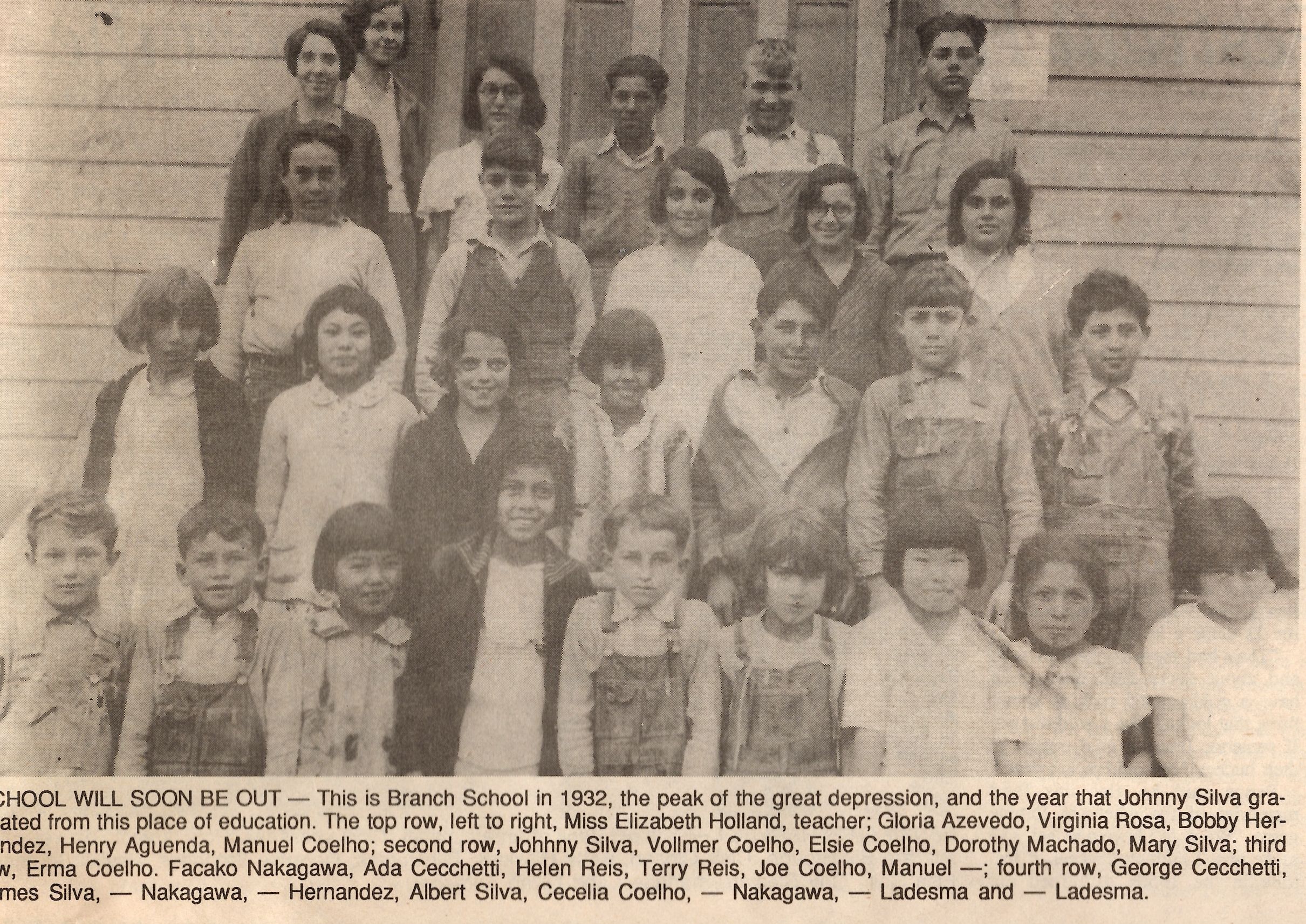
When you look a the list of names above you might notice something curious. All of the names feature the given name of the husband and not the name of the wife. Kids like me never called a woman by any other name than Mrs or Miss, a habit that seems quaint today. If she was a close friend of the family you could use her first name if you knew it but in church or school it was formal. Miss Holland and Mrs Brown, Elizabeth and Edyth taught us at Branch. Mrs Harloe, Margaret or Maggie to her closest friends, at Arroyo Grande Elementary and Miss Walker, later Mrs Sullivan, who taught elementary also, was Gladys. Even widows still used the late husband’s name. It worked the opposite way for men. There was Ace Porter, Toots Porter, Hooky DaLessi , Beanie English, Mutt Anderson and I had no idea that Buster Loomis’ real name was Clinton. This didn’t mean that the women were walking three paces behind their husbands because they certainly weren’t. Some owned and ran their own businesses. Louise Ralph, Peggy Porter, and Marylee Baxter owned their own stores. Hazel Talley was bookkeeper for Oliver’s farm. My grandmother did all the business end for my grandfather  on their dairy. Edna Rowe was a school librarian, Gladys Loomis and Frankie Campbell were teachers. Most of these recipes came from families where both husband and wife worked. As with today, working families had no time for elaborate meals.

Just putting a recipe together was different. Moms kitchen was small, just and old dry sink with a wooden countertop and a tall cabinet at each end. The sink had been fitted for hot and cold water in the 20’s. There were just two drawers for utensils and to the side an enameled metal cabinet that had been inherited from my grandmother Shannon. We had a shiny sunbeam toaster and a Mixmaster that sat on top with her cookbooks. Basically everything else was done by her hand, or my brothers and I.

mixer      6233111

Mom didn’t buy hamburger, she made it. Cole Slaw was made at home too and carrots were grated by hand for carrot salad. We used the sifter below, she didn’t use pre -sifted flour and the nut grinder is still in use today because it’s easier than using and cleaning the Cuisinart.

kitchenRed1_4246

Few of the recipes she used would make Sunset Magazine but she and many mothers like her fed their families on simple fare and everybody grew up OK.

EPSON MFP image

meat grinder        clam hammer

Grind the clams with this and tenderize them with this.

Above is my grandfathers recipe for clam soup. What I remember most about it is having to beat the clam’s tongue to death with a homemade two pound hammer to make it soft enough to eat. Good though. The most interesting thing about this recipe is the fact that its even in the book. Jack Shannon is the only man who has a recipe in it. I asked my mother why this was and she told me that he was highly respected by woman for his kindness. She said he genuinely cared for people and was one of the last of the “Old School,” gentleman. He would always tip his hat to women when he saw them, a certain graciousness that is long gone from our society. Quite a compliment.

EPSON MFP image

As you may have noticed, the illustrations were all done by my mother. She sat at our kitchen table and worked on them for many, many hours, carefully sketching with pencil and then finishing them with pen and ink, a medium that is notoriously difficult.

As with many of the best things, it was a true community effort and is still used and cherished today. If you have one you are fortunate, there aren’t any available anymore and you must inherit one, which is kind of a nice thing. So, if you have one, look through it and remember the people who made it, it will make you smile.

P S: I have heard that the Arroyo Grande Women’s Club is considering reprinting the book. You can contact them at P O Box 313, Arroyo Grande, CA 93421,  or google womensclubof arroyogrande.com. The president is Karen Lujan.  Email is womensclubof ag@yahoo.com

P P S: The recipe for the best mayonnaise cake ever! My favorite.

EPSON MFP image

Standard