Mans need to organize everything leads one to think that events you study are one off, a single illustration of consequential events. The events of the day, be they champagne cocktails at the round table in the Algonquin hotel, opening the package that came in the mail with the new Bennett Cerf book, fresh off the press, sitting at the radio and listening to the Amos and Andy the decades most popular show, or Tom Joad changing one worn out tire for another along the roadside between Oklahoma and California’s San Jaoquin valley. Life’s events for all for all of us are as diverse in experience as a flock of starlings twisting and turning in flight, each bird on it’s own yet part of the whole. History is like that.
Two weeks on the job with Signal Oil and he was down at the Ellwood pier using whipstocks to send the drill string out under the Santa Barbara channel like blind worms looking for food.
Soon after Bruce was promoted to assistant drill superintendant and he began to spend most of his time racing around California keeping an eye on production and solving problems at the wells.
Most have forgotten in the days of eight lane freeways what that mean in the thirties to drive in southern California. Most of the roads we are familiar with either didn’t exist. Those that did were barely improved. Highway 99 was the main highway connecting southern and northern California. Entire section of it were still just crushed gravel, a few sections were asphalt and the section from Los Angeles over the Grapevine to Bakersfield had been paved with concrete in 1932. It was the finest road in the state except for the Grapevine part.
As with most roads the highway was originally a game trail. Wild game always seeks the easiest route and the first people to settle here simply followed those trails. the Spanish and Mexicans widened the trails for wagons and our original roads simply did the same. That didn’t make it easy. Many cars built in the twenties and before didn’t have things we take for granted today. Brakes were mechanical and had little serious braking power. Older models still used wooden spoked wheels and narrow tires. Radiators and cooling systems couldn’t keep up with serious heat. You will notice old photos of cars that have a water bag hanging on the radiator as an extra precaution. Steep hills were a big job for underpowered engines.
The Grapevine looking down towards the Elk hills in the left background. The dark area is Tule Lake which no longer exists but was once the largest lake in the west. The oil fields are at the foot of and up the sides of those hills. The Oildale rigs outside Bakersfield are on the Kern river 57 miles to the right.
Near the Elk Hills and the Temblor range are Avenal, Coalinga, Maricopa, McKittrick, Fellows, Reward and Ford City. The Halls lived in them all. The Maricopa/Sunset fields the third largest fields in the US are still in operation today nearly 150 years after the initial discovery of the famous Lakeview gusher.
Variously called the Grapevine or the Ridge Route as it passed out of the San Fernando valley was a nasty twisted and turning road. Grapevine precisely described it. Twisting and turning back on it self as it navigated the mountains that divided Los Angeles county and the southern end of the San Jaoquin valley it was a road to be very wary of. Bruce Hall was familiar with every inch of it. It was nothing for him to get a phone call in the middle of the night and upon answering be ordered to go trouble shoot a well in the Sunset. Gassing up near the house in Compton, Artesia, Wilmington or Long Beach, they lived in all of those too, he would grab the lunch and thermos that Eileen made for him and drive straight through. It was a four hour trip in those days of the depression. He’d meet with the crews, figure out how to fix or solve the problem then turn around and drive right straight back. Sometimes he would cross over to the coast through Cuyama and down the Cuyama river through the old ranchos on all dirt roads to see his parents in the Verde district of Arroyo Grande. He could check Signals wells in the Arroyo Grande field out Price Canyon way then head home by the Santa Maria/Orcutt fields where Sam Mosher held some leases. Going back by the coast took him by Ellwood where he could stop in Hope Ranch to see Eileens brother Henry and his sister-in-law Martha. Henry also worked for Signal. He was a mechanic so the Cayce’s stayed put for most of his career.
Uncle Henry was famously at work when at around 7:00 pm on February 23, 1942, the Japanese submarine I-17 came to a stop opposite the Ellwood field on the Gaviota Coast. Captain Nishino ordered the deck gun readied for action. Its crew took aim at a Richfield aviation fuel tank just beyond the beach and opened fire about 15 minutes later with the first rounds landing near a storage facility. The oil field’s workmen had mostly left for the day, but a skeleton crew on duty heard the rounds hit. They took it to be an internal explosion until one man spotted the I-17 off the coast. An oiler named G. Brown later told reporters that the enemy submarine looked so big to him he thought it must be a cruiser or a destroyer until he realized that only one gun was firing.
Firing in the dark from a submarine rolling in the waves, it was inevitable that the rounds would miss their target. The 5.5 inch Japanese shells destroyed a derrick and a pump house, while the Ellwood Pier and a catwalk suffered minor damage. In a kind of cosmic joke they also obliterated an outhouse which after the bombardment uncle Henry said he sorely needed. After 20 minutes, the gunners ceased fire and the submarine sailed away. The workers did the only sensible thing, they called the police.
A funny little story at the beginning of a savage war. Santa Barbarans raised money to dedicate a P-51 fighter plane to the war effort, They called it the “Ellwood Avenger.” The Avenger went to a training base in Florida and never left the states. For the Japanese, they issued a postcard to raise war fervor at home. It was all a little silly and made an oft told story in the Hall and Cayce families.
Though Bruce’s job was pretty secure, Signal Oil had to continue to scramble to produce enough crude to satisfy the demands of its contracts with Standard. Not a minute nor a drop of oil could be wasted. The crews could not make a mistake so constant vigilance was the order of the day. Bruce’s company car was seldom home for very long and typically spent most of the time parked at a well site.
When he and Eileen sat down at the table the most important part of the conversation was liklely to be their kids. The constant worry for their children was the same then as it is now. They were very aware that with Mariel and Barbara entering high school and Bob right behind the constant moving was getting hard to bear for the kids. Moving seven times in just four years there was bound to be trouble or at least a great strain on education especially for the girls. Santa Barbara, Taft, Compton, and Wilmington high schools varied widely in quality and the kids couldn’t help but feeling apprehensive about what was coming next.
What they decided to do was to make every effort to somehow stay in Santa Barbara until both girls graduated high school. It was a choice my mother applauded.
Chapter 20 is next.
Surviving the depression.
Cover Photo: Taken in Anaheim California in 1934. L – R, Dean Polhemus,* Donald Polhemus jr, Mariel Hall, 16, Evelyn Polhemus, Aunt Christine Polhemus, Eileen Hall and Barbara Hall, 14. The Polhemus kids were first cousins. The Halll’s were spending two weeks with the family, down from Santa Barbara.
*Dean Polhemus figures in the story NAQT which is about his service aboard the USS Spence in WWII. You can follow the link below.
“Whole Lotta Shakin’ Goin’ On.” Out in California shakin’ is a fact of life. If you live here long enough your going to be in one. People can date their lives, just like reading a clock. Which one did you ride out. Was it the Great Fort Tejon in 1857, the Hayward in 1868, or Santa Barbara in 1927. California recorded 9 severe to catastrophic quakes between 1900 and 1933. My grandfather Shannon and his wife to be Annie Gray rode out the San Francisco in 1906 which they never forgot and over time they generated dozens of stories. It went, in the telling, from a catastrophe to legendary status in our family.
Family histories are bookmarked with these. Time, day and place vividly recalled.
Call Newspaper tower on Market Street in flames, April 18, 1906. Hearst photo.
In 1933 Eileen was nearing her term. In a mark of the times she would deliver in a hospital. This child would be the first in the family not born at home. No midwife, no husband or sister-in-law, no mother-in-law. What could be safer or more modern?
Eileen was checked in Cottage Hospital in Santa Barbara. Built in the Spanish Colonial style it was to be a new and unique experience for Bruce and Eileen and baby to be.
Santa Barbaras Cottage Hospital, 1930. News Press photo.
Delivering a baby at 38 was a dicey proposition in 1933. There had been many improvements in in pre-natal care in Eileens lifetime, infant death rates had dropped significantly since 1900. The diminished numbers of home births was a major contributor along with the acceptance of theories on anti-sepsis and the rise of hospital culture.
In 1888, a group of 50 prominent Santa Barbara women recognized it was time for the growing community to have a hospital — a not-for-profit facility dedicated to the well-being and good health of all residents, regardless of one’s ability to pay or ethnic background. It was a major milestone in the communities history as the population was just five thousand people when the little 25 bed facility opened its doors in 1891.
In ’33 Bruce had a steady job but his pay could barely cover expenses. The depression had reached its lowest point for American people. March 1933 saw the highest number of unemployed, estimated at around 15.5 million. Those numbers represented just under 25% of the workforce. New Mexico jobless numbers were pushing 40%, the highest in the nation. For those who were lucky enough to keep their jobs, wage income had fallen 42.5% between 1929 and 1933. The country had no social security system, no unemployment insurance the unemployed had to rely on themselves and the overwhelmed relief agencies. People resorted to desperate measures to find work or earn money, such as waiting for a day’s wage or selling goods on the street. Children were turned out of their homes to fend for themselves. There was a great deal of unrest across the country.
In San Francisco, the hiring of day laborers called a “Shape up” in which those chosen from a crowd of the hopeful were employed for just a day rather than long term led to the violence of the 1934 West Coast Waterfront Strike, particularly the events of “Bloody Thursday” on July 5, 1934. During Bloody Thursday, San Francisco police open fire on striking longshoremen, resulting in the deaths of two strikers and hundreds of injuries. This escalated the strike into a citywide general strike, where over 100,000 workers in solidarity with the longshoremen walked out and shut the city down.
The majority of the population in the country were bordering on frantic, not knowing where the next meal would come from or how and where they might live.
The Halls had three teenaged children who needed to be clothed and fed. They lived in a small rented house and were by some slight miracle were just getting by. Timing for the new baby couldn’t have been worse.
Not just bad timing either. Eileen had nearly bled to death when Bob was born in 1920. Only aunt Grace’s sprint into Orcutt for the doctor had saved her life. She was very weak for months afterword. Bruce and Eileen told each other that there could not be anymore babies. It was much much too dangerous. The thing is, nature will find a way and it did.
Though the first human to human transfusion was successfully done in 1818 the classification of blood types was only codified in 1900. WWI led to the first mass use of the life saving procedure. Like most things the ability to do a transfusion became routine but the underlying structure which provided the actual blood was not. Blood could not be stored for long periods of time, just days in the best of circumstances. It wasn’t until that the first blood bank was established in a Leningrad, Russia hospital. National organizations did not exist. The first was by Bernard Fantus, director of therapeutics at the Cook County Hospital in Chicago, established the first hospital blood bank in the United States in 1937. In creating a hospital laboratory that can preserve and store donor blood, Fantus originates the term “blood bank.” Within a few years, hospital and community blood banks begin to be established across the United States. It was much too late for Eileen as Santa Barbara had only a very small supply of whole blood on hand in March of ’33 .
Not only is childbirth for most women life threatening but in 1920 when Bob was born the chances of finding blood for a transfusion were unlikely. The doctor ran his small practice in an office above a little shoemakers shop in Orcutt and had no way to store blood of any type. The fact that he was able to get to the lease and find and tie off the bleeder in time was a miracle. The lack of transfusion was the main reason for her long recovery.
If Eileen were to hemorrhage she could well die and her doctor in Santa Barbara insisted she deliver at Cottage. They had no money to pay so Eileen went down to the welfare, they called it relief then and applied for help to pay the hospital. They gave her such a hard time that she felt ashamed that they though she was just another chiseler. She went home in tears and told Bruce that in order to qualify they would have to sell the car which he needed to go to work.*
She told the doctor that they had decided that the baby would be born at home just as the others were. The doctor was adamant and said, he and some other doctors had gotten together and agreed to get together and take care of people who were in need and that the hospital had established a fund for the same reason.
“Eileen, you will be treated the same as if you lived in Montecito with the rich folks.” He said, “No one will ever know.”
Perhaps the sun was about to break out.
They were in Santa Barbara after the layoff and then bankruptcy of Barnsdhal oil. There were no oil field jobs in the Los Angeles basin, absolutely none. They had bought a small house in Wilmington near Bruce’s brother Bill and his wife Anna. When Bruce lost his job and couldn’t find a new one they called Eileen’s brother Henry Cayce who lived with his wife Martha and their three kids in Goleta. Henry had a good job as a mechanic and in the way of family they said come on up, we’ll find room for you all.
So the house in Wilmington was lost, the first they ever owned but they couldn’t make the payments so they turned in the keys and just walked away as so many others did during the depression. By late 1932 it was being called the great depression because there was no doubt that it was the one.
They closed and locked the door for the last time, loaded their suitcases and whatever they could carry, drove to the filling station, gassed her up and they still had .50 cents left. Always responsible and money conscious but with nothing to lose, they said “To hell with it and went to the movies.” They saw “Tarzan the Ape Man” with Johnny Weissmuller and Maureen O’Hara. When it was over they took their popcorn and dead broke, hopped in the car and headed to Santa Barbara. They had this way about them where they looked on life as if it was a big adventure. They would do their best, come what may.
At Henry and Martha’s Bruce got up the next day and went looking for work. There wasn’t any possible way that he would find work in the oil fields so anything would do. At thirty eight half of his working life had been in oil and though it was rough it was all highly technical and built almost entirely on experience. He could not read a book on how to do the work. It was learn by doing. All of that seemed out the window now.
Steinbeck’s story about the Joad family would not be published until 1939 but the reality of it was being played out across America every day. The novel explores themes of social injustice, economic hardship, the loss of the American Dream. The power of community and collective action in the face of suffering was for the Hall’s, the way out.
Henry Cayce was Eileen’s uncle and by coincidence an oil worker. He had worked for Barnsdal in Elwood as a mechanic but had also lost his job. He now worked as a garage mechanic in Santa Barbara. They rented a big house in Hope Ranch and had three kids of their own which made six at home. Eileen ran the house and took care of the kids and Martha worked in her mother’s little grocery store. The house was in a walnut grove so Eileen and the six kids shucked walnuts and sold them downtown for extra money. They did whatever they could find.
Bruce took any kind of job he could find mostly doing day labor. A few hours here and a few there most not lasting very long and bringing in a little money to keep them going. He finally got on a a garbage man, humping trash all day. His bad back was murder, but it was life or death, up at four and home at four. He continued looking for oil field work. Call after call hoping that something would turn up. My mother said, she was going on fourteen, at the time that she really didn’t know much about that part of her life just that it was fun to be with her family and cousins and that it was a happy home. Such is how parents shield their kids from harm.
Finally in late February 1933 Bruce got the call from Signal and both he and uncle Henry went back up to Elwood. They would both stay with Signal for the rest of their working lives.
Eileen had been in the hospital for a couple of days. She had intermittent contractions but nothing too serious until later in the day Tuesday the tenth of March. Bruce arrived at the maternity ward just after four o’clock. It was a fine day, one of those familiar California winters near the end of the rainy season. No fog in Santa Barbara, a riffling breeze drifting out of the desert to the east bringing a promise of warmer temperatures and springtime. A fortunate time to bring a new life into the world.
There was no sound. Six miles below the surface of the Pacific Ocean, rock stirred. Billions of tons of the earths crusts, caught along a crack, Jerked, lurched as they slid by one another at around a sixteenth of an inch a year. The immensity of caught forces gave way at 5:54 pm.
While her parents were at the hospital Barbara, Bob and Mariel and the Cayce cousins had just sat down to dinner, forks clinking against plates, the girls dicing up some boy at school, Bob rolling his eyes, trapped in a world of girls, when suddenly the table was gone, plates forks, knives and the stew Eileen had made just for the occasion splattered across the floor peppered with flakes of china. Too stunned to act they froze as the old wooden house began to shake and sway to a rhythm of its own. They were fortunate. Old wooden structures might skip and jump about in a quake but most survived with little damage.
At the hospital, as Eileen went into labor. Bruce paced the waiting room. In 1933 no man was allowed anywhere near the birthing room. He chained smoked Chesterfields and he waited. He’d heard nothing from upstairs and at 5:50 he decided enough was enough and he would go see what was going on. He was a few steps up the stairs when the Long Beach Quake of 1933 slammed into Santa Barbara. Bruce was staggered in mid-step, fell to his knees and tumbled back down the steps.
Eileen was in bed and had just delivered a baby girl. She was lying on her mothers belly as the doctor reached to cut the umbilical cord when the quake roared in. The bed skidded one way and the other with the nurses and the doctor desperately holding on, trying to keep the new mother and her child in it. The Long Beach quake** which was a terrible event shook Santa Barbara in a gentile way but that little girl who grew up to be my aunt Patsy was always ever after referred to by her father as an earth shaking event.
And that she was.
Coming: Chapter 19. The Depression
Cover Photo: Living outside, post earthquake, Santa Barbara California 1933.
*This is one of the events in our family history which has caused us to be pretty qualified government haters.
**In the early evening hours on March 10, 1933, the treacherous Newport-Inglewood fault ruptured, jolting the local citizenry just as the evening meals were being prepared. The Magnitude 6.4 earthquake caused extensive damage (approximately $50 million in 1933 dollars) throughout the City of Long Beach and surrounding communities. Damage was most significant to poorly designed and unreinforced brick structures. Sadly, the earthquake caused 120 fatalities.
Within a few seconds, 120 schools in and around the Long Beach area were damaged, of which 70 were destroyed. Experts concluded that if children and their teachers were in school at the time of the earthquake, casualties would have been in the thousands.
Michael Shannon is a writer, former teacher and a surfer. He write so his children will know where they came from.
The Twelve Hour Tour was over. As the old saying goes don’t buy a Pig in a Poke sack. Except of course you’ll end up doing it anyway.
Bruce accepted the job as a superintendant of drilling and went to work on the Signal piers at Hydrocarbon Gulch. After they had cleared a platform to build a small and shaky derrick on the edge of the Pacific ocean the cable tool bit was dropped a few times which qualified as spudding in a well and the terms of the one year contract were fulfilled. They made it by the skin of their teeth.
Because Bruce was a whipstock expert he was busy at the Gulch. No derrick could be erected on the beach because of the tidal shifts so a pier was begun immediately in order to begin drilling out in the Santa Barbara channel. The oil pool was offshore and in order to reach it they would need to slant drill.
A pile driver building the piers for the validation well. The validation well, Appleford No. 1, October 1929.
Bruce’s new position came with a raise and lots more responsibility. After nearly twelve years the twelve hour tour was a thing of the past. The twelve hour was now 24 hour and then some. Supervising more than one well could take a great deal of time. If his crews were lucky they had a shack or small shed where they could wrap themselves around boxes and equipment and sleep the sleep of exhaustion between tripping pipe. Pulling all the pipe in the casing, “Making a round trip” or simply “Making a trip” is the physical act of pulling the drill string out of the well-bore and then running it back in. This is done by physically breaking out or disconnecting the drill string when pulling out of the hole every other 2 or 3 joints of drill pipe at a time. The pipe pulled, called a stand is then racked vertically in the derrick. Up on a small platform near the top of the derrick called a “Monkey Board” is the The Derrick-man. the derrick-man walks the board to guide, stack, and secure drill pipe as it is lowered into or pulled from the bore hole.
Tripping pipe in the early 1930’s. The stack is behind the man on the right. Calisphere
A typical reason for tripping pipe is to replace a worn-out drill bit. Another common reason for tripping is to replace damaged drill pipe. It is important to get the pipe out of the well-bore quickly and safely before it can snap. My grandfather could place his gloved hand on the rotating pipe and tell you what was going on deep underground. In the thirties there was little in the way of scientific measurement. No electronics were yet available for measuring hole. The drillers still relied on taste, feel and smell to understand what was happening deep underground.
The drilling floor was a dangerous place to work, slippery with drilling mud, oil and water. Ninety feet above the floor hung all kinds of equipment that could fall and kill a man. Hands were crushed by heavy machinery, steam boilers could rupture and cook a man. Heavy chains could snap and take your legs off. No one wore a hard hat. They were not in common use yet. No self-respecting work man would were one anyway out of pure cussedness. Men were careful enough, within reason, but idiots were not tolerated and would be quickly run off lucky to just get a beating on the way. Avoiding death caused by an idiot is in itself likely to make a crew furious. It was every man for himself.
When Bruce left for work Eileen never knew when she would see him again. It could could be days. Raising the girls was mostly her job. House wifing was a different job in the thirties. There were no labor saving devices in the home. Few had a washing machines, only 8% of American homes had a refrigerator in 1930. If your house was electrified, about 90% were in urban areas, you had an opportunity to buy home appliances if you could afford it but if you lived out of town, if you lived on a farm or out in the country that dropped to roughly 10%. A woman lived little different than her grandmother had before the civil war. Things were still done by hand. Itinerant oil workers, because they moved so much weren’t likely to be moving with heavy appliances. It was by this time jusy normal life for grandma Hall. My mom talked about taking the rugs out to beat the dust out of them. She said she could really wrangle the floor sweeper around. She remembered that she was twelve when her mom retired the old Sad Iron. Mom also was the carwash, something she did until she married. Grandpa had a car which he liked to keep clean. Muddy roads meant a lot of washing. The car meant you could get to work and back and was an important as any other tool.
School was within walking distance. The old Benjamin Franklin grammar school had just been rebuilt and served the central section of Santa Barbara. Opened in 1899 it added to the legacy of education in Santa Barbara begun by the holding of formal classes in the home of Don Domingo Carrillo who had used local Chumash Indians labor to build his home in 1807. He built the house for his wife Concepción Pico Carrillo who established the school.*
Mom said she loved Santa Barbara and like every time they moved she hoped they would stay. Her reality was they were oil nomads. Grandpa went where the work was because he loved the work I guess. Thats thing not uncommon amongst those that work with their hands. Trapped by experience and the need to provide you’d better make the most of it. The rest of the family is along for the ride.
Barbara Hall. She carried that winsome look her entire life. Santa Barbara California 1931
Both my parents told me that when the were in the depression they didn’t really know it. No one called it that, It was just hard times and most people got by as best they could. They said ordinary people, which they were, took care of their money. Savings banks were a pretty new concept and most people didn’t use them anyway even if they had cash to spare. Because my dad was a farmer and dairyman they grew and made things people needed and saw as necessities. They were lucky in that way.
In the rest of the country one in four people were out of a job, over five thousand banks across the country closed forever taking peoples life saving with them, suicides increased by 30% and there were more than two million people homeless. Thirteen billion dollars of the American economy had absolutely evaporated in 1929 with the stock market crash. No one knew that the recovery would take a decade and with help from Adolf Hitler and the fascists governments of Europe.
Mom knew how to run a sewing machine and read patterns so she made her own clothes. So did her sister. Bob, her brother couldn’t sew but more than adequately filled the role of general all around pest which they both said he was pretty good at. They owned a car, which was a little bit of luxury but was necessary for Bruce to get to work. Mostly the kids walked to school, downtown or to shop. The Santa Barbara street railway had closed in 1929 killed off by car ownership but it wasn’t a large town, just 33 thousand in 1930 and especially for kids Shanks Mare got them around just fine. The most luxurious thing they owned was a radio. Radios were a new phenomenon that “Do you own a radio?” was a question on the 1930 census. The Hall’s said they did.
In addition to the music, news, and sports programming that present-day listeners are familiar with, radio during this period included scripted dramas, action-adventure series such as The Lone Ranger, science fiction shows such as Flash Gordon, soap operas, comedies, and live reads of movie scripts. Major film stars including Orson Welles got their start in radio Welles became a household name in the wake of the infamous panic sparked by his 1938 broadcast of The War of the Worlds. Both my parents said he didn’t really fool anybody.
Music filled many hours of programming, singers of all kinds, radio orchestras played popular music and symphonies. Popular 1930s radio shows included dramas and comedies like The Shadow, Little Orphan Annie, and Fibber McGee and Molly, variety and music shows like The Chase and Sanborn Hour and Kraft Music Hall, and children’s programs such as The Adventures of Superman. Radio was a booming entertainment medium during the decade.
Taking a break to listen.
The future of the Hall family wasn’t all that rosy though. Grandpa had a good job near the top of the earnings curve but life in oil was still tenuous. Crude oil price were through the floor. Some independant companies were dumping oil on the ground. It cost more to pump it than it was worth. New exploratory wells were at a standstill. If there is no hope of profit, don’t invest.
Signal had made up it’s mind that the only hope for the company now that their sales of gasoline to the big producers had been cut off was to plow ahead with the Elwood field hoping to strike enough crude to at least break even so that a hoped for upturn would still find the company afloat.
Like pirates fleeing the law, they pressed on, mortgaging what they owned, makeing frantic rounds of private investors and sending a steady stream of executives to what banks were still in business hoping to find at least a dribble of cash. They began selling their crude at a loss. It was an enormous bet on the company and Sam Mosher’s “Varsity Team” of engineers, superintendents and drillers to innovate, cut the fat and and walk the knife edge of safety to survive another day.
As fast as the piles for the piers at Hydrocarbon gulch were driven, derricks were thrown up, spudded in and the turntables began to whirl. Sometimes the drillers worked over parts of the pier that had almost no planking such was the rush. They wasted no time on guardrails. If you fell, it was in the water if you were lucky and you would simply be fished out. “Joining the Birds” was how they put it.”
From the small field in Maricopa, Chief Engineer R W Heath organized the teardown and loading of the refinery and processing plant which was moved by truck to Tecolote canyon where it was reassembled in just eighteen days. Eighteen, think of that, all moved by truck. There was no Hwy 166 in those days, it all came by 41 and down the Cuesta Grade in tired oil field trucks whose brakes were always suspect. That kind of job that could not be done today. Everyone who worked on the crew did whatever job was required. There was no specialization, if you could turn a wrench, you did. If sweat and grit could move tanks and towers it was done. In it’s early days Signal was like a team working to a common goal. A Varsity Team Sam Mosher liked to call it. Grandpa was one.
Signal had one toe over the line into bankruptcy. If they didn’t find a well which produced marketable quantities of crude they would be unable to meet their contracts and would be forced into receivership. Working overtime to keep the comany in business was the source of heart attacks. If the company failed no one had anywhere to turn. No jobs were available anywhere in oil. Mosher had nowhere to go except to work every day and trying to dream up a way out while sleeping.
Appleford number two did not bring in a heavy enough flow to be profitable. The head field engineer Walt Greenfield was sure that there was plenty of oil just a little farther offshore and said if he was able to whipstock a well he knew he could find it. Whipstocking used a heavy iron device shaped like a shoehorn that when lowered into the drill casing at about a hundred feet could guide the drill bit and its pipe in a lateral direction. They would be able to send the drill spinning out below the sea bed ahead of the pier into deeper water offshore. The problem for the front office is that the cost was thought prohibitive, as much as $35,000 instead of a typical $25,000 for a vertical hole. Management slammed the hammer down and said no, too expensive.
Bruce was a master of the Whipstock and drill bits were moving in all directions underground just like worms in the compost. Signal engineers believed that there was an ever larger pool just a little bit farther from shore. They believed that if they could just go a little bit farther out there was a fortune there for sure. They just had to find it.
The pile driver at work, Mahoney’s pier, 1930.
The family was pretty settled in those two years, Grandpa had steady work. The kids who were about to be teenagers and were happy in school, one of the few times where they stayed long enough make friends. Santa Barbara city was at it’s finest. Because of the generational wealth which was mostly depression proof stores stayed open, the streets were clean and safe. What was euphemistically called Riff Raff was quickly showed the way out of town.
Any minorities persevered in the face of direct and indirect discrimination. People who served in wealthy homes or worked the many fashionable hotels were allowed north to work but not to live.
The descendants of the original Spanish/Mexican and Barbareno Chumash were pushed down into the lower eastside south of Cabrillo street and east of State. Over the middle part of the twentieth century discrimination concentrated the non-white population into the area of temporary shacks, cheap houses** and a service area that held the laundries, shoe repair shops, blacksmiths and auto repair garages. In the depression there was a literal line at Cabrillo Street where people who dwelled in the lower east where most definitely not encouraged to cross.The Eastside neighborhood, was for the marginalized racial and ethnic minorities.
In an interesting twist the school my mother attended was fully integrated though it was outside those neighborhoods entirely.
Born at the end of the 19th century my grandparent’s had that sort of mild racist mindset common at the time. On a simple scale they felt that somehow they were better than the marginalized. In her old age, my grandmother occasionally referred to African Americans as “Coons” which set my teeth on edge. The thing about it was that she had no evil intent. She might have been just referring to the fact that African Americans were undereducated and had less opportunity or lived in poorer neighborhoods. It seemed to be just as if she was describing any object of note. It certainly goes to the complexity of experience. It would be decades before African Americans or Hispanics started showing up in the oilfields. In their married life that had lived in more than one “Sundowner” town.***
State street, Santa Barbara, California June 29th, 1925. Calisphere
In a fortunate piece of timing after the devastating earthquake of 1925 it was decided to rebuild the city in a quasi-California Mission Style. Helen Hunt Jackson’s novel Ramona written in the late nineteenth century had kindled and polished a romantic version of old California. Though the novel became popular and did, for some, shine a light on injustices toward Indigenous peoples, the fact remains that the novel, rather than initiating a movement of change, romanticized a tragic story where the ones who lost the most were those of Indigenous descent. The largest impact the novel had was in tourism—creating a road map of California that the characters traveled, thus making these locations popular and lucrative. The Rancho life has endured until today as a visible symbol of old California which never truly existed. The fantasy, the connection between the novel Ramona and Lummis’s Sunset Magazine is through tourism: the book became so popular it inspired a wave of travel in Southern California, which Sunset Magazine later helped promote and document. Focusing on the region’s “Old California” romantic image led to design requirements for rebuilding the downtown. Santa Barbara remade itself into a popular vision and because the country was postwar prosperous it became the best example of a Hollywood style fantasy of any California city.
Construction of the nearly destroyed Mission had been completed just two years before my mothers family moved there. The harbor was completed in 1929 and was family inaugurated the following year when my Aunt Mariel pushed my mother off the breakwater onto the boulders below and knocked out her front teeth. Never found they are still there as a sort of family talisman.
As a child I was fascinated that she could detach her bridge, take out her teeth which she scrubbed in the kitchen sink. I knew of no other mother who could do such a marvelous thing. Such are the connections that make a life I suppose.
Mission Santa Barbara 1925 after the quake.
The company could at least make payroll and service all it’s notes. Sam was busy looking around for more possibilities. He found some on Signal Hill.
The driller’s had no choice but to wait until things became absolutely desperate. Holding on by the skin of his teeth, Mosher operated a grand total of eighteen wells in the Los Angeles basin, the Midway-Sunset in the southern San Jaoquin and the Elwood field Mosher decided to slow exploration in Ellwood and buy more leases in and around Long Beach. So in late 1931 the Halls rolled up the carpets and trekked south.
Chapter 17 Next:. Ayear of ups and downs with a major surprise
NOTES
*Leopoldo Antonio Carrillo August 6, 1880 – September 10, 1961) was an American actor, vaudevillian, political cartoonist, and conservationist. He was notable for playing Pancho in the television series The Cisco Kid (1950–1956) and in several films. His signature line was “Cisco, lets went.” His character has since been memorialized and the catch phrase Lets Went” taken its place as a bit of California iconography. We will meet him again later in the story.
**My oldest son rented a studio apartment in an old house which had been divided into apartments in the old eastside neighborhood. This was when he was working in management at a beachside hotel in the early 2000s. Rent was nine hundred a months which was a very substantial sum for a bedroom that had a toilet in it. The house should have been condemned long ago but ghettos are not torn down in one night.
***A sundown town was an all-white community that intentionally excluded people of color, typically African Americans, using discriminatory laws, harassment, threats, or violence. The term comes from signs posted at town borders that warned non-white people to leave before sundown or face consequences. Many California oilfield towns had active KKK chapters until after WWII and later. My grandparents would have been familiar with the term and life in them.
Michael Shannon writes and lives in Arroyo Grande California. He tells these stories so his children will know where they came from.
The River of the Kings was my father’s place of choice. Fast running, deep, frigid and isolated and in a most remote part of the formidable Sierra Nevada. The Snowy Mountains* are part of the American Cordillera, an almost continuous chain of mountain ranges that forms the western “backbone” of the Americas. He and his brother began going there in the late 1920’s. Still in high school, my uncle just 18 and my dad 16, both from a little town in coastal California over 200 miles from the Kings River canyon.
Río de los Santos Reyes headwaters originate along the Sierra Crest in and around Kings Canyon National Park and form Kings Canyon, one of the deepest river gorges in North America. The river was named by Gabriel Moraga, the commander of a Spanish military expedition in 1806, but it was not until California became a U.S. state in 1850 that many Europeans arrived and settled along the Kings River, driving out the original inhabitants the Yokuts. The Middle Fork flows for only 37 miles through some of the Sierras most difficult-to-access backcountry, including Simpson Meadow and Tehipite Valley.
Tehipite Dome
Two hundred miles of mostly dirt roads which they had to navigate into the mountains in my grandfathers old 1918 Model T Ford. Arroyo Grande to Paso de Robles, east on hwy. 41 through the central valley to Lemoore, Hanford and Visalia turning at Woodlake and starting the climb through the foothills and up to Badger and Pinehurst to the road junction east of Dunlap then following the winding one lane dirt track up to Grants Grove, past Hume Station and then down to the turnout at Yucca Point.
The road was so narrow that on sharp turns there would be a hand painted wooden sign tacked to a tree cautioning the driver to “Sound Klaxon” on all the blind corners. If you heard another horn, the downhill driver had to back uphill until there was enough room to pass. Dad said the driver going uphill would have a great view straight downhill to the canyons below.
The Ford had been outfitted with everything a wilderness fisherman might need. Two sleeping bags, a couple canteens though in those days you could still drink from the river, no Giardia. Couple loaves of homemade bread baked by grandmother, jam and a jar of peanut butter, small can of lard for frying fish, salt and pepper, skillet and a knife to serve all the purposes a knife might. Only one problem. In a hurry to get away the sleeping bags were forgotten on the back porch. Neither of them noticed until they got to Grant Grove where they had to dig into the back to get a water bag to hang on the radiator.
This created a little bitty problem for the nights in September in the high sierra can be a wee bit cold or very hot, you never know. You want to count on both. The went in a talked to the man in the little store there but they didn’t sell sleeping bags or blankets. He did suggest they might talk to the owner of the pack station just up the road he might be able to help. Sure as shootin’ he could and did. See, he had a stack of horse blankets which he was willing to part with for say, five bucks each, used of course. Knowing the were in desperate straits the two boys agreed. They riffle through the pile trying to find the least objectionable. They all reeked of horse sweat, some were raggedy and many sported holes where they sat up on the horses’s withers. Picking out two they forked over a double sawbuck and carried the loot back to the care uttering what passed for polite boy’s curses the whole way. The old cowpoke reckoned it was a mighty good day.
The two boys wore long sleeved shirts because of the mosquitos and yellow jackets, one pair of trousers and believe it or not high top canvas sneakers with rubber soles. No hiking boots, too much to carry, but they did have a coil of rope in case they needed to cross in high water coming down from the south fork. In some years the water was still dangerously swift and deep even on Labor Day. The river bed was entirely rocks and scattered boulders. Fording the river was always and adventure. The current was swift and everything slippery and in the twenties there was nothing or no one to help you if you were hurt. The trail back up to yucca point was very steep and unimproved and the only way out was walking. It would have been a walk out for the uninjured and then seek help and the return trip with someone else and again the return by stretcher up a treacherous steep trail crossed by tree roots, half embedded stone, mud and all in the early September heat and don’t forget the deer fly trying to drink from your sweat and tears. You could soak your handkerchief in water from your canteen and tie it over your face above the eyes, it was the only way to keep them out. The view through the wet bandana was minimal so you’d better step carefully. The first rule was to be very careful.
At the bottom of the trail they tried fording the river but it was too swift and deep though it was barely more than knee deep. They figured if they could get the rope across the be able to ford. My dad was an excellent swimmer and body surfer. He’d spent a great deal of his youth swimming in the ocean and had the confidence to give it a try. He said he couldn’t really swim at the ford but determined that he could get across at the deep hole just upstream. The best thing was to swim the center where the current was a little slower so he stripped off all his clothes, tied the rope around his waist and waded in.
Left to Right, Jackie, Jack Shannon and George in 1928, Family Photo.
The water was cold, cold, cold, so cold that he could hardly breath. He was really glad to crawl out at the other side. The sand bar he came out on had three sycamore trees just a little set back form the shore so he walked to the trees and tied the rope around the closest one. His brother tied off the other on the opposite shore. Now they could use the rope to steady themselves as they crossed and recrossed to move their packs across.
After spending the night on the sand bar where the middle and south fork came together they cooked up a little breakfast then hit the trail. That is if you could call it a trail. Even today it is marked as unmaintained by the forest service and in those days it was nothing more than a narrow single wide path scratched out by miners during the gold rush.
The middle fork drops hundreds of feet per mile bounding and crashing around boulders where it forms eddys and small falls around the great deep pools. To get upstream the original trail blazers had cut a very steep trail up the side of the mountain ridges that formed the canyon. They had to climb this switchback trail for several hundred feet to get to a spot where the trail leveled out. It was just impossible to go upstream along the river below because the canyon walls ended where the river ran. The only way was to climb up to a little bench in the mountainside where they had cut the original trail. Unmaintained no wider than a couple feet you could look down a near vertical slope to the river below and straight up at your shoulder. Boulders clung to the slopes by some mysterious force for there wasn’t any visible means that kept them from flinging themselves headlong into the water below.
About two miles along they found a rusted, crumbling piece of one inch twisted steel cable. Puzzled by the find they at first couldn’t figure out why it should be in a place where it made no sense. Who dragged it up there and why? You couldn’t get much farther from anywhere than this place. Standing together they looked around but they couldn’t find any reason for it until they noticed, way across the river on the opposite cliff side the mouth of a small tunnel that could only be a mine entrance. They could see some rotted old timbers in the entrance and a few rusted tinned cans scattered about. The cable had to be the remnants of a pulley system that head been built to ferry supplies to the men who worked the mine and to haul whatever ore they found back across. How in the world did those old forty-niners get up there while prospecting and once they found some color how did they ever get the cable across? With only a small bench of mine tailings at the mouth of the tunnel they must have actually lived in the mine itself. Just visible down slope of the mine they could see a small rectangular iron bucket with a pulley still attached which explained how they got across.
Dad said they tried to imagine how a couple prospectors in the 1850’s hauled all the gear up there. Did they come by horseback and a packtrain? Did they walk in with a donkey? There is no forage nearby, little vegetation other than stunted trees clinging to the mountainside and where would the animals go when they were working the mine?
Those old prospectors explored every inch of the Sierra, getting into places where you would think no one could. There are abandoned mines all over the mountains. No one knows who found them or worked them and the only clue is a dark tunnel and scattered and broken old shovels, picks and empty cans of tomatoes.*
Finally at the end of a hot and dusty hike the train crossed a monumental rock slide where there was no walking but a semi-stumbling, one hand for yourself crossing to a sandbar along the river. The trail had caught up with the Kings where Lost Canyon creek came tumbling down from the nearly twelve thousand foot height of the Sentinel.
La Cuidadela, the Sentinel peak.
They told fish tails about the trips, how the fishing was fantastic. There were no planted trout up on the Kings, and there are none today. A man had to be full of tricks to land one of the veteran, wily Rainbow and Brown trout. Always fish going upstream, never let your shadow fall on the water, when the sun is high enough retire to the shade and take a nap because the fish cannot see whats on the surface and won’t rise. Don’t fish when it’s windy which it normally is in the afternoon. Find a deep hole which is partially shaded and bordered by an eddy which delivers insects right to the fish and delicately lay a dry fly on its edge. Make your pole dance the fly in an irregular pattern just as if it was real and you might be rewarded.
Dad even had a favorite place. High on a rock where the river was scrunched between a nest of huge boulders that had tumbled down the canyon walls you cold climb on top of the largest and flip your Grey Hackle right under and overhang formed by a split boulder where, he always believed, the King of Brown trout lived. Deep down in the dark cavern of still water he would only rise to feed under the most perfect of conditions.
Since their first trip in 1929, they returned again and again over the decades. They began to take me along when I was thirteen. What we carried was about the same, peanut butter, Webers bread, some butter and a small bag of flour and the cheapest frying pan possible because it didn’t weigh much. My uncle Jackie always took his old sleeping bag. I’m sure it was the first one he ever owned.*** No one in the family though that fancy gear like waders and basket creels were necessary. They considered that kind of stuff an affectation. The were there to fish and they knew the fish didn’t care. A bed of willow leaves in a flour sack worked well enough for the fish who would be dinner and your Levis had pockets anyway.
Lying on top of your bag at night, it was too hot to get inside, my dad and uncle talked quietly about nothing important and I listened. We watched the heavens for our American satellite Explorer I as it passed overhead. When finally it moved quickly across the sky and didn’t twinkle you could wonder at it all. In a time where space was all new to us, I felt safe in the knowledge that our country was the best place. I was thirteen then and all seemed possible. A boy and his father sleeping in the remote wilderness of the King’s River. No sound but the melodious chortling of the river and the owl.
*The Sierra Nevada.
**Tomato processing began in 1847, when Harrison Woodhull Crosby, the chief gardener at Lafayette College developed a crude method of canning tomatoes. Prior to 1890 all tomato canning was done by hand. It was said that you could follow the empty cans from Kansas to California.
***We still have it.
Michael Shannon writes of his family so his children will know from whom they came.
“The God of Death has come.” Shouted by a Japanese Imperial Naval Marine* upon seeing Marines landings on Betio, forever enshrined in the notes taken in interviews by MIS translators during the battle for Tarawa.
The filth, the crawling over sharp coral, running crouched, hunched over with every muscle in the body nearly rigid with fear, the noise which never stopped, artillery, flamethrowers, grenades and the constant pop of gunfire. Battleship shells weighing a ton, Destroyers nearly run up on the beach duking it out with gun emplacements at point blank range. A miss is a miss but the M-1 round still can kill at 6,500 yards, over 3.5 miles. The Japanese Arisaka type 99 rifle could kill at 3,700 hundred yards. No place on the island could be safe for the soldier. The air is full of them. There was no place safe. No one could think or conceive of any other universe. The Battle of Okinawa (Operation Iceberg) was the final major land battle of World War II, lasting 82 days from April 1 to June 22, 1945. It was a brutal, large-scale engagement where U.S. and Allied forces fought Japanese troops on the island of Okinawa, the last step before a potential invasion of Japan. The battle was exceptionally bloody, resulting in massive casualties for both sides, including a significant loss of civilian life among the Okinawan people, and heavily influenced the U.S. decision to use atomic weapons on Japan.
Soldiers are so young. Is it impossible that they should be able to process the situation they are in? When they awaken at the bottom of their waterlogged foxholes after dreams of home they understood there was no escape.
Witness this Marine Ambulance driver’s letter home written about half way through the invasion. He would celebrate his 19th birthday on Okinawa.
Dear Folks. I know you have been worried about me but as you see I’m still very much O K. I’ve had a few close calls but that can be expected on this Rock. They say in the stateside news that this island is secure but, but they still have eight more miles to go so you can figure that out. We are three miles back from the front licking our wounds now and waiting for I don’t know what. Maybe we go back and maybe we don’t. I guess I’ve seen most of this island so far—enough anyway.
Private John Brewster Loomis USMC, Headquarters company, 1st Battalion, 1st Regiment, 1st Marine Division. MOS 245, Truck Operator. Just before shipping out to the Pacific, 1944.
Shuri Castle was a rich joint and Naha used to be quite a town. I am sitting in Jap truck now that we picked up in our travels. It is something like a ton and a half and something like a Chevrolet but right hand drive. I’m a little thinner but feel alright. (He entered the Marines at 5′ 11″ and 160 lbs.) Instead of “Golden Gate in ’48, it’s from Hell to Heaven in ’47. Old Snowball, a friend, is still alright as far as I know. We sure took a beating but took our objective.
Dad I’m sorry I couldn’t write on your birthday but Happy Fathers day and Fourth of July.
The weather is better now, cold at night. Last night was the first time I got to take off my shoes when I hit the sack. They brought us a little better chow for a while. Boy! Am I tired of C-Rations. My old ambulance is still running but it doesn’t look the same-no windshield. bumpers, paint, top or sides-justone seat and the stretcher racks.
I had my picture taken the other day by Division. I don’t know if it will get in the papers or not. I sure didn’t look like much that day.
Well, folks, I’ll write when I can and I hope from now on that will be very often. Much Love John.**
Modified by Holden an Australian body building company, this is the Jeep type ambulance John Loomis drove on Okinawa. The Marine Corps used this much more, go anywhere ambulance instead of the big GM trucks used in Europe. The rugged terrain and mud sloppy roads couldn’t be navigated by trucks and Sherman Tanks were sometimes used as tow trucks if they didn’t sink in the mud holes themselves. Almost everything was hand carried by exhausted Marines themselves.
As the battle for Okinawa came to a close, many of the Nisei translators were ordered off the island. The almost complete annihilation of the defenders meant there was little to do. In preparation for the invasion of Japan there was a mountain of captured documents to be gone through and they were needed back at headquarters.
The Lieutenant gathered the Nisei translators in a shell hole covered with a tent fly then read the names of those who would take one of the LCIs out to the attack transport (APA-139, the USS Broadwater) for transport back to Manila for further orders. Hilo and his team were leaving the island.
MacArthurs headquarters were now in the ruins of Manila. After unloading at Cavite Naval base in Manila bay, the MIS boys were trucked to the city and reported for duty.
Hilo and his team were issued new orders and upon pulling them open with a mixture of excitement and dread inherent in the action were delighted and almost giddy with the news that they were to report to Subic Bay for immediate transport to Naval base Long Beach, California to begin a 30 day leave. They were being sent home to rest before the invasion of Japan.
USS Broadwater APA-139 and USS Bellepheron ARL-31, a landing craft repair ship at anchor, San Francisco 1944
They were going to be transported by one on the Navy’s APAs or Attack Transports such as the USS Broadwater APA-139. The APAs*** were the real workhorses of the Navy. They were designed and built on Liberty and Victory ship hulls for the purpose of transporting men and supplies. With their boats they were able to house, feed and land an entire marine battalion of fifteen hundred men. Anchored just offshore, in harms way, they would swing out the landing craft, load the Marines and their equipment and then the Cox’ns would drive them into the landing beaches. When they had unloaded they would wait to receive the wounded and other men pulled off the line and return them to base. Equipped as emergency hospital ships they would offload casualties to the larger dedicated hospital ships waiting outside the arc of Japanese artillery fire and Kamikaze air strikes.
An Aircraft carriers hanger deck loaded with casualties from Okinawa, April 1945. War Department Photo.
The Navy operated over three hundred of these ship along with freighters of the Liberty and Victory types, over fifty oilers, and a myriad of specialty support ships. This allowed the Navy, Marines, and the US Army to operate efficiently more than 7,000 miles across the Pacific Ocean where there was little infrastructure to support operations. The logistics of the operations are literally mind boggling.
The APA’s were to serve a special purpose beginning in the waning weeks of July and August 1945. In the service any action needs have a name to identify it. Most, such as Okinawa which was dubbed “Iceberg” and the invasion of Guadalcanal “Operation Watchtower” general have no meaning other than to confuse the enemy but the name for the last major movement of men was oddly prescient. Operation “Magic Carpet” would return veterans of the Pacific home. By August the allies had just over 23 million troops and support service men in the western Pacific. The Aussies, New Zealanders, British, French, Dutch and the Mexican Air Force were all going home. Magic Carpet would be the largest mass transport of men and women ever attempted. Every ship type was going to be utilized for transport.
On July 25th Hilo Fuchiwaki and his team boarded an APA in Subic bay. The boys must have leaned over the ships rail and watched the sailors on the dock cast of their lines and felt the ship begin to vibrate as she backed into the stream and headed for home.
Dear Dona Page 15 is next.
Cover Photo: Holden Jeep ambulance. Missing one fender, other one dented. Shrapnel hole in hood, broken windshield. The exhaust pipe is extended to get it out of the mud. No paint and tow strap wrapped around the bumper. Hard used.
*Rikusentai, Imperial Japanese Naval Marine Infantry.
**The letter must have been written after the the capture of the Katchin peninsula by the 1st Marines. The battle for the island still had about ten weeks of combat left. He was, after a short rest to participate in some of the most brutal fighting ever seen in WWII. Private Loomis earned the Bronze Star for his actions on Okinawa.
***The book “Away All Boats” which was made into a movie of the same name based on the 1953 novel by Kenneth M. Dodson (1907–1999), who served on the USS Pierce (APA-50) in World War II and used his experiences there as a guide for his novel. It is considered a classic in naval literature.
Michael Shannon is a writer and lives in Arroyo Grande, California.
Grandpa called Grandma from the phone in the Signal office on Orizaba Street. He gave her good news. She especially liked the idea of going back to Santa Barbara. As was the custom with them she started getting all that the little family would be taking with them together. Clothes for the girls and Bob, toiletries and whatnots, just what could be packed in a suitcase. The kids carried their own. My mother was twelve and Mariel thirteen. Bob had just turned ten so whatever they could carry was what they took. Moms piano and a little furniture would have to be shipped later. Uncle Marion would drive them down by the same route they had gone up to Madera. Marion was counting on Bruce to put him on a crew so it seemed like a good bet.
Following the work was the name of the game then just as it is today. My mother said it was normal for kids who had never known any other way. They kids knew how to make new friends and were all sociable at that age. It would never change as they grew.
Grandma could shake and bake. Get ’em packed, sacked and on the road. Rent a house, bring the goods and move ’em in. Enroll in school, do it in jig time too.
733 East Islay St, Santa Barbara. The 1930, Home to the Hall’s, Zillow photo
She had the whole thing down to a science. Grandpa would come home from work or get a phone call telling him he had to be at another rig the next day or two and he would leave right away, Eileen and the kids would follow. The house shown above was their home after arriving from Madera in 1930.
Sam Mosher had a specific purpose in mind when he hired Bruce. Whipstocking. Although the Ellwood field was already operating he had bought some abandoned and unproved leases at the very edge of the Ellwood field.
Other companies geologists had determined there was no oil to be had. It was a big gamble for a small operator but the leases were cheap and his geologist thought that there were oil deposits if they went just a bit deeper. There was also a possibility that the so-called safe lease would be a total disaster. One thing about Sam Mosher, he was not risk averse.
Mosher who was born in Pasadena in in 1892, just three years younger than my grandfather. His father sent him to the University of California at Berkekly where he earned a BS in Agriculture. Right out of university he leased and began farming seventeen acres of Lemons and Avocados in Pico Rivera. In 1918 all of what is now western Los Angeles was farmland with a few small towns dotted about. It was a struggle and Sam worked sixty to seventy hours a week and then used his Ford tractor to plow and disc for other farmers near by. He always said afterward that he “Didn’t know a darn thing about oil wells or the business.
A single event changed all that. On June 23rd, 1921, a wildcat well on the lower slope of Signal Hill announced itself with a massive plume of crude oil. Coming in with a roar like the passing of a steam locomotive and the unbelievable shaking and rumbling of an earthquake, Alamitos no. 1 borned itself and set off the mad scramble for discovery on what became the richest field ever found.*
A drifting fog of micro dots of oil spread eastward on the back of the northwest ocean breeze, depositing crude on every surface. Clothesline’s, cars in the driveway and the houses themselves soon were coated with the sticky black residue of decomposed plant life from a tropical earth gone away millions of years ago.
Bumper to bumper lines of cars from Los Angeles came out to see the well. It was an event that would grow the city in ways none anticipated. The 25 miles to Signal Hill were dotted with small towns and orchards like Mosher’s in Pico Rivera. Looking up from his tractor’s seat, Sam Mosher couldn’t have helped thinking that the drudgery of farming could be traded for riches from the oil patch.
Alamitos number one set off a frenzy of drilling that within a few years saw wells in the Dominguez Hills, Torrance, Santa Fe Springs, Long Beach, Belmont shores, Seal Beach, The Bolsa Chica and Huntington Beach. Bruce would work them all.
The Halls were getting settled in Santa Barbara, kids enrolled in school and Bruce was back at work. Lucky for them too. Because of the depression unemployment was pushing 25%. There was no unemployment insurance or Federal minimum wage and hordes of desperate men and boys, women too, hopped the side door pullmans as they rattled back and forth across the country. Midwest farmers abandoned their farms because if you could find a bank to loan you “Crop Money” the crop itself would, more than likely not sell for enough to pay off the loan. More farms abandoned or foreclosed every week. Banks failed because there was no FDIC to guarantee money to keep them solvent. Factories cut wages to the bone, seeing it as the only way to turn a profit. In many cases it just didn’t work. More families took to the road than ever before in our history searching for work, just something to put food on the tables. The government of president Hoover blamed it on the workers. “They are Communists, Unionists, Fascists, they don’t want to work” he said. Sound familiar?
The Knight Riders, the Ku Klux Klan which had existed in the old Confederacy rose up from its deathbed and reappeared all across the county. Burning, looting and lynchings occurred for the first time in decades. Their target, Blacks, immigrants, Jews and unionists. The government did very little to stop it. The FBI focused it’s energies on these same people as Hoover acted as an enforcer for the wealthy entrenched establishment.
Business, finance, the law and government acted as if it was business as usual. unable or unwilling to do anything except support the status quo. Hoover, promising “A chicken in every pot” was one of the more callous election promises ever made in this country. He couldn’t produce the promise and wouldn’t seriously try. The callousness of the sitting government was focus on protecting those that had and not those that didn’t. It would cost him the Presidency in 1932.
The Oil Patch was no different, wages were sinking, drilling was slowing dramatically. With car sales plummeting no one needed the gasoline no matter how cheap. Every one in oil production understood this but at first they could not slow down. Pure greed, especially by the big companies like Standard, Sinclair, Richfield who could only survive by drilling held sway. When it got to the point where high production was unsustainable they cut costs to the point where the independents were forced to quit, putting thousands of roughnecks, toolies and supers on the road with laid the off factory workers, tractored out farmers and small business failures.
Everyone went from unbridled optimism, where no amount of oil seemed too much to the point where wells were simply pumping it into earthen pits waiting for a price hike and when they didn’t come, they walking away from their wells. In many cases no one bothered to even plug the casings leaving the well heads wide open.
An oil sump, Signal Hill, 1930. Long Beach Historical Society
The land owners who had leased their mineral rights to oil companies took it in the shorts too. Your little farm where you had some fruit trees an a few acres of vegetables were suddenly covered in waste oil, abandoned machinery, derricks and muddy roads everywhere. The trees were long dead, the house coated in oil mist and you never saw a dime from your share of production. You were abandoned too.
So, fortunate Bruce was. After twelve years traveling the state chasing crude you at least had a job with a small company which was hell bent on surviving by taking on the riskiest of projects on the chance that they might, could, or would pay off. Sam Mosher had given up the lease on his little seventeen acres of fruit trees in Pico Rivera so for him it was do or die.
With some Signal stock and promise of a piece of production for capital he didn’t have he bought a lease north of Elwood, near Goleta that had never been “Proved.” At what geologists thought was the end of the underground pool at Elwood, he bought from a local attorney in Santa Barbara who had leased some ranch land right at the foot of the tidal bluff just north of Tecolote canyon. The attorney had no luck and wasn’t able to find anyone who would even contract to drill there.
Though Geologists at the time had more than a century of practical experience in finding oil the devices used today where nonexistent in 1930. They looked for areas where surface indications showed the presence of undersea creatures. Fossils, like Trilobites on the surface especially on a hill or hills called Anticlines** sometimes indicated oil pools below. Ancient seabeds where plant life once flourished turned out to be where you could get rich drilling. The San Jaoquin Valley and the southern coastal regions of California had massive oil pools if you could find them.
We have a box of prehistoric sharks teeth that grandpa Bruce collected from the many leases he worked, mostly from the Elk Hills which runs along the valley’s westside. He would come home and thrill his children with tales of an ancient world where enormous sharks patrolled a sea which was now dry and dusty hills baking in the San Jaoquin valley’s brutal summer heat. My mother kept the teeth all of her life and the little box now resides in a drawer of the desk I’m writing this story on.
In the get rich quick culture of the oil business, landsmen would go out to areas where oil was discovered or about to be and for a fee or a promise of a percentage of production for a specified time the underground rights to said property were purchased. This meant that the oilman could drill on the property and if they found enough oil and it was worth producing, they would kick back to the actual owner of the land a specified percentage of sales. Leases on Signal Hill were sometimes negotiated by the square foot and even, in a few instances, by the square inch. How anyone could understand this complex and inherently crooked system is anyones guess. Of course that was a win for the oil men and their lawyers.
There were almost no rules. Oil companies with sharp lawyers and accountants ran roughshod over property owners all the time. Getting the right to drill without any up front money was the key for the Landsmen and many an owner ended up with his lot trashed, steeped in waste and marked with an abandoned wooden derrick as tall as 82′ feet looming over his house. An absolute frenzy occurred every time their was a big strike. On Signal hill and the west Los Angeles fields most of the leases were on standard house lots. Each lot might be a different wildcatter. Some derricks on the hill were so close together that their legs were intertwined. Drill stings became entangled hundreds of feet underground with one company drilling right through the pipe and casing of another. It was fertile ground for lawyers. Fertile ground for roughnecks too who went to war with their neighbors, fists, pipe, ball bats and six shooters were not uncommon and close to hand.
Signal Hill, east Willow street, California 1930. Calisphere.
Property owners were basically ignorant of the actual doings of companies. Fast talking lease buyers, shifty drillers and sharp lawyers could end up, through slight of hand, leaving the poor small farmer householder holding the bag. There was a property owner in Long Beach who told his friend at the barbershop that he was no fool, “That danged lease man offered me 10 points of the profits, but I ain’t nobody’s fool I’m holding out for a 20th.” He was getting more than one shave he just didn’t know it yet.
Mosher and his company signed the documents for the lease in Goleta but in so doing apparently no one read the docs very carefully. Under California the law at the time a leaseholder had 12 months to “prove” a lease by beginning drilling before time ran out. After signing the documents a sharp eyed engineer noted that all but 28 days of the year had gone by. Signal had just 28 days in which to prove the lease on a piece of property with no access, no road and at the foot of a steep bluff that ran down to the hight tide mark. To make matters worse they would have to seek permission to cross the tracks of the Southern Pacific RR tracks which meant red tape that could take a year or more. The Southern Pacific was once known as the Octopus and for good reason. There was no doubt on Orizaba street that they would do just that, squeeze as much out of Signal as they could.
It would seem to be a lost cause. Mosher sent his Varsity Team a he called it, the first gathering of the young experts he had hired at Signal to scout out ways to to spud in a well before the 28 days ran out. There was no road down to the beach just a brush choked gully. Maybe an access road could be bulldozed down it to get equipment in but there was no way to cross the RR tracks legally. No dozer, no road, no road, no steam shovel to cut down to the beach, checkmate. The property owner keeps the payment and Sam Mosher takes it in the shorts as the old saying goes.
After a couple days of nosing around one of the engineers walking the track had to cross a gully alongside the tracks and found back in the brush, a stone culvert the SP had built in order to throw the track across the ravine which was active in the winter and couldn’t be blocked. He looked over, scrambled down the slope to the creek bottom, took out his measuring tape did a few calculations and then high tailed it back to Goleta and called Orizaba street and talked to Garth Young, Mosher’s young, chief engineer.
“Garth, I found a way in where we don’t have to get permission from the railroad. I figure our shovel will just fit with about five inches to spare, we can just drive her in.”
Sam Mosher and Garth Young. 1930. Signal Oil Company photos.
Young replied, “Well we can’t do that it’s still railroad property and we have to have permission.”
“Hell with the railroad Garth, let’s just do it and deal with them later. What are they going to do after its done, sue us?”
“Probably, but what the hell lets just go ahead. Our times running out and we need the well or it’s all lost anyway.”
“OK boss, we’ll roll the shovel up tonight and we’ll be down to the bluff before sunlight. Those railroad stiffs will never know.” Getting permission from the railroad to pass through this culvert would have also held them up, so Garth Young decided to do it without telling his boss, relieving Mosher of any personal responsibility.
Mosher had already gotten permission to pass through the Eagle Canyon Ranch from the owner, Louis Dreyfus, while his Engineer, Garth Young’s boys had discovered a passageway to the shore.
The Culvert on Eagle Canyon. Goleta Historical photo.
The heavy-duty self propelled power shovel made its way through the dry Eagle Canyon creek bed. As it approached the culvert, the operator lowered the boom to horizontal, the huge clamshell shovel blades mere inches off the ground. The prehistoric looking iron beast slowly crept through the dark stone tunnel, foot by foot, as Garth Young watched in suspense. Without a hitch, the giant piece of machinery clanking and squealing crawled carefully through the dark tunnel and emerged into the dark of midnight. Walking alongside with flashlights they maneuvered the iron monster down the dry creek bed and onto a shelf above the driftwood littered beach.
Taking the first bite of the bluff. 1929. Goleta Historical Society.
Time to go to work. Times running out. Young explained to the operator that he would have to wait for the tide to go out, then clear a way down the beach to the foot of the cliff below Hydrocarbon Gulch. He would quickly dig a foothold at the base of the cliff before the tide comes back up. If he didn’t his shovel would sink into the wet sand and the job would be over. The driver laughed at the crazy plan and said it would likely take him 10 days. He would drive back to the culvert every high tide and return on the next low. But Garth Young told him they didn’t have 10 days, it needed to be done, and done today. And if he didn’t succeed, they had insurance for the power shovel anyway. No problem there except they, had no insurance which was a bit of a necessary fabrication as Garth saw it. If they lost the shovel it was a moot point anyway….
*The Long Beach Oil Field is a large oil field underneath the cities of Long Beach and Signal Hill, California, in the United States. Discovered in 1921, the field was enormously productive in the 1920s, with hundreds of oil derricks covering Signal Hill and adjacent parts of Long Beach; largely due to the huge output of this field. The Los Angeles Basin produced one-fifth of the nation’s oil supply during the early 1920s. In 1923 alone the field produced over 68 million barrels of oil, and in barrels produced by surface area, the field was the world’s richest. During the early stages of the field’s development, unlike most oil fields, land was leased by the square inch instead of by the acre. The field is eighth-largest by cumulative production in California, and although now largely depleted, still officially retains around 5 million barrels of recoverable oil and has produced 963 million out of 3,600 million barrels of original oil in place. 294 wells remained in operation as of the beginning of 2008, and in 2008 the field reported production of over 1.5 million barrels of oil. The field is currently run entirely by small independent oil companies, with the largest operator in 2009 being Signal Hill Petroleum, Inc. Sam Mosher’s old company.
**An anticline is simply the opposite of a decline, meaning a geographic feature characterized by a geological fold in rock strata where the layers bend upwards, forming a convex shape, resembling an arch or an inverted “U”. It’s the opposite of a syncline, which is a downward fold. Anticlines often form due to compressional forces that cause rocks to bend and buckle rather than break. In oil fields the fold is created by the upward and immense pressure from the gas created by the decomposition of vegetation underground. It’s important to know that not every hill overlies and oil field hence the often used word “Lucky” applied to wildcatters.
Michael Shannon is a grandson of Bruce and Eileen Hall. The life of oilmen was a serious topic when he was growing up and listening to his mother’s stories about growing up in the oil patch. He writes so his children will know where they came from and who they are.
A Notice to the Reader.
For those of you who read this Blog on the Facebook platform I’d like to explain some changes that are affecting your ability to read and see them. Many FB sites have gone to AI to do the work of administering who gets seen and who doesn’t. This means that there is no actual human being deciding who gets published and who doesn’t. Programmers have designed algorithms to filter submissions to all kinds of platforms. What this means to me is that about a month ago quite suddenly a dozen or so FB sites that I published on suddenly began refusing my content, all of it.
I have been unable to find out why or actually speak to a real human person as to the cause. What this means to me is that though I reach over 50 countries through the WordPress platform I’m reaching only those that are on my friends list on Facebook. Readership has plunged from hundreds per post to around a dozen on a good day.
I believe that soon AI will rule FB entirely and the “Social” will no longer be attached to the Media.
I encourage you to go to https://atthetable2015.com/ and click the follow button. When an article is published you will receive a notice in your email which you can click to open and read.
For those who are curious, there is no profit for me in this. It’s free to you and I receive nothing other than your goodwill.
Bruce listened intently. With his left hand braced against the wall, head down and the receiver jammed aginst his right ear. He softly repeated, “Yes sir” several times. After a few minutes he said “Thank you Sam, I’ll be there as soon as I can.”
He hung up the phone, turned, took off his hat and held it as he put his hands on his hips and arched his back as he exhaled.
He looked at Eileen then Marion and said “That was Sam Mosher, I’m going back to work. I have to be in Long Beach as soon as I can. I’ll leave tonight I gotta go gas up the Ford. Eileen can you pack me a bag and something to eat?”
Bruce rattled down the Cahuenga pass into Los Angeles. He’d been on the road for a day and a half, slept in the back of the Ford last night and woke this morning sliding into the drivers set, setting the Magneto and advancing the spark, he kicked the starter button and turned her over. He figured with a quick stop for breakfast he’d roll down Alameda Street and into Long Beach just after sunup.
Rolling through Huntington Park then South Gate he drove into the fields and scattered houses of Compton and he could smell it. Drifting east on the morning breeze, the unmistakeable heady mixture of crude oil perfume. A strong, pungent, and a little bit sweet, the odor can be reminiscent of a mix of gasoline and tar, with a distinct earthy or petroleum scent. Some people find the smell unpleasant, but to an oilman It smelled like home.
Exhausted by the drive the odor washed over Bruce and caused his energy to start flowing. With his hopes soaring he drove down Alameda until he entered Long Beach. The City of Long Beach had a population pushing 150,000 and had doubled since the census of 1920. Once it was primarily a Beach resort for the retired and wealthy but the discovery of Alameda no.1 up on Signal Hill had changed the city drastically. Midwesterners flocked to the Hill to get rich. Leasemen, Drillers, Salesman, factories that built steam boilers and rolled pipe quickly surrounded Long Beach. Houses went up as fast as they could be built. The Navy was moving part of the fleet to the new Navy Yard on Terminal Island. During the booming twenties Long Beach became the home of sailors, oil field workers, workers in auto assembly plants, soap makers, a vast fishing fleet made up of Japanese immigrants and people coming to the edge of America looking for the main chance.
Signal Hill with The San Gabriel Mountains to the north. 1931 Calisphere photo.
Long Beach city was part of the Mexican land grant Ranchos Los Cerritos, the Little Hills and Rancho Los Alamitos. the Little Cottonwoods. It had been for two centuries dedicated to cattle raising. The small villages of the area were distinctly rural and grew slowly over time. Wildcat drillers began poking around in the 1890’s and when Edward Doheny brought in the first well in 1the Los Angeles field* in 1892 it was “Katie, bar the door.” The Los Angeles Oil Field made Edward Doheny one of the richest men on earth. “Richer than Rockefeller” as the song “Sunny Side of the Street” says from the old Fats Waller tune and it was true. Richer than Rockefeller.
Beginning in the late 15th century, Spanish explorers arrived in the New World and worked their way to the California coast by 1542. The colonization process included “civilizing” the native populations in California by establishing various missions. Soon afterward, a tiny pueblo called El Pueblo de Nuestra Señora la Reina de los Ángeles de Porciúncula would be founded and prosper with the aid of subjects from New Spain and Native American slave labor.
One Mestizo Spanish soldier, José Manuel Nieto, was granted a large plot of land by the Spanish King Carlos III, which he named Rancho Los Nietos. (The Grandchildren) It covered 300,000 acres of what are today the cities of Cerritos, Long Beach, Lakewood, Downey, Norwalk, Santa Fe Springs, part of Whittier, Huntington Beach, Buena Park and Garden Grove. It was the largest Spanish or Mexican land grant issued being nearly ten times the size if Catalina Island.
Soon prospectors started putting down hole everywhere. They found Oil in Santa Fe Springs and in a couple of decades were pumping in Beverly Hills, Torrance, Southgate Dominguez Hills and Seal Beach.
But Alamitos #1 was the biggie. She came in with a roar heard in downtown 24 miles away. Drilled on the at the northeast corner of Temple Avenue and Hill Street in Signal Hill. Spudded in on March 23, 1921, it flowed 590 barrels of oil a day when it was completed June 25, 1921, at a depth of 3,114 feet. The discovery well led to the development of one of the most productive oil fields in the world and helped to establish California as a major oil producing state.
Alamitos no. 1. Discovery Well, June 25th 1921. Signal Hill, Long Beach
Ten years later Bruce made the turn from Alameda onto Willow, passing the Sunnyyside* Cemetery and headed east towards the Signal Oil and Gas headquarters building. Building isn’t exactly the right word though. Years later Signal would move into a modern building on Beach Boulevard and later still build its’ own headquarters building on Wilshire and 7th in downtown Los Angeles. This headquarters was was no more than a tin shack in the middle of the field itself. It may be a slight exaggeration to call it that but Signal was just eight years old and had begun life as a refiner of natural gas and owned no wells of its own in the beginning.
In the run up to the great depression Sam Mosher’s nascent company was struggling mightily to raise money to stay in business. Consequently they were using bond sales, private money, partnering with large oil companies like Standard Oil of California and banks trying to stay afloat. Independent companies were failing on nearly a daily basis as the price of oil tumbled. The big companies were cancelling contracts to the independents in order to protect their own. Breaking bonafide contracts was illegal but they had the money and lawyers so the attitude was independents be damned. Crocker Bank pulled its loans and a loan agreement with Giannini’s Bank of America kept them afloat.
The company under Mosher’s leadership invested in oil leases in Texas, the Westside of the San Joaquin, Summerland and a few abandoned leases in Elwood near Goleta. The idea was to diversify their holdings into drilling in order to provide product for their little refinery.
As the Ford toiled up Signal Hill the couldn’t help but wonder what the job would be. It didn’t matter that much, whatever it was he needed it.
Bruce and the Ford were both tired, it had been and long lonely drive He wanted to show Mosher that he had extraordinary drive hence the immediate drive down to Long Beach. It was very important to demonstrate that he was always ready to go. He had met the man a few times but had mainly dealt with his drillers and superintendents when he was working the Goleta and Summerland fields.
He pulled into the yard which was filled with trucks, automobiles parked any whichaway. Climbing down from the car he stretched than walked quickly toward the headquarters building. He could see, hear and see welders pipefitters, draymen, ditch diggers, bricklayers concrete masons, electricians, carpenters and plumbers at work everywhere. They were coming and going, these skilled laborers moving between rigs, some working for just one company but most were day laborers or were moonlighting, paid cash money they represented the itinerant workers seen all over any oil fields. Bruce stepped over some drill pipe and paused turning to take in the hustle and bustle and chatter of the men around. The sound of boiler valves popping off extra pressure, steam whistles, the chug chug of diesel engines pulling the linked chains that spun the drill string, sucker rods in an endless rise and fall lifting the crude from near a mile underground. When the wind blew the massive wooden derricks bent to it, creaking and groaning with a dismal sound. An ordinary man would be cautious and afraid his ears ringing, eyes stung by the constant blend of exhausts, the sewer gas coming from the drill pipes with its semi-putrid odor all of it wafting about lighting on and tainting every surface. Grandpa once said you didn’t need any hair oil in the patch, it was provided for free. Always buy a black car and never wear a white shirt.
Headed for the steps he hopped over every kind of detritus, crushed cans, butts, random paper blowing about, there were gobs of crude oil everywhere and the wooden surfaces of the buildings and derricks were soaked with it. It was no place for a fastidious man. A very careful man but not one overly finicky.
Bruce climbed the steps stepped to the door and knocked on the door trim, there was no door, someone found a better use for it he guessed.
Inside at an old desk scarred by hard use, its edges burned by cigarette butts left too long, sat a man. Dressed in stained Khakis and hard used work boots. He wore a green long sleeved work shirt, cuffs buttoned against the dirt and grime, no man exposed any more of his body than was necessary on the job. Pants held up by braces, no man working in 1931 wore belts, too restrictive. He rose from behind the desk sliding back the bent wood chair that served as a seat with a rasping screech, he reached up with his right hand and pushed back his typically stained and dirty Fedora. The smile above his jowls flashed as he held out his hand and said “Hello Bruce, damned good to see you.” Grandpa smiled back and took the hand, “Good to see you too Bob.”
It was Robert M. Pyles, Signals drilling superintendant for Huntington Beach. He said, “Sit down Bruce.” Bruce pulled up the only other chair and sat. Bob pushed up his black heavy rimmed glasses, used his forearm to sweep the piles of paper on the desk to the side, reached down opened a drawer and pulled out a binder and laid it on the desk. “These are our reports for Elwood, I want you to take a look at them and tell me what you think.” Bruce slipped his reading glasses out of their case, put them on and slid his chair closer to the desk.
He pulled a crushed pack of Chesterfields from his left front pocket and offered one to Bob who declined. Picking a match from a box on the desk he scratched it with his thumb held it to the smoke. Fired up he leaned back blew the match out and closed his eyes for a moment to let the smoke from the phosphorus match head clear and then bent to the binder and began to read.
After an hour or so and some discussion the two men sat back in their chairs. Bob pulled open a desk drawer and snagged a fifth he kept there, blew the dust from two coffee cups and poured a couple fingers in each one. He took one and slid the other one to Bruce and said “So you’ll take the job?” Bruce grinned, nodded. They reached out and clinked the cups and threw it back. They stood up reached across the desk and shook again. Bob said, “You’d better call Eileen and tell her to pack up and get down to Santa Barbara.”
That is how the employment contract was signed. The old way.
Cover Photo: Willow Street and Sunnyside Cemetery in Long Beach 1930. Long Beach History photo
*The Los Angeles field is is still pumping. It runs from the east near Dodger Stadium into downtown at Alvarado Street.
**The Sunnyside Cemetery would not lease its ground for oil drilling for obvious reasons. It was completely surrounded by forests of wells. More on that later.
Michael Shannon is the spawn of drillers and ranchers. He write so his children know who they are.
Madera, California. Madera was founded in 1876 as a lumber town at the terminus of a flume built by the California Lumber Company. The town’s name, meaning “wood” in Spanish, reflected the timber industry that spurred its growth. But if you were looking for a job in the mills you could forget that. The Depression ultimately brought an end to the lumber era. A collapsing market for wood forced the Madera Sugar Pine Company to cut its last log in 1931, and the mountain sawmill closed shortly thereafter. The marvelous 63 mill long flume from the mountain mill to the planing mill in Madera went dry. By 1933, the company’s assets were liquidated, marking the end of nearly six decades of logging that had been the foundation of Madera’s economy.
When the timber industry died, agriculture emerged as Madera’s primary business. Farming had already begun in the late 19th century, with irrigation from the San Joaquin River boosting crop production. The 1930s marked a significant shift from sawmills to farms. Unemployed lumbermen and mill workers left for more likely places and were replaced by migrant farmworkers, including many Dust Bowl refugees, who found seasonal work the fields and orchards which now dominated the economy.
The big cattle ranches who grew their own feed were being squeezed out by the terrible drop in meat prices and consumption. There was so little cowboying to be done that they got off their horses and began working the stockyards and packing plants. Most of th the big ranchers failed and the land was sold or just abandoned for unpaid taxes.
Henry Miller a former San Francisco butcher began buying land in the central valley. Miller built up a thriving butcher business in San Francisco, later going into partnership with Charles Lux, a former competitor, in 1858. The Miller and Lux company expanded rapidly, shifting emphasis from meat products to cattle raising, and soon became the largest producer of cattle in California and one of the largest landowners in the United States, owning 1,400,000 acres directly and controlling nearly 22,000 square miles of cattle and farm land in California, Nevada, and Oregon. Madera was smack dab in the middle of the Miller and Lux holdings and Henry Miller was ruthless in controlling not only the land he owned by any adjacent properties. He also used bribery especially keeping tax assessors and town officials in line. Miller and Lux also became owners of the lakebed of the Buena Vista Lake. Miller played a major role in the development of much of the San Joaquin Valley during the late 19th century and early 20th century. His role in maintaining and managing his corporate farming empire illustrates the growing trend of industrial barons during the Gilded Age.
Bruce and Marion were aware of the terrors associated with industrial operations in the oil fields. Keep wages as low as possible provide nothing but temporary and work keep the unions a bay. Company loyalty only went one way, up. After more than ten years in the wells Bruce had thought that he would be protected by his superiors but with Barnsdall closing down it’s wells in Santa Barbara and literally sneaking out of town and back to Texas both men were left adrift. By the middle of 1930 there were a dozen or more men for every job. Having to retreat to Madera took them far away from the areas that were still operating.
Looking for work by telephone was frustrating. How many times did he spin the crank on the old wall phone and try to contact some one from the rumpled list of operators, contractors and owners taped to the wall in the farm house kitchen with pieces of yellowing Scotch Tape.
“Bruce, we might have something coming up in a couple months if the big boss can rustle up some financing so we can afford to drill, but I don’t know. Wyncha give me your number and I’ll call ya if sumpin breaks.”
They tried driving down the 130 miles to Bakersfield and the westside around Taft but that turned out be just a waste of gasoline.
So it was back to farming. They worked the ranch for grandpa Sam Hall and hired out for the various harvest seasons. Spending days climbing ladders to pick Apricots, working the Walnut orchards and the nut processing plants. There was a vast amount of cotton to hand pick too. They got by.
People had to eat no matter how poor they might be so agriculture stumbled ahead. My dad said that during the depressions farmers didn’t starve in California. My family in Arroyo Grande had a dairy, kept pigs, chickens and a goat. They grew their own feed and he said the old fashioned barter system kept them in vegetables which people traded for milk. They traded beef with the butcher Paul Wilkinson instead of cash. Milk was good for bread at the bakery and my grandmother’s little bag of coin which she got from her milk deliveries was enough for the Commercial Market. He said it was rough but everybody got by unlike people in the cities and industrial areas. He said people got used to having less, they didn’t travel as much and simply entertained themselves with local theaters and the goings on at schools and picnics put on by the lodges and clubs. He siad the the community was closer and better of for it.
Bruce, Eileen and the kids muddled on. Madera was a good place to live. There was swimming in the river with their cousin Don Williams though for some odd reason neither my mother or my aunt Mariel ever learned to swim but there were boys there and they were just getting to that age. There are few things better than lazying about a slow moving California River on a frying hot and dusty day. Slathered in baby lotion and olive oil, Mariel and mom would lie in the cool water slipping down from the high Sierra and bake.
And bake it was. The San Joaquin valley is a hot place in the summer. In old farmhouses built out on the flat ground west of the foothills of the Sierra Nevada where the land acts like a mirror radiating the heat like a flatiron. Kids who ran barefoot had to sprint from shade three to shade tree to keep from burning their feet. The old Hall ranch house was a single wall place, no such thing as insulation unless you counted the folded newspapers stuffed in the spaces between the vertical sugar pine boards that held it up. AC was not even a dream yet. At night they would open the sash windows to hopefully cool the inside a bit and in the morning close all the blinds to try and keep the night’s cooler air from escaping. “Close the door” was the call, trying to get the kids to close the door as they went in and out on their endless imaginary errands. Mom said they hauled the mattresses outside onto the porch to sleep at night if they could. Their sheets were soaked in water when it was unbearably hot. In July and August temperatures at the metal Coca Cola thermometer nailed to the wall out on the covered porch hit over 100 degrees every single day. It was cooler at night, somewhere in the seventies but that wasn’t til long after dark.
Bruce, Marion and grandpa Sam Hall would sit out on the covered porch as the air cooled, smoking drinking and talking about the days affairs and the state of the country and oil in particular. Passing a pint around the talked about the terrible bog the industry was mired in and not only the oil business but the entire western world. They wouldn’t have known it then but it would go down in history as the worst economic depression ever recorded. Breadlines and soup kitchens were already forming in California, there was even one on Yosemite Avenue in downtown Madera. Unemployed men, many from the the professions or fresh out of college were forced to live in “Hoovervilles,” gatherings of shacks, tents and cars while they desperately looked for work of any kind. Migrant workers and their families began swarming into the Milk and honey mirage that was California to escape the dust bowl and failing cities of the east. Highway 99 was seeing a massive caravan of the hopeful and desperate heading north and south looking for work. It was nothing less than a tidal wave of the unfortunate flooding the state and willing to take any kind of employment.
Banks and business firms were closing their doors. Runs on banks by people desperate to withdraw what money they had caused bank runs all over the country. Nine thousand bank failed. With no reserves a bank could not lend money or earn money. Farmers were defaulting on the annual loans, business firm too. Many banks instituted foreclosures against oil businesses, the fear this caused in the highly speculative business sent companies running for cover.
The smaller independent oil companies were the hardest hit. Hundreds in California simply disappeared, walking away and leaving wells half drilled or simply capped. The majors just quit drilling altogether. The price of gasoline hit .09 cents a gallon in 1930, less than the cost to bring in and put a well online. It would get worse.
For Bruce and uncle Marion it was hard to see a way out. Bruce Hall was just thirty five years old with a wife and three children and what seemed the bleakest of prospects. The burden must have been nearly impossible to bear, but bear it he must.
The phone rang. It was two longs and a short, the Hall distinctive ring. Thats the way it was on the old party lines. Aunt Grace got up from the table where she was peeling peaches for pie, wiped her hands on her apron and lifted the receiver and put it to her ear, “Hello,” she said. “Yes this is the Hall residence, Bruce Hall? Yes he lives here, can I ask who’s calling?”
“My name is O. P. Yowell, Bruce knows me as “Happy, Is he around, they gave me this number to call at the office.”
“Why yes he is here, he’s down in the orchard. I can send someone to fetch him if you can wait a few minutes.”
“That would be fine Mrs. Hall, I’ll hold.”
Aunt Grace looked over her shoulder for the nearest available kid and spotting Barbara playing solitaire she said “Barb, can you run down to the orchard and tell your father he has a call. Tell him it’s a man named Happy.” She winked at her niece, “a man named Happy, how about that.”
She turned back to the phone and asked what the call was about then said “O K, I understand. It will be just a minute”
Barbara, she yelled as she heard the screen door slam, “Tell your father it’s a man called Happy from Signal Oil, he says that Sam Mosher wants to talk to you.”
“And hurry honey, It’s important.
Michael Shannon is surfer, teacher and World Citizen. He writes so his children will know where they came from.
They pulled out of Goleta, the two 1927 model T’s loaded with whatever they could fit in around the kids the rest tied on the trunk platform at the rear. North from Goleta. The road, not by any means a highway yet wandered along the coast, a fine view of the Pacific Ocean until they entered the little valley at Gaviota where they would turn inland.
Entering Gaviota pass. Goleta Historical Society
The sharp little valley named by the Portola expedition for the unfortunate seagull it’s hungry soldiers killed and ate there in 1769 was little changed. The narrow break in the Santa Lucia mountains, the only one for a hundred miles in any direction was now wide enough for vehicles but just barely. Bruce and Eilleen were slowed by road work through the narrow pass because the old rusty steel bridge over Gaviota creek was being replaced by a modern one and contractors had begun laying asphalt north from Santa Barbara but once they were north of Refugio canyon where the hide droughers had once loaded Richard Henry Dana’s Bark Pilgrim with dried cow hide, there was only a graveled road for the next 45 miles.
They drove under the Indian Head rock at Gaviota which my mother didn’t like, she though it might fall down on their car, something she never got over. Then up the hill to Nojoqui pass and down to Buell’s, from there on it was going to be a dusty trip and they wouldn’t see another paved road until Santa Maria. They stopped at the tiny town on Rufus Buell’s Ranch where ate they lunch at the only cafe in town, Anton and Juliette Andersen’s Electric Cafe, featuring Juliette’s soon to be famous pea soup recipe.
The two cars burdened with most all they had, two couples and four kids passed by the Pacific Coast Rail road warehouse in Los Alamos where Bruce had once worked humping 90 pound sacks of grain from the ranches nearby and then they turned up the Los Alamos valley headed for Santa Maria. On the way they rolled through the old Graciosa townsite, Casmalia, and Orcutt where the men had their first jobs in the oil fields more than ten years before. The little company town where they had lived was still up on the hill above Orcutt but was falling into ruin as nearby towns with rented houses had sprung up where you could live in a little more comfort than the old Shebangs they had first lived in. There were still wells but many were shut down because oil was too cheap to pump. Oil Companies had not followed their own advice or any warnings about the financial crush that had already started in the early twenties. Casmalia oil companies were lucky to get 0.65 cents a barrel for crude at the wellhead. Compared to $3.07 in the early twenties this was a disaster for oil companies and Marion and Bruce and their families knew it well. It was the reason for this trip after all.
The price of oil meant gasoline was cheap, about .20 cents a gallon but money itself was losing it’s value. You could buy gasoline for pennies but you couldn’t afford to go anywhere either. The worst time was coming like a fast freight and the price of oil was going to fall even more as the depression deepened. No one can see into the future. My grandparents couldn’t have imagined what they and the country were in for.
They rolled through Santa Maria, crossed the Santa Maria river, dry at this time of year, and over the wooden bridge and the flats of the old Rancho Nipomo onto the mesa planted with, it seemed an endless forest of Eucalyptus trees marching in their perfect straight military rows all the way to the western horizon then down to the sea at Guadalupe beach. Finally cresting the edge of the mesa they rolled down Shannon Hill past the little house where the Shannon’s lived and where my father, future husband of Barbara Hall was finishing up his senior year of High School. They wouldn’t meet for another 13 years.*
Shannon’s 1928. Family Photo
It was a long long trip for the time but because the cars were loaded with what was left of their belongings Grandma and aunt Grace insisted they stay the night at Bruce’s father Sam Hall’s lot on Short street right in Arroyo Grande town. The motor court was just short distance away but money could be saved. There was no house on the lot yet but they said at least staying there no one would think they were “Tractored Out Okies.” In truth they were hardly better off but appearances were important. They had passed the pea pickers camps in Nipomo where Dorthea Lange’s photo of the migrant mother would be taken in a couple years and before they got to Madera they would see many squatters camps and desperate peopled camped on the roadside. You and your neighbor may be equally destitute but al least you have pretense and thats something people hold onto.
Today no one thinks much about traveling in Model T’s. Just another old car, right? Old yes but at the time of this story a modern form of transportation. In old photographs they look pretty large, certainly taller than the average man but compared to your nice SUV pretty small inside. The front seat could barely hold two adults and the rear not much larger. Mechanically they were pretty robust. They were built of steel and could take a great deal of exterior punishment. Someone like my grandfather could fix nearly any part of it. It came with a tool box with a couple of wrenches and you could add a hammer, some baling wire, clevis pins and cotter keys, a piece of leather for the fuel pump if it failed and the odd nail. A tire patching kit which you would definitely need, spare tire(s) jack and a can of lubricating oil. Those things were about all you needed to solve most problems.
Most importantly they didn’t have brakes as we know them. Breaking was done by shifting into low gear. A Model T Ford had only two gears high and low. When got off the gas you shifted into to low gear to slow the car The clutch was actually the primary braking system strange as it may seem today and without too much ado suffice it to say braking was a sort of multi-tasking operation which involved three pedals, the handbrake which was also a gear shifter and two levers on the steering column, one which slowed the motor electrically and the other the throttle. I’ll let you imagine how all this was done simultaneously. It was akin to a circus act and was very dangerous especially on a downgrade. Add some mud or rain and you could become just a large roller skate sliding faster and faster no matter what you did at the wheel.
Shannon hill, on the down hill side was well known in the Arroyo Grande area for the number of deadly wrecks that occurred at the bottom. It’s still there today and is no problem for a modern car. My father who grew up in the little house at the foot of it was well acquainted with racing to the wrecks and pulling damaged people out of those smashed up old cars.**
They chose to travel up the State Highway 1, today’s 101 because the road through Cuyama was still just a two track dirt, unimproved road. There were no gas stations along the way and though it led directly to Taft where he could perhaps find work it was decided to go around by way of the the highway leading east from Paso Robles, today’s Hwy 46. At the time it had no official name. It was a gravel road east of Shandon al the way through the Lost Hills to Blackwells Corners and then due south to Taft where there might be work. Blackwells Corner is, of course famous for the last place James Dean put gas in his little race car. A dubious distinction to say the least. Dean had less than a hour to live until Mister Turnipseed ended him.
The entire trip was notable for the fact that there was nothing that wasn’t tan or brown and usually covered with a fine sandy dust that came from the incessant blast furnace wind so hot that every living thing was in a state of perpetual dryness. The wooden window frames on houses would dry and shrink until it seemed there wasn’t enough newspaper on earth to stuff all the cracks. There was no paint that could stand the heat in the summer and the cold of winter. Dreary isn’t a good enough word to describe those wishful oasis, the end result of a man’s ambition.
Traveling by night out there you might as well have been on Mars. It was so dark out that there was nothing to be seen but the occasional tiny light in the far distance that marked one of the few ranch houses where cattleman desperately tried to scratch out a living on huge ranches which had little water, shade or permanent pasture. Droughts were frequent and devastating and as the depression advanced even those lights would disappear. Sheepherder’s abandoned wagons along the road would be one of the few pieces of evidence that anyone had ever lived among the Russian Thistle.
All along the Kettleman, Lost and Elk Hills from Avenal to McKittrick you could feel the desperation of those that lived there in hard times. Wives ended their own lives by suicide, so desperate for company that taking your own life seemed almost necessary. You could travel fifty miles and see nary a soul. At the end of the twenties it was still a two day trip to buy groceries.
There was no AC of course. You could push the bottom half of the windshield up and lock it if you were desperate for a little cooling breeze but you had to face forward into the blast furnace of wind. No wind wings and the rear windows didn’t roll down. Mom said they would soak a towel in water and wear it around their necks to cool off. Grandpa and uncle Marion were they only drivers and both had bad backs from heavy labor so once in a while Bruce would ask Eileen to hold the wheel and he would get out and walk. The cars were only able to make walking speed going uphill anyway. Mom and aunt Mariel would squeeze out in the space behind the front seats and ride the running boards or lay out over the fenders. Kids weren’t so precious then and could mostly fend for themselves.
Grandpa and grandpa and their children knew it well though for as bad as it was, it was filthy with oil. It was the only reason to live out there and as grandpa once said the whole region was nothing but a “Hellhole.” They had moved from one to another for twenty years and with the coming of hard times in the oil patch perhaps there was some hope that life back on a ranch would be better.
Mom said bouncing along in the back seat with the dust and noise and temperature spiking the thermometer made it the most miserable trip she ever took. She said that while stopped to let the cars cool she was sweating so much, the heat made her dizzy and she put her hands behind her head as girls will do and was fluffing her hair trying to get her neck to cool when she got a look from grandpa who grinned at her, lifted his cap and ran his handkerchief over his shiny bald head and said, “You should have a bald head like me.” That made them both laugh. She surely loved her father.
Give some thought to how it was to ride along on the trip which lasted three days in a car that could only do about 25 MPH on the dirt and gravel roads of the time. Crossing the Kettleman and Lost Hills, speeds were just 4 or 5 miles an hour on the many grades and hang on for dear life on the down hill and all with many stops to top off the radiators and let the motor cool and perhaps add a little oil.
It was all taken in stride though because to my grandparents who were both born before the automobile it was all quite modern and needed no comment or complaint.
Like all siblings the two girls who were barely a year apart fought. “Don’t touch meee, mom he touched me” was a frequent refrain. the girls were sneaky enough but they said the worst was uncle Bob who wasn’t ten yet and liked setting off his sisters. Bruce and Eileen treated this with good humor. Neither one was inclined to fight with their kids and all their children later said their parents never laid a hand on any of them.
When they could they stopped for sodas or fresh fruit from stands along the highways. There is nothing like opening the cooler on the service station porch and dipping your arm into the ice water and fishing around for just the right soda pop. Might stick your face in too. There is also the great pleasure of slipping an ice cube down the back of your brothers shirt.
They were a tight knit little family. They followed the wells and sometimes changed houses or towns as oftenas a month or two. The depended on each other to get by and they remained that way all their lives.***
There was no work in Taft, Maricopa or any of the other fields around what was known as the “Westside.” There were forests of rigs simply sitting idle so they turned east around Buena Vista lake* and headed for Bakersfield and the Kern River fields around Kerndon and Oildale. When you’re on the road headed for a new place spirits rise, things seemed possible, grandpa had worked those fields and knew practically everyone there but again his hopes were dashed. More idle wells, the people he knew had moved on just as he was, scrabbling for a job, families to feed, following the inevitable ups and downs of hope.
Bruce and Marion wheeled the two Fords out onto highway 99 and headed north up the valley. Money dwindling, hope lying exhausted on the floors of the cars and the kids tired and cranky the families rolled up the finest highway in California. Completely paved, the 99 was easy driving as they passed through all those little towns that sing a song of Californias agricultural heritage, Famoso, Delano, Tipton to Tulare, Kingsburg and Fowler to Fresno, click, clack the hard rubber tires tapping out a tune of the road as they bumped over the joints in the concrete roadway. After Fresno it was back to the old home, The house where my mother was born in 1918, just 23 miles more.
* This link below will take you to the story of how Barbara met George. The Milkman in four parts.
In ’29 Bruce was transferred to the new field up at Elwood. Barnsdall-Rio Grande gave him a raise and he became a field supervisor. The Mesa and Ellwood fields needed men who could whipstock as the wells were being pushed out into deeper water. Bruce was good at that.
Elwood. Goleta Historical Society photo.
Bruce and Eileen moved up to a little wide spot in the road called Goleta. Sometime after the De Anza expeditions, a sailing ship (“goleta”) was wrecked at the mouth of the lagoon, and remained visible for many years, giving the area its current name. After Mexico became independent of Spain in 1821, most of the former mission ranch lands were divided up into large grants. Nicholas Den was granted this 16,500 acre rancho in 1842. The Rancho was named Dos Pueblos for the two Barbarino Chumash rancherias which were on the bluffs above the beaches. Below that was what would become one of the largest oil producing fields in California.
Barnsdall-Rio Grande added the Elwood field to Bruces territory. His skill with whipstock was doubly important because at Elwood there were no actual wells onshore. Every well was turned out into the oil sand under the Santa Barbara Channel.
Goleta wan’t much of a town in the late 20’s but they decided to move closer to the wells because exploration in Summerland was nearly done and his chief job there was to monitor production.
Bruce’s half-brother Marion who originally got him in the job in Casmalia was giving the oilfields another go. Marion and his wife Grace with their son Bill moved in with Bruce and Eileen. The kids were attending Goleta Elementary school. Mariel the oldest was just thirteen, my mother, a year younger and uncle Bob was nine. In the old photos you can see that they are better dressed surely as the result of Bruce’s promotions.
That same year Bruce and Eillen gave my mother a piano. It is, we still have it by the way an upright Gulbranson, it cost the princely sum of $300.00, and I do mean princely. The equivalent sum today would be over five grand. The original receipt calls for ten monthly payments of $30.00 each. As a Tool Pusher or Farm Boss Bruce would have been making as much as ten dollars a day. That was a very high wage for men employed in the oil fields and good pay for any man who worked with his hands.
Derrick and wells, Tecolote Canyon, 1930.
Below the horizon though a financial wave was slowly gathering and like the music played in the movie Jaws, it was building quietly but would soon turn their entire world upside down.
In November the entire house of cards came crashing down. Out of control oil companies who pumped more oil than the public could use. Banks which loaned far more money than they actually had, 650 failed in 1929 and over thirteen hundred by then end of the next year. There was no FDIC to protect your money. Millions of people lost their life savings. Wall street’s frenzy of buying and selling on margin,* the residual cancellations of industrial war equipment and the end of farm price supports put the economy in the tank where it would stay for nearly ten long years. Money that vanishes is not easily replaced. Within a year, 25% of the population was unemployed and completely adrift. Men were desperate for work and just the rumor of a job put them on the road. Children too, they were forced out of families or left on their own because feeding them was a burden to their parents.**
In 1930 Bruce reported to work at Elwood where he was abruptly fired along with his entire crew. Barnsdahll-Rio Grande had pulled in their horns, declared bankruptcy in order to escape their creditors, the banks and private investors. Then they simply walked away from California. It’s leases in Summerland and Santa Barbara were sold, it equipment simply abandoned. Oil companies, finally accepting their fate fell like dominoes. Thousands and thousands of roustabouts, worms, toolies and farm boss jobs evaporated almost over night. Your hard won skills were useless. This pull back on labor was across the board, factories, big farms, the shipping industries all pulled back.
After ten years of continuous employment Bruce’s career was simply yanked out from under him. He called in favors, got on the phone, calling everywhere, every company he had ever worked for, Associated, Standard Oil, Union and every operator from Huntington Beach, Los Alamitos and Signal Hill to the coastal companies and east to the San Joaquin valley, drillers in Oildale, Kern River and the West side and the Elk Hills; Maricopa, McKittrick, Reward and Fellows. There was nothing moving. Drilling for new oil was dead, only maintenance and pumpers had any hope of a job.
Thirty four years old, wife and three children and desperate. He was lucky to land a job with Santa Barbara Garbage Company, slinging ash cans. He rode the trucks standing on the foot plate, jumping off at every stop and hefting the loaded bins onto his shoulder and tossing them up on to the back of the truck as it idled up and down the streets of Santa Barbara and Montecito, two of the richest towns in California. A self-made man humping the garbage of the rich. It must have been galling. His brother Henry said Bruce worked like a mad man. Twelve hours a day, six days a week, sun up to sun down for $16.00 dollars a week, roughly .22 cents an hour. The cut in pay by more than three quarters put them on a collision course with poverty. It came pretty soon.
Eileen finally took the desperate measure and I mean desperate measure of going to the government office in downtown Santa Barbara and applying for relief. Under President Roosevelt’s series of assistance programs, established by the New Deal, provided federal funds to state and local governments for direct relief to the unemployed, including cash payments and food assistance. These programs aimed to provide immediate assistance to those who were unemployed, impoverished, or facing economic hardship. Like any good idea it was soon run by petty bureaucrats who wielded absolute authority over people who were guilty of nothing except being poor. They didn’t want to be poor and were shamed by the very thought of asking for help.
Just as today, those better off considered thee programs as a “Giveaway.” Relief had strict guidelines for eligibility. To meet qualifications the applicant had to fill out a questionnaire and be evaluated as to need. The Halls had the need alright. Three kids, a wife and a husband with a very low paying job which he could lose at any time. There were thousands of others who would gladly take it if they could. They stood on the steps of the company office every day, smoking, nervously, hoping for the smallest break. Mostly they would get none.
For a proud family, which we still are it was agonizing for my grandma to sit in the chair and “Beg” for help. Beg, a word that was loathed by my grandparents. Grandpa Bruce had pulled himself up by his bootstraps and was rightfully a prideful man. There is no adjective strong enough to describe how it must have felt to sit in that straight back, hard bottom chair, in front of the desk where the woman who would decide your family’s fate sat.
The conversation was short. “You qualify for food and rent assistance with just one stipulation,” she said. “Your husband will have to sell the car.” My grandmother couldn’t believe her ears. “But he needs the car to go to work,” she said. The woman looked up from her paperwork and said, “Thems the rules. He has to sell the car.”
When grandma Hall told that story it cinched a hatred for the government that still exists in our family. It’s not that it can’t help people in need but the way they do it.
My mother remembers them talking in quiet tones at the kitchen table that night. They’d sent the kids out of the room for they lived in a time when children were seen but not heard. Mom was scared because she didn’t understand what was happening. Her parents were as kind as they had always been but she said the kids knew something scary was happening. Bruce and Eileen were tense and very quiet. After ten years on the road with oil this was brand new territory. Grandpa had the assurance of a man who labors at his trade but the thought of losing all of that, though never said out loud had changed the dynamic of the family. Grandma and grandpa never had a harsh word for one another but to see her mother with tears was something she never forgot.
The only thing they thought possible was to join the family in Madera on grandpa Sam Hall’s ranch where they could at least eat and live under a dry roof.
So, they packed up what they could fit in and on the car, arranged for a friend to haul the piano and simply left the rest, furniture, dishes and all and pulled out for Madera.
The Halls on the road to Madera. From left to right, Mariel, Robert, Barbara, Eileen, and Bruce. In the rear uncle Marion. 1930 Photo Grace Williams. These old photo make people look older than they were. Bruce and Eileen are both thirty four. Grandpa has his foot on the bumper to relieve his back, a problem he had all his working life.
*In the 1920s, buying on margin meant investors could purchase stocks by paying only a small portion of the stock price with their own money, and borrowing the rest from a broker. This allowed them to control a larger investment than they could otherwise afford, potentially magnifying profits. However, it also significantly increased the risk, as losses could exceed the initial investment if the stock price declined. When the broker called the margin the buyer had to make up the difference between the money spent and the difference owed the broker. It was a dangerous investment strategy if the buyer was unable to make up the difference. In 1929 it was a financial disaster.
**Wild Boys of the Road is a 1933 pre-Code Depression-era American drama film directed by William Wellman and starring Frankie Darro, Rochelle Hudson, and Grant Mitchell. It tells the story of several teens forced into becoming hobos. The screenplay by Earl Baldwin is based on the story Desperate Youth by Daniel Ahern. In 2013, the film was selected for preservation in the United States National Film Registry by the Library of Congress as being “culturally, historically, or aesthetically. Available on Apple TV.
Michael Shannon is a writer and former teacher. He writes so his children will know their history.
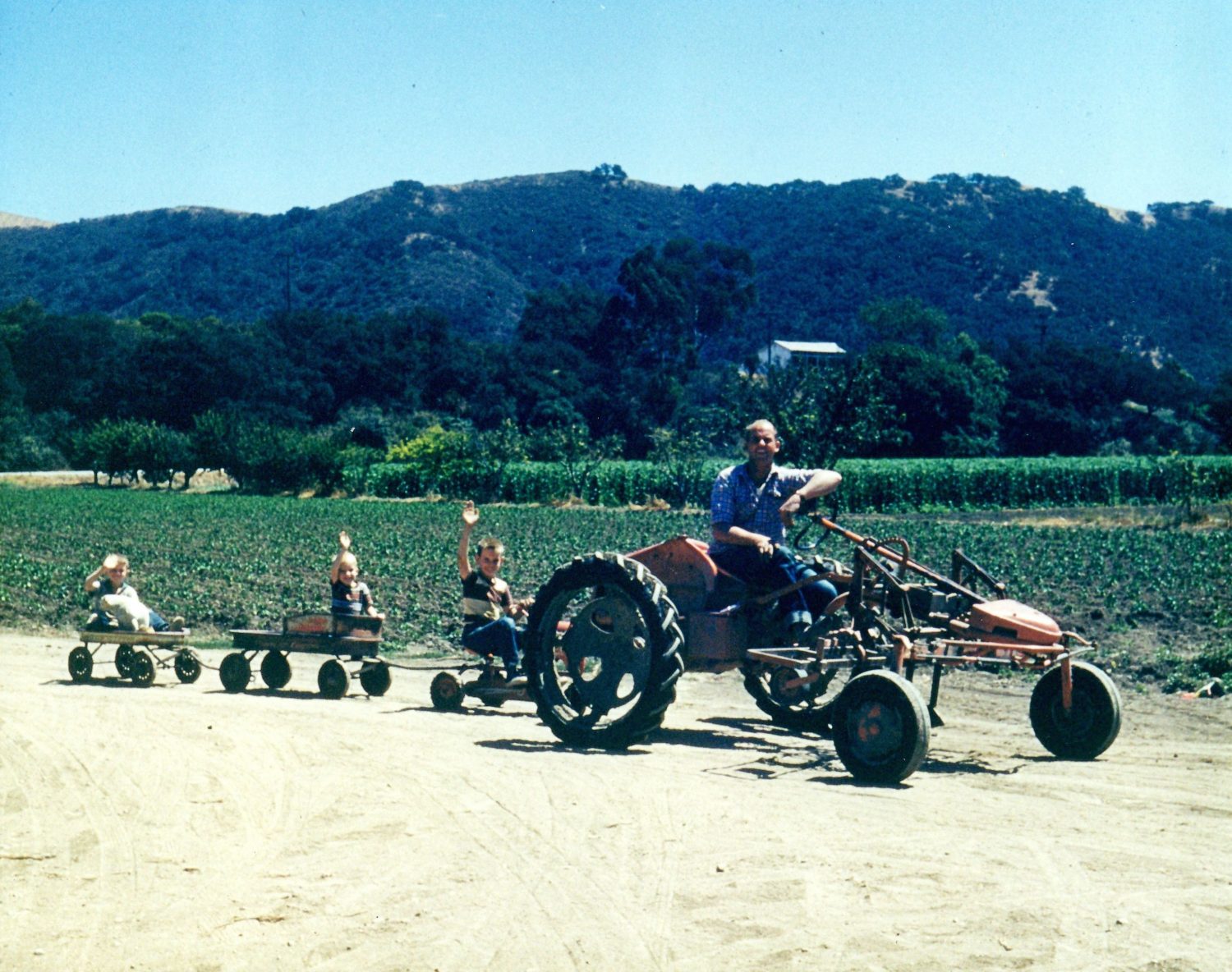
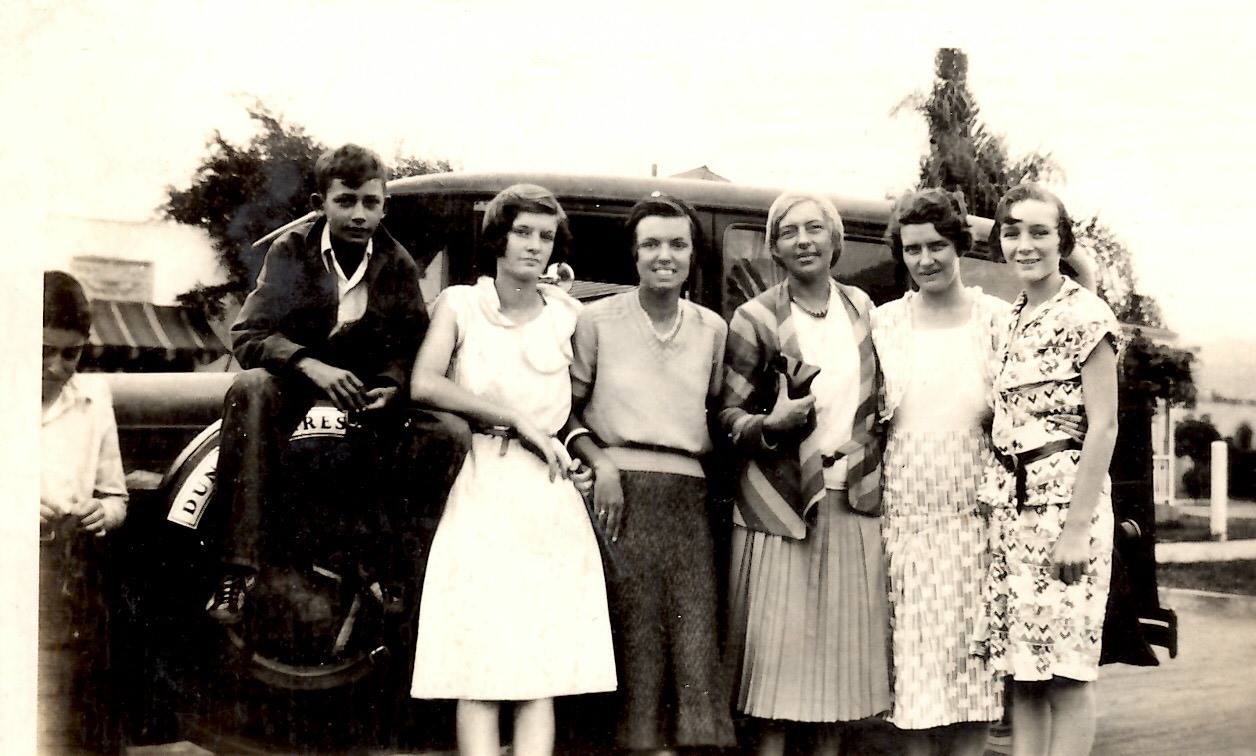
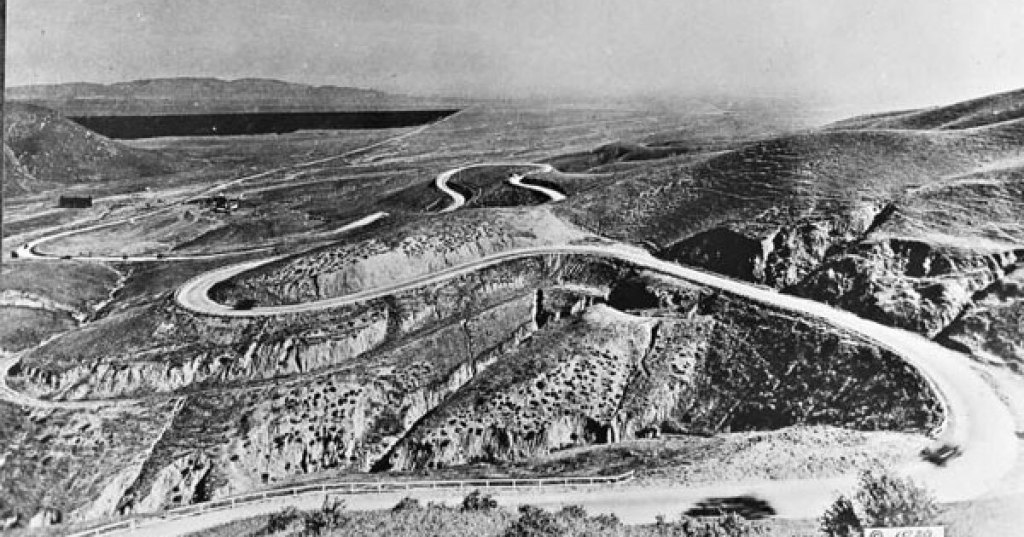
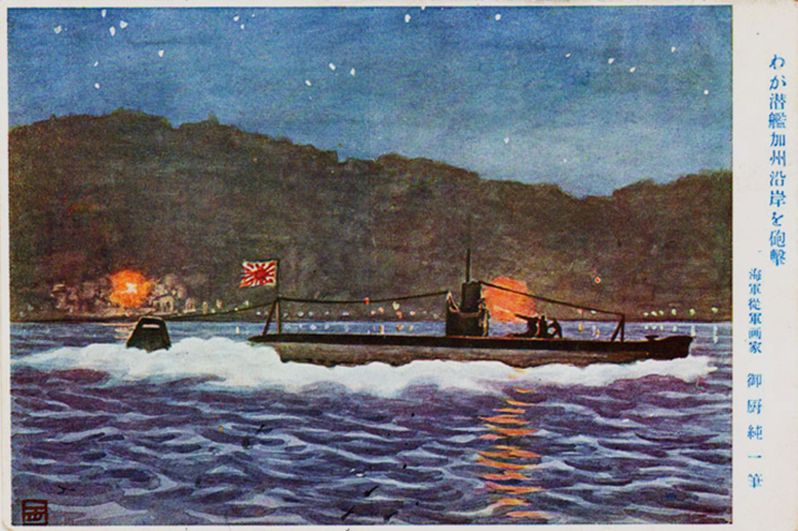
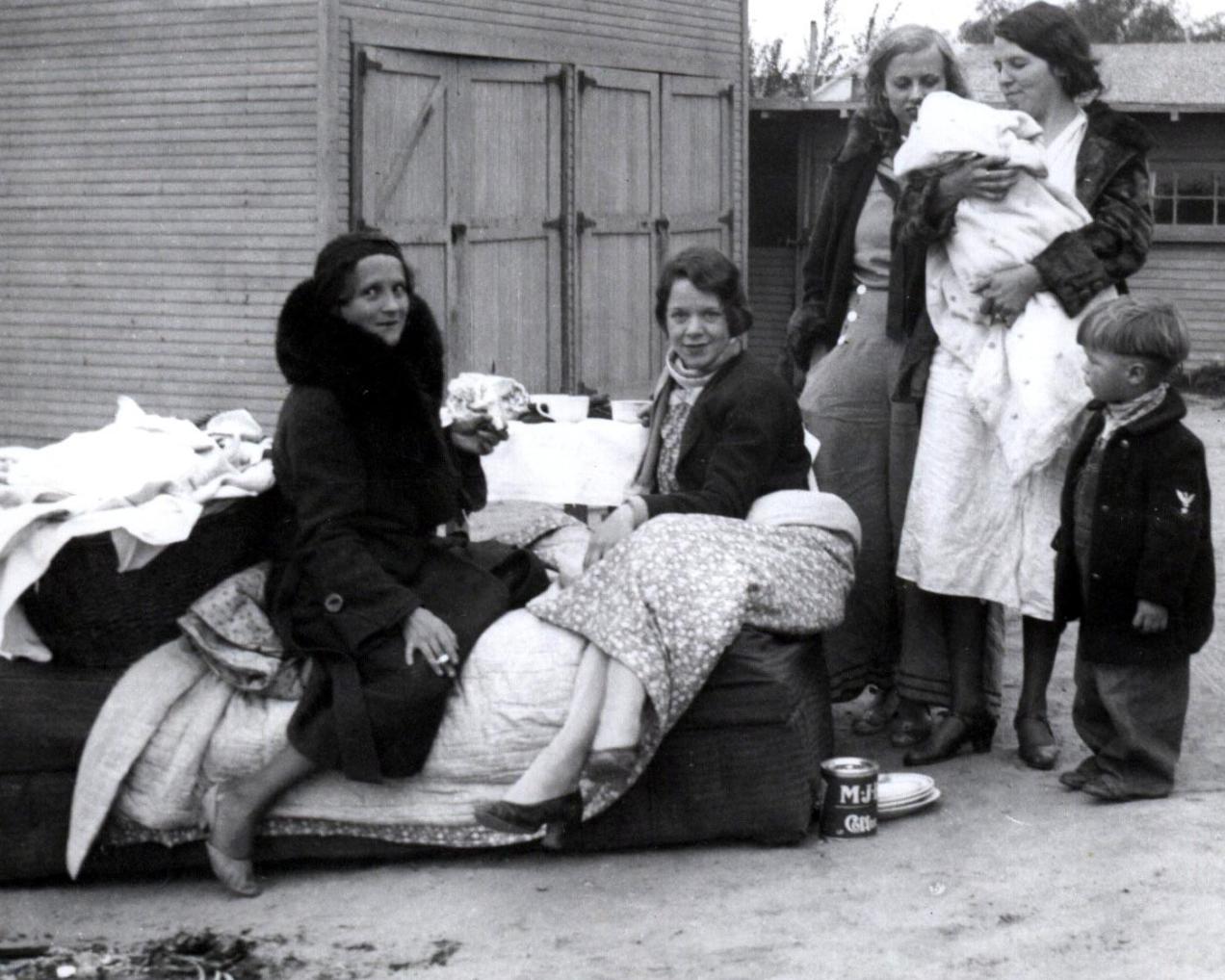
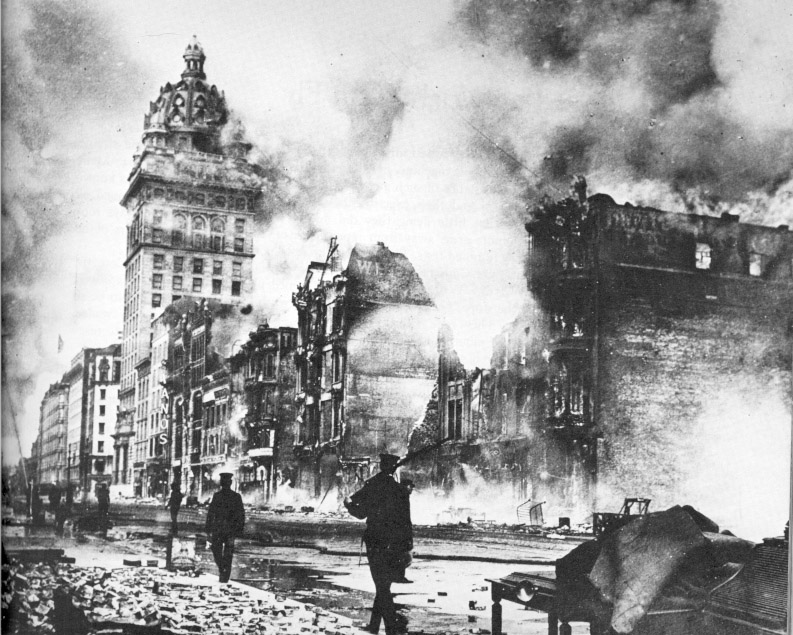

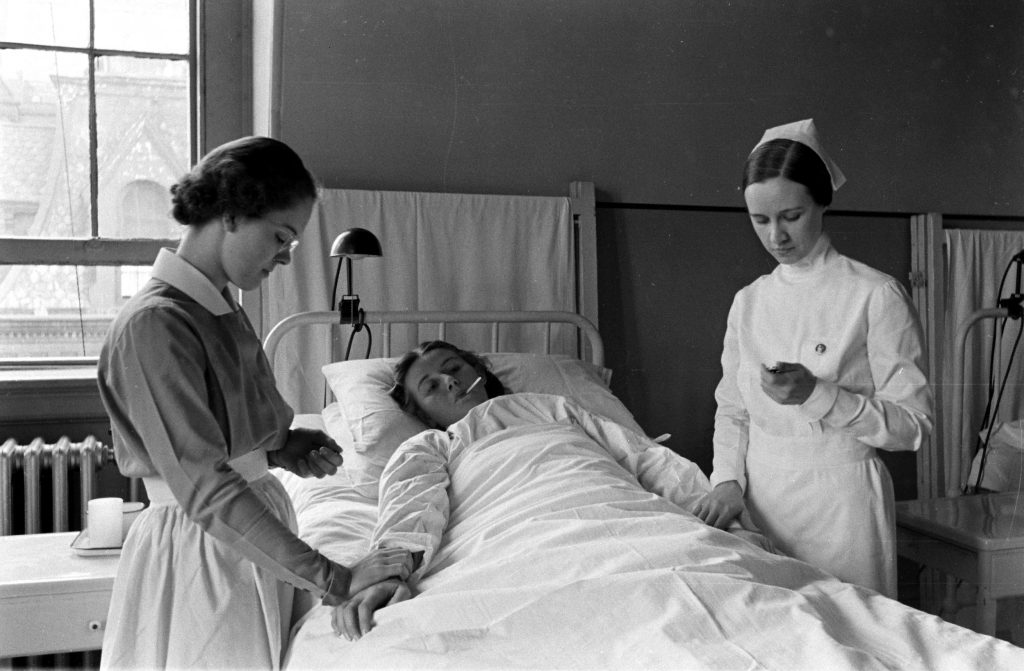


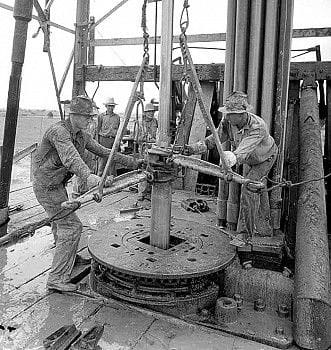
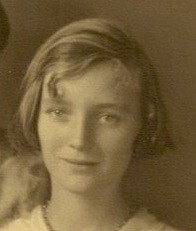
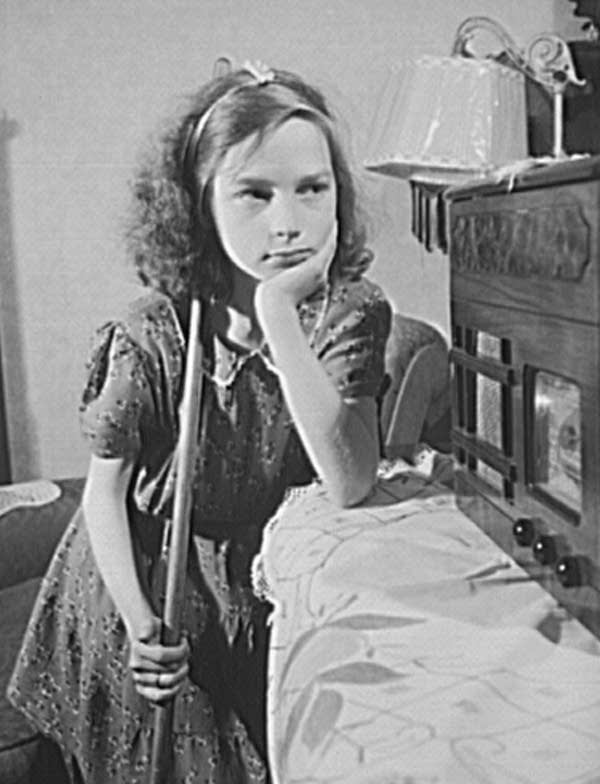

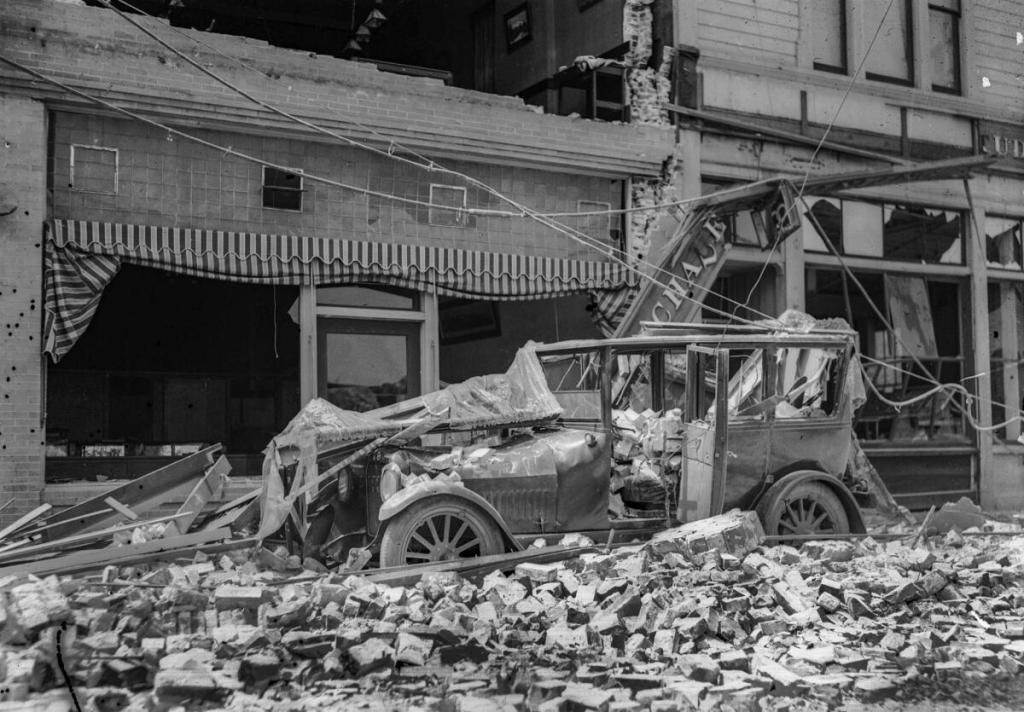
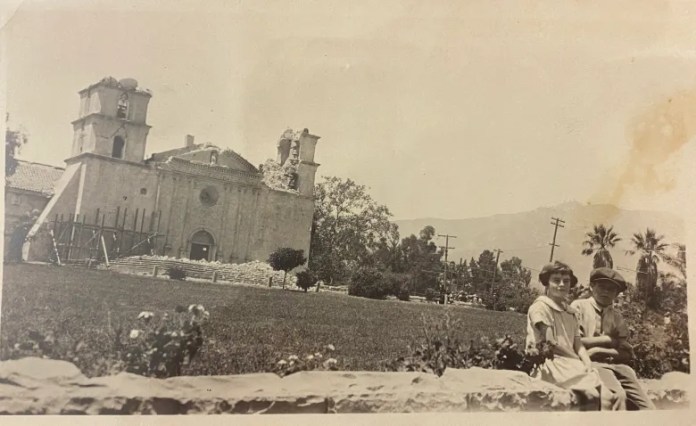


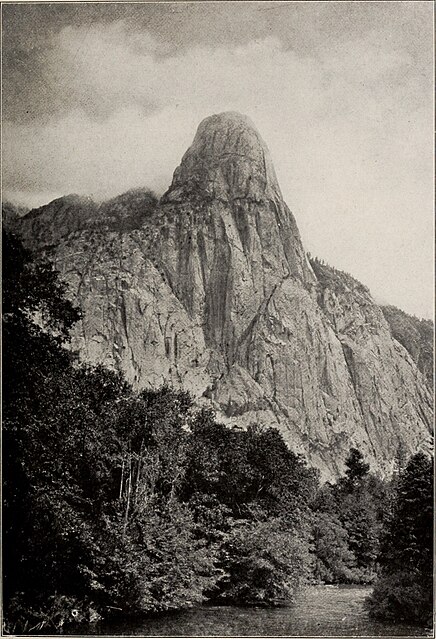
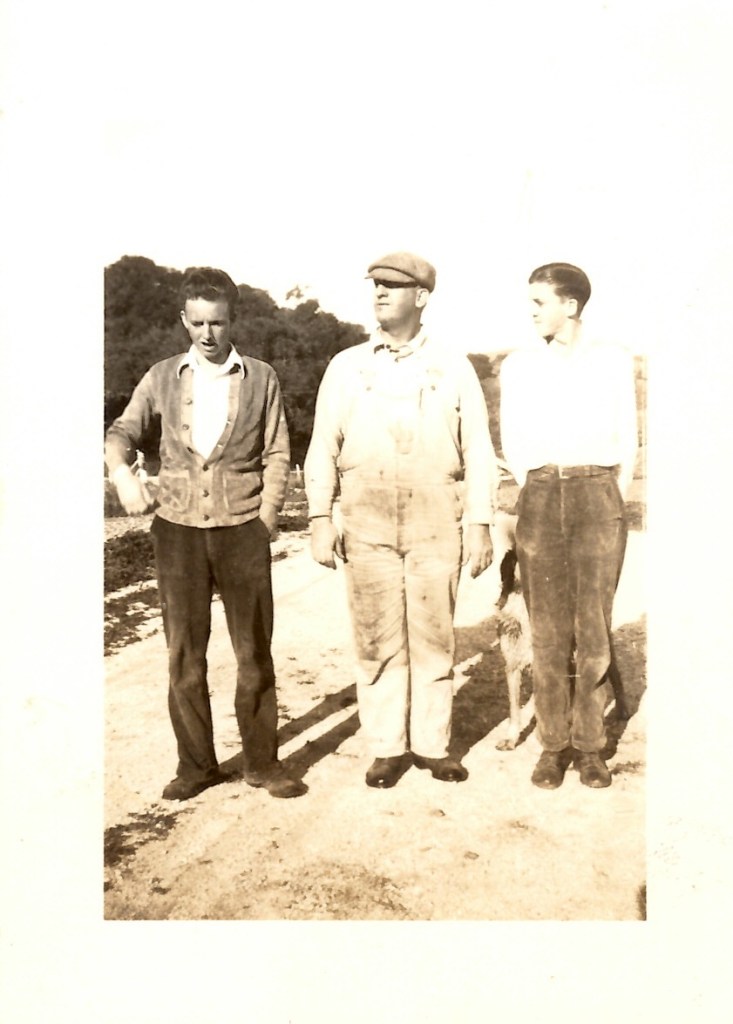
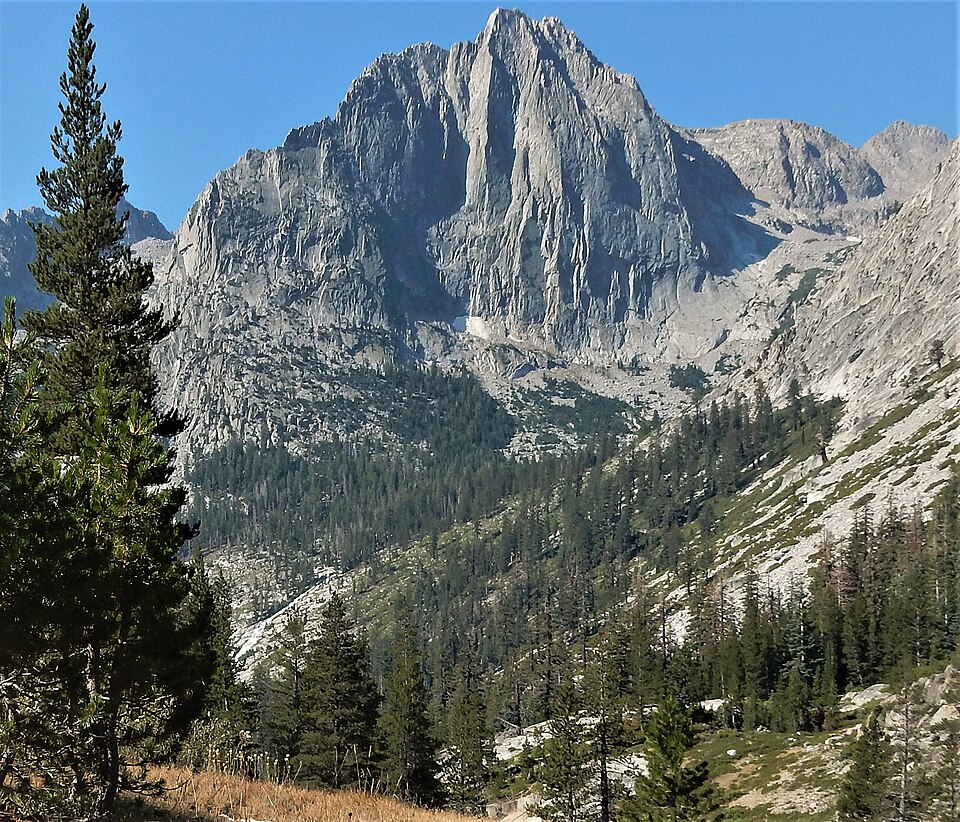
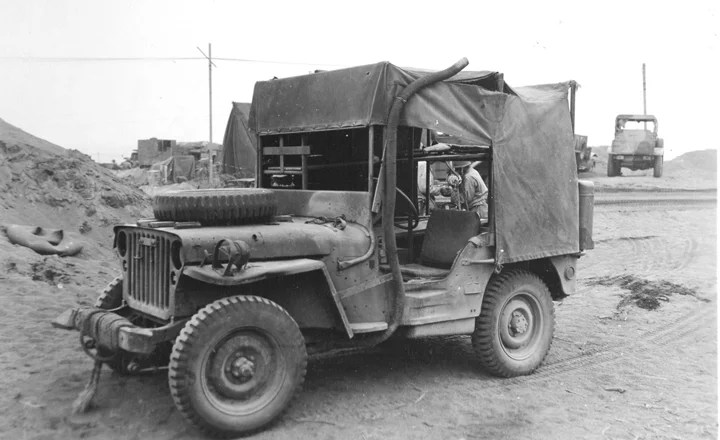
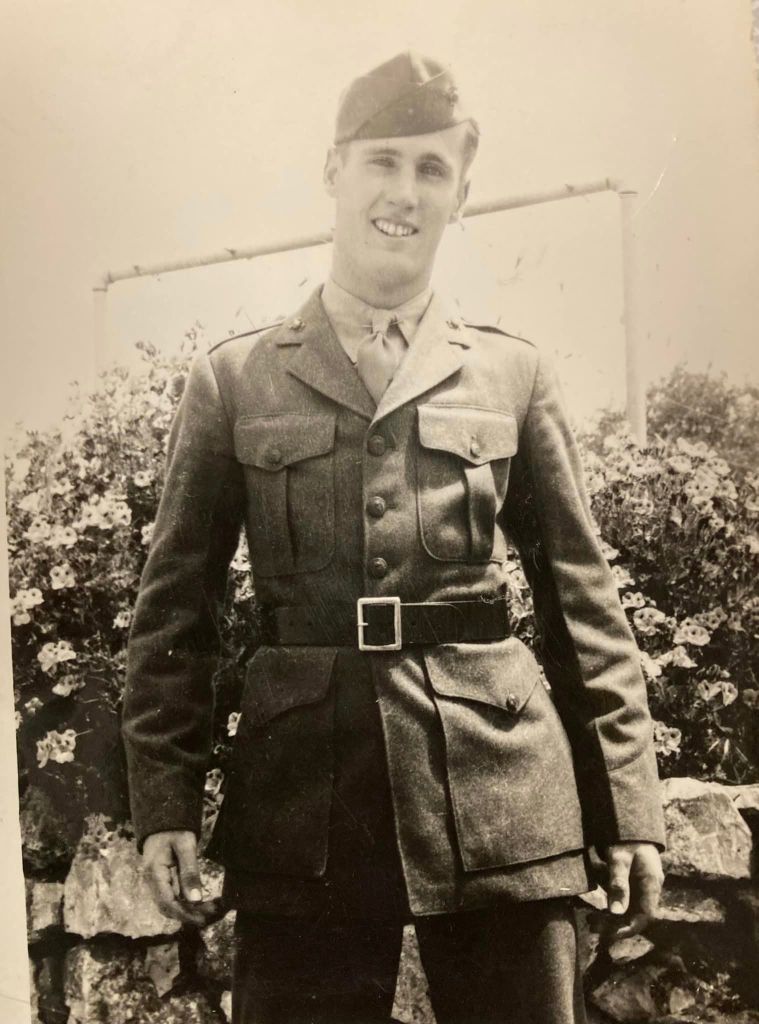


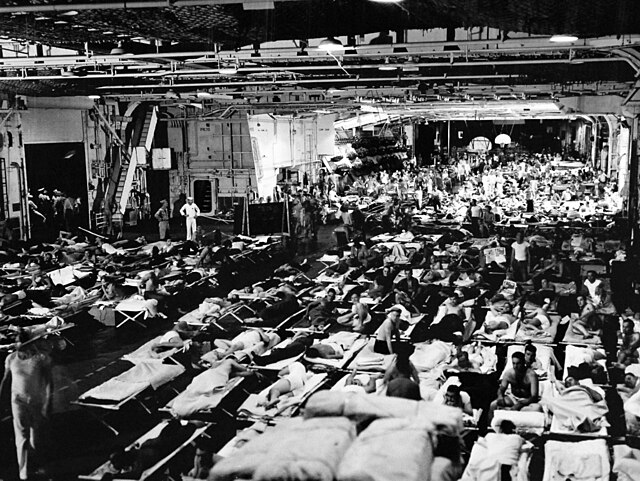

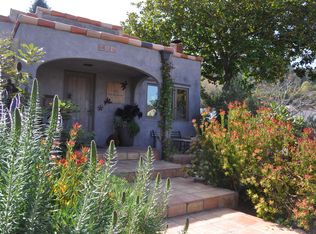
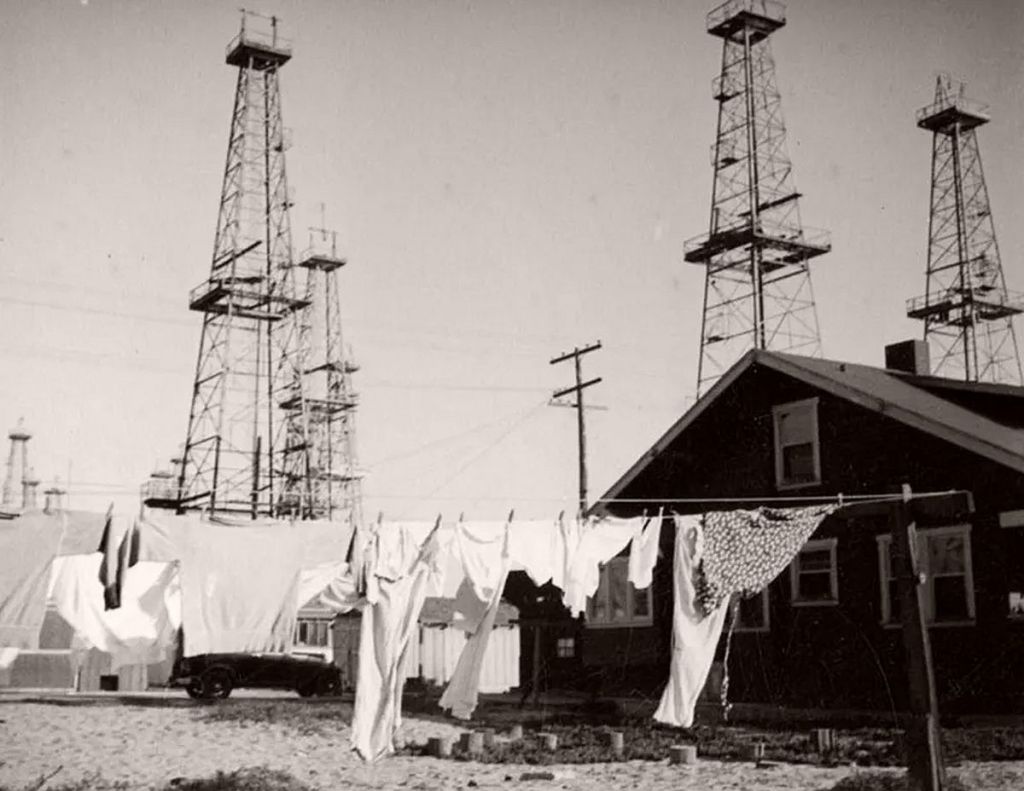
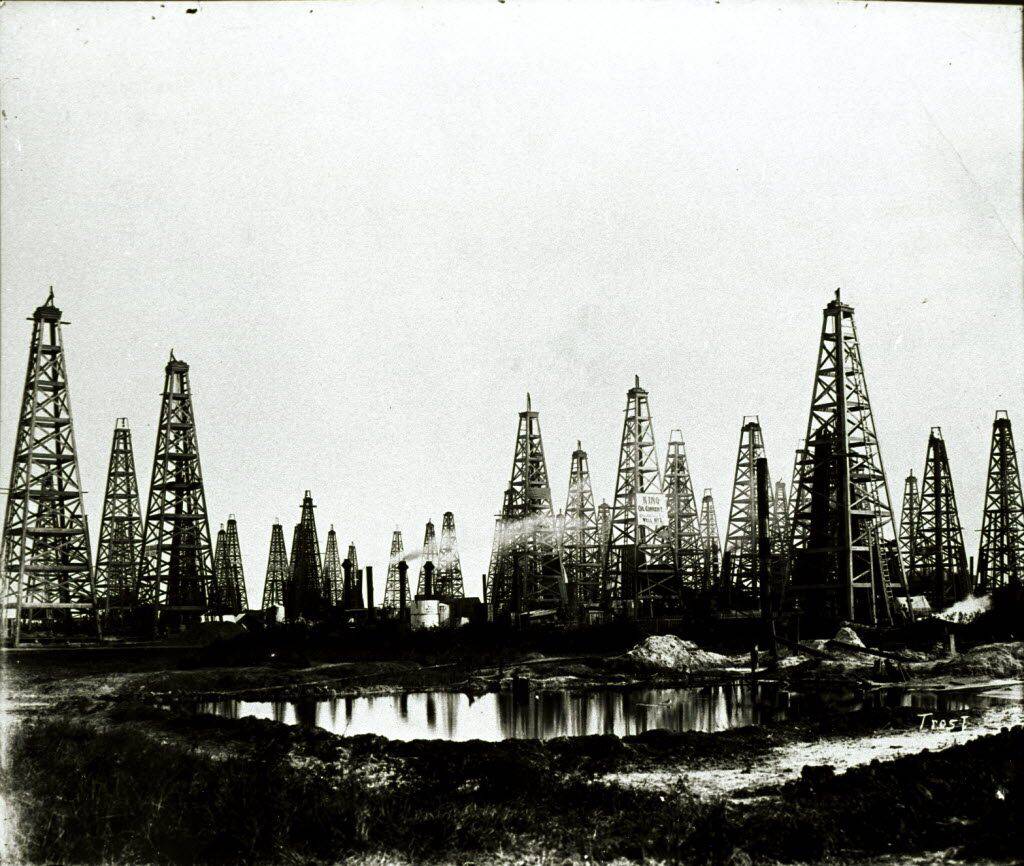
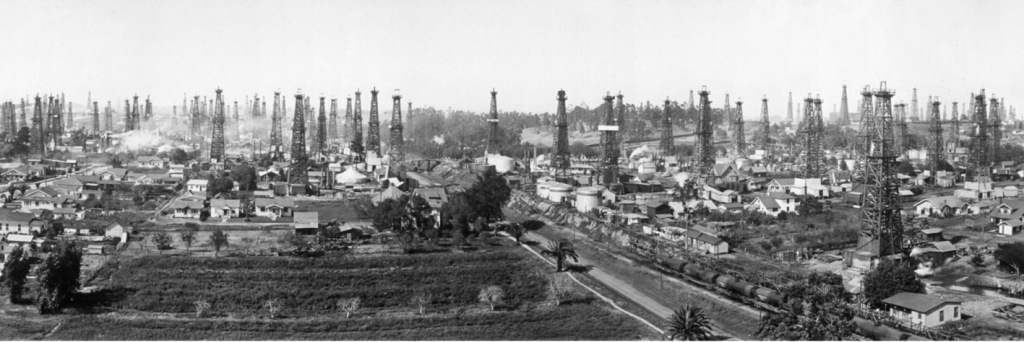

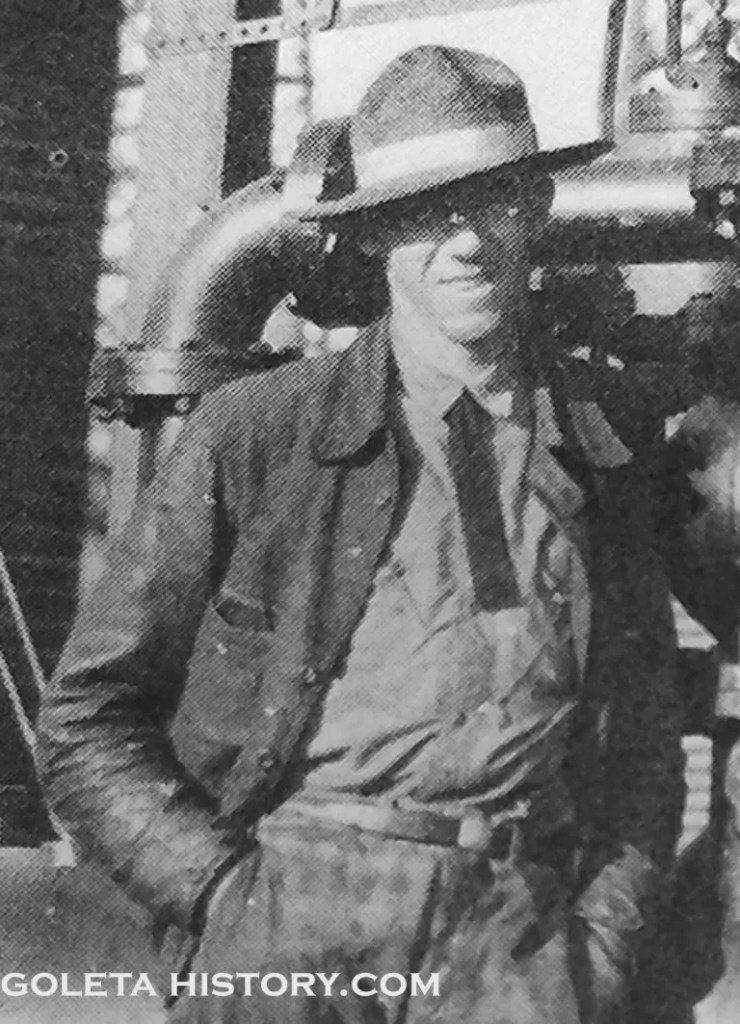

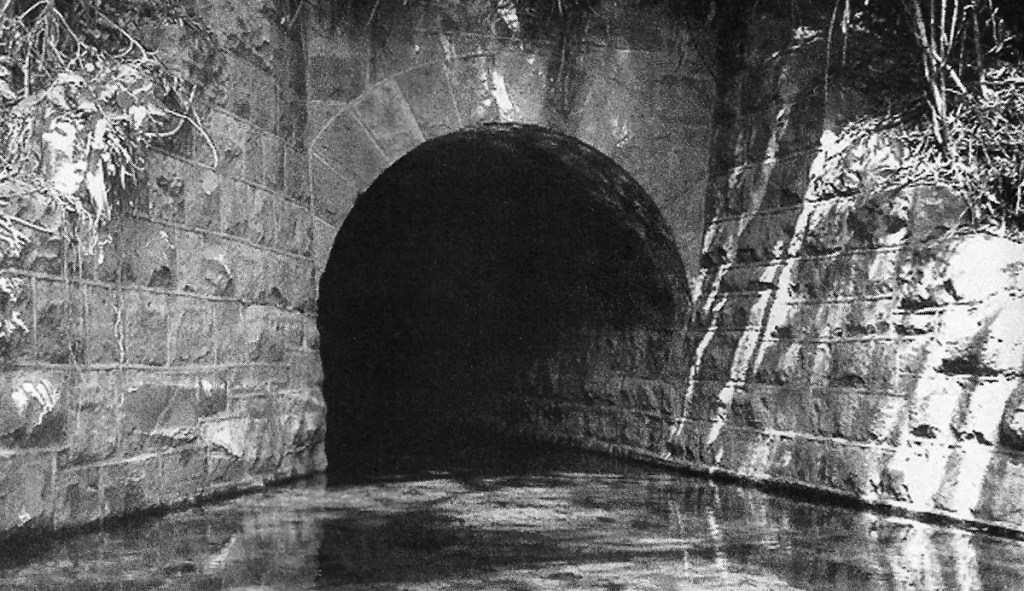
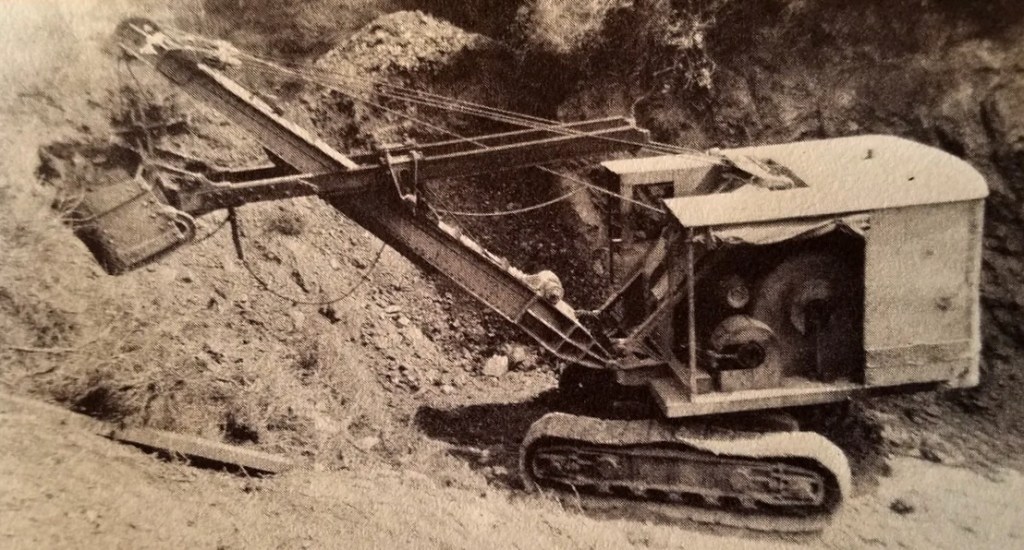
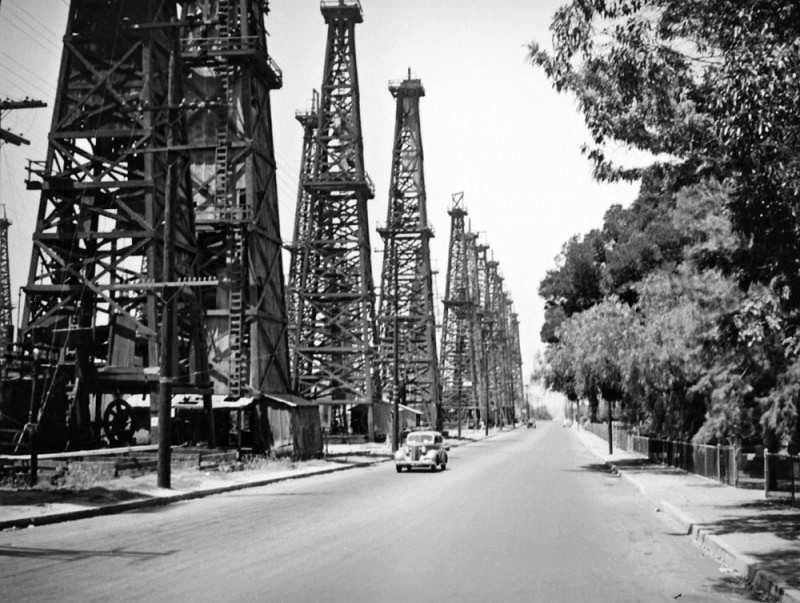
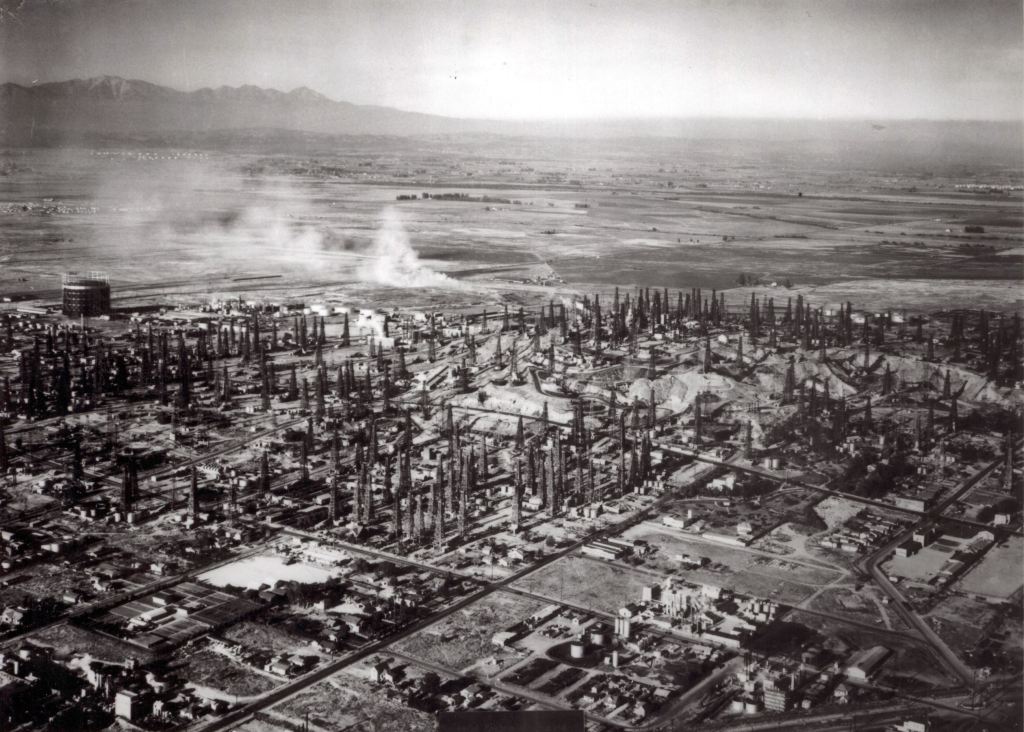

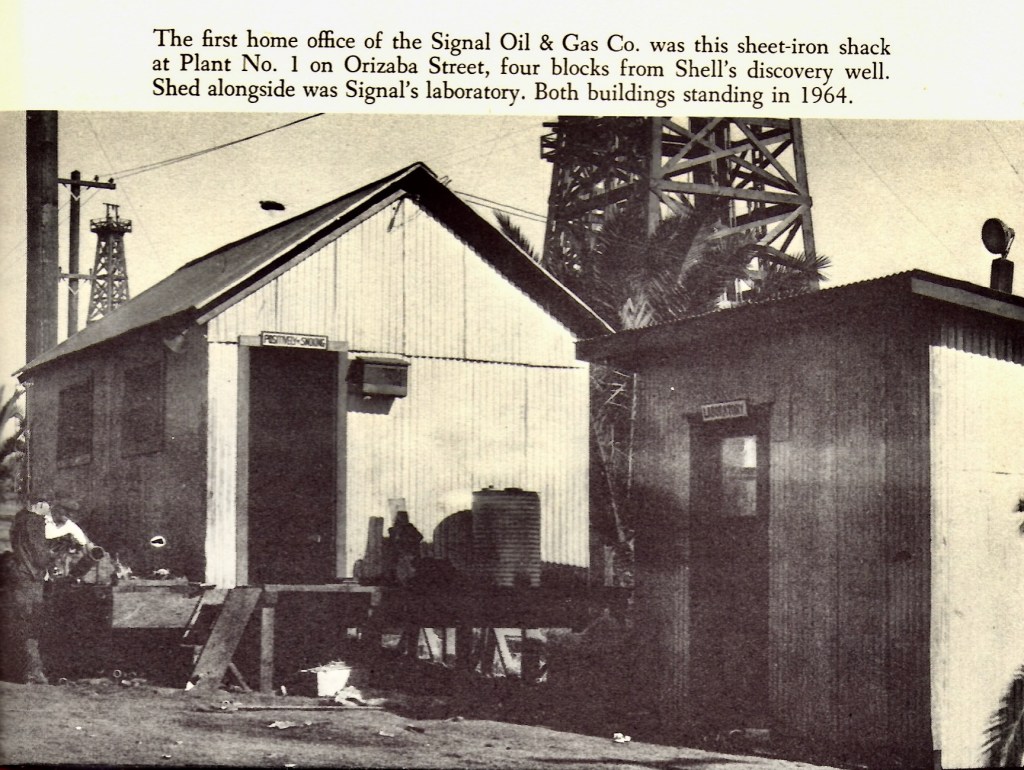
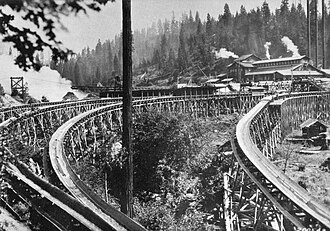
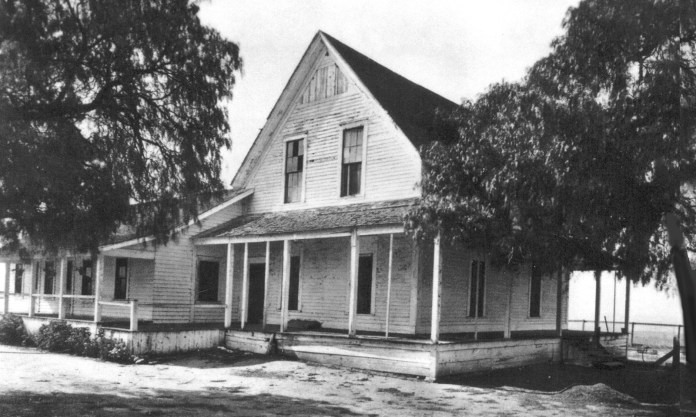

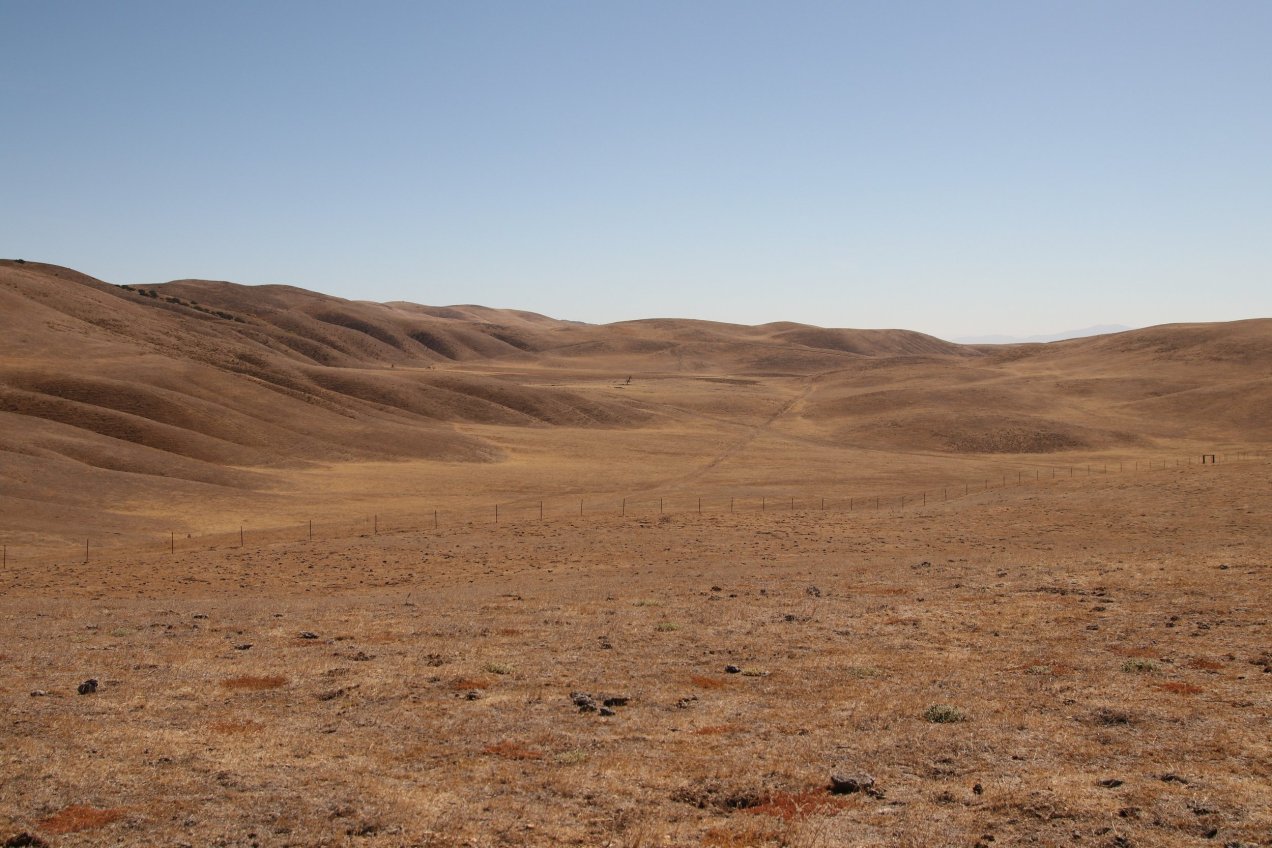
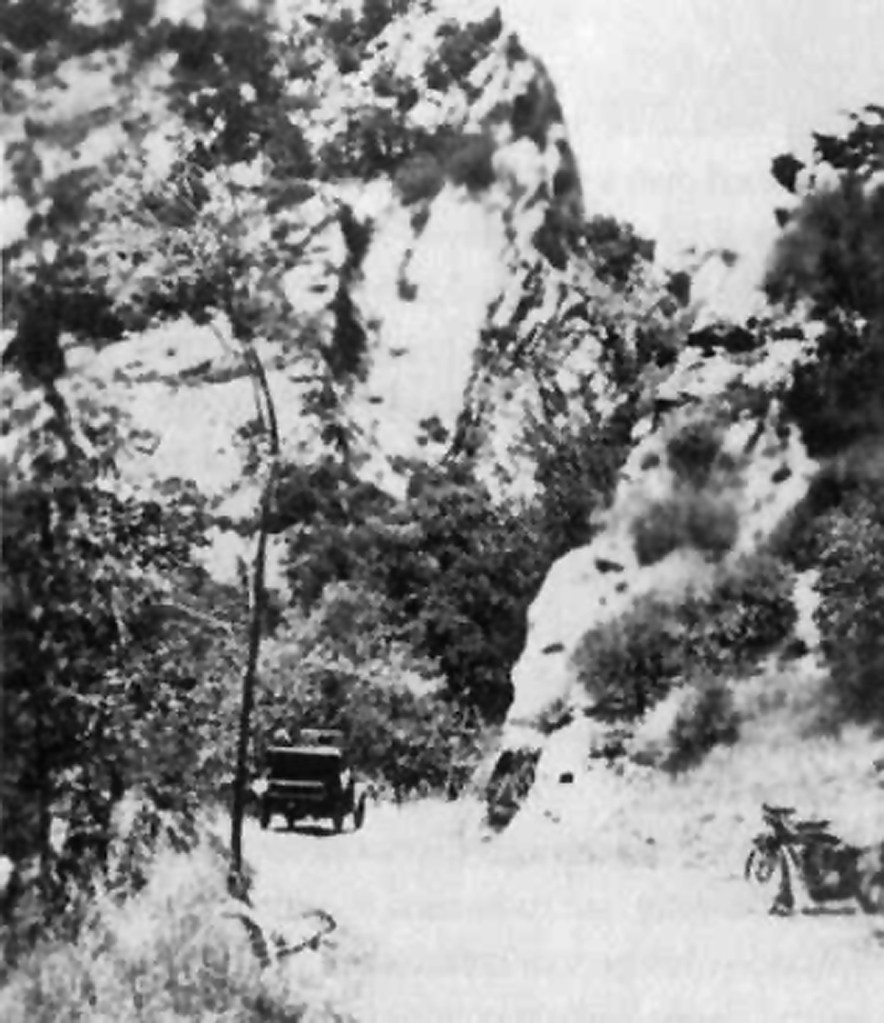
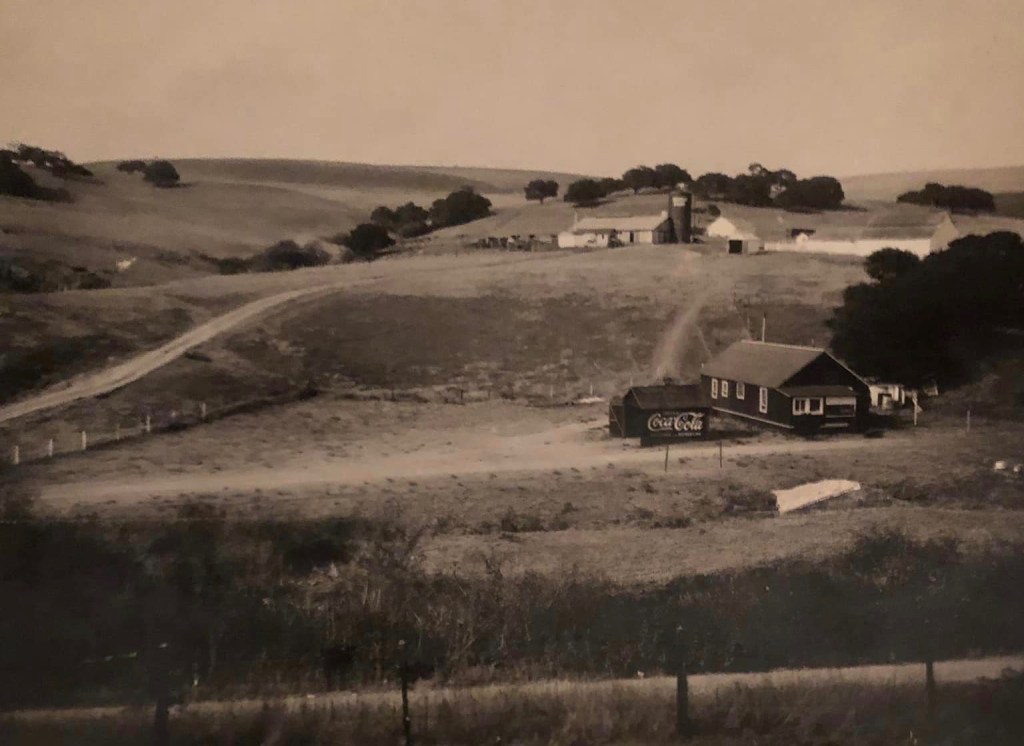

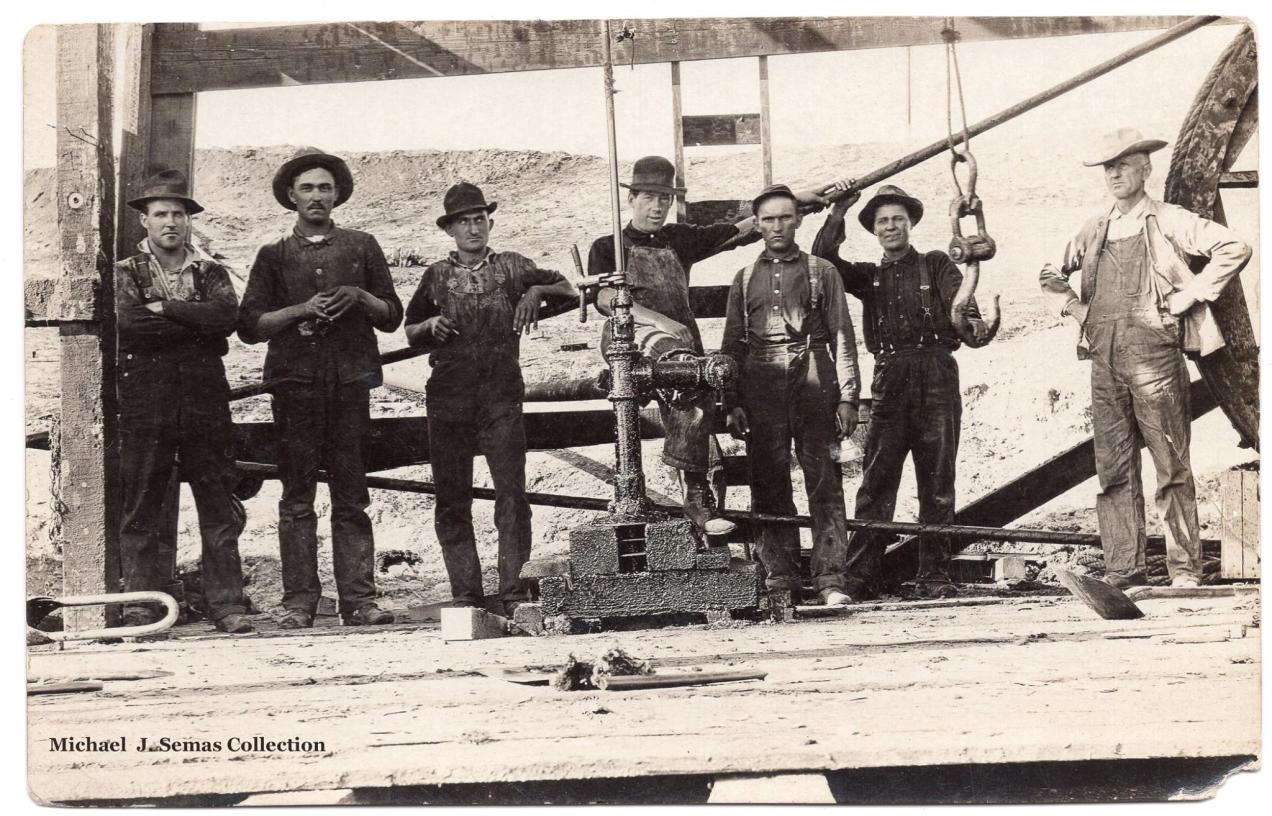
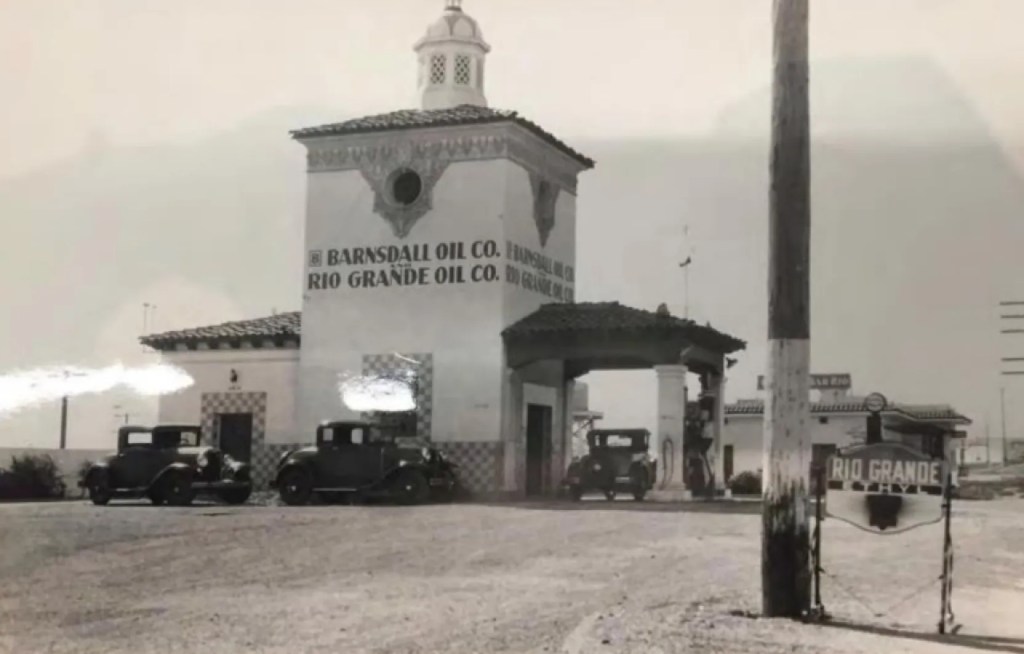

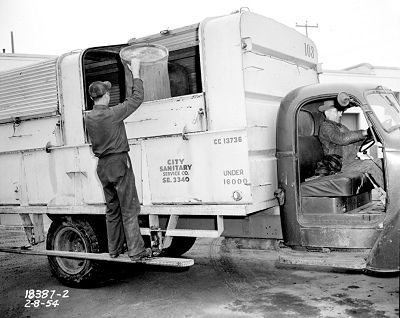
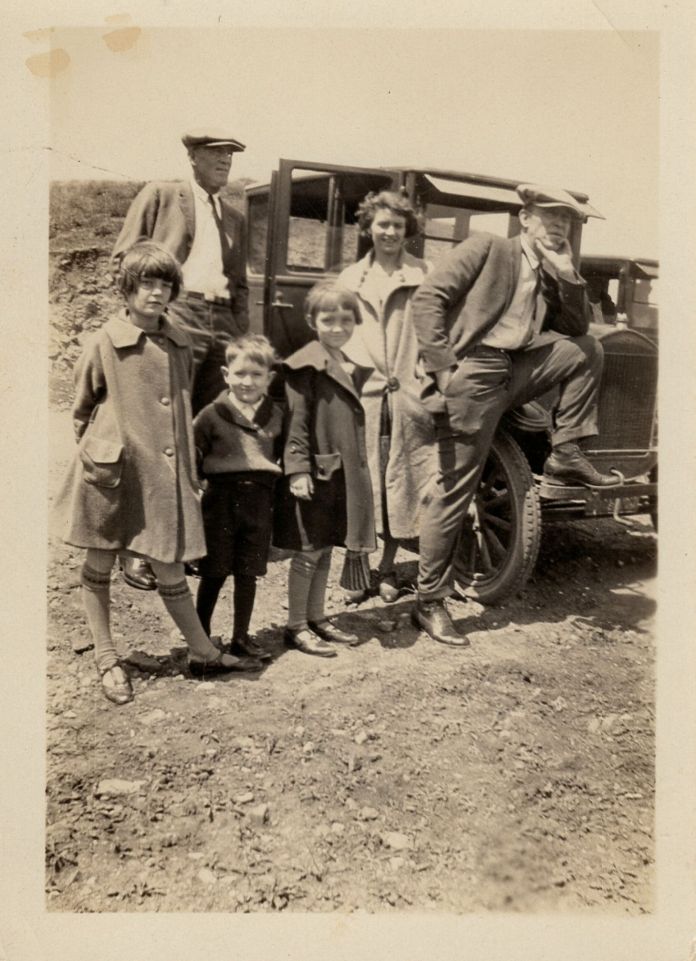
 atthetable2015