On the first day of bootcamp, hang out with the smartest looking guys in the room. If chief Whitten says, “Always wear boxers not tidy whities because they will make you sterile,” he’s right. If you have Southerns in your company and they say, “We’re gonna go get some cock tonight, don’t laugh.” They like to fight and they live in the bizzaro universe where everything is the opposite. You might not learn much as a boot but you will remember “The Washington Post March” ’til the day you die. You learn to clean, white glove inspections are not just a movie thing. “Field Day’ is held every thursday throughout the Navy and Marine Corps where everything is thoroughly cleaned from the overhead to the deck, including the heads, then inspected friday morning. Yes they use mirrors to look under the heads rim. The Navy feeds; real milk, real butter and fresh donuts. Beer in the enlisted clubs is cheap. Dress blue trousers have 13 buttons, each one giving her a chance to say “No.” Liberty cuffs; your jumper sleeves have cuffs, to embroider the inside of the cuff with dragons or other flummery is forbidden, but of course, everyone has them. Your first dress blues are tailored with a 28 inch waist and in two months you will outgrow them. Everybody wears the same uniform; exactly. The only item of dress that’s individual is the Dixie, your little white hat. There are a thousand ways to roll it, crimp it, box or whatever you like. When you make 3rd class your rank is called a ” Crow” and it must be ” pinned ” on by which I mean sailors will punch you in the arm until it’s black and blue and you have to stand a round of drinks at the enlisted club, which will, of course, be full on that particular night. Word gets around, ” scuttlebutt, ” its called and it’s seldom wrong or maybe, right. You must learn how to carefully wake a sleeping sailor for their watch by softly pinching the nose so you don’t wake them suddenly and get your ass kicked. You can train yourself to wake up at the first electrical crackle of the fluorescent light over your rack and get your head under the pillow so you are not blinded. Sailors don’t have to salute officers indoors because in the Navy no one wears covers (hats) inside. Army and Air force officer pukes do wear covers inside and Navymen don’t salute them. They hated that, swabbies loved it. Some days it was the best thing that happened to you. When they gather your company together and give you the come-on for the Undersea Service, don’t be a sucker. Subs are not called Sewer Pipes for nothing. When the priest gives the “Sex lecture,” the entire auditorium will howl with laughter when he lists all the euphemisms for your penis. If you school with Waves, the pretty ones will all work for an Admiral. All the engine room ratings, boiler tenders, firemen, etc. will die first, don’t volunteer for that either. The two inch thick steel deck of an aircraft carrier melts like Velveeta if there is an explosion, thats why carriers have a locker below decks with snow shovels. Try not to imagine the rest. If your “abandon ship” station is a hundred and ten feet above the sea you are screwed. Black guys called us “Chucks,” we called them “Bloods” and it was all good. The absolute worst time to be on night duty in the Balboa Naval Hospital emergency room is when Cruiser/Destroyer Squadron 23 is just in from six months duty in the Gulf of Tonkin. The “Tonks” in National City, CA, belong to the Navy not the Jarheads, they have Oceanside. You both have TJ. Hard work pays off. Be the honor man in your class or; perhaps not. One of my friends was Honorman in “A” school and he had his jaw shot off in Vietnam. Never look an officer in the eye. All the answers are in the books, Navy Regs cover everything. Feel sorry for the kids in the “crotch,” they are way worse off than you. Do what you are told, you won’t be sorry. All in all, the Navy is egalitarian, you’re all in it together. You will know your shipmates better than you know your own family, and it will last as long as you live. You will learn how big and wonderful the world can be and how a guy from Lubbock Texas or Hillsville Virginia is just like you. Always remember you volunteered for this.
At the end you get a DD-214, and thats all good too.
John M. Shannon HM-2 USN Jan 1966-April 1970
Apologies to my cousin Bobby Hall whose picture I used, he was a sailor too.
Once, nearly everybody had a Tank House. You can still seem them scattered about farming and ranching communities of California, mostly the worse for wear but persevering. No one remembers when ours was built though we think both the house and the tank house were built sometime before the end of the 19th century by Thomas Swigert. It was the old Sullivan Ranch and when we lived there, was the property of Joaquin Machado, whose brother “Jinks” ranched up in the Alisos Canyon off the road to Huasna.
Mike, Jerry and little Cayce Shannon, all barefoot with our aunt Patsy in 1951. Tank house in the background. Route 1 box 593, Branch Mill Road. Shannon Family Photo.
A clue to the age of the building is the bargeboard visible in the upper left of the photo above. If you know anything about architectural history you will recognize the profile as typical of the bungalow and craftsman style homes built in the decades between 1890 and the late twenties. A reaction against the highly ornamented style of the Victorian era, these houses were simple in plan, easy to build and much more economical.
There are still many examples dotting the valley. Our neighbors, Gladys, yes, that Gladys, the former Miss Walker who taught in our elementary schools and who married Lester Sullivan, lived in a house very similar to ours. Miss Walker was my fathers 2nd grade teacher in 1919. The Sullivan’s tank house still stands right behind their old home on Huasna road east of Arroyo Grande.
In the very early days of our valley, you simply hand dug a well. The water table in the early days was only a few feet down and just a bucket was needed to fetch water into the house. As time went on and farms built windmills and used wind power to pump water up and into the redwood tank mounted on the top of the tank house. The old tank houses were built because a tank of water 20 feet in the air provided enough weight to pressurize water lines in a dwelling. A 5,000 gallon wooden tank weighed twenty tons when filled. Kids didn’t have to fetch water anymore. Very modern. Today they would be considered the ultimate in environmental sensitivity.
My parents moved to our farm in 1946. The old farm house had electricity, though it was the old Knob and Tube kind, the oldest form of house wiring in which two wires, one neutral and one positive ran through porcelain tubes and around small round knobs to perhaps one light or one outlet per room. The wire is fondly referred to as Rag Wire, the insulation was simply cotton-linen thread. Not really dangerous unless rats chewed the insulation. Not so safe for rats who chewed and touched both wires at the same time though. By that time the electrical system was at more than a half century old as was the plumbing. Installed at the same time as the tank house was built, it was galvanized pipe and had fifty years of iron scale lining the inside. Hard water my mom called it and it was the bane of every washerwoman in the valley. There are pictures of our house when it was painted white where you can clearly see the band of yellowed paint where the lawn sprinkler splattered it.
When I was in high school part of the boys uniform always included a crisp white tee worn under your shirt. Unfortunately, those of us farm boys who strived for sartorial elegance could only be successful until the first washing. Yellow followed washing just as inevitably as the moon follows the sun.
When my parents moved in, the tank house was still in use though the windmill was gone, replaced by a simple electric pump that forced water up the pipe into the redwood tank. Water towers with large tanks suspended on open platforms, many large enough to serve entire towns, can be found all over America’s heartland. But the enclosed tankhouses built entirely out of redwood, from frame, siding and roof to the water tank itself, are unique to California. Before municipal water systems they were common in towns like Arroyo Grande where homes sat on large farming plots. Out in the country they were in use much longer. After the coming of rural electrification, pumps replaced windmills. The tank houses stayed though. Tank houses had to be well-engineered and sturdily built to support a windmill and 5,000-gallon tank holding tons of water 20 feet above the ground. That is why so many of them were built with that distinctive shape — a wide base with sloping walls tapering upward to a square enclosed tank deck with a slight overhang at the top. A flat or pitched roof was built over the tank to keep out debris. The spaces between the rafters were screened to allow the breeze to cool the water.
Most folks in those days had little to differentiate the style in which they lived. My parents both grew up in plain homes as did almost everybody else in Arroyo Grande. Insulation was unknown, so houses were cold in the winter and hot in the summer. Nearly everybody had a septic tank and leach line and outside of town, water came from shallow house wells or was pumped directly from the creek. Things were taken for granted then that would be considered dangerous or unsanitary today. Kids went barefoot in the summer, wore the same clothes for days at a time and bathed Saturday night for church on Sunday. My mother did her best but when you live down a dirt road, surrounded by farm fields it was a losing battle. She lived with it without much complaint. She was an oilfield girl and knew all about dirt. She did her best.
Occasionally though, she kicked over the traces. Some things could simply not be borne; she would stand up to my dad and lay down the law. In the fifties most of my friends parents had a relationship that still abided by the old chauvinistic norms that had the father as the wage earner and the mother as the homemaker. Farmers were staunchly conservative. It was very difficult as a child to win an argument with him. He was smart, had a head for math and statistics and his life’s experience put him way ahead of the curve intellectually. He kept a copy of the World Almanac next to our kitchen table and read it for fun. If you wanted to make any headway in a discussion with him, you’d better check that book ahead of time. He was also a bit of a Circulist. Also known as “Begging the question,” it’s an argument’s whose premise assumes the truth of the conclusion, instead of supporting it. In other words, you assume without proof, the stand/position, or a significant part of the stand, is in the question. He also loved to say “Thats all we’re going to say about that,” which ended any spirited discussion. He genuinely liked women but didn’t always give them high marks for intelligence. He once illustrated this by telling me that my grandmother, his mother wouldn’t vote for Thomas Dewey because he had a mustache. In a world of Republicans, Dewey was the great hope to unseat FDR and for a ranchers wife not to vote republican for what he considered a silly reason, “Just proves my point,” he said. On the other hand, he wouldn’t vote for Kennedy because not only was he a Democrat, he was a Catholic, notwithstanding that his closest friend was Catholic, a man whom he respected and cared for until the day he died. Some things defy reason.
Once in a while, though, things happened in our house that my mother wouldn’t tolerate. Screech Owls drove her over the edge. Like most farms and ranches in the time after the war, we still had a barn. It was an old hay barn, with mangers along the sides and a loft above. Dirt farmers had little use for them, they were from another time before the “Johnny Popper” replaced the horse. Most sat empty. They were great places for kids to play and we did that. Ours, the one next door where Oliver Talley farmed, Lester Sullivan’s, the old barn on the Hiyashi’s farm across Huasna Road, down at Perry’s and over across the creek at Rudolph Gulartes. Other than kids and barn owls, they were unoccupied. Children by day, owls by night.
As the old barns and silos were abandoned and torn down, the owls had to look for new homes under the eves of the tractor sheds, the old corn cribs and finally under the roof edge of our tank house. In the days when boys with rifles shot anything that moved, we were ordered to leave the owls alone because they dined on rats and mice which would get into the grain and feed sack storage. There were strict rules about shooting too. If you shot a hole in the roof of one of our buildings you were not going to be happy, believe me. You’d think that all these boy killers would be hard on wildlife but the fields were rife with Killdeer, Magpies, flocks of Blackbirds and the brown Thrasher. The Killdeer would follow the tractors through the fields and search the new furrows for worms and grubs to eat all the while calling out to each other their distinctive cry, “Kill-Dee, Kill-Dee. The Thrasher’s many calls from the brush constituted the greatest variety of any north American bird. On my grandparents ranch the beautiful Magpie was to be seen picking nuts and seed out of the cow manure. In fact, as the well known rhyme “One for sorrow, Two for joy, Three for a girl, Four for a boy, Five for silver, Six for gold, Seven for a secret never to be told.” shows it is only seeing a lone magpie that brings bad luck and groups of magpies are said to predict the future. They talk a lot among themselves too, constantly . The old slang word “Mag”, short for Margaret, means some one that talks too much. You can put the rest together yourself.
Sadly, most are gone from the fields now, primarily victims of habitat loss, incidental poisoning from the use of Pesticides and Herbicides and the encroachment of development. We are the poorer for it.
At our house though, the barn owl, or as my mom called it, screech owl, doesn’t hoot. Their cry is a combination of fingernails scratching an old fashioned slate blackboard, a baby’s cry and the sound of a kid just learning to whistle through his teeth. They annoyed my mother exceedingly. Really annoyed her when she figured out what was coming out of the kitchen faucets. At first there were little bits of what looked like minerals, tiny pieces of rock that came up the pipe from the wellhead and into the tank. She could hold up a glass of water to the window and see particles floating in it. To a girl raised in the oil patch, that was no great shakes, after all she was old enough to have lived in ranch houses when she was young where the water came into the house in a bucket you had to carry. She could tolerate at lot of things a farmers wife had to and not be particularly concerned. But when the first little feather came out the spout, the scales were tipped. Thats when she understood that it wasn’t mineral but bone fragments. It was a little puzzling at first, but she told my dad to find a ladder and climb to the tank house platform. This in itself was a challenge because my dad wasn’t someone who enjoyed any place where his feet weren’t touching the ground. So, being the boss, he sent his employee, Lester Haas instead. Lester, or “Lek” as he was known, poked around up there for a bit and then tossed 3 dead screech owl chicks down. What had happened was that the chicks, just fledglings, and had fallen from the nest into the water and drowned. Hence the little feathers. Lek thought it was pretty funny, being an Okie and all. Hard life was meant to be laughed at where he came from. My mom didn’t laugh though and she lit right into dad. He’d better take care of that tank “Right now.”
And he did too. Keith Rapp did the electrical, Water well Supply put in the pressure tank and pop hooked ‘er up. That old tank came down forever and another nail was put in the coffin of the “old days.” That water made you boys strong and healthy though,” he always said that and maybe he was right.
These stories are normally published on WordPress once a week. Check the follow box if you don’t want to miss any. Thanks for reading.
Michael Shannon is a recovering farm boy and writes for the fun of it.
If you think you don’t know your parents life before they had you, you’re right.
My dad was a good boy. He was a good man too. He followed the rules even if he didn’t like them. He did what his mommy asked him to do. He got rid of the goat when she said, “Only shanty Irish keep goats,” even though he loved that goat and told stories about it all his life. He really wanted to do good. Sometimes, though, it was just impossible.
He noticed the plume of smoke through the open schoolhouse window and quietly elbowed his friend Kenny Jones. They watched from the corner of their eyes until suddenly a burst of crimson flame framed in black, oily smoke shot up from behind the trees that surrounded the old Arroyo Grande schoolhouse yard. It was too much to bear. Miss McNeil had her back to the class so they made a break for it, jumping out the window and hightailing it for the fire. Behind them they could hear Muriel Metzler hollering at them to come back. “Miss McNeil, Miss McNeil, George and Kenny jumped out the window, George and Kenny jumped out the window.” Miss McNeil flew to the window but she was too late, the boys were gone.
Arroyo Grande Grammar School Staff 1925-25
Sitting, l-R Miss Phoenix, Mr Faxon Principal, and Miss Righetti, Standing l-R Miss Doty, Miss Wimmer, school nurse, Miss McNeil, Miss Walker, Miss Lambeth and Miss Cotter
It was Fred Marsalek’s home. They had just moved there from the Oak Park area the year before. They farmed Walnuts on nine acres of land they bought from John Huebner. The farm was about a half mile from school as the crow flies and fly those boys did.
With just a population of around 850 people Arroyo Grande was a pretty typical small farming town in the mid 1920’s. The main street had recently been paved and concrete sidewalks replaced the old wooden ones. There were some new, but dim, street lights on Branch St, but everywhere else, particularly on those moonless nights you had to know where to put your feet. Some things had changed, boys, mostly wore shoes to school now. They were more likely to go on to high school than their fathers. Dad’s father, Jack Shannon dropped out of school in the 8th grade in 1896. Boys were expected to work then. At 14 you would have been expected to do a mans work. For a number of years there was no high school in Arroyo because the principal taxpayers, mostly farmers didn’t see the need for schooling boys and refused to pay the school tax. My grandmother Annie, went to Santa Maria HS though she lived in Arroyo Grande.
Electricity was common and indoor plumbing had been installed in most homes, though not in my grandparents house. That wouldn’t come for another year and even then my grandparents had to pay for the lines to be strung out from town. The juice went to the dairy they owned in order to operate the sterilizer, pasteurizer and the milking machines. It would be 1925 before they had electricity in the house at the foot of Shannon Hill on the Nipomo road. No one had radios yet, the first radio broadcast in the country was radio KDKA in Detroit in 1920, and that was a long way from Arroyo Grande. Radios were considered so important that they were an item on the 1930 census forms. If you wanted news you read the papers. There were two in Arroyo Grande and the Los Angeles and San Francisco papers were delivered each day by train.
There were still saloons even though it was an “officially” dry town and had been since 1911 when the city was incorporated by a vote of 88 yeas to 86 nays. There were a few dozen residential lots, clustered mostly on the east side of Bridge Street. The rest of the area was dotted with small farms, it was a pretty quiet place to grow up.
Fred Marsalek grew artichokes, peas and had walnut trees, which were a big crop in those days before the development of efficient railroad refrigerator cars which changed farming from dry crops to the fresh vegetables that we know now. Entire families lived on small acreages which wouldn’t be profitable to farm today. People still kept chickens and many had milk cows. There were barns behind most houses because the day of the horse wasn’t over yet. Many farmers still used them for cultivation and pulling wagons and buggies. Fred didn’t buy his first auto until 1929. Valley road was just a dirt track and would have been nearly impassable when it rained.
On that day, dad probably rode to school with Newell Buss and his brothers, They came down from their ranch behind Mount Picacho, picking up my dad and uncle at the dairy. A buckboard full of young schoolboys pulled by a tired old horse who spent the school day hitched to a post in front of the school, a nosebag of grain hooked behind his ears, swishing his tail at the occasional fly.
Kenny Jones would have walked from his house on Myrtle street. Drifting toward school on the footpath that would become Poole St. but at that time just wide enough for a couple of kids to walk side by side. The crowd grew larger as they passed the McCoy’s, and the Bardin’s before crossing Bridge St. to the grammar school. Kids coming down Pig Tail Alley and from the Phoenix, Harloe and Costa places or the Runels and Conrow ranches down the valley, funneling in the door before the final bell rang.
Kenny,s father Fred was a farmer and horse breeder, the grandson of Francis Ziba and Manuela Branch. You can’t get more local than that. He and my dad were best friends all through school. They went to grammar, high school and the University of California Berkeley together, even joining the same fraternity.
That was the future though. This day was about Fred’s house. They ran as fast as they could down the rows of pea vines, careful to stay in the furrows because, as every farm boy knows, you never step on a plant, that’s your living right there. Ruining crops was a bigger crime than ditching school.
The hollering from the school died down as they distanced themselves from the school and drew closer to the Marsalek’s burning house. It was already old in the 20’s and dry as a bone. Built of redwood from Cambria, those old houses, once the wood dried out were like tissue paper when they burned, fast and hot. The volunteer firemen arrived just in time to sprinkle the ashes. Surrounded by a few pieces of furniture and keepsakes they had managed to drag out of the burning building, Albina quietly cried.
After the fun was nearly over, the chief of police, Ben Stewart scolded the boys and ordered them back to school. Now, Ben was more than just the chief, he was the town tax collector and the city clerk. A little officialdom went a long ways in those days, but his word was law and dad and Kenny had to obey. Besides, Ben played poker with my grandfather and dad knew there was no escape.
So they slunk back to school. They were going to have to face the “music” as the old saying goes. Miss McNeil sent them to the principals office while Muriel and Bessie snickered behind their hands. The boys were secretly envious of course and wished they had gone to such a big event. Kathryn turned to her friend Mary Taylor and said in the superior way that girls have always had, “Those two are going to get what for alright.” They went down the hall past Miss Phoenix and Miss Walker’s rooms, Miss Doty and Miss Righetti had their doors open also and the sibilant hiss of giggles followed them right into the Mr Faxon’s office.
Mr Faxon taught eighth grade, as well as being principal, so he told they boys to sit down and wait and he would be right back. Dad and Kenny sat, fidgeting in their chairs imagining the fruits of their little adventure; the dire circumstances they found themselves in. Soon, Kenny started tapping his feet in an insistent rhythm and he turned to dad and said, “George, George, I gotta poop but I’m scared to leave the office.” Dad said he should use the principals toilet which was right there in the room. Kenny looked around, didn’t hear any footsteps so he quickly darted in and closed the door. Dad could hear the sigh of relief behind the door and a few minutes later the door opened again and Kenny came out, surrounded by a horrible miasma, a stench of the worst kind. Now dad grew up on a dairy and he knew smells, and this one was epic in its proportions, nearly making his eyes water. Kenny sat down and a moment later Mr Faxon came sailing in the door ready to do business. He suddenly skidded to a halt, looked at the two boys, then ran to open the windows. He stood with his head out the open window, then looking back over his shoulder he eyed both boys, he paused a moment ad then he said, “You boys get out of here, get back to class.”H e followed them out into the hall, carefully closing the door behind him. George and Kenny scurried back to class and nothing more was ever said about it. For several days the principal spent very little time in his office. The boys considered it a miracle. They were heroes.
The Arroyo Grande School, Bridge Street Arroyo Grande California circa 1920.
Those men. They always shook hands. I learned early in life that those handshakes were a form of communication. All kinds of subtleties, rituals observed by grown men that took a lot of growing up for me to understand.
Big Manuel had hands that were thick and muscular, criss-crossed with the scars that illustrated his life and when he held your hand in his it felt as if they were covered by the bark of the oak trees that grew on the hills we grew up on. No man would have ever said “I love you” out loud, they did it by touch.
When we were little he just tousled your hair when he came in, perhaps put his hand on your shoulder. As you grew, he offered his hand. By the time you were a teen and as tall as he was, it was the whole shebang, the gravelly voice with a mild insult and a handshake that engulfed yours. The love he showed you, running like current from his heart to yours. God, how I loved that.
It’s how men of a certain time showed affection. The men and women in my family were subtle in that way and each had his own manner. It was a very small play, acted out between two people, seldom varying in its simplicity, which was its charm.
Garrison Keillor had his Minnesota bachelor farmers and we had our farmer uncles, some of our blood and some adopted in friendship.
My Grandmothers brothers, Uncles John, Bob, Tom and her brother in law Olin. There was my dad’s brother uncle Jack or Jackie as he was universally known. We had another uncle Bob on my mothers side and my uncle Ray who was an uncle by marriage.
So, bunches of them. Some we saw often, others, not so much. For many years when I was growing up, the entire Shannon and Gray families got together during the holidays. Uncle John Gray, he of the pin-stripe suits and deep, deep growl of a voice, stood up very straight when he shook your hand. Aunt Eva, always perfectly coiffed, invariably dressed in a grey suit and smelling richly of powder would offer her soft hand, light as a butterfly. My grown cousin Iva Jean offered her little hand palm down, the fragile bones light as as a birds wing. She was a giggly girl, though she was in her forties. She was a simple woman, kind and loving. My uncle Bob Gray was short and wiry with a shiny bald head and he shook with the vigor of a life long farmer. My dad’s brother uncle Jackie shook with his arm akimbo, his right elbow swung out and his hand diving down on yours like a hawk on a mouse, a firm economical grip. My grandmother Annie, she of the Lace Curtain Irish, used her left hand which you softly gripped from the side with your left, your fingers slipped across the index finger and next to her thumb, and always delivered with a soft kiss on her cheek. When she was dressed up she floated in a cloud of White Shoulders, even today the scent evokes memories of her. My grandfather, “Big Jack” Shannon shook hands with a hearty “My blessed boy.” He left no doubt he cared for you.
They had all been born in another century and formality was like wearing a suit of clothes. They all walked in the histories of their time. The view in our kitchen was more inward than outward. Not in the sense that they were unsophisticated, but rather in a way that valued honesty, formality and steady friendship as the anchors of their lives. Manuel, Johnny, Oliver and those other men who sat and drank coffee at our kitchen table, did not talk out of school. Personal opinions were never voiced in front of children, or, I think, in front of wives. Dad’s friends seem homogenous to me, not in the way they dressed or walked to our door, but in their opinions about what mattered the most to them.
They played by the rules they had established for themselves. The big boy rules. They were hard to define and were slightly different for each. No one wrote them down and they weren’t easy to know but you were expected to do what you said you you would do, no questions asked, no excuses given. It was agreed that you paid for your own mistakes. Your problem was yours to accept and deal with. They took the best from each other and ignored the rest. Favors agreed to were freely given. It seemed to me as a child that these were the rules under which the universe was governed. It was a brotherhood of sorts and lasted for life.
Of course, it was all kind of a con job. They knew secrets; they differed on things, but they found no reason to share the petty with us. They had all experienced horror, sadness and despair but nothing of those experiences was ever shared. We learned about casual cruelty in school. When you were undone by events, these steady, anchored men let you know that all could be well in the world. They felt no need to apologize for being who they were. They were the men of the Depression, the World War, born in a time of want, a need that could only be satisfied by hard work. They were used goods, polished until they gleamed like the handle of a good shovel.
You might say they were simple people from another era and different mindset. They worked hard, they rarely read. They talked of land, food and weather. But is was more than that. My dad and his friends were steady people, they’d be quiet rather than lie, they were as good as their word and they were generous to a fault. You could count on them. They told you all you needed to know about them with just a touch of the hand.
When Big Manuel died, he wasn’t rich in possessions, he didn’t drive a fancy pickup and no one would have ever said he was a big shot. No, instead of that, he possessed the greatest thing a man can have, friends. Not just ordinary friends either, but men who, each believed with all their heart, that they were his best friend.
Status meant little to them. They valued the little things that made a life. When my father died and was buried, Manuel’s grandson came to the funeral and introduced himself to the family and said “My father was out of town and couldn’t attend, but he called me and said that I had to come and represent the family because he and my grandfather would have wanted to honor your family in that way.”
They are all gone now, but they left us a legacy, their children and their children’s children. Grown up now, they don’t hug, they still stick out their paw and shake your hand.
Michael Shannon is a farmers son and better for it. He writes so his children will who they are from. He lives in Arroyo Grande California.
[PHOENIX] Governor Katie Hobbs, in a hastily organized press conference announced today that the state of Arizona has sold itself to Canada. Mired in serious debt, high unemployment and in the midst of a statewide teacher strike the governor said, “We were left with no good choices in solving these problems.” He further stated that “No state has ever declared bankruptcy before and we didn’t want to be the first to do so.”
According to Hobbs, “We’ve had discussions with Canada’s Justin Trudeau for several months and yesterday we came to an agreement for Canada to acquire all of Arizona’s assets. State services will be jointly administered by the Arizona’s elected representatives and a transitional team appointed by the Canadian government.”
“This will be great for us,” said the Governor, “Universal health care, an outstanding educational system and immediate Canadian citizenship for all residents of Arizona.”The $625,000,000,000 billion price tag will inject must needed financial stability in a state teetering on the edge of failure, ‘ said governor Ducey. The governor thinks that being the 11th province of Canada will benefit all the citizens of the great state of Arizona.
In a late night tweet, Senator Ted Cruz congratulated Governor Hobbs on her leadership. “Great governor and a great state. We in Texas leadership are following the lead of Arizona and are in negotiations to become the 32nd Mexican State as we free Texans can no longer submit to the domination of the Federal government who is trying to turn Texas into California. I will be flying down to Cancun next week to finalize arrangements to withdraw from the union, Cruz said. “Secession is coming Texans,” Said Cruz.
President Biden has not commented but reports of the Army and Marines massing on the Texas and Arizona borders has been confirmed by Fox News Sean Hannity. Hannity is demanding an investigation into the presidents son, who he says stands to reap a financial windfall from the sale of Arizona according to documents obtained from Hunter’s laptop.
Governor hopeful Kari Lake says she is totally onboard with the move. “Arizona must take drastic measures to free itself from the grip of the Lefty Democrats led by California’s loser Governor Gavin Newsom, a total incompetent who should have been recalled in 2022. He must be stopped before he can make a presidential run of his own in 2024.
Speaker Johnson said in an interview today that though he hates to see Arizona go, perhaps they are setting an example for other conservative states on the brink of insolvency. “They should take note. Perhaps it’s an opportunity to establish a new government such as they did in 1861.”
30.
Michael Shannon is a writer. Being born on the 1st of April gives him a certain cachet which he will abuse at the drop of a hat.
My grandfather was a promoter and a booster. He spent time running the family dairy but his heart was with those men who were joiners and community doers. He was a Rotarian and an Odd Fellow. Mens and women’s service clubs were very active in the days of small towns; long before television. People needed a way to get out of the house. My grandmother was a charter member of the Arroyo Grande Women’s club. My grandad spent every Wednesday night at the old IOOF Hall on Bridge St, playing pool, chewing the cud and sharing some conviviality with his lodge brothers.
Memberships like this brought men together. One of the results was the organization of community events and fundraisers. In the days before government assistance and a small town needed something it had to plan, raise money and do the work itself. The fraternal organizations sponsored many events to do just that. In Arroyo Grande they sponsored the “Pea Festival” in the early days when bush peas were a major crop in the hills and valley. The old “Pea Festival” became the “Gay Nineties” and is now called the “Harvest Festival.”
International Order of Odd Fellows Hall no. 258, Arroyo Grande, California.
In 1928 a group of local business men got together in order to act on the idea that if automobile races were held on the beach, speed hungry auto fiends would flock to Pismo to watch. My grandfather connived with Asa “Ace” Porter his old altar boy buddy who was a county supervisor and they organized a group of boosters to put on the first annual Pismo Beach Speed Races.The contracted with many race teams including Barney Oldfield, the famous race driver who first drove a car a “Mile a Minute,” to come and do a flat out speed demonstration on the sands that they advertised as the smoothest and straightest in the country. New speed records were sure to be set.
The goup arranged trains to ship the race cars to the railroad docks in Oceano. Hotels were booked, meals arranged and the county sheriff agreed to provide crowd control. They did this by stringing rope along the beachfront as a safety measure. Ticket booths were set up along the old coast highway where a fan could purchase admission. The local papers all ran paid ads and articles to drum up excitement.
Santa Maria Times photo*
As an added attraction the organizers contracted with a barnstormer to fly in and give rides to spectators and to perform some death defying aerobatics as a warm up.
Barnstorming was the first major form of civil aviation in the history of flying. It was also one of the most popular forms of entertainment during the Roaring Twenties. The United States and other countries had trained thousands of pilots during the great war and many of them had no desire to quit flying. Surplus planes were cheap, so cheap that the Navy and army practically gave them away. A young flyer could buy a surplus trainer such as the Curtis JN-4 “Jenny,” some still in their unopened packing crates, for as little as $50, essentially “flooding” the market. With private and commercial flying in North America unhampered by any regulations concerning their use, pilots found the Jenny’s stability and slow speed made it ideal for stunt flying and aerobatic displays in the barnstorming era between the world wars. Some were still flying into the 1930s.
Need a mechanic? I’ll lend you mine. National Archives
Flyers could scrape out a living doing local show and giving rides while bouncing from town to town. Living under the wings, camping out or trading rides for food and accommodation, these universally young men and women introduced people all over the country to their first experience in flying. Barnstorming “provided an exciting and challenging way to make a living, as well as an outlet for creativity and showmanship. Jimmy Doolittle, Amelia Earhart, Pancho Barnes, Roscoe Turner and Jackie Cochran were all barnstormers. Flying allowed Charles Lindbergh to make a marginal living, and he always spoke fondly of the “old flying days” and the freedom of movement.
Take a ride Mister? $5.00 for 15 minutes. National Archives photo**
By the time my dad took his ride, barnstorming was slowly being regulated out of existence. The US Aeronautical agency was taking control of the air and essentially creating the rules that would eventually kill the business. Furthermore, the planes themselves were getting old. Some of the “Jennys” had been flying for close to a decade, maintained by the pilot-mechanic who worked on the planes wherever it was convenient. No such thing as the FAA inspection. The plane needed to fly to make a living, and in todays environment its hard to believe how casual the business was. Planes crashed all the time. Luckily they flew low and very slowly.
Even though Lincoln Beachey, one of the first barnstormers had landed on the beach at Pismo nearly 20 years before, flying was still a novelty. A Curtis Jenny sitting on the sand, it’s OX-5 V8 90 horse engine ticking over as the pilot loaded two people into the front cockpit was not an everyday sight.
Like many boys, my father wanted to be with his father whenever he could. His religious career was over the minute my grandfather asked him if he would rather stay home and help with the cows or go to Sunday school with mommy. So when he asked dad if he wanted to go see the airplane he jumped at the chance. They took the model T milk truck along the old highway to Pismo creek, just over the SP tracks at the grade crossing on the edge of monte, then over the Pismo creek bridge and left into town. Leaving the car at the foot of the Main St. ramp, My grandfather said, “Let’s go have a look.” Up close, the aircraft was huge, squatting like a buzzard drying its wings in the morning sun. The odors it gave off were both strange and familiar. The faint banana like odor of the doping compound used to stretch the linen fabric that covered the fuselage and wings and the, oh too familiar smell of grandmothers spoon of Castor oil for before breakfast. Castor the oil used to lubricate the open valves of the engine because it would not mix with gasoline, The old aircraft engines were known for their loose fit and leaked from everywhere. Most if not all aviators of that period wore silk scarves over their faces to help protect from pollutants such as smoke, Castor oil spray, , bugs, ETC. The likelihood exists that some castor oil was inhaled by aircrew, simply breathing the aromatics likely would not have a strong laxative effect unlike my grandmothers attempt tp promote regularity. Considering what was about to happen, that morning spoonful might not be a good thing for a boy about to fly for the first time.
My dad George in short pants with his brother Jackie the year of the first flight. Shannon family photo.
As my grandfather spoke quietly with the pilot, dad walked around the plane, having no idea that something which he was never to forget was about to happen. His father gestured him over to the plane and almost before he knew it, he was being boosted into the front cockpit. He was speechless, this wasn’t part of the plan. Grandpa climbed in right after him, settling into the modified seat built for two. The pilot leaned in and checked that the lap belts were secure. Handing them two leather helmets and goggles, he jumped down from the wing, conversed briefly with the mechanic, then hopped on the wing and climbed into the rear cockpit. He moved the stick and rudder pedals around to make sure they were in working order then signaled the mechanic to pull the prop over a couple time to load the cylinders with gasoline. “Ready, contact,” the mechanic spun the prop and the motor caught, spraying my dad and grandfather with castor oil and belching a cloud of smoke that reeked of gasoline. Having no brakes, the Jenny immediately began rolling down the beach, bumping up and down a little as it ran over the sand. At about 25 miles per hour the tail came up and soon after the bumping stopped and they were flying. At the glorious speed of 60 mph, the pilot banked out over the ocean and flew out to sea briefly before turning back over Oceano towards Arroyo Grande where they got a birds-eye view of the ranch and their home. The pilot completed the circle, back over Pismo, setting the plane down in almost the exact spot they left from.
Many years later when I was a young man myself, dad asked me how I liked flying. Sitting at that old kitchen table where so much of my life was formed, I told him that I had flown tens of thousands of miles in all kinds of planes and that I liked it. It was safe and comfortable and took you to marvelous places you had always dreamed of, a magic carpet, if you will. Of course, I didn’t mention that last part because I was never quite sure where he stood on things like that; you know, approval. Home was always where he wanted to be.
I was living in a tropical paradise then. And in the spirit of hospitality I asked him why he and mom didn’t fly down to see me. Thats when he told me the story about his two flights. “A flight off Pismo in a JN-4, seeing our little community from above I thought would be a delight,” I said. Dad did not, and I repeat, did not, see it that way. He told Me, “That old plane was like a skeleton with one of your grandmothers bedsheets stretched over it,” “It stunk to high heaven and I got covered with grease and oil.” He made me laugh, so I said, “But wasn’t the view beautiful, couldn’t you see everything?” He gave me a look, then said, “You could see everything all right, the canvas was full of holes and you could look right down between your feet and see the ground.” By this time I was laughing out loud, so he threw me a dirty look and said, “It was the worst two flights I ever took.” “What do you mean two flights,” I said, “it was only one” And he said. “Yeah, two flights, the first, and, the last.”
He never came to see me in Hawaii. He said it was too far to swim and boats made him nervous.
PS: The great Pismo automobile races were a bust, the sand beach is not flat enough and the cars would get airborne going over the humps. The promoters forgot to check the tide tables and low tide was simply too high to give the cars enough room.The spectators just walked around the ropes and didn’t pay admission. The promoters lost their shirts. Back to the ranch for my grandfather and his friend “Ace” Porter. Fifty years later they could both laugh about it though because they had a whale of a good time.
* All four of the drivers pictured in the Santa Maria Times article would be killed in race cars before the end of 1938. Auto racing was an extremely dangerous sport in its early days before helmets, lap belts and open cockpits. Drivers felt it was safer to be thrown from the car than be strapped in. A perfect application of Hobson’s Choice.
Five dollars was a goodly amount in 1928 when a day laborer averaged about fifty cents and hour. It was a little more than a good days work. In 2023 dollars it’s equivalent to $ 8.57 and a ride might set you back a cool $85.70. A small boy on the lap; free.
Michael Shannon is a World Citizen, Surfer, Sailor, Teacher, Builder and Story Teller. He lives in Arroyo Grande, California, USA. He writes for his children.
The back door to our house was unpainted. It was unlike Lewis Carrolls or Frances Burnetts fanciful portals, just an ordinary wooden three panel door with an old metal handle. No key, it hadn’t been locked in anybodies lifetime. Common knowledge held that it was the country custom to never lock a door, seeing it as a a black mark on hospitality. It’s a possibility that we simply had nothing to take. None of this mattered to us. It just was.
The adult world has forgotten the mysteries of childhood or at least recalls them by seeing them through a gauze curtain, looking back through dimly recalled and fragmented memory. We’ve forgotten how real it all was.
My friend Nancy Brown on the old porch in 1947.
Inside our house there were two parents and three boys, usually a dog or two, maybe a kitty, surrounded by all the things a family acquires. A predictable place for us, a warm, comfortable place where you were safe and loved. We found our adventures in books, for like our parents, we were readers. We lived on the cusp of a revolution in which reading was gradually replaced by the ominous eye in the living room. I didn’t realize that it came to kill a child’s imagination. Perhaps I wasn’t particularly aware until I had children of my own and observed how their lives were different than ours. But “Oh My,” outside that old door… was EVERYTHING! A world in which there were no boundaries.
“Go outside and play” was my mother’s frequent refrain, being in our little house with three young children bouncing off the walls was enough to try a saint. Basically, if the sun was out, we were out the door after breakfast. If we were reluctant to stay there she’d simply lock the screen door.
That was never much of a problem because we lived in a wonderland for children. It had few rules as my parents were content to let us find our own way.
No Rule: We could build fires and watch them burn. We learned to set the trash in the burn barrels afire. The barrels were 55 gallon drums with no top and a series of holes chopped in the bottom with cold chisels. Garbage was thrown inside and set on fire every couple of days until the barrels were full of ash and debris. Literally everything was burned with the exception of food scraps which were for the dogs. Every so often the barrels were loaded into the pick-up and hauled to the dump on highway 227. Kids were encouraged to tip the barrels over on the piles of trash there. The dump was always burning and had a sort of flat, ashy odor that was vaguely pleasant. You couldn’t mind odors if you were farm kids. Just think of that, you get to go for a ride with your dad; three little boys scrunched up on the seat where he could reach out and tousle your hair so you knew he loved you, explaing the sights along the way, Your great-grandparents old house, then over the Ice Cream Hills where your grandfather Jack used to peddle his bicycle on his way to San Luis in the 1890’s, right by Patchettland and the Buzzard’s Nest Rock which seemed to loom over the road with its myriad little cave where the birds roosted, and when you arrived you got to dump barrels of garbage over the back of the truck, Six little feet straining and slipping on the pick-up bed’s wooden slats, straining to push the heavy barrel off the back of the tailgate. Oh, and then; with a stop at Kirk’s liquor for the candy bar of your choice, you drove home where the dogs would greet you as if you had been gone forever. Boy!
No Rule: Build a fort. Any kind would do. We were under constant attack from any number of bad men and we needed to have a place to stand and fight. Perhaps a dugout, deep enough to stand in with seats carved around the edges and a narrow passage for entry. Covered with boards from the old tumble down barn, laid across the top and covered with dirt, it could withstand the heaviest of attacks.
There was an old redwood water barrel, a big one, half concealed by the mammoth pepper tree next to the corn crib. I took one of the hatchets used for nailing the lids on lettuce crates and laboriously chopped a hole just big enough to crawl inside. It was the perfect hiding place.
My dad bought different types of crates and boxes from the Arroyo Grande Box Company for use in packing our vegetable crops. Delivered on flat bed sets of doubles, a semi with two flat bed trailers, they were unloaded and stacked in huge piles next to our packing shed where vegetables were sorted and packed, ready for shipping. There were different boxes for different crops. Tomatoes and Chinese peas were packed in flats, small boxes made of fragrant pine, so fresh that the pitch was still leaking from them. There were wire bound crates for string beans which were shipped flat and had to be unfolded in order to be filled. Lug boxes were primarily used to transport vegetables that bruised easily from the fields. They were very sturdy. Celery crates were large, lightweight crates used to pack in the fields. A length of butcher paper with a big blue stripe down the center, was placed down the center of the empty crate and the cut and trimmed heads of celery neatly packed. The excess paper was then folded over the top and the lid nailed on. They weighed close to ninety pounds complete and it was a delight to see with what grace the loaders swung them onto the trucks for shipping. The big crates almost flew up and it seemed as if the loaders used sleight of hand instead of muscle.
We kids used most of the types to build with. Flats boxes were shipped nested. One box laid face up, two placed standing inside and one laid upside down on top. A unit of four, stacked ten high they formed a block of perhaps a thousand. If you can imagine carefully removing sets to form stairs and hollows inside the stack in the same way you play Jenga, then you can imagine a labyrinth for little boys to play in. A very fragrant one too.
Our place knew no age. The house had no foundation, just post set upright in the ground. This gave it a certain elasticity so that it conformed to soil conditions, winter and summer. We had a horse barn but no horses. Horses were long gone from farming in the early fifties. There was an old tool shed with two small rooms attached. Each room had a wooden floor and was littered with old machines, dried out shoes and scraps of clothing lying about. No one knew who had lived and worked there. The roof was partially caved in and the whole structure covered by old pepper trees. Perfect for boys to explore, imagine what had gone on there and learn to avoid Black Widows lurking in dark corners. We had a corn crib too, though no adult could tell you the last time corn was grown on our place. Likely it was built before row crops when the valley was dominated by orchards and stock raised for food. Old ranches and farms are history books, recording the changes in technology, crop science and production and the pace at which people live. For boys, seeking out old abandoned spaces is delicious.
Cars, trucks and tractors littered our yard, always good for a drive. Bouncing up and down on the seats, yanking the wheel to and fro, grinding out motor noise, splattering spit all over the inside of the windshield while doing so, adding in screeching tire sounds while we cornered at hundreds of miles an hour, two wheels only, the dogs barking madly in paroxysms of joy, what could be better.
Hours of kick the can and prisoners base played until too dark to see, madly racing our bikes around and between the buildings, playing catch with baseballs thrown over the roof, bouncing on the tin roof and best of all playing in the irrigation ditches. The great adobe mud you could hold in your fist and squeeze between your fingers like slimy glistening worms.
Children don’t have to be taught how to navigate the dark. When dinner was done, we were shooed outside until bedtime. You soon learned that the dark was the same as daylight, everything was in the same place just hidden from view. You had to develop your other senses to navigate. We used to practice by walking around with our eyes closed, shuffling our feet forward like tentacles and waving our arms trying to feel obstacles in our path. Hide and go seek games could be played by moonlight by careful listening or the sense that something was moving in the shadows. Just us, together.
Time is a human invention. We just made it up. It was for grown ups when I was little, though not in ways you might recognize today.
Cakes. My mom could make a great cake and she marked the passing of the years with them. Each year was a candle. She did this every year until she died. Your first perception, that passages were marked, came from these, those cakes with their ever increasing candles.
My dad had a wristwatch but he didn’t wear it to work. With his hands in the irrigation water or working around machinery it wouldn’t have lasted long. A lifetime of getting up with the cows was enough. Each day before dawn he would be sitting at the kitchen table, coffee cup warming those hands, listening to the mornings crop report on the radio. You might remember those old vacuum tube radios, a chocolate brown Bakelite case with a round dial for finding the station you wanted to listen to. The speaker was covered with a hard coppery fabric that looked as if it was made from WWII surplus torpedo nets. The whole thing was indestructible. It was that particular time before the veil of planned obsolescence descended on us. If it quit, you could fix it yourself. Goodness, my dad knew how to build a radio. It’s what kids did in the 1920’s. If you recall all the prison camp movies of the world war, the americans always built a radio, almost literally from thin air. Sergeant Schultz could never find it either.
Time wasn’t defined by lines and figures on a clock face or by blinking blue numbers. Yes, you could listen to the Naval Observatory time hack beamed from WWV radio in Fort Collins, Colorado if you must know the exact time but other local factors did just as well.
The little schoolhouse we went to was about a mile from our house. Every school day, the teachers went into the hallway and pulled the bell rope at 7:30, signaling kids and parents all over the valley that it was time to get ready for school. The second bell warned that classes were about to begin. On Sundays we could hear the old churches in town pealing the call to prayer. Keeping time like this was essentially unchanged from the time in the 11th century when the first bell towers were built. Fifty years before I was born, you would have heard these bells pealing from the little schools all over the valley. Our school, Branch, was the last, as they took the bell tower down in the middle fifties. The same time that I got my first wristwatch, a for real, Davy Crockett.
At one o’clock sharp, the mail plane flying from the old army air field in Santa Maria toMcChesny Field in San Luis Obispo passed over our farm, Douglas DC 3’s hauling the mail and telling the workers who ate in the fields that it was time to get back to work. It was, except for the crop dusting bi-planes, just about the only aircraft we ever saw. Not only did it tell time, but reminded us that there was a world far away that we had never seen. Occasionally a letter would come, written on a blue, folded, almost tissue paper thin envelope with an address from a far away place and we understood time could be measured, not just in minutes, but in distances. We imagined.
The SP ran just before the sand dunes in the little town of Oceano. The railroad still ran a full schedule of trains then. Freights, vegetables and passenger trains like “The most beautiful passenger train in the world,” the Coast Daylight that roared through the little town at two o’clock, the big orange and black GS-4 locomotive thundering past the old depot, the engineer laying on the steam whistle at the grade crossings. Grand Ave, Railroad Street, River Ave, 22nd St and all the other farm roads in the western valley. The steam whistle blasted the letter Q, Morse code, dot-dot-dash-dot for the “Queen’s” train. Some were musical artists in the way they caressed the pull rope, making the letter sing it’s lonesome song. These were ticks on the clock for us, marking time. The trains are still there, but the steamers are long gone and the diesels can only honk.
The most reliable clock we had was our tummy clock. Mom made our breakfast, dry cereal in the summer and “mush” in the winter. The winter breakfast rotated between Cream of Wheat and Quaker Oats. It seemed different every day, for our mother was of a generation that didn’t rely on the measuring cup. Sometimes it was slimy and starchy and maybe, dry and flaky, you just never knew. It set your clock for the day though. Wherever you were, playing in the yard, down the field, the creek or in the sheds, a growling stomach was a sure sign that you should run for the kitchen. Repeat for dinner.
Dad set our time too. He marked our clocks when he went out the back door to work, again at nine o’clock when he drove into town to get the Times and Examiner at Kirk’s Liquor. Sometimes we went too and he’d buy us a candy bar. Lunch came and went. They loaded the trucks and in the late afternoon he drove to the trucking company dock to unload. Our crops were then shipped overnight to the produce market in LA or SF. Checking the irrigation, moving the pipe, packing celery or broccoli, all steps around the daily clock.
We’ve grown up into a world where time is like a row of boxes that make up your day. This box at eight o’clock, that one at three. Time has sped up and at times is just a blur, like the windows on that passing Daylight. Right place, right time. I prefer the old way, it’s better for you.
Winter and summer, the sun tracked across the sky telling us the time by it’s angle above the horizon. My dad could tell time within a few minutes just by looking up. We, his kids, lived by daylight and the dark of night. Children run with a different set of hours. We weren’t yet tyrannized by the clock. Time was a vague and amorphous thing that still had little shape for us. In the winter we got up, ate, went to school and came home. In the summer, we got up, ate and then drifted from thing to thing like leaves on a pond, following the riffles of a breeze.
Michael Shannon is a World Citizen, Surfer, Sailor, Teacher, Builder and Story Teller. He lives in Arroyo Grande, California, USA. He writes for his children.
THE MOUSE KING. Life in the Californias Oil Fields.
Written By Michael Shannon
The vast mouse army stirred in the grasses surrounding Tulare lake. A hurricane of life’s force filled the world of the southern San Joaquin.
Tulare Lake, in the great San Joaquin valley of California was once the second largest freshwater lake in the United States west of Lake Superior. It was fed by the magnificent rivers, born in the great Sierra to the east that flowed west into great basin at the foot of the valley. In the spring the lake was fed with the waters of the Kings, Kaweah, Tule and Kern rivers. Before the Isabella dam on the Kern river was built in 1953 they ran freely into the depression at the foot of the valley. One of three major seasonal lakes, Tulare was a major stopping place for migrant wildlife moving north and south through the inter-coastal region of California. Buena Vista lake, to the northeast of Taft was planted in wheat and corn as the lake diminished in the spring of each year.
Located just to the southwest were the oilfield towns of Taft, Ford City, Maricopa, McKittrick, Fellows and Reward. At the eastern foot of the Elk Hills, they comprised the greatest producing oilfields on earth. Once upon a time in the mid 1920’s over 7000 wooden derricks covered the landscape from Sunset (Southeast of Maricopa), through the Midway Valley, the Elk Hills to McKittrick and Reward, a distance of approximately 21 miles in Southwest Kern County. It was indeed a veritable forest of derricks. From the Monkey boards at the top of an oil derrick the White capped Sierra Nevada seemed to be within touching distance in those days before pollution and smog. To the south, the Tehachapi’s and rounding to the west, the Temblor range. Three quarters of a circle, verdant green east, sere and barren to the west, they enfolded a sea of oil derricks seemingly without end in the early part of the century.
There were modern rotary and old fashioned cable tool rigs by the thousands and my grandfather Bruce Hall was there to work them. He began his drilling career working for Associated oil in Casmalia California in 1919. By 1926 he was a veteran oilman. He had moved his wife, two daughters and six year old son to Taft, following the job. Now working for Barnsdahl Oil Company, he had risen to be a driller. Rope Chokers is a derisive term used for cable tool drillers by rotary drillers in areas where the two forms of oil well drilling were in competition. Rotary drillers were called swivel necks by the cable tool drilling people. Grandpa Bruce was an expert cable tool man and ran those rigs into the fifties for Signal Oil.
The cable tool rigs were staffed by two two-man crews composed of a driller and tool dresser who worked alternating 12 hour tours (pronounced as tower in oilfield lingo). The driller ran the rig and was responsible for making hole. Tool dressers were driller’s helpers who performed various tasks to assist the driller. Bits were dressed (sharpened) by heating in a coal or gas fired forge at the rig. When a dull bit was brought to the proper temperature and was sufficiently malleable, both the driller and toolie used sledge hammers to reshape the cutting edge.
Drillers had to be multi-talented. If something on the rig broke (usually a wooden part), they were expected to fix it and not call the tool pusher (superintendent) in the middle of the night. Some drillers also performed fishing jobs for drilling tools lost in the hole. After sufficient service as a tool dresser, a good hand could be promoted to driller, which was the highest paying job in the oil field.
Big oil companies operated all over California and since the time to drill a well varied from one to three months, employees were moved as needs required. My grandparents were married for forty two years and lived in seventy eight different houses. My dad used to say that they moved whenever grandma saw that she needed to clean house.
The Halls in 1927
In the fall of 1926 they moved to Taft. Grandpa Bruce immediately went to work, gone for up to 14 hours a day at the rig. Eileen unpacked herself and the kids and made a home in the small rental house oil workers families lived in. Most were furnished with the bare necessities, a table and chairs, bed frames but not much else. The rest came with the family. You moved only what could be stuffed in or tied on the car, if you had a car, which many didn’t. You could travel by train, but you carried your luggage and that limited what you could take. There was no room for any thing else. The nature of the job didn’t allow for an accumulation of many goods, you could be moved to a new job in a matter of weeks. A moving van was not an option. People who worked the wells were well paid but the cost of housing and food was high too. Nobody was getting rich.
The houses themselves were at best temporary. Some were just Shebangs with a board floor, single wall construction to about four feet and a tent above that. Nothing was considered permanent in the oil patch. Others were of the well known “shotgun” type, arranged with the rooms on the sides and a central hall dividing them. It was said that with front and back doors open a shotgun could be fired down the middle, doing no damage.
Through the work and conditions of oil field work, oil field life and conditions tended to breed self reliance and close family ties. Oil field people, because of their often isolated camps and small towns, plus the impermanence of their places of work formed close associations with others that frequently lasted a lifetime.
The image of the oil field worker does not carry the romantic image, of say, the cowboy and his horse. Roustabouts, the toolie, pushers, teamsters and drillers laboring in the oil fields dirty, greasy and often dangerous conditions, required many of the same admirable characteristics of the cowboy. Work in the oil patch took nerve, physical strength, courage and toughness of mind and spirit. The wives and children needed the same qualities and they had it in spades.
Grandma and her children “made do” in those isolated communities. They knew hardship and learned to deal with the stressful conditions that came with the life. They enjoyed the simple pleasures they found and the ones they made. Grandma met the challenges of cramped housing, sickness and loneliness by having close family ties and developing lasting friendships.
Maricopa about 1920
Neighbors met in their homes for suppers, candy making, card playing and in the warm summer evenings in the San Joaquin, men pitched horseshoes, organized baseball games or played Croquet with the wives. My mom spoke of making and pulling taffy with her sister, playing endless games of checkers with her dad, and reading, always reading.
Today, it’s nearly impossible to imagine Grandma’s life. Even though they lived on the most productive oilfield on earth, the streets weren’t paved. Dusty in the sweltering summer heat, slippery mud in the rainy season. There was no municipal water in the midway- sunset field in the early twenties. It was hauled in on the Sunset RR Line in wooden tanks mounted on flatcars. Water had to be carried home for cooking and washing. Two little girls and a six year old boy needed baths, clothes had to be washed by hand in a tub or sink using a washboard. Bruce’s work clothes would have been covered in oil and needed to be soaked in kerosene before washing. They were terrible chores. Until electric generating plants were built, lighting was by kerosene lantern, if you were fortunate you might have a kerosene ice box. Ironing was done, with an old Sad iron. Ironing was on the kitchen table as was practically every other household chore. The little houses were board and batt construction. Newsprint was folded and pressed between the vertical boards to help keep out the winter cold and the summer dust. Grandma hated board and batt houses with a passion, for the rest of her life. She once told me that “Those houses are only good for trash.” At the time there wasn’t much trouble from trashy people in Taft. In the twenties they had a very active KKK which made sure of that.
In the summer of 1926, drought conditions lowered the water level of the nearby lake. The Miller and Lux cattle company used a diversion channel and a small earthen dam to further depress water level and then planted 11,000 acres barley and corn in the 30,000 acre dry, but extremely fertile lakebed.
It likewise was a perfect breeding ground for the mouse. With natural enemies like the coyote, owl and hawk nearly eradicated by a new federal program that paid bounties for the killing of predators, the House Mouse ( Mus Musculus ) in the fields lived well and, with all that food, they flourished. Did they ever. The gestation period for mice is 20 days. A single pair of mice can produce more than 16-thousand offspring in a year, so by the fall, millions of the little critters flourished at Buena Vista. Hundreds of millions. Then, in November of 1926, it started to rain. And rain. And rain. And rain. The diversion channel and the little temporary dam failed and the water from the rivers poured into the dry lakebed.
It flooded the mice habitat. The Mouse King had a decision to make. He decided to head for the hills – the Honolulu Hills three miles to the west to be exact. They mice were wet – and very hungry. The hills had little forage, instead they had hundreds of wooden oil derricks. With all the traffic, what little grass was left after a dry fall had been flattened by truck traffic. The mice gnawed at the wooden derricks and found them wanting. They ate the fabric on truck seats, they the insulation from electric cables, the steering wheels; they ate the mens work clothes that were drying in the boiler sheds, Like a biblical plague they moved west towards Taft and Maricopa
By the tens of millions they overran the town, roads, railroad tracks; madly searching for food. The roads and RR tracks were smeared with mashed mice slime, cars went into ditches and the trains could not move. The locomotives had to use sand to get enough traction to pull the cars. The mouse horde was afraid of nothing. They came on.
Eileen and her brood prepared for battle. Every crack and seam in the house was stuffed with rags, stuffed in and as tight as she could make them. The wash tub was filled with kerosene, placed on the table and an island in the middle made with an overturned bucket so food could be protected. The bedsteads had their legs placed in buckets. They practiced swinging brooms like Babe Ruth as the horde moved relentlessly onward. Nearer and nearer they came, as inexorable as the incoming tide. The horde slowed briefly to eat a sheep in a pen on Gardner Hills Rd then entered Ford City and Taft on Dec 4th and the real battle began.
The odds were against grandma and her little army, about 20,000 for each one of them to be exact. 100,000 personal mice for your family. They came under the doors, through the windows; anyplace with a crack the size of your little fingernail. There was no escape. The grocery store, the markets, nowhere was safe. The battle went on everywhere. The West side was literally overrun by mice, That year, at Taft Union High School, kids were taken out of gym classes and hauled on flatbed trucks to the Honolulu Hills northeast of Taft to dig ditches in which poison grain was strewn to attract the mice. And attract them it did, thousands piled down into the trenches and gobbled up the grain and died, after which the trenches were simply covered over. They chewed right through the wooden walls of storerooms to get at the food inside.
Ditches were plowed and filled with kerosene and waste oil; lit and the mice were fricasseed by the hundreds of thousands. Trainloads of poison were shipped from Los Angeles, spread and the mice weren’t slowed a bit. In the ditches there were five thousand dead mice per foot. Little boys could get into the Taft movie theater for the price of fifteen mouse tails. Two more generations of mice were born while the invasion lasted and the numbers went up. They tried mechanical grain harvesters but the cutter blades became choked with fur, blood and flesh and looked like sausage mills. By new years 1927, the call finally went out to the Feds for help. Please.
The Bureau of Biological Survey was called in to help, and they sent their top infestation man, Stanley Piper. Piper calculated the mice population at well over 100 million. The number had grown despite the organized murder of millions of the little critters. Piper had a plan to decimate the infestation at the source, the old lake bed, the incubator for the mouse army.
Stanley Piper set up his base camp on Pelican Island in the dry lake bed, and hired 215 men for the job. They were promptly dubbed the “Pied Piper” and the Mouse Marines. Big joke. On one acre of land they took a tally and the figures indicated the presence of 44 million mice. Tons of poison were ordered.
Piper was preparing to launch the campaign, when a kind of Biblical miracle occurred: birds suddenly arrived — every kind of airborne killer, owls, hawks, ravens, gulls and more. The old lakebed became a giant mouse buffet. Beset by man and his poison, by birds of prey and by a “contagious mouse disease that flared in the rodents ranks”, the mice war could be declared over. Heavy rains came that winter, the dike broke, and the once dry lake bed was once again a large lake. Another large rainstorm in mid-February 1927 drowned the remaining mice. It was suddenly over. Everything was back in balance, but for those who survived, never forgotten.
My mother thought it would never end, in fact, mouse killing had become almost normal. Finding a mouse in your school desk, put there by mean little boys didn’t happen, they were there already. Conley school was infested like every other building. Be sure and shake out your shoes in the morning, sleep with your head under the covers so they can’t eat your hair, don’t under any circumstances go barefoot. She once said that being in grandma’s army was why she had such a good tennis swing.
When I was a boy, we lived in an old farmhouse in the Arroyo Grande valley of California and , of course we had mice. They didn’t scare my mom though, she was an old hand, but a spider; well, that’s another story.
Michael Shannon is a World Citizen, Surfer, Sailor, Teacher, Builder and Story Teller. He lives in Arroyo Grande, California, USA. He writes for his children.
We used to visit my dad’s parents all the time. They lived on their ranch just a couple miles away from ours. We’d ride along with my dad in the pickup and while he sat in the kitchen drinking coffee with his parents his boys were free to roam around as we pleased. Farms and ranches were similar in those days, usually a collection of sheds and barns, built for utility, not beauty, most of indeterminant age and antecedent, painted or not, sharp corners or slowly collapsing in a the kind of grace some old structures seem to have. They were full of an accumulation of old farm machinery. The hay barn where the 1937 Diamond Rio flatbed truck lived between haying. She smelled of age and mice and was a wonderful place to play. I was to become very familiar with her when I turned 14 and was put to loading hay on sidehills where the truck would slowly slip, sideways, downhill as bales were bucked up onto her. The calf shed, filled with fragrant feed and grain, salt licks for the cattle which we tried, of course. A collection of old tools, staples, square nails and spikes which which lay in hand made bins along with black widow spiders and blue belly lizards. If you walked up the dirt road to the upper pastures there was, first of all, the big gully with its rusted, abandoned trucks and cars which lay there decaying. Wooden wheel spokes rotted away, leather completely gone from the seats leaving springs where field mice made nests. Hop in and pretend your were on your way somewhere, anywhere you pleased. At the back of the ranch, the little canyon that was once the old stagecoach road but now served as the dump. There were mountains of barbed wire, folded in bow ties when the hay bales were spread for cow dinner, then discarded it in huge piles that had taken 50 years to build. Add to this generations of tinned cans, worn out and rusted to a sort of surreal brown beauty. A marvelous place to explore. At the very top, the old, dry reservoir which we used as a fort to hold off the hordes of Mongols, Indians and Hessians that continually charged the parapet. There was no corner of the ranch which was left unexplored.
When I was 9 my grandparents, Jack and Annie moved to their new home on the hill. It was the third home they had lived in during their nearly fifty years on the ranch. The first was a little house above the dairy, no water, no electricity, already old in 1918. My great grandfather built a home down below them, along where the freeway is now. That was 1924, the same year he drowned taking his daily swim at the pier in Pismo Beach. That house was to be Jack and Annie’s home when I was a little guy. It was nestled in a little nook below the dairy and close to the old Nipomo Road where is descends Shannon Hill towards Arroyo Grande. It is a modest little house, it still stands, by the way, variously painted red or white as farm houses used to be. It began life painted white in 1924, went without color during the depression and was red when I was a boy. Red being the go to color on farms because it is made of rust and oil and is, most importantly, cheap.
California was growing rapidly in the 1950’s and the Department of Transportation deemed it necessary to build a four lane highway through my grandparents property. It would replace the two lane, winding road that had served the coast for years with a modern and efficient mover of the new and powerful automobiles coming off the Detroit assembly lines postwar. The state bought 33 acres of the ranch including the little red house. The timing was perfect for my grandparents, who, in their late sixties were ready to retire from the dairy business. Up and above the new highway they built a brand new modern home. It was all-electric with built in appliances, insulated and easy to clean. It had a washer and a dryer and just to be safe, a clothesline in the back. They bought all new furniture, keeping just their birds eye maple bedroom set which they had purchased in 1908 when they married.
If you have ever moved you know that there is always a box or two of things which have no place in the new home but have enough value to hang on to. They end up in the attic, in the back of a closet or in the garage, stuffed back in a corner and forgotten. Such is the tale of the little green box, something I discovered while rooting around in their garage in 1955. In a corner, covered with gunny sacks and an old seed broadcaster was a wooden box, painted green and bound at the corners with metal traps nailed on for strength. To this day I have no idea of its original use, it has no labels or printing of any kind to identify it. You will note the use of the present tense here, for we still have it tucked in our garage, though its original contents have been removed, it is still in use.
In the little green box were keys. Not keys in the literal sense, by which I mean those that open, locks, but of another sort. Keys to the mind. Keys to the imagination, for it was a box of books, old books, printed long before I was born. Each had the dusty, musty smell of old and tired paper, too long put away and forgotten.
There was an 1898 collection of Shakespeare’s works, A complete collection of Stoddard’s lectures, an old ragged copy of Stewart Edward White’s “Gold,” “Frank Merriwell at Yale,” published in 1913; from 1918,”Tarzan and the Jewels of Opar,” and a very large, illustrated book called “The Boy Mechanic” which I later found out had been a gift to my father and his brother on Christmas day, 1920. The “Collected Essays of the Great Authors,” something way above the head of a ten year old boy reader, but nonetheless it flowed into the mind, fixed itself there, for life. That I understood little of what I read didn’t matter, I was snagged by the passion for print like an alcoholic is for the bottle. What I found was the common experience and solid worlds where judgement could be made and safely trod upon. I was allowed to gaze upon distant things and places as if I knew them. Doors were opened.
I learned I didn’t need the surety of community, family and friends, but was free to explore. I was prepared to travel.
Because of these, I roomed in the same Dorm at Yale with Harry Rattleton and Frank, I climbed the cliffs and entered the forbidden valley of Opar with Lord Greystoke, and traveled to the far corners of the earth with John L. Stoddard. I crossed the Isthmus of Panama on the way to the Gold fields of California in ’48, stood in the mud of Agincourt and was thrilled by King Harry’s speech on Saint Crispian’s day. “Then will he strip his sleeve and show his scars, and say ‘These wounds I had on Crispian’s day.’ You may ride with Francisco Villa in Jack Reeds, “Insurgent Mexico,” first published in 1914.
Finding the box has allowed me to drift through time as a ghost through walls, seeing, hearing and imagining all that is put before me. The best gifts are those you do not seek.
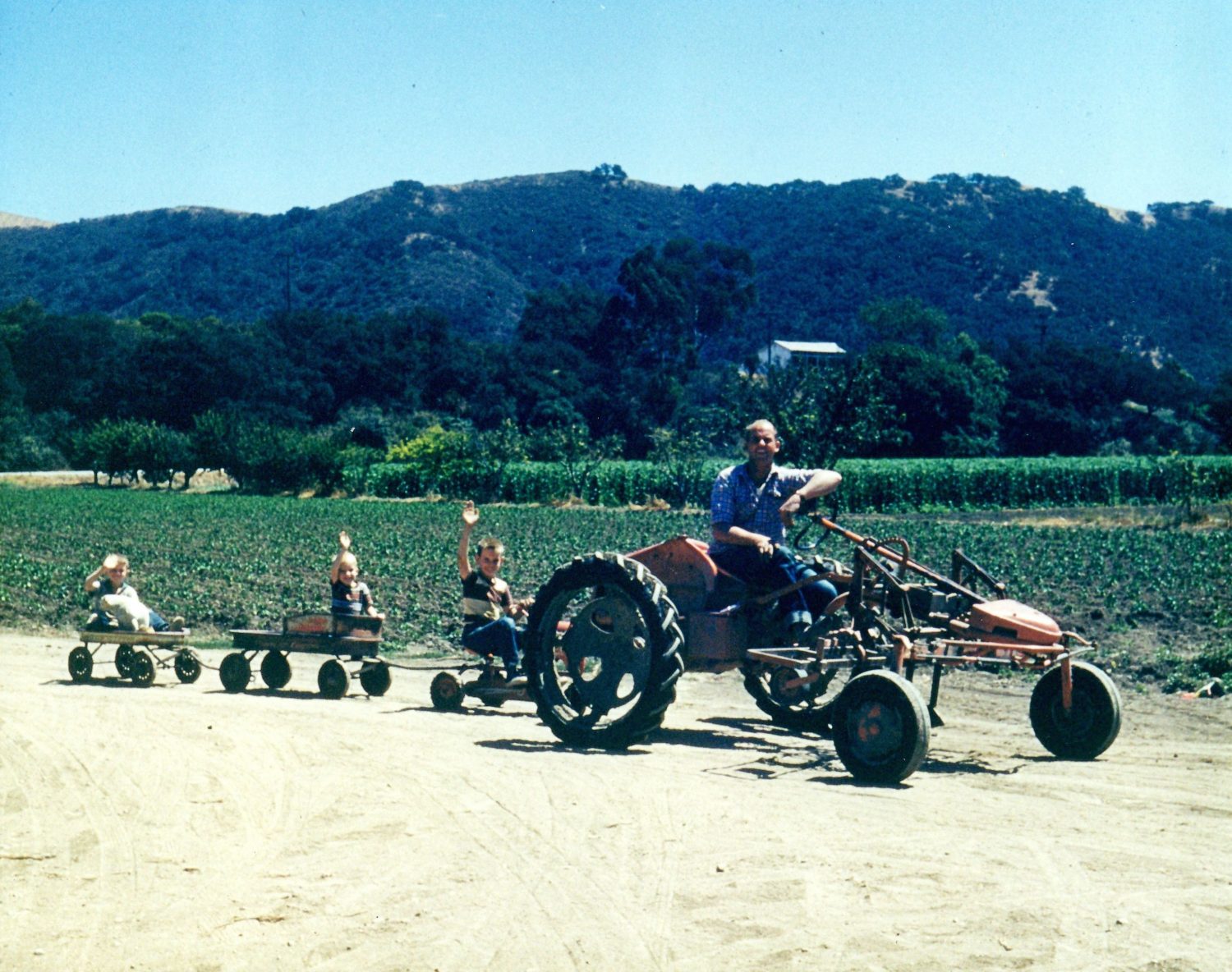

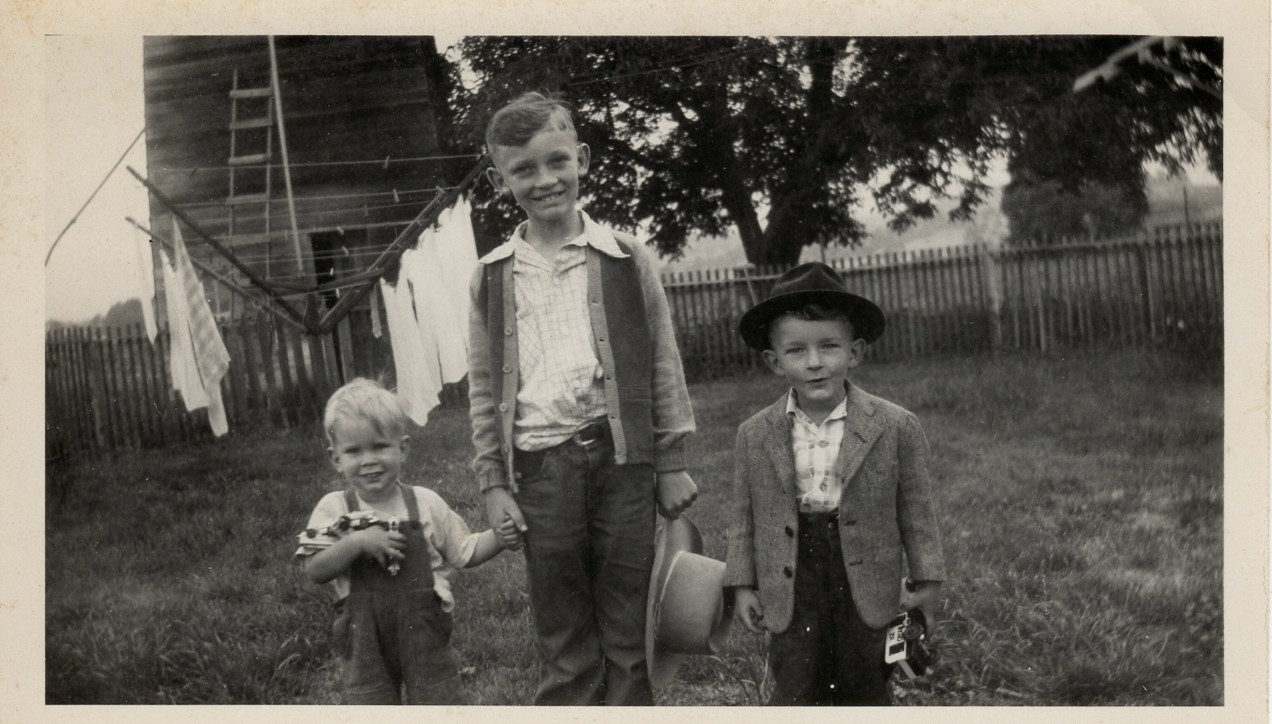


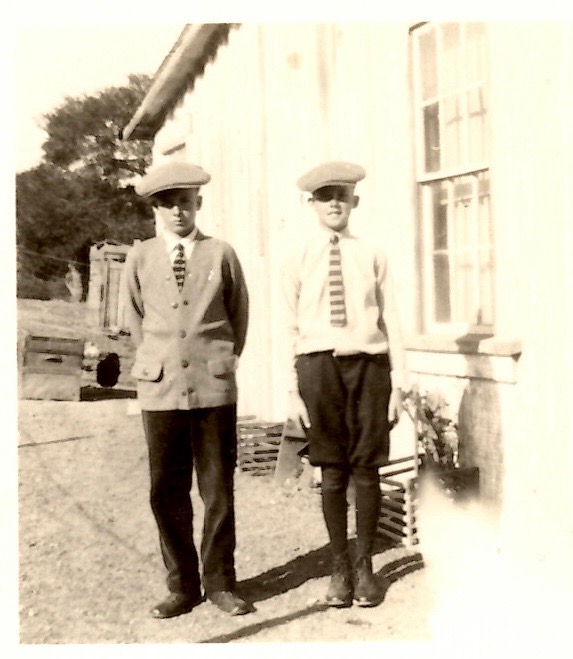

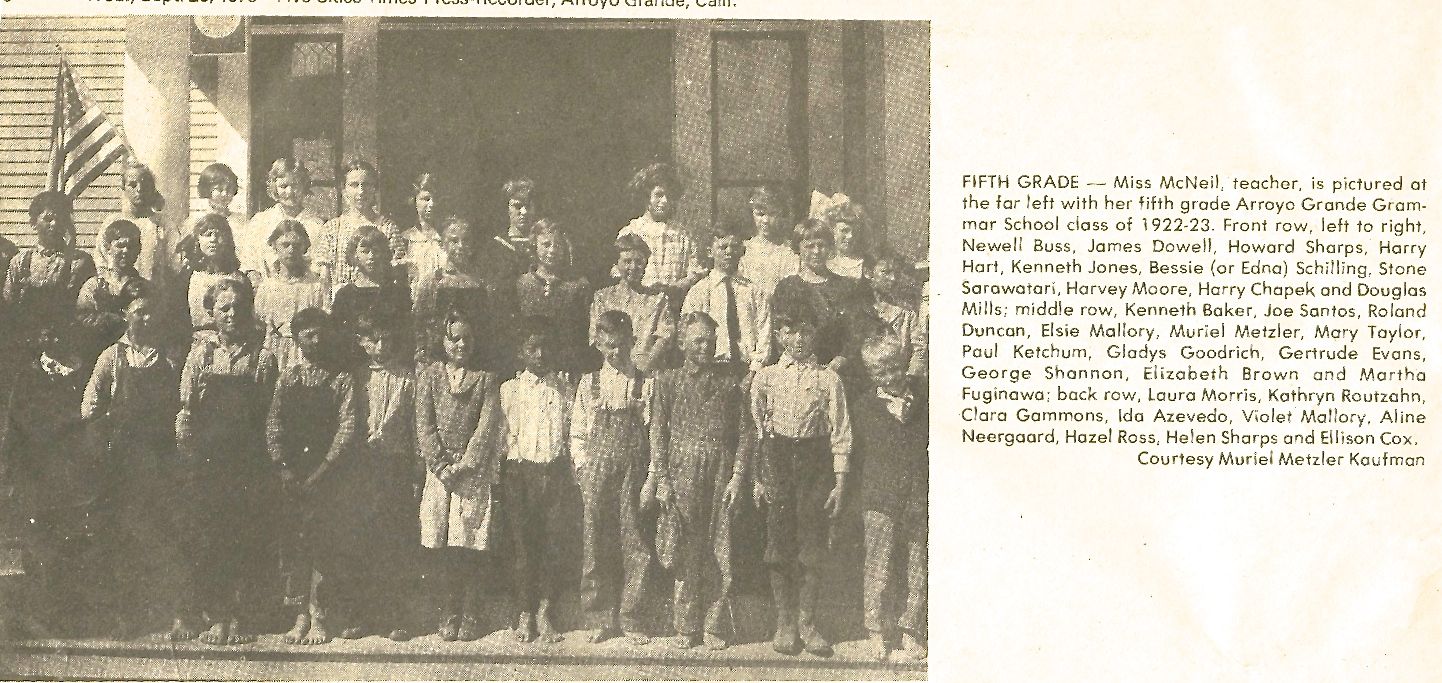

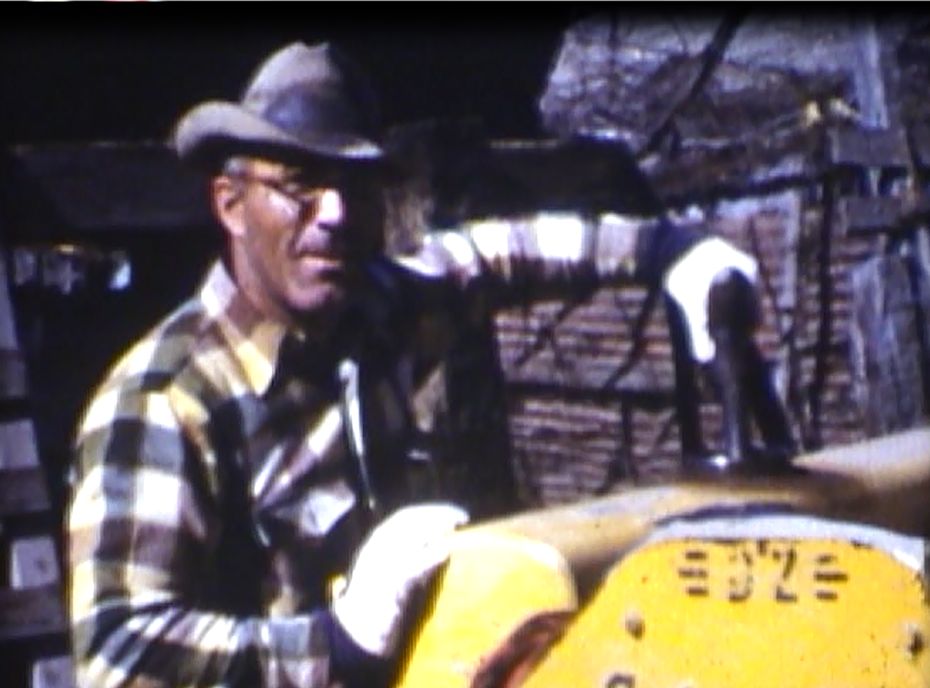
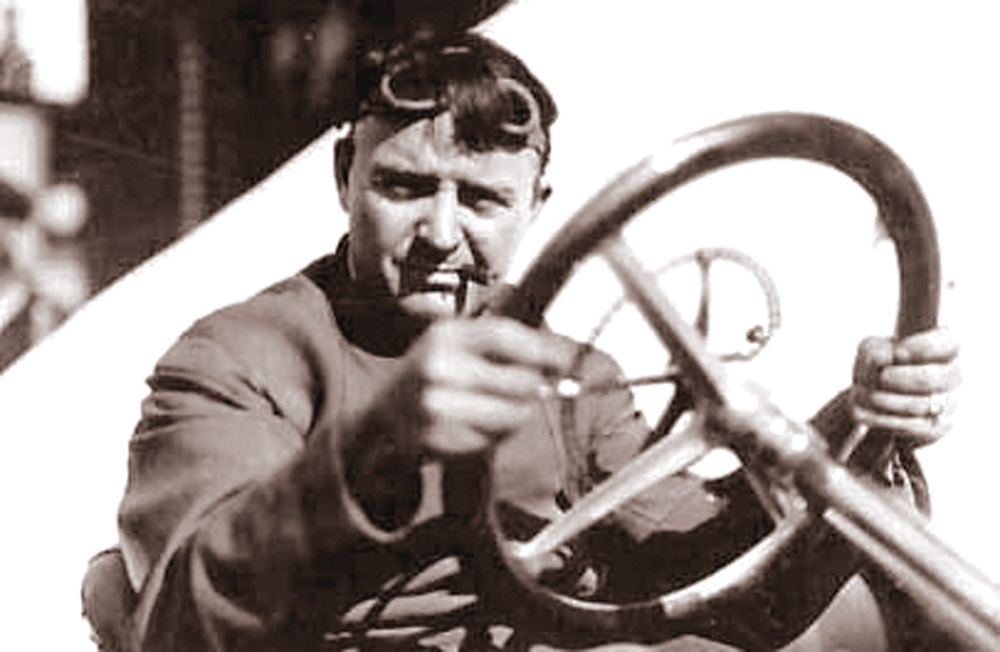
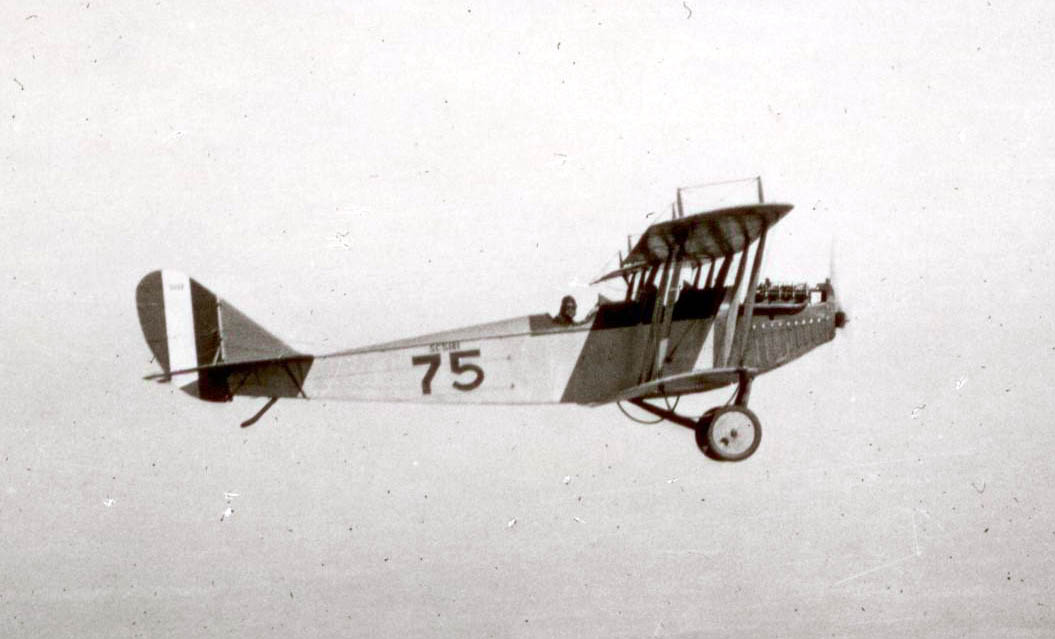


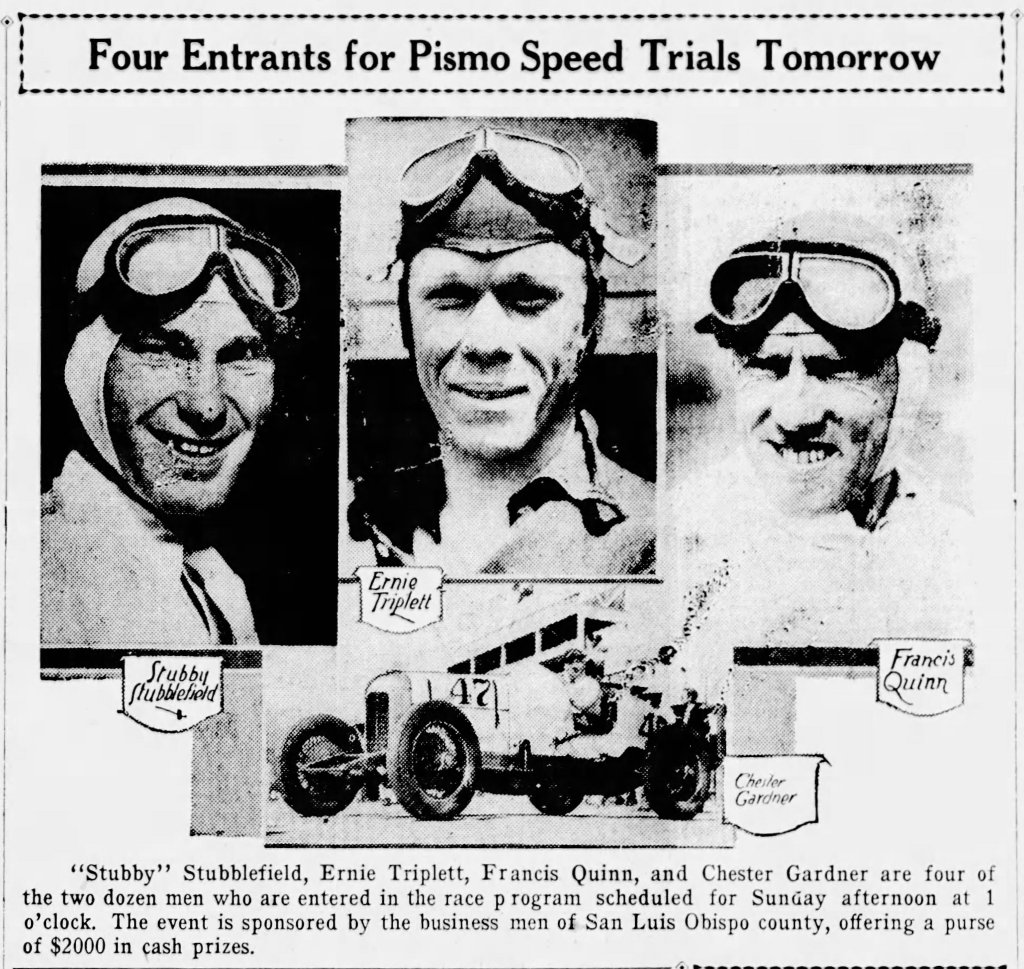
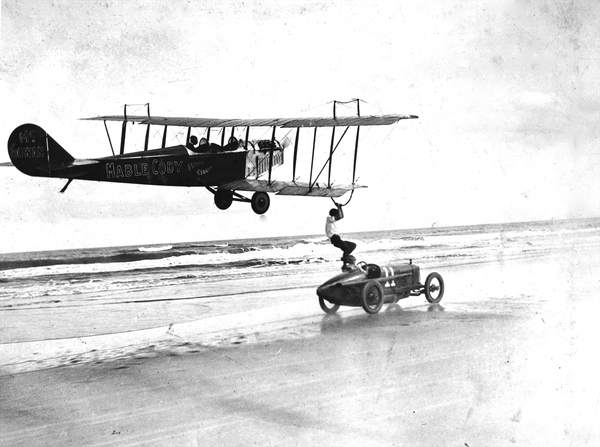
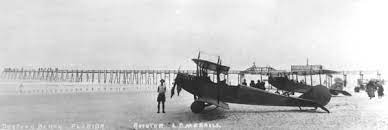
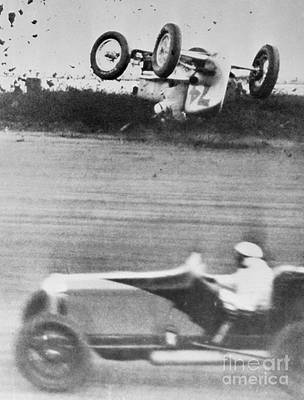
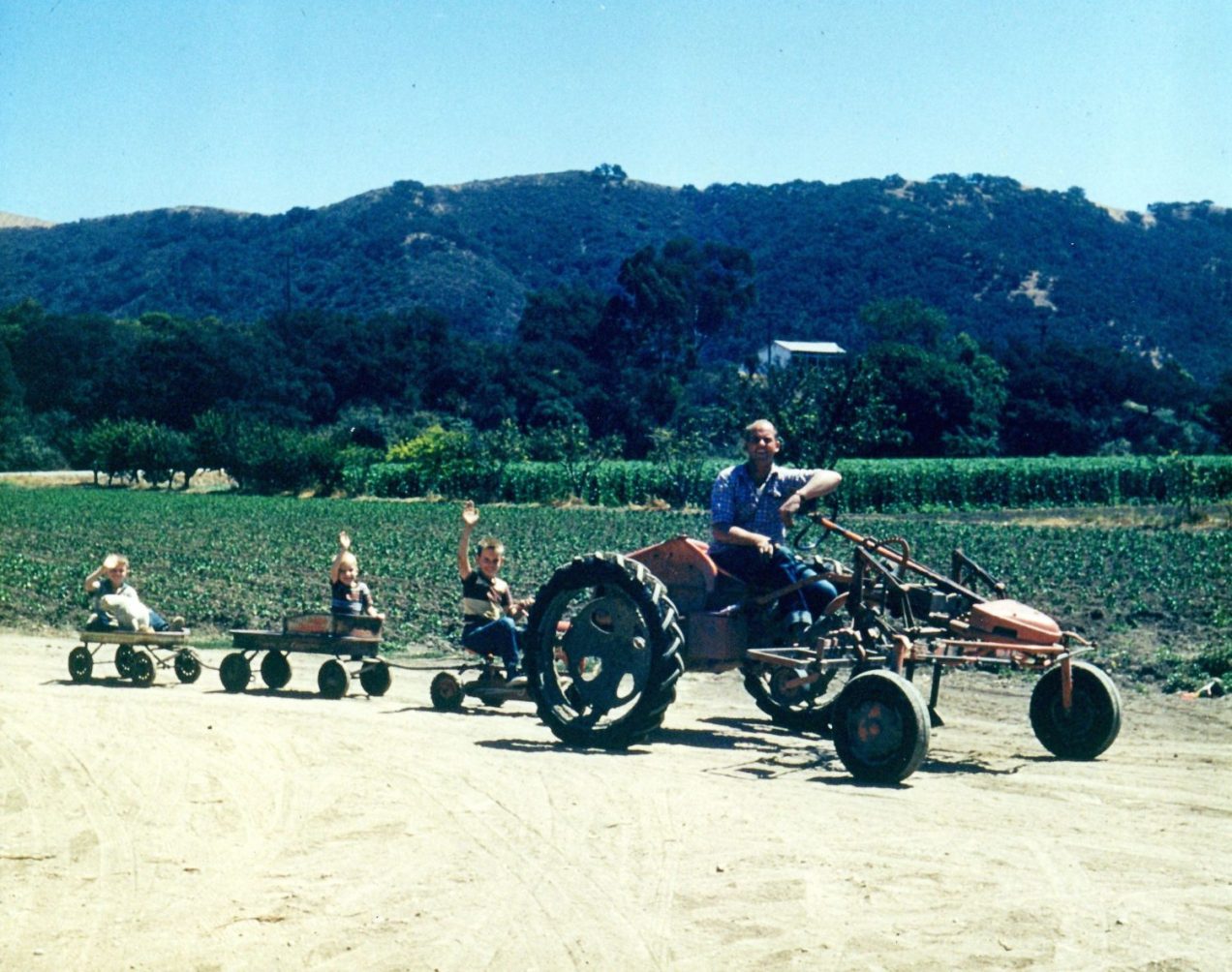
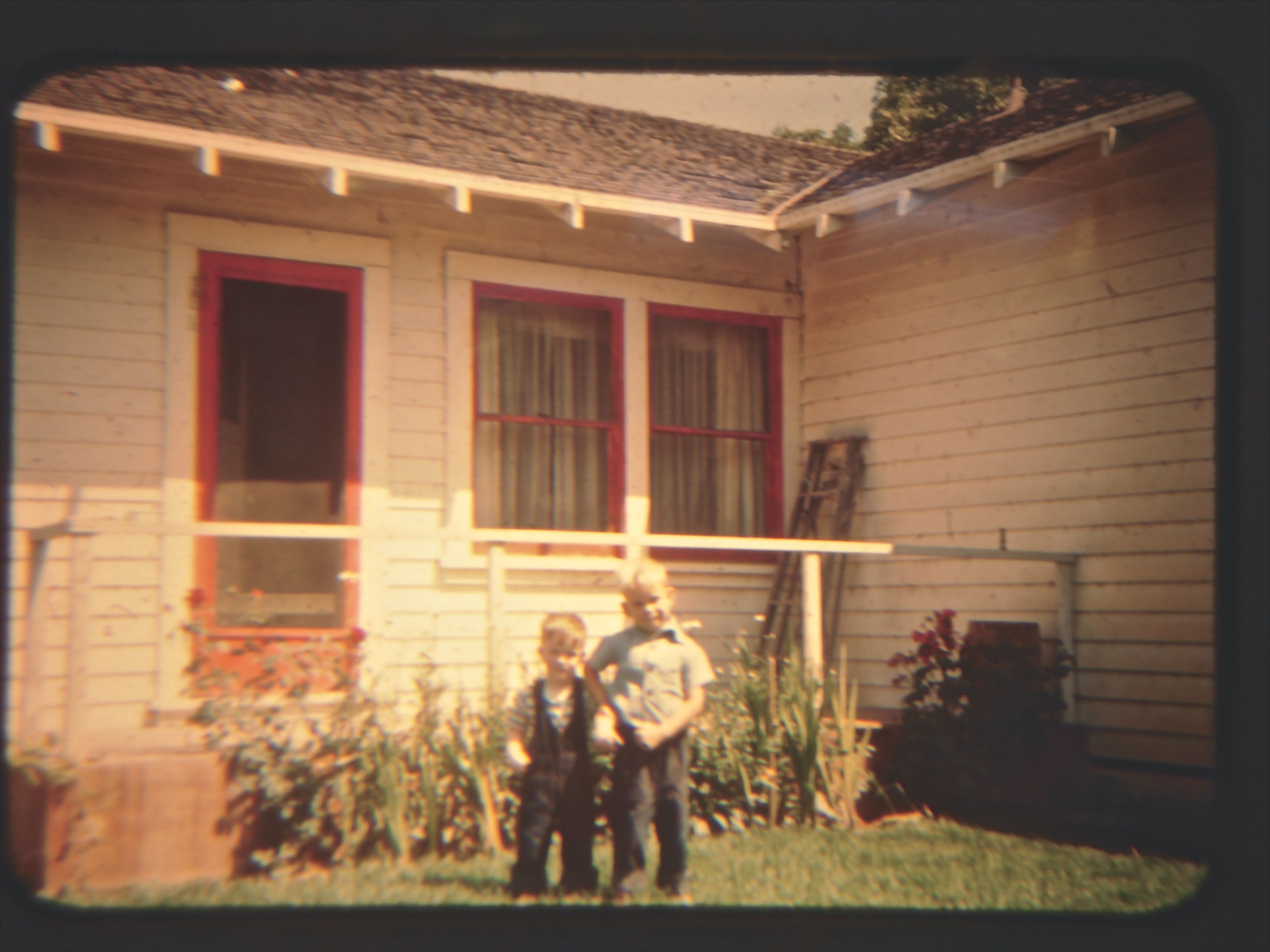
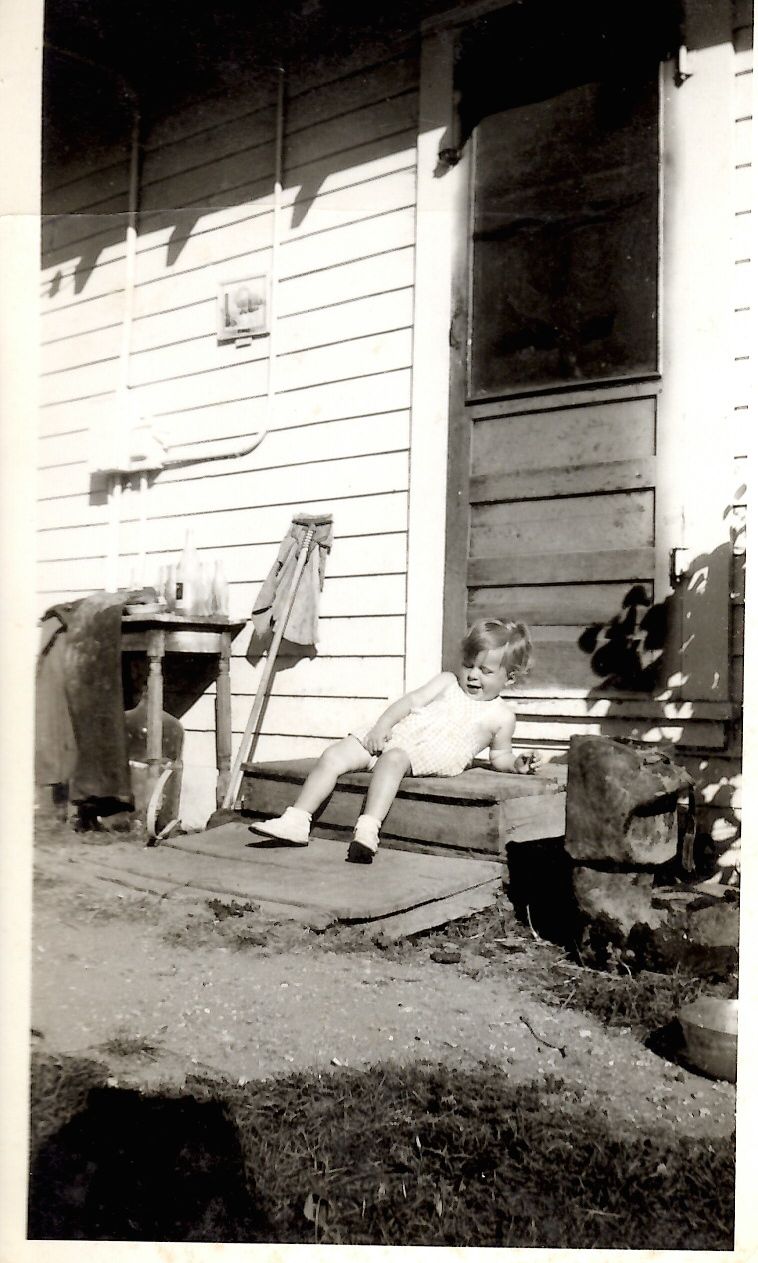


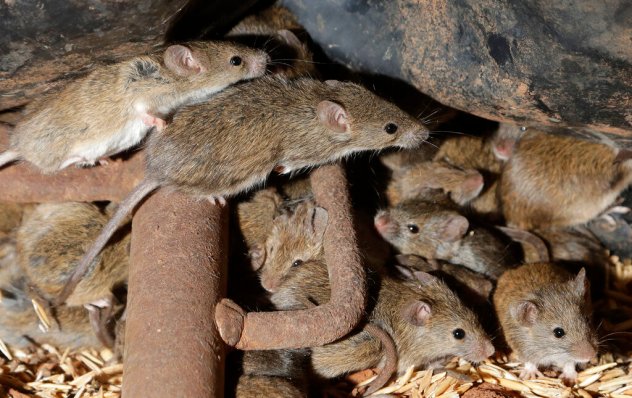
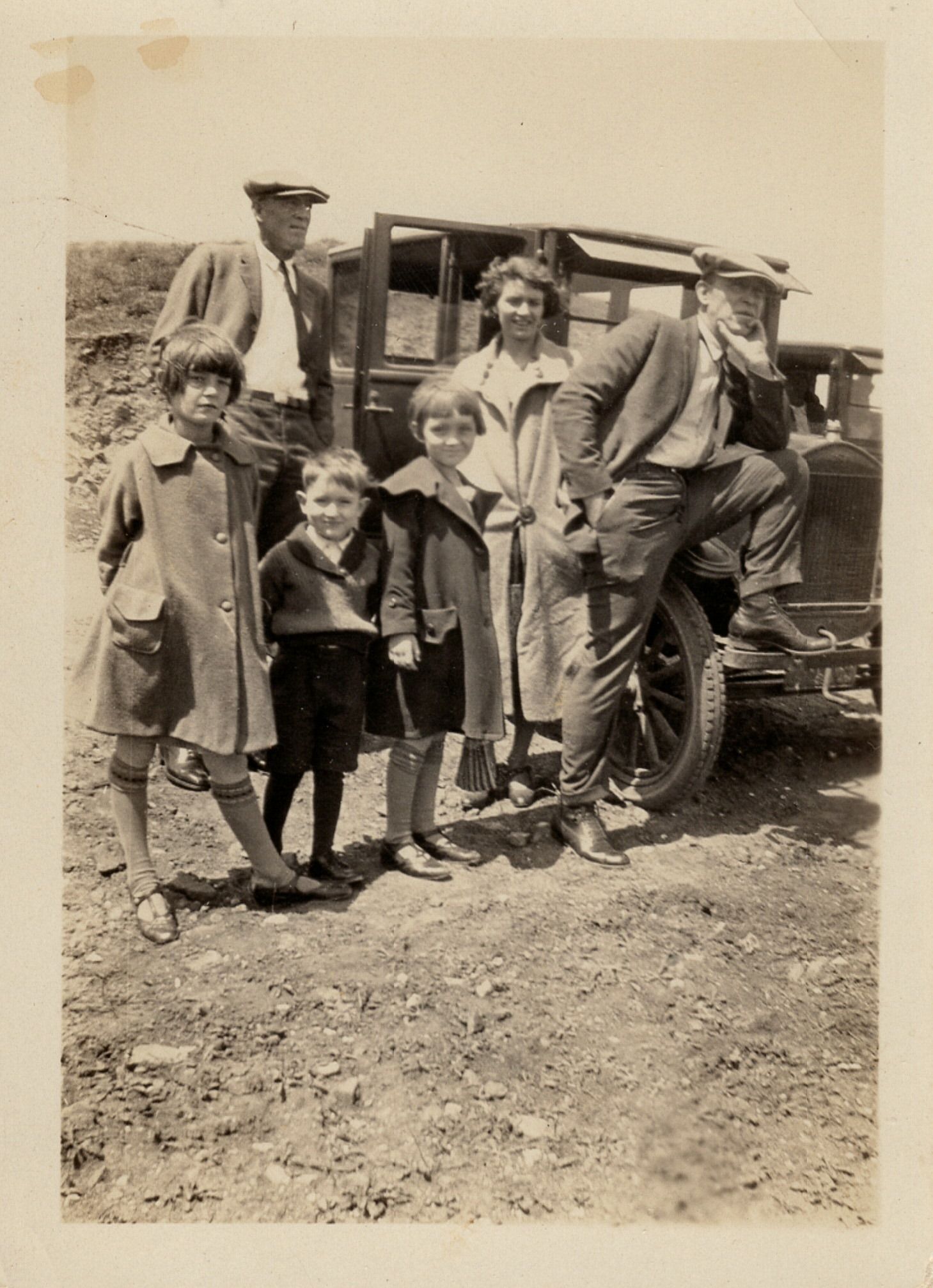
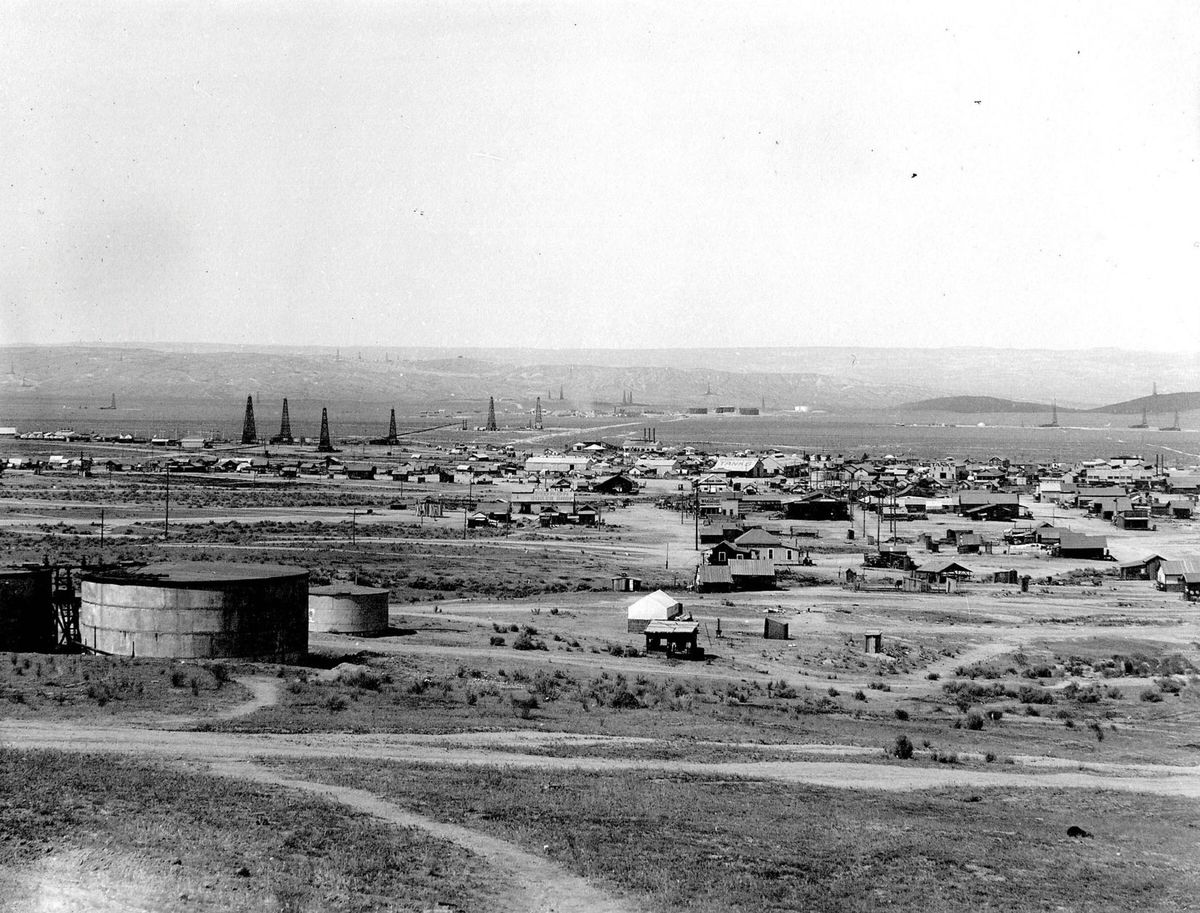 Maricopa about 1920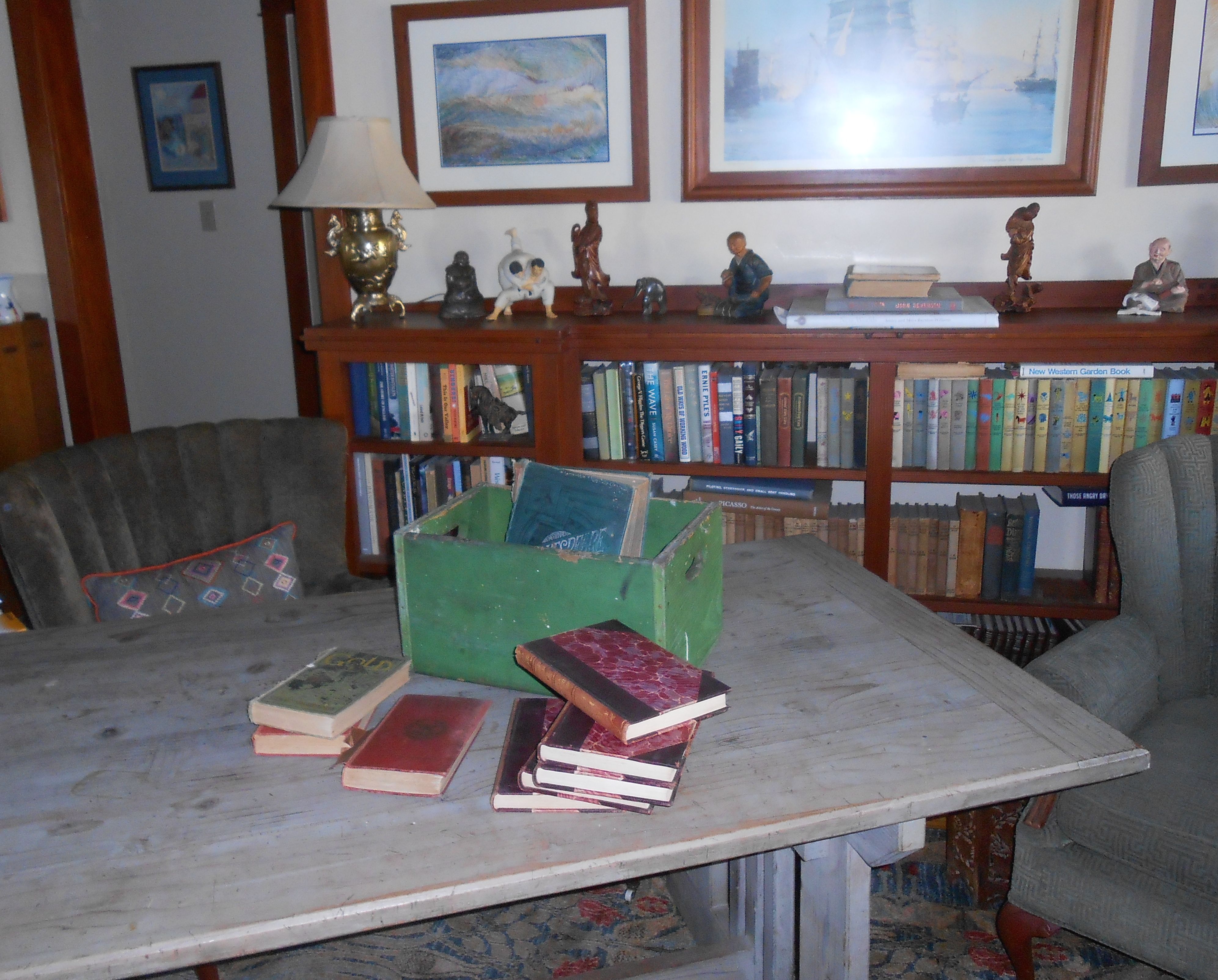
 atthetable2015