This story is not really about a trip to Montana in 1938 to drill an oil well as much as it is about certain women in my family who always had their sights set on the far distance. Dreamers and carriers of hope in baskets. They saw something off in the far distance that drew them outward and forward.
In the mid-thirties Signal Oil Company was developing along sevral lines of business in an attempt to survive. Like many companies in the boom and bust business, whichever it might have been, growth was the only bastion of continuance.
By 1938 Signal’s primary business was refining. In order to refine they needed crude oil which they cracked and distilled and supplied to the filling stations that Sam Mosher had acquired up and down the west coast. The key to it all was oil and that meant control of enough wells to adequately supply the refineries. Drilling the first company well at Hydrocarben Gulch in Goleta had been a success, a near thing but still a series of good producing wells. Carefully buying up likely leases or abandoned wells in Long Beach, Santa Fe Springs and in the Elk Hills around Maricopa he had developed a sort of insurance that allowed the company to assure a steady supply of crude.
Mosher and his team were one of the first west coast outfits to pursue serious vertical integration. This is a strategic business model where a company gains control over multiple stages of its supply chain such as production, distribution, and retail, rather than relying on external suppliers. By acquiring or developing these stages, firms improve efficiency, reduce costs, enhance quality control, and insure supply chain stability.
To that end Signal was casting a net of geologists far and wide across the US looking for possibilities. For a primarily west coast operation they saw that expanding their map could be a positive move. Mosher acquired a number of wells in west Texas. In May of 1923, diggers struck oil in Big Lake, and it became the first commercial oil site in the Permian Basin. The discovery of oil in the region propelled Big Lake into a thriving oil production center, and the area still has a rich history connected to the industry to this day.
The first big Wildcat in Big Lake was the so-called Santa Ria No. 1, which was named for the Patron Saint of the Impossible, was the first commercial oil site in Big Lake. Wildcatters who live by boom and bust have a perfectly tuned sense of Irony as can be seen by tales of life along the cutting edge of discovery. Lucky Seven, Devils Hole and Six Shooter being examples of Oil Patch whimsey.
In September of 1938 Bruce and Eileen were living on Short Street in Arroyo Grande while Bruce tended wells from Maricopa to Casmalia where he first started in 1919. He was on the road all the time flying back and forth on a moments notice when word came down from headquarters in Long Beach that he was being sent to Montana. He was to take over drilling operations on a new well outside of Billings Montana. Just like all the other moves they packed up, rented out the house and hit the road. Bruce Eileen, Bob who had just moved home from his sister Mariel and her husband Ray Long’s ranch where he had gone to live and attend Sierra high school, the idea being that he would not be moved around as much as the girls had. Patsy who had just turned six was along for the ride too and don’t forget, Mister Beans the Boston Terrier who sat on grandma’s lap for the trip.
Robert (B0b) Hall up on Brownie with Bobby dog, Miramonte, California 1937
It was a long lonely trip by car. What was once referred to as the wild west was stil lightly populated and the road to Montana was long, lonely and mostly unpaved. In fact there was no direct route between central California and Billings.
Flying was also out of the question. There was no direct air service from California. Only Northwest Airlines flew to Billings and that was from Seattle to Chicago with a stop in Billings. The plane itself was a Lockheed Electra model 10 which had famously carried the aviatrix Amelia Earhart to her doom the year before, not an uncommon thing at the dawn of commercial air before radar and GPS.
In any case paying for a flight to the middle of nowhere wouldn’t have been the company way so drive it was. There were only two ways to go, north to Portland along highway 5 then east up the Columbia River. Turn at Umatilla, go north again to Holmes Washington and then head east again towards Spokane.
On the trip up the Columbia they stopped and wondered at the brand new Bonneville dam. At a cost of 88.4 million dollars it was, at the time the most expensive federal project ever built. Boulder dam on the Colorado completed just two years before came in at 50 million and in 1940 the Missouri River’s Fort Peck topped out at nearly a hundred million dollars. All three were paid for by the Public Works Administration and built under the auspices of the Army Corps of Engineers. Designed for flood control and generation of electricity they served some of the more remote parts of the country, they were also designed to put Americans back to work during the depression. An added bonus that these huge projects provided was a skilled engineering workforce leading up to the second world war.
Crossing the panhandle of Idaho they hit Butte Montana once known as the Richest Hill on Earth. In 1938 it was just a ghost of what it once was. Much of it abandoned and boarded up but its fame and decadence was well known western history.
Butte was first settled in 1864 as a mining camp. Right along on the Continental Divide, Butte exploded the late 19th century with the discovery of Gold, Silver and Copper. I was Montana’s first major industrial city. In its heyday between the late 19th and early 20th centuries, it was one of the largest copper boom towns in the American West. Employment opportunities in the mines attracted surges of European and Asian immigrants, particularly the Irish. Today Butte still has the largest population of Irish Americans per capita of any U.S. city.
Butte is in the wonderfully named Silver Bow county. Famous for as being the site of various historical events involving the mining industry and active labor unions and socialist politics, the most famous of which was the labor riot of 1914. Despite the dominance of the Anaconda Copper Mining Company, Butte was never a company town. Other major events in the city’s history include the 1917 Speculator Mine disaster, the largest hard rock mining disaster in world history.
Every miner’s family knew what the sound of the screeching steam whistle meant when it was yanked hard and tied down. The high pitched scream pierced the Butte valley for those to know that men had died under the rock.
The Granite Mountain/Speculator Mine disaster of June 8, 1917, occurred as a result of a fire in a copper mine, and was the most deadly event in underground hard rock mining in United States history. Most men died of suffocation underground as the fire consumed their oxygen. A total of 168 miners were killed. Some left notes written while they waited in hopes of rescue. A few managed to barricade themselves behind bulkheads in the mine and were found after as long as 55 hours. Some of the notes written by the miners while they waited to be rescued can be viewed at the site of the memorial to those that died.
“It takes my heart to be taken from you so suddenly and unexpectedly, but think not of me, for if death comes, it will be in a sleep without suffering …” – Manus Dugan to his wife and mother in a note written as he waited behind a bulkheadto die.
Disaster was always on the menu in those old mining towns but the wages were good and a man new to the country with little education was willing to roll the dice to feed his family.
The Dumas House circa 1905. Montana historical photo
In a walk around the old town in September of 1938 took them down to the rows of whiskey bars and saloons known as the Line or “The Copper Block”, centered on Mercury Street, where the elegant bordellos included the famous Dumas House. Behind the brothel was the equally famous Venus Alley where women plied their trade in small cubicles called “cribs.” The red-light district brought miners and other men from all over the region and remained open in 1938. Pretty scandalous but Bruce and Eileen hardly turned a hair as nearly twenty years in and around the oil patch left few surprises when it came to what people had and did do to survive
The Spectator Mine. Montana Historical photo.
They stayed the night then saddled up and drove on down to Bozeman. Bozeman in 1938 was an entirely different town that the rolicking, rowdy ex-boomtown of Butte. In July 1806, William Clark, of the Lewis and Clark Expedition, took a side trip, visiting the Gallatin Valley as he traveled east from Three Forks, Montana, following the Gallatin River. Journal entries from Clark’s party briefly describe the future Bozeman as the “Valley of the Flowers,” which came from the southwest Montana native tribe’s apt description of the pristine Gallatin Valley land. It was known as “The Garden Spot of Montana.”
When the Halls passed through the valley it was still a major wheat producer and one of the largest pea producers canning and shipping peas all over the country. For Bruce and Eileen and their kids the attraction was certainly not the peas. Hating peas, boiled, baked or steamed is major point of pride in our family. ***
Bozeman had been the gateway to Butte for the Boomers heading up to the richest hill to strike it rich. It was a much more hospitable place and in the late 30’s and was already home to the States University. The Northern Pacific railroad had a division point there and the fertile lands in the Gallatin Valley were host to large cattle and wheat ranching operations. 120 miles east, Billings was going to be a different experience altogether.
Before motels there were auto courts One or two room cabins for rent by the night. Bozeman Montana 1938
The next morning they headed east towards Billings. The Nash’s hood was thrown open and she got a couple quarts of oil for breakfast and leaving behind her calling card on the motor courts parking lot they motored out leaving a plume of fragrant oil drifting on the cool mornings air. Broadview Dome #1 waited, so did a vastly different life than the one they had lived in California.
1700 miles of every kind of road imaginable from dirt and mud holes, gravel much of it unpaved and now it was just 120 miles to Billings and the new well.
Traveling Eest towards Billings, Montana 1938. Robert Hall Photo
Next it’s on to Billings and Back to Work,
Chapter 23 of the Twelve Hour Tour.
*In 1932, when the Oil Hog was new, Nash prices varied by series, with the Series 980 4-Door Town Sedan having a base price around $895. Six years old, ancient for a 1930’s car she leaked motor oil like a sieve and needed pretty careful attention. It was quite a trip to take through lonesome and wild country but that was Bruce and Eileens way. It seems like adventure always called to them.
*Most of the photos in this chapter are from two albums of photos taken by Bruce and his son Bob and compiled by my grandmother. The beautifully annotated photos are described in by mother’s fine hand with white India ink on black felted album paper. It is a cherished family keepsake as you might well imagine.
**Many Many of the snapshots in the albums are the exact same ones that a traveler may well take today.
The River of the Kings was my father’s place of choice. Fast running, deep, frigid and isolated and in a most remote part of the formidable Sierra Nevada. The Snowy Mountains* are part of the American Cordillera, an almost continuous chain of mountain ranges that forms the western “backbone” of the Americas. He and his brother began going there in the late 1920’s. Still in high school, my uncle just 18 and my dad 16, both from a little town in coastal California over 200 miles from the Kings River canyon.
Río de los Santos Reyes headwaters originate along the Sierra Crest in and around Kings Canyon National Park and form Kings Canyon, one of the deepest river gorges in North America. The river was named by Gabriel Moraga, the commander of a Spanish military expedition in 1806, but it was not until California became a U.S. state in 1850 that many Europeans arrived and settled along the Kings River, driving out the original inhabitants the Yokuts. The Middle Fork flows for only 37 miles through some of the Sierras most difficult-to-access backcountry, including Simpson Meadow and Tehipite Valley.
Tehipite Dome
Two hundred miles of mostly dirt roads which they had to navigate into the mountains in my grandfathers old 1918 Model T Ford. Arroyo Grande to Paso de Robles, east on hwy. 41 through the central valley to Lemoore, Hanford and Visalia turning at Woodlake and starting the climb through the foothills and up to Badger and Pinehurst to the road junction east of Dunlap then following the winding one lane dirt track up to Grants Grove, past Hume Station and then down to the turnout at Yucca Point.
The road was so narrow that on sharp turns there would be a hand painted wooden sign tacked to a tree cautioning the driver to “Sound Klaxon” on all the blind corners. If you heard another horn, the downhill driver had to back uphill until there was enough room to pass. Dad said the driver going uphill would have a great view straight downhill to the canyons below.
The Ford had been outfitted with everything a wilderness fisherman might need. Two sleeping bags, a couple canteens though in those days you could still drink from the river, no Giardia. Couple loaves of homemade bread baked by grandmother, jam and a jar of peanut butter, small can of lard for frying fish, salt and pepper, skillet and a knife to serve all the purposes a knife might. Only one problem. In a hurry to get away the sleeping bags were forgotten on the back porch. Neither of them noticed until they got to Grant Grove where they had to dig into the back to get a water bag to hang on the radiator.
This created a little bitty problem for the nights in September in the high sierra can be a wee bit cold or very hot, you never know. You want to count on both. The went in a talked to the man in the little store there but they didn’t sell sleeping bags or blankets. He did suggest they might talk to the owner of the pack station just up the road he might be able to help. Sure as shootin’ he could and did. See, he had a stack of horse blankets which he was willing to part with for say, five bucks each, used of course. Knowing the were in desperate straits the two boys agreed. They riffle through the pile trying to find the least objectionable. They all reeked of horse sweat, some were raggedy and many sported holes where they sat up on the horses’s withers. Picking out two they forked over a double sawbuck and carried the loot back to the care uttering what passed for polite boy’s curses the whole way. The old cowpoke reckoned it was a mighty good day.
The two boys wore long sleeved shirts because of the mosquitos and yellow jackets, one pair of trousers and believe it or not high top canvas sneakers with rubber soles. No hiking boots, too much to carry, but they did have a coil of rope in case they needed to cross in high water coming down from the south fork. In some years the water was still dangerously swift and deep even on Labor Day. The river bed was entirely rocks and scattered boulders. Fording the river was always and adventure. The current was swift and everything slippery and in the twenties there was nothing or no one to help you if you were hurt. The trail back up to yucca point was very steep and unimproved and the only way out was walking. It would have been a walk out for the uninjured and then seek help and the return trip with someone else and again the return by stretcher up a treacherous steep trail crossed by tree roots, half embedded stone, mud and all in the early September heat and don’t forget the deer fly trying to drink from your sweat and tears. You could soak your handkerchief in water from your canteen and tie it over your face above the eyes, it was the only way to keep them out. The view through the wet bandana was minimal so you’d better step carefully. The first rule was to be very careful.
At the bottom of the trail they tried fording the river but it was too swift and deep though it was barely more than knee deep. They figured if they could get the rope across the be able to ford. My dad was an excellent swimmer and body surfer. He’d spent a great deal of his youth swimming in the ocean and had the confidence to give it a try. He said he couldn’t really swim at the ford but determined that he could get across at the deep hole just upstream. The best thing was to swim the center where the current was a little slower so he stripped off all his clothes, tied the rope around his waist and waded in.
Left to Right, Jackie, Jack Shannon and George in 1928, Family Photo.
The water was cold, cold, cold, so cold that he could hardly breath. He was really glad to crawl out at the other side. The sand bar he came out on had three sycamore trees just a little set back form the shore so he walked to the trees and tied the rope around the closest one. His brother tied off the other on the opposite shore. Now they could use the rope to steady themselves as they crossed and recrossed to move their packs across.
After spending the night on the sand bar where the middle and south fork came together they cooked up a little breakfast then hit the trail. That is if you could call it a trail. Even today it is marked as unmaintained by the forest service and in those days it was nothing more than a narrow single wide path scratched out by miners during the gold rush.
The middle fork drops hundreds of feet per mile bounding and crashing around boulders where it forms eddys and small falls around the great deep pools. To get upstream the original trail blazers had cut a very steep trail up the side of the mountain ridges that formed the canyon. They had to climb this switchback trail for several hundred feet to get to a spot where the trail leveled out. It was just impossible to go upstream along the river below because the canyon walls ended where the river ran. The only way was to climb up to a little bench in the mountainside where they had cut the original trail. Unmaintained no wider than a couple feet you could look down a near vertical slope to the river below and straight up at your shoulder. Boulders clung to the slopes by some mysterious force for there wasn’t any visible means that kept them from flinging themselves headlong into the water below.
About two miles along they found a rusted, crumbling piece of one inch twisted steel cable. Puzzled by the find they at first couldn’t figure out why it should be in a place where it made no sense. Who dragged it up there and why? You couldn’t get much farther from anywhere than this place. Standing together they looked around but they couldn’t find any reason for it until they noticed, way across the river on the opposite cliff side the mouth of a small tunnel that could only be a mine entrance. They could see some rotted old timbers in the entrance and a few rusted tinned cans scattered about. The cable had to be the remnants of a pulley system that head been built to ferry supplies to the men who worked the mine and to haul whatever ore they found back across. How in the world did those old forty-niners get up there while prospecting and once they found some color how did they ever get the cable across? With only a small bench of mine tailings at the mouth of the tunnel they must have actually lived in the mine itself. Just visible down slope of the mine they could see a small rectangular iron bucket with a pulley still attached which explained how they got across.
Dad said they tried to imagine how a couple prospectors in the 1850’s hauled all the gear up there. Did they come by horseback and a packtrain? Did they walk in with a donkey? There is no forage nearby, little vegetation other than stunted trees clinging to the mountainside and where would the animals go when they were working the mine?
Those old prospectors explored every inch of the Sierra, getting into places where you would think no one could. There are abandoned mines all over the mountains. No one knows who found them or worked them and the only clue is a dark tunnel and scattered and broken old shovels, picks and empty cans of tomatoes.*
Finally at the end of a hot and dusty hike the train crossed a monumental rock slide where there was no walking but a semi-stumbling, one hand for yourself crossing to a sandbar along the river. The trail had caught up with the Kings where Lost Canyon creek came tumbling down from the nearly twelve thousand foot height of the Sentinel.
La Cuidadela, the Sentinel peak.
They told fish tails about the trips, how the fishing was fantastic. There were no planted trout up on the Kings, and there are none today. A man had to be full of tricks to land one of the veteran, wily Rainbow and Brown trout. Always fish going upstream, never let your shadow fall on the water, when the sun is high enough retire to the shade and take a nap because the fish cannot see whats on the surface and won’t rise. Don’t fish when it’s windy which it normally is in the afternoon. Find a deep hole which is partially shaded and bordered by an eddy which delivers insects right to the fish and delicately lay a dry fly on its edge. Make your pole dance the fly in an irregular pattern just as if it was real and you might be rewarded.
Dad even had a favorite place. High on a rock where the river was scrunched between a nest of huge boulders that had tumbled down the canyon walls you cold climb on top of the largest and flip your Grey Hackle right under and overhang formed by a split boulder where, he always believed, the King of Brown trout lived. Deep down in the dark cavern of still water he would only rise to feed under the most perfect of conditions.
Since their first trip in 1929, they returned again and again over the decades. They began to take me along when I was thirteen. What we carried was about the same, peanut butter, Webers bread, some butter and a small bag of flour and the cheapest frying pan possible because it didn’t weigh much. My uncle Jackie always took his old sleeping bag. I’m sure it was the first one he ever owned.*** No one in the family though that fancy gear like waders and basket creels were necessary. They considered that kind of stuff an affectation. The were there to fish and they knew the fish didn’t care. A bed of willow leaves in a flour sack worked well enough for the fish who would be dinner and your Levis had pockets anyway.
Lying on top of your bag at night, it was too hot to get inside, my dad and uncle talked quietly about nothing important and I listened. We watched the heavens for our American satellite Explorer I as it passed overhead. When finally it moved quickly across the sky and didn’t twinkle you could wonder at it all. In a time where space was all new to us, I felt safe in the knowledge that our country was the best place. I was thirteen then and all seemed possible. A boy and his father sleeping in the remote wilderness of the King’s River. No sound but the melodious chortling of the river and the owl.
*The Sierra Nevada.
**Tomato processing began in 1847, when Harrison Woodhull Crosby, the chief gardener at Lafayette College developed a crude method of canning tomatoes. Prior to 1890 all tomato canning was done by hand. It was said that you could follow the empty cans from Kansas to California.
***We still have it.
Michael Shannon writes of his family so his children will know from whom they came.
As the shipped nosed her way past Grande Island and the passing of Spanish Point off to Port she entered the Philippine sea where she picked up the two destroyers who were to be her escorts, the Quartermaster put her wheel over to Port and headed south. From the Philippine sea she swung southeast into the Sulu Sea. A 2 day run saw them turn east at the tip of Mindanao Island passing Zamboanga where the monkeys have no tails* then briefly south through the Celebes Sea until the could swing northeast for the open sea. The ship chugged along at 16 knots, her best speed while the escorts sailed in curlicues, on the hunt for submarines because even in June 1945 plenty of Japanese subs were still at sea hunting. Three days into the run to Guam where they were to pick up more casualties and returnees they passed within just a few miles of the spot at which the Japanese sub I-58 put two Long Lance Torpedos into a speeding cruiser which was not zigzaging but running on a plumb line. The Captain, James McVay was rushing to the Philippines to begin training his crew for the invasion of Japan. He was told there were no Japanese submarines in the area and his escorts had failed to appear so the cruiser was running alone.
The “Indy” leaving Tinian after off-loading the first Atomic bomb. US Navy photo
USS Indianapolis CA-35, sank in just twelve minutes. Her bow was blown completely off and the second torpedo exploded in the after engine room and set of the main ammunition magazine. Of 1,195 crewmen aboard, about 300 went down with the ship. The after engine room crew boiled alive from escaping high pressure steam or were blown to bits by the explosion. Off duty sailors in the berthing spaces awoke to darkness and massive amounts of seawater which killed them in moments, their screams drowned in horror. The remaining 890 faced exposure, dehydration, saltwater poisoning, and shark attacks while stranded in the open ocean. With few lifeboats and almost no food or water they were eight hundred miles from land.
The Navy learned of the sinking four days later, when survivors were spotted by the crew of a PV-1 Ventura on routine patrol. U.S. Navy PBY flying boats landed in the rough seas to save those in the water. Only 316 survived. No U.S. warship sunk at sea had lost more sailors.**
Hilo and the rest of men aboard had no idea of the awful drama taking place just a few miles away. They wouldn’t know until the war was over either, for the cruiser had just delivered “Little Boy” to Tinian island the first of the atomic bombs which was dropped on Hiroshima City August 6th, 1945. The delivery was part of the biggest secret of WWII and the Indy was sailing under secret orders and radio silence. No SOS was sent from the ship.
The ship pulled in to Guams Apra harbor where she remained at anchor while more returnees and wounded were loaded. Fuel barges pulled alongside and began refilling her fuel bunkers for the long trip ahead. A repair ship floated at her side and lent the crew a hand in fixing or repairing anything on the list they could. Ships at sea are always broken. A welded ship nearly 442 feet long and rated for 10,000 tons of cargo, the Attack Transports suffered constant flexing and pounding while at sea caused all kinds of damage during operations. Though the Navy crew of 58 officers and 480 enlisted crew worked tirelessly to maintain the ship they could never entirely catch up.
Having traveled nearly two thousand miles, food to feed the crew and passengers was in short supply and barges coming out to the anchorage carried mounds of foodstuff which was winched aboard by the cranes on deck and stored away below. The quartermasters department was kept hopping seeing to the loading and storage of hopefully an ample supply for the rest of the voyage. Feeding and housing over 1,500 men and women returning to the states was a monumental job.
All this food was primarily stored in large, refrigerated and dry storage areas and consisted of both fresh and preserved goods. Cooking was done in massive galleys to produce thousands of meals daily for both the crew and the embarked troops. The logistical system was designed to provide as much variety as possible, though the quality and freshness of the food often depended on the length of the voyage and the availability of resupply.
A ship’s galleys were large-scale, industrial kitchens that operated almost continuously to feed the crew. Cooks, “lovingly” referred to a “Cookie” in the U.S. Navy, worked in 24 hour shifts, 8 hours per watch to ensure meals were available for personnel at all hours.
During long periods at sea, the menus would rely more heavily on frozen, canned, and dried ingredients as fresh supplies ran out. This was always a problem on tropical islands where fresh vegetables were seldom available.
The sailors and Marine would look at the twentieth plate of chipped beef on toast and mutter to themselves, “S**t on a Shingle” again? For veterans, any desire to eat it would be long gone by wars end.
Leaving Guam for the west coast there were some things the troops and sailors could rely on. Chow was going to be monotonous. There would be much standing in line with more than two thousand to feed three times a day and by the time they arrived at the coast of California the mess crews would be like the walking dead, exhausted. For the galley crew these Magic Carpet voyages would be some of the hardest duty of the war for which they would receive scant praise. Perhaps a pat on the back from the Chief mess cook. There was little space for physical activity either, it was just too crowded and most of the passengers weren’t inclined to tolerate much spit and polish or discipline. How does the Shore Patrol or the Master at Arms keep them in line? You can guess. The Master at Arms who is the sheriff of the boat picks equally large and aggressive mates for his department and the officers generally turn a blind eye to the obvious bumps and bruises meted out in lieu of Captains Mast. Most Captains think that is a fair trade.
As always, things on A deck where the officers were housed was pretty plush, it was white table cloth, sterling silver and high quality food served by friendly Filipino stewards in white gloves. This increased the enlisted man’s mortal hatred of officers. While those below ate their monotonous meals the officers ate meals that were hardly less elegant than first class passengers had been served in more peaceful days. For supper it was dress whites or Suntans, shoes polished by the same stewards who served them and polite conversation. On some returning ships there were even army and Navy nurses to break the monotony and add to the hatred of the privileged. Most soldiers hadn’t seen an American woman in years and likely wouldn’t see those aboard their own ship.
What infantrymen know is that officers for the most part never share a foxhole with a Dogface. Few officers above Lieutenant ever get any closer to the fighting front than they can avoid. Those that did were revered but they were few. The thousands on the main deck or herded below seethed with bad will at the injustice of it. A famous phrase that came out of WWII concerned “old Blood and Guts” General Patton of whom his own troopers in the 3rd army were wont to say, “Yeah, his guts , our blood.” There are newsreels of him standing up in his staff car, ivory handled pistol on prominent display, speeding down the muddy roads of France, splattering mud on the tired an dirty troopers walking alongside and jauntily wave and pumping his fist in encouragement. Hardly a Doggie bothers to even look up. He slept in a French Chateau with Marlene Dietrich, they slept on the open ground under a dirty wool blanket. Hatred was putting it mildly. A pretty universal sentiment in the military wherever you went.
The last part of the voyage was over 6,000 miles, a quarter way around the globe. The attack transports had been hard used and most had never returned to Mare Island in the San Francisco bay for serious overhauls, they’d had to make do with bandaids and bailing wire. The boiler tubes were warped and caked with scale. Much engine room machinery was just capable of limping along at reduced speed. There were no places in the vast distances they were traveling where they could just pull over. The high speed destroyers racing around on patrol, duty they hated, it was monotonous and crews were frustrated by these voyages. They wanted to get ashore too. The navy was crewed by farm boys, mechanics, shoe salesmen and soda jerks, they were not or ever intended to be lifers. Their officers were reservists and would mostly go ashore once the war was over. Lifers were the men who manned the transport ships, civilian Merchant Mariners who had or would spend a life at sea. They shared the same dangers but the sea was their life.***
In the weeks at sea, Hilo and his mates were not afforded any special accommodations like the trip out in ’42. No more converted ocean liners for them, no private berthing, they were now veterans and their value to the army and marines were well understood. Though the MIS service was classified the people they worked with in the field knew what they did, they had seen them coaxing prisoners out of caves and half-destroyed pill boxes. They had crouched in foxholes with Marines and soldiers while the air buzzed with rifle and machine gun rounds. They had saved thousands of live across the Pacific. They had proven themselves.
First Class accommodations. USN photo.
The most serious way to pass time at sea in a crowded ship was to sleep, play cards, roll “Dem Bones, or fight, of which there were plenty of takers. Books were rare though the ships had a small library and by the time they pulled into Long Beach Naval Base people were reading the instructions for operating machinery printed on the bulkheads. They read mattress tags, read and re-read letters from home until they literally fell apart, they read each others letters.
Without thinking the were putting away the memory of war and replacing it with the possibilities of the future.
Traveling the southern route in July and early August they were likely spared any serious bad weather but the monsoon in the southern hemisphere generated long swells which traveled north across the equator. smoothing out and lengthening in to long rollers that marched across the mid Pacific like ranks of soldiers. The Pacific or Mar Pacifico, the “Peaceful Sea” can be anything but. Named by Ferdinand Magellan as he crossed the southern hemisphere to his eventual fate in the Philippine islands. He passed day after day on a smooth almost oily ocean with most days, just a faint ripple of wind. The voyage from Patagonia to Guam took three and a half months. To quote Coleridge:****
Day after day, day after day, We stuck, nor breath nor motion; As idle as a painted ship Upon a painted ocean.
Coming at right angles to the ships course they caused her to roll from Port to Starboard and back again. The motion caused some serious sea sickness. The old saying about seasickness is absolutely true. “At the first you think you’re going to die, by the second day you want to die.” By the time the ship reached the vicinity of the west coast near Point Conception on California’s western shore it drifted in a miasma of farts, the odor of unwashed bodies, their clothes and a skim of dried vomit coating her berthing spaces. No one had any desire to linger aboard.
Turning eastward into the Santa Barbara Channel the voyagers could, through the almost ever present fog clinging to Point Conception, poking into the Pacific like spear at the turning of California’s coastline from north-south to east-west, faint as a dream the sere brown and tan hills of home spattered by the greasy green chaparral, the hard dark green of coastal oaks and perhaps best of all the smell of home. Hardened soldiers and sailors were seen to cry.
Point Conception California. Hank Pitcher.
Hilo could not have been an exemption. He had been away for nearly four years. He could not have known exactly what to expect. He did know that the country he was returning to was an unknown place. His family was still in the concentration camp in the Sonoran desert of southwest Arizona, his Arroyo Grande friends scattered to the four winds. Where, exactly was home anymore?
*”The Monkeys Have No Tails in Zamboanga” is the official regimental march of the 27th Infantry Regiment, as the “Wolfhound March”. The lyrics of this official version were written in 1907 in Cuba by G. Savoca, the regimental band leader (died 1912), after the regiment was formed in 1901 to serve in the Philippines. According to Harry McClintock, the tune was borrowed from an official march of the Philippine Constabulary Band, as played at the St. Louis Exposition in 1904. One version was collected as part of the Gordon “Inferno” Collection. As with many folk songs with military origins (such as “Mademoiselle from Armentières” from World War I), the song becomes a souvenir of the campaign for those who served. See below
**In the movie “Jaws,” Quint the shark hunter relates his experience as a survivor of the USS Indianapolis CA-35
***The Merchant Marine suffered the worst losses of World War II. During World War II, the U.S. Merchant Marine suffered high losses, with about 9,521 mariners perishing out of over 243,000 who served, representing a higher percentage casualty rate than any branch of the U.S. military. These losses occurred from enemy submarine, mine, and aircraft attacks, as well as the dangerous elements at sea, with 733 American merchant ships sunk and 609 mariners captured as prisoners of war. The US government ruled that they would receive no veterans benefits though their casualty rate was only slightly less than the Marines. In 1988 partial benefits were offered primarily for schooling but not on the scale of “Combat” veterans. Though sailors serving in wartime take an oath and are paid by the government they were not considered true servicemen. The author served in the Merchant Marine in the early 70’s and shipped with many veterans of WWII. Ask a man who was torpedoed twice in the Pacific if he considers himself a veteran.
****”The Rime of the Ancyent Marinere.” Samuel Taylor Coleridge. Written 1797–98
Oh, the monkeys have no tails in Zamboanga, Oh, the monkeys have no tails in Zamboanga, Oh, the monkeys have no tails, They were bitten off by whales, Oh, the monkeys have no tails in Zamboanga.
Chorus: Oh, we won’t go back to Subic anymore, Oh, we won’t go back to Subic anymore, Oh, we won’t go back to Subic Where they mix our wine with tubig, (Water)
and on and on…
Michael Shannon is a Navy veteran and former Merchant Mariner. He lives in Arroyo Grande, California
They pulled out of Goleta, the two 1927 model T’s loaded with whatever they could fit in around the kids the rest tied on the trunk platform at the rear. North from Goleta. The road, not by any means a highway yet wandered along the coast, a fine view of the Pacific Ocean until they entered the little valley at Gaviota where they would turn inland.
Entering Gaviota pass. Goleta Historical Society
The sharp little valley named by the Portola expedition for the unfortunate seagull it’s hungry soldiers killed and ate there in 1769 was little changed. The narrow break in the Santa Lucia mountains, the only one for a hundred miles in any direction was now wide enough for vehicles but just barely. Bruce and Eilleen were slowed by road work through the narrow pass because the old rusty steel bridge over Gaviota creek was being replaced by a modern one and contractors had begun laying asphalt north from Santa Barbara but once they were north of Refugio canyon where the hide droughers had once loaded Richard Henry Dana’s Bark Pilgrim with dried cow hide, there was only a graveled road for the next 45 miles.
They drove under the Indian Head rock at Gaviota which my mother didn’t like, she though it might fall down on their car, something she never got over. Then up the hill to Nojoqui pass and down to Buell’s, from there on it was going to be a dusty trip and they wouldn’t see another paved road until Santa Maria. They stopped at the tiny town on Rufus Buell’s Ranch where ate they lunch at the only cafe in town, Anton and Juliette Andersen’s Electric Cafe, featuring Juliette’s soon to be famous pea soup recipe.
The two cars burdened with most all they had, two couples and four kids passed by the Pacific Coast Rail road warehouse in Los Alamos where Bruce had once worked humping 90 pound sacks of grain from the ranches nearby and then they turned up the Los Alamos valley headed for Santa Maria. On the way they rolled through the old Graciosa townsite, Casmalia, and Orcutt where the men had their first jobs in the oil fields more than ten years before. The little company town where they had lived was still up on the hill above Orcutt but was falling into ruin as nearby towns with rented houses had sprung up where you could live in a little more comfort than the old Shebangs they had first lived in. There were still wells but many were shut down because oil was too cheap to pump. Oil Companies had not followed their own advice or any warnings about the financial crush that had already started in the early twenties. Casmalia oil companies were lucky to get 0.65 cents a barrel for crude at the wellhead. Compared to $3.07 in the early twenties this was a disaster for oil companies and Marion and Bruce and their families knew it well. It was the reason for this trip after all.
The price of oil meant gasoline was cheap, about .20 cents a gallon but money itself was losing it’s value. You could buy gasoline for pennies but you couldn’t afford to go anywhere either. The worst time was coming like a fast freight and the price of oil was going to fall even more as the depression deepened. No one can see into the future. My grandparents couldn’t have imagined what they and the country were in for.
They rolled through Santa Maria, crossed the Santa Maria river, dry at this time of year, and over the wooden bridge and the flats of the old Rancho Nipomo onto the mesa planted with, it seemed an endless forest of Eucalyptus trees marching in their perfect straight military rows all the way to the western horizon then down to the sea at Guadalupe beach. Finally cresting the edge of the mesa they rolled down Shannon Hill past the little house where the Shannon’s lived and where my father, future husband of Barbara Hall was finishing up his senior year of High School. They wouldn’t meet for another 13 years.*
Shannon’s 1928. Family Photo
It was a long long trip for the time but because the cars were loaded with what was left of their belongings Grandma and aunt Grace insisted they stay the night at Bruce’s father Sam Hall’s lot on Short street right in Arroyo Grande town. The motor court was just short distance away but money could be saved. There was no house on the lot yet but they said at least staying there no one would think they were “Tractored Out Okies.” In truth they were hardly better off but appearances were important. They had passed the pea pickers camps in Nipomo where Dorthea Lange’s photo of the migrant mother would be taken in a couple years and before they got to Madera they would see many squatters camps and desperate peopled camped on the roadside. You and your neighbor may be equally destitute but al least you have pretense and thats something people hold onto.
Today no one thinks much about traveling in Model T’s. Just another old car, right? Old yes but at the time of this story a modern form of transportation. In old photographs they look pretty large, certainly taller than the average man but compared to your nice SUV pretty small inside. The front seat could barely hold two adults and the rear not much larger. Mechanically they were pretty robust. They were built of steel and could take a great deal of exterior punishment. Someone like my grandfather could fix nearly any part of it. It came with a tool box with a couple of wrenches and you could add a hammer, some baling wire, clevis pins and cotter keys, a piece of leather for the fuel pump if it failed and the odd nail. A tire patching kit which you would definitely need, spare tire(s) jack and a can of lubricating oil. Those things were about all you needed to solve most problems.
Most importantly they didn’t have brakes as we know them. Breaking was done by shifting into low gear. A Model T Ford had only two gears high and low. When got off the gas you shifted into to low gear to slow the car The clutch was actually the primary braking system strange as it may seem today and without too much ado suffice it to say braking was a sort of multi-tasking operation which involved three pedals, the handbrake which was also a gear shifter and two levers on the steering column, one which slowed the motor electrically and the other the throttle. I’ll let you imagine how all this was done simultaneously. It was akin to a circus act and was very dangerous especially on a downgrade. Add some mud or rain and you could become just a large roller skate sliding faster and faster no matter what you did at the wheel.
Shannon hill, on the down hill side was well known in the Arroyo Grande area for the number of deadly wrecks that occurred at the bottom. It’s still there today and is no problem for a modern car. My father who grew up in the little house at the foot of it was well acquainted with racing to the wrecks and pulling damaged people out of those smashed up old cars.**
They chose to travel up the State Highway 1, today’s 101 because the road through Cuyama was still just a two track dirt, unimproved road. There were no gas stations along the way and though it led directly to Taft where he could perhaps find work it was decided to go around by way of the the highway leading east from Paso Robles, today’s Hwy 46. At the time it had no official name. It was a gravel road east of Shandon al the way through the Lost Hills to Blackwells Corners and then due south to Taft where there might be work. Blackwells Corner is, of course famous for the last place James Dean put gas in his little race car. A dubious distinction to say the least. Dean had less than a hour to live until Mister Turnipseed ended him.
The entire trip was notable for the fact that there was nothing that wasn’t tan or brown and usually covered with a fine sandy dust that came from the incessant blast furnace wind so hot that every living thing was in a state of perpetual dryness. The wooden window frames on houses would dry and shrink until it seemed there wasn’t enough newspaper on earth to stuff all the cracks. There was no paint that could stand the heat in the summer and the cold of winter. Dreary isn’t a good enough word to describe those wishful oasis, the end result of a man’s ambition.
Traveling by night out there you might as well have been on Mars. It was so dark out that there was nothing to be seen but the occasional tiny light in the far distance that marked one of the few ranch houses where cattleman desperately tried to scratch out a living on huge ranches which had little water, shade or permanent pasture. Droughts were frequent and devastating and as the depression advanced even those lights would disappear. Sheepherder’s abandoned wagons along the road would be one of the few pieces of evidence that anyone had ever lived among the Russian Thistle.
All along the Kettleman, Lost and Elk Hills from Avenal to McKittrick you could feel the desperation of those that lived there in hard times. Wives ended their own lives by suicide, so desperate for company that taking your own life seemed almost necessary. You could travel fifty miles and see nary a soul. At the end of the twenties it was still a two day trip to buy groceries.
There was no AC of course. You could push the bottom half of the windshield up and lock it if you were desperate for a little cooling breeze but you had to face forward into the blast furnace of wind. No wind wings and the rear windows didn’t roll down. Mom said they would soak a towel in water and wear it around their necks to cool off. Grandpa and uncle Marion were they only drivers and both had bad backs from heavy labor so once in a while Bruce would ask Eileen to hold the wheel and he would get out and walk. The cars were only able to make walking speed going uphill anyway. Mom and aunt Mariel would squeeze out in the space behind the front seats and ride the running boards or lay out over the fenders. Kids weren’t so precious then and could mostly fend for themselves.
Grandpa and grandpa and their children knew it well though for as bad as it was, it was filthy with oil. It was the only reason to live out there and as grandpa once said the whole region was nothing but a “Hellhole.” They had moved from one to another for twenty years and with the coming of hard times in the oil patch perhaps there was some hope that life back on a ranch would be better.
Mom said bouncing along in the back seat with the dust and noise and temperature spiking the thermometer made it the most miserable trip she ever took. She said that while stopped to let the cars cool she was sweating so much, the heat made her dizzy and she put her hands behind her head as girls will do and was fluffing her hair trying to get her neck to cool when she got a look from grandpa who grinned at her, lifted his cap and ran his handkerchief over his shiny bald head and said, “You should have a bald head like me.” That made them both laugh. She surely loved her father.
Give some thought to how it was to ride along on the trip which lasted three days in a car that could only do about 25 MPH on the dirt and gravel roads of the time. Crossing the Kettleman and Lost Hills, speeds were just 4 or 5 miles an hour on the many grades and hang on for dear life on the down hill and all with many stops to top off the radiators and let the motor cool and perhaps add a little oil.
It was all taken in stride though because to my grandparents who were both born before the automobile it was all quite modern and needed no comment or complaint.
Like all siblings the two girls who were barely a year apart fought. “Don’t touch meee, mom he touched me” was a frequent refrain. the girls were sneaky enough but they said the worst was uncle Bob who wasn’t ten yet and liked setting off his sisters. Bruce and Eileen treated this with good humor. Neither one was inclined to fight with their kids and all their children later said their parents never laid a hand on any of them.
When they could they stopped for sodas or fresh fruit from stands along the highways. There is nothing like opening the cooler on the service station porch and dipping your arm into the ice water and fishing around for just the right soda pop. Might stick your face in too. There is also the great pleasure of slipping an ice cube down the back of your brothers shirt.
They were a tight knit little family. They followed the wells and sometimes changed houses or towns as oftenas a month or two. The depended on each other to get by and they remained that way all their lives.***
There was no work in Taft, Maricopa or any of the other fields around what was known as the “Westside.” There were forests of rigs simply sitting idle so they turned east around Buena Vista lake* and headed for Bakersfield and the Kern River fields around Kerndon and Oildale. When you’re on the road headed for a new place spirits rise, things seemed possible, grandpa had worked those fields and knew practically everyone there but again his hopes were dashed. More idle wells, the people he knew had moved on just as he was, scrabbling for a job, families to feed, following the inevitable ups and downs of hope.
Bruce and Marion wheeled the two Fords out onto highway 99 and headed north up the valley. Money dwindling, hope lying exhausted on the floors of the cars and the kids tired and cranky the families rolled up the finest highway in California. Completely paved, the 99 was easy driving as they passed through all those little towns that sing a song of Californias agricultural heritage, Famoso, Delano, Tipton to Tulare, Kingsburg and Fowler to Fresno, click, clack the hard rubber tires tapping out a tune of the road as they bumped over the joints in the concrete roadway. After Fresno it was back to the old home, The house where my mother was born in 1918, just 23 miles more.
* This link below will take you to the story of how Barbara met George. The Milkman in four parts.
Cool enough. Just on the edge of too cold. The spring sunlight not quite blue but the translucent curtain filtered gray of a not quite foggy day. All quiet. Just myself and Roy Brower, the dog from Labrador. Both in our outdoor chairs watching. Me the birds, the deep Blue Jays coming in looking for bread crumbs or peanuts. Deigning the bird feeder, the old dinner plate mounted on a post amongst the blood red geraniums, it’s too low for them. They never touch the ground. No, the old plate is for the perching birds. The tiny Towhees and the Crested Tits dainty in their habits. The Western sparrows with their little black and white caps if they are males, the dun colored female only coming down when they hear the “All Safe.”
In the red blossomed Trumpet Vine the married pair of Mocking birds flutter around keeping a sharp eye for the Crow, the Thief of Eggs. The Crows drift along in a stately manner like WWII B-17’s until like Focke-Wolfs, the Mocking birds swoop down to attack.
Down in the lower garden a trio of Ameruacana hens drift in convoy, scratching and rooting for bugs and assorted insects or grubs. From the rear their heads down their tails looking like the high pitched roofs of Balinese Temples I have seen.
Roy lifts his head. Swinging his nose around about, gently sniffing the breeze. Does he smell the delicate perfume of the yellow Angel’s Trumpet blossom, perhaps. The slightly sour odor of Rabbits’ Bush is also on the breeze.
By some quirk of atmosphere there isn’t a sound, not even the usual clapping sound of the big oak tree scraping its leaves.
Roy an I mused about lunch but thought better of it. I stayed in my chair for a good half hour gazing absently at the garden and its parade of birds. The gift of Reverie is a blessing divine, and it is conferred most abundantly on those who lie in Hammocks or drive alone in cars. Or sit in backyard chairs. The mind swims, binding itself to whatever flotsam comes along. To old driftwood faces and voices of the past, to places and scenes once visited, to things not seen or done, perhaps only dreamed.
The group of sixteen translators from your dad’s class arrived by train at the siding in Pittsburg, California. Pittsburg was the major debarkation point on the west coast for those heading for the Pacific War Theater. After a week confined to barracks at camp Stoneman, Hilo and his fellow graduates found they would be leaving by ship in a few days. They could see the skyline of San Francisco shimmering under clear sky’s just across the bay but were not allowed to visit owing to the high commands orders that all Nisei be confined to base for their own safety. The danger from their fellow soldiers was real, particularly the Marines who were across the bay. To prepare Marines for what was coming all Japanese were brutally vilified in speech and print. Such indoctrination is common to all wars no matter the country. Propaganda yes, but no less dangerous especially to those who had not been exposed to combat yet. There had been several serious incidents where Nisei in uniform were assaulted by groups of soldiers and sailors. Feelings ran very high.
Camp George Stoneman, Pittsburg, California, 1943. National Archives
Stoneman was brand new, completed just two months before your dad arrived. The camp was named after George Stoneman*, a cavalry commander during the Civil War and later Governor of California. In addition to almost 346 barracks (63 man), 86 company administrative and storehouses, 8 infirmaries, and dozens of administrative buildings, the 2,500 acre camp held nine post exchanges, 14 recreation halls, 13 mess halls, a 24 hour shoe repair and tailoring business, one post office, a chapel and one stockade. Overall, the camp was a city unto itself. It had a fire department and observation tower, water reservoir, bakery, Red Cross station, meat cutting plant, library, parking lots and 31 miles of roads. For recreation, Stoneman boasted two gymnasiums, a baseball diamond, eight basketball courts, eight boxing rings and a swimming pool and bowling alley. Officer and enlisted clubs provided everything from reading rooms to spaghetti dinners. The camp also contained the largest telephone center of its day, with 75 phone booths and a bank of operators who could handle 2,000 long distance calls a day. Stoneman even had USO shows featuring stars such as Groucho Marx, Gary Moore, and Red Skelton. Lucille Ball once donned a swimming suit to dedicate an enlisted men’s club.
Camp Stoneman had a maximum capacity of 40,000 troops and at one time ran a payroll of a million dollars per month. Leaving camp to the docks where transport ships waited meant departing the camp at the California Ave. gate and marching down Harbor St. to and catch the ferry at Pittsburg landing. Many “Old Timers” recall the day when they would shine shoes, sell newspapers, round up burgers and and cokes in service to the troops to earn some coin. It is said that when the troops were departing or being “shipped out” they would toss their remaining coins or dollars to the local children as their was no longer any need for American currency where they were headed.
Camp Savage was pretty small by comparison and the Nisei soldiers must have been amazed. Mostly farm boys from California or fisherman’s sons and plantation workers from Hawaii, Stoneman dwarfed old Fort Bliss. The fort covered half the acreage of the entire Arroyo Grande valley and had forty times it’s population.
After a week the men were told to pack and be ready to catch a ferry across the bay to pier 45** where they would board for an unknown destination.
Foreground, pier 45, 1943. U S Naval vessels in background.
The Army and the Navy had chartered dozens of passenger ships from home fleets and foreign flagged companies. Operating out of San Francisco were several that had flown the company flags of the Dollar Line,*** American President Lines and the Matson Line. Famous luxury liners in the Hawaii trade such as the SS Lurline, Monterey, Matsonia, Maui and the Malolo were now being operated by the US Army Transport Service. These ships in particular, because of their size and speed were referred to as “The Monsters.” Just three of them, They traveled alone, rarely needing warships for protection as most naval vessels couldn’t match their speed. This was considered protection enough from Imperial Japanese submarines. They could also make the 6,725 nautical mile trip to Auckland, New Zealand without refueling. Thats where they were headed though only the Captain knew it. Everyone else was in the dark.
USAT Lurline pulling out of San Francisco, fully loaded with over 6,000 soldiers, sailors and Marines. US Heritage Command Photo. 1943
Steaming under the Golden Gate bridge and out past the Farallone Islands she left the treacherous Potato Patch to port and headed southwest. She picked up her escorts, three Fletcher class destroyers and the Cruiser USS Indianapolis. The officer of the watch rang up full ahead on the telegraph, the engine room lit off all the boilers, smoke poured from the stacks, bow wave arched higher and they headed for the sunset.
The Nisei found their quarters for the trip and were pleasantly surprised. They were to stay in two converted first class cabins on the promenade deck. A pre-war cabin for a trip from San Francisco to Honolulu cost $200.00 in 1940. ( $4,509.49 today ) The boys joked that they were getting a really good deal. They also felt lucky because they knew the berthing decks where the soldiers were stacked as much as six high in their pipe bunks breathing the odorous air, a mix of cigarette smoke, and dirty smelly clothes. The ships laundry was out of operation for the trip. There were too may passengers, so going on deck for some fresh air had to be done in shifts. Likewise chow. You stood in long lines for hours in order to eat. Almost as soon as the ship hit her first Pacific roller, the unbelievably foul smell of vomit began sluicing around the below decks. There were pails but they soon overflowed. Miserable doesn’t describe it. They were young though and adjusted as best they could. There was no where to escape anyhow.
At the beginning of the voyage the Nisei were restricted their cabins for fear that there might be trouble with the soldiers and the crew. Later it was thought that perhaps getting to know them was the better course of action. Everyone was notified of the decision and everyone was allowed to mingle. During the day the decks were completely covered by soldiers, mainly replacements for the 32nd, Red Arrow, Wisconsin National Guard, the 37th, Buckeye Division, Ohio National Guard, the 41st, The Sunshine Division from the states in the Pacific Northwest and the 23rd or Americal Division. All of them involved by this time in heavy fighting in New Guinea.
Each day the soldiers practiced with the bayonet, cleaned their rifles, sharpened knives and convinced themselves how tough they were. They averaged just about twenty years and their hubris came from being young and having almost no exposure to life outside the mostly rural areas they came from. Many had never seen a Japanese in their lives.
For the Nisei the release from their cabins turned out to be a mostly positive thing. As they got to know each other they found out how much alike they really were. A farm boy is a farm boy no matter his ancestry. In the trek north to Japan the soldiers would come to value very highly their new Nisei friends who would share all the hardships of combat with them and whose translation skills would save hundreds of lives.
Still they talked about the problems communicating directly with the enemy, in the language of one’s parents. The idea was incredibly fraught with personal feelings especially for the Kibei who had the greatest exposure with Japan proper. To some it presented difficult questions about identity and heritage. For many Japanese Americans, it was difficult to reconcile using the Japanese language for American victory when their dog tags bore the address of the camp back home in the United States where your parents were incarcerated. In many cases, the translators had had no opportunity to even visit families and the addresses that listed Manzanar or Tule Lake California, Gila River and Poston Arizona, Amache Colorado or Rowher, Arkansas must have caused pain every time they looked at them.
So here they were, a small contingent of specialized troops traveling with thousands of Caucasians whose suspicions and hatred was dangerous to them, whose families were locked behind barbed wire in concentration camps and whose President had written about his decision to intern Japanese Americans was consistent with Roosevelt’s long-time racial views. During the 1920s, for example, he had written articles in the Macon Telegraph opposing white-Japanese intermarriage for fostering “the mingling of Asiatic blood with European or American blood” and praising California’s ban on land ownership by the first-generation Japanese. In 1936, while president, he privately wrote that, regarding contacts between Japanese sailors and the local Japanese American population in the event of war, “every Japanese citizen or non-citizen on the Island of Oahu or in California who meets these Japanese ships or has any connection with their officers or men should be secretly but definitely identified and his or her name placed on a special list of those who would be the first to be placed in a concentration camp.”
Imagine the confusion on the one hand and the desire to fight for a country that didn’t want you on the other. Like my father said when questioned about the issue, “You cannot understand it because you haven’t lived it.” And of course thats true as far as it goes. Today, we have far more documentation of those events than was possible during the war when the public was restricted to almost none.
Steaming day and night the group of ships headed southwest, zig zagging to reduce the chance of torpedo attack and on the seventh morning those on deck sighted Diamond Head. A soldier from Ohio turned to the Nisei next to him who was from Kaimuki, Oahu and asked if that was what Japan looked like to him, the Nisei replied “It looks like home to me.” As Bob Toyoda told the story years later he laughed at the confusion on the face of the Ohio boy who was going to war against a country he knew nothing about, not even where it was.
SS Mariposa, USAT enroute to Auckland New Zealand, July, 1943. Australian War Memorial photo****
Much to the dismay of the passengers, especially the translators from Hawai’i, the escorts turned to starboard and headed for Pearl Harbor but the Mariposa turned to port and picked up a compass bearing of 150 degrees south-southeast (SSE). It was going to be another long, long three weeks aboard.
Dona page 6
From the promenade deck, Hilo and the other translators could just make out the smudge on the horizon that they knew by now was Auckland, New Zealand. Six thousand seven hundred miles and a month at sea and no one aboard was any more anxious to get to shore than they were.
*General George Stoneman was a cavalry general in Grant’s army. He is mentioned in the song “The night they drove old Dixie down.” His name would have been well known to southern boys.
**Todays home of The San Francisco Maritime Museum and known as the Hyde Street Pier.
***The old Dollar Line owned by Robert Dollar has through mergers become the American President Line.
****This very likely the ship Hilo traveled on.
Cover Photo: SS Lurline in war paint leaving San Francisco for the southwest Pacific.
Michael Shannon is a writer from Arroyo Grande California.
Jack was a clever man so as he packed up the rolling stock and his village, carefully placing each piece in one of the old milk crates stamped with the family’s label, Hillcrest Farms Dairy. As was his nature, being a man who does nothing half way he began to ruminate on how he could continue his railroading.
After running the dairy for thirty years my grandfather was retired. No more 4:30 am cow calls, no more bottling, no more deliveries, he had time on his hands for the first time in his life. At 70, his “ready to go” nature needed an outlet.
The old dairy barn was semi- abandoned, the milk cows were gone and to boot, there was the huge stack of clear heart redwood planking that was left from the collapse of the main silo many years before. An idea was germinated. Why not just move his trains up to the barn? It had electricity, overhead lights and an attached workshop where he could tinker as much as he wanted. What my grandmother thought of this we don’t know but she could hardly have failed to see that it would get him out of the house. After forty six years of marriage, outside was where she was used to him being. She offered no argument.
There is a thing about small towns that many don’t know or remember. Small numbers means that neighbors are, well, neighborly. The glue that holds them together is an unwritten law that precludes people who are acquaintances mind some of their own business. Much depends on that. The grocer and the butcher and their wives and children are people you know. The school teacher, the farmer, the hotelkeeper and the constable are all on a first name basis. You can apply the Mark Twain saying, “A lie travels right round the world while the truth is still getting its shoes on.” People are careful with gossip. It’s someone you know. Everyone needs something from someone else.
It’s not as if normal human behavior is somehow missing in small communities. There is a man who is the love child of two seemingly ordinary people, both married. The state representative is having an affair with the woman down the street. A woman on Nelson St was referred to as a “Sexaholic” by my mother. There is a dairyman who waters his milk and the county treasurer is about to go on trial for embezzling. There is racism, Whites, Japanese, Filipino, Portuguese, Mexican get along in public but there are things said in the privacy of kitchens that prove otherwise.The elders in my family surely knew of these things, yet kept those discussions inside the home and certainly never in front of children.
Going to a small rural school where all these people were represented never seemed to be an issue. Racism is taught. If you are not taught you’ll be happier.
Keeping the lid on the kettle was important to most folks since people not only knew other people but likely knew their antecedents too. When a man like Jack needed help he could get it. Personal relations was the glue that kept communities together.
L-R, George Burt, Jack Shannon, unidentified, George Shannon and Clem Lambert. Family Photo
In the dairy business you needed labor year round from boys and young men who were children of people they knew. When I was a young man I knew many adults who would invariably say, “I worked for your grandparents when I was a boy.” They were full of high praise for the way they were treated. The bus driver who drove me to high school was one. His name was Al Huebner and he had worked haying for my grandfather. There was Clem Lambert, a mechanic, George Burt, builder and Mayor, Deril Waiters, an electrician and builder, Addison Woods, another contractor and many others who had cut their teeth in the hay fields or the milking barn before the war. When you talked to them they would remark that what they got was worth repayment. Pass it forward to a new generation. I worked for some of them because of him. Jack and Annie had banked, if you will, a heap of good relations that they could now call on for his railroad.
A plan was made. The old cow barn would be the place where his trains ran. The girls were all gone so the barn was empty and just needed a little work to be ready. All the stanchions were torn out. A load of sheetrock was ordered from Leo Brisco’s lumber yard and they covered all the windows and walls to give the interior an nice clean, white surface. They then took all the redwood from the old silo and built a table that covered nearly the entire interior, leaving just a walkway around three sides. My mother came in with her paint brushes and painted a backdrop at the one end.
The Hiawatha and the Super Chief under the big sky. Family Photo.
Deril Waiters helped my grandfather lay out all the electrical wire needed for the switches, building lights and interior lights in the little town with it’s church, hardware store and tiny little homes. All of that was connected to a myriad of switches, toggles and the transformers which would run the trains. The men built chicken wire mountains and plastered them. They built hills, gullies and rivers too. My mother painted and painted. Grandfather built a round house. I thought it was funny because he used toilet paper rolls for the many chimneys on the roof, each one designed to collect the exhaust of the locomotive below. He built a turntable and even stuck a little enameled worker at one end to operate it when a locomotive needed to be run in or out.
Pacific Coast Railroad and Southern Pacific Roundhouses San Luis Obispo, California
We knew roundhouses. San Luis Obispo was a division point on the Southern Pacific and had a large one along with the shops needed to maintain all the rolling stock. He knew that things were rapidly changing and the big roundhouse would soon be gone so he took me one a road trip to see it. We also plowed through the weeds to see the ruins of the old Pacific Coast railroad yard down on lower Higuera Street. Long abandoned, the shops and warehouse were just the kind of things to tempt a little boy no matter his age.
Apparently this was a family thing because my dad took us on trips to see things that would soon be gone forever. We rode the last ferries across San Francisco Bay, we stood next to the huge Big Boy locomotives as they watered at the little station at Madeline up in Lassen county. My parents friends lived on a ranch there that belonged to Tommy and Billie Swigert. The RR stop was just up the ranch road. When you’re barely four feet tall those engines are monsters. In those days the engineer let kids walk right up to them and touch.
Southern Pacific’s Alco 4-8-8-4 “Big Boy” at Madeline, Lassen County, California. Barbara Shannon Photo.
We went down to Guadalupe to see the great train wreck. A diesel unit pulling freight passing through the Guadalupe yards clipped the rear of the tender on a cab forward 4-8-8–2 Southern Pacific cab forward locomotive and made a huge mess. My grandfather drove me down in his big green Cadillac Sedan Deville and we simply walked through the site. There was train debris everywhere. Trucks with their great steel wheels, journal boxes bleeding grease, Boxcars split by giant can openers, Barrels and crates strewn about, steel rails twisted, ties tore apart already pushed into piles by bulldozers. the Diesel unit’s cab crushed and on its side, the steam locomotive the same. Huge railroad cranes hooking up to the rolling stock in order to lift them free of the tracks. No one seemed to notice us, a grandfather and his little grandson wandering across a train wreck site. Maybe it was the suit he wore or the Caddie, he looked important so he must have been. Afterwards we went for ice cream.
The Southern Pacific Railroad sponsored train rides for many years. Cub Scouts, 4-H and many local school kids took the short ride up the Cuesta courtesy of the Railroad. My grammar school, Branch Elementary would, a few years later, take the last steam locomotive ride up over the Cuesta grade to Santa Margarita. A picnic at Cuesta Park afterwards and the ride home in our mothers cars. The last steamers were then retired and the Diesel-Electric took center stage. Parents and teachers told us about “The Last Thing.” but it doesn’t register when you are so young which in a way is a sad thing. We should have been able to savor the experience when it was happening. Perhaps my grandfather felt the same way. He was born a horse and buggy man when serious travel was by train. For him, those were all the past.
Work on the trains moved along. They built the table from the old silo’s redwood. Removable plywood skirts were added which could be removed in order to work underneath the table. 4 oz duck was glued to the table top just as it was for the mountains. paint was brushed on, trees and vegetation glued into place and fake water filled all the streams and rivers. Many of the houses, autos and trucks were simply bought at the dime store.
I don’t think my grandfather ever attacked anything as a casual endeavor. The family observation was that when he “Made hay, he made hay.” I grew up hearing this and I believed it then as I do now.
Dad would go out to help on Sundays, the farmers only day off, and give us reports at dinner. Occasionally my grandfather would drive out to our farm, pull his big car into the back yard gate and come into the house with a big box of donuts from Carlock’s bakery. He would be peppered with questions by his grandsons and was happy to give us detailed answers though how much of that sunk in I don’t know. It was exciting though. It was hard to imagine even with my little train set chugging round and round on our living room floor circling my mothers hand made braided rug.
After months of anticipation Dad took us out to see the completed project. He parked by the geraniums planted next to the big silo, painted a pink tone, a mix of barn red and white because as was the custom on our ranches nothing was ever wasted if anyone thought it might have some future use. At the top were the faded letters that spelled Hillcrest Farms which were once bright and clear but now after the wars rationing of paint, slipping away. Those years saw the gradual end of local dairies because the big Knudsen Dairy Company had moved into Santa Maria and started buying up the locals, in effect forcing them out. They would all be gone by the mid fifties, so why waste paint?
The great rolling door to the dairy barn was pulled back and we scampered up the steps, my dad lifting my little brother because his legs were still too short to do it on his own we entered the cool dark space. My grandfather flipped the old porcelain light switch which made a crisp snap and all the hanging lights came to life. And there it was. What a glorious sight for a little boy. I had, for my pleasure, the largest privately owned “O” gauge train set in the state of California.
There are those who still remember coming out to the ranch for the March of Dimes fundraisers in the fifties. Sponsored by the Rotary Club, my grandfather a member, the lines would literally stretch out the door with people and their kids. Over the years it was occasionally open to the public and was viewed by thousands of local kids. Much to their delight for those that remember it. Arroyo Grande was still awfully rural then and kids were pretty limited in possible experience.
Sad to say, my grandfather, by now pushing seventy five found it hard to maintain, old barns are not very clean and dust and chaff from the corrals deposited a layer of dust that had to be continually cleaned. Toy trains still used steel rails then and the cracks in the walls and around the doors allowed in enough moisture to continually coat the yards and yards of rail with a fine coast of rust which had to be ground off by hand using a block of pumice. Without good electrical contact the locomotives simply would not run. The hours I spent crawling around grinding away with my stone weren’t that much fun but there was no one else who could do it. The compensation was, of course, learning to operate several trains at once, switch boxcars in the yards and best of all spending a lot of time with my grandfather.
Dad would take me out in the morning after breakfast and drop me off at the barn where I did my track maintenance until noon. Jack would bundle me into the big Caddie and it would make its stately was along the highway frontage road and up the hill the house, where my grandmother would have a lunch laid out for us, baloney sandwiches with Mayo and the cold, cold milk she kept in the yellow Fiestaware jug she kept in the fridge. I felt very grown up when my grandfather offered me “A Cuppa Jo” which I accepted just as if I was all grown up. Boiled on the stove he and my grandfather would take theirs poured onto a saucer from the cup and mine would be liberally laced with sugar and milk. What a treat. Afterwards a little nap and then the return trip.
I’d earned my engineers license in the morning and we would spend some time at the bank of big black Bakelite transformers driving the New York Central’s Hiawatha and the Southern Pacific Daylight passenger trains around and around. We ran the little Yard Goats, making up freight trains, parking under the coal chute and moving locomotives in and out of the round houses. We could wind the key in the little church and the bells would call to service. In the corner was an old record player and grandpa would put on a record that played the sounds of passing trains and the heavy staccato exhaust of the big locomotive starting a train. He taught me how to synchronize the sound with the little trains on the layout. He said it had to be just right. There was no speeding or crashing of trains. Everything had to be just right. It was not apparent to me at the time but lessons were being learned about hard work, rewards and all things proper.
Years later when I returned to Arroyo Grande from my own adventures, both my grandparents had gone to heaven. I went out to the barn and opened the door and viewed the forlorn table, cleared of all the trains and track. Only the hole where the round house turntable once was, was left. The mural my mother painted on the back wall was a fresh as ever. Nothing, really, was left. It had all been sold years before, my grandfather just gotten too old and let it all go. All a memory now.
You can’t imagine how that felt to the grown man who cherished the little boy and his grandparents.
Jack Shannon lived to be 96 years old. A long and busy life. He was born in 1882 in frontier Reno, Nevada, and grew up in Arroyo Grande California. His life spanned from the horse to a man on the moon. Just marvelous don’t you think?
People prefer to find order and beauty in the past. The heritage business is devoted to making sure they do. Textbooks are written which carefully polish the past until it shines.The silk ropes strung before the exhibit are meant to keep you out. The partition is to block your view. There is no place you can stand to see all the parts at once. Much of history is the shadow of somthing, blurred, which fails to to mark the place where an event, almost familiar, once was. Much history has runoff like water after a storm. It’s blown by the wind into nothing. Sometimes, from the tail of the eye an image appears. You have caught an instant of transparency, then the present draws the veil. This is a tiny drop of that local history, long, forgotten.
Arroyo Grande Herald: Sept. 10, 1898.
There are a number of citizens who are anxious on one ground or another that the educational facilities of the Arroyo Grande region should not have a high school….
So began the editorial laying out of the back and forth war between the factions who were at odds over the continuation of Arroyo Grande High School.
Arroyo Grande Herald: There will be a third stakes race Saturday at the Arroyo Grande Chataqua grounds between Jake See’s “Jennie T” and Will Heath’s “Perrine,” an eighth of a mile for a $ 50.00 purse. ($1,9750.00 )
In the very beginning Don Francisco Branch had sent for his sister, asking her to come out to California to take in hand the teaching of his children and those of his employees sometime before 1848. She made the trip from Scipio, New York to California by sail from New York to Panama, crossed the isthmus by mule and sailed north to California arriving in San Francisco in 1848. Escorted by a party of Rancheros returning to their ranches in the Cow Counties, she arrived safely after a trip of around 7,000 miles. She spent three to five months on the trip. She survived Bandidos, yellow fever, malaria, bad food, sea sickness and a great deal of discomfort. The trip cost between three and four hundred dollars. Getting to the west coast cost roughly $11,000.00 in todays dollars. Francis Branch could afford it. Most travelers were wealthy enough to pay their own way. This meant that most immigrants had some education and important skill in order to pay their own way. The poor stayed home.
Don Francisco Ziba Branch, sailor, mountain man, trapper storekeeper and Ranchero. Litho Print from 1860’s.
Miss Branch taught in the Branch home of her brother for five years. She did not speak Spanish, though it was the universal language of California before the gold rush. She learned quickly enough. She taught basic reading, writing and arithmetic along with drawing and music. The children taught her Spanish and how to ride horseback in the Californio style where women rode astride like a man. Once her students were old enough they were sent up to San Francisco to be “Finished.”
Arroyo Grande school, 1867. The first after the township was formed. SCHS photo
In 1867 Francisco Branch deeded a plot of land on todays Nevada street and a small wooden schoolhouse was built there. It was the first.
Arroyo Grande grew exponentially after the War Between the States. As always, wars create a world of widows and orphans. Add to this hundreds of thousands of veterans of the brutal fighting it is no wonder people felt the need to pick up and go. Go west it was and many came here.
Large landowners in California, the original Rancheros had little choice in finding a way to profit from their vast holdings. With statehood, organized government demanding taxes and the decline of trade with the east, the Ranchos were sold or were broken up, subdivided and along with active boosters who advertised nationwide, small farm took on a new importance. Many of the new residents were veterans. They brought their families with them and were familiar with schools in Ohio, Indiana and Illinois, where many came from, the wanted the same opportunities for children here.
Arroyo Grande Herald:The Philllips boys have shot a Condor in the upper Lopez. It measured over nine feet wingtip to wingtip.
The teachers were no longer adventurers or men and women who had some education that supplied the first decades of schooling in the Arroyo Grande valley but graduates of the Normal Schools. The California State Normal School was the first teaching college in state, founded on May 2, 1862. The school later evolved into San José State University in San Jose. The southern branch campus evolved into the University of California, Los Angeles.
California State Normal School, San Jose. 1888. Calisphere photo archive
The San Jose school was created when the State of California took over a normal school that educated San Francisco teachers in association with that city’s high school system. This school was founded in 1857 and was generally known as either the San Francisco Normal School or Minns Evening Normal School.
San Luis Obispo Tribune:County hunters asked the Board of Supervisors to set a bounty on Blue Jays. The birds eat the eggs of quail and other game birds and reduce the populations. They have also been known to kill small children. The board will take this under advisement.
Normal schools were developed and built primarily to train elementary level teachers for the public schools. The term “normal school” is based on the French école normale, a sixteenth-century school with practice classrooms where model teaching practices were taught to teacher candidates.
San Jose State Normal School students about 1896. Calisphere
The Anna S. C. Blake Manual Training School, opened in 1889 was located in Santa Barbara, taught home economics and skills like sewing and cooking. Sloyd, a Scandinavian system of handicraft education, was also offered at the training school. Almost all of the original teachers in our town were graduates of one of these two schools. Margaret Phoenix Harloe, Hattie and Mamie Tyler, Molly O’Conner Moore, Gladys Walker Sullivan, and young women of the Rice, Poole, Conrad, Carpenter and Ide families.
Education was important to families with children. They wanted the best they could get but large landowners, businessmen and those with no children in the home were far less concerned about education and much more concerned with the taxes that supported the schools and that’s where the trouble started.
San Luis Obispo Tribune:The proposal to apply for a Carnegie Library in this place has met with stiff opposition from certain taxpayers. The application has been tabled until more study can be done. The opposing parties claim there is not the slightest reason to provide free books to the public.They state that it is a well know fact that excessive reading leads to sloth and indolence.
In 1893 when the high school was proposed a vote was held using the Australian voting system. It simply required that the voter write yes or no on a slip of paper and drop it in the box provided. There was no requirement that voters be registered only that they be personally known by the clerk accepting ballots. The system worked quite well as there were less than sixteen thousand people in the entire county. Arroyo Grande had a rough population of about 466. The demographic area covered the entire lower and upper Arroyo Grande valley. Oak Park, Los Berros, Cienega, and Oso Flaco, the Pismo and Nipomo votes were counted as well. A small population but they had pretensions.
The Arroyo Grande Herald: Saturday, June 3, 1893.“From the official returns of the election of May 27th, 1893 proposing the formation of a Union High School District a large aggregate of the votes tallied from the districts proposed a large percentage, 181 yea, 11 nay, the election is hereby carried. The nay votes came from the following districts; Arroyo Grande, three, Branch, two, Oak Park, four, West Los Berros, one and Los Berros one. All other districts were carried in a convincing fashion. We will have a high school.
In those Nay votes were the seeds of rebellion which began showing itself very quickly. Each of the smaller elementary schools would pay a portion of the tax needed to fund the high school as the California Supreme Court had ruled that taxing landowners to pay for high schools was illegal under the states constitution. It only took a few years for the big ranchers to figure out that if they could get the small elementary school districts to leave the union of schools which supported the high school, the school would fail for lack of funds. A number of them went to work. They weren’t shy with their opinions either. The newspapers of the south county reported on the doings on a regular basis. The Arroyo Grande Herald, owned by Stephen Clevenger who had arrived in Arroyo Grande from Missouri by way of Santa Cruz, promptly founded a wife, Edith Finney with whom he started his first paper there. He came down to Arroyo Grande, started a new paper for which he was owner, editor and publisher. Known as the Weekly Herald, Clevenger quickly demonstrated that he was without fear when it came to reporting the doings in the valley. He was definitely pro school and went after the men he called “Wreckers” with a vengeance.
Arroyo Grande Herald: Lodge no. 258, I. O. O. F.The Angel of death has invaded our mystic circle and removed from us our beloved brother, I. D. Miller. In his death our order has lost an active and useful member and the community a useful person. A.F. Parsons, Secretary.
Saturday go to town, Branch Street, Arroyo Grande. Photo, California Historical Society. Town constable Henry Llewellyn was shot in the doorway of the Capitol Saloon, left, and died the next day in the Ryan Hotel. Ryan Hotel is the large building distant left. Peter “Pete” Olohan’s building is the tall building on the right. There are eight saloons in this photo. Saturday afternoon was shopping day for the rural ranchers and farmers. A time to stock up on necessities, get the local gossip and scheme and deal politically.
Self styled important men objected to the high school and met at Pete Olohan’s saloon on Branch Street to hack out a way to get the school closed. Sitting around a table on a Saturday afternoon while their wives did the weekly shopping, they pulled on cheap cigars and passed a bottle around and discussed strategies for closing the school and getting themselves out from under the burden of paying a tax they didn’t agree with. Daniel Donovan owner of substantial acreage in the west Los Berros section, Ed Newsom, Hotel owner and farmer from the Newsom Springs ranch on the old Santa Manuela Rancho, Bernard Miossi owner of Sycamore Springs and Willis Buck who was ranching on the Corral de Piedra and Oak Park area planned a campaign to relieve themselves of the property taxes that supported schools, particularly the new high school. Sitting with them was Judge Venable from San Luis Obispo who controlled the big Biddle Ranch in the northern end of the valley.Their scheme was to find a legal way to close down the high school district, and if no strictly legal way could be found, well….
The Newsom Sulfur Hot Springs Hotel, 1887. Calisphere photo
Arroyo Grande Herald:Charles S. Clark M.D. Professionalcalls attended to, day or night.*
The group chose young Willis Buck as their spokesman as he was studying law and being advised by Judge Venable and apparently had a big chip on his shoulder. It pretty evident that Stephen Clevenger of the Herald didn’t care for him as evidenced by this description which he published soon after the meeting at Olohan’s. “Little Wrecker Billy Buck” or “Little Baldy Billy Buck” were terms the paper used to get under his skin, both of which just made him angry. Clevenger kept it up.
The Wreckers put the first part of their scheme in motion soon after the September 4th, 1897 meeting at Olohan’s. The began to pressure the clerks of the board who held the elementary schools vote to terminate the Union with the high school, thus depriving the school of it’s main source of income, the districts elementary schools who paid into the high school operating fund. They also called upon County Superintendent Messer to schedule a special vote to elect a new High School board. No regular vote was scheduled but political pressure and the thought that the voters, all men of property of course, would support the school as they had done in 1893 when it was first approved, convinced Messer this election would end the same way. Women who were likely the most concerned for their children were still more than twenty years away from suffrage and were excluded.
The third leg of the plan was to pressure the voters of the old fifth supervisorial district to vote out the incumbent, Patrick Moore. He had announced for a third four year term and was known to be a supporter of all schools.
Patrick Moore was born in Cavan, Cavan, Ireland and had immigrated with nearly his entire family to the old Guadalupe Rancho in the Santa Maria area. A very successful rancher, farmer and… as he always listed on his census forms, Capitalist. He owned wide swaths of property in the Santa Maria and Arroyo Grande area. He had spent eight years as a supervisor in was was still known in the later nineties as the “Bloody fifth,” a sobriquet that was very well deserved. Hardly a week passed without a report of a murder, Saloon shooting, accidental death by gunshot, crushed by accident, dismemberment, fratricide and the killings of wives, children and husbands and neighbors. The newspapers from the Paso Robles Leader to the Arroyo Grande Herald faithfully listed the mayhem. If a person survived all the above, they still might be poisoned, killed by bad food or eating too many green Cherry’s. They could be shot in cold blood by the road agents and bandits which infested the still rural “Cow Counties.” For children, dying before five was also a distinct possibility. Horses routinely caused mayhem, kicking men to death, crushing and running away with their owners happened all the time. A spooked horse reared and then backed a buggy with its driver and her infant daughter over the side of the railroad bridge and miracle of miracle, no one was hurt unless it was the horses dignity. There is is only one recorded legal hanging in the county, all the rest, and there were many over the previous 45 years, had been impromptu. The latest, a lynching of a fifteen year old and his father from the Pacific Coast Railroad bridge in 1886 by “men unknown.” A curious part of that event is that the men were certainly not unknown and were in fact, some of the leading citizens of Arroyo Grande. An older man who spoke at my grammar school when I was 11, told us of his father being called out at night to assist in the lynching of the man and his son. He said the men doing the hanging were known to all, their names were an open secret. A state detective was ordered in to investigate the extra-legal murders but interviews with the towns citizens yielded no one iota of information on the identities of the men who did the deed. Mrs. Eldridge’s daughter Missouri was one of the children who witnessed the dangling bodies the next morning on the way to school.
The Arroyo Grande Herald: Many Children See Bodies.Missouri Eldridge, chattering gaily with her chum approached the bridge over which the children crossed each day to the schoolhouse. “Oh, Zoo! There the most terrible thing on the bridge.” Exclaimed one of the group of breathless girls rushing back to her. But Missouri was not to be plagued. “Don’t be silly.” she replied sedately. “You are only trying to fool me because this is April Fools Day.” Then, her eyes widened as she stared past the chalk white faces of the other girls for she saw they were not fooling, indeed. She saw, hanging from the bridge, the bodies of a man and a boy, hung during the night. She ran home to tell her mother.**
No legal measure was ever filed against them. My own great-grandfather was known to carry the Smith and Wesson 41 caliber pistol he had used as a Santa Clara County deputy sheriff in his front pocket on occasion. Very little law enforcement existed beyond the town constable. Nefarious deeds were seldom punished. Most citizens seemed to take a certain Ho Hum attitude about it all. What is common fare is barely noted, even today.
The offending bridge. Home to buggy accidents, impromptu lynchings and even an occasional train. Pacific Coast Railroad, photographer unknown.
The bridge was one of only two ways to cross Arroyo Grande creek. There were few houses on the east side an area that was still mostly small holdings and farms. The dirt paths and buggy crossing illustrate the fact that it was routinely used by pedestrians, wagons and the train. This bridge would be washed out in the floods of 1911.
Arroyo Grande Herald: September 8th, 1897:Yesterday at the Cienega just south of Arroyo Grande near supervisor Moore’s home a sad accident occurred . The ten year od son of Mr and Mrs Costa who live at the old stagecoach stop along the Nipomo road was playing with a loaded gun which accidentely discharged killing his infant brother. The parents of the children were away from the home at the time. The Coroners inquest was in accordance with the above facts.
The Costa home, lower Bridge Street and Nipomo Road, late 1880’s. Arroyo Grande Herald Recorder, Costa Family Photo.
In 1898, the superintendent of county schools realized that he was up against real opposition to the Arroyo Grande high school. Screeching and whining had finally reached the point that anti-school “wreckers” were on the march and meant to throttle the high school once and for all. They were aiming for Supervisor Patrick Moore and citizens wondered where they would strike after that.
San Luis Obispo Tribune:Mrs Strobridge will have her yellow dog safely in her possession. City Marshall Cook confirmed her that his brother, City Marshall of Morgan Hill has found the dog and arrested the man who swiped him. The yellow dog will be brought back to this county and will be made to tell what he knows.
It was reported that Supervisor Moore would sit on the Dias at the courthouse in San Luis Obispo and with a sphinx-like expression and was rarely readable until he made his decision. He was also immune to bribery. As a supporter of education and a rich man, he was bulletproof when it came to lending support and his personal fortune to the school district. For many years and into the decade to come he consistently used his money to pay tuition for boys and girls who were off to school to become professionals. Numbers of young women including my grandmother were recipients of his largesse. No school was ever given his name but a local elementary school carries the name of a young woman who became a teacher thanks to Patrick and Sarah Moore’s generosity. Obviously in order to guarantee the success of their scheme, the Wreckers had to boot him out of office.
Annie Shannon nee Gray, The honorable Patrick Moore and Mary “Molly O” O’Connor schoolteacher. 1900. Shannon Family Photo.
The election of 1898 saw many scenes that would be entirely familiar today. The Wreckers put up a candidate named John Gilliam. Gilliam had been the supervisor for the Santa Margarita district but was tossed out after a single term. Moving from that district to Pismo Beach he declared himself a candidate for the fifth against the incumbent, the Honorable Patrick Moore the two time holder of the seat. There were three challengers initially but after some closed door meetings two of them “graciously” withdrew their names from consideration. The Herald reported this incident with more than a touch of snark, stating that “What promises were made is unknown but it is certain they were made and if Gilliam wins will be fulfilled.”
Arroyo Grande Herald: October 8th, 1898.Say! It was rather nice for Fowler and Eddy to step down and out and make way for Gilliam wasn’t it? Such exhibitions of “Good for the order” are so seldom met with.”
Pat Moore was a popular man in the fifth and was considered a fiscal conservative. In the way that politics works, his record as such was used against him. In the last quarter of ’98 he had voted to do away with the ground squirrel bounty of .01 cent for each tail turned in as a waste of good taxpayers money. He stated that 21, 687 tails was just a drop in the bucket compared to squirrels breeding far faster than they could be killed. This was used by the Wreckers as proof of his anti-farming bias. He was bad for farms and ranches. He had also voted against the purchase of all new walnut furniture for the Superior Courts office of Judge Venable, thus showing disrespect for the courts and law enforcement. He objected to the high rates set by the county for road sprinkling which no doubt cost him the vote of Martin Fly who sprinkled the dirt streets of Arroyo Grande including the road in front of Pat’s own house. He was in favor of the ban on the export of Pismo clams, Abalone, and Seals, the ordinance which he authored in 1892 which he said, “Will reduce their populations and show no advantage to our county.” He also was not in favor of the county building a road from Arroyo Grande to the Pozo district over the Santa Lucia mountain range which would only benefit the large ranches along it’s route, the cost to be paid by the counties taxpayers. All sensible but when has sensible ever entered political considerations.
Pat Moore, a Republican and staunch conservative always tended to be frugal with county monies. He didn’t believe taxpayers should be on the hook for the benefit of the wealthier citizens of the county. A perfect example was his almost always negative vote on propositions that the counties Roadmasters take over the many toll roads across the districts. The Cuesta Road was still a toll road and rather poorly maintained by it’s owners who petitioned the supervisors, asking that the county purchase it and relieved them of its maintenance because, they claimed, they couldn’t afford to do so themselves. “Nonsense, “He said, “they made a good profit from the most heavily traveled road in the county and did the least amount of work on it as they could get away with.” The completion of the Southern Pacific over the grade had cost them most of there freight traffic and they were desperate to unload it. They would certainly make a profit from any deal with the county. Supervisors were just as canny as politicians as they are today and ultimately bought the right of way which then operated as a financial loss to the county but grew the supervisors power base and individually cost them nothing, the burden being passed on to the taxpayer, most of whom would never even use the road. Spun properly this stamped Pat Moore as anti-progress and anti-business. It was to cost him his job.
The Honorable Patrick Moore, 4th district supervisor, Official Photo. San Luis Obispo County, 3 terms, 1890-1898, 1902-1906. Shannon Family photo.
Even the Herald, a paper run by Pat’s friend Stephen Clevenger could not afford to turn away advertising from the opposition which bought ads like the one below.
Arroyo Grande Herald:“Say! Have you seen the recommendations of J W Gilliam in the press? They present him as a “Clean Man.” Why don’t Pete Olohan and some other good Christian men take Pat Moore down to the creek and give him a good bath so he won’t be handicapped in the supervisorial race”.
Stephen Clevenger and Pat Moore were friends and Moore, an astute politician did not force Clevenger to take sides but instead ran his attacks on Gilliam in the Paso Robles Leader, the Cayucos Oracle and San Luis Breeze. He was shrewd politician and wanted no one to know where he stood.
Arroyo Grande Herald:“Say!There is some very wild guessing which way the election will go in Arroyo Grande. The Republicans claim the town by 82 majority and the Fusionists ( Democrats and Peoples Party) by over a hundred. They both claim to have the figures to prove it.”
Pat Moore was a well known patron of William Ryans saloon on Branch Street which was considered by the “Fusionist” party to be the nest in which the Republican vipers lived. It was his defacto office and where he held court and did his so-called shady deals along with his cronies Ryan, Corbit, Meherin, Beckett and the Rice brothers.
Arroyo Grande Herald: Yesterday rifle pellets were seen chasing a patron of Ryans Saloon as he scampered up Tabernacle Hill. Constable Whiteley has secured a horse and is in hot pursuit.
When the ballots were returned to the county courthouse to be counted, it was found that many clerks had not signed and certified the vote count, so Judge Venable locked the boxes up in his courtroom while his clerks re-counted them. The judge ruled that only his court clerks could do the counting, He said the Democrats were notoriously corrupt and could not be trusted. So the Democratic officials were given the boot. Perhaps not surprisingly, the Republican candidate Jim Gilliam walked away with the election and Pat Moore went home.
the Screechers and Wreckers next used their power as wealthy and influential landowners to lobby the clerks of the individual elementary school boards to withdraw from the Union High School district. All twelve schools did vote on this as each clerk had the individual power to do so. All the schools other than the town school had few students, Black Lake School polled just 21 boys and girls, most not landowners or in many cases, even US citizens. Enrollment lists show large numbers of names that could only be recent immigrants and unable to vote or even to read and write in English. Voting to withdraw by the various clerks of the boards must have been comparatively easy. The advantage to the clerk of each school was that they no longer would have to apportion some of their budget to support the high school. Only Arroyo Grande, Branch and Santa Manuela schools elected to stay.
The newspaper, referring to the opposition as rattlesnakes published figures showing that Newsom Springs school had paid in just $28.07 to the High School fund but received nearly $400.00 dollars from the county in recompense. Clevenger took this to mean that the schools themselves were not the main issue but the cost of taxation on the big ranch owners who made up less than 30% of the taxable acreage was. This made it a purely personal and selfish issue. He kept his paper hammering at them.
Arroyo Grande Herald:May 28th, 1898:Miss Edith Jatta and Miss Edith Carpenter went down to Nipomo yesterday after school on a visit to the first Edith’s sister, Mrs E. C. Loomis. They return in the morning.***
Francis Branch who started the first school in the valley for his children and those of his workers was more than fifteen years in his grave and his ranches had been deeded to his children who, in many cases married them out of the Branch family or failed as ranchers and sold the property to speculators and developers who had little connection to the land and the people on it. For example, The big Biddle ranch, once Branche’s Rancho Arroyo Grande and large portions of the Santa Manuela rancho were controlled by Judge Venable, he of the Walnut office furniture. He who we will hear from again.
San Luis Obispo Tribune:Some person with a can of poison for dogs has made a great success of his nocturnal adventures yesterday and quite a number of canines of more or less value, have turned their toes to the daisies.
After the by election to choose new clerks for the Board of Control and against all expectations, the “Wreckers” controlled six of the eleven seats on the district board. Bernard Miossi of the Sycamore Springs Ranch represented the Pismo school, “Bald” Willy Buck sat for Oak Park, Frank Newsom son of D F Newsom and founder of Newsom Springs school whose father had originally supported education and built the school. Frank didn’t like the fact that school taxes bit him in the pocketbook, Daniel Donovan from the lower Los Berros school district, Judge Venable from Santa Manuela school and James Beckett, a real estate speculator property owner and board member from Branch school figured they had the winning hand and set about the “Wrecking.” It was a case of the voters apparently not believing what was in plain sight as they still so often do and voting the way their bosses told them to do or not voting at all.
Arroyo Grande Herald:Mrs Robert English is expected home tonight fro San Francisco where she has been this week selecting her spring millinery.
San Luis Obispo Tribune: September 18th:School Tax Levy Fixed Yesterday. During the afternoon proceddings of the Board of Supervisors Budget allowances were set for the coming 1900 school year.
The only incident if note before the board was the matter of making an estimate to maintain the high school and over this the conflict raged merrily for hours.
Willis B. Buck of Oak Park and Bernardo Miossi, the former the president and the latter, the secretary of the board of control appeared before the board of supervisors and argued that the board should adopt the estimate of $ 775.00 made by a majority of the board of control to maintain the high school for the new school year.
Mister Orville Pence appeared on behalf of the citizens committee of the Arroyo Grande high school and demanded that the estimate be raised to something more than the previous years budget of $ 1,700.00. He stated that any reduction of the budget would make it impossible to keep the school open.
Willis Buck argued that there was little need for the school and that it was a needless burden on the taxpayers. Questioned on what the students were to do he stated they could attend school at the old Mission school or the parents could hire tutors. He said that eight students had already made plans to attend San Luis Obispo high school. When asked if this might be a financial burden on the parents he said he believed those that could afford to send their young people to San Luis Obispo would do so and those that could not were not really in need of any higher education.
There was much spirited back and forth but in the end the board sustained the estimate of the board of control and fixed the lower rate accordingly. The board was split 50-50 and chairman Gilliam cast the deciding vote.
The opponents of the Arroyo Grande Union High School won out. With the chairman of the Board of Supervisors, Mister Gilliam, elected from the Arroyo Grande district in 1998, voting to break the tie, it was ordered that the budget for the high school be reduced as requested by the board of control. The ousting of Pat Moore from his supervisors seat had its intended result.
With the budget firmly in hand, the high school board promptly voted in a pay schedule for principal, vice-principal and teachers. The principal, A F Parsons, the former county surveyor was to have his salary reduced by sixty eight percent. An article in the Santa Maria Times put it succinctly;
Santa Maria Times: September 11, 1898:The “Oppositionists” concocted a plan by which the high school will be stopped. They have fixed the salaries for the coming academic year, 1899-1900, as follows: Principal, $40 per month, Assistant, $25; Janitor$1; Rent for the school building per month, $5, and incidental expenses for the term, $2.50. Last school year the Principal received $125.00. The two high school teachers were reduced to $1, and $2, dollars a week. As it is now impossible to secure teachers at those salaries the “Wreckers” have made their point. The school will be unable to open in the fall of 1900.
San Luis Obispo Breeze:Many of the young ladies from Arroyo Grande have been visiting lately. San Luis Obispo may be a little dilatory in the way of street improvements but when it comes to pretty girls she is way up in the head of the procession. go down the street on any sunny afternoon and you will see more beautiful women to the square inch than any town in California. Up on the train today visiting our fair city were the misses Tootsie Lierley, Maggie Phoenix, Annie Gray, and Aggie Donovan. They were accompanied by Miss Edith Fesler of Santa Maria. (Teenagers all, 13 and 14 years old)***
Note: The cover photo of the young girls, top row L-R Annie “Nita” Gray, Margaret “Mamie” Tyler and Agnes “Aggie” Donovan. Bottom L-R “Tootsie” Lierley and Margaret “Maggie” Phoenix. Annie Gray was the authors grandmother. “Mamie” Tyler would become a teacher and teach in Western Washington in a log cabin school. Maggie would Marry Archie Harloe and teach nearly her entire career in the Arroyo Grande School District. Margaret Harloe elementary school is named for her.
*Doctor Charles Clark was affectionately known as the baby Doctor. He buzzed around the valley delivering children by day and night including my own aunt Mariel who was born at her parents home in Bee Canyon up in the Verde district in 1916.
*Missouri Eldridge was the niece of Pete Olohan, who was very likely another participant in the hanging.
*I’ve often wondered who their chaperone was. They wouldn’t have been allowed to go without one in 1900.
*The Misses Jatta and Carpenter’s fathers were well known members of the lynch party.
Arroyo Grande Oracle: The Arroyo Grande High School class of ’99 will have no commencement this year. Arrangements were being made for the affair and undoubtedly it would have been a grand affair and would certainly have obliterated much of the ill feeling towards the school by our neighbors who dominate the school’s board of control. Certain comments by students and faculty in the Herald caused the ceremony to be declared off by Willis Buck, chairman of the Board of Control. If the students and teachers are not willing to work to build up the school they cannot blame those who are prejudiced for trying to wreck the institution and cause disbandment of the High School district….
It’s been said that every journey begins with a single step. I believe that’s true. An idea; a thought that is nothing unless it’s put to use.
When my children were little I came across books written and illustrated by a man named Chris Van Allsburg. Mister Allsburg is world famous for his exquisite illustration techniques and clever story telling. Like many people who wrote, he never intended to be a writer, he studied sculpture in fact. Because of a little serendipity he became first an illustrator of books, one actually and then wrote and illustrated a book himself in 1981. It didn’t do badly though, it became a best seller and won the Caldecott Medal. The Randolph Caldecott Medal, shortened to just the Caldecott, annually recognizes the preceding year’s “most distinguished American picture book for children”. If you’re not familiar with his work I can explain to you in one word who he is. That word is Jumanji.
Allsburg is a terrific illustrator and children love his books though I believe since kids don’t actually buy books themselves that parents are transfixed by the beautifully crafted covers. His stories include the aforementioned “Jumanji” and “The Polar Express.” My personal favorites is the tale of the “Two Bad Ants.”
In any case this is just background. One of his lesser known books is The Mysteries of Harris Burdick. It’s a 1984 picture book and it consists of a series of images, supposedly created by Harris Burdick, a man who has mysteriously disappeared. Each image is accompanied by a title and some line of text, which encourage readers to create their own stories.
I’ve been captivated by that idea for some time so I’m going to give you a chance to exercise your own imagination by providing you with the first line of stories not yet written.. Have at it.
Martha Belle
Ben lowered his voice some and said to us, “You’ll see precisely what the Mattie Belle wishes you to see, and you’ll know just what she wants you to know.”
The Little Dog
Hopeful she is. She watches for the telltale signs, the putting on of shoes, the jingle of keys, any kind of stroll towards a door that leads outside. This is what my dog believes. This is her God.
Gone fer a Sojer
Ambrose Bierce was both a rifleman and officer in the 9th Indiana during the war between the states. He became one of the most respected writers in America, Stephen Crane and Hemingway considered him a great influence. He knew soldiering. At the age of 71, he died facedown in the dusty, dirty streets of Sierra Mojado, Coahuila Mexico. A shot to the back of the head. None knows his executioner save the Gods of the Mexican Revolution and Doroteo Arango, God rest his soul.
Surf Dog
January 27th, 1947: Tales of the South Pacific goes on sale
October, 1957: Gidget, the Little Girl with Big Ideas book is published.
April 10th 1959: The movie Gidget premieres.
August 21st, 1959: Hawai’i becomes the fiftieth state.
April 1st, 1960: First issue of Surfer magazine goes on sale.
March 25th, 1963: Beach Boys Surfing’ USA released.
My father sat back in his chair at our kitchen table and looked at me as I was about to go outside, jump in my little VW with the two surfboards tied to the roof racks and said, “You know Mike, you can’t just surf all your life.”
He wasn’t wrong about much when I was growing up but he was sure wrong about that.
Shirley Shannon
I climbed the stairs to the office. There were two mugs outside my door. One was sitting on his heels, head down, arms between his legs holding a hand rolled cigarette, the other standing, watching me come up. He was whip thin. He had a crushed and stained fedora pushed back on his head and a dirty lock of dark hair curled above one eyebrow. A half smoked Camel clung to one corner of his mouth the smoke lazily curling up, causing him to squint. Both were dressed in workman’s clothes, stained and with the particular odor of crude oil. As I topped the landing, the one standing looked me over and said, “You Shannon?”
Doin’ Dixie
Marvelous Marv was my foreign friend. He came from another country; Virginia.
Iron Jive and the Hemorrhoid
So heres the plan, pay a bribe to the boss so he will lay you off, move to Hawaii to surf and while you’re there have your hemorrhoids removed. Simple. Solve a problem, enjoy a vacation in the surf and get paid. What could be more perfect? Whay could possibly go wrong.
Pub Sign
No great story ever started with someone eating a salad. Ever.
Edgar
What is a life? Is it a story that no one remembers? When enough time passes does one cease to be even a memory, to anyone? To whom? Is it some or just one, somewhere. Are you the caretaker of that life? I am that. Let me introduce Corporal Edgar Green lately of Townsville, Queensland Australia, 2nd Australian Infantry just stepped ashore on the Gallipoli peninsula. It is July 1915.
Hommes Et Colere
The dreadful price that a man pays for his belief in the American Myth.
The Whale Shark
In our house we have a chair. It’s cushy. It is covered with the hide of a Whale Shark. Dark, dark grey and sporting white spots over its entire surface. The back is broad enough for the prince of cats, Wendell to bide of a cool day.
Heart of Saturday Night
All the great mysteries, wrapped in a satin cloak decorated with the constellations , infinitely distant, yet close enough to touch. The Wolfman, distant, yet speaking to you from the radio in the dashboard. XERB 1090, 50,000 watts of pure Soul Power, beamed north from Rosarito, Mexico
The Plug Hat
My grandfather had a plug hat. It was a silly looking thing, especially when he put it on his noggin. He didn’t mind though, he wasn’t the type of guy who fussed about his appearance or who cared much about what people thought of him. Something I learned about those particularities when I was a kid, was that because he didn’t care, no one else did either, in fact, people admired him for his lack of pretense.
Minor Swing
Ernie slid onto the little bentwood cafe chair, sitting under the dark green awning of the Deux Magots, he turned to the hovering waiter and asked for espresso, it being too early for a man who took great pride in the ability to put away drink. Maybe a little later, a gin and tonic with Angostura Bitters. As the day warmed, other dwellers of the Paris Demimonde began to stroll the Boulevard Saint-Germain, Studiously ignoring the big man at the wrought iron table in the way that the French so perfectly do, a little lift of the chin, a turn of the shoulder an inward look. A brilliantly dressed man, still in a tailored tuxedo, boiled shirt with an Arrow color, a perfectly tied bow tie, the white carnation still fresh after a long night, gave the slightest of nods to the man at the table and slid sinuously onto a chair and resting his chin on his manicured right hand, with a sly look and a twinkle in his large, liquid brown eyes, said, “Hemingway,
Laura Beth
He sat awhile. He had a blank look in the eye. He scarcely moved. After a bit he licked the end of his pencil and he carefully wrote, “To the only girl who ever mattered” He looked at the writing. Then he nodded.
The Southern Cross
The sun popped up. It did, ..in fact, POP up. It was flattened like a sideways yellow wafer in the dawning, drawing its bottom free of the horizon with an almost audible jerk. In less than a minute dark became day, night had utterly vanished, the deck was alive with the light glancing from the gently riffling sea; a single ray, reflected from the binnacle, darted through the scuttle to light the face of the off-watch. The sun rose within his mind, his face broadened to a smile and he rolled out of his bunk.
The Golden Girl
She smiled. It was direct, clear, hopeful. I died on the spot.
The Princess Pat’s
They marched to the murmuring guns.. Dreaming of valor, flowers in their buttonholes; caps aslant, singing Tipperary, they moved up. On the way back, eyes blank, exhausted, bloody; now they knew the truth of it.
The Farmer
It was like chewing on wasps.
Drifting
The brush drifted across the canvas like a sigh, not touching really, it’s colors lying like a veil over the surface. He stepped back. A cock of the head, a squint of the eye, a nod so slight it couldn’t be seen. “Sublime” he breathed.
The Writer
The old fountain pen slithered across the paper leaving a convoluted trail of translucent green ink, the only color he would use. He wrote; “To the red country and part of the gray country of Oklahoma, the last rains came gently, and they did not cut the scarred earth.”
The Californio
Don Francisco Branch had sent for his sister, asking her to come out to California to take in hand the teaching of his children and those of his employees sometime before 48′. She made the trip from Scipio, New York to California by sail from New York to Panama, crossed the isthmus by mule and sailed north to California arriving in San Francisco in late 1848. Escorted by a party of Rancheros returning to their homes in the Cow Counties, she arrived safely after a trip of around 7,000 miles. She spent three months on the trip. She survived Bandidos, yellow fever, malaria, bad food, sea sickness and a great deal of discomfort. The trip cost between three and four hundred dollars. Getting to the west coast cost roughly $ 11,000.00 in todays dollars. Francis Branch could afford it. Most travelers to California were wealthy enough to pay their own way. This meant that most immigrants had some education and a skill in order to pay their own way. The poor stayed home.
Incident on Branch Street
On Wednesday last a Japanese man and a white woman were seen driving on Branch Street. Chief Fred Norton stopped the car and issued a warning to the occupants. The woman was advised to exit the car and not to ride in any auto with a Japanese man again. The driver was allowed to continue with a caution.
Martha from Texas
Arms akimbo, legs crossed, one slipper on the walk the other toe down, she shimmered in the light from the ocean, the beams drawing designs on her wide legged satin trousers as she leaned next to the door of her beer bar. With a wink and a saucy smirk, she said “Let me treat ya’ to a beer, pardner.”
Michael Shannon is a writer, reader and world citizen. He writes for his children so they will know where they came from.
When I was a boy I used to ride with my dad whenever he went somewhere. It was part of my education. My favorite place to go was the box company in Oceano. Oceano is a little town built along the Southern Pacific tracks at the west end of the little valley I grew up in. In the fifties it was the center of the farming industry. The vegetable packing sheds were there, the big ice plant, very important in the days when freight cars were stilled cooled by ice and best of all the box company. It was in a large warehouse located right next the main railroad line and the sidetracks where the little yard goat steam engine shuttled boxcars around as they were filled.
My dad would head into the office of the box company to talk about ordering any of the different types of boxes produce was packed and shipped in. In the early fifties most vegetables were packed right in the fields or in sheds we had on our farm. He needed different kinds of containers for different crops. Crates for Lettuce or Celery, Lug boxes for Tomatoes or Flats for Chinese Peas. Inside the warehouse there were two main areas, one where finished boxes were stored, nested together and stacked clear to the rafters, leaving only narrow passage ways between the different kinds just wide enough for a man to walk through. Down the center there was a wide alleyway for the forklifts that did the moving. Parked here and there were big clamping handcart dollies with jaws to grip the boxes loaded on them. A man would load the dolly and then step on a pedal at the back and the jaws would clamp the bottom box so the load could be moved without sliding the whole load off. We would go over and jump on the foot pedal but even with the two of us we couldn’t make them work. A great disappointment.
At the opposite end of the warehouse was the place where the boxes were assembled. Great stacks of pine. all precut were placed on tables and nailed together. When the man finished his box he placed it on the roller conveyor, gave it a big shove and it spun away on the rollers until someone working at the other end end picked it up, placed it with other boxes in it’s nest where it was then moved into the stacks.
Best of all was the smell of the place. Nearly every box was made of fresh cut pine and the smell of the place was sweet almost beyond imagining. You could, and we did, stand there and inhale the air and it seemed almost good enough to eat. The old heavy plank floors, worn smooth by decades of use were buttered with pitch and polished by the wheels of the forklifts which motored about moving tall stacks of boxes from the warehouse to waiting trucks ready to haul them out to farmers fields.
When dad came out of the office, order in hand he would holler for us and then have to chase us down in the labyrinth of crates. We always gave up in short order because we knew he had things to do and we wanted to be with him anyway.
Outside the box company there were steel rails to put pennies on, stray railroad spikes lying abandoned in the cinders along the rails and divers and unidentified things that stimulated the imagination of kids.
Sometimes the little yard goat steam engine would be scuttling about like a crab, moving loaded freight cars from one place to another, busy making up consists which would be shuffled into place on the big freights that stopped every day. Dad gave us pennies to place on the tracks to be squashed by the little engine as it passed by. You were sure to get a wave from the engineer because he had been a kid too. His dreams of becoming a railroad man had come true so he knew what it was like for little boys.
When the Southern Pacific first came it was the main transportation hub along the central coast of California where we lived. Typical in type, it had a line of warehouses on one side of the tracks and the sheds where produce was delivered from the fields to be washed, sorted and packed for shipment.The big packing sheds were all the same with an office at one end where the salesmen and secretaries worked and the boss sat at his desk with his feet up and thought great thoughts, or so it seemed to us. The processing floor had conveyors and bins everywhere. The men and women who worked there wore rubber boots and aprons, some carried knives for trimming vegetables, that seemed faintly dangerous but, of course we all wanted to carry them too. A goal for nearly all little boys is to go heavily armed.
The boxes all carried labels, colorful advertisements for the growers and shippers. Ed Taylor and Gus Phelan’s “Taylor Made” and “Phelan Fine,” Oceano Packing Companies “Oceano” label, Sal Reyes and Gabe DeLeon with its crossed Bolos reflective of their shared Philippine heritage and the Japanese growers POVE brand, Pismo Oceano Vegetable Exchange. The labels were stuck on the ends of the crates as they were loaded onto boxcars or semi-trucks headed for the Los Angeles or San Francisco markets. Some crops were shipped in used boxes with multiple labels plastered one over the other forming a virtual road map of the boxes travels.
Anchored at one end was the old depot building painted in the ubiquitous SP yellow and brown. In my grandparents day it was also a passenger depot. My grandmother and her family traveled to the bay area where her sister Sadie lived in Oakland and when she was matriculating at the University of California, the train was how she traveled back and forth to school. Someone the family knew always traveled with her, no lady traveled alone in those days.
My grandmother Annie Gray Shannon, center, leaving for Cal Berkeley in 1904. Her parents Samuel and Jenny Gray on the left and her uncle Patrick Moore and his wife Molly “O” Moore on the right. Family Photo.
Once in a while we would be down there when a fast freight rattler would pass through. We always tried to count cars but rarely ever did we make it before the cabooses passed us by with a wave from the brakeman perched up in the window of his cupola. One of the best things to do was to read the names on the boxcars. Each one represented a far off place in the imagination. “The Pine Tree Route” all the way from Maine, The Saint Louis-San Francisco, “The Frisco,” outlined in big white letters on a red shield. Not a popular name with hoity-toity San Franciscans but OK with us. The big Railroad states were all there, the Pennsy, Texas Southern, New York Central, Baltimore and Ohio, the Milwaukee Road, The Dixie Flyer, the Cotton Belt and The Katy. You might get glimpse of less well known roads, their boxcars still in use long after they folded like the Delta-Yazoo RR, nicknamed the old “Yellow Dog” and memorialized in songs from the Delta Blues to Bob Dylan. The proud white mountain goat emblazoned on cars from the Great Northern, the SP and the UP, and AT & SF, immortalized by songwriter Johnny Mercer in 1946 and first sung by Judy Garland in the movie “Harvey Girls.”* We once saw a blue freight car emblazoned with Susquehanna Railroad on one end and a female figure holding a railroad lantern who said, “Ship with Susie Q,” get it?
Very so often you could spot someone standing in the doorway of a “Side Door Pullman,” going from somewhere to someplace, a Bo, a Knight of the Road, seeing the country, didn’t cost a dime neither. Perhaps one of the last of the throngs of men, women and children who drifted around the country looking for work during the depression.
It was altogether a marvelous place for little boys to hang around. The depot has closed permanently , passenger trains dodn’t stop anymore but you could climb on the old freight wagon and peek inside through the dirty dirty windows and imagine the days when it was busy with people preparing to go somewhere much more exciting than the place we lived. You could almost see the conductor wave his red lantern to signal the engineer to open the throttle and hear the full throated cry “All Aboard for Salinas, San Jose and San Francisco, and all points East.” The sound of the locomotive beginning to move, the deep, throaty cough from the stack, the hiss of high pressure steam, the metallic grinding of the drive wheels slipping slightly as she gathered way and the crash and clank of the couplers as the slack was taken out. By standers would invariably stand and watch until the caboose faded completely into the distance and sigh, they were staying home. People my age are the last generation who witnessed train travel when it still carried the mail, nearly all the freight and most passengers. The rise of the trucks and the airplane would nearly doom railroads by the 1970’s. Today the depot is a museum, the sheds are closed and the freight trains pass us by without even slowing down.
*In case you feel like singing, just imagine Judy Garland singing this song as she waited tables in a Harvey House somewhere.
Judy Garland, The Harvey Girls MGM 1946.
“Do ya hear that whistle down the line? I figure that it’s engine number forty nine She’s the only one that’ll sound that way On the Atchison, Topeka And The Santa Fe See the old smoke risin’ ’round the bend I reckon that she knows she’s gonna meet a friend Folks around these parts get the time of day From The Atchison, Topeka And The Santa Fe, Here she comes Whoo hoo hoo hoo hoo Hey, Jim you’d better get the rig Whoo hoo hoo hoo hoo She’s got a list o’ passengers that’s pretty big And they’ll all want lifts to Brown’s Hotel ‘Cause lots o’ them been travelin’ for quite a spell All the way from Philadelph-i-ay On The Atchison, Topeka and the Santa FeAll aboard, all aboardHere she comes Whoo hoo hoo hoo hoo Hey, Jim you’d better get the rig Whoo hoo hoo hoo hoo She’s got a list o’ passengers that’s pretty big And they’ll all want lifts to Brown’s Hotel ‘Cause lots o’ them been travelin’ for quite a spell All the way from Philadelph-i-ay.”
The Real Harvey Girls. National Archives photo.
If you didn’t live it, well, you should be sorry now. It’s all gone. The packing sheds, the Box Company, the Harvey House restaurants and their girls. Produce goes by truck now and somehow that doesn’t carry the same cachet.
You can still buy those old box labels, collectors items now, but without the scent of a fresh pine box, it’s just a piece of paper.
PS: You can still visit the old depot, now a museum. Ask for Linda Guiton and tell her I sent you.
Michael Shannon is a writer and world traveler. He lives in Coastal California.
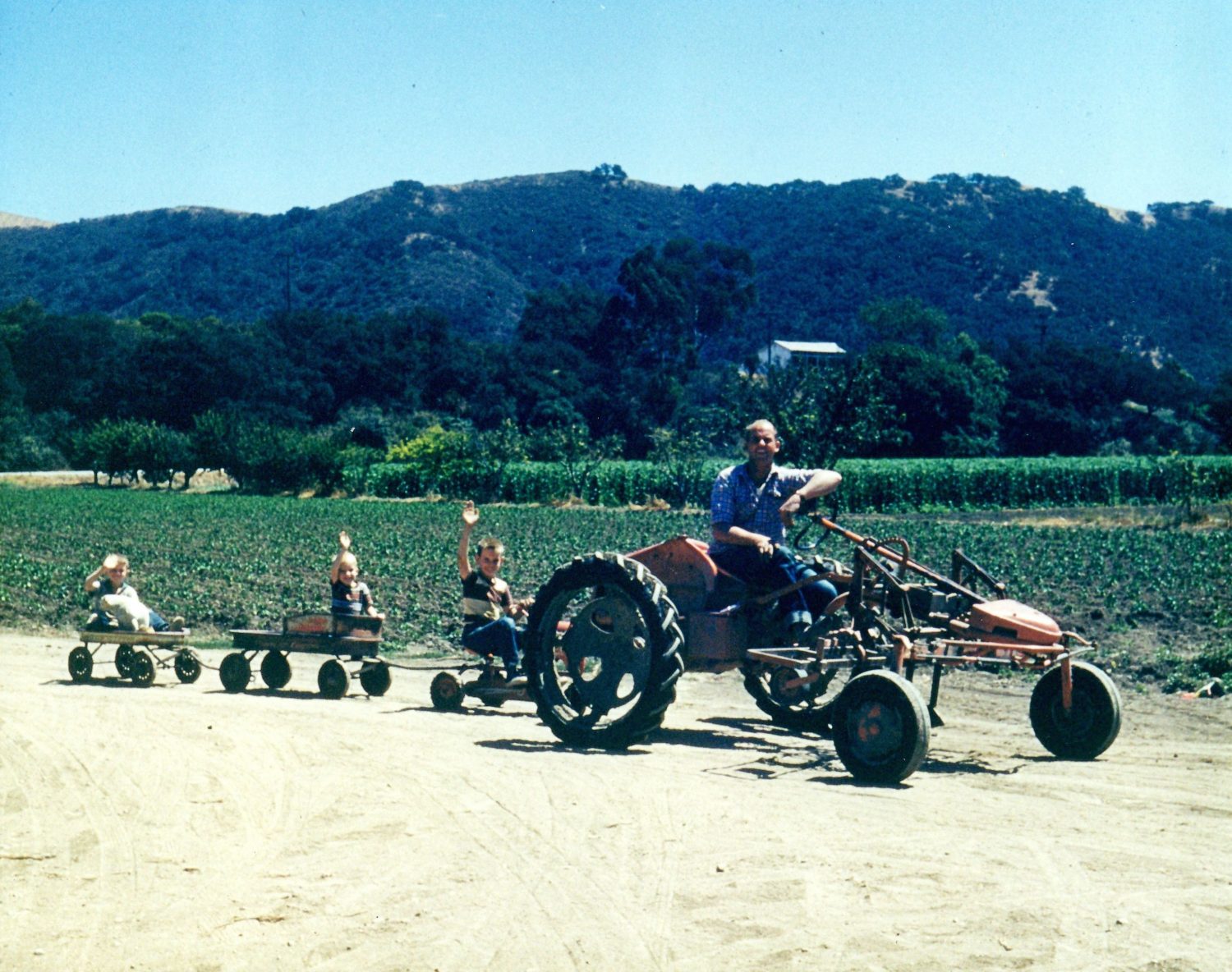
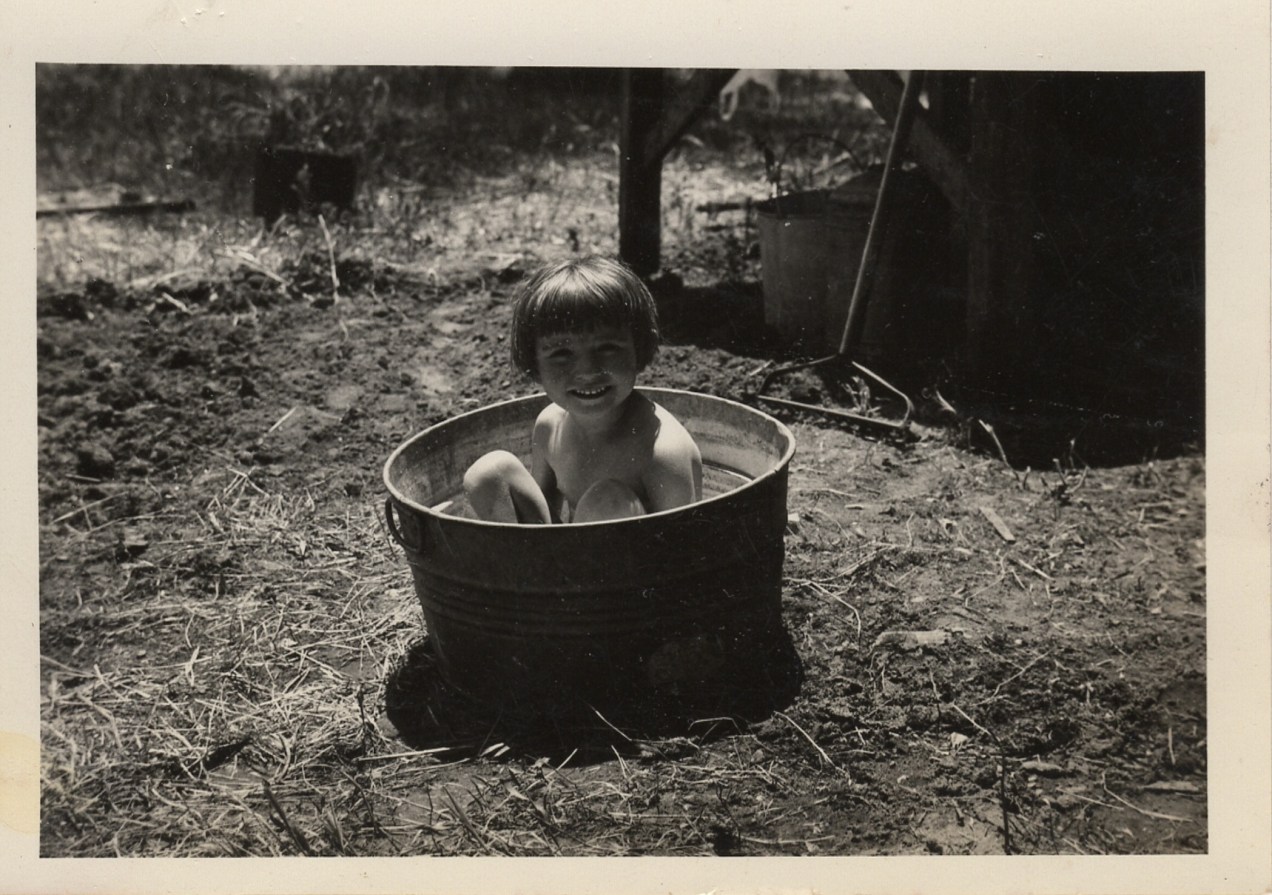
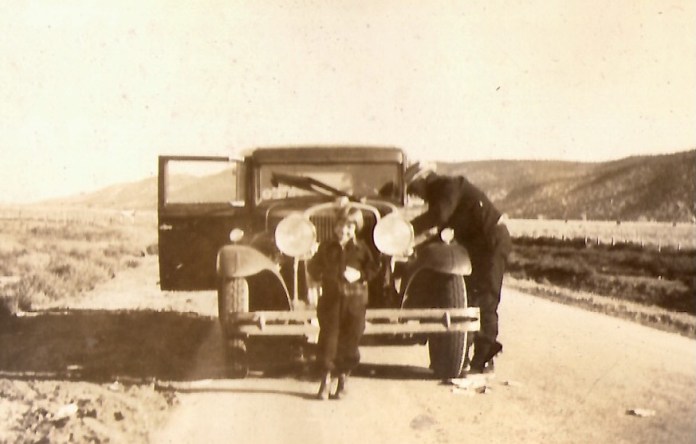
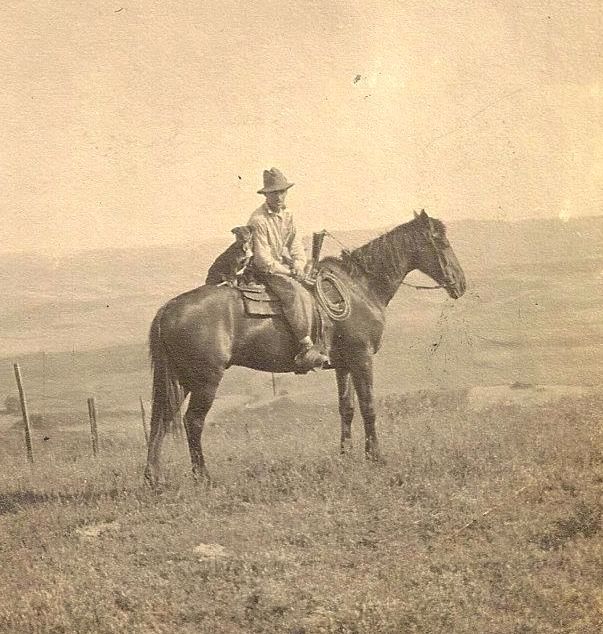
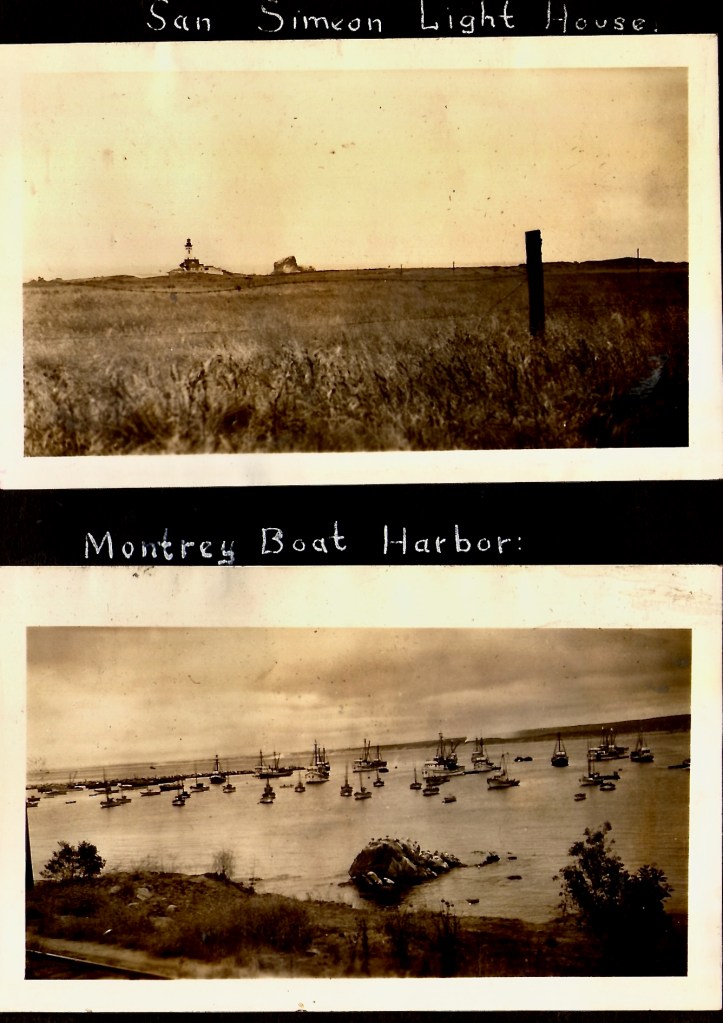
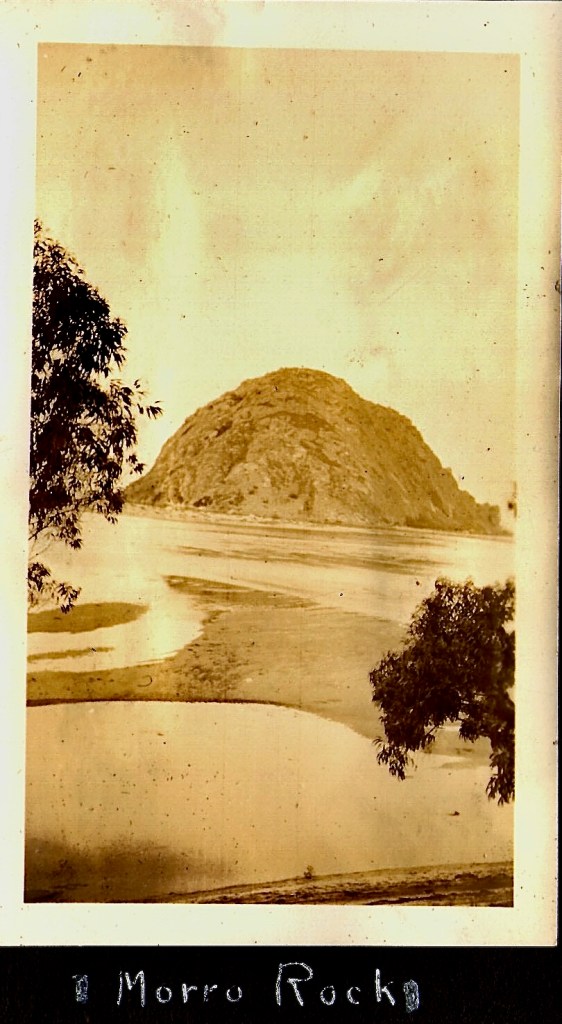
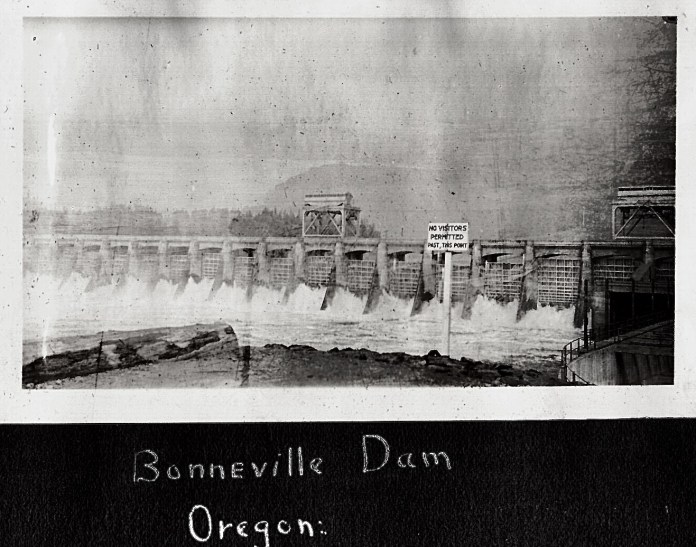
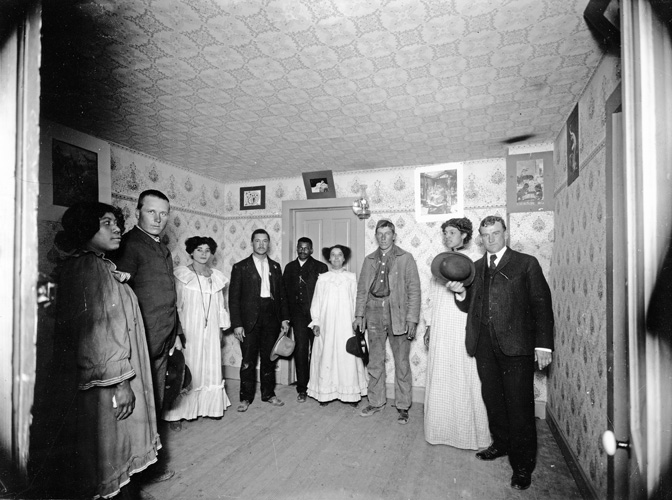
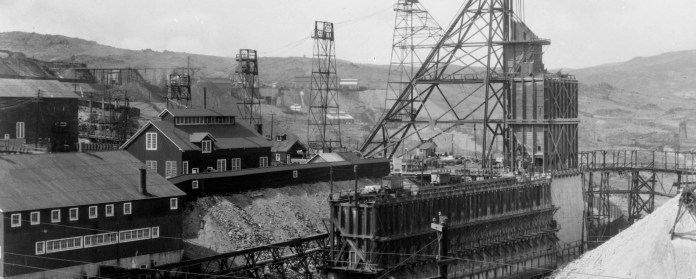
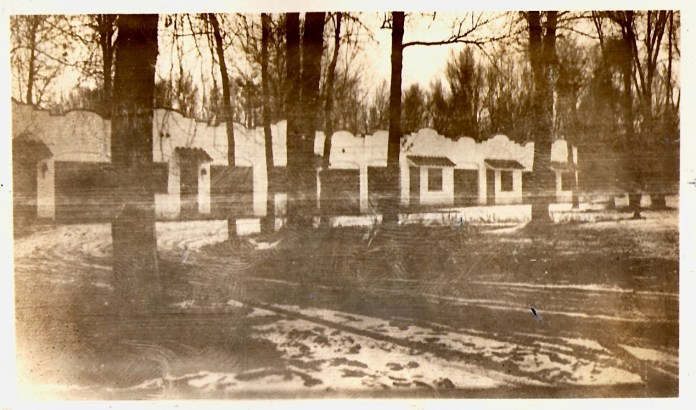
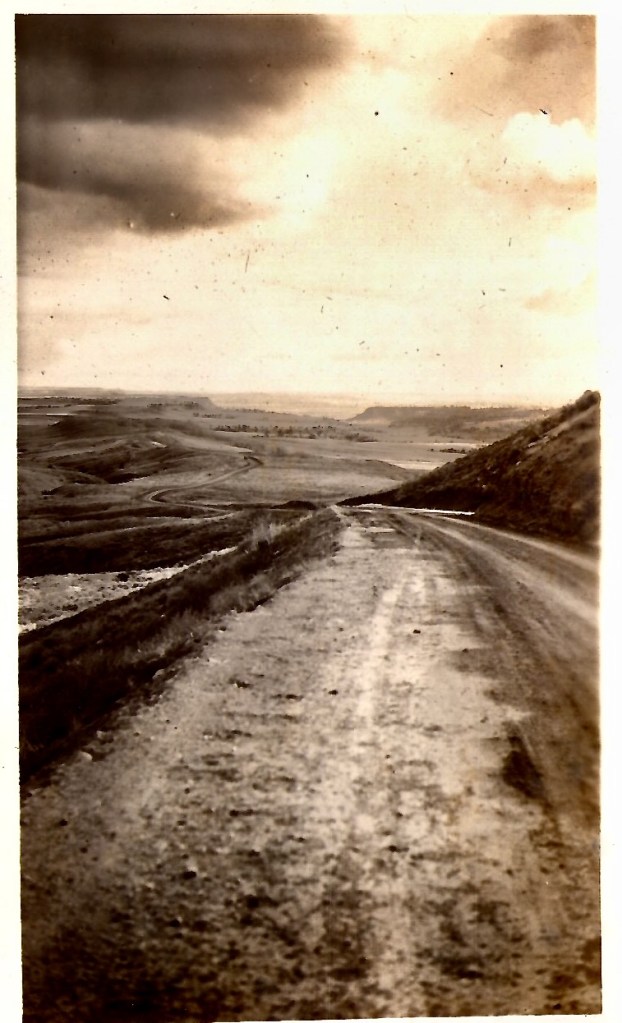

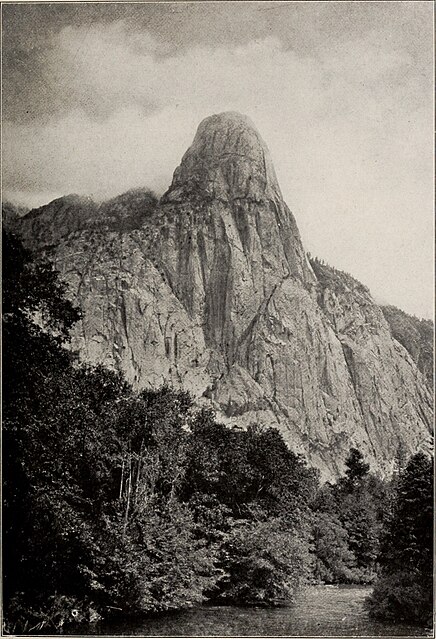
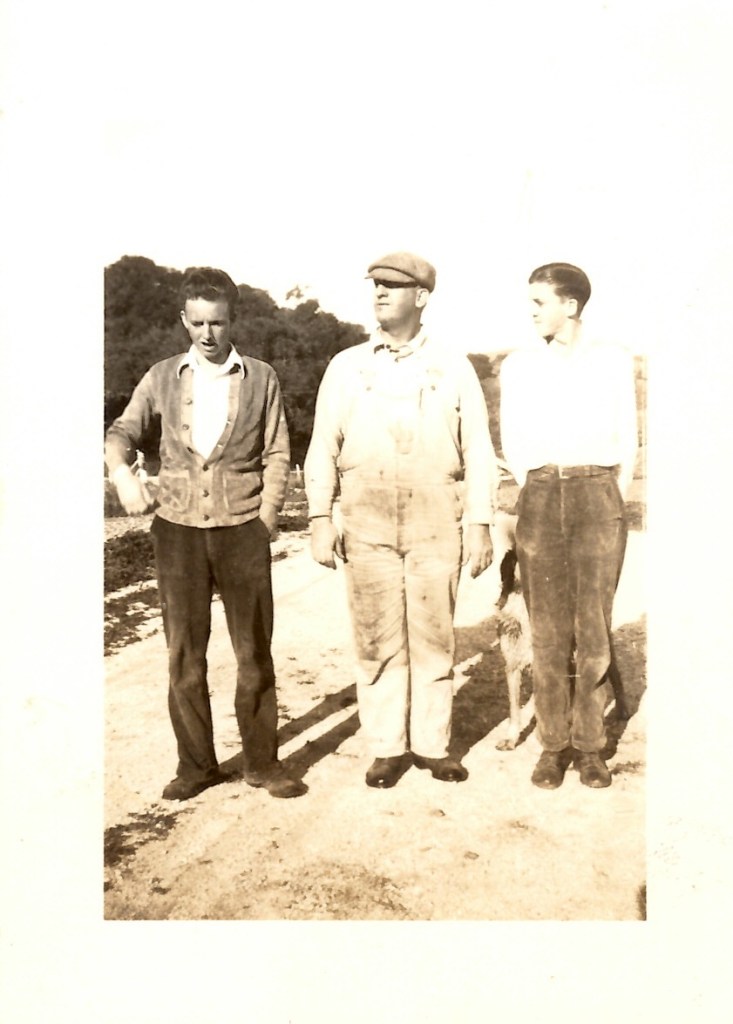
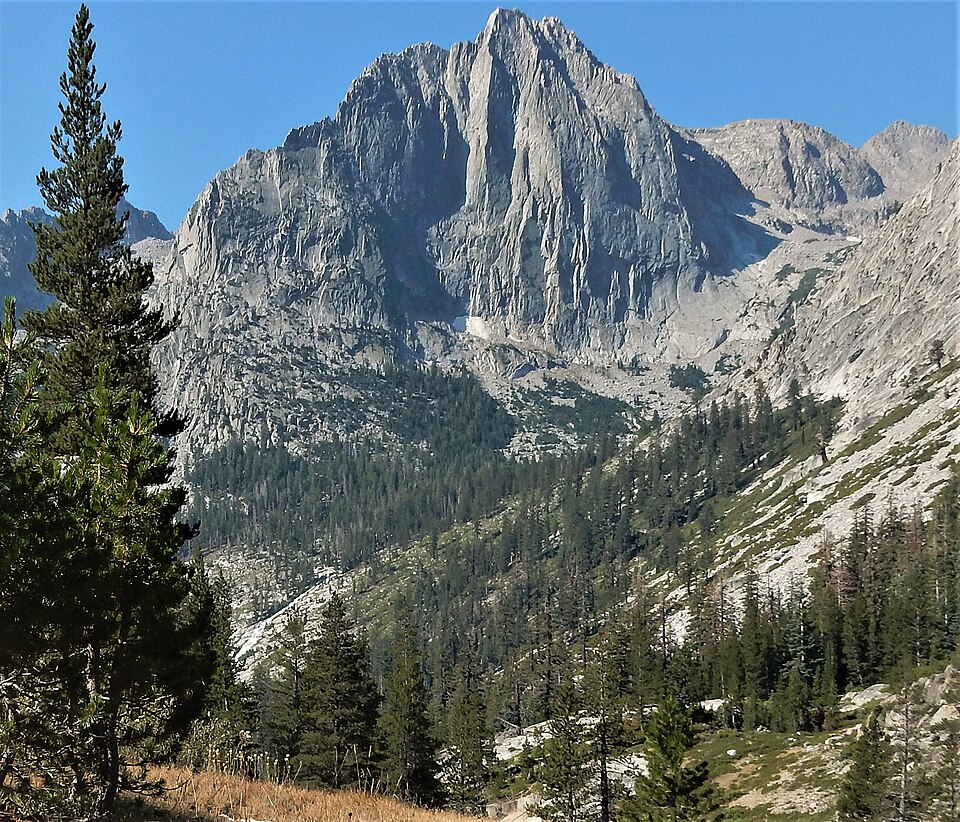
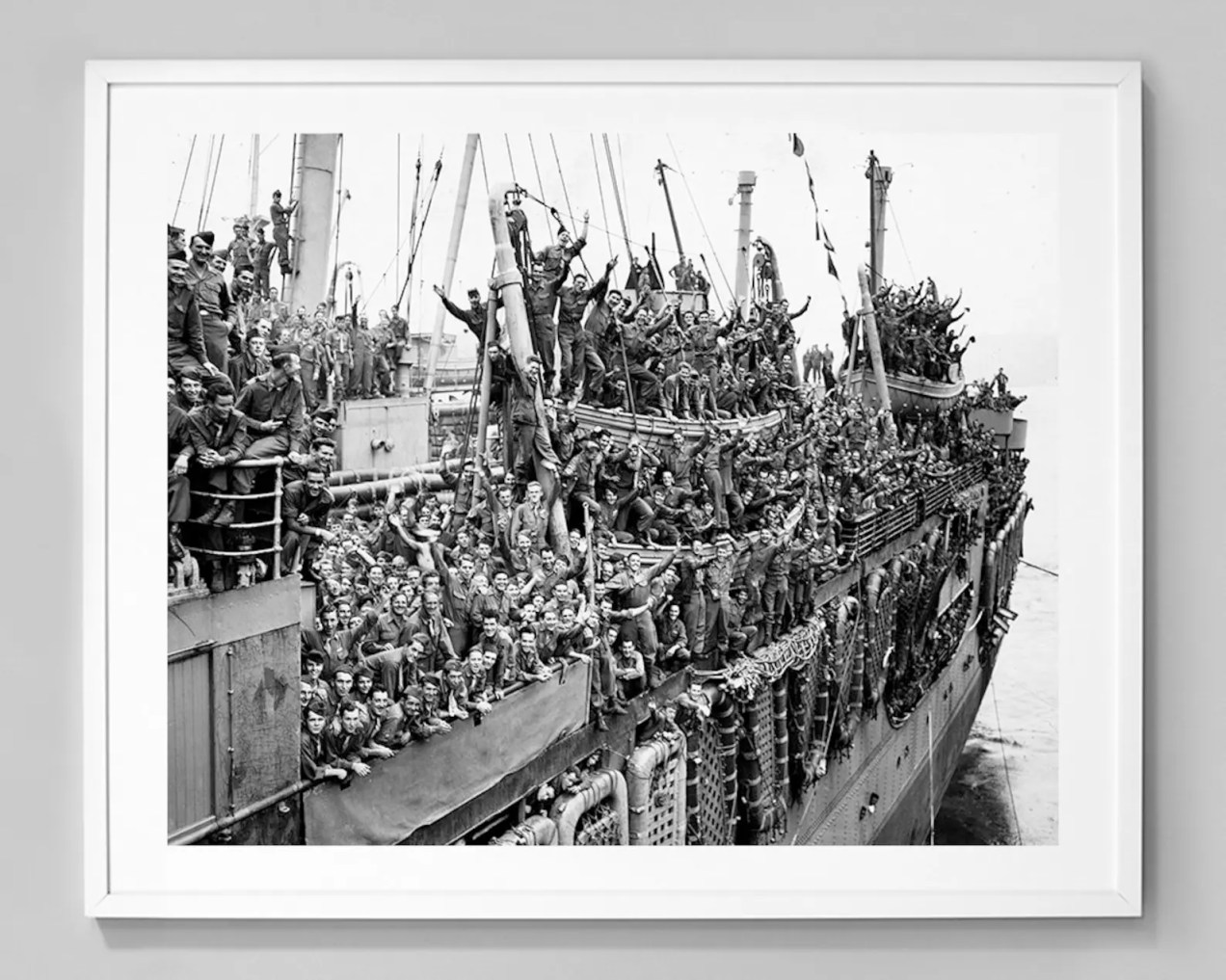
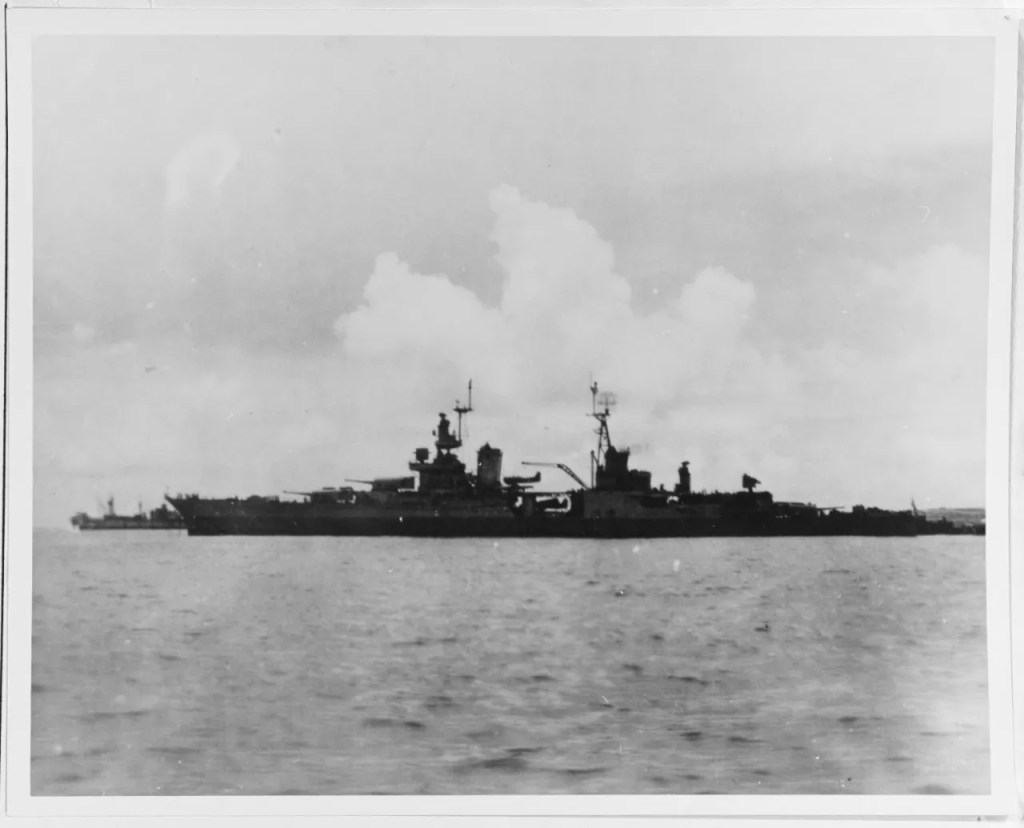
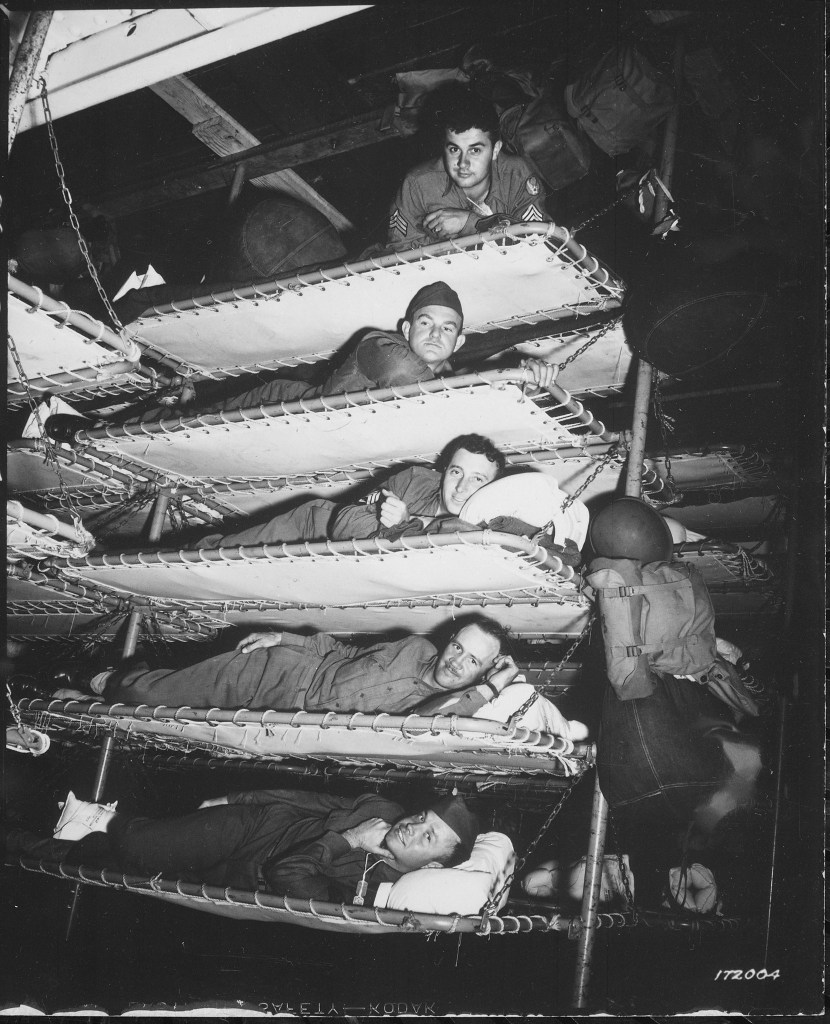
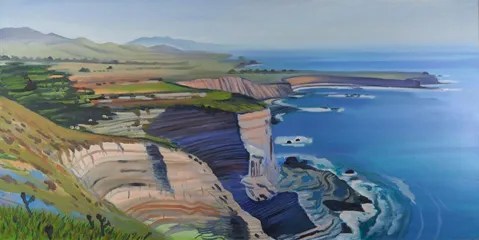
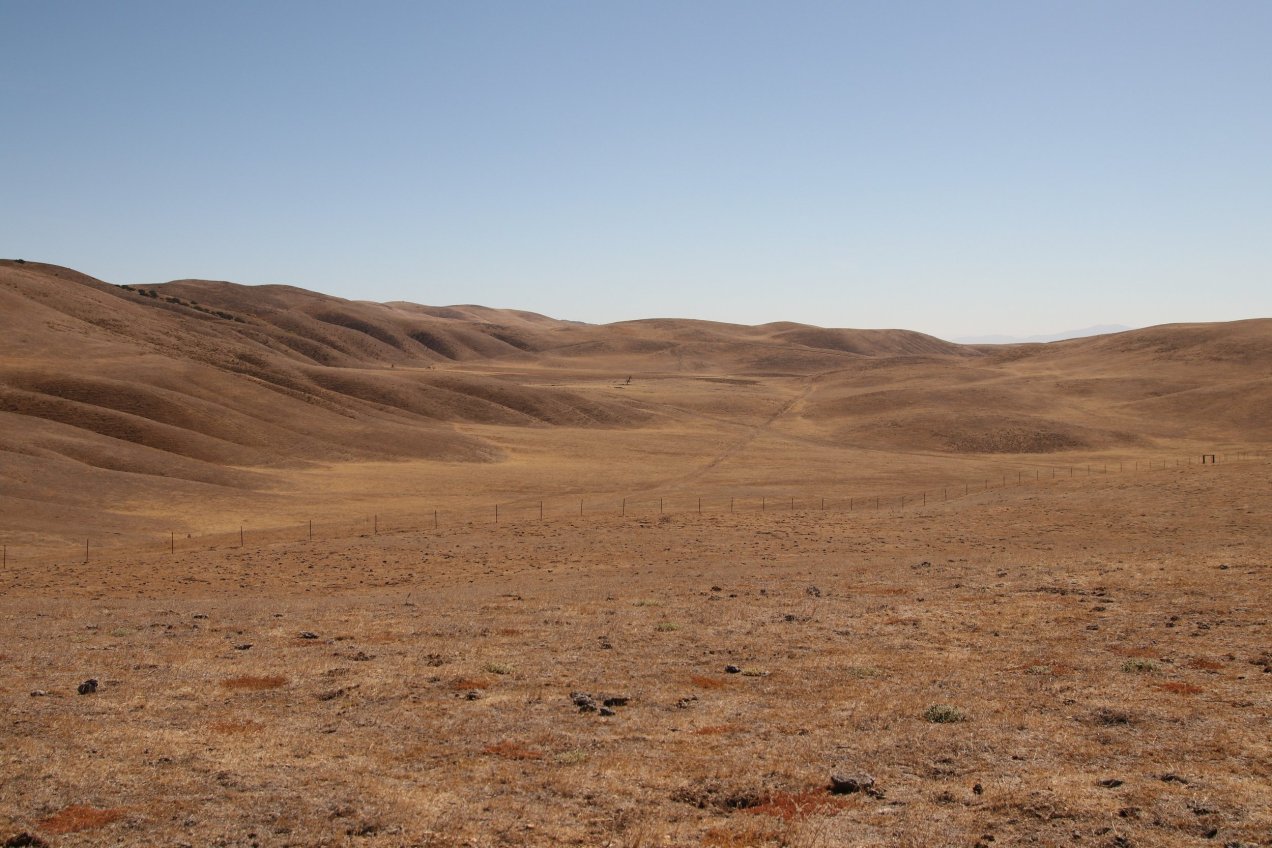
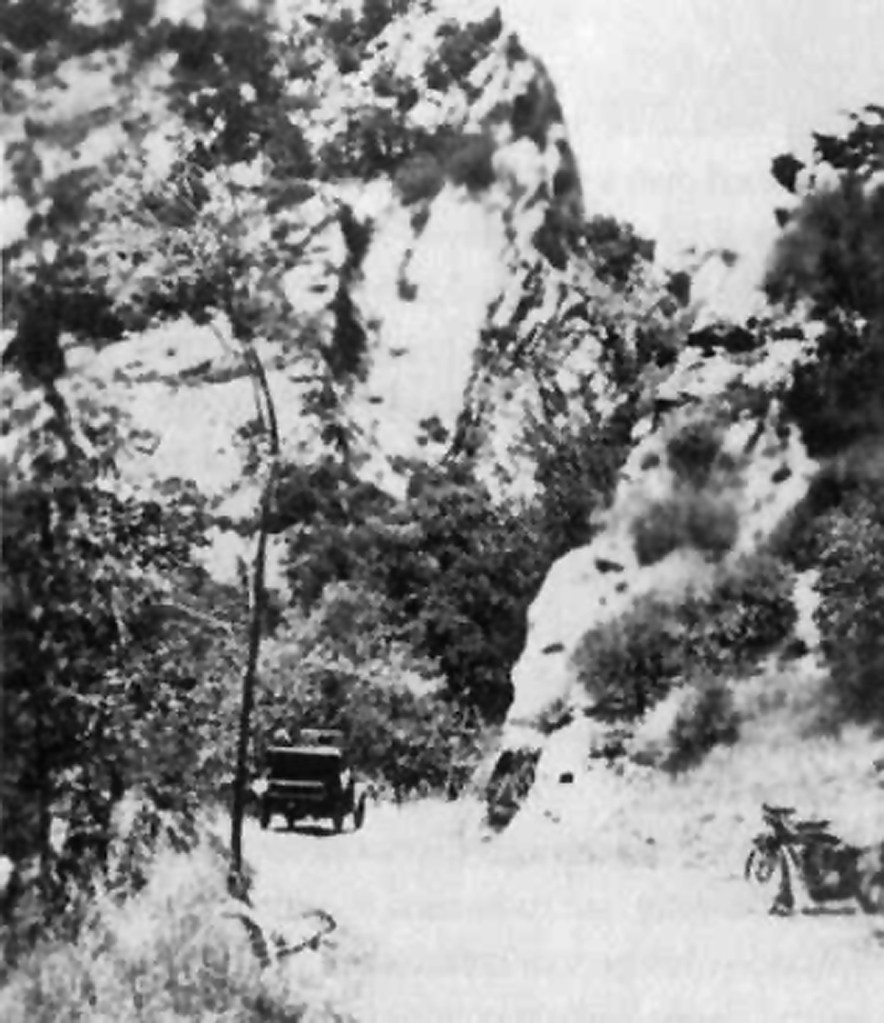
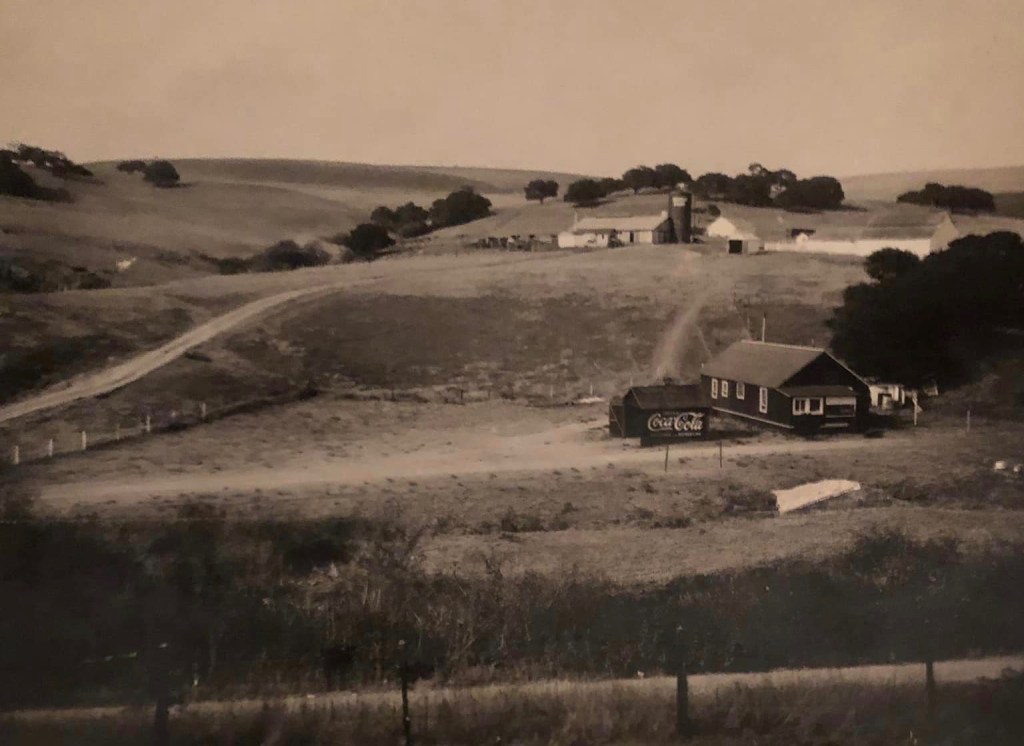
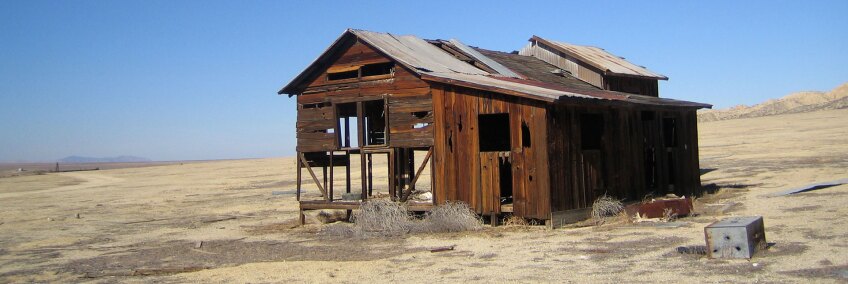

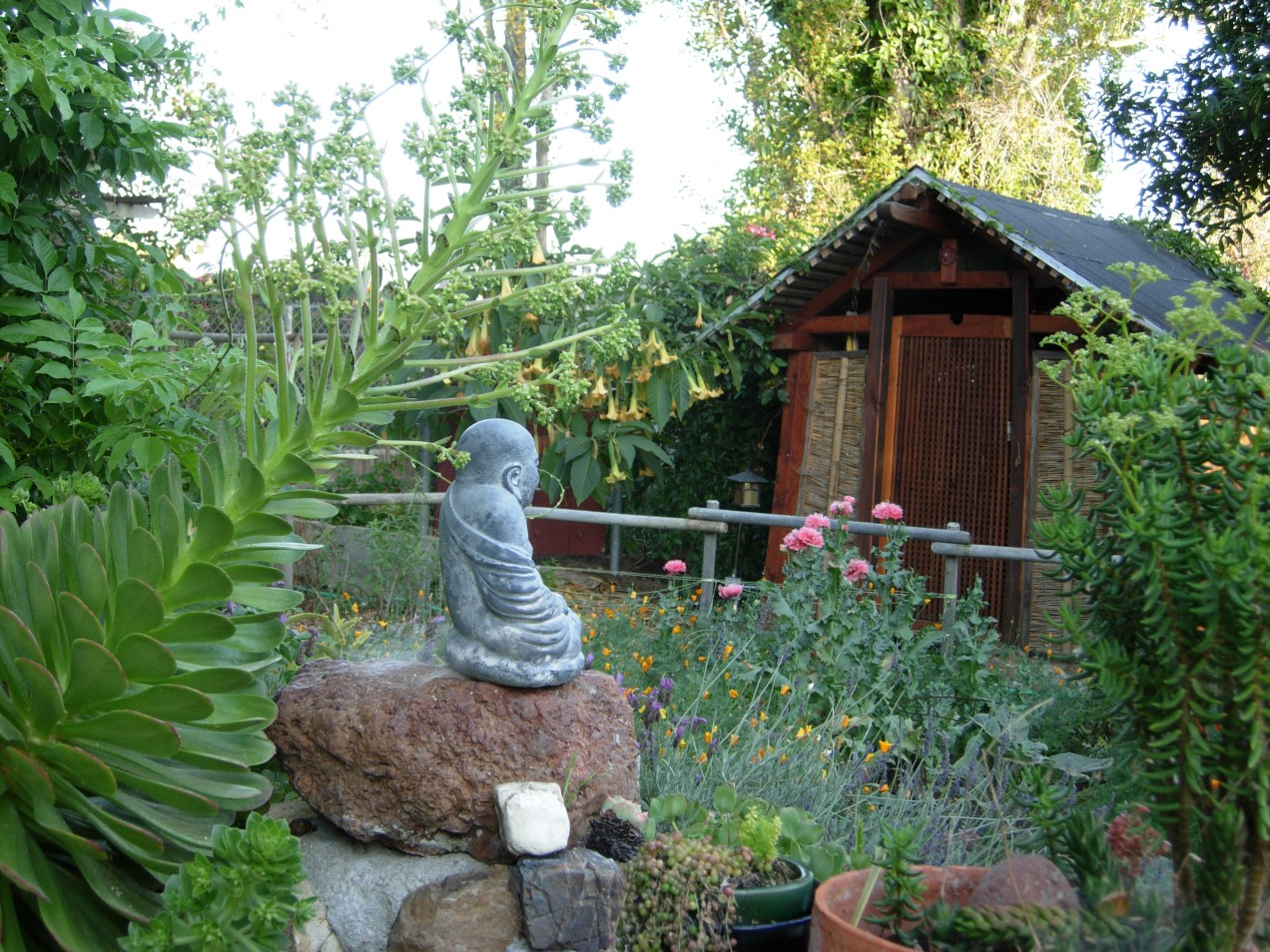

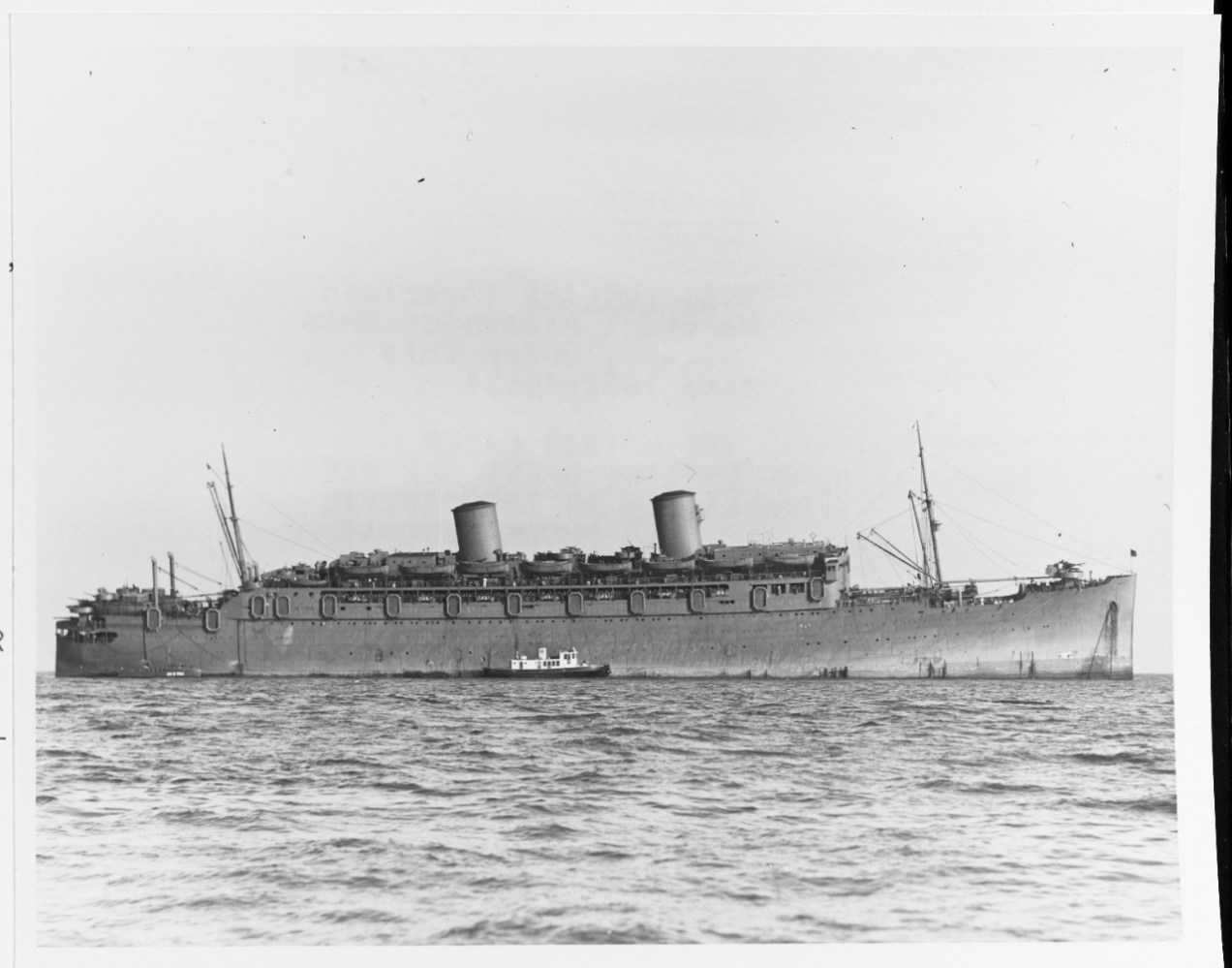
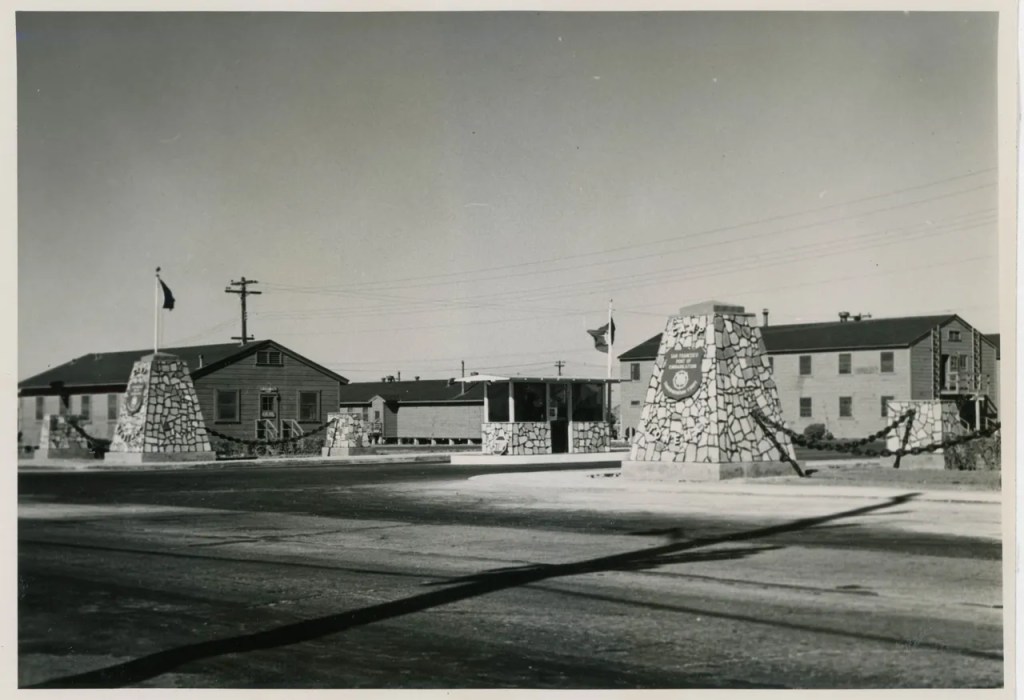

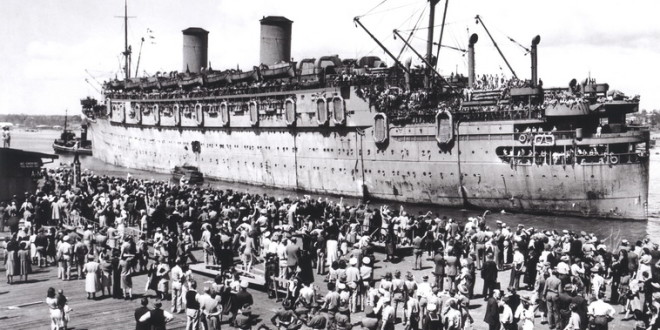
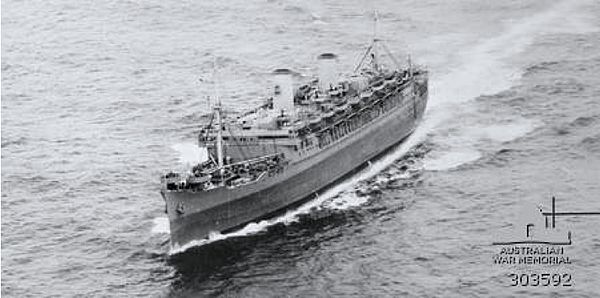

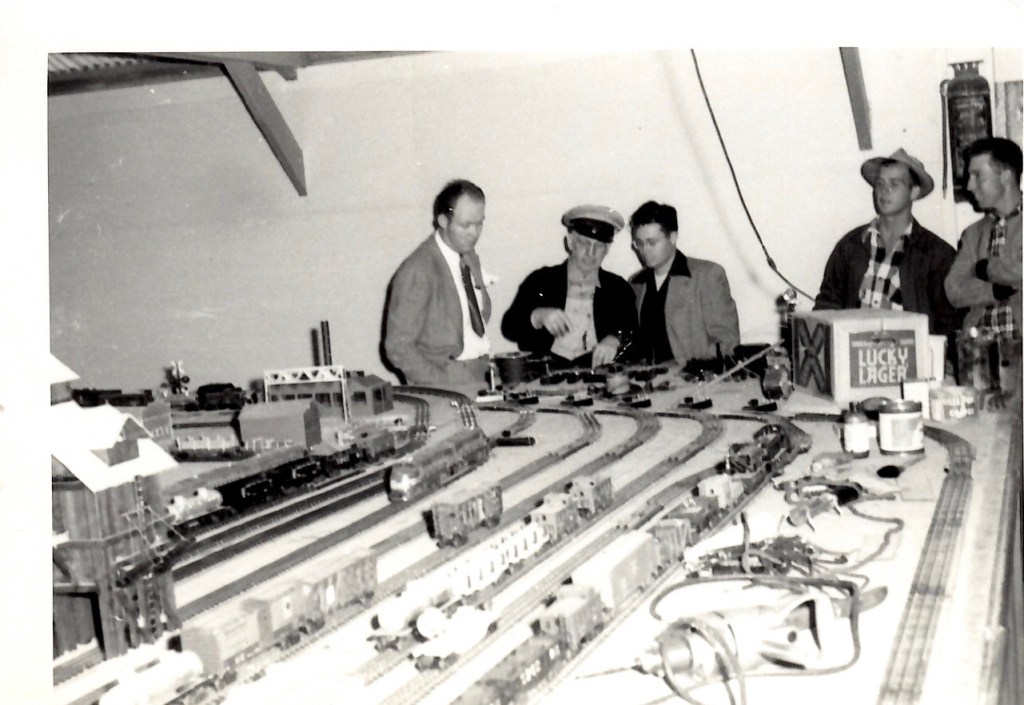
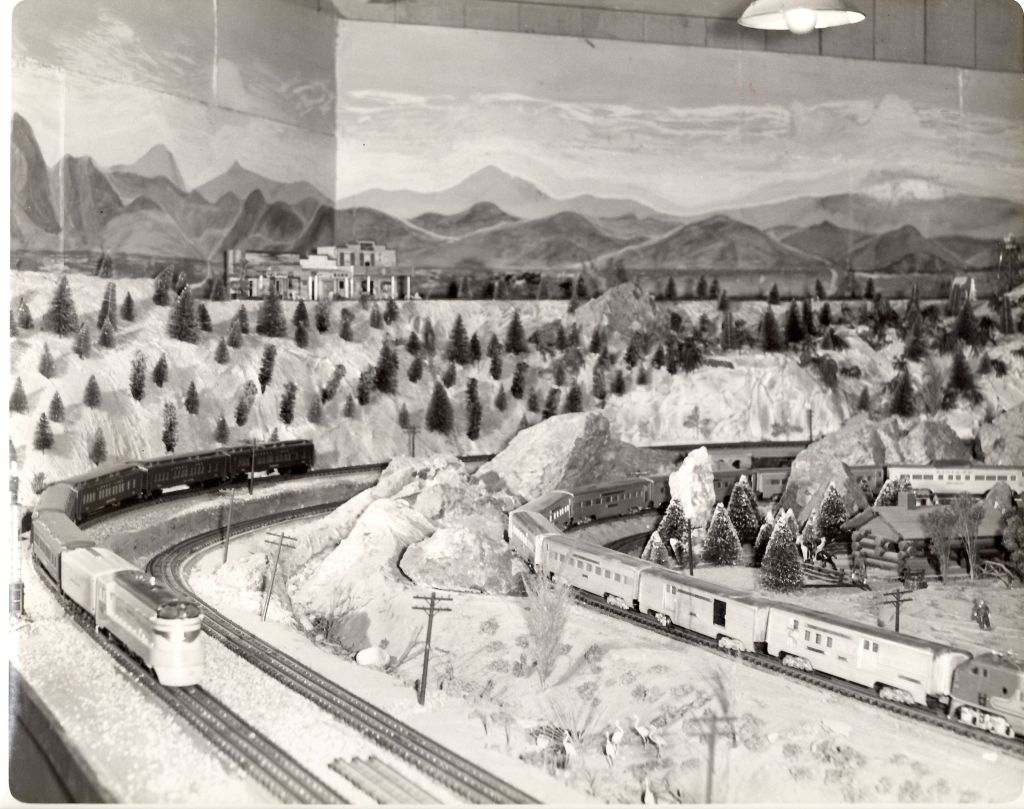
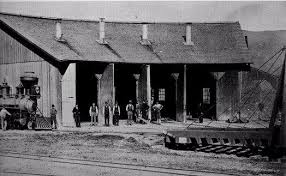
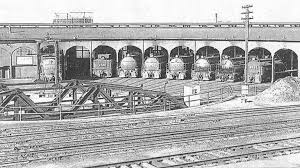
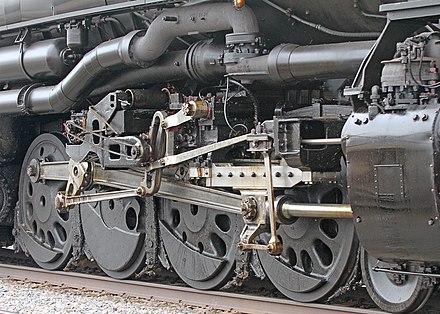
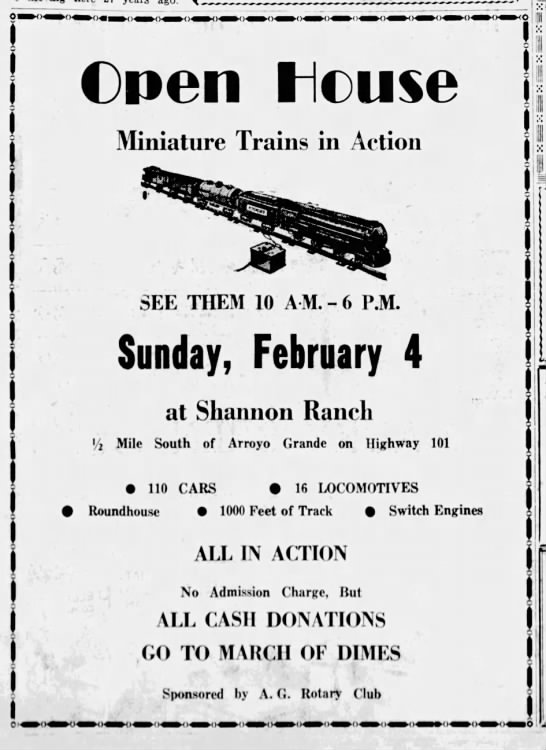
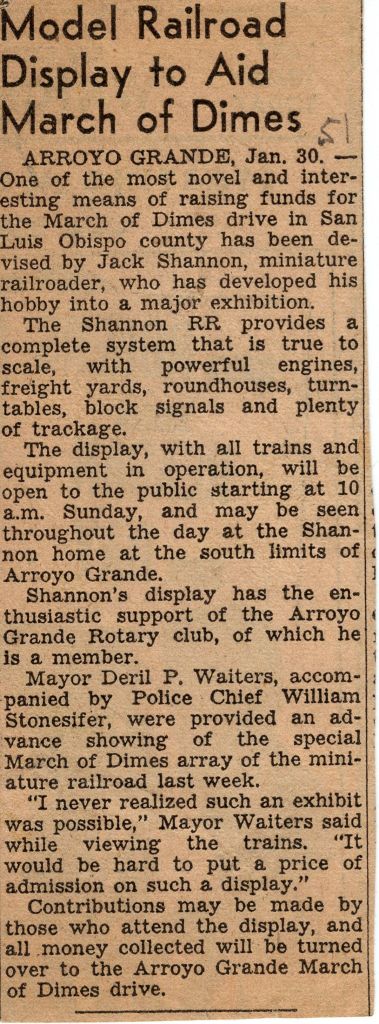
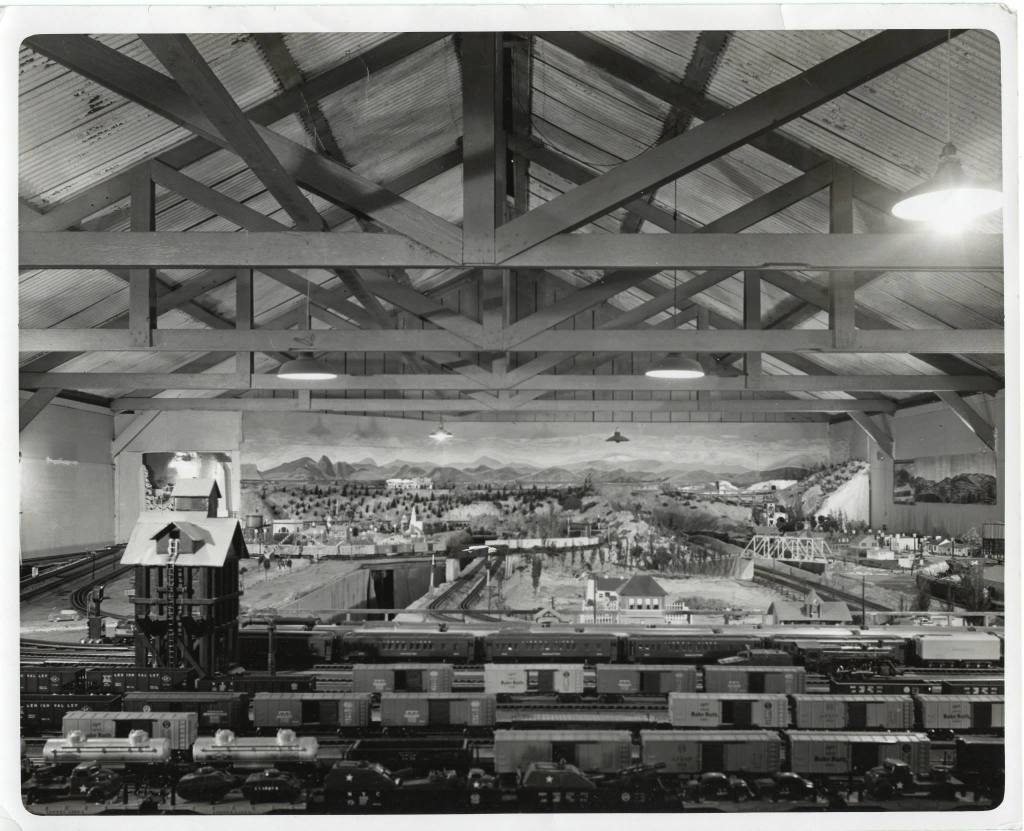
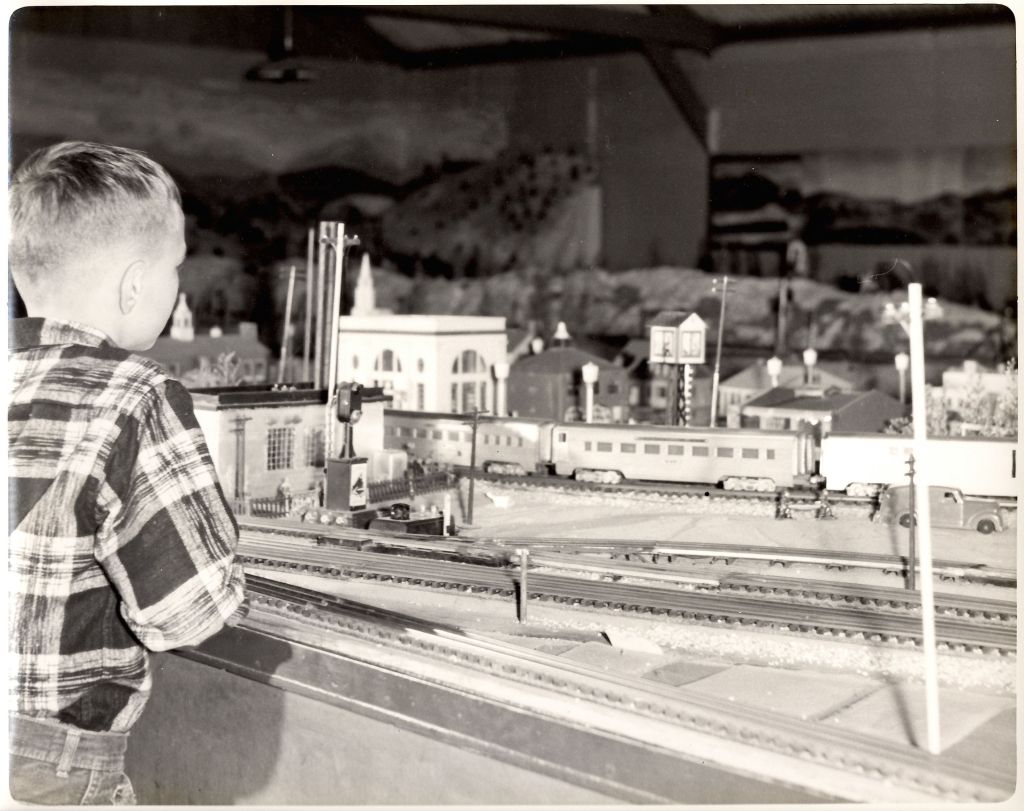


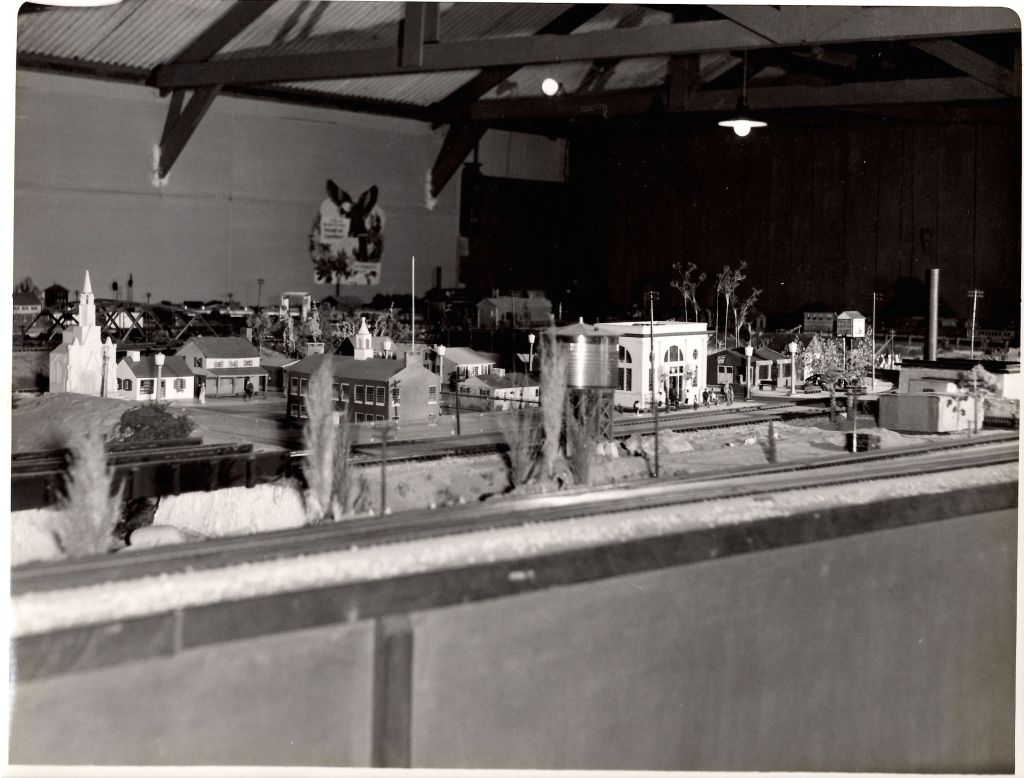

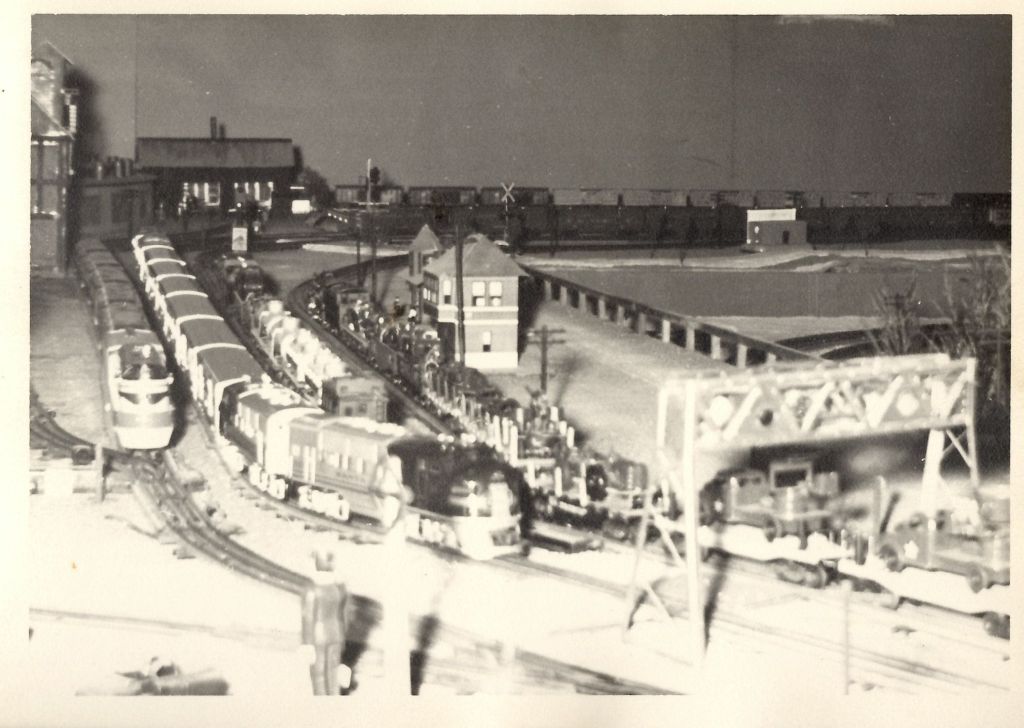
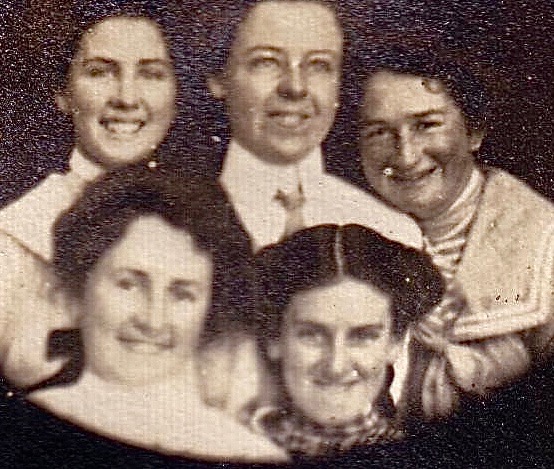
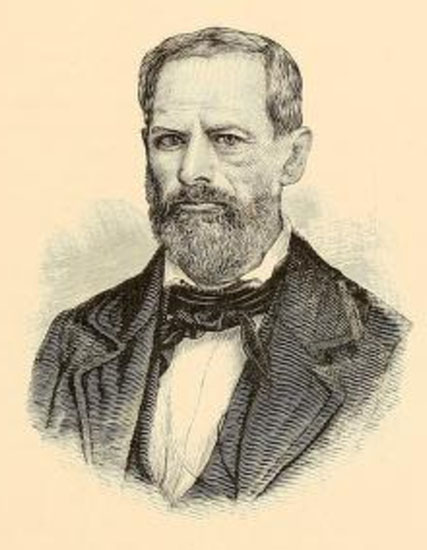
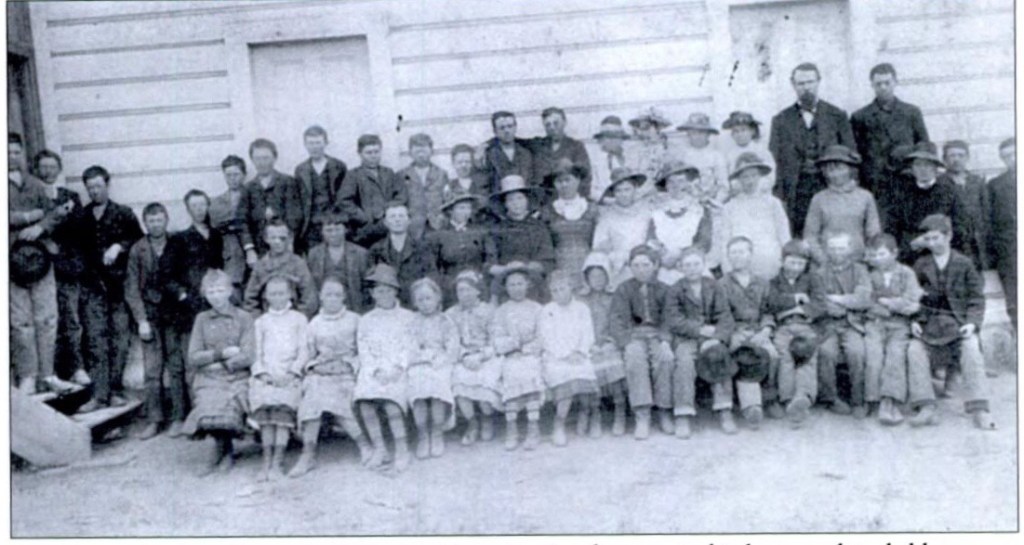
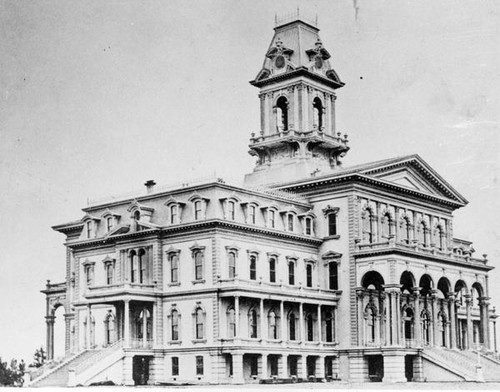

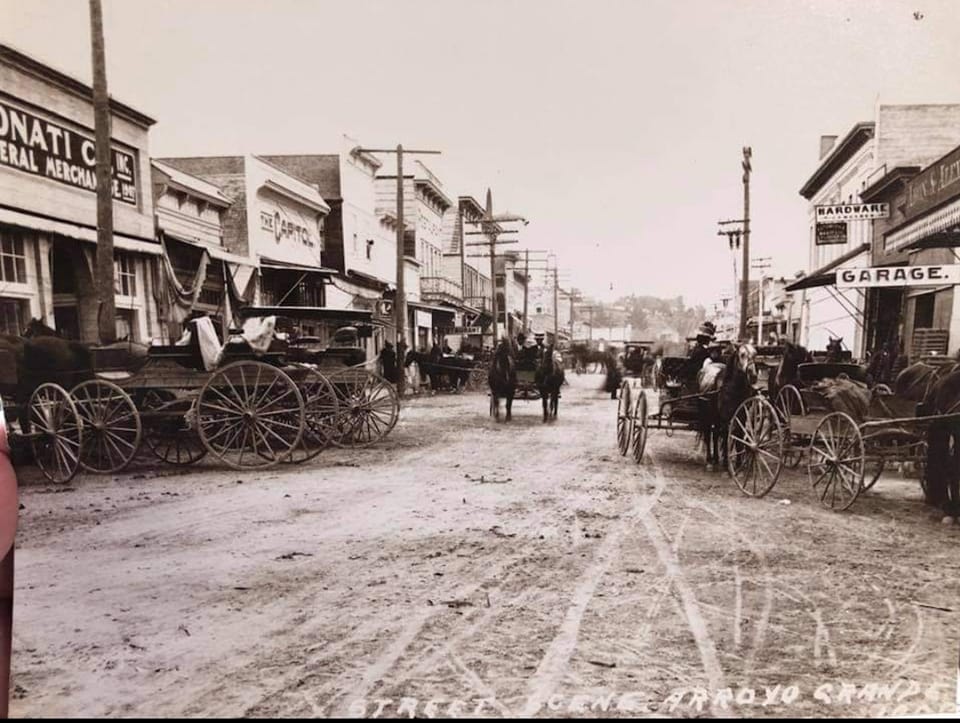


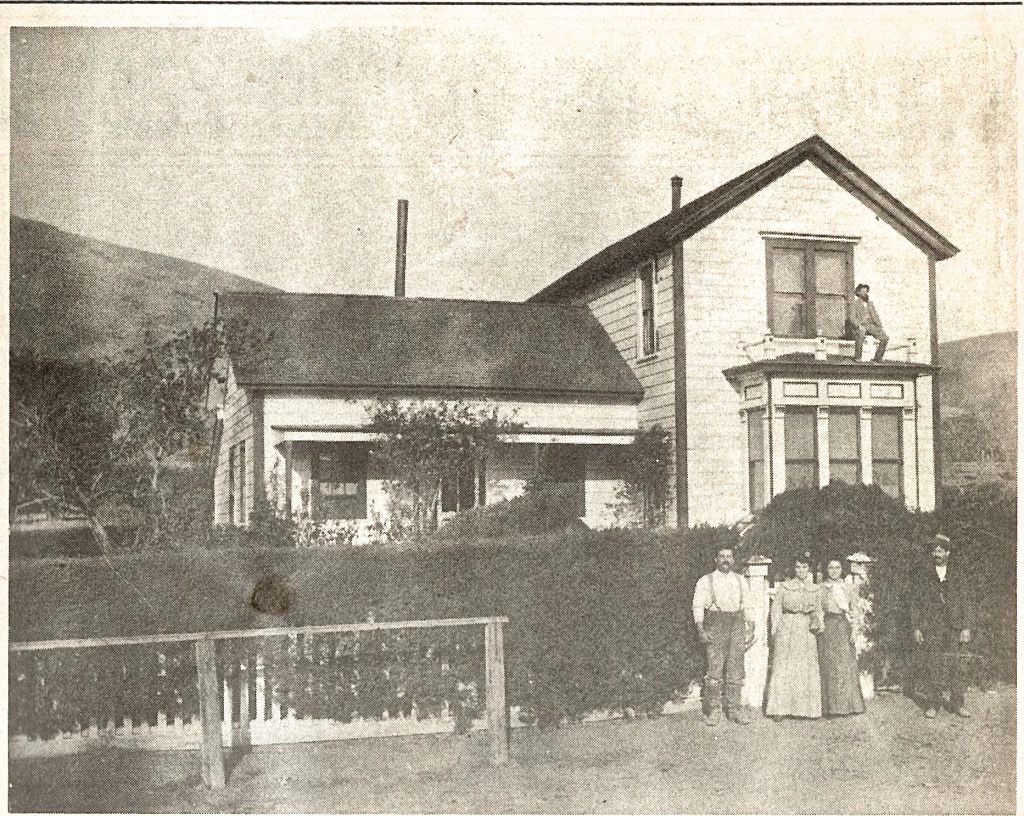

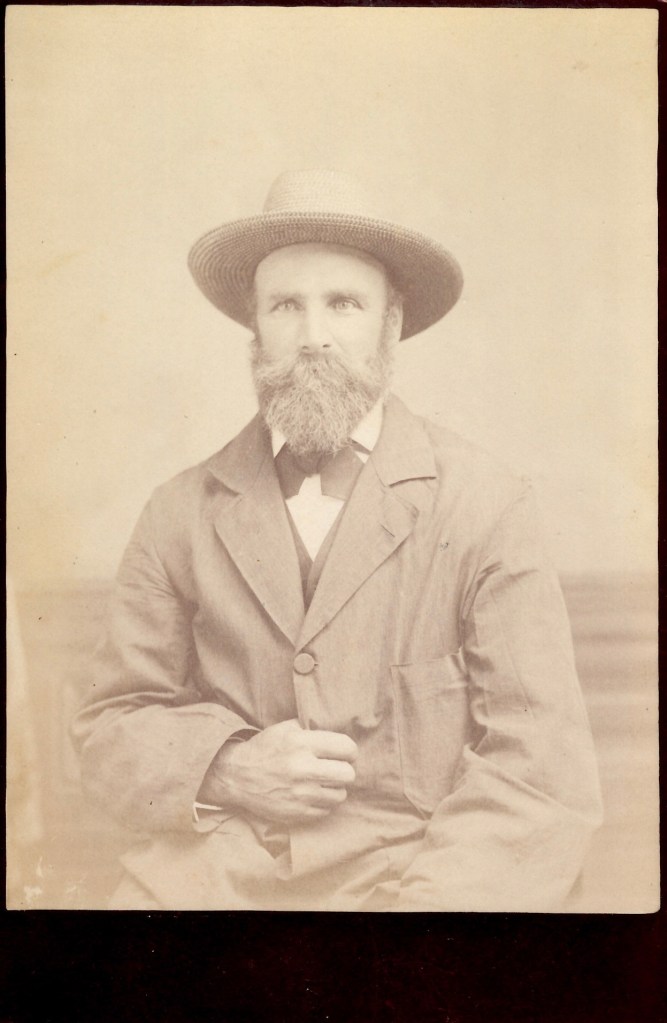
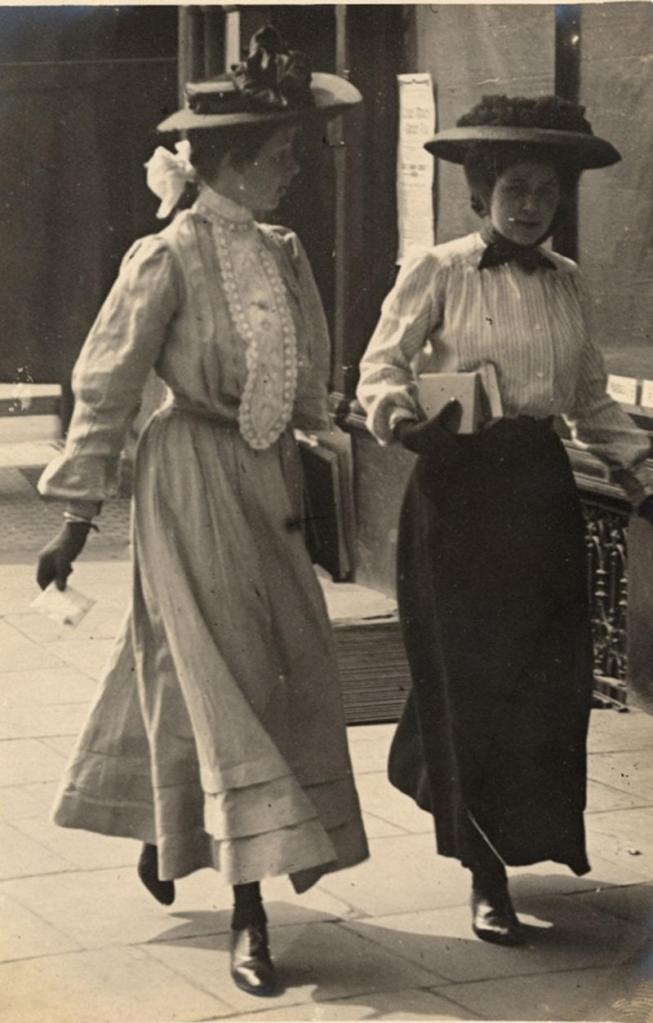

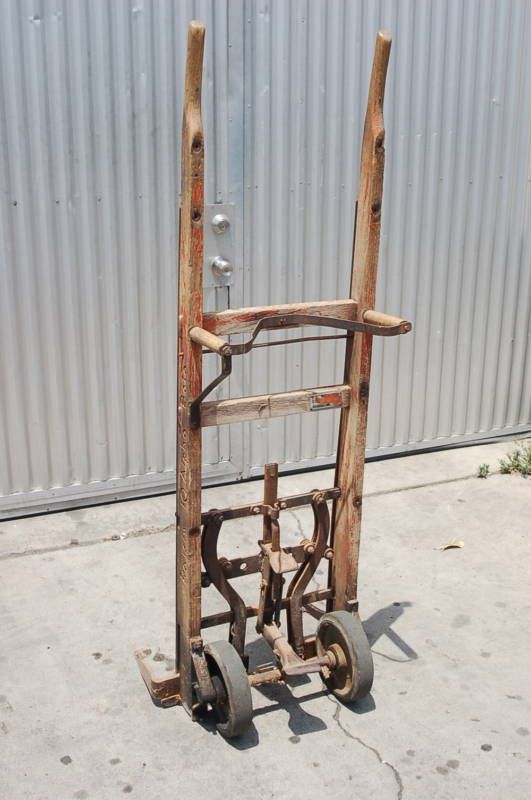

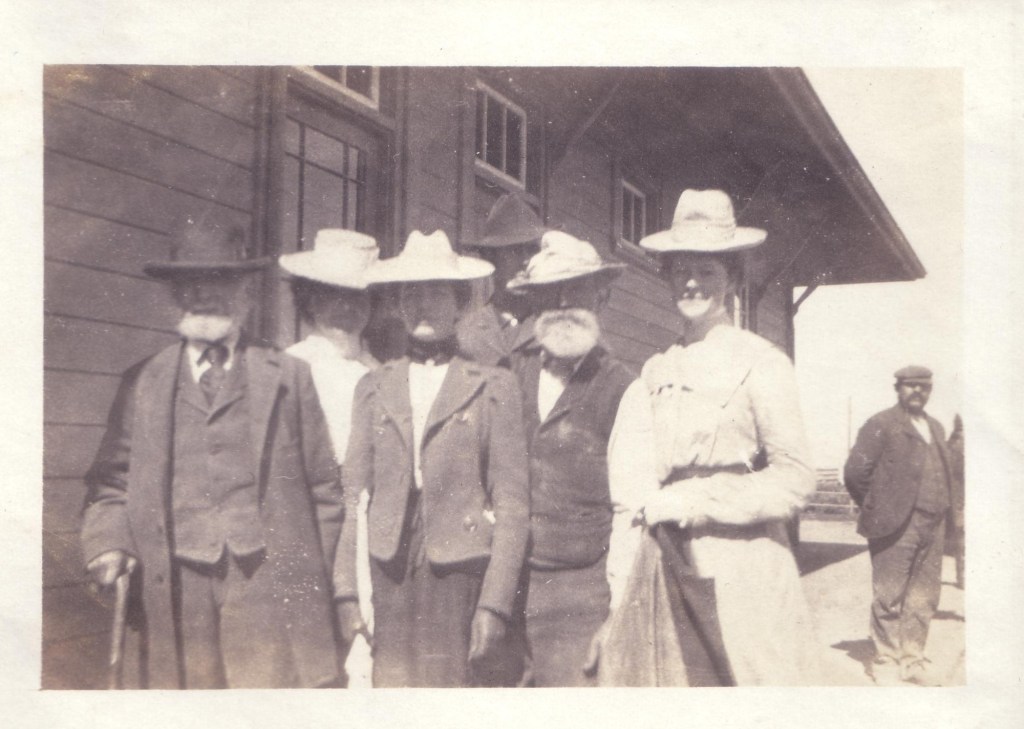


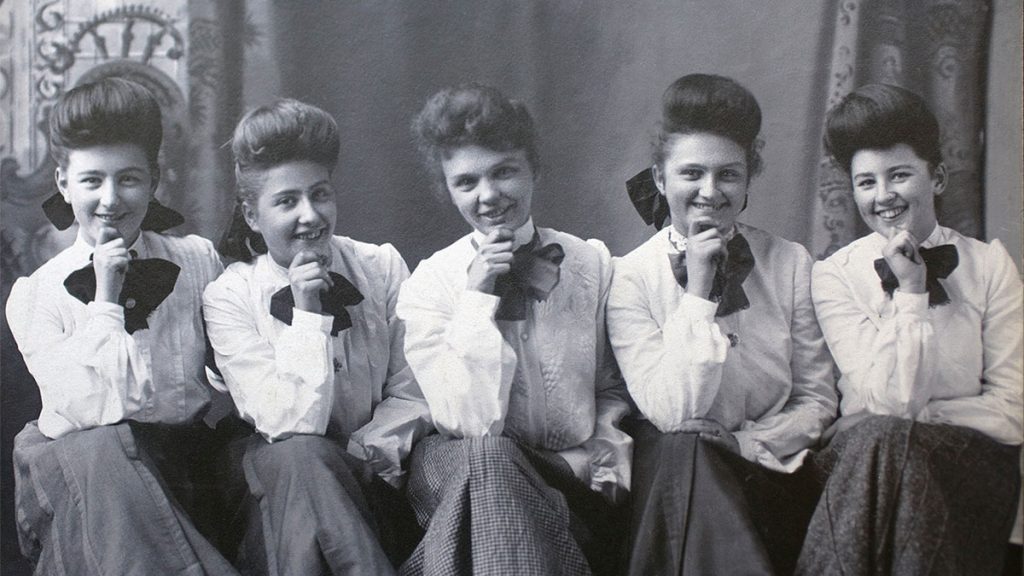
 atthetable2015